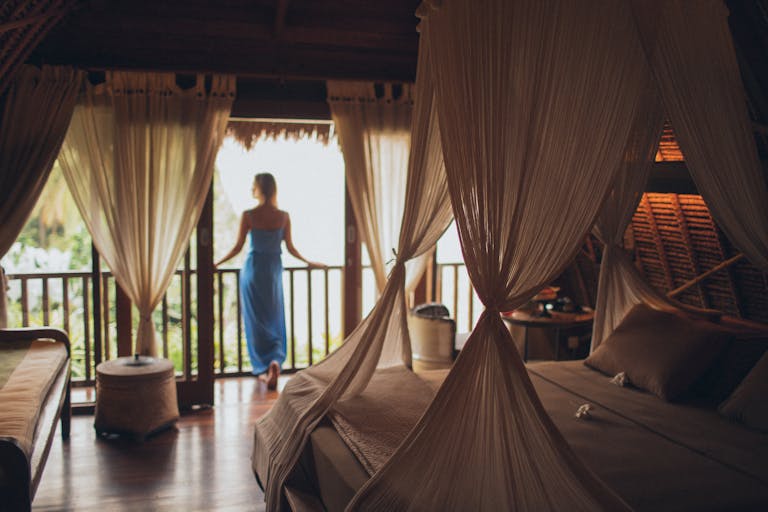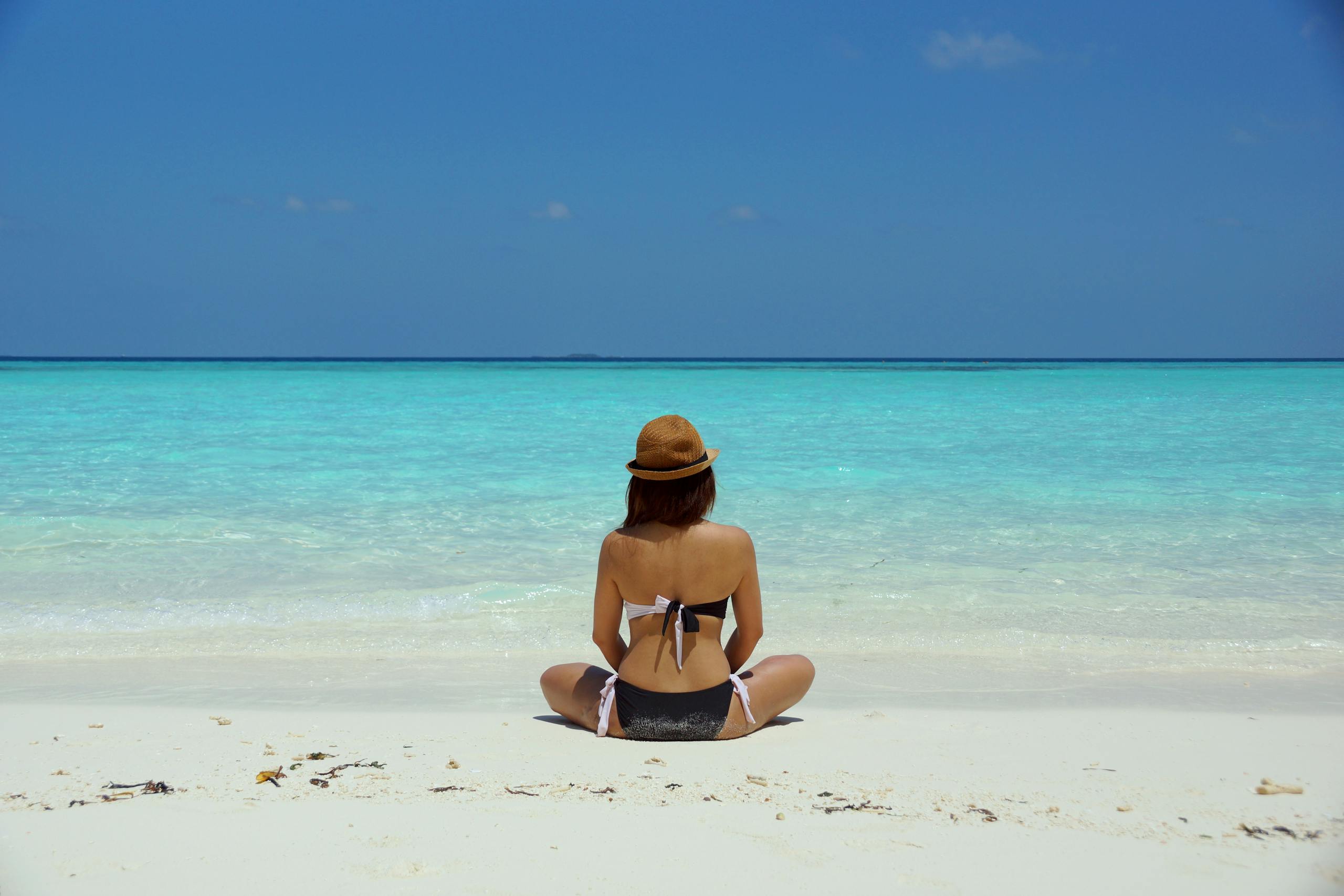
The Instagram version of digital nomad life looks effortless. Laptops perched on beachside tables, golden hour lighting, perpetual adventure. But behind the curated posts exists a reality that rarely gets discussed: the emotional complexity of building a location-independent life when your nervous system craves depth, routine, and solitude.
I spent over two decades in advertising and marketing leadership, managing teams across time zones and flying to client meetings that left me depleted for days afterward. The constant movement, the relentless networking, the performative energy required to lead in extrovert-dominated spaces taught me something valuable about myself. I needed control over my social exposure in ways my colleagues never seemed to require. When remote work became possible, the appeal was immediate. But translating that possibility into sustainable nomadic living required strategies I had to learn through trial, error, and a few spectacular burnouts.
This guide exists because introverted nomads face challenges that mainstream digital nomad content rarely addresses. The loneliness that hits differently when you process emotions internally. The decision fatigue that accumulates when every week brings new environments. The exhaustion of constant novelty when your brain craves familiar patterns. Understanding these challenges transforms global nomad life from an unsustainable fantasy into a lifestyle that actually works for how introverts are wired.

Why Digital Nomad Life Appeals to Introverts
The surface appeal is obvious: escape from open-plan offices, freedom from mandatory happy hours, liberation from the social performance that traditional workplaces demand. But the deeper attraction runs parallel to introvert psychology itself.
Remote work eliminates the ambient social pressure that drains introverted professionals. Research on remote work and personality types confirms that introverts typically thrive in quiet, controlled environments where they can communicate on their own terms. The ability to structure your day around your energy cycles rather than office schedules represents genuine freedom for those of us who do our best work in solitude.
I remember the relief when I realized I could conduct client calls from anywhere, then disappear into productive silence without anyone questioning my whereabouts. No more forcing small talk by the coffee machine. No more pretending to be energized by brainstorming sessions that left me hollow. The nomad lifestyle promised something I had chased for years: professional success without constant social performance.
Beyond work structure, travel itself offers something introverts rarely discuss openly. New environments provide automatic permission to be alone. Nobody expects you to have friends in a city you just arrived in. The solitude that might seem isolating at home becomes perfectly normal abroad. You can spend entire days observing, processing, wandering without anyone finding it strange.
The Hidden Challenges Nobody Warns You About
Here is where the Instagram fantasy collides with psychological reality. Academic research on digital nomads reveals what experienced travelers already know: loneliness among digital nomads is highly contextual, depending heavily on personality type, relationship status, and destination. For introverts, this loneliness operates differently than it does for extroverts, and the solutions look different too.
The constant novelty that energizes some travelers exhausts introverted nervous systems. Every new city requires learning transportation systems, locating quiet workspaces, establishing basic routines. This cognitive load accumulates invisibly until you find yourself paralyzed by decisions that should feel simple. Where to eat. Which neighborhood to explore. Whether to attend that networking event. I have experienced weeks where choosing between two coffee shops felt like an impossible burden.
Transient relationships present their own challenge. Digital nomad communities are built for rapid connection, for instant friendship that dissolves when someone moves to the next destination. Introverts, who typically prefer fewer but deeper relationships, often struggle with this constant cycle of meeting, bonding, and saying goodbye. After enough departures, you start protecting yourself by connecting less deeply, which creates its own form of loneliness.
The phenomenon researchers call “nomad fatigue” or “perpetual traveler grief” affects introverts intensely because we process these accumulated losses internally rather than talking them through. Learning to live as an introvert in a loud world becomes even more complex when that world keeps changing beneath your feet.
The Slowmad Solution: Why Staying Longer Changes Everything
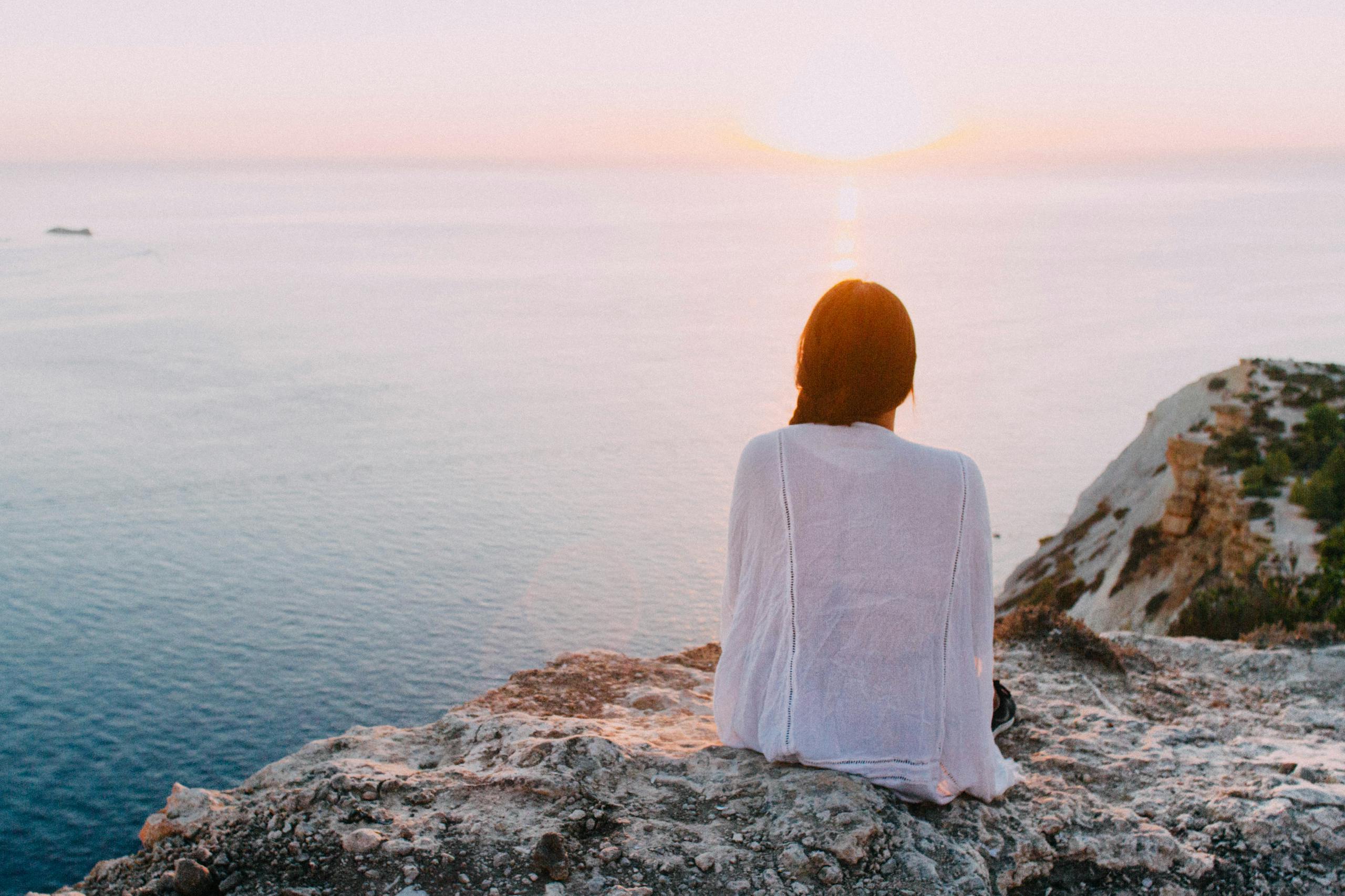
The antidote to nomad burnout has a name: slowmadism. Rather than hopping between countries every few weeks, slowmads stay in one location for months at a time. This approach aligns remarkably well with introvert psychology.
When you stay somewhere for three to six months instead of three to six days, the cognitive load drops dramatically. You learn which café has reliable wifi and decent coffee. You establish walking routes that feel like home. You give relationships time to deepen beyond surface-level friendships. The constant decision-making that characterizes fast travel gives way to comfortable routine.
I learned this through painful experience. My first year as a nomad, I moved every two to three weeks, chasing the excitement of new destinations. By month eight, I was emotionally depleted, struggling to focus on work, dreading the packing and unpacking cycle that had once felt adventurous. Slowing down was not a retreat from nomad life but its maturation.
Research supports what slowmads discover intuitively. Studies on slow travel show stronger cultural immersion, reduced stress, and higher life satisfaction compared to rapid destination hopping. For introverts specifically, the reduced novelty allows our processing-intensive brains to actually absorb experiences rather than merely surviving them.
The financial benefits compound the psychological ones. Long-term rentals cost significantly less per night than short stays. You stop wasting money on tourist traps because you have time to discover local alternatives. Your productivity increases because you are not constantly managing logistics. One slowmad tracked a 20 percent increase in billable hours after switching from fast to slow travel.
Building Community on Your Own Terms
The introvert paradox with nomad life is this: we need solitude to function, but complete isolation damages us as much as constant socialization. Finding fulfillment as an introvert requires calibrating social exposure carefully, and this calibration becomes more complex when you are constantly in new environments.
Coworking spaces offer one solution, though they require strategic selection. According to global coworking surveys, approximately 22 percent of coworking members identify as introverts, and they tend to prefer smaller, more relaxed spaces where interaction is optional rather than mandatory. The best coworking spaces for introverts feature quiet zones, private phone booths, and community without pressure.
I have found that smaller coworking spaces in non-tourist neighborhoods work better than the large, buzzy hubs marketed toward digital nomads. The vibe tends toward focused work rather than networking, and the regulars become familiar faces without requiring constant social engagement. You can nod at someone for weeks before exchanging names, and that pace feels natural rather than cold.
Online communities fill gaps that in-person connection cannot. Digital nomad Facebook groups, specialized Slack channels for your industry, even Reddit communities provide connection without the energy cost of face-to-face interaction. For introverts who express themselves better in writing, these spaces often feel more authentic than networking events ever could.

Destination Selection for Introvert Travelers
Where you go matters as much as how you travel. Some destinations naturally suit introvert temperaments while others will drain you regardless of how slowly you move.
Consider these factors when choosing locations:
Personal space norms vary dramatically across cultures. Japan and Scandinavia, for instance, have cultural expectations around silence and personal boundaries that introverts often find refreshing. Countries where constant interaction is the social norm require more energy to navigate.
Infrastructure for solo activities matters. Cities with extensive public parks, walking paths, museums, and independent cafés support introvert lifestyles better than destinations where all activities are group-oriented.
Time zone alignment with your work affects everything. If your clients or employer operate in a radically different time zone, you will spend your peak energy hours on calls instead of focused work. This mismatch depletes introverts faster than extroverts because we have less social energy to spare.
Accommodation quality determines recovery capacity. Introverts need genuine privacy to recharge. Hostels with shared rooms, thin-walled apartments, or accommodations in noisy areas undermine the recovery time that makes nomad life sustainable.
My favorite nomad destinations share common features: walkable neighborhoods where daily life happens at a human pace, coffee shops with enough space that sitting alone feels normal, accommodation with solid walls and quiet neighbors, and enough other remote workers that wifi infrastructure is reliable without the destination feeling like a nomad theme park.
Managing Energy Across Time Zones
The technical freedom to work from anywhere creates practical constraints that introverts must navigate thoughtfully. Your social battery does not care that the meeting is virtual. A three-hour video call drains the same energy whether you take it from Bali or Boston.
Strategic scheduling becomes essential. I structure my days so that calls and collaborative work happen in concentrated blocks, leaving uninterrupted stretches for deep work. This approach, which psychologists call batching, reduces the constant context-switching that exhausts introverted brains.
Screen time management matters more on the road. When your work happens on screens and your social connection happens on screens and your entertainment happens on screens, digital overwhelm accumulates fast. Intentional offline time is not a luxury but a necessity. I schedule daily walks without headphones, meals without devices, evenings with physical books instead of scrolling.
Understanding how introverts adapt to constant transitions helps you anticipate your own patterns. Most introverted nomads discover they need more recovery time after arrival in a new place than they expected. Building buffer days into travel schedules, where nothing is planned except settling in, prevents the accumulating exhaustion that leads to burnout.
Maintaining Mental Health While Mobile
The digital nomad lifestyle carries genuine mental health risks that affect introverts specifically. Isolation combined with constant change creates conditions where depression and anxiety can take root without anyone noticing.
Building mental health infrastructure into your nomad life requires proactive planning. Online therapy platforms make it possible to maintain consistent therapeutic relationships regardless of location. Understanding burnout prevention and recovery becomes practical survival knowledge rather than abstract self-help.
Routine anchors mental health more than most nomads realize. Even as everything external changes, maintaining consistent practices creates internal stability. Morning routines, exercise habits, sleep schedules, creative practices, all of these provide continuity when geography does not.
I keep certain rituals constant regardless of where I am: morning coffee made slowly rather than grabbed on the go, evening walks even if they are just around a new neighborhood, weekly video calls with friends who know me beyond the nomad persona. These anchors do not eliminate the challenges of mobile living, but they make the challenges manageable.
Recognizing when to stop moving matters as much as knowing how to move well. Sometimes the healthiest choice is staying put for a while, renting an apartment rather than hopping between short stays, building temporary roots before moving on. Slowmadism is not failure. It is maturity.

Practical Tools for Introverted Nomads
Certain tools and strategies make introvert nomad life significantly easier:
Noise-canceling headphones are non-negotiable. They create portable solitude in crowded cafés, noisy accommodations, and overwhelming airports. Good ones pay for themselves in preserved sanity within weeks.
Accommodation research takes time but saves energy. Reading reviews specifically for noise levels, looking for mentions of quiet neighborhoods, and prioritizing private entrances reduces the chance of landing in situations that make recovery impossible.
Communication templates reduce social friction. Having pre-written responses for common situations, whether declining invitations gracefully or explaining that you need alone time, removes the cognitive burden of crafting these messages when you are already depleted.
Emergency quiet retreats should be identified in advance. Knowing where you can escape if your accommodation or workspace becomes overwhelming provides psychological safety even if you never use it.
Physical health infrastructure supports mental health. Identifying gyms, yoga studios, or running routes early in each stay ensures that exercise happens consistently rather than getting lost in the chaos of new environments.
When Nomad Life Might Not Be Right
Not every introvert thrives as a digital nomad, and recognizing this early saves years of trying to force a lifestyle that does not fit. The freedom nomad life offers comes with trade-offs that some introverts find too costly.
If you need deep, long-term friendships to feel grounded, the transient nature of nomad communities may leave you perpetually unfulfilled. If routine is not just pleasant but essential to your mental health, constant change may undermine it regardless of how slowly you travel. If you find breaking comfort zones consistently draining rather than occasionally energizing, permanent travel may not suit your nervous system.
There are middle paths worth considering. Home bases with extended travel periods. Seasonal nomadism where you spend half the year settled and half exploring. Remote work from one location that simply is not where you grew up. The goal is building a life that works for your specific introvert needs, not conforming to someone else’s definition of freedom.
I know introverts who tried nomad life, discovered it depleted rather than energized them, and built fulfilling remote careers from one beloved city. That is not failure. That is self-knowledge translated into wise choices.
Making It Work Long-Term
Sustainable nomad life for introverts requires treating your energy like the limited resource it is. This means saying no to experiences that everyone else seems excited about. It means leaving events early without apology. It means choosing depth over breadth in both destinations and relationships.
The quiet power of introversion translates beautifully into nomad life when you stop trying to travel like an extrovert. Your capacity for solitary exploration, for patient observation, for processing experiences deeply rather than superficially, these become assets rather than limitations.
The digital nomads I know who have sustained this lifestyle for years share common patterns. They move slowly. They protect their alone time fiercely. They build routines that travel with them. They maintain relationships that transcend geography. They have stopped apologizing for needing what they need.
Stopping the performance of extroversion may be the most important shift. The digital nomad community celebrates connection, collaboration, adventure. None of this requires abandoning your introvert nature. You can connect deeply with fewer people. You can collaborate asynchronously. You can adventure quietly, at your own pace, in your own way.
Global nomad life for introverts is not about becoming someone different. It is about designing a mobile life that honors who you already are.

Frequently Asked Questions
Can introverts actually thrive as digital nomads or is it too socially demanding?
Introverts can absolutely thrive as digital nomads, though the approach differs from extrovert-oriented travel content. The key lies in slowmadism, staying longer in each destination to reduce decision fatigue and allow relationships to develop naturally. Introverted nomads benefit from choosing accommodation with genuine privacy, building consistent routines that provide stability amid change, and selecting destinations where solitary activities are culturally normal. The lifestyle actually offers advantages for introverts: automatic permission to be alone in new places, escape from office social obligations, and control over when and how you interact with others.
How do introverted digital nomads handle loneliness without burning out on socializing?
Managing loneliness as an introverted nomad requires strategic connection rather than constant interaction. Online communities provide low-energy social contact through writing rather than speaking. Smaller coworking spaces allow familiar-face relationships to develop without pressure for deep engagement. Maintaining existing friendships through scheduled video calls provides emotional continuity. The goal is quality over quantity, building a few meaningful connections in each location rather than networking broadly, and staying long enough for surface acquaintances to become genuine friends.
What are the best destinations for introverted digital nomads?
Ideal destinations for introverted nomads share certain characteristics: cultural norms that respect personal space and silence, infrastructure supporting solitary activities like walking and museum visits, reliable wifi without the destination feeling like a digital nomad theme park, and accommodation options with genuine privacy. Japan and Scandinavian countries often suit introverts well due to cultural comfort with silence. Smaller cities or non-tourist neighborhoods within popular destinations typically offer better environments than crowded nomad hotspots. Time zone alignment with your work matters significantly since mismatched schedules force social calls during peak energy hours.
How long should introverted nomads stay in one place?
Most introverted nomads find that staying one to three months per destination provides the best balance between exploration and stability. This timeframe allows enough settling to establish routines, identify preferred workspaces, and let relationships develop beyond surface level. Moving more frequently than monthly typically leads to decision fatigue and burnout for introverts. Some introverts prefer even longer stays of three to six months, essentially becoming temporary residents rather than tourists. The right duration depends on individual recovery needs and how much novelty energizes versus depletes you.
What signs indicate that digital nomad life is not working for an introvert?
Warning signs include persistent exhaustion that does not improve with rest, increasing difficulty making simple decisions, withdrawal from work or relationships, chronic homesickness that moving to new destinations does not relieve, and physical symptoms like disrupted sleep or appetite changes. If slowing down does not help, if establishing routines feels impossible, or if you consistently feel worse rather than better over months of attempting nomad life, the lifestyle may not suit your specific introvert needs. Recognizing this early allows you to design alternative remote work arrangements that provide freedom without the costs of constant mobility.
Explore more resources in our complete General Introvert Life Hub.
About the Author
Keith Lacy is an introvert who’s learned to embrace his true self later in life. With a background in marketing and a successful career in media and advertising, Keith has worked with some of the world’s biggest brands. As a senior leader in the industry, he has built a wealth of knowledge in marketing strategy. Now, he’s on a mission to educate both introverts and extroverts about the power of introversion and how understanding this personality trait can unlock new levels of productivity, self-awareness, and success.