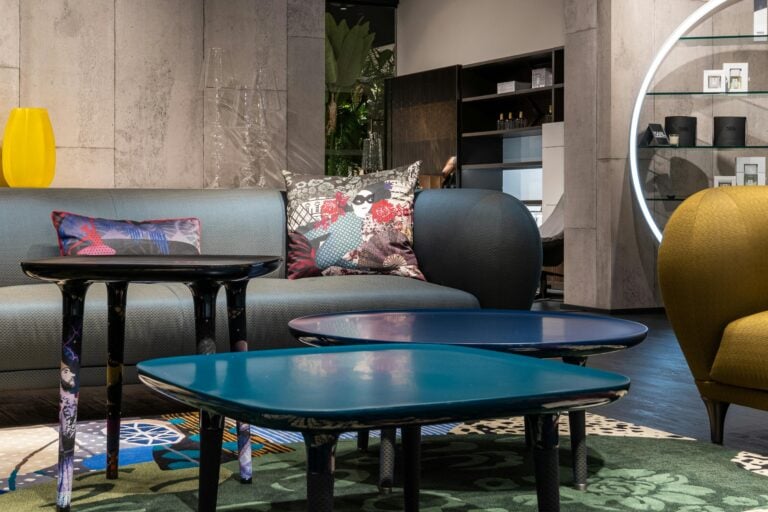
A Goodmorning Solo Traveller hostel is a hostel concept designed specifically around the needs of people traveling alone, offering private or semi-private spaces, structured optional social opportunities, and an atmosphere that respects both connection and quiet. For introverts, this distinction matters enormously. Not every shared accommodation understands that solo travelers often want the option of company, not the obligation of it.
Choosing where to sleep when you’re traveling alone is rarely just a logistical decision. It’s a statement about how much of yourself you’re willing to give to strangers, and how much you need to protect in order to actually enjoy the experience.
Solo travel sits at an interesting intersection of courage and self-knowledge, and it tends to surface during some of the biggest shifts in a person’s life. If you’re working through one of those periods right now, our Life Transitions and Major Changes hub covers the full range of experiences that bring introverts to crossroads like this one, from career pivots to identity shifts to the quiet decision to finally go somewhere alone.
Why Does the Accommodation Choice Feel So Personal to Introverts?
My first solo business trip abroad was to London, years into running my agency. I had a perfectly adequate hotel room, and I was miserable by day three. Not because of the work, which was energizing. Because every evening I’d return to a room that felt like a holding cell between obligations. No texture, no character, no sense that anyone had thought about what a person might actually need after a long day of being “on.”
What’s your personality type?
Take our free 40-question assessment and get a detailed personality profile with dimension breakdowns, context analysis, and personalised insights.
Discover Your Type8-12 minutes · 40 questions · Free
That experience taught me something I’ve carried since: the quality of your private space when you’re traveling alone shapes everything else. It affects how much social energy you have to spend during the day, how well you process what you’re experiencing, and whether you come home feeling expanded or depleted.
Introverts process experience internally. We don’t debrief out loud with strangers over communal dinners unless we choose to. We sit with things, turn them over, find meaning in the quiet after stimulation. A hostel that understands this, one built around solo travelers specifically, creates a different kind of container for that processing. There’s a reason the Goodmorning Solo Traveller hostel concept has found a loyal following among thoughtful, independent travelers.
The typical party hostel model assumes that everyone who walks through the door wants to be pulled into the social current immediately. Bunk beds, communal bathrooms, common rooms designed for noise. Some introverts can manage that for a night or two. Fewer can sustain it for a week without losing the very thing they came to find.
What Makes a Hostel Actually Work for Someone Who Needs Quiet?
There’s a meaningful difference between a hostel that tolerates quiet people and one that was designed with them in mind. After years of traveling for client presentations, industry conferences, and the occasional solo trip I carved out for myself between obligations, I’ve stayed in enough places to know what signals a genuinely introvert-friendly environment.
The first signal is spatial design. Hostels built for solo travelers tend to offer pod-style sleeping arrangements, curtained bunks, or small private rooms at reasonable prices. These aren’t just about privacy for its own sake. They’re about having a physical boundary you can retreat behind when the social stimulation of a new city becomes too much. Published research on introversion and arousal supports the idea that introverts reach their optimal stimulation threshold more quickly than extroverts, which means recovery spaces aren’t a luxury. They’re a functional requirement.

The second signal is how social activities are structured. A well-designed solo traveller hostel offers optional group experiences, walking tours, shared dinners, game nights, and makes it genuinely easy to opt out without social penalty. No one should feel guilty for skipping the communal breakfast. That optionality is everything.
The third signal, and this one is subtler, is the energy of the staff. I’ve noticed over years of travel that the tone of a shared accommodation is set almost entirely by the people working the front desk and common areas. Staff who read the room, who don’t force conversation on someone who’s clearly processing something internally, who can tell the difference between a guest who wants recommendations and one who wants a quiet moment with their coffee, those people make or break the experience for introverts.
Sensitivity to social cues is something I’ve written about in other contexts, and it connects to what deep listening looks like in practice. The best hostel staff have a version of that quality. They’re present without being intrusive. They notice without commenting. That’s a skill, and it’s rare.
How Does Introvert Psychology Shape What You Actually Want from a Hostel Stay?
As an INTJ, I’ve always traveled with a particular kind of internal agenda. Not a rigid itinerary, but a set of questions I’m carrying, things I want to think through, perspectives I’m hoping a new environment will shake loose. That internal agenda needs space to breathe. It doesn’t thrive in constant noise.
What I’ve found over years of solo travel is that the right accommodation actually amplifies the thinking I came to do. A quiet morning in a well-designed common room, coffee in hand, watching the city wake up through a large window, can generate more genuine insight than three days of scheduled activity. The hostel becomes a base camp for internal work, not just a place to store your luggage.
This connects to something deeper about how introverts use travel differently. Extroverts often travel to collect experiences, people, stories to bring back. Introverts, in my observation, travel to create conditions for a particular kind of thinking that ordinary life doesn’t allow. The distance from routine, the mild disorientation of a new place, the freedom from social obligations, these combine to produce a mental clarity that’s genuinely hard to manufacture at home.
That’s why the introvert preference for depth over breadth shows up so clearly in how we choose to travel. We’d rather spend four days in one neighborhood, eating at the same cafe twice, getting to know one local well, than race through seven cities checking off landmarks. A solo traveller hostel that understands this will have slower rhythms, spaces for sitting and thinking, and staff who don’t interpret stillness as boredom.

What Happens to Your Sense of Self When You Travel Alone and Stay Well?
There’s a version of solo travel that exhausts you. And there’s a version that changes you. The difference, in my experience, is almost entirely about whether your accommodation supports recovery or demands performance.
I remember a trip I took to Lisbon during a particularly difficult stretch at the agency. We’d just lost a major account, the team was demoralized, and I was running on fumes from months of crisis management. I had three days between that loss and the next pitch, and I made a decision that surprised even me: I went alone. No agenda, no client to impress, no team to hold together.
I stayed in a small guesthouse that functioned much like what a thoughtful solo traveller hostel offers: a private room, a shared kitchen, a few other quiet travelers passing through. Nobody needed anything from me. I walked for hours, sat in cafes, read, and let my mind do what it hadn’t been allowed to do in months: wander without purpose.
By the third morning, something had shifted. Not dramatically. I didn’t have a revelation. But I came back with a clarity about what I actually valued in the work, as distinct from what I’d been performing for other people’s benefit. That kind of internal recalibration is what solo travel, done well, offers introverts specifically.
How your personality type shapes what you need from experiences like this is something worth examining carefully. The way I’ve thought about this over the years connects to the broader question of how your MBTI type shapes major life decisions, including where you go, how you recover, and what you’re actually looking for when you step outside your routine.
Solo travel at a place designed for solo travelers also has a particular effect on identity. When you’re not playing a role for anyone who knows you, when you’re just a person in a city with a bed to return to, you get a cleaner signal about who you actually are. What you choose to do with your free hours, what conversations you seek out and which you avoid, what moves you in a museum or on a street corner. These small data points accumulate into something meaningful.
This is related to what happens when people genuinely commit to solitude rather than enduring it. There’s a significant difference between being alone because you have no choice and being alone because you’ve chosen it, and embracing solitude on your own terms changes the entire quality of the experience. A solo traveller hostel is one of the most effective environments I’ve found for practicing that kind of chosen aloneness, because you’re surrounded by other people who’ve made the same choice.
How Do You Protect Your Energy While Still Getting Something from the Social Side?
One of the persistent myths about introverts is that we don’t want connection. We do. We just want it on different terms than the standard social script offers. A solo traveller hostel, at its best, creates conditions for the kind of connection introverts actually find nourishing: brief, genuine, low-stakes, and completely optional.
I’ve had some of the most interesting conversations of my life in hostel common rooms. Not because I was performing sociability, but because the other person was also a solo traveler, also slightly outside their ordinary context, also open to a real exchange rather than a networking interaction. There’s no agenda in those conversations. Nobody’s trying to sell anything or manage an impression. That’s rare.

The practical question is how you protect your energy while staying open to those moments. A few things I’ve found useful over years of solo travel:
Set a return time for yourself. Not a rigid curfew, but a rough sense of when you’ll be back at your room. Knowing you have a defined end point to social exposure makes it easier to stay present during it. You’re not managing an open-ended drain. You’re choosing a window.
Use meals strategically. Communal breakfast or dinner at a solo traveller hostel can be a genuinely pleasant way to connect without committing to a full evening of social engagement. You eat, you talk if the conversation flows, you leave when you’re ready. The meal provides a natural container and exit.
Don’t apologize for your room. One of the most liberating things about a hostel built for solo travelers is that everyone there has chosen to be alone. Nobody finds it strange that you want to spend an afternoon in your pod reading. The social contract is different from a traditional hotel, where isolation can feel like a statement. Here, it’s just a preference.
The science of how introverts experience social interaction, including the neurological differences that make overstimulation a real phenomenon rather than a personality quirk, is worth understanding. Research on personality and stress response helps explain why energy management isn’t self-indulgence for introverts. It’s basic maintenance.
Does Sensitivity Make the Hostel Experience Harder or Richer?
Many introverts also identify as highly sensitive, and the overlap between those two traits shapes the hostel experience in specific ways. Sensitivity means you’re picking up more from your environment: the quality of light, the ambient noise level, the emotional temperature of a shared space, the subtle signals in how a stranger holds themselves. That heightened perception can make a poorly designed hostel genuinely painful. It can also make a well-designed one remarkably beautiful.
At the agency, I managed several team members who were clearly highly sensitive, though we didn’t use that language at the time. What I noticed was that they produced their best work in environments that had been thoughtfully constructed: good acoustics, natural light, some control over their immediate surroundings. The same principle applies in travel. Sensitive travelers thrive in environments that have been designed with attention and care.
Sensitivity also changes over time, which is worth knowing if you’re comparing a hostel experience from your twenties to one in your forties. What felt manageable at 24 may feel overwhelming at 44, not because you’ve become weaker, but because your self-awareness has grown and you’re no longer suppressing the signals your nervous system is sending. How sensitivity evolves across a lifetime is a genuinely useful lens for understanding why your travel preferences may have shifted, and why that shift is worth honoring rather than fighting.
A Goodmorning Solo Traveller hostel, or any accommodation built with the same philosophy, tends to attract a particular kind of traveler: thoughtful, self-aware, interested in experience over spectacle. That self-selecting quality matters. You’re not sharing a common room with people who want to party until 3 AM. You’re sharing it with people who, like you, chose to travel alone on purpose.
What Should You Actually Look for When Booking a Solo Traveller Hostel?
After years of staying in everything from five-star hotels to converted warehouses, I’ve developed a fairly clear checklist for what makes a solo traveller hostel worth booking as an introvert. These aren’t luxury requirements. They’re the basic conditions that determine whether you come home restored or depleted.
Private sleeping options matter more than price. A pod with a curtain and a reading light is worth paying more for than a six-bed dorm with no barriers. The extra cost is an investment in the quality of your sleep and your recovery, both of which affect everything else about the trip.
Look at the common space layout in photos. Are there quiet corners, as well as social areas? Is there natural light? Is there somewhere to sit alone without it feeling like you’re hiding? A good solo traveller hostel has zones, not just one undifferentiated common room where you’re either in or out of the social current.
Read reviews specifically for noise levels and social pressure. Not just “was it quiet,” but “did staff push you to join activities?” The reviews that mention feeling comfortable doing nothing are the ones to trust.
Check the guest demographic. Hostels that attract long-term solo travelers, people staying for a week or more, tend to have calmer energy than those that attract one-night party tourists. Longer stays create a slower rhythm. People settle in. They stop performing.
Consider location relative to public transit and quiet neighborhoods. An introvert’s ideal hostel is close enough to everything that you don’t need to plan exhaustively, but not so central that the street noise is constant. The ability to walk home from a museum or a restaurant without a long commute is underrated. It means you can leave when you need to, without the decision being complicated by logistics.
Finally, look for hostels that have been designed around solo travel as a specific identity, not just as a demographic. There’s a difference between a hostel that accepts solo travelers and one that was built for them. The Goodmorning Solo Traveller concept sits firmly in the second category, and that intention shows in everything from the room design to the way social programming is structured.
Frontiers in Psychology has published work examining how environment shapes psychological wellbeing, and the implications for introverted travelers are clear: the spaces we inhabit while traveling aren’t neutral. They actively shape how we process experience, how well we recover, and whether the trip in the end serves the internal work we came to do.
Solo travel, and the question of where to stay while doing it, is one of the more meaningful decisions in an introvert’s life. More resources on the kind of self-knowledge that informs choices like this are gathered in our Life Transitions and Major Changes hub, where you’ll find perspectives on everything from identity shifts to the quiet courage it takes to step outside your ordinary life.
Curious about your personality type?
Our free MBTI assessment goes beyond the four letters. Get a full breakdown of your scores, see how your type shows up at work and in relationships.
Take the Free Test8-12 minutes · 40 questions · Free
About the Author
Keith Lacy is an introvert who’s learned to embrace his true self later in life. After 20 years in advertising and marketing leadership, including running agencies and managing Fortune 500 accounts, Keith now channels his experience into helping fellow introverts understand their strengths and build fulfilling careers. As an INTJ, he brings analytical depth and authentic perspective to every article, drawing from both professional expertise and personal growth.
Frequently Asked Questions
Is a solo traveller hostel a good choice for introverts who’ve never stayed in a hostel before?
Yes, and in many ways it’s a better first hostel experience than a traditional party-style hostel. A solo traveller hostel is built around the needs of independent travelers, which means the social culture is more relaxed, the spaces are better designed for quiet recovery, and nobody expects you to perform sociability. If you’ve avoided hostels because of the noise and forced interaction reputation, a hostel specifically designed for solo travelers is worth reconsidering.
How do I know if a hostel is genuinely introvert-friendly or just marketing itself that way?
Look past the marketing language and read recent guest reviews carefully. Specifically search for mentions of noise levels, social pressure, and whether quiet guests felt comfortable. Photos of the common areas will also tell you a lot: are there multiple zones with different energy levels, or just one large communal space? A genuinely introvert-friendly hostel will have physical spaces that support solitude, not just language promising it.
What’s the difference between a solo traveller hostel and a regular hostel?
A solo traveller hostel is designed specifically around the experience of traveling alone, rather than being a general budget accommodation that happens to accept solo travelers. The differences show up in room design (more pod-style or private options), social programming (optional and low-pressure), staff culture (attuned to independent travelers), and the overall guest demographic (people who chose solitude, not people who couldn’t afford a hotel room). The Goodmorning Solo Traveller concept exemplifies this distinction.
How should I manage my energy during a hostel stay as an introvert?
Set loose time boundaries for social engagement rather than leaving them open-ended. Use meals as natural containers for connection, since they have a built-in beginning and end. Give yourself permission to spend time in your room or pod without guilt. Plan at least one full solo activity each day that gives your mind room to process. And choose a hostel with private or semi-private sleeping options so your recovery space is genuinely restorative rather than another social environment.
Can solo travel at a hostel actually help with personal growth for introverts?
Consistently, yes. The combination of chosen solitude, mild environmental novelty, and freedom from ordinary social roles creates conditions where introverts often experience significant internal clarity. When you’re not playing a defined role for anyone who knows you, you get a cleaner signal about your actual preferences, values, and ways of thinking. A solo traveller hostel that supports recovery and reflection amplifies this effect, because you’re not spending your energy managing overstimulation. You have capacity left for the internal work.