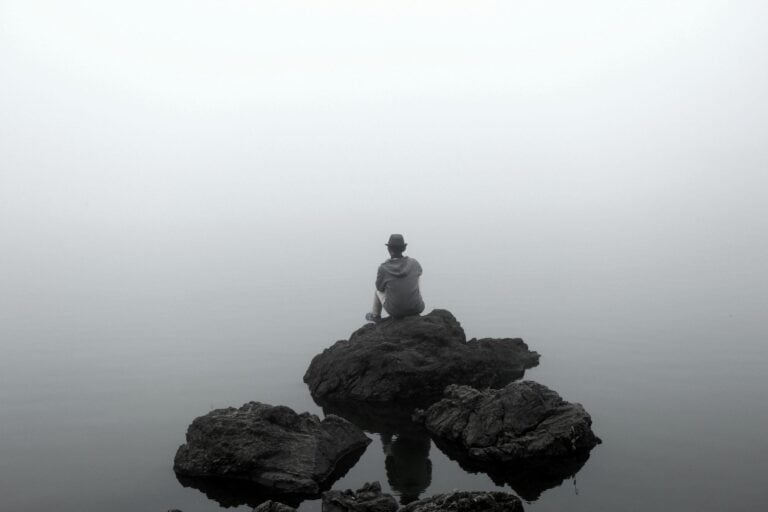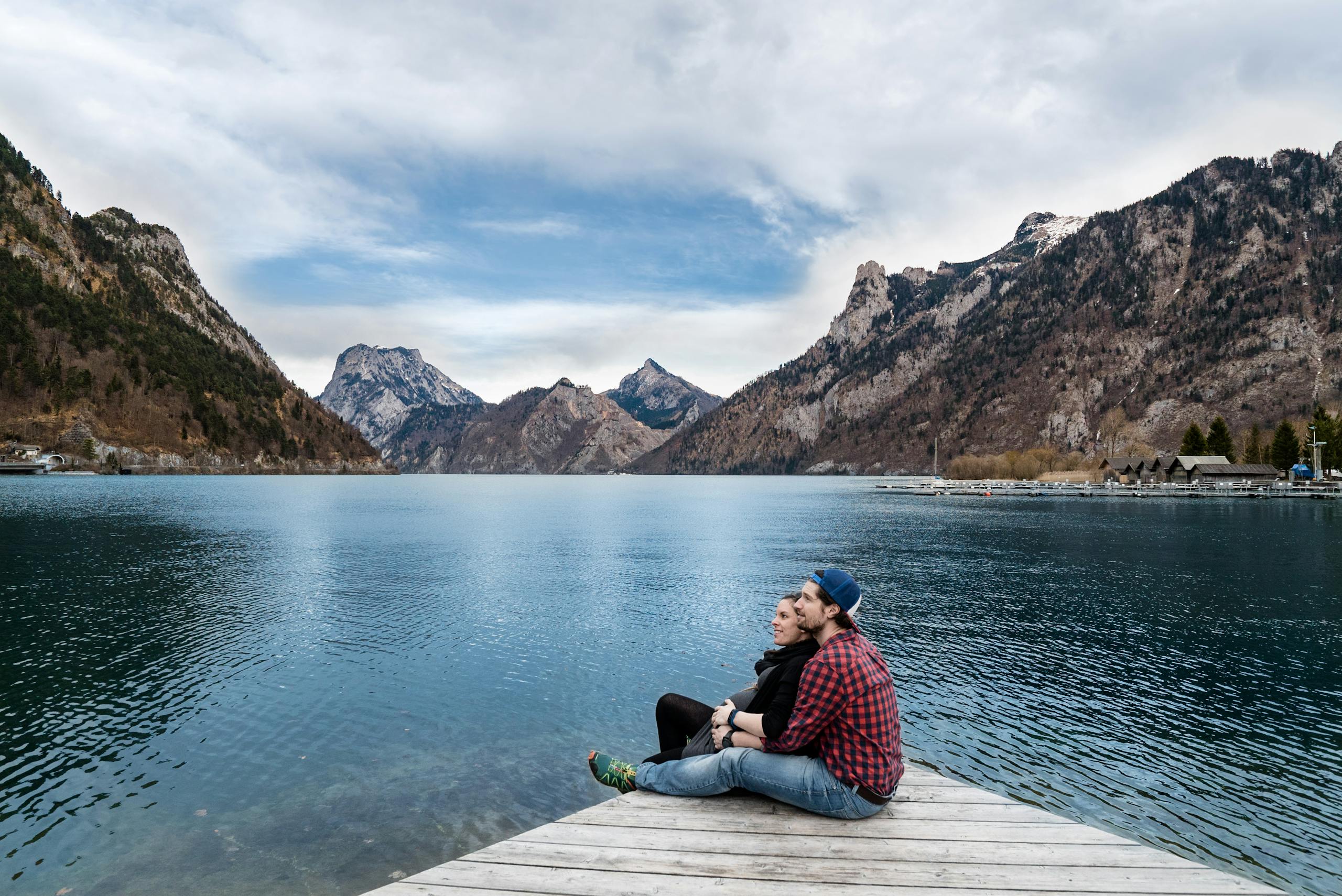

The first time I stood at 9,000 feet, watching clouds drift below me rather than above, something fundamental shifted inside my chest. After two decades of managing advertising agencies in crowded metropolitan areas, surrounded by constant noise and endless meetings, I had finally found a landscape that matched my inner world.
Why do introverted adventurers feel drawn to high-altitude living? The thin air forces slower processing, vast spaces demand nothing from overstimulated minds, and mountain environments naturally provide the boundaries introverts struggle to maintain in urban settings. Yet altitude presents unique physiological and psychological challenges that deserve honest exploration before you pack up your metropolitan life for the peaks.
During my transition from agency leadership to mountain living, I discovered that successful high-altitude adaptation requires understanding both the profound benefits and hidden costs of elevation. The landscape that can restore your soul can also destabilize your mood if approached without preparation.
Why Do Mountains Call to the Introverted Soul?
The connection between introverts and mountainous terrain runs deeper than simple preference. Research has demonstrated that introverts overwhelmingly choose to live in mountainous areas, with study authors noting that geography can be more accommodating for some personality types than others. Lead researcher Shige Oishi observed that knowing your introverted nature means you may be rejuvenated by secluded places, while extroverts often find renewal in open, populated spaces.
What’s your personality type?
Take our free 40-question assessment and get a detailed personality profile with dimension breakdowns, context analysis, and personalised insights.
Discover Your Type8-12 minutes · 40 questions · Free
Mountains offer what introverts crave:
- Natural barriers between you and the broader world – Terrain creates the boundaries you’ve always struggled to maintain in open urban environments
- Dramatically reduced population density – Fewer people means fewer unexpected social demands on your limited energy reserves
- Environments that reward contemplation over conversation – The landscape itself encourages internal reflection rather than external interaction
- Structural support for solitude – Geography makes declining invitations unnecessary because accessibility naturally limits social obligations
When I transitioned from agency life to working remotely from a small mountain town, I noticed how the landscape itself created boundaries I had never achieved in corporate environments. The terrain did what I never could in urban settings: it made my need for space feel natural rather than antisocial.

How Does High Altitude Actually Affect Your Brain?
Before romanticizing mountain existence, introverted adventurers need honest information about what altitude does to cognitive function. The National Academies of Sciences documents that high-altitude environments can affect unacclimatized individuals at elevations above 3,000 meters (roughly 9,800 feet), with moderate hypoxia inducing alterations in both physiological and psychological parameters within hours. Decreased blood oxygenation reduces oxygen supply to the brain, requiring acclimatization adjustments that vary significantly by individual.
During my first three months at 8,500 feet, I experienced cognitive changes I hadn’t anticipated:
- Processing speed slowed noticeably – Decisions that normally came easily required more deliberate consideration and longer reflection time
- Mental fatigue increased dramatically – Tasks requiring sustained concentration exhausted me faster than they had at sea level
- Emotional regulation became more challenging – Small frustrations felt amplified, and my usual coping strategies required more effort to implement
- Sleep patterns shifted unpredictably – Insomnia alternated with periods of needing 10+ hours of sleep for basic functioning
As someone who already preferred thorough internal processing before speaking, this intensification caught me off guard. What struck me most was how the initial euphoria of mountain living gave way to an adjustment period I had not prepared for mentally or practically.
The relationship between altitude and mental health deserves particular attention for introverts. Research published in the National Library of Medicine indicates that moving from low to high altitude is associated with increased symptoms of depression and anxiety. Mountain states consistently exhibit higher rates of mood disorders compared to lower-elevation regions. This correlation warrants serious consideration, especially for introverts who may already navigate mental health challenges quietly and independently.
What Makes Mountain Solitude So Restorative?
Despite the physiological challenges, something profound happens when introverts find themselves in wilderness settings. Environmental psychologist Stephen Kaplan’s research established Attention Restoration Theory, demonstrating that spending time in nature, away from modern life, creates what he called “soft fascination.” This state combines feeling transported, calm, and buoyant simultaneously. For introverts whose nervous systems are easily overtaxed by directed attention, wilderness solitude becomes more than preference. It becomes medicine.
I experienced this restoration acutely during my first mountain winter. After decades of holiday seasons dominated by parties, networking events, and social obligations I could never gracefully decline, I found myself snowed into a cabin for nearly a week. No obligations. No expectations. Just the quiet work of keeping warm and watching snow accumulate. My social battery recharged in ways no weekend could accomplish.
Research on wilderness solitude has identified four primary benefits that align perfectly with introvert needs:
- Disconnection from digital technology – Physical isolation makes constant availability impossible, providing legitimate reason to be unreachable
- Physical separation from everyday demands – Geographic barriers create natural buffers against work and social pressures
- Release from social obligations – Fewer people means fewer invitations to decline and less guilt about choosing solitude
- Reconnection with authentic self – Without external social cues and expectations, you rediscover your natural rhythms and preferences
For introverts who struggle with constant availability expectations in our connected age, mountain living provides structural support for boundaries that feel impossible to maintain elsewhere.

What Practical Considerations Matter Most?
Remote work has transformed mountain living from romantic fantasy into achievable reality for many introverts. Digital connectivity has reached even isolated communities, with towns investing in improved internet infrastructure specifically to attract remote professionals. The home environment you create becomes central to both professional productivity and personal restoration.
When evaluating potential mountain communities, prioritize these factors beyond scenery:
- Healthcare access and quality – Altitude-related conditions can emerge unexpectedly, and specialized care may be hours away from remote locations
- Internet reliability and speed – Test actual connection quality during different weather conditions, not just advertised speeds
- Year-round accessibility – Some mountain roads become impassable during winter, trapping residents for extended periods
- Emergency services response times – Distance from hospitals, fire departments, and ambulance services affects both safety and insurance costs
- Supply chain logistics – Grocery delivery, mail service, and package delivery operate differently in remote mountain communities
The cost equation deserves careful analysis beyond initial impressions. While iconic ski towns command luxury prices, numerous alternatives offer mountain lifestyle at reasonable costs. New Mexico leads in affordability among mountain destinations, with towns like Santa Fe combining high-altitude living with rich cultural offerings at accessible price points. Colorado communities outside major resort corridors provide mountain access without resort pricing.
Towns like Boulder, Colorado and Golden, Colorado have developed excellent schools and medical facilities, making them attractive for long-term residence. Meanwhile, more remote options offer lower costs and deeper solitude but require greater self-sufficiency and higher tolerance for logistical challenges.
How Do You Build Community as a Mountain Introvert?
One paradox of mountain living that surprised me: smaller communities often require more social navigation than anonymous city existence. In metropolitan areas, you can remain invisible indefinitely. In mountain towns with populations under 20,000, you will see the same faces repeatedly. The barista knows your order. The post office worker asks about your work. Anonymity disappears completely.
This intimacy cuts both ways. For introverts who value deep connections over broad social networks, mountain communities offer something increasingly rare: relationships built through repeated genuine interaction rather than strategic networking. The person who helps dig your car out of snow becomes a friend. The neighbor who shares surplus from their garden becomes community.
During my second winter, I learned valuable strategies for managing mountain community dynamics:
- Establish regular patterns early – Choose specific times and places where you welcome conversation, creating predictable social availability
- Communicate boundaries clearly without apology – Mountain people respect direct communication about needs for solitude when stated honestly
- Contribute to community in ways that match your energy – Offer skills-based help rather than social event participation when possible
- Use seasonal rhythms strategically – Plan social engagement during high-energy seasons and protect solitude during natural low periods
Yet this closeness can overwhelm introverts accustomed to controlling their social exposure. I learned to establish patterns early: regular times at the coffee shop where I welcomed conversation, clear signals when I needed solitude, honest communication about my nature without apology. Mountain people tend to respect boundaries once clearly stated. They understand the value of space.

How Does Elevation Change Your Energy Management?
Understanding how altitude affects your energy management becomes essential for thriving rather than merely surviving at elevation. The reduced oxygen availability means your body works harder at baseline. Activities that felt effortless at sea level require more recovery time. This compounds the introvert’s already heightened need for restoration.
During my first months at elevation, I made the mistake of maintaining my previous schedule while adjusting to altitude. The result was profound exhaustion that I initially attributed to depression. Only after consulting with local healthcare providers did I understand that acclimatization takes months, not weeks. The lesson cost me three months of unnecessary struggle.
Key energy management adjustments for altitude living:
- Plan extended adjustment periods – Reduce commitments for the first 3-6 months while your body adapts to decreased oxygen availability
- Increase sleep requirements – Most people need 1-2 additional hours of sleep during acclimatization and often permanently
- Hydrate more aggressively – Dehydration compounds altitude effects and makes fatigue worse for introverts already managing energy carefully
- Monitor physical exertion closely – Activities requiring stamina become more taxing, affecting your available energy for social and professional demands
- Build altitude into energy budgets – Factor elevation effects into daily and weekly energy planning rather than treating them as temporary inconvenience
The good news: once acclimatized, many introverts find their energy patterns actually improve at altitude. The enforced slowing down during adjustment often reveals unsustainable patterns from previous life. The physical demands of mountain living build baseline fitness. And the reduced social density means fewer draining obligations competing for limited energy resources.
What Do Seasonal Rhythms Mean for Introverted Wellbeing?
Mountain climates follow seasonal patterns more dramatically than lowland environments. Winters can isolate communities for extended periods. Summers bring tourist influx that transforms quiet towns into crowded destinations. Understanding these rhythms helps introverts plan their year strategically rather than being surprised by dramatic environmental changes.
Winter isolation suits many introverts perfectly:
- Shorter days align with indoor preferences – Natural light reduction makes cozy indoor time feel normal rather than antisocial
- Snow creates natural barriers – Weather makes declining invitations unnecessary because travel becomes genuinely difficult
- Tourism industry slows dramatically – Communities return to year-round residents who understand each other’s rhythms and needs
- Creative work flourishes – Extended quiet periods provide ideal conditions for projects requiring sustained concentration
I do my deepest creative work during mountain winters, protected by weather from interruption. The seasonal rhythm teaches you to work with natural energy cycles rather than against them.
Summer presents different challenges that introverts must plan for:
- Tourist season brings crowds and noise – Trails you had to yourself in April become highways in July, disrupting your solitude routines
- Local businesses shift attention to visitors – Service quality and personal relationships may suffer during high-profit tourist months
- Temporary loss of community quiet – The peaceful environment that drew you to mountains vanishes for 3-4 months annually
- Increased social demands – Visitors and seasonal residents create more invitations and social expectations
Wise mountain introverts learn to schedule their most intensive social and professional commitments for high season, knowing that solitude will return with autumn. This seasonal planning becomes essential for maintaining energy balance throughout the year.

How Does Professional Life Change at Elevation?
The professional landscape for mountain-dwelling introverts has never been more promising. Remote work infrastructure has reached even isolated communities. Coworking spaces have emerged in towns like Frisco, Colorado and Park City, Utah specifically serving the digital professional community. The combination of reliable connectivity with inspiring surroundings creates ideal conditions for introverted knowledge workers.
My own career transition from agency leadership to independent consulting was enabled by mountain relocation. The reduced cost of living outside major metropolitan areas provided runway for building a new business. The absence of workplace social obligations freed enormous time and energy. The mental clarity that came with distance from previous pressures allowed strategic thinking I had never accessed while embedded in urban professional culture.
Professional advantages of mountain living for introverts:
- Elimination of commuting stress and time – Reclaim 2-3 hours daily that were previously lost to transportation and traffic
- Reduced workplace social obligations – No office politics, impromptu meetings, or forced team-building activities draining your energy
- Natural work-life boundaries – Physical separation from corporate environments makes it easier to disconnect after hours
- Lower cost of living enables career risks – Reduced expenses provide runway for entrepreneurship or career pivots
- Inspiring environment boosts creativity – Natural beauty and tranquility often enhance creative problem-solving and strategic thinking
For introverts considering mountain moves, evaluate your professional needs honestly. Industries requiring frequent in-person client contact pose obvious challenges. Roles depending on team collaboration may suffer from physical isolation. But careers in writing, design, programming, consulting, and other knowledge work often flourish when freed from office politics and commuting stress.
Why Is Mental Health Monitoring Critical at Altitude?
Given the documented relationship between altitude and mood, introverts relocating to mountain environments should establish mental health baselines and monitoring systems before moving. Sports psychiatry research emphasizes that the effects of altitude on mental health remain poorly understood, with particular gaps regarding individuals with pre-existing conditions.
I established a relationship with a therapist who understood introversion before relocating, maintaining video sessions through my transition. This continuity proved invaluable when altitude adjustment triggered unexpected mood changes. Having an outside perspective helped me distinguish between normal adjustment challenges and concerning patterns. The therapist’s familiarity with my baseline allowed accurate assessment of changes that I might have dismissed or catastrophized.
Practical monitoring approaches include:
- Maintain detailed mood journals – Track daily energy levels, sleep patterns, and emotional responses to identify concerning trends early
- Monitor sleep quality and duration – Altitude affects sleep architecture, and sleep disruption compounds mental health challenges
- Track appetite and eating patterns – Changes in nutrition affect mood stability, especially during altitude adjustment
- Schedule regular check-ins with trusted contacts – Outside observers can notice changes you might miss or minimize
- Establish professional therapeutic relationships locally – Research mountain-area mental health providers before you need them
Introverts tend to process internally without seeking feedback, which can delay recognition of declining mental health. Building external accountability into your mountain life provides essential protection during vulnerable adjustment periods.
What Kind of Adventure Does Mountain Living Offer?
Mountain living offers introverts something often missing from our lives: physical adventure that requires no social coordination. The trails start at your door. The seasons bring their own challenges and rewards. The landscape demands engagement that pulls you out of your head and into your body.
This physical dimension of mountain life surprised me most. After years of gym workouts and urban walks, I discovered something fundamentally different in mountain movement. Hiking alone at elevation requires presence. You cannot overthink while navigating rocky terrain with thin air in your lungs. The mental chatter that exhausts introverts quiets when the body demands full attention. This physical meditation became essential to my wellbeing.
Research on solitude demonstrates that time alone loses harmful qualities when it is autonomously chosen and does not accumulate beyond healthy limits. Mountain adventure provides perfect vehicle for this healthy solitude: meaningful solo activity that connects you to something larger while honoring your need for space.
Adventure opportunities that suit introverted preferences:
- Solo hiking on less-traveled trails – Explore without coordinating schedules or accommodating different pace preferences
- Photography expeditions during off-peak seasons – Capture landscapes without crowds, combining creative expression with solitude
- Cross-country skiing in backcountry areas – Winter sports that emphasize individual skill development over group dynamics
- Rock climbing or bouldering – Technical challenges that require complete mental focus, quieting overthinking tendencies
- Mountain biking on remote trail systems – Physical exertion combined with navigation challenges that demand present-moment attention

How Do You Make the Decision?
Not every introvert belongs in the mountains. The isolation that restores some souls crushes others. The physical demands that invigorate certain people exhaust the rest. The professional limitations that free some careers trap others. Honest self-assessment matters more than romantic vision.
Before committing to high-altitude living, spend extended time in your target area during different seasons. Rent rather than buy initially. Maintain professional and personal connections that can support you if adjustment proves harder than expected. Give yourself permission to discover that mountain life is not for you without treating that discovery as failure.
Critical questions for honest self-assessment:
- Do you thrive or wither in isolation? – Some introverts need solitude while others need selective social connection
- How do you respond to physical challenges? – Mountain living demands more physical resilience than urban environments
- Can your career sustain remote work? – Evaluate honestly whether geographic isolation enhances or limits your professional prospects
- How important is cultural access? – Consider whether you can thrive without regular access to museums, concerts, restaurants, and urban cultural offerings
- What is your mental health baseline? – Altitude can exacerbate existing conditions, making stable mental health essential before relocating
For those who find their match in mountain environments, the rewards run deep. The self-care that felt like constant effort in urban settings becomes natural rhythm at elevation. The boundaries you struggled to maintain become structural features of your environment. The restoration that required vacation now accompanies daily life.
What Elevation Works Best for Different Introverts?
The ideal elevation varies significantly by individual. Moderate altitudes between 5,000 and 7,000 feet offer mountain benefits with gentler physiological demands. Higher elevations intensify both the challenges and rewards. Some introverts thrive at extremes that would damage others. Listen to your body’s signals rather than following prescribed thresholds.
Communities worth exploring span the globe:
- United States options – Mountain towns from Asheville’s Blue Ridge setting to Flagstaff’s high desert elevation offer different expressions of altitude living
- International alternatives – Andorra’s Pyrenean location to Bansko’s Bulgarian mountains provide European mountain community options
- Varied elevation ranges – From 3,000-foot foothills to 10,000-foot alpine communities, different altitudes suit different tolerance levels
- Climate diversity – Desert mountains, forested peaks, and alpine tundra environments each attract different personality preferences
My own process led to a small Colorado community at moderate elevation, close enough to larger cities for occasional professional needs while remote enough for genuine solitude. The specific town matters less than the alignment between environment and temperament. Mountains that feel confining to one introvert feel liberating to another. The key is honest assessment of what you actually need rather than what sounds appealing in theory.
What Does Living Between Earth and Sky Really Mean?
High-altitude living offers introverted adventurers something rare: an external environment that matches our internal landscape. The vastness mirrors our rich inner worlds. The silence honors our need for quiet. The physical demands pull us from overthinking into embodied presence. The isolation that bothers others becomes our restoration.
Yet mountains demand honesty. They do not care about your romantic visions. They present real challenges that cannot be solved with positive thinking. The elevation that clears your mind can also destabilize your mood. The solitude that restores you can become isolation that harms you. The adventure that excites you can injure you if approached carelessly.
For introverts willing to approach mountain living with clear eyes and prepared minds, these environments offer remarkable opportunity. The combination of natural beauty, enforced boundaries, reduced social density, and physical engagement addresses challenges we face in conventional settings. The landscape itself becomes partner in our wellbeing.
Standing at elevation now, years into my mountain life, I understand why this landscape called to me. The thin air has become normal. The seasonal rhythms have shaped my year. The community has become home. And the vast silence that first overwhelmed me has become the soundtrack of a life finally aligned with my true nature.
Frequently Asked Questions
What altitude is considered high enough to affect mental and physical health?
Research indicates that physiological and psychological effects typically begin around 2,500 meters (approximately 8,200 feet), with more significant impacts occurring above 3,000 meters (9,800 feet). However, individual responses vary considerably, and some people experience symptoms at lower elevations while others adapt easily to higher ones.
How long does altitude acclimatization take for most people?
Initial acclimatization occurs within the first few days to weeks, with most noticeable symptoms like headache and fatigue resolving. However, full physiological adaptation can take several months, and psychological adjustment may require even longer. Introverts should plan for reduced commitments during the first three to six months at elevation.
Are mountain towns more or less expensive than urban areas?
Costs vary dramatically depending on location. Famous ski resort towns like Aspen command luxury prices exceeding most metropolitan areas. However, numerous mountain communities offer affordable living, particularly in New Mexico, rural Colorado outside resort corridors, and lesser-known mountain regions. Remote work allows earning urban salaries while living in affordable mountain communities.
What should introverts consider before relocating to mountain areas?
Key considerations include healthcare access, internet connectivity for remote work, seasonal tourism patterns that affect population density, distance from airports or larger cities for occasional travel, and community size. Extended trial visits during different seasons provide essential information that cannot be gathered from research alone.
Can high-altitude living worsen existing anxiety or depression?
Research shows correlation between higher elevation residence and increased rates of depression and anxiety. Individuals with existing mental health conditions should consult healthcare providers before relocating, establish monitoring systems, and maintain therapeutic relationships through the transition. The isolation benefits of mountain living must be balanced against mental health considerations.
Explore more lifestyle and wellbeing resources in our complete General Introvert Life Hub.
About the Author
Keith Lacy is an introvert who’s learned to embrace his true self later in life. With a background in marketing and a successful career in media and advertising, Keith has worked with some of the world’s biggest brands. As a senior leader in the industry, he has built a wealth of knowledge in marketing strategy. Now, he’s on a mission to educate both introverts and extroverts about the power of introversion and how understanding this personality trait can unlock new levels of productivity, self-awareness, and success.