
Ever wondered why you seem to feel everything twice as intensely as others around you? You’re processing both the internal world of your thoughts and the external world of sensory input, and they’re feeding into each other in ways that can feel overwhelming.
After two decades managing diverse teams in high-pressure agency environments, I discovered something that changed how I understood my own experience. Some people aren’t just introverted or just highly sensitive. They’re both. And when these two traits combine, they create a unique set of challenges and strengths that most advice completely misses.
If this resonates, introverted-empath-when-both-traits-combine goes deeper.

Being both highly sensitive and introverted means you’re dealing with a double layer of depth. Your introversion makes you process internally, turning inward to recharge. Your high sensitivity makes you process everything more thoroughly, picking up on subtleties others miss. Together, they create an experience that’s often misunderstood.
Researchers estimate that 70% of highly sensitive people (HSPs) also identify as introverts. But understanding how these traits interact requires looking beyond simple definitions. Our HSP & Highly Sensitive Person hub explores the science behind these overlapping characteristics, and what it means when both traits define how you experience the world.
Where Introversion Ends and High Sensitivity Begins
The distinction matters more than you might think. Introversion describes where you get your energy. You recharge through solitude, and social interaction depletes your internal battery. High sensitivity describes how deeply you process information. Research from the National Center for Biotechnology Information confirms that your nervous system is more reactive to stimuli, picking up on details others filter out.
What’s your personality type?
Take our free 40-question assessment and get a detailed personality profile with dimension breakdowns, context analysis, and personalised insights.
Discover Your Type8-12 minutes · 40 questions · Free
During my years leading Fortune 500 campaigns, I worked with team members who were introverted but not particularly sensitive. They needed quiet to recharge, but they didn’t process emotional undercurrents the way I did. Conflict didn’t linger in their minds for days. The subtle shift in a client’s tone that signaled deeper concerns went unnoticed.
Research from Dr. Elaine Aron, who pioneered the study of high sensitivity, shows that about 30% of HSPs are actually extroverted. These individuals still process deeply and react strongly to stimuli, but they gain energy from social interaction. The American Psychological Association’s research on sensory processing sensitivity confirms that sensitivity exists across the introversion-extroversion spectrum.

Think about it this way: introversion affects your energy management, while high sensitivity affects your depth of processing. You can be one without the other. But when you’re both, each trait intensifies the effect of the other. Your need for solitude becomes more urgent because you’re processing more deeply. Your deep processing becomes more exhausting because you’re doing it with limited social energy to begin with.
Understanding this fundamental difference between HSP and introvert traits helps explain why standard introvert advice often falls short for you. You’re not just managing energy. You’re managing the intensity of everything you experience.
The Amplification Effect Nobody Talks About
When both traits operate simultaneously, your sensitivity makes you notice more, and your introversion makes you process it all internally. You’re running two intensive programs at once, and they’re both drawing from the same power source.
Consider a typical networking event. An extroverted HSP might feel overstimulated by the noise and energy, but they’re also getting some energizing social connection that balances it out. An introvert who isn’t highly sensitive might feel socially drained but isn’t picking up on all the environmental details and emotional subtleties. But you? You’re experiencing both the social energy drain and the sensory overload, with no offsetting boost.
One client meeting taught me this lesson clearly. The room temperature was slightly too warm. The fluorescent lights had a barely perceptible flicker. Someone’s perfume was strong. The client was saying positive things, but their body language suggested uncertainty. I was processing all of this while also managing the social energy required for the presentation. By the end of the hour, I was completely depleted.
Sensory Processing on an Introverted Energy Budget
Your nervous system doesn’t distinguish between types of stimulation. Whether you’re processing a loud conversation, a subtle emotional shift, or your own complex thoughts, it all draws from the same energy reserve. A study published in the Journal of Individual Differences found that highly sensitive individuals show greater activation in brain regions associated with awareness, emotion, and empathy.

Understanding this distinction matters because introverts already operate with a more limited social energy budget. Add intense sensory and emotional processing to that equation, and you’re depleting your reserves faster than either trait alone would suggest. Your need for significantly more recovery time than other introverts makes sense, as does feeling overstimulated in quiet environments that work for others.
Making this comparison between introversion and high sensitivity reveals why generic self-care advice often misses the mark. You’re not just protecting your energy. You’re also protecting your processing capacity.
The Misunderstood Strengths of Combined Traits
What frustrates me about most discussions of being both HSP and introverted: they focus almost exclusively on the challenges. Yes, you experience overstimulation more easily. Yes, you need more recovery time. But you also possess a rare combination of capabilities that create genuine competitive advantages.
Your deep processing happens internally, which means you’re developing complex insights without external validation needs. You’re noticing patterns that others miss because you’re both processing thoroughly and doing it in focused solitude. You’re catching errors, anticipating problems, and understanding nuances that get lost in faster-paced, more superficial approaches.
In my agency work, this combination proved invaluable for strategic planning. While others rushed to conclusions based on surface-level data, I was sitting quietly, processing all the variables, seeing how different elements connected. The sensitivity let me pick up on subtle market signals. The introversion gave me the internal space to work through complex scenarios without getting distracted by group dynamics.
Pattern Recognition Through Quiet Observation
Research from developmental psychology demonstrates that highly sensitive individuals excel at detecting subtle differences and patterns in their environment. Combine this with introverted processing, and you’re creating connections between ideas while others are still gathering initial impressions.
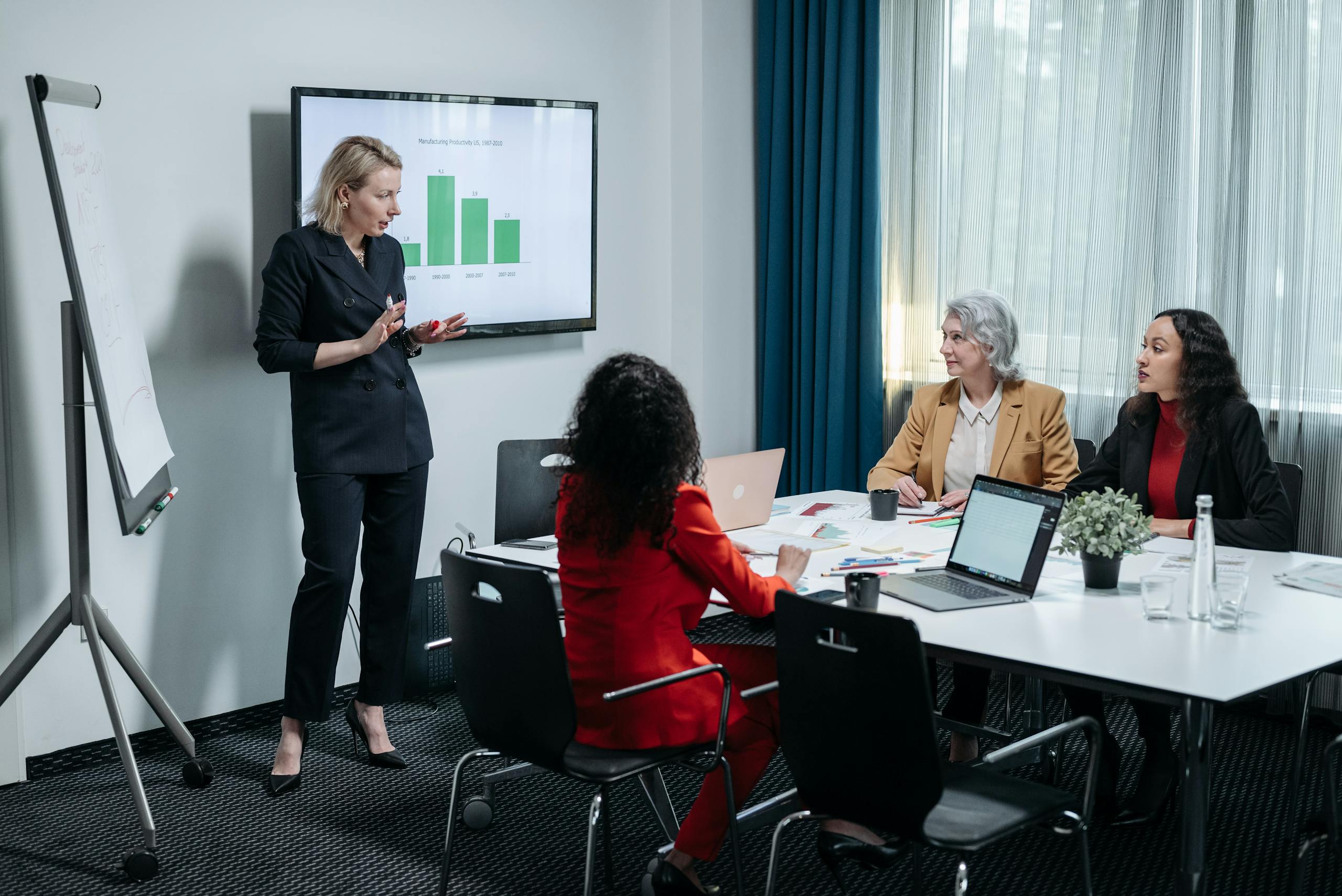
Think about how you approach problems. You’re probably not the first person to speak up in meetings, but when you do contribute, you’ve already processed multiple angles others haven’t considered. You’ve noticed the connection between this quarter’s challenge and a pattern you observed six months ago. You’ve felt the emotional undercurrent that suggests team members have concerns they’re not voicing.
This isn’t just about being thoughtful. It’s about the specific way your brain combines deep processing with internal focus. You’re running a sophisticated analysis that requires both traits working together.
Managing the Double Load Without Burning Out
Standard energy management advice tells introverts to schedule alone time. Standard HSP advice recommends reducing stimulation. But when you’re both, you need strategies that address the interaction between these traits.
Start by recognizing that your recovery needs are different. An introverted colleague might recharge with a quiet evening at home. For you, that same evening might still involve processing the day’s emotional and sensory input. You need environments that are both solitary and low-stimulation. That means considering factors like lighting, sound, texture, and emotional residue, not just whether you’re alone.
One strategy that made a significant difference: creating processing time before decompression time. When I get home from a demanding day, I don’t immediately try to relax. I spend 20 minutes actively processing what happened, writing down observations, acknowledging emotions, letting my mind work through the input I’ve collected. Only then can I actually decompress.
Building Environments That Support Both Needs
Your physical space matters more than it does for people with just one of these traits. You need environments that minimize sensory input while also providing the solitude you require. Environmental psychology research published in the Journal of Environmental Psychology demonstrates that control over your physical environment significantly reduces stress responses in sensitive individuals.
Think about your workspace. You probably need more than just a door you can close. Control over lighting, temperature, and sound becomes essential. The ability to remove visual clutter matters. Space that doesn’t just give you privacy but also reduces the sensory load your nervous system is processing makes a genuine difference.
Learning about whether you’re actually highly sensitive helps you understand which environmental factors matter most for your specific nervous system. Not all HSPs react to the same stimuli with equal intensity.
The Social Challenge That Compounds
Social situations present a particular challenge when both traits are active. You’re managing the energy cost of interaction (introversion) while also processing intense emotional and sensory information (high sensitivity). This creates a compound effect that exhausts you faster than either factor alone.
During networking events, I used to think something was wrong with me. Other introverts seemed to handle the evening better. Other sensitive people seemed less depleted. What I eventually realized: I wasn’t weak or broken. I was simply processing on two levels simultaneously.
You’re tracking the social dynamics, the group energy, the individual personalities, the environmental factors, and your own internal responses. Each conversation requires managing both the social energy exchange and the emotional depth you’re naturally accessing. Small talk feels particularly draining because you’re operating at a deeper level than the interaction requires, burning energy on processing that goes unused.
Research on the relationship between high sensitivity and social anxiety shows that HSPs often develop anxiety around social situations not because they lack social skills, but because they’re processing so much information that interactions become overwhelming.
Choosing Interactions That Match Your Processing Style
Stop trying to make yourself comfortable with social situations that fundamentally clash with how you process. Large groups will always be harder for you because you’re tracking more variables than your nervous system can comfortably handle while also managing limited social energy.
Focus on one-on-one or small group settings where your depth processing becomes an asset. These environments let you develop the meaningful connections you actually value without overwhelming your sensory and energetic systems. You’re not avoiding challenge. You’re matching your social approach to your actual capabilities.
One of the best decisions I made was stopping attendance at large industry mixers and focusing instead on carefully selected coffee meetings with specific individuals. The quality of connections improved dramatically, and the energy cost dropped to manageable levels.
When Processing Becomes Overwhelming
Even with good boundaries and careful energy management, you’ll still face situations where the combined load becomes too much. Your nervous system hits capacity. Your introvert battery runs empty. And you’re left dealing with both sensory overload and social exhaustion simultaneously.
Recognize this isn’t a personal failure. You’re operating a high-performance system that requires careful maintenance. Athletes don’t apologize for needing recovery time between competitions. You shouldn’t apologize for needing recovery time after intensive processing periods.
What helped me most was developing a shutdown protocol, specific steps I take when I recognize I’ve exceeded my capacity. First, I remove myself from stimulation immediately, without waiting to see if I can push through. Experience taught me that pushing through only extends recovery time. Second, I give myself permission to do nothing. Not read, not watch TV, not even listen to music. Just exist in low-stimulation space until my system settles.
Finding effective self-care practices for highly sensitive people means going beyond standard stress management to address the specific ways your nervous system processes and recovers.
Working With Both Traits, Not Against Them
Success doesn’t mean becoming less sensitive or more extroverted. What matters is building a life that works with your actual wiring rather than constantly fighting it.
Accept that you’ll process more slowly than others because you’re processing more deeply. Acknowledge that you’ll need more recovery time because you’re managing more variables. Choose environments, relationships, and work structures that support both your need for depth and your need for internal processing space.
After years of trying to match extroverted leadership styles in high-energy environments, I restructured my approach entirely. Thinking time before decisions became a scheduled part of my calendar. Buffers between meetings gave me processing space. Creating processes that let me contribute insights without requiring constant real-time participation increased my effectiveness significantly because I stopped fighting my wiring and started leveraging it.
You’re not dealing with two limitations. You’re managing two different operating systems that happen to run on the same hardware. Each has specific requirements. Each provides specific capabilities. Your job is to understand both well enough to create conditions where they can both function effectively.
Frequently Asked Questions
Can you be both highly sensitive and introverted?
Yes, approximately 70% of highly sensitive people also identify as introverts. These are two separate but often overlapping traits. High sensitivity describes how deeply you process information, while introversion describes where you get your energy. When both traits are present, they tend to amplify each other’s effects.
How do I know if I’m HSP, introverted, or both?
If you recharge through solitude and feel drained by social interaction, that’s introversion. If you notice subtle details others miss, process emotions deeply, and feel easily overwhelmed by stimulation, that’s high sensitivity. Having both means you need both solitude for energy and reduced stimulation for comfort.
Why is being both HSP and introverted so exhausting?
Each trait draws from your energy reserves independently. Your introversion means social interaction depletes your energy. Your sensitivity means you’re processing more information and doing it more deeply. Together, they create a compound effect where you’re managing both energy depletion and processing intensity simultaneously.
Do highly sensitive introverts need more alone time than regular introverts?
Generally yes, because you’re using your alone time for two purposes: recharging your social energy and processing the intense sensory and emotional input you’ve absorbed. Standard introvert recovery time might not be sufficient because you have an additional layer of processing to complete.
Can therapy help with being a highly sensitive introvert?
Therapy can be valuable for developing coping strategies and processing emotional experiences, but it won’t change your fundamental wiring. Look for therapists who understand both high sensitivity and introversion as traits rather than conditions that need fixing. The goal is learning to work with your traits effectively, not trying to eliminate them.
Explore more highly sensitive person resources in our complete HSP & Highly Sensitive Person Hub.
About the Author
Keith Lacy is an introvert who’s learned to embrace his true self later in life. With a background in marketing and a successful career in media and advertising, Keith has worked with some of the world’s biggest brands. As a senior leader in the industry, he has built a wealth of knowledge in marketing strategy. Now, he’s on a mission to educate both introverts and extroverts about the power of introversion and how understanding this personality trait can unlock new levels of productivity, self-awareness, and success.