

You just moved across the country for a promotion, or maybe you’ve lived in the same city for a decade but still can’t answer the question: what do you actually enjoy doing? Between work deadlines and social obligations that drain more than they restore, finding time for yourself seems like another task on an already impossible list.
I spent fifteen years climbing the corporate ladder before I realized something unsettling: I couldn’t name a single hobby that was genuinely mine. Everything revolved around client entertainment, team building exercises, or networking events designed to benefit everyone except me. My calendar showed a successful career. My energy levels told a different story.

The challenge for adults isn’t just finding activities. It’s finding the right ones, activities that energize rather than exhaust, especially if you identify as someone who recharges through solitude rather than crowds. Our General Introvert Life hub explores various aspects of living authentically, and discovering meaningful solo pursuits forms a crucial part of that experience.
The Mental Health Crisis You’re Not Talking About
A 2023 Nature Medicine study tracked 93,000 adults across 16 countries and found something remarkable: people with hobbies reported fewer depression symptoms, better health, higher happiness, and greater life satisfaction compared to those without regular leisure pursuits. The findings held true regardless of country or culture, suggesting hobbies address something fundamental about human wellbeing.
What’s your personality type?
Take our free 40-question assessment and get a detailed personality profile with dimension breakdowns, context analysis, and personalised insights.
Discover Your Type8-12 minutes · 40 questions · Free
During my agency days, I watched talented people burn out not from the work itself but from the absence of anything else. One creative director confided during a late-night strategy session that he couldn’t remember the last time he’d done something purely because he wanted to. Six months later, he quit without another job lined up. The pressure had become unbearable.
What surprised me most about the research wasn’t just that hobbies reduce stress and anxiety. It’s that they do so through multiple pathways simultaneously. Physical hobbies improve cardiovascular health and lower blood pressure. Creative pursuits enhance cognitive function and problem-solving abilities. Social activities, even low-key ones, combat loneliness and isolation. The specific hobby matters less than regular engagement with something you find meaningful.
Why Adult Hobby Discovery Feels Impossible
Three barriers prevent most adults from developing satisfying hobbies, and none of them are what you’d expect. First is the myth that hobbies require extensive free time. A 2024 scoping review examining hobby engagement shows that even brief, regular engagement brings substantial benefits. You don’t need three-hour blocks. You need consistent twenty-minute investments.
Second is the performance trap. Adults approach hobbies like work projects, complete with goals, benchmarks, and measurable outcomes. A comprehensive study on leisure activities found that people who pursued hobbies “for improvement” reported lower satisfaction than those who engaged “for enjoyment.” The irony is brutal: treating hobbies like work destroys their restorative value.

Third is social comparison. Instagram and TikTok showcase expert-level hobby execution, creating the illusion that any pursuit requires advanced skill before it’s worth attempting. One client told me she’d abandoned painting because her early attempts “looked like a child’s work.” As if that mattered. As if the point was exhibition-quality output rather than personal satisfaction.
Add in the pervasive belief that productive adults shouldn’t “waste time” on frivolous activities, and you’ve created the perfect storm for hobby resistance. Many of my colleagues viewed leisure as weakness or self-indulgence. They couldn’t see that consistent downtime actually improved their strategic thinking and decision-making abilities.
Solo Activities That Actually Work for Introverted Adults
Some hobbies naturally suit people who prefer working independently. These activities offer the psychological benefits of hobbies without the social demands that can make leisure feel like work.
Physical Solo Pursuits
Solo exercise provides dual benefits: physical health improvements and mental clarity. Early morning runs, trail hiking, swimming laps, or cycling through quiet neighborhoods all offer cardiovascular benefits paired with introspective time. Utah State University research confirms that physical hobbies reduce stress markers and lower heart rate while providing the solitude many people need to process daily experiences.
Yoga and tai chi combine movement with mindfulness, requiring no conversation or social performance. Most yoga studios maintain quiet environments where students focus inward rather than engaging with neighbors. You gain flexibility and core strength alongside mental calm.
Gardening deserves special mention. A 2022 study examining creative leisure activities found that gardening reduced depression and anxiety symptoms more effectively than many other leisure activities. The combination of gentle physical work, connection to natural cycles, and tangible outcomes creates a particularly satisfying experience. Whether you’re tending container plants on an apartment balcony or cultivating a backyard plot, the activity provides structure without pressure.
Creative Independent Activities
Creative hobbies allow complete control over process and output. Drawing, painting, writing, photography, and digital art require no collaboration or explanation. You work at your own pace, experiment freely, and make mistakes without witnesses. The American Psychiatric Association’s 2023 survey found that 71% of people reporting excellent mental health engaged in creative activities regularly.

Music offers multiple entry points. Learning an instrument, producing digital music, or simply curating playlists all provide creative outlets. Group lessons aren’t mandatory. Online tutorials and self-paced courses allow you to develop skills independently, practicing when and how you prefer.
Crafting activities like knitting, woodworking, pottery, or jewelry-making combine creativity with tangible results. One former colleague took up leatherworking after leaving his executive role. He found the focused, repetitive work meditative, a stark contrast to the constant multitasking his previous job demanded.
Intellectual Solo Hobbies
Reading remains the classic independent pursuit for good reason. Libraries provide quiet spaces and unlimited options at no cost. Fiction transports you to other worlds. Non-fiction expands knowledge on topics you choose rather than those assigned by work or obligation.
Puzzles, strategy games, and problem-solving activities engage the analytical mind without requiring social interaction. Chess, Sudoku, crosswords, and single-player video games all provide mental stimulation. Online platforms allow you to play against AI or anonymous opponents without small talk or awkward encounters.
Learning new skills through online courses, tutorials, or educational content satisfies curiosity while respecting your preferred learning pace. Whether you’re studying a foreign language, exploring astronomy, or diving deep into historical topics, you control the schedule and intensity.
Finding Local Resources Without Overwhelming Yourself
The “near me” part of hobby discovery presents its own challenges. How do you find local options without committing to group activities that drain rather than restore?
Community Centers and Libraries
Most cities maintain community centers offering classes, workshops, and open studio time. These facilities typically provide equipment and instruction at minimal cost. Many offer drop-in sessions, allowing you to sample activities without long-term commitments.
Libraries have evolved beyond book lending. Many now host maker spaces with tools for woodworking, 3D printing, and crafts. They maintain bulletin boards advertising local classes and groups. As bonus spaces, libraries themselves are perfect for reading, studying, or working on portable hobbies like writing or sketching.
Specialty Shops and Studios
Art supply stores, music shops, and craft stores often maintain community boards listing classes and workshops. Some offer their own instruction or open studio hours. These spaces attract people sharing similar interests, but the focus remains on the activity rather than forced socialization.
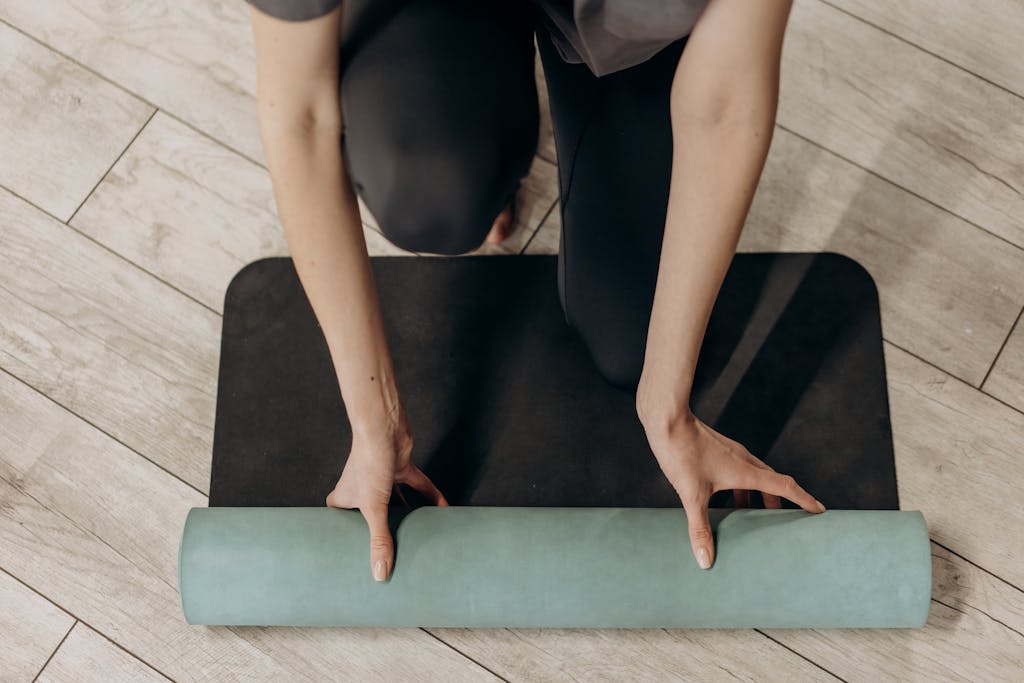
Yoga studios, climbing gyms, and martial arts dojos welcome individual practitioners. While classes involve other people, most encourage internal focus rather than conversation. You participate alongside others rather than with them, a crucial distinction for those who find group dynamics exhausting.
Online Resources for Local Discovery
Digital tools help locate physical opportunities without requiring extensive social research. Your city’s official website lists municipal recreation programs, community events, and adult education offerings. Local Facebook groups, while sometimes chaotic, aggregate information about classes, workshops, and meetups.
Meetup.com specifically organizes local groups around shared interests. You can browse options, read descriptions, and attend events that match your comfort level. Many groups explicitly welcome newcomers or offer beginner-friendly sessions.
Community apps like Nextdoor surface neighborhood-specific activities. Residents post about book clubs, walking groups, or informal skill-sharing. The hyperlocal focus means less travel time and more familiar surroundings.
Self-Guided Exploration
Sometimes the best discovery method is simply paying attention. Walk different neighborhoods in your city. Notice buildings you’ve never registered before: that pottery studio above the coffee shop, the community garden tucked between apartment buildings, the art gallery offering evening classes.
Ask people with interesting hobbies how they found them. Conversations with acquaintances or coworkers can reveal options you’d never discover through formal searches. One person’s passing mention of their weekend woodworking class might be exactly what you’ve been seeking.
Making Space for Hobbies Without Lifestyle Overhaul
The transition from hobby-less to hobby-engaged doesn’t require dramatic schedule restructuring. Small, consistent changes prove more sustainable than ambitious plans that collapse under the weight of existing commitments.
Start by auditing your downtime. Track one week of evening and weekend hours. Where does time actually go? Most people discover hours spent on autopilot activities: scrolling social media, watching random television, or simply collapsing from exhaustion. Those hours could host hobby time without sacrificing anything meaningful.
Replace one autopilot activity per week. Swap one night of mindless Netflix for a hobby session. That’s it. No complete schedule overhaul. No elimination of all leisure television. Just one deliberate substitution.

Set the bar embarrassingly low. Want to start drawing? Commit to five minutes once a week. That’s it. Want to learn guitar? One song per month. Success means establishing the habit without triggering resistance, not rapid skill development.
Protect hobby time like you protect work meetings. Block calendar time for your chosen pursuit. Treat it as non-negotiable. When someone suggests plans during that slot, decline as you would for any scheduled commitment. Your leisure matters as much as your obligations.
Accept that some attempts will fail. I tried pottery, discovered I found the texture of wet clay revolting, and never went back. That’s fine. Failed experiments teach you what doesn’t resonate, bringing you closer to what does.
When Solo Hobbies Connect You Anyway
Here’s the paradox: pursuing solitary hobbies often leads to unexpected connections, but on your terms. You’re not forced into group activities. Instead, you develop expertise or passion that naturally attracts like-minded people.
The photographer who spends weekends shooting landscapes eventually meets other photographers at the same locations. They exchange tips about equipment or locations without lengthy conversations or social obligations. The connection revolves around shared interest, not forced intimacy.
Online communities built around specific hobbies offer connection without the energy drain of in-person socializing. Forums, Discord servers, and subreddits dedicated to your interest provide advice, inspiration, and camaraderie. You engage when you want, as much as you want, with no pressure to perform socially.
Some hobbies do benefit from occasional instruction or collaboration, but you control the timing and intensity. Taking a weekend workshop once a quarter differs vastly from committing to weekly group sessions. The intermittent social contact provides learning opportunities without overwhelming your energy budget.
I eventually found woodworking, an activity that satisfied my need for tangible outcomes and focused concentration. I work alone in my garage most weekends. Occasionally I attend a workshop to learn new techniques. The balance works because I designed it around my actual needs rather than adopting someone else’s hobby blueprint.
Building Your Personal Hobby Strategy
Creating a sustainable hobby practice requires honest assessment of your preferences, constraints, and goals. Start by identifying what you’re actually drawn to rather than what sounds impressive or productive.
Consider your energy patterns. Morning or evening person? Physical activity or mental challenges? Complete silence or background noise tolerance? Your hobby should align with your natural rhythms rather than fighting them.
Evaluate practical constraints. What’s your realistic budget for equipment or classes? How much time can you consistently allocate without creating stress? What location options exist within reasonable travel distance?
Test multiple options before committing resources. Many studios offer trial classes or open houses. Libraries provide free access to materials. YouTube tutorials cost nothing but time. Sample widely before investing in equipment or long-term commitments.
Track how different activities make you feel, not just during but afterward. Some hobbies energize you for days. Others feel satisfying in the moment but leave you drained. Pay attention to these patterns. Your body and mind provide reliable feedback if you listen.
Give activities a fair trial period before judging them. First attempts at anything feel awkward. Initial discomfort doesn’t necessarily indicate poor fit. Commit to trying something at least three times before deciding whether to continue.
Adjust as your life changes. Hobbies that worked during one phase might not suit another. A physically demanding hobby might feel less appealing after a career change to manual labor. An outdoor hobby might need indoor alternatives during harsh weather seasons. Flexibility prevents hobby abandonment when circumstances shift.
The Permission You’ve Been Waiting For
Perhaps the biggest barrier to adult hobby engagement is the nagging feeling that we don’t deserve leisure time, that productivity should consume every available hour. The research contradicts this completely. People with regular hobbies demonstrate better job performance, stronger relationships, and more resilient mental health.
Hobbies aren’t selfish time-wasters. They’re essential maintenance for the mind and body. Athletes understand that recovery time between workouts produces strength gains. The same principle applies to cognitive and emotional health. Engaged leisure creates the space for genuine recovery.
You don’t need anyone’s permission to pursue interests that bring you satisfaction. You don’t need to justify time spent on activities that have no professional application or impressive outcomes. The benefit is the doing itself, the regular engagement with something you find meaningful.
Start small if you must. One afternoon per month exploring a new activity. Fifteen minutes before bed with a book. Saturday mornings at the local trail. However modest the beginning, it’s a beginning. And research suggests that even minimal hobby engagement yields measurable benefits.
The adults who thrive aren’t those who work hardest or achieve most. They’re the ones who maintain balance, who protect time for pursuits that feed rather than deplete them. Your hobby, whatever it becomes, forms part of that essential balance.
Related Resources Worth Exploring
Finding the right solo activities connects to broader questions about living authentically. Our guide on how people undermine their own wellbeing addresses common patterns that prevent leisure engagement. If you find yourself constantly canceling plans with yourself, that resource might reveal underlying patterns.
Understanding why certain social interactions drain more than others helps you design hobby experiences that restore rather than exhaust. Not all solitary activities require complete isolation, but knowing your social limits prevents overcommitment.
For those managing major life transitions, handling multiple identity dimensions while building new routines presents unique challenges. Your hobby strategy should accommodate rather than ignore these complexities.
Some people resist hobbies because they analyze every decision to death, paralyzing themselves with the need to choose the “right” activity. Sometimes the best choice is the one you actually try rather than the one you endlessly research.
If societal expectations about productivity and busyness create guilt around leisure time, challenging common misconceptions about how adults should spend their time might shift your perspective. You’re allowed to enjoy things for their own sake.
Frequently Asked Questions
How do I find local hobbies if I’m new to an area?
Start with your city’s official website, which typically lists community centers, recreation programs, and public events. Libraries maintain bulletin boards with class information and local group postings. Online platforms like Meetup, Facebook Events, and Nextdoor surface neighborhood-specific options. Visit specialty shops related to your interests, as many maintain community boards or offer classes themselves. Simply walking different neighborhoods reveals studios, gyms, and facilities you might otherwise never notice.
What if I can’t afford expensive hobby equipment or classes?
Many meaningful hobbies require minimal investment. Libraries offer free access to books, maker spaces, and sometimes even equipment lending programs. Community centers provide classes at subsidized rates. YouTube and online tutorials teach skills without cost. Start with activities using items you already own: walking, bodyweight exercise, drawing with basic supplies, or writing digitally. Many people abandon hobbies before their skill justifies expensive equipment anyway. Delay major purchases until you’ve confirmed sustained interest over several months.
How much time should I dedicate to a hobby as a busy adult?
A 2023 Harvard Health study found benefits from even brief, consistent engagement. Start with whatever feels sustainable, even if that’s just 15-20 minutes once or twice weekly. What matters is regular connection with something you enjoy, not intensive practice schedules. Many people find that once they start, they naturally extend time as the activity becomes rewarding rather than obligatory. Quality of engagement matters more than quantity of hours. Thirty focused minutes beats three distracted hours.
Should I join group activities even though I prefer working alone?
No. Group settings aren’t mandatory for hobby enjoyment or benefit. Many pursuits work perfectly as solitary activities: reading, hiking, drawing, gardening, playing instruments, or working on crafts. If a hobby you want to try involves classes, look for options where instruction happens but extensive socializing doesn’t. Yoga classes, for instance, typically maintain quiet focus. Some studios offer private lessons. Many skills can be self-taught through online resources, preserving complete independence.
What if I try several hobbies and nothing clicks?
Keep exploring. Most people need to sample multiple activities before finding ones that resonate. Consider whether you’re judging hobbies by enjoyment or by performance. If you’re dismissing activities because you’re not immediately good at them, you’re applying the wrong standard. Look for what you lose track of time doing, what leaves you feeling more energized rather than depleted. Pay attention to whether activities suit your current life phase. Something that didn’t appeal five years ago might be perfect now. Circumstances change, and so can your interests.
Explore more resources about building an authentic life in our complete General Introvert Life Hub.
About the Author
Keith Lacy is an introvert who’s learned to embrace his true self later in life. With a background in marketing and a successful career in media and advertising, Keith has worked with some of the world’s biggest brands. As a senior leader in the industry, he has built a wealth of knowledge in marketing strategy. Now, he’s on a mission to educate both introverts and extroverts about the power of introversion and how understanding this personality trait can unlock new levels of productivity, self-awareness, and success.