
The crowded gym floor felt suffocating before I even touched a single weight. Bodies everywhere, mirrors reflecting strangers watching my every move, and the constant hum of conversation made what should have been a sanctuary feel like a performance stage. For years, I convinced myself this was the only path to fitness. That spending money on gym memberships and tolerating the sensory overload was simply the price of staying healthy.
I was wrong.
Building a home gym transformed my relationship with exercise entirely. The privacy eliminated performance anxiety. The convenience removed excuses. And contrary to what I initially believed, creating an effective workout space did not require emptying my savings account. What started as a small corner with basic equipment evolved into a personal fitness sanctuary that respects both my introvert needs and my budget constraints.
If the thought of fighting for equipment at a commercial gym makes you want to skip workouts altogether, you are not alone. Research from health experts confirms that introverts often thrive in solo fitness environments where they can focus inward without external distractions. The good news is that creating this environment at home costs far less than most people imagine.

Why Home Gyms Make Perfect Sense for Introverts
The appeal of exercising at home extends far beyond convenience. For those of us who process internally and recharge through solitude, a home gym addresses fundamental needs that commercial gyms simply cannot meet. The ability to exercise in complete privacy removes the energy drain that comes from navigating social spaces. No small talk between sets. No waiting for equipment while someone finishes their Instagram photo shoot. Just you, your workout, and the mental clarity that follows.
What’s your personality type?
Take our free 40-question assessment and get a detailed personality profile with dimension breakdowns, context analysis, and personalised insights.
Discover Your Type8-12 minutes · 40 questions · Free
During my years leading teams at advertising agencies, I noticed something interesting about my own patterns. The days I exercised before work were always more productive. My thinking was sharper, my patience deeper, and my energy more sustainable through long client meetings. But getting to the gym meant waking up an hour earlier to account for commute time and the inevitable delays of shared spaces. When I finally invested in basic home equipment, those extra morning minutes became actual workout time instead of travel time.
Industry research reveals that people with home exercise equipment are significantly more likely to meet physical activity guidelines compared to those relying solely on commercial gyms. The reason is straightforward: reduced barriers lead to increased consistency. When your workout space is steps away rather than a drive away, the excuses lose their power. This consistency matters because exercise profoundly impacts mental health, with studies showing physical activity can treat mild to moderate depression as effectively as medication.
Understanding how alone time helps introverts recharge makes the home gym advantage even clearer. Exercise becomes a dual recovery mechanism, simultaneously improving physical health while honoring your need for solitude.
The Real Cost of a Home Gym Versus Commercial Memberships
Let me challenge the assumption that home gyms require significant upfront investment. When I first explored this option, the price tags on complete home gym systems intimidated me. Multi thousand dollar setups seemed like the standard. What I discovered instead was that strategic purchasing creates effective workout spaces for a fraction of those costs.
Consider the math. Average gym memberships hover around $30 to $50 monthly, with premium facilities charging considerably more. Over five years, that modest monthly payment accumulates to $1,800 or more. Higher end memberships easily exceed $5,000 across that same timeframe. Meanwhile, a thoughtfully assembled home gym providing equally effective workouts can cost between $500 and $1,500 as a one time investment.
The financial benefit compounds when you factor in hidden gym costs. Commute expenses, whether fuel or transit fares, add up quietly. The time spent traveling represents opportunity cost. And the psychological cost of forcing yourself into environments that drain you? That one proves hardest to quantify but easiest to feel.

When I work with clients on their self care strategies, we often discuss how financial stress undermines wellness efforts. A home gym eliminates the monthly drain while providing returns for years. The equipment I purchased five years ago still functions perfectly, while gym memberships from that same period yielded nothing tangible beyond memories of crowded locker rooms.
Essential Equipment for a Budget Home Gym
Building an effective home gym does not require filling a room with expensive machinery. The most impactful workouts rely on simple, versatile equipment that delivers results without complexity. Here is what actually matters when you are starting with limited funds and space.
Resistance Bands
These cost under $30 for a complete set and replicate dozens of exercises typically requiring expensive machines. The versatility surprised me when I first incorporated them. Upper body, lower body, core work, and mobility training all become possible with these lightweight tools that store in a drawer. Equipment experts consistently recommend resistance bands as foundational pieces for budget conscious home gyms because they offer progressive resistance options as your strength increases.
Adjustable Dumbbells
A single pair of adjustable dumbbells replaces an entire rack of fixed weights. The initial investment around $150 to $300 seems steep until you calculate the cost of buying individual dumbbells at every weight increment. These space saving tools enable progressive overload without cluttering your workout area. I have used the same adjustable set for years, gradually increasing the weight as my strength improved.
Pull Up Bar
A doorframe pull up bar costs approximately $25 to $40 and unlocks one of the most effective bodyweight exercises available. Pull ups and their variations build back strength, improve grip, and require no floor space. The simplicity appeals to me. No adjustments, no settings, just consistent challenge that scales with your progress through form modifications and rep schemes.
Yoga Mat
Every home gym needs a quality mat for floor exercises, stretching, and bodyweight movements. Budget options around $20 work perfectly fine, though spending slightly more on a thicker mat provides better joint protection during high impact movements. This simple addition defines your workout space and makes exercises like planks, push ups, and stretches more comfortable.
Creating a sanctuary within your home starts with intentional choices about what enters your space. The same principle applies to gym equipment. Quality over quantity ensures your investment serves you for years rather than collecting dust after initial enthusiasm fades.
Smart Upgrades When Your Budget Allows
Once your foundation exists, strategic additions enhance your workouts without requiring significant space or money. I learned to prioritize these upgrades based on my actual training preferences rather than what fitness marketing suggested I needed.
A kettlebell in the 20 to 35 pound range provides dynamic movement options that dumbbells handle less elegantly. Swings, cleans, and Turkish get ups demand full body coordination while building functional strength. One quality kettlebell around $50 to $80 opens entirely new workout possibilities.
Jump ropes offer cardiovascular training for under $15. The compact nature makes them ideal for small spaces, and the simplicity masks their effectiveness. Ten minutes of jump rope work challenges even well conditioned athletes while remaining gentle on joints compared to running.
A stability ball between $15 and $30 transforms core training and doubles as a bench alternative for certain exercises. The instability forces engagement muscles that stable surfaces neglect. I use mine daily, even just for sitting during work hours to maintain core activation.
As you build your space, remember that introvert wellness depends on environments that support rather than deplete you. Each equipment choice should serve your actual workout habits, not aspirational versions of yourself that require different tools.
Creating Your Workout Space Without a Dedicated Room
Not everyone has a spare room or garage to convert into a gym. My first home gym existed in a 6×6 foot corner of my bedroom, and it worked perfectly fine. The key lies in choosing equipment that stores compactly and setting up systems that make deployment quick.
Vertical storage changes everything. Wall mounted hooks hold resistance bands, jump ropes, and yoga mats without consuming floor space. Under bed storage containers keep dumbbells and smaller equipment accessible but invisible. A small rolling cart can house your entire gym collection and tuck into a closet between sessions.
The psychological benefit of a defined workout area matters regardless of size. Even if your space serves multiple purposes, creating visual boundaries during exercise helps your mind transition into workout mode. I use a specific mat that only comes out for training. Unrolling it signals to my brain that this time belongs to physical activity. Rolling it up afterward closes that chapter and returns the space to its regular function.
Working out at home supports the daily routines that help introverts thrive. When exercise becomes part of your home rhythm rather than a separate expedition, consistency follows naturally.
The Mental Health Benefits of Private Exercise
Beyond physical fitness, home workouts provide mental health benefits that public gyms often undermine for introverts. The privacy eliminates performance pressure. The solitude enables genuine decompression. The control over environment variables like music, temperature, and timing honors individual preferences that commercial settings ignore.
Academic research on physical activity and mental health demonstrates that exercise improves mood, reduces anxiety, and enhances cognitive function. However, these benefits depend partly on the exercise being sustainable and enjoyable. Forcing yourself through workouts that feel psychologically taxing diminishes returns. A home gym eliminates that friction, allowing the pure benefits of movement to shine through.
University researchers found that physical activity can be more effective than medication for managing depression and anxiety symptoms. This finding carries particular weight for introverts who may already feel reluctant to seek external interventions. Your home gym becomes a powerful self directed tool for mental wellness.
The Mental Health Foundation notes that physical activity helps manage stress by reducing cortisol levels while releasing endorphins that naturally improve mood. When you exercise in a comfortable, private environment, these chemical benefits occur without the counteracting stress of navigating crowded social spaces.
I learned to use exercise as part of my broader self care practice. Morning workouts became meditation in motion. Evening sessions helped process the day’s accumulated stress. The home gym made this possible by removing every barrier except my own willingness to show up.
Maintaining Motivation Without External Accountability
One legitimate concern about home gyms involves accountability. Commercial gyms provide social pressure that some people need. For introverts, though, external accountability often creates more stress than motivation. The alternative involves building internal systems that support consistency without requiring outside observers.
Tracking progress objectively replaces the need for external validation. Simple logs noting workouts completed, weights lifted, and subjective energy levels create personal accountability that respects your private nature. I keep a basic spreadsheet that takes 30 seconds to update after each session. Seeing consistent entries builds momentum, while gaps become obvious without anyone else needing to point them out.
Habit stacking connects exercise to existing routines. If you always make coffee first thing in the morning, your workout happens between waking and that coffee. The sequence becomes automatic. I attached my exercise habit to my morning journaling practice. After writing for ten minutes, I move to my workout corner. No decision required because the trigger already exists.
Starting small removes overwhelm. Five minutes of movement counts. Seriously. Those five minutes often become twenty once you begin, but the commitment remains minimal. This approach aligns with how introverts manage energy by conserving decision making resources for matters that truly require them.
Sample Budget Home Gym Packages
To make this practical, here are three equipment combinations at different price points. Each provides everything needed for effective, varied workouts.
Starter Package: Under $100
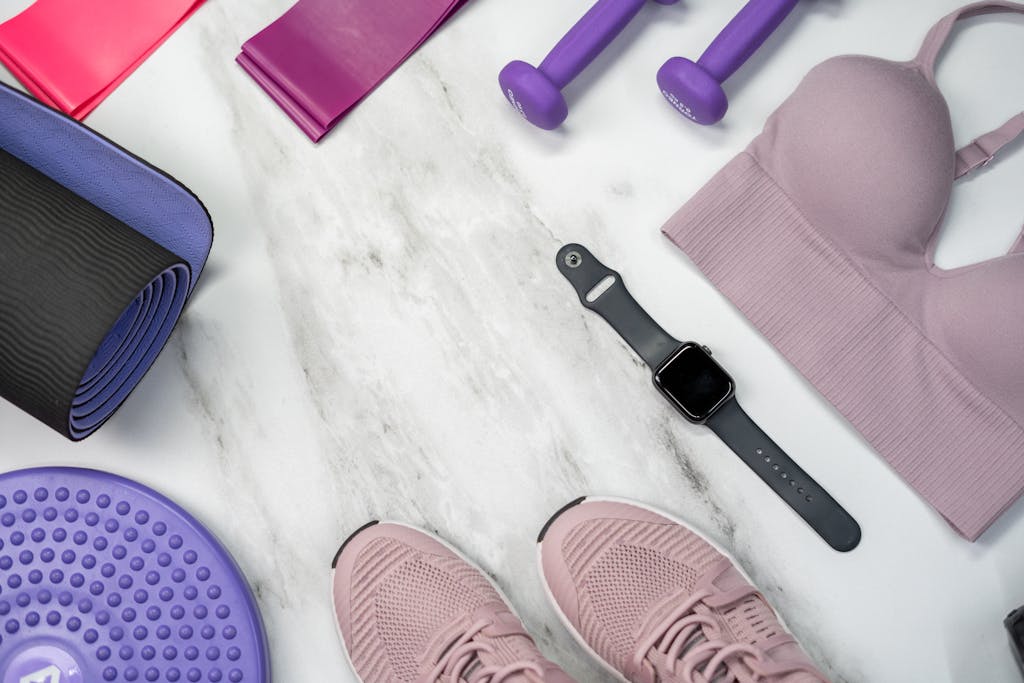
This combination covers fundamental movement patterns without significant investment. A resistance band set ($25), yoga mat ($20), pull up bar ($30), and jump rope ($15) total approximately $90. These tools enable strength training, flexibility work, cardiovascular conditioning, and bodyweight movements. Many people achieve impressive fitness levels with nothing more than this basic collection.
Intermediate Package: Under $500
Building on the starter foundation, this package adds adjustable dumbbells ($200), a kettlebell ($60), and a stability ball ($25). Total investment reaches approximately $475 including the starter items. The added weight training options enable progressive overload essential for continued strength development.
Complete Package: Under $1,000
For those ready to invest in a comprehensive setup, adding a weight bench ($150), barbell with plates ($200), and foam roller ($30) creates a full featured gym. The total around $850 provides equipment that rivals commercial facilities for most training goals. This package supports serious strength training, rehabilitation work, and decade long progression.
Where to Find Budget Friendly Equipment
Patience and strategic shopping significantly reduce equipment costs. Secondary markets offer substantial savings on barely used items. New Year resolution abandoners flood marketplaces with equipment each February and March. Estate sales, moving sales, and gym closures provide additional opportunities.
Online marketplaces like Facebook Marketplace, Craigslist, and OfferUp regularly list home gym equipment at 40 to 60 percent below retail prices. Quality cast iron weights rarely wear out, making used options functionally identical to new. I purchased my kettlebell collection through local listings, paying roughly half of retail while receiving equipment in excellent condition.
Retail sales provide another avenue for savings. Major retailers discount fitness equipment during post holiday periods, summer months, and back to school seasons. Stacking coupons with sales prices can yield significant discounts on new equipment with full warranties.
Direct to consumer brands increasingly offer quality budget alternatives. Companies selling through their own websites rather than traditional retail channels often provide better value. Research reviews carefully, but do not assume expensive equals effective.
Making Your Home Gym Work Long Term
The initial setup matters less than sustained usage. A perfectly equipped gym that collects dust serves no purpose. Building practices that incorporate your equipment into daily life ensures your investment continues returning value.
Visual placement helps. Keep equipment visible rather than hidden in closets where it becomes forgotten. My dumbbells sit beside my desk, silently reminding me of their availability. The resistance bands hang on a hook I pass multiple times daily. Out of sight truly becomes out of mind with fitness equipment.
Program variety prevents boredom. Rotating between different workout styles maintains interest across months and years. Strength training one day, mobility work the next, cardiovascular intervals later in the week. The equipment in a basic home gym supports all these modalities when approached creatively.
Celebrating consistency rather than intensity builds sustainable habits. Showing up matters more than crushing personal records. A moderate workout completed beats an ambitious workout skipped. This perspective served me well through busy seasons when finding 20 minutes proved challenging.
Your Fitness Sanctuary Awaits
Building a home gym on a budget is not about compromise. It is about optimization. Optimizing for privacy, for consistency, for mental health benefits that public gyms often undermine. The financial savings make this choice practical. The psychological benefits make it transformative.
Start where you are. A single resistance band and some floor space provide enough for meaningful workouts. Add pieces gradually as your practice develops and your budget allows. The perfect setup emerges over time through experimentation and honest assessment of what actually gets used.
Your introvert nature is not a barrier to fitness. It is a guide toward the fitness approach most likely to succeed. Honor that nature by creating a workout space that respects your need for privacy, your preference for quiet, and your desire to recharge rather than deplete through exercise. The commercial gym model was never designed with you in mind. Your home gym can be.
Explore more self care resources in our complete Solitude, Self-Care and Recharging Hub.
About the Author
Keith Lacy is an introvert who’s learned to embrace his true self later in life. With a background in marketing and a successful career in media and advertising, Keith has worked with some of the world’s biggest brands. As a senior leader in the industry, he has built a wealth of knowledge in marketing strategy. Now, he’s on a mission to educate both introverts and extroverts about the power of introversion and how understanding this personality trait can unlock new levels of productivity, self-awareness, and success.
Frequently Asked Questions
How much space do I need for a home gym?
A functional home gym requires surprisingly little space. An area roughly 6 by 6 feet provides enough room for most exercises using basic equipment like resistance bands, dumbbells, and a yoga mat. Even smaller spaces work when you choose equipment that stores compactly and deploy only what you need for each session.
What is the minimum investment needed to start a home gym?
You can build an effective starter home gym for under $100. A resistance band set, yoga mat, doorframe pull up bar, and jump rope provide enough equipment for comprehensive workouts covering strength, flexibility, and cardiovascular fitness. Many people achieve excellent results with this minimal setup before adding additional equipment.
Are home workouts as effective as gym workouts?
Home workouts can be equally effective as gym workouts for most fitness goals. The key factors determining effectiveness are consistency, progressive challenge, and program design rather than location or equipment availability. For introverts especially, the increased consistency enabled by eliminating gym barriers often produces better long term results.
How do I stay motivated without a gym environment?
Internal motivation systems replace external gym pressure effectively. Tracking workouts in a simple log creates personal accountability. Connecting exercise to existing habits through habit stacking removes decision making friction. Starting with minimal time commitments like five minutes reduces overwhelm while often naturally extending once you begin.
Where can I find affordable home gym equipment?
Secondary markets like Facebook Marketplace, Craigslist, and OfferUp regularly offer home gym equipment at 40 to 60 percent below retail prices. The best deals appear in February and March when resolution abandoners sell barely used equipment. Retail sales during post holiday periods and direct to consumer brands also provide significant savings opportunities.