The gym locker room conversation haunts me still. Standing there in my mid-thirties, pretending to check my phone while two strangers debated proper squat form, I realized something profound. After fifteen years of forcing myself through crowded fitness centers, waiting for equipment, and dodging unsolicited advice, I had never once looked forward to exercise. Not once.
That realization changed everything about how I approach fitness today.
During my years leading advertising agencies and managing Fortune 500 client relationships, I convinced myself that dreading the gym was simply the price of staying healthy. Everyone hates exercise, right? Wrong. What I actually hated was the performance aspect of public fitness, the constant social navigation that left me more exhausted than any workout ever could.
Creating a private exercise practice transformed not just my fitness levels but my entire relationship with movement. If crowded gyms drain your energy before you even start sweating, you are not alone in that experience. Building effective home workout routines might be exactly what your introverted mind and body need.
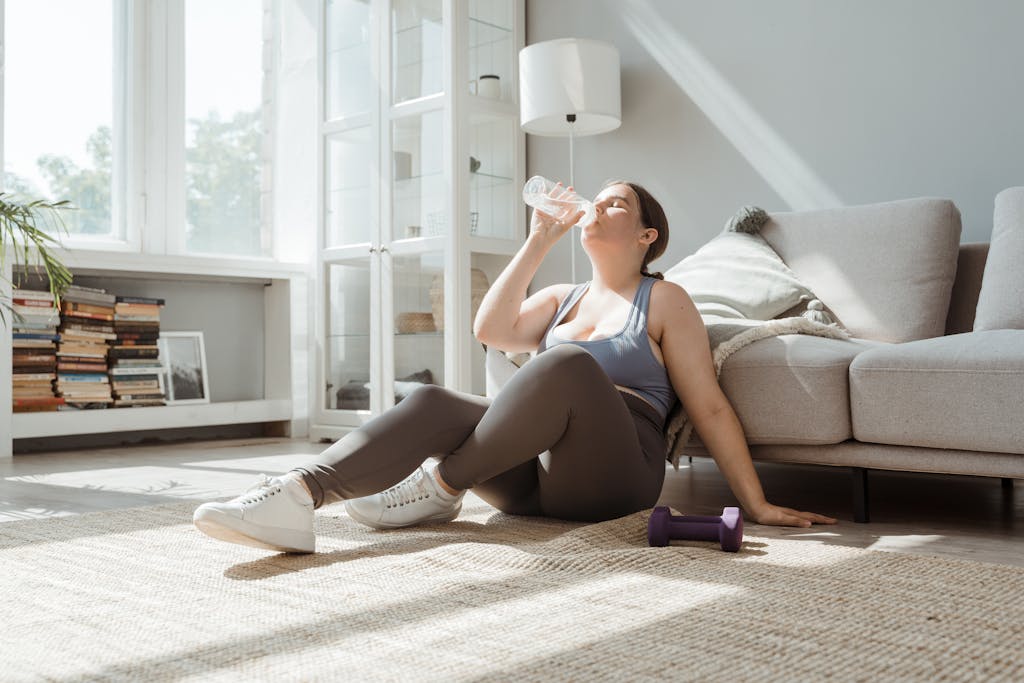
Why Private Exercise Works for Introverted Minds
The science behind why introverts often struggle with traditional gym environments runs deeper than simple shyness. Research from the Wellbeing Magazine indicates that introverts process environmental stimuli more intensely than extroverts, making a quiet, controlled space ideal for maximizing focus and reducing stress during physical activity.
What’s your personality type?
Take our free 40-question assessment and get a detailed personality profile with dimension breakdowns, context analysis, and personalised insights.
Discover Your Type8-12 minutes · 40 questions · Free
This heightened sensitivity means the gym environment itself becomes a workout. Your brain is processing the clanging weights, the conversations around you, the awareness of being watched, the social dynamics of equipment sharing. By the time you actually start exercising, you have already depleted significant mental energy.
Private exercise eliminates this cognitive overhead entirely. When you work out at home, all that mental energy goes directly into your movement practice. The benefits of alone time extend far beyond simple relaxation. They include the ability to focus deeply, process experiences thoroughly, and perform complex tasks without the distraction of social monitoring.
I noticed this immediately when I started working out at home. Exercises that felt awkward and self-conscious at the gym suddenly became opportunities for genuine body awareness. Without worrying about how I looked or whether I was using equipment correctly, I could actually pay attention to how movements felt in my body.
Building Your Private Exercise Foundation
One of the most liberating aspects of home workouts is discovering how little equipment you actually need. The fitness industry has spent decades convincing us that effective exercise requires expensive machinery and specialized spaces. Research tells a different story.
A study published in the International Journal of Exercise Science found that simple bodyweight training effectively improves cardiorespiratory fitness without requiring any specialized equipment. The researchers tested a protocol based on classic physical education principles and found significant improvements in fitness levels after just six weeks of eleven-minute sessions.
Your body is the most versatile piece of exercise equipment you will ever own. Push-ups, squats, lunges, planks, and countless variations of these fundamental movements can build serious strength and endurance. The key lies not in equipment but in progressive challenge and consistency.
That said, a few strategic investments can expand your options significantly. A quality yoga mat creates a comfortable, defined workout space. A set of resistance bands offers variable resistance for dozens of exercises. A pair of adjustable dumbbells opens up strength training possibilities. These three items cost less than a few months of gym membership and last for years.
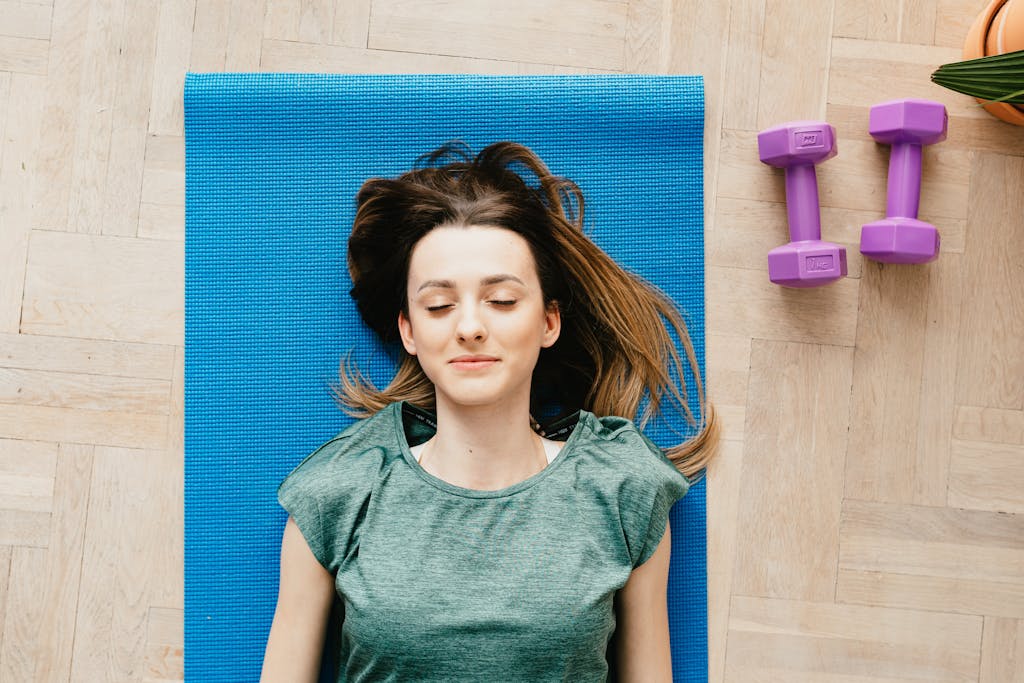
Effective Home Workout Routines That Actually Work
The most effective home workout routines share certain characteristics. They are structured enough to provide clear direction but flexible enough to adapt to your energy levels on any given day. They challenge you progressively over time while respecting your body’s need for recovery.
According to the Better Health Channel, adults should aim for 2.5 to 5 hours of moderate physical activity per week, or 1.25 to 2.5 hours of vigorous activity. This breaks down to roughly 30 to 45 minutes on most days, which is entirely achievable at home without any travel time to and from a gym.
Understanding introvert self-care means recognizing that exercise should energize rather than deplete you. This often means shorter, more focused workouts rather than marathon gym sessions.
The Foundation Movement Pattern
Every effective workout routine builds from fundamental human movement patterns. These include pushing movements like push-ups and overhead presses, pulling movements like rows and pull-ups, hip hinge patterns like deadlifts and good mornings, squatting patterns, lunging patterns, and core stability work.
A complete home workout routine touches on all these patterns throughout the week. This ensures balanced development and reduces injury risk from overworking certain muscles while neglecting others.
My own routine evolved through considerable trial and error. Early attempts to replicate gym workouts at home left me frustrated and inconsistent. What finally worked was building routines around time blocks rather than specific rep counts, allowing me to adjust intensity based on my energy that day while maintaining consistent practice.
The Mental Health Connection
The relationship between exercise and mental health extends far beyond vague notions of feeling better. Research published in Primary Care Companion to the Journal of Clinical Psychiatry found that exercise improves mental health by reducing anxiety, depression, and negative mood while improving self-esteem and cognitive function. Thirty minutes of moderate exercise three times a week proved sufficient for these benefits.
For introverts specifically, the private nature of home workouts amplifies these mental health benefits. The role of solitude in an introvert’s life includes providing space for processing emotions and experiences. Exercise during protected alone time becomes doubly therapeutic.
I use my morning workout time as a kind of moving meditation. Without the distraction of other people or the need to maintain any social awareness, my mind processes the previous day’s events and prepares for the day ahead. This integration of physical and mental benefits would be impossible in a crowded gym environment.
The HelpGuide organization notes that exercise can treat mild to moderate depression as effectively as antidepressant medication, without the side effects. This finding underscores the importance of making exercise sustainable and enjoyable. For many introverts, that means making it private.
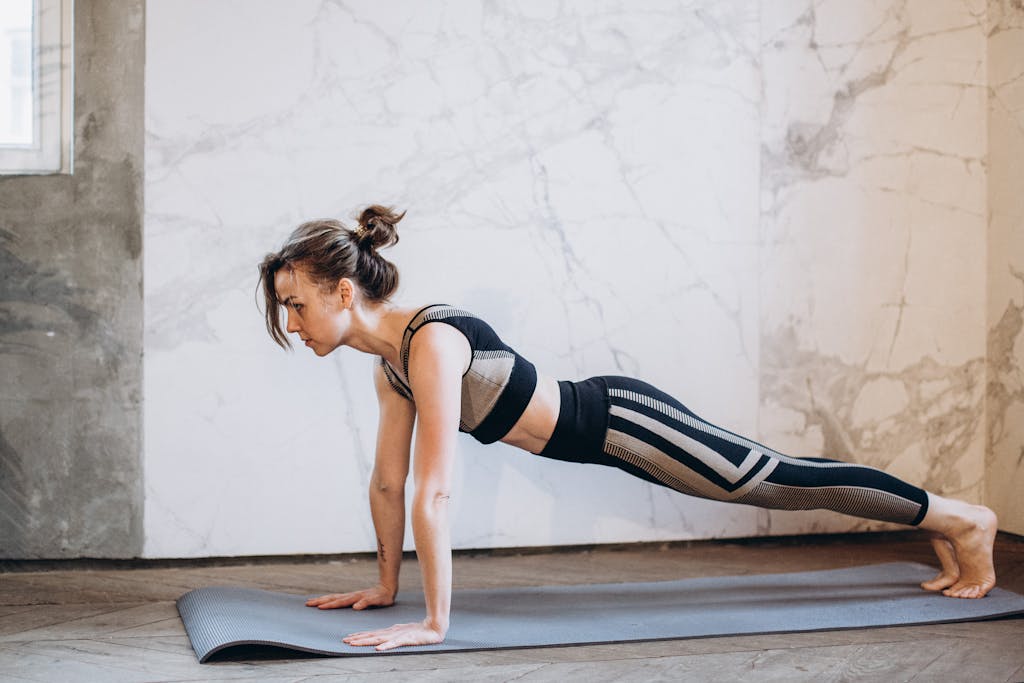
Designing Your Personal Exercise Sanctuary
Creating an effective home workout space does not require a spare room or basement gym. Even a small clear area can become a sanctuary for movement when approached thoughtfully.
The psychology of space matters more than square footage. Your workout area should feel distinct from the rest of your living space, even if that distinction is as simple as rolling out a yoga mat. This physical marker signals to your brain that you are entering a different mode, much like how a home sanctuary supports overall wellbeing through intentional design.
Lighting plays a surprising role in workout quality. Natural light energizes morning routines, while adjustable lighting supports evening wind-down sessions. Temperature control matters too. Being too hot or cold creates an additional distraction that pulls focus away from movement.
Sound environment shapes your entire exercise experience. Some people thrive with energizing music, others prefer podcasts or audiobooks, and many introverts discover that silence provides the most supportive backdrop for focused movement. Experiment with all options before deciding what works best for you.
My workout corner occupies about six feet by eight feet of my living room. A folded mat tucked beside the bookshelf transforms into workout space in seconds. A small basket holds resistance bands and a foam roller. This minimal footprint works because the space is ready when I am, with no setup friction to overcome.
Sample Weekly Home Workout Schedule
Building consistent exercise habits requires structure without rigidity. The following weekly template provides a framework you can adapt to your schedule, energy patterns, and fitness goals.
Research from the National Institutes of Health confirms that physical activity provides significant health benefits at moderate intensity levels. You do not need to destroy yourself in every workout to see results. Sustainable practice beats occasional intensity every time.
Monday: Upper Body Focus
Push-ups in various positions (standard, wide, narrow, elevated), resistance band rows, shoulder work with bands or light weights, and core stability exercises. Total time: 25 to 35 minutes including warm-up.
Tuesday: Lower Body and Mobility
Squats with progressions, lunges in multiple directions, single-leg work for balance, hip mobility sequences, and gentle stretching. Total time: 30 to 40 minutes.
Wednesday: Active Recovery
Light walking, gentle yoga flow, foam rolling, or simply rest if needed. Prioritizing sleep optimization supports recovery as much as active rest days.
Thursday: Full Body Circuit
Combining movements from Monday and Tuesday into flowing circuits that elevate heart rate while building strength. Total time: 30 to 40 minutes.
Friday: Cardio and Core
Bodyweight cardio intervals (jumping jacks, mountain climbers, burpees if appropriate), followed by dedicated core work. Total time: 25 to 35 minutes.
Weekend: Flexible Movement
One day of activity you genuinely enjoy (hiking, swimming, cycling, dancing), and one rest day. Your daily routines should include recovery as an essential component, not an afterthought.
Overcoming the Consistency Challenge
The biggest obstacle to home workout success is not intensity or equipment. It is showing up consistently when no external accountability exists. No gym membership guilt, no trainer appointments, no workout buddy waiting for you.
This challenge is both the difficulty and the gift of private exercise. You must develop internal motivation, which ultimately creates more sustainable practice than any external pressure could.
Habit stacking works powerfully for home workouts. Attach your exercise routine to an existing daily habit. I work out immediately after my morning coffee, before checking email or engaging with the outside world. This protected window has become non-negotiable not through willpower but through repetition.
Environment design supports consistency too. Laying out workout clothes the night before, keeping equipment visible and accessible, eliminating friction wherever possible. The goal is making the healthy choice the easiest choice.
Practicing mindfulness and meditation can strengthen the internal motivation needed for consistent home practice. When you develop the ability to observe your thoughts and feelings without being controlled by them, skipping workouts becomes a conscious choice rather than automatic avoidance.
Progressive Challenge Without a Gym
One concern about home workouts is the ability to progress over time. In a gym, adding weight to the bar provides clear progression. At home, you need different strategies for continuing to challenge yourself.
Bodyweight exercises offer remarkable progression potential through technique variations. Standard push-ups can progress to decline push-ups, archer push-ups, one-arm assisted push-ups, and eventually full one-arm push-ups. Each variation increases difficulty without adding external load.
Research from Harvard Health found that ten weeks of bodyweight exercises produced significant improvements across seven of nine fitness parameters tested. The biggest gains appeared in aerobic capacity, with a 33 percent improvement. Muscle endurance increased by 11 percent, and lower body power improved by 6 percent.
Tempo manipulation offers another progression strategy. Slowing down the lowering phase of any exercise dramatically increases difficulty. A push-up that takes five seconds to lower and one second to push up challenges muscles differently than a quick repetition, even using the same body position.
Resistance bands provide variable resistance that can grow with your strength. Unlike fixed weights, bands increase resistance as they stretch, creating a unique strength curve that complements bodyweight training beautifully.

Making Peace with Private Fitness
Choosing home workouts over gym membership sometimes carries a subtle sense of inadequacy, as if you are somehow less committed than people who endure crowded fitness centers. This feeling is worth examining and releasing.
Understanding introvert health and wellness means accepting that your optimal path may look different from mainstream advice. The goal is consistent, sustainable movement that supports your physical and mental health. The location where that movement happens matters far less than whether it actually happens.
My fitness improved dramatically once I stopped trying to force myself into environments that drained me. Workouts became something I genuinely looked forward to rather than obligations to endure. This shift in relationship with exercise proved more valuable than any equipment or training program.
The privacy of home workouts also allows for experimentation without self-consciousness. You can try that yoga pose that looks ridiculous, dance to music that embarrasses you, or grunt through challenging exercises without worrying about judgment. This freedom often leads to discovering movements and practices you would never have explored in a public setting.
If you have been struggling to maintain consistent exercise habits, consider whether the environment itself might be the obstacle. Home workout routines offer a legitimate, effective alternative that works with your introverted nature rather than against it. Sometimes the best fitness decision is simply creating space where you can move freely, privately, and on your own terms.
Explore more solitude and self-care resources in our complete Solitude, Self-Care & Recharging Hub.
About the Author
Keith Lacy is an introvert who’s learned to embrace his true self later in life. With a background in marketing and a successful career in media and advertising, Keith has worked with some of the world’s biggest brands. As a senior leader in the industry, he has built a wealth of knowledge in marketing strategy. Now, he’s on a mission to educate both introverts and extroverts about the power of introversion and how understanding this personality trait can unlock new levels of productivity, self-awareness, and success.
Frequently Asked Questions
Can home workouts be as effective as gym workouts?
Yes, research consistently shows that home workouts can produce results comparable to gym training when approached with proper structure and consistency. Studies have found that bodyweight training effectively improves strength, endurance, and cardiovascular fitness without specialized equipment. The key factors for success are progressive challenge, consistent practice, and attention to all major movement patterns.
How long should home workouts last for introverts?
Effective home workouts can range from 20 to 45 minutes depending on your goals and energy levels. Research suggests that 30 minutes of moderate exercise most days of the week provides significant health benefits. Many introverts find shorter, focused sessions more sustainable than lengthy gym workouts because they require less overall energy investment and fit more easily into daily routines.
What essential equipment do I need for home workouts?
You can build effective fitness with minimal equipment. A quality yoga mat provides comfortable workout space. Resistance bands offer variable resistance for many exercises. Optional additions include adjustable dumbbells for strength training and a foam roller for recovery. Many excellent workout routines use only bodyweight, requiring no equipment at all.
How do I stay motivated without gym accountability?
Building internal motivation requires different strategies than external accountability. Habit stacking attaches workouts to existing routines, making them automatic. Environment design removes friction by keeping equipment accessible and clothes ready. Tracking progress provides motivation through visible improvement. Many introverts ultimately find self-directed motivation more sustainable than external pressure once these systems are established.
Why do introverts often prefer private exercise?
Introverts process environmental stimuli more intensely than extroverts, which means crowded gym environments require significant mental energy just to navigate. This cognitive overhead reduces energy available for actual exercise. Private workout spaces eliminate social monitoring, waiting for equipment, unwanted conversations, and sensory overload. All that preserved mental energy can go directly into focused movement practice.