

Most writing about homebodies circles the same tired territory: defending the lifestyle, explaining it to skeptics, or celebrating it with the enthusiasm of someone who just discovered they’re allowed to cancel plans. Those angles have their place. But after spending decades in rooms full of people who treated constant motion as a virtue, I’ve come to believe the more interesting conversation is about what the homebody experience actually produces inside a person, not what it looks like from the outside.
Homebody articles, at their most useful, aren’t really about staying home. They’re about the interior life that becomes possible when you stop treating your home as a staging area for the next thing you’re supposed to be doing.

If you’re building a deeper understanding of how your home environment shapes who you are as an introvert, the Introvert Home Environment hub pulls together everything from space design to the psychology of solitude. This article fits into that larger picture by examining what homebody content actually gets right, what it misses, and what the best of it reveals about introverted life that most people never articulate clearly.
Why Does So Much Homebody Content Feel Shallow?
Spend an afternoon reading homebody articles and you’ll notice a pattern. Most of them exist to reassure. They tell you it’s okay to stay in, that you’re not weird, that cozy nights at home are valid. And while that reassurance has genuine value for someone who’s spent years apologizing for their preferences, it stops short of anything that actually illuminates the experience.
What’s your personality type?
Take our free 40-question assessment and get a detailed personality profile with dimension breakdowns, context analysis, and personalised insights.
Discover Your Type8-12 minutes · 40 questions · Free
I ran advertising agencies for over two decades. Part of that work involved understanding what audiences actually wanted versus what they said they wanted. There’s always a gap. With homebody content, readers say they want validation. What they actually want, I think, is recognition. Not just “it’s okay to be this way” but “consider this this way of being actually produces in a person, and here’s why it matters.”
Validation is passive. Recognition is specific. The best homebody articles I’ve encountered don’t just wave a flag. They describe something so precisely that you feel seen in a way you didn’t expect.
That’s a harder thing to write. It requires the author to go past the surface of “I like staying in” and into the texture of what that actually means, how solitude functions, what it produces, what it costs, and what it makes possible that nothing else does.
What Does the Best Homebody Writing Actually Explore?
The homebody articles worth reading tend to cluster around a few specific territories. Not the obvious ones, but the ones that require a certain honesty to write.
The Relationship Between Solitude and Cognitive Clarity
As an INTJ, my thinking doesn’t sharpen in conversation. It sharpens in silence, after conversation, when I’ve had time to process what was said and what it means. I spent years in agency life pretending otherwise, sitting in brainstorming sessions and performing the kind of real-time ideation that comes naturally to extroverts on my team. What I was actually doing was collecting material to think about later, alone, in my office with the door closed.
Good homebody writing touches on this. There’s a reason many people who describe themselves as homebodies also describe themselves as thinkers, readers, makers, or creators. The home environment isn’t just comfortable. It’s cognitively productive in a specific way that open-plan offices and social calendars are not. Research published in PubMed Central has examined how environmental factors shape psychological restoration, and the findings align with what many introverts already know from lived experience: certain spaces genuinely restore cognitive function in ways that busy social environments cannot.
When homebody content explores this territory, it moves from lifestyle preference into something more substantive about how certain minds actually work.
The Sensory Dimension That Most Articles Ignore
One of the most underexplored angles in homebody writing is the sensory experience of home itself. For people who are highly sensitive, and many homebodies are, the home isn’t just a location. It’s a carefully managed sensory environment that makes functioning possible.
The approach of HSP minimalism gets at this directly: when you’re wired to process sensory input more intensely than average, the physical arrangement of your space becomes a form of self-care rather than an aesthetic preference. The difference between a cluttered room and a calm one isn’t decorative. It’s neurological.
Most homebody articles treat home comfort as a mood. The better ones treat it as architecture, something deliberately constructed to support a particular kind of mind.
The Social Life That Exists Inside the Home
Here’s something that gets flattened in most homebody content: staying home doesn’t mean being isolated. Many people who identify as homebodies have rich, ongoing social lives. They just happen to conduct a significant portion of them through text, through communities, through the kind of written conversation that allows for reflection before response.
The existence of chat rooms designed for introverts points to something real about how this works. Connection doesn’t require physical proximity. For many introverts, written conversation is actually more authentic than in-person interaction because it allows them to say what they actually mean rather than what comes out in the pressure of real-time social performance.
A piece in Psychology Today argues that many introverts specifically crave deeper conversations rather than more frequent ones. That preference doesn’t disappear when someone stays home. It finds different channels.
How Does the Physical Space of Home Shape the Homebody Experience?
One of the more interesting threads running through homebody writing is how specific objects and spaces carry emotional weight that outsiders rarely understand.
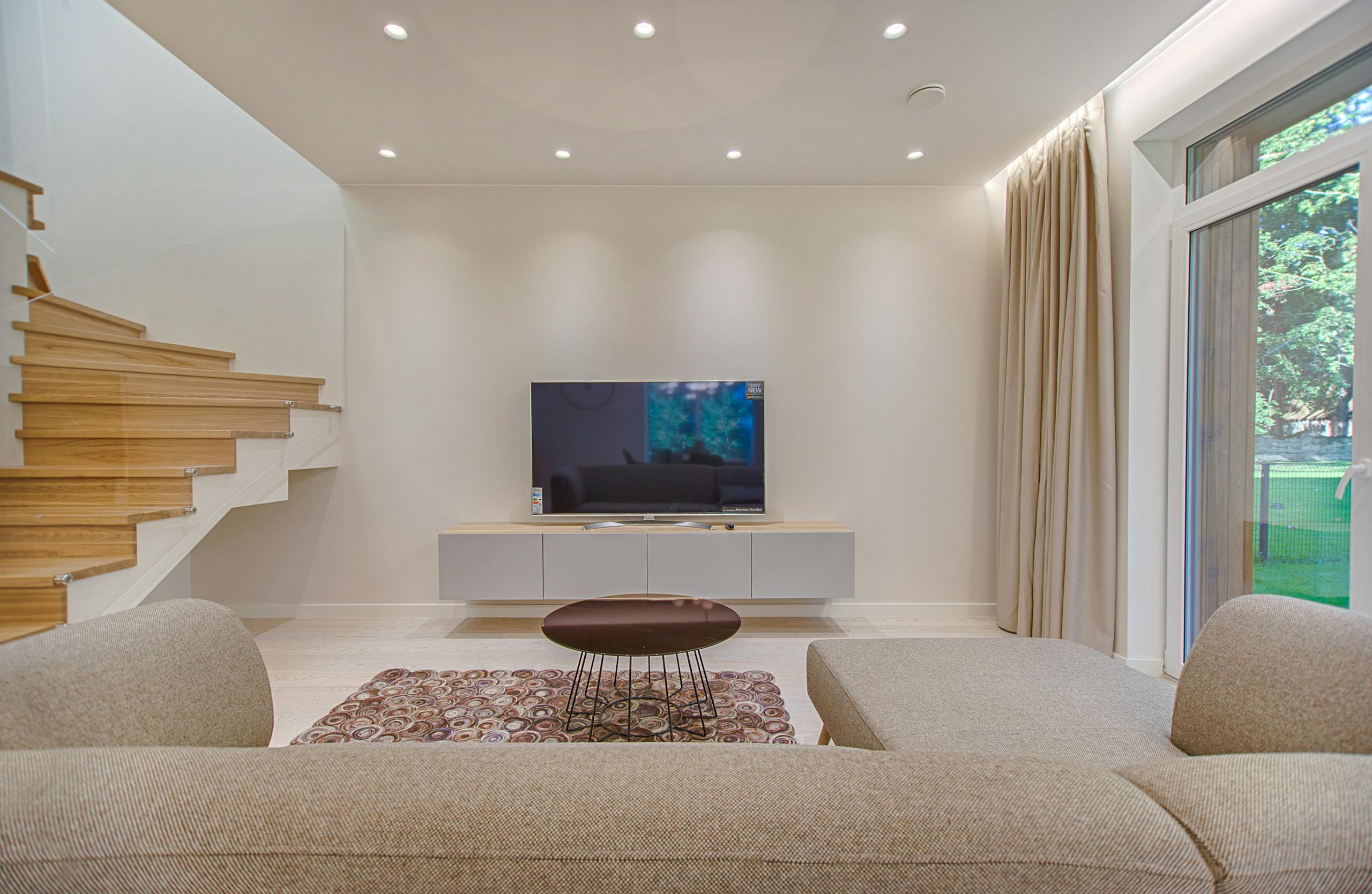
Take the couch. It sounds mundane. But for many people, the homebody couch is genuinely significant, not as furniture but as a specific location associated with recovery, with reading, with the kind of low-stakes comfort that makes everything else sustainable. I had a leather chair in my home office that served exactly this function during the years I was running my agency. After a day of client presentations and staff meetings, sitting in that chair with a book wasn’t laziness. It was maintenance. My brain needed that transition time the way a car needs to cool down after a long drive.
Good homebody writing understands this. It doesn’t romanticize furniture. It recognizes that the spaces we return to carry meaning we’ve assigned them through repeated use, and that meaning is functional, not just sentimental.
The broader psychological literature on environmental psychology supports this intuition. A study available through PubMed Central examining how people relate to their personal spaces found that the psychological attachment people form to specific places and objects in the home is tied to identity and self-regulation, not just comfort. Homebodies aren’t simply people who prefer their couch. They’re people who have developed a sophisticated relationship with their physical environment as a tool for managing their inner life.
What Do Homebody Articles Miss About the Gift-Giving Dimension?
There’s an entire category of homebody content built around objects: what to buy, what to give, what to surround yourself with. And while that territory can tip into consumerism quickly, there’s something genuinely interesting underneath it about how homebodies curate their environments and what that curation communicates about their values.
When someone who knows a homebody well selects a gift for them, they’re engaging with something specific about how that person relates to their space. A thoughtful gift for a homebody isn’t just a cozy item. It’s an acknowledgment that the person’s home life is substantive and worth supporting, not a consolation prize for someone who couldn’t manage to be more social.
I’ve thought about this in the context of my own experience. During my agency years, the gifts I valued most weren’t the ones connected to professional achievement. They were the ones that recognized my private life as real and important, the kind of thing that said “I know you, not just your job.” A well-chosen book. Something for the home office. Items that assumed I had an interior life worth equipping.
A comprehensive homebody gift guide does more than list products. At its best, it articulates a philosophy about what makes a home environment genuinely supportive versus merely comfortable. Those are different things, and the distinction matters.

Why Does Literature Matter So Much in the Homebody Canon?
Books occupy a specific place in homebody culture that goes beyond reading as a hobby. For many people who identify as homebodies, books are the primary medium through which they experience the kind of depth and complexity that social interaction rarely provides.
A well-chosen homebody book isn’t just entertainment. It’s company of a particular kind, the kind that doesn’t require performance, that allows you to engage at your own pace, that rewards the kind of slow, attentive reading that busy social lives make difficult.
I managed a creative director at my agency for several years who was a voracious reader. She was also one of the quietest people on my team, someone who processed everything internally before speaking. What I noticed over time was that her reading wasn’t separate from her professional capabilities. It was the source of them. The range of reference she brought to creative briefs, the way she could connect disparate ideas, the depth of her conceptual thinking, all of it traced back to the hours she spent alone with books. Her homebody tendencies weren’t a liability. They were her competitive advantage.
Homebody articles that take literature seriously tend to understand this. Reading isn’t what homebodies do when nothing else is available. For many, it’s the primary activity, the one everything else organizes around.
What Happens When Homebody Content Engages With Mental Health Honestly?
There’s a tension in homebody writing that most articles don’t address directly. Staying home can be a genuine expression of who you are, and it can also be a symptom of something that needs attention. Those two things can coexist, and the best writing in this space holds both without collapsing one into the other.
I’ve been there myself. There were periods during my agency career when my preference for staying in tipped from healthy recovery into something more like avoidance. The difference, as I eventually understood it, wasn’t about how much time I spent at home. It was about whether I was moving toward something when I stayed in, or away from something I was afraid to face.
Homebody content that conflates all withdrawal with introversion does a disservice to both. Introversion is a stable trait about where you draw energy. Avoidance is a coping mechanism that can attach itself to any personality type. Treating them as identical leaves people without the vocabulary to distinguish between genuine preference and something that might benefit from examination.
The Frontiers in Psychology journal has published work on how personality traits interact with environmental preferences in ways that complicate simple narratives about introversion and isolation. The picture that emerges is more nuanced than most homebody content acknowledges: the same behavior can serve very different psychological functions depending on the person and the context.
How Should Homebody Articles Handle the Question of Productivity?
One of the more persistent anxieties in homebody culture is the productivity question. If you’re not out doing things, are you falling behind? Are you wasting your potential? Are you letting the world pass you by?
Most homebody articles either ignore this anxiety or dismiss it with reassurance. The more interesting response is to examine what “productive” actually means for someone whose best work happens in solitude.

Some of the most productive periods of my professional life happened in sustained solitude. The strategic thinking that shaped how I positioned my agencies, the writing I did for pitches and proposals, the conceptual frameworks I developed for clients, none of that happened in meetings. It happened alone, usually at home, usually late, when the noise of the workday had settled enough for me to think clearly.
The homebody who spends a Saturday reading, thinking, and making notes isn’t less productive than the person who spent that Saturday at three social events. They’re productive in a different register, one that our culture has historically been bad at measuring because it doesn’t produce visible social output.
Homebody articles that take this seriously tend to reframe the productivity conversation rather than simply defend against it. They ask what kind of output actually matters to the person in question, and whether the life they’re living is generating more of it, or less.
What Makes Homebody Writing Feel Authentic Rather Than Defensive?
After reading a lot of content in this space, the pattern I’ve noticed is that the most resonant homebody articles share a quality that’s hard to name but easy to feel: they’re written by people who have genuinely made peace with who they are, not people who are still trying to convince themselves.
Defensive writing has a particular texture. It anticipates objections. It pre-explains. It spends more energy responding to imagined critics than describing actual experience. You can feel the writer looking over their shoulder.
Authentic writing in this space does something different. It describes the experience directly, with specificity and without apology, and trusts the reader to recognize themselves in it. That trust is what creates connection. And connection, paradoxically, is what the best homebody content produces in the reader, even though the subject is ostensibly about being alone.
My own experience of coming into my introversion late, after years of performing extroversion in agency environments, taught me that the shift from defensive to authentic isn’t a single moment. It accumulates gradually. You write one honest sentence. Then another. Eventually the defensive scaffolding falls away and what’s left is just the experience itself, described clearly.
That’s what the best homebody articles achieve. Not a defense of a lifestyle, but a clear-eyed account of what that lifestyle actually produces in a person, and why it might be worth understanding on its own terms.

There’s more to explore across these topics than any single article can hold. If you want to go deeper into how your home environment shapes your experience as an introvert, the complete Introvert Home Environment hub brings together the full range of perspectives, from sensory design to solitude psychology to the objects that make a home genuinely yours.
About the Author
Keith Lacy is an introvert who’s learned to embrace his true self later in life. After 20 years in advertising and marketing leadership, including running agencies and managing Fortune 500 accounts, Keith now channels his experience into helping fellow introverts understand their strengths and build fulfilling careers. As an INTJ, he brings analytical depth and authentic perspective to every article, drawing from both professional expertise and personal growth.
Frequently Asked Questions
What do homebody articles typically cover?
Most homebody articles cover lifestyle validation, home environment tips, cozy living recommendations, and the psychology of preferring time at home over social activity. The better ones go deeper, examining how solitude functions cognitively, how home spaces shape identity, and what the homebody experience actually produces in people who are wired for internal processing rather than external stimulation.
Is being a homebody the same thing as being an introvert?
They overlap significantly but aren’t identical. Introversion is a personality trait describing where you draw energy, specifically from solitude rather than social interaction. Being a homebody describes a behavioral preference for spending time at home. Many introverts are homebodies, but some extroverts also prefer home environments, and some introverts are quite mobile. The connection is strong but not absolute.
How can you tell if staying home is a healthy preference or avoidance?
The clearest distinction is directional. Healthy homebody behavior tends to be movement toward something: rest, creativity, deep work, reading, meaningful connection through preferred channels. Avoidance tends to be movement away from something: anxiety, conflict, situations that feel threatening. Both can look identical from the outside, but they feel different internally. If your time at home is generative and you’re moving toward things that matter to you, that’s a healthy preference. If you’re primarily relieved to escape something, that’s worth examining more carefully.
What kinds of homebody content are most useful for introverts?
Content that goes beyond validation into specificity tends to be most useful. Articles that describe the cognitive and emotional mechanics of solitude, that examine how home environments can be deliberately designed to support introverted minds, and that treat the homebody experience as substantive rather than simply defensive tend to resonate most. Practical content around home design, reading, and thoughtful gift selection for homebodies also provides genuine value beyond reassurance.
Can homebodies have rich social lives?
Absolutely. Many people who identify as homebodies maintain deep, ongoing social connections through written communication, online communities, and selective in-person time with people who matter to them. The homebody preference is about environment and energy management, not about the absence of connection. Some of the most socially connected people in meaningful terms are those who choose their interactions carefully and invest deeply in fewer relationships rather than spreading themselves across many.