
A good homebody book does more than celebrate staying in. The best ones validate something introverts have known for years: that choosing home over noise isn’t avoidance, it’s a genuine preference rooted in how we’re wired. If you’ve ever felt like your love of quiet evenings and cozy spaces needed defending, the right book on this topic can feel like finally being understood.
Over the past few years, a wave of books has embraced homebody culture with real depth, moving past the clichés of candles and blankets into something more meaningful. Some of them changed how I think about my own relationship with home, solitude, and the way I recharge. As an INTJ who spent two decades running advertising agencies, I had a complicated relationship with the word “homebody” for a long time. It felt like an admission of something I was supposed to outgrow.
Spoiler: I didn’t outgrow it. I grew into it.
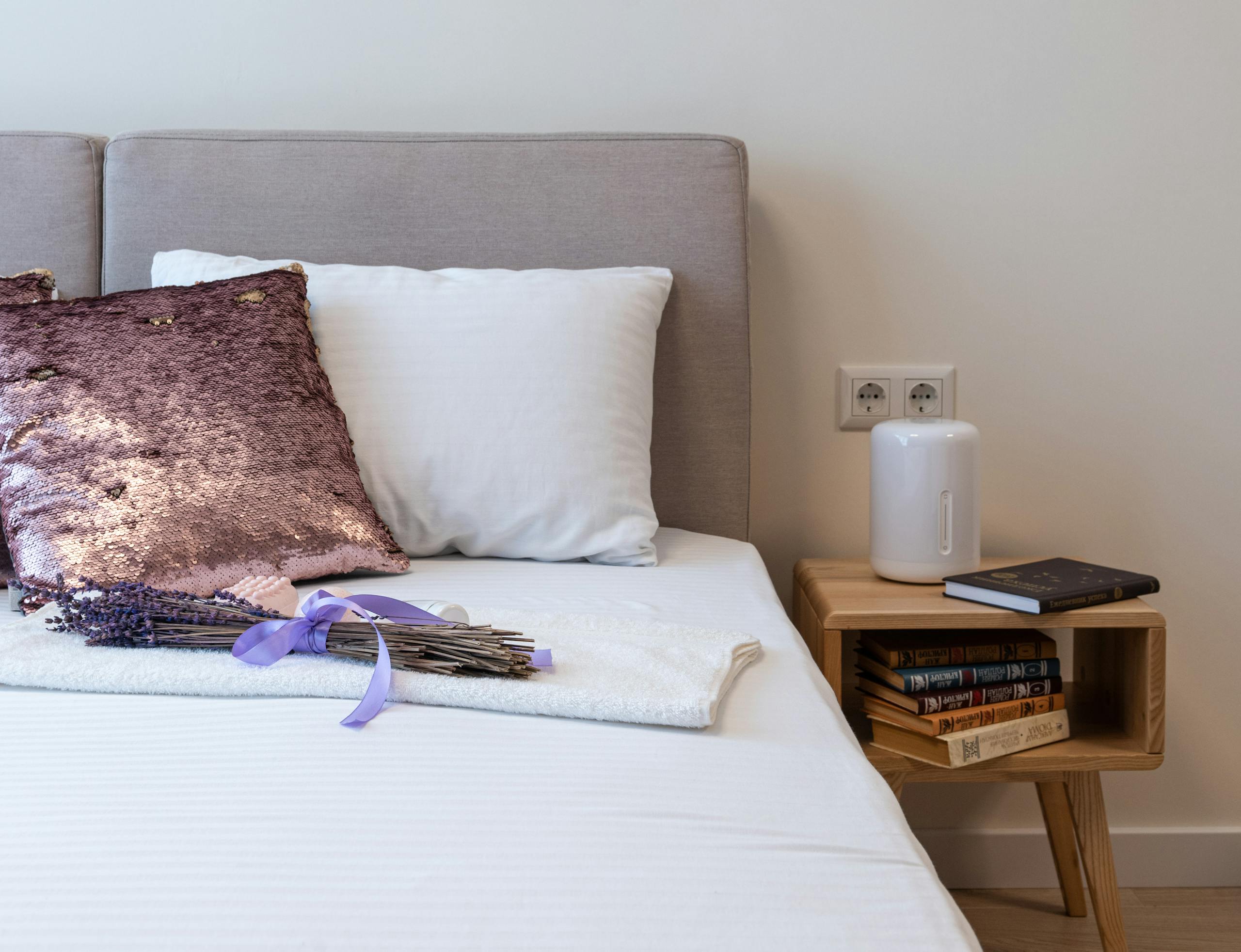
If you’re exploring what it means to create a life that actually fits your personality, our Introvert Home Environment hub covers the full landscape, from designing restorative spaces to understanding why where you live shapes how well you function. This article focuses specifically on the books that have contributed most meaningfully to that conversation.
Why Do Introverts Connect So Deeply With Homebody Culture?
There’s a reason homebody books resonate so strongly with introverts. It’s not just that we prefer staying in. It’s that home, for many of us, is the only place where we’re fully ourselves.
What drains your social battery?
Not all social exhaustion is the same. Our free quiz identifies your specific drain pattern and gives you personalised recharging strategies.
Find Your Drain PatternUnder 2 minutes · 8 questions · Free
My mind has always worked better in stillness. During my agency years, I was constantly in motion: client presentations, new business pitches, industry conferences, team meetings that stretched into evenings. I performed well in all of it. But I was performing. The real thinking happened later, alone, usually at home with a legal pad and a cup of coffee, processing everything I’d absorbed during the day.
What I didn’t fully appreciate until much later was that this wasn’t a quirk or a coping mechanism. It was how my brain was designed to work. The introvert’s nervous system processes stimulation more deeply than the extrovert’s. This isn’t a limitation. It means that quiet environments aren’t just comfortable, they’re functionally necessary for high-quality thinking. Spending time in a well-designed, personally meaningful space isn’t laziness. It’s maintenance.
The homebody books worth reading understand this distinction. They don’t frame staying home as a retreat from life. They frame it as a deliberate choice about where and how you invest your energy. That framing matters enormously, especially if you’ve spent years absorbing the cultural message that ambition and visibility are the same thing.
One of the things I’ve written about extensively is the experience of finding genuine peace in a world that defaults to noise. The best homebody books are essentially extended meditations on that same idea, applied specifically to the physical spaces we inhabit.
What Makes a Homebody Book Actually Worth Reading?
Not every book with a cozy cover and a subtitle about “the art of staying in” is worth your time. Some are aesthetically appealing but intellectually thin. Others are written for a general audience in ways that flatten the introvert experience into something more palatable and less true.
A homebody book earns its place on your shelf when it does at least one of these things well.
First, it takes solitude seriously as a value, not just a preference. There’s a meaningful difference between a book that says “it’s okay to stay home sometimes” and one that argues that solitude is a genuinely important human need. The former is permission-giving. The latter is philosophically substantive. Introverts, in my experience, need the latter. We’ve had plenty of permission. What we’ve lacked is cultural validation.
Second, a good homebody book addresses the social pressure honestly. Anyone who identifies as a homebody knows the particular discomfort of explaining their preferences to people who find them puzzling. The bias against introverts and homebodies is real, and a book that pretends otherwise isn’t being honest about the experience it’s describing.
Third, the best books in this space connect the physical environment to psychological wellbeing in concrete ways. Not in a vague “surround yourself with things you love” sense, but in terms of how space design affects focus, mood, and the ability to recover from social and cognitive demands. That connection is well-supported by what we know about how environments shape mental states, and books that engage with it seriously are far more useful than those that treat home decor as the point.

Fourth, and perhaps most importantly, a worthwhile homebody book respects the reader’s intelligence. It doesn’t assume that choosing home means choosing smallness. Some of the most expansive, ambitious, creative thinking in history has happened in quiet rooms. A book that understands this treats its readers as people making a considered choice, not people who need to be reassured that their choice is acceptable.
Which Homebody Books Have Made the Strongest Case for Introvert Living?
A few titles stand out in this space, and they’re worth discussing not just as recommendations but as examples of what good thinking about homebody culture looks like.
Susan Cain’s “Quiet: The Power of Introverts in a World That Can’t Stop Talking” isn’t strictly a homebody book, but it laid the intellectual groundwork for everything that followed. Cain made a rigorous, well-researched case that introversion is a legitimate personality orientation with genuine strengths, not a deficit to be corrected. Her work drew on psychological research on personality and arousal to explain why introverts seek lower-stimulation environments. Reading it felt, for many introverts including me, like having a long-held intuition confirmed by someone who had done the homework.
Michaela Chung’s work on introvert empowerment, particularly her writing on the introvert’s need for restorative solitude, takes Cain’s foundation and applies it more specifically to daily life choices. Chung writes from a place of personal experience rather than academic distance, which gives her work a warmth that complements the more analytical frameworks.
Erin Loechner’s “Chasing Slow” is worth mentioning because it approaches the homebody philosophy from a slightly different angle: the deliberate rejection of a performance-driven life. Loechner was a prominent lifestyle blogger who stepped back from the visibility and pace of that world. Her account of choosing a quieter, more intentional life at home speaks directly to the tension many introverts feel between the life they’re told to want and the life that actually fits them.
I recognized that tension immediately. In my agency years, I built a career that looked exactly like success was supposed to look. Big clients, high-profile campaigns, a team of talented people, industry recognition. And I was genuinely proud of the work. But I remember sitting in a conference room after a particularly grueling new business pitch, watching my extroverted colleagues energized by the performance of it all, and feeling something closer to depletion than satisfaction. The work itself had been good. The environment in which I’d done it had cost me something.
Books like Loechner’s gave language to that cost without framing it as failure. That matters.
How Does the Homebody Philosophy Connect to Introvert Self-Care?
One of the most useful things the homebody book genre has done is reframe self-care away from indulgence and toward genuine restoration. This distinction is important for introverts, who often feel guilty about the time they need to recover from social and professional demands.
The guilt is understandable. We live in a culture that equates busyness with productivity and social activity with vitality. Choosing to spend a Saturday afternoon alone with a book or a project feels, in that cultural context, like opting out. Homebody books push back on that framing, and the pushback is grounded in something real.
There’s meaningful psychological evidence that the quality of our environments affects our cognitive function, emotional regulation, and ability to recover from stress. A review of research on restorative environments found that spaces designed for quiet and personal meaning support psychological recovery in ways that busier, more stimulating environments simply don’t. For introverts, this isn’t surprising. It confirms what we’ve always felt.
What homebody books add to this is the cultural permission to act on it without apology. Genuine introvert self-care isn’t about bubble baths and scented candles, though there’s nothing wrong with either. It’s about structuring your life so that restorative time is treated as non-negotiable rather than as a luxury you earn after meeting everyone else’s expectations.

I made a rule for myself about five years into running my second agency: Sunday afternoons were mine. No email, no calls, no prep for Monday. Just whatever I actually wanted to do, usually reading, sometimes writing, occasionally nothing at all. My team thought I was unusually disciplined about work-life separation. What I was actually doing was managing my energy so I could show up fully the other six days. The homebody philosophy, even before I had that name for it, was a professional strategy as much as a personal one.
What Should Introverts Look for When Choosing a Homebody Book?
Not every book marketed to homebodies is going to resonate with an introvert’s specific experience. Some are written primarily for people who are exhausted by modern pace and want to slow down, which overlaps with the introvert experience but isn’t identical to it. Others are essentially lifestyle aesthetic guides dressed up in philosophical language.
consider this I’d look for.
Depth over aesthetics. A book that spends most of its pages on how to style a reading nook isn’t going to change how you think about your relationship with home. A book that examines why certain environments restore us and others deplete us will. Both can be enjoyable, but they serve different purposes. Know which one you’re looking for.
Honesty about the social dimension. Being a homebody isn’t socially neutral. There are real pressures, real misunderstandings, and real moments where your preferences put you at odds with people who care about you. A book that doesn’t acknowledge this is writing about a version of homebody life that doesn’t exist. The best ones address the social friction directly, including how to hold your ground without isolating yourself from people who matter.
This connects to something I’ve thought about a lot: the difference between intentional solitude and avoidance. Homebody culture, at its best, isn’t about hiding. It’s about being selective. Knowing the difference matters enormously, both for your own wellbeing and for the relationships in your life. Even committed homebodies need strategies for the social events they do attend, because opting out of everything eventually costs you more than it saves.
Also worth considering: books that connect home environment to broader life design tend to be more useful than those that treat home as an end in itself. Your home is a base, not a destination. The best homebody books understand that the goal is a life that fits you, and that home is one powerful component of that, not the whole picture.
On that note, the psychological benefits of deeper, more meaningful conversation are well-documented, and homebodies are often better at creating the conditions for those conversations than people who default to social performance. A quiet dinner at home with two people you trust tends to produce more genuine connection than a crowded event where everyone is performing their social self.
How Does Your Home Environment Shape Your Introvert Experience?
This is where the homebody book conversation gets genuinely practical. The philosophical case for staying in is interesting, but the more useful question is: what does your home actually need to do for you?
For introverts, home serves functions that it doesn’t necessarily serve for extroverts. It’s where we process the day’s experiences, where we do our best thinking, where we recover from the social and cognitive demands of the world outside. That means the design and atmosphere of your home has a direct impact on how well you function in every other area of your life.
I’ve written before about why the introvert home sanctuary is more than a comfort preference, it’s a functional necessity. The right environment reduces the cognitive load of simply being in a space, which frees up mental resources for the things that actually matter to you. The wrong environment, even a beautiful one, can be quietly exhausting in ways that are hard to diagnose.
When I moved into my current home, I spent more time thinking about the workspace and the reading area than I did about any other room. Not because I’m particularly design-minded, but because I’d learned from experience that those spaces were where I did my best work and my best thinking. Getting them right wasn’t a luxury. It was an investment in my own functioning.

The homebody books that engage with this seriously, rather than just recommending aesthetic choices, are the ones that have lasting value. They help you think about your home as a system designed to support your specific psychology, not just a space to be decorated.
There’s also the question of location, which homebody books often underexplore. The neighborhood you live in, the noise level, the proximity to nature or open space, all of these shape your daily experience in ways that interior design can’t fully compensate for. A beautifully designed apartment in a relentlessly stimulating urban environment is still a relentlessly stimulating urban environment. Where you live matters as much as how you design the space inside it.
Can Homebody Books Help Introverts Who Are Still Figuring Out Their Identity?
Absolutely, and this might be where they do their most important work.
Many introverts spend years, sometimes decades, believing something is wrong with them. The cultural preference for extroversion is pervasive and starts early. Introverts in educational settings are often pushed toward participation styles that don’t suit them, rewarded for extroverted behaviors, and subtly penalized for the quiet, internal processing that is actually their strength.
By the time many introverts reach adulthood, they’ve internalized a story about themselves that isn’t accurate. They’ve learned to see their preference for home and solitude as a flaw rather than a feature. A good homebody book can interrupt that story.
It did for me, though not through a single book. It was more of an accumulation. Reading Cain’s “Quiet” in my early forties, after two decades of performing extroversion in professional settings, felt like someone had handed me a more accurate map of my own interior. The relief was genuine. Not because the book solved anything, but because it named something I’d been experiencing without language for it.
That’s what the best books in this space offer: language and framework for an experience that many introverts have had without being able to articulate. Once you can name your experience accurately, you can make better decisions about how to structure your life around it.
There’s also real value in the community that forms around books like these. Introverts who feel isolated in their preferences often discover, through the conversations that good books generate, that their experience is widely shared. That kind of recognition matters. It shifts the internal narrative from “I’m the only one who feels this way” to something closer to the truth.
The psychological dimension of this is worth taking seriously. Personality research published in Frontiers in Psychology continues to deepen our understanding of how introversion shapes daily experience, including the relationship between environment, energy, and wellbeing. Books that translate this kind of research into lived experience serve a genuinely useful function.
What’s Missing From Most Homebody Books?
Even the best books in this genre have blind spots worth naming.
Most homebody books are written from a position of relative privilege. Having a home that is genuinely restorative, quiet, well-designed, and located in a neighborhood that suits your temperament is not equally available to everyone. The homebody philosophy can sound hollow when the home in question is a small, noisy apartment shared with multiple people in a city you can’t afford to leave. The best books acknowledge this. Many don’t.
There’s also a tendency to romanticize solitude in ways that can slide into avoidance. Staying home because it genuinely restores you is healthy. Staying home because social interaction feels too risky or too painful is something different, and a book that can’t distinguish between the two isn’t being fully honest about the territory it’s covering.
I’ve seen this pattern in colleagues and in myself at various points. There were stretches in my mid-career when what I called “introvert recharging” was actually closer to withdrawal. I was managing anxiety by shrinking my world rather than building the capacity to engage with it on my own terms. The distinction matters, and it’s one that good psychological frameworks around introvert-extrovert dynamics can help clarify.
Finally, most homebody books don’t engage seriously with professional life. The homebody philosophy is often presented as something that exists in tension with career ambition, as if you have to choose between a rich inner life at home and a successful outer life at work. That framing is false, and it does a disservice to introverts who are building meaningful careers while also honoring their need for restorative solitude.
The two are not in conflict. Some of the most effective professionals I’ve worked with over the years were people who understood their own energy systems deeply and structured their lives accordingly. They weren’t homebodies in spite of their ambition. Their homebody sensibility was part of what made them effective.
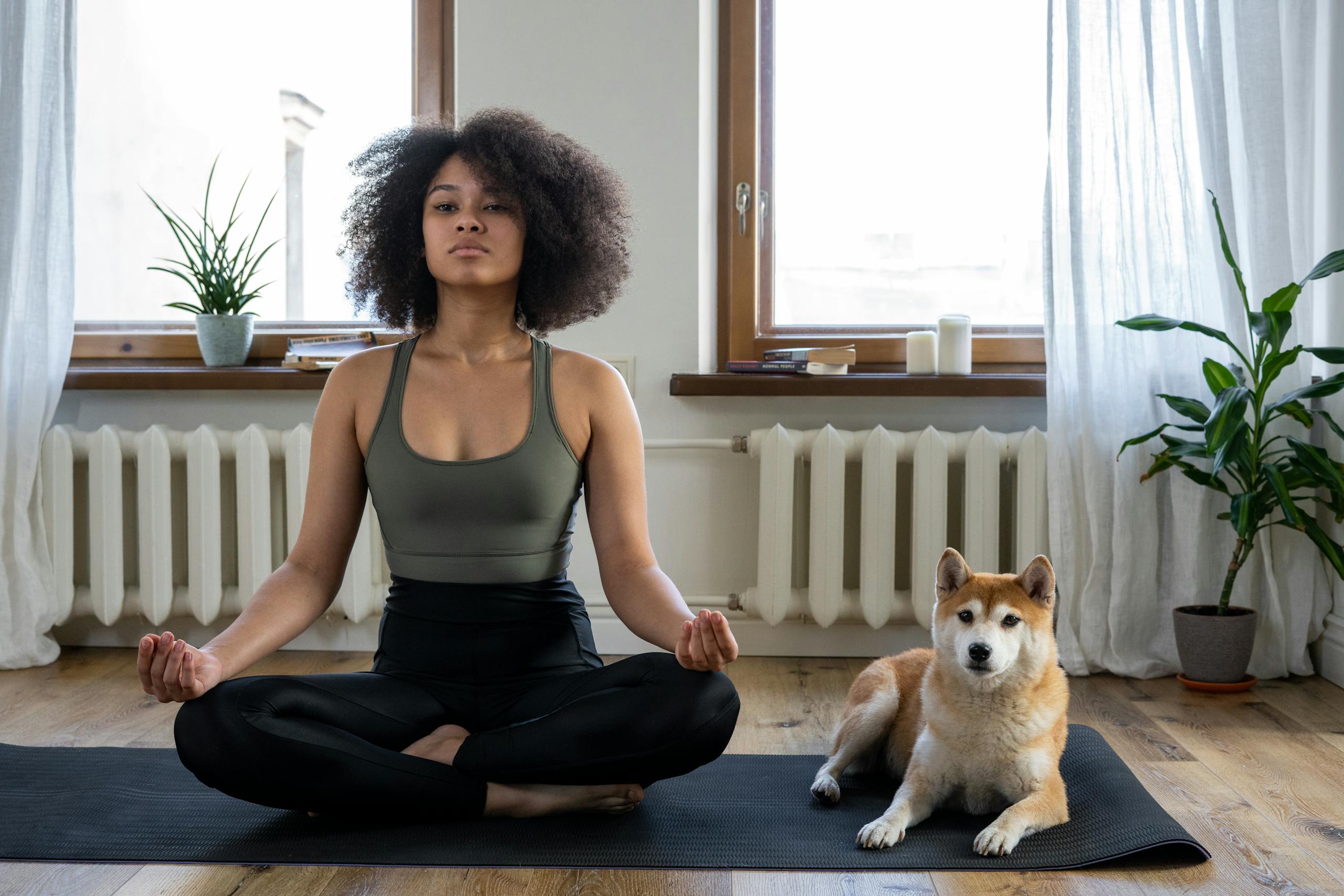
One of my best creative directors, an ISFP I worked with for several years at my second agency, was someone who worked from home two days a week before remote work was normalized or celebrated. Her colleagues sometimes questioned her commitment. Her work consistently outperformed theirs. She understood something about her own functioning that took me years to fully articulate: that the quality of your environment directly determines the quality of your output. She wasn’t avoiding the office. She was optimizing her conditions.
That’s the homebody philosophy at its most useful. Not as an escape from the world, but as a deliberate investment in the conditions that allow you to engage with it fully.
For more on how introverts can build lives that genuinely fit their personality, including the spaces they inhabit and the habits that sustain them, the Introvert Home Environment hub is a good place to keep exploring.
Running on empty?
Five drain profiles, each with specific triggers, warning signs, and a recharging playbook.
Take the Free QuizUnder 2 minutes · 8 questions · Free
About the Author
Keith Lacy is an introvert who’s learned to embrace his true self later in life. After 20 years in advertising and marketing leadership, including running agencies and managing Fortune 500 accounts, Keith now channels his experience into helping fellow introverts understand their strengths and build fulfilling careers. As an INTJ, he brings analytical depth and authentic perspective to every article, drawing from both professional expertise and personal growth.
Frequently Asked Questions
What is a homebody book and why do introverts connect with them?
A homebody book is any book that explores, celebrates, or examines the choice to build a meaningful life centered on home, solitude, and intentional quiet. Introverts connect with them because they validate a preference that is often misunderstood or dismissed in extrovert-dominant culture. The best ones go beyond lifestyle aesthetics to address the psychological and philosophical dimensions of choosing a quieter, more inward-facing life.
Are homebody books only for people who never want to leave home?
Not at all. The homebody philosophy is about intentionality, not isolation. It’s about understanding your own energy system well enough to make deliberate choices about how and where you spend your time. Most people who identify as homebodies maintain active social lives and professional commitments. They simply structure their time so that home serves as a genuine restorative base rather than just a place to sleep between obligations.
What’s the difference between introversion and being a homebody?
Introversion is a personality orientation defined by how you process stimulation and where you draw your energy. Being a homebody is a lifestyle preference that often, but not always, aligns with introversion. Many introverts are homebodies, but not all homebodies are introverts, and some introverts are quite socially active. The overlap is significant because both involve a preference for lower-stimulation environments and more selective social engagement, but they’re not the same thing.
Can homebody books help with the guilt introverts feel about needing alone time?
Yes, and this is one of the most valuable things they offer. Many introverts carry guilt about their need for solitude because the culture around them treats social activity as inherently more valuable than quiet time alone. A well-written homebody book reframes this by making a substantive case for solitude as a genuine human need rather than a social failure. Having that case made clearly and compassionately can shift how you relate to your own preferences in meaningful ways.
How do I know if a homebody book will actually be useful or just aesthetically pleasing?
Look at how the book handles the social dimension of homebody life. If it acknowledges the real pressures, misunderstandings, and friction that come with this lifestyle choice, it’s likely to be substantive. If it presents homebody life as uncomplicated and purely pleasant, it’s probably more aesthetic than analytical. Also consider whether the book engages with why certain environments restore us, not just what those environments look like. Depth of reasoning is a better indicator of lasting value than production quality or visual appeal.