Hosting as an introvert isn’t a contradiction. It’s a completely different art form, one built on intention, deep preparation, and the quiet satisfaction of creating something meaningful for the people you actually want in your space. The homebody hostess isn’t someone who reluctantly opens her door. She’s someone who has designed every detail of that opening with care.
What makes this worth exploring is how rarely we talk about it honestly. Most hosting advice assumes you want more people, more noise, more spontaneity. But some of us host from a fundamentally different place, and that difference produces something guests often can’t quite name but absolutely feel.
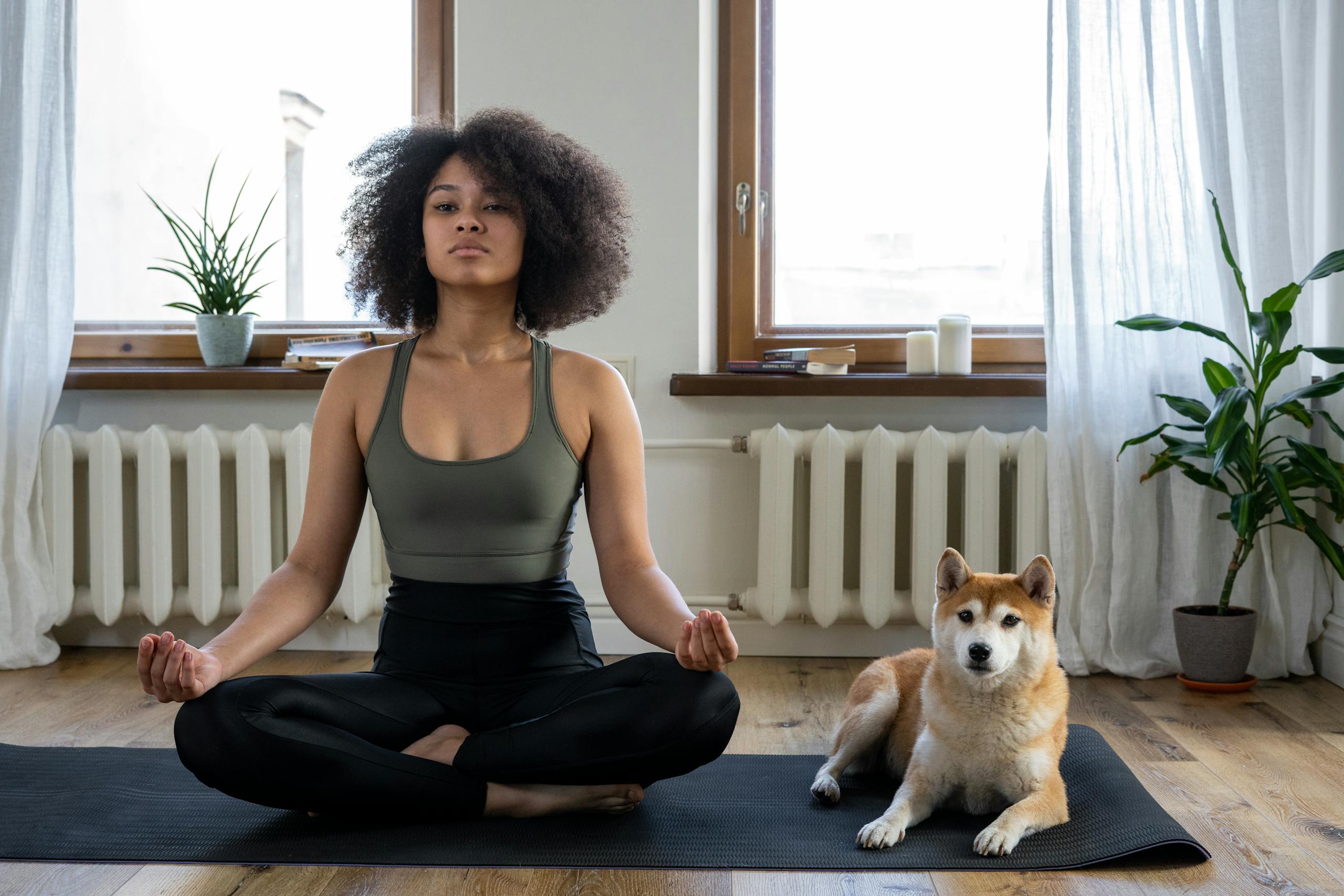
My broader thinking on home as a restorative space lives in the Introvert Home Environment hub, where I’ve been writing about why where we live and how we structure our spaces shapes so much of how we function. Hosting fits squarely into that conversation, because the moment you invite someone into your sanctuary, the whole dynamic of that space shifts.
What Does It Actually Mean to Host as a Homebody?
There’s a version of hosting that looks like performance. You’ve seen it. The person who seems energized by a crowd, who thrives on improvised conversation, who genuinely doesn’t mind if twelve people show up instead of six. That’s not me. That has never been me.
What drains your social battery?
Not all social exhaustion is the same. Our free quiz identifies your specific drain pattern and gives you personalised recharging strategies.
Find Your Drain PatternUnder 2 minutes · 8 questions · Free
At my agencies, I hosted client dinners regularly. Big accounts, Fortune 500 relationships, the kind of evenings where the conversation had to move in a dozen directions at once and everyone expected me to be “on.” I got good at it. I even enjoyed parts of it. But I always knew, even in those moments, that what I was doing was performing hospitality rather than expressing it.
The homebody hostess, as I’ve come to understand the concept, operates from the opposite direction. She isn’t performing. She’s curating. Every candle placement, every playlist choice, every carefully considered guest list reflects something true about how she sees connection. The introvert’s version of hosting is slower, more deliberate, and often more memorable precisely because it carries that weight of intention.
What I find genuinely fascinating about this is how it reframes the standard narrative about introverts and social life. We’re often told, sometimes gently, sometimes not, that our preference for staying home represents a deficit. That we’re missing out. That we should push ourselves toward more spontaneous, extroverted modes of connection. That framing does real damage, and I’ve written about it at length in The Last “Acceptable” Bias? Introvert Discrimination, because the pressure to perform extroversion in social settings is one of the more insidious forms that bias takes.
Why Does the Introvert’s Home Become the Hosting Advantage?
Something I’ve noticed over years of observing my own patterns and those of introverts I’ve worked with: we tend to invest in our homes differently. Not always financially, though sometimes that too, but emotionally and attentionally. The introvert home isn’t just where we sleep. It’s where we think, recover, create, and process the world.
That investment becomes an asset when hosting. A space that’s been thoughtfully arranged for one person’s deep comfort translates surprisingly well to guests, because the underlying logic is the same. You’ve optimized for conversation over noise. For intimacy over spectacle. For the kind of environment where someone can actually think and feel, rather than just react.
One of my former creative directors, an INFJ who ran the brand strategy team at my second agency, hosted the best dinner parties I ever attended. Her apartment was small. The food was simple. But she had this quality of attention that made every person at her table feel genuinely seen. She told me once that she spent more time thinking about the seating arrangement than the menu, because she was trying to create conditions where real conversation could happen. That’s the introvert hosting instinct in its purest form.
The science of social environment supports this intuition. Findings published in PMC research on social behavior and environment point to how physical setting shapes the quality of interpersonal interaction in ways most people underestimate. The introvert hostess who has spent years calibrating her environment for depth is, almost by accident, creating conditions that produce better conversations.

How Does Deep Conversation Become the Introvert Hostess’s Signature?
Ask most introverts what they actually want from a social gathering and they’ll tell you the same thing: real conversation. Not small talk. Not surface-level updates about work and weather. Something that goes somewhere, that leaves you knowing the other person better than you did when they arrived.
This is where the homebody hostess has a structural advantage. She controls the environment. She can design for depth in ways that aren’t available to someone attending a party elsewhere. Smaller guest lists mean more airtime per person. Thoughtful seating means people end up next to someone they’ll actually connect with. A quieter space means the conversation doesn’t have to compete with ambient noise.
A piece from Psychology Today on why deeper conversations matter makes the point that many people, not just introverts, feel starved for meaningful exchange. They just don’t always know how to create conditions for it. The introvert hostess, almost instinctively, builds those conditions into the structure of her gatherings.
I remember a client dinner I hosted at my home during a particularly difficult period with a major account. We were handling a real creative disagreement, the kind that had been generating tension in formal meeting rooms for weeks. I made a deliberate choice to host at home instead of a restaurant, to keep the group small, and to let the evening breathe rather than run it like a business meeting. Something shifted. By the end of the night, we’d resolved more than we had in three formal sessions. The environment did work that the conference table couldn’t.
That experience confirmed something I’d been sensing for years: the introvert’s natural hosting style, unhurried, intimate, attentive, isn’t a lesser version of extroverted entertaining. It’s a different tool entirely, and often a more effective one.
What Does Preparation Actually Look Like for the Introverted Host?
Extroverts often host spontaneously. They’ll text twelve people on a Thursday afternoon and have a full house by Friday evening. That’s genuinely impressive to me, even if it’s not something I’d ever want to do.
The introvert’s approach to hosting is front-loaded. We spend more time before the event than during it, and that’s not a weakness. It’s a different allocation of energy. I think through the guest dynamics in advance. Who will connect well with whom? Is there any friction I should be aware of and can either address or work around with seating? What’s the arc of the evening, not in a rigid way, but in the sense of how I want it to feel as it moves through different phases?
This kind of preparation isn’t anxiety. It’s design thinking applied to human experience. And it pays off in ways that guests notice even if they can’t articulate why your gatherings always feel different from other people’s.
Part of that preparation also involves knowing your own limits honestly. How many people can you genuinely host before the evening starts feeling like work rather than connection? For me, that number has always been small. Six to eight people, maximum, in a home setting. Beyond that, I’m managing logistics rather than being present, and presence is the whole point.
The self-awareness required to know and honor that limit is something I’ve written about in the context of broader introvert wellbeing. Introvert self-care isn’t just about what you do after a draining event. It’s about designing the event itself so it doesn’t drain you unnecessarily in the first place.

How Do You Recover Your Space After Hosting?
Nobody talks about this enough. The post-hosting period is real, and for introverts who have built their homes as genuine sanctuaries, the transition back to solitude after guests leave is its own process.
There’s a particular kind of quiet that settles over a home after a good gathering. The dishes are still out. The chairs are in slightly wrong positions. The space holds the residue of other people’s energy. For some introverts, that feeling is pleasant, a warm reminder of connection. For others, particularly those who are more sensitive to environmental stimulation, it can feel like the space needs to be reclaimed before it feels like home again.
Neither response is wrong. Both are information about what you need.
What I’ve found helpful is having a consistent post-hosting ritual. Not a complicated one. Just something that signals to my nervous system that the social portion of the evening is over and the restorative portion has begun. For me, that’s usually tidying the main space slowly, making tea, and sitting somewhere quiet for twenty minutes before doing anything else. It sounds small. It matters more than I can explain.
The broader framework for why introverts need physical spaces that genuinely restore them is something I explore in Introvert Home Sanctuary: Why Location Really Matters. The short version is that your home isn’t just shelter. For introverts especially, it’s infrastructure for functioning well in the rest of your life.
There’s also something worth naming about the emotional texture of post-hosting recovery. Introverts often process social experiences after the fact, replaying conversations, noticing things they didn’t catch in the moment, feeling the full weight of connection or disconnection once the stimulation has faded. That delayed processing isn’t a bug. It’s actually part of how we build genuine relationships over time, because we’re integrating the experience rather than just moving on to the next thing.
What Happens When Hosting Conflicts With Your Need for Peace?
There’s an honest tension here that I don’t want to paper over. Hosting, even when you love it, costs something. And there are times when the cost doesn’t feel worth it, when you’ve agreed to have people over and the day of the event you’d genuinely rather be alone.
I’ve been there more times than I can count. A Saturday afternoon where I’d planned a dinner that felt like a great idea three weeks ago and feels like an imposition now. The introvert’s relationship with social commitments made in advance is genuinely complicated, because the version of you who made the plan and the version of you who has to execute it are operating from different energy states.
What I’ve found is that the answer isn’t to stop hosting. It’s to build in more recovery time before and after. And to be honest with yourself about the difference between genuine reluctance that should be honored and temporary resistance that will dissolve once the evening actually starts.
Most of the time, for me, it’s the latter. I’m resistant right up until the first guest arrives, and then something clicks and I’m genuinely glad to be doing it. The hosting itself is rarely the problem. The anticipatory depletion is the problem, and that’s something you can manage with better pacing rather than fewer gatherings.
The broader challenge of finding genuine peace as an introvert in a world that defaults to extroverted norms is something I’ve been thinking about in Finding Introvert Peace in a Noisy World. Hosting is just one place where that tension shows up most visibly.

How Do You Handle the Social Dynamics of Mixed Personality Groups?
One of the more interesting challenges of introvert hosting is managing the energy dynamics when your guest list includes people across the personality spectrum. Extroverted guests will naturally dominate conversation if you let them. Not out of malice, just because that’s how they’re wired. They fill silence. They escalate energy. They’re often genuinely fun to have in a room.
But if you’re hosting primarily introverted guests, or a mix, the extrovert’s default mode can actually crowd out the kind of conversation you were trying to create. I’ve watched this happen at my own gatherings. One high-energy person shifts the whole dynamic, and suddenly the evening is running on their terms rather than yours.
The solution isn’t to stop inviting extroverts. Some of my closest relationships are with extroverts, and they bring something real to a gathering. The solution is to be more intentional about balance, both in the guest list and in how you structure the evening.
At one particularly memorable agency holiday dinner I hosted at my home, I had a mix of introverted strategists and extroverted account managers. I made a deliberate choice to start with a structured conversation prompt, something specific enough to give the introverts a foothold, before letting the evening open up. It worked better than I expected. The introverts had a chance to say something substantive before the extroverts found their rhythm, and the whole evening felt more balanced as a result.
Managing those interpersonal dynamics with awareness, rather than just hoping they work out, is something that draws on the same skills I’ve seen discussed in Psychology Today’s framework for introvert-extrovert conflict resolution. Even in social settings that aren’t explicitly conflictual, the underlying dynamic of different energy styles handling shared space is always present.
What Can the Introvert Hostess Teach Us About Connection Itself?
There’s something the homebody hostess understands about connection that gets lost in the louder conversation about socializing. Connection isn’t a volume game. It’s not about how many people you see or how often you go out or how full your calendar looks. It’s about the quality of attention you bring to the people you’re with.
Introverts are often better at this than we give ourselves credit for. We listen differently. We notice what isn’t said as much as what is. We’re less likely to be mentally composing our next statement while someone else is still talking. Those qualities, which can feel like liabilities in fast-moving group settings, are genuine assets in the kind of intimate hosting environment the homebody creates.
Findings in PMC research on social connection and wellbeing consistently point toward the quality rather than quantity of social interaction as the variable that actually matters for psychological health. The introvert hostess, almost by default, optimizes for quality. That’s not a compromise position. It’s a more sophisticated understanding of what social connection is actually for.
I spent years in advertising rooms where connection was transactional. Every dinner, every event, every client relationship had a business purpose underneath it. I got good at that kind of connection. But it left something hollow, and I knew it even when I couldn’t articulate what was missing.
What I’ve found in my own homebody hosting, the small dinners, the quiet evenings, the gatherings that end early and leave everyone feeling strangely replenished, is something closer to what connection is supposed to feel like. Not performance. Not transaction. Just people, in a space designed for them, talking about things that actually matter.
There’s also something worth noting about how the introvert hostess models a different kind of social confidence. Not the loud, expansive confidence of someone who fills every room they enter, but the quieter confidence of someone who knows what they’re doing and why. That kind of social authority, grounded in self-knowledge rather than performance, is something I’ve seen introverts develop when they stop trying to host the way extroverts host and start hosting the way they actually want to.
Related to this is the broader question of how introverts show up in social contexts outside the home. The Introvert’s Survival Guide to Parties covers the other side of this equation, what happens when you’re the guest rather than the host, and how to bring the same intentionality to spaces you don’t control.

How Does This Connect to the Larger Story of Introvert Identity?
What strikes me most about the homebody hostess as a concept is how it reframes introversion itself. Not as a limitation to work around, but as a distinct sensibility that produces its own kind of excellence.
The introvert who has built a genuine sanctuary at home, who has learned to love the quiet and the depth and the intentionality of a life lived mostly inward, doesn’t become less capable of connection. She becomes more capable of a particular kind of connection. The kind that lasts. The kind that people remember years later, not because it was loud or spectacular, but because it was real.
That’s a story worth telling, especially for younger introverts who are still absorbing the message that their natural preferences are something to overcome. The experience of introverts in school settings is often where that message first lands hardest, where the preference for depth over breadth, for small groups over large ones, gets coded as shyness or antisocial behavior rather than recognized as a different but equally valid social style.
What the homebody hostess represents, at its core, is an introvert who has stopped apologizing. She’s not hosting the way she thinks she should. She’s hosting the way she actually wants to, and the results speak for themselves.
The broader research on introversion and wellbeing, including work explored through Frontiers in Psychology on personality and social behavior, suggests that alignment between personality and social behavior is a significant predictor of satisfaction. When introverts host in ways that match their actual preferences rather than performing extroverted hospitality, the experience is better for everyone involved, host and guest alike.
That alignment, between who you are and how you show up, is something I’ve been working toward for most of my adult life. It took me longer than I’d like to admit to stop trying to be the kind of host I thought I was supposed to be. But when I finally let myself do it my way, something settled. The gatherings got smaller and better. The conversations got deeper. The recovery got easier. And the people who kept coming back were exactly the people I actually wanted in my space.
That’s the whole story, really. Not a compromise between introversion and hospitality. A synthesis of them.
If you want to explore more of the thinking behind how introverts relate to their homes and the spaces where they recharge, the full Introvert Home Environment hub brings together everything I’ve written on this topic in one place.
Running on empty?
Five drain profiles, each with specific triggers, warning signs, and a recharging playbook.
Take the Free QuizUnder 2 minutes · 8 questions · Free
About the Author
Keith Lacy is an introvert who’s learned to embrace his true self later in life. After 20 years in advertising and marketing leadership, including running agencies and managing Fortune 500 accounts, Keith now channels his experience into helping fellow introverts understand their strengths and build fulfilling careers. As an INTJ, he brings analytical depth and authentic perspective to every article, drawing from both professional expertise and personal growth.
Frequently Asked Questions
Can introverts genuinely enjoy hosting, or does it always drain them?
Many introverts find genuine pleasure in hosting when the gathering is structured around their preferences: small guest lists, meaningful conversation, and an environment they’ve designed intentionally. The drain comes from hosting in ways that conflict with introvert needs, large crowds, high noise levels, long unstructured social time. Hosting on your own terms is a fundamentally different experience.
How do introverts recover after hosting a gathering at home?
Recovery after hosting typically involves returning the physical space to its normal state and giving yourself unstructured quiet time before re-engaging with anything else. Many introverts find a consistent post-hosting ritual helpful, whether that’s tidying slowly, making tea, or simply sitting in silence for a period. what matters is treating recovery as a planned part of the event, not an afterthought.
What makes an introvert’s hosting style different from an extrovert’s?
Introverted hosts tend to invest more energy before the event in preparation and design, favor smaller and more intimate gatherings, prioritize depth of conversation over breadth of social activity, and are more deliberate about guest list composition and environmental details. The result is often a different kind of gathering, quieter and more focused, that many guests find unexpectedly meaningful.
How do you handle extroverted guests who change the energy of your gathering?
Structured conversation prompts early in the evening can help establish the tone before high-energy guests naturally dominate the dynamic. Thoughtful seating arrangements also matter. Placing extroverted and introverted guests in configurations that encourage one-on-one or small-group exchange, rather than whole-room performance, tends to produce more balanced energy throughout the evening.
Is it okay to keep your guest list very small as an introvert host?
Absolutely. A small guest list isn’t a sign of limited social capacity. It’s a deliberate choice that reflects a clear understanding of what makes a gathering actually good. Most introverts find that their hosting is better, more present, more connected, more enjoyable for everyone, when they keep numbers within a range that allows them to be genuinely engaged rather than managing logistics.