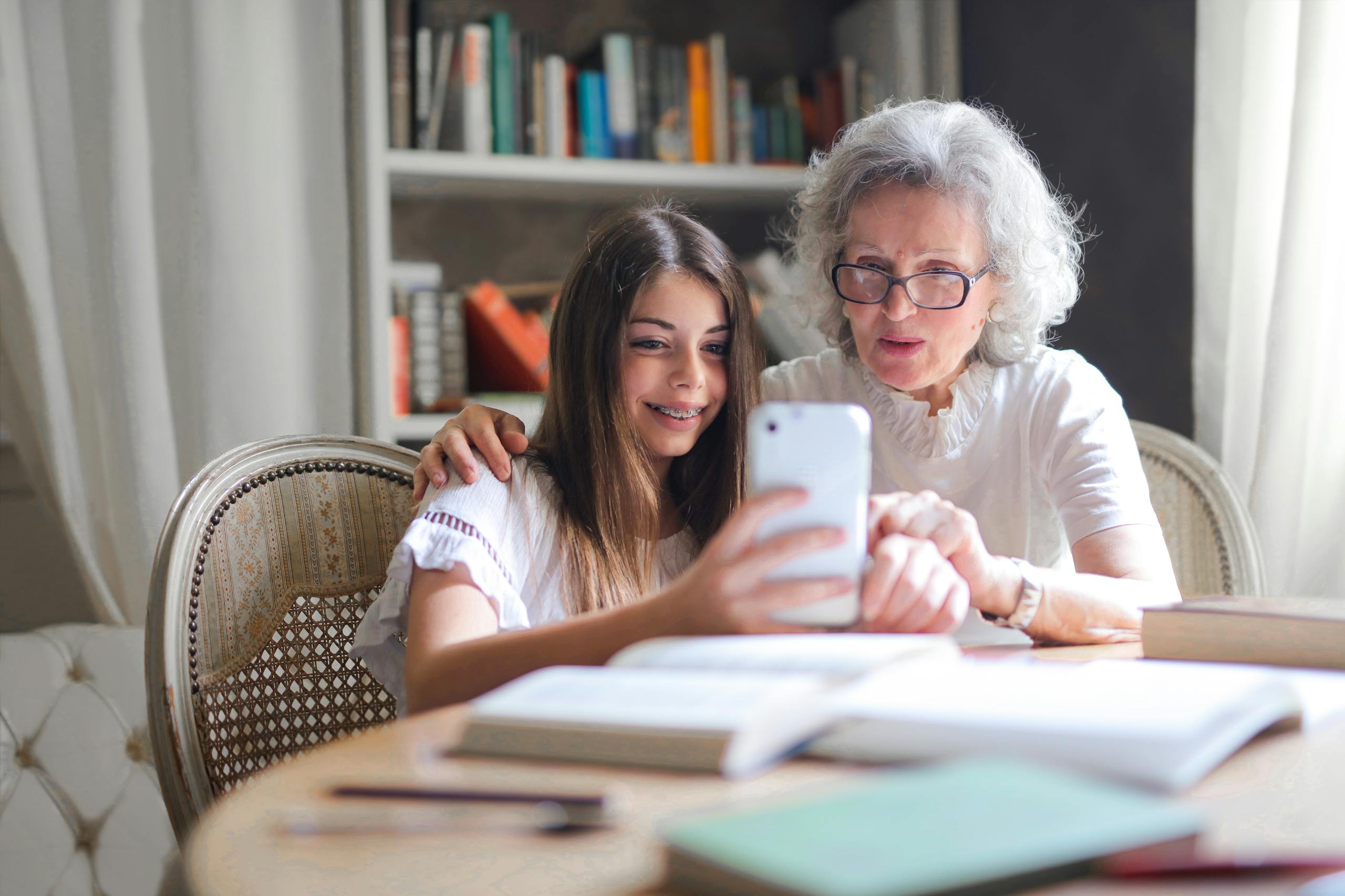

On Urban Dictionary, a homebody is defined as someone who prefers staying home over going out, someone who finds genuine comfort and contentment in their own space rather than seeking stimulation elsewhere. It sounds simple, but that definition carries more weight than most people realize.
What Urban Dictionary captures, almost accidentally, is that being a homebody isn’t about avoidance or fear. It’s a preference rooted in how certain people are genuinely wired. And for introverts, that distinction matters enormously.
There’s a whole conversation worth having about what home actually means to people like us, and it goes much deeper than just preferring the couch to a crowded bar. Our Introvert Home Environment hub explores that conversation from multiple angles, and this article adds one more layer to it.

Why Does Urban Dictionary Even Have a Definition for Homebody?
Urban Dictionary exists to capture how real people actually use words, not how dictionaries think they should use them. So when homebody shows up there with multiple entries, many of them warm and even celebratory, that tells you something about how the culture is shifting.
What’s your personality type?
Take our free 40-question assessment and get a detailed personality profile with dimension breakdowns, context analysis, and personalised insights.
Discover Your Type8-12 minutes · 40 questions · Free
Some of the entries are affectionate. “Someone who loves being at home and doesn’t feel the need to go out to have a good time.” Others are more defensive in tone, clearly written by people who’ve had to explain themselves one too many times. “A person who prefers their own company and the comfort of home over loud parties and social obligations.”
What strikes me about reading through those entries is the undercurrent of justification running through many of them. As if the person writing needed to explain why this is okay, why it isn’t weird, why it doesn’t mean something is wrong with them. That defensive energy is familiar to me. I felt it for a long time before I stopped needing to explain myself.
During my agency years, I ran a mid-size shop that handled accounts for several Fortune 500 companies. The culture of that world rewarded visibility. You were supposed to be everywhere, at every client dinner, every industry event, every after-hours gathering where deals got made over drinks. Being a homebody in that environment felt like a liability I had to keep hidden. I’d attend the events, perform the sociability, and then spend the drive home mentally cataloguing how much energy I’d spent and how long it would take to recover.
What I didn’t understand then was that my preference for home wasn’t a weakness to overcome. It was information about how I functioned best.
What the Definition Misses About the Introvert Experience
Urban Dictionary gets the surface right. Homebodies prefer staying in. But it doesn’t quite capture why, and the why is where things get interesting for introverts specifically.
For many introverts, home isn’t just a place they prefer. It’s the environment where their mind actually works. Outside, in social settings, a significant portion of cognitive bandwidth goes toward processing the room: reading people, managing impressions, tracking conversational threads, filtering noise. At home, that bandwidth gets redirected inward. Toward thinking, creating, processing, connecting with what actually matters.
As an INTJ, I experience this very concretely. My best strategic thinking, the kind that actually moved client work forward in meaningful ways, never happened in brainstorming sessions or open office environments. It happened at home, early in the morning, with a cup of coffee and no interruptions. The agency I ran eventually produced some genuinely creative, effective work for our clients. Most of the foundational thinking behind that work was done in quiet, private spaces.
That’s not something Urban Dictionary can easily capture in a two-sentence definition. The homebody preference, for introverts, is tied to cognitive functioning in a way that goes beyond simple comfort.
There’s also the sensory dimension. Many introverts, and particularly those who identify as highly sensitive, find that the outside world is simply louder and more demanding than it needs to be. The approach to HSP minimalism speaks directly to this: when your nervous system processes more deeply, simplifying your environment isn’t an aesthetic choice. It’s a practical one.

Is Being a Homebody a Personality Trait or a Choice?
This is where the Urban Dictionary framing gets philosophically interesting. Most of the entries treat homebody as a preference, something you choose. And in one sense, yes, every time you stay home instead of going out, that’s a choice. Yet for many people, calling it a choice feels like calling being right-handed a choice. Technically accurate, but missing the point entirely.
Introversion itself has a neurological basis. The introvert brain tends to have higher baseline arousal levels, which means external stimulation hits differently than it does for extroverts. What feels energizing to an extrovert can feel overwhelming to an introvert. Home, with its controllable sensory environment and absence of social performance demands, isn’t just preferred. It’s genuinely restorative in a way that other environments aren’t.
There’s solid science behind the idea that the brain processes rest and restoration differently depending on personality. Work published through PubMed Central has examined how individual differences in nervous system sensitivity shape how people respond to environmental stimulation, which helps explain why “just go out more” misses the point for genuine homebodies.
So when Urban Dictionary defines a homebody as someone who “prefers” staying home, it’s technically right but incomplete. For many of us, it’s less a preference and more a recognition of what actually works for our particular wiring.
One of my former account directors, an ENFJ who could walk into any room and immediately make everyone feel seen, once told me she genuinely couldn’t understand why I didn’t want to extend client dinners into late-night bar outings. Not in a judgmental way, she was genuinely curious. “Don’t you want to keep the energy going?” she asked. What I wanted to say was: what energy? I’ve been running on fumes since hour two of dinner. What I actually said was something diplomatic about an early morning. The homebody preference isn’t always easy to explain to people who don’t share it.
How the Internet Became a Homebody’s Social World
Something Urban Dictionary couldn’t have fully anticipated when some of those early homebody entries were written: the internet changed the social calculus for homebodies in a significant way. Staying home no longer means being cut off from connection. It means choosing the kind of connection that works for you.
Online communities, text-based conversations, and yes, even chat rooms built specifically for introverts have created spaces where homebodies can engage socially on their own terms. No noise, no crowds, no performance. Just conversation at whatever depth and pace feels right.
There’s something worth noting about the quality of connection that tends to happen in text-based, low-stimulation environments. A piece from Psychology Today on why deeper conversations matter makes the case that meaningful connection doesn’t require physical proximity or high-energy social settings. It requires genuine engagement, which is something many introverts and homebodies do naturally when they feel comfortable enough to actually show up.
Being a homebody in 2024 doesn’t mean being isolated. It means being selective about where and how you invest your social energy, and having enough options that you can make that choice thoughtfully.
What Homebodies Actually Do With Their Time at Home
One of the more amusing things about the Urban Dictionary entries for homebody is how they tend to assume that staying home means doing nothing. Or at best, watching television. The reality is considerably more varied and, honestly, more interesting.
Homebodies tend to be readers. The kind of deep, sustained reading that requires uninterrupted time and mental quiet. If you’ve ever wondered what to give someone who identifies as a homebody, a thoughtfully chosen homebody book often lands better than any experience-based gift, because it meets them where they actually live, in the quiet space of their own imagination.
Beyond reading, homebodies tend to pursue creative and intellectual interests that benefit from sustained focus: writing, cooking, crafting, learning instruments, building things, coding, gardening. These aren’t passive activities. They require the kind of concentrated attention that’s genuinely difficult to access in high-stimulation environments.
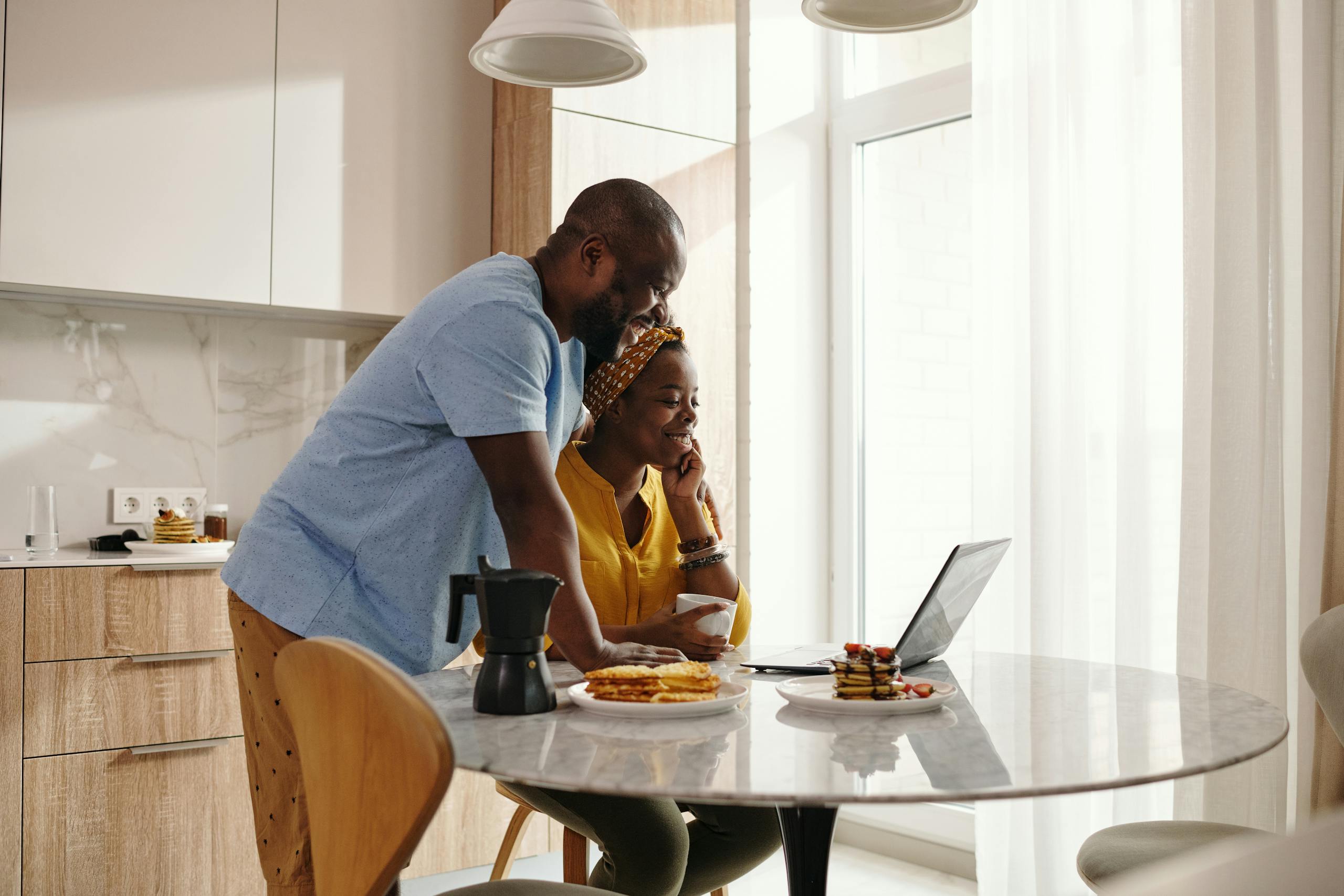
There’s also the social dimension of home that gets overlooked. Many homebodies aren’t anti-social. They’re selectively social. They host small dinners. They have long phone calls with close friends. They cultivate a few deep relationships rather than many shallow ones. The difference between a homebody and a recluse is often just that: depth of connection versus breadth of it.
After I left the agency world and started writing, I noticed something. The relationships I’d maintained most consistently through twenty years of a demanding career weren’t the ones built at industry events or client dinners. They were the ones built in quieter moments: a long lunch with a colleague who became a genuine friend, a late-night conversation with a client that went well past business, a handwritten note to someone whose work I admired. The homebody instinct toward depth over breadth served me better professionally than I ever gave it credit for.
The Couch Question: Is Comfort Laziness?
Urban Dictionary entries for homebody sometimes carry a faint whiff of judgment, even the positive ones. The couch shows up as a recurring symbol, as if the ultimate expression of the homebody life is horizontal inactivity. And yes, sometimes it is. There’s nothing wrong with that.
But the homebody couch as a concept is worth thinking about more carefully. For introverts especially, physical rest and mental restoration often happen simultaneously. What looks like doing nothing from the outside, lying on a couch, staring at the ceiling, reading without a goal, is often active internal processing. The brain is working. It’s just working quietly.
There’s a meaningful distinction between laziness, which involves avoiding things you need to do, and restoration, which involves actively recovering your capacity to function. Homebodies, especially introverted ones, tend to be quite good at the latter. They’ve often learned, sometimes through years of burning out in environments that didn’t suit them, that protecting their recovery time is what makes everything else possible.
I burned out twice during my agency years. Not dramatically, not in ways that made headlines, but in the quiet, grinding way where you wake up one morning and realize you’ve been running on empty for so long you’ve forgotten what full feels like. Both times, recovery looked like what an outside observer might have called doing nothing. Long mornings at home. Books. Walks. Quiet. What it actually was, was restoration. And it worked.
Additional research published via PubMed Central on stress recovery and cognitive restoration suggests that low-stimulation environments play a genuine role in helping the nervous system return to baseline after periods of high demand. The homebody instinct toward quiet rest isn’t self-indulgence. It’s physiology.

How the Homebody Identity Has Evolved Culturally
Urban Dictionary is a living document. Entries get added, voted up or down, revised over time. And the evolution of the homebody entries over the years tracks something real about how the culture has shifted in its relationship to this identity.
Fifteen years ago, calling yourself a homebody was often said apologetically, as an explanation for why you weren’t at the party. Today, it’s increasingly said with a certain quiet pride. The pandemic accelerated this shift, obviously, by forcing the entire culture to reckon with what home actually means and what it can provide. Yet the shift was already underway.
The concept of hygge, the Danish philosophy of cozy, intentional home living, went mainstream in the mid-2010s. The minimalism movement reframed staying home as a considered lifestyle choice rather than a default. The wellness conversation started acknowledging that rest and solitude have genuine value. Slowly, the cultural permission to be a homebody without apology has grown.
Findings published in Frontiers in Psychology on personality and environmental preferences point toward a broader recognition in psychological research that introversion and the preference for lower-stimulation environments are stable, legitimate personality orientations, not deficits to be corrected.
What Urban Dictionary’s evolving homebody entries reflect, in their own informal way, is this cultural recalibration. The word is being reclaimed. And for introverts who’ve spent years feeling like they needed to justify their preference for home, that reclamation has real meaning.
Celebrating the Homebody Life With Intention
One thing that strikes me about the homebody identity, now that I’ve fully settled into it, is how much it rewards intentionality. Being a homebody by default, just staying home because going out feels hard, is different from being a homebody by design, building a home environment that genuinely supports the life you want to live.
The people in my life who’ve embraced their homebody nature most fully tend to have homes that reflect it. Not necessarily expensive or elaborate spaces, but considered ones. A reading corner that’s actually comfortable. A kitchen that invites cooking. A workspace that supports focus. Small things that signal to the nervous system: you’re safe here, you can relax, this is yours.
When someone I care about identifies as a homebody, I think about this when choosing what to give them. The best gifts for homebodies aren’t things that try to pull them out of their comfort zone. They’re things that deepen and enrich the home environment they’ve already chosen. There’s a whole philosophy in that distinction.
Our complete homebody gift guide approaches this from exactly that angle: what actually serves someone who has intentionally built their life around the joy of being home? The answer is almost always something that adds comfort, depth, or beauty to the space they’ve chosen.
Intentional homebody living also means being honest about what you need and building a life that accommodates it. That’s not always easy, especially in professional environments that still reward extroverted visibility. Yet the shift I made in my own career, from performing extroversion to building structures that let me work in ways that suited me, made everything better. The work improved. The relationships improved. Even the results improved.
What Urban Dictionary can’t quite capture is that being a homebody, at its best, isn’t about limitation. It’s about alignment. Knowing where you function best and having the self-awareness and self-respect to build your life around that knowledge.
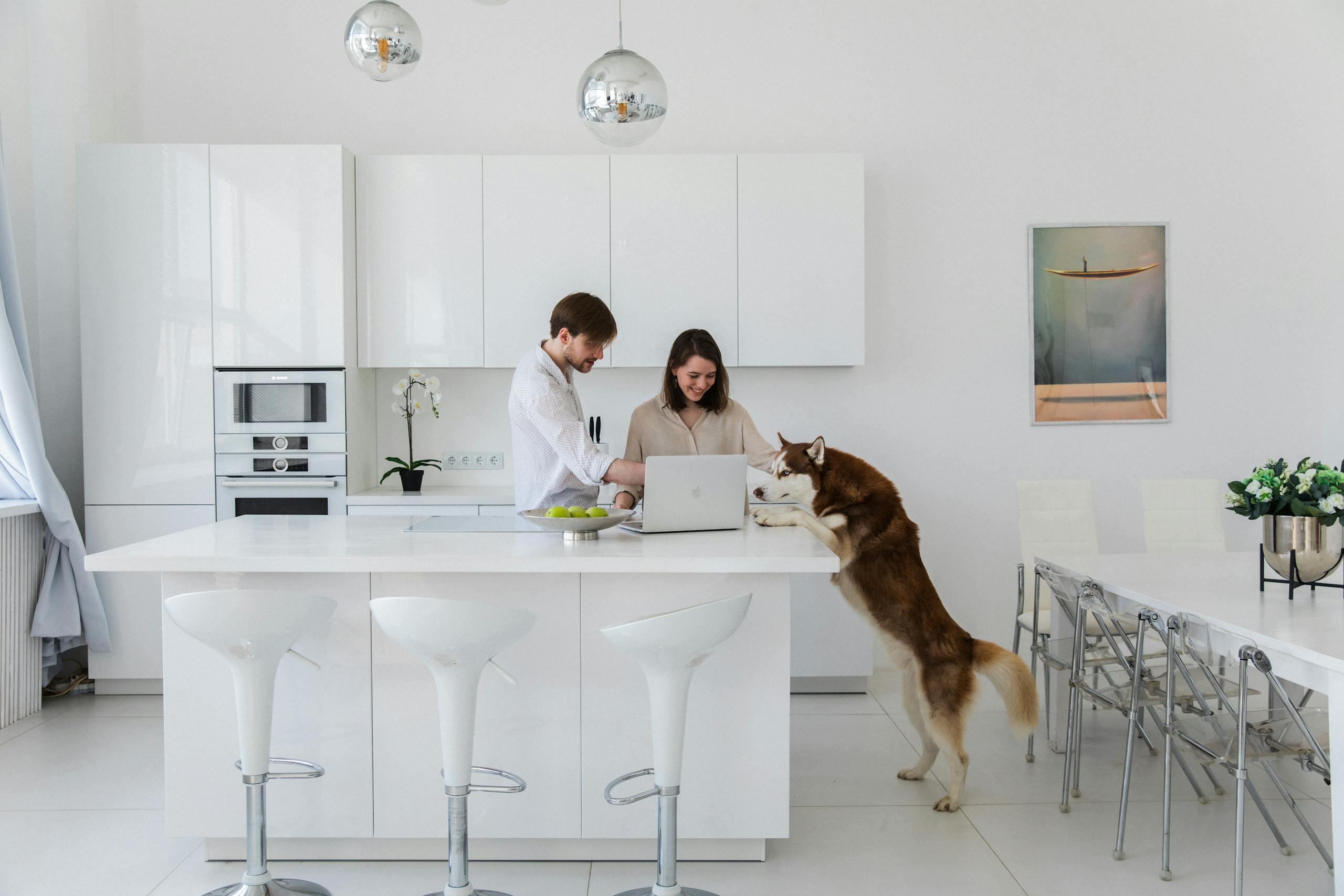
There’s much more to explore about how introverts can design environments that genuinely support their nature. The full range of ideas, from sensory considerations to social architecture, lives in our Introvert Home Environment hub, which is worth spending time with if this resonates.
About the Author
Keith Lacy is an introvert who’s learned to embrace his true self later in life. After 20 years in advertising and marketing leadership, including running agencies and managing Fortune 500 accounts, Keith now channels his experience into helping fellow introverts understand their strengths and build fulfilling careers. As an INTJ, he brings analytical depth and authentic perspective to every article, drawing from both professional expertise and personal growth.
Frequently Asked Questions
What does homebody mean according to Urban Dictionary?
Urban Dictionary defines a homebody as someone who genuinely prefers staying home over going out, finding comfort and contentment in their own space rather than seeking stimulation in social settings. Multiple entries across the platform reflect this core meaning, with many written in a tone that’s affectionate or even celebratory about the identity. The definitions tend to emphasize preference and comfort rather than shyness or social anxiety, which is an important distinction for introverts who identify with the label.
Is being a homebody the same as being an introvert?
Not exactly, though there’s significant overlap. Introversion is a personality orientation related to how you gain and spend energy, with introverts generally finding social interaction draining and solitude restorative. Being a homebody is more specifically about preferring home environments over outside social settings. Many introverts are homebodies, and many homebodies are introverts, yet the terms aren’t interchangeable. Some extroverts are homebodies for reasons unrelated to energy management, and some introverts enjoy being out in nature or other low-stimulation environments outside the home.
Is there anything wrong with being a homebody?
No. Being a homebody is a legitimate personality orientation and lifestyle preference with genuine psychological and physiological underpinnings. The preference for low-stimulation environments, solitude, and home-based activities is well-documented in personality psychology as a stable and normal trait. Where it becomes worth examining is if the preference for home is driven by anxiety, avoidance of things that genuinely matter to you, or isolation that’s causing distress. The difference between a fulfilling homebody life and one that’s limiting is usually whether the choice feels authentic and chosen or fearful and compelled.
How can homebodies build meaningful social connections without going out?
Homebodies have more options than ever for building genuine connection without sacrificing the home environment they prefer. Online communities, text-based conversations, video calls, and small in-home gatherings all provide meaningful social contact on terms that work for homebodies. The quality of connection matters more than the quantity or the setting. Many homebodies find that their relationships are actually deeper and more sustaining than those built in high-stimulation social environments, precisely because they invest more intentionally in fewer connections rather than spreading social energy thin across many acquaintances.
What are the best ways to embrace being a homebody intentionally?
Embracing the homebody life with intention means building a home environment that genuinely supports how you function best. This includes creating spaces that serve your actual interests, whether that’s reading, creating, cooking, or thinking. It means being honest with people in your life about what you need, rather than performing sociability you don’t have energy for. It also means letting go of the cultural narrative that staying home is a lesser choice. The homebody life, lived intentionally, is rich, restorative, and deeply aligned with how many introverts are genuinely wired to thrive.