
Dark empaths hide in plain sight by combining genuine emotional intelligence with a calculated willingness to use it against you. They read feelings accurately, mirror your vulnerabilities with precision, and build trust faster than almost anyone else in a room, but the connection they offer is a tool, not a gift. What makes them so difficult to spot is that their empathy is real. It just isn’t kind.
Most people assume manipulation comes wrapped in coldness or obvious aggression. Dark empaths shatter that assumption. They’re warm, perceptive, often magnetic, and they tend to show up in environments where emotional sensitivity is valued, including workplaces, close friendships, and communities built around healing or personal growth. That’s what makes them genuinely dangerous to people who lead with their hearts.
I’ve been thinking about this topic for a long time, partly because I spent over two decades in advertising, an industry that rewards persuasion above almost everything else. Some of the most gifted people I worked with were deeply empathic and used that gift to build real trust with clients. Others used the same skill set in ways that quietly hollowed out the people around them. Learning to tell the difference took me longer than I’d like to admit.

If you’re a highly sensitive person or someone who processes emotion at a deep level, understanding dark empaths isn’t just intellectually interesting. It’s protective. Our broader HSP and Highly Sensitive Person hub covers the full spectrum of what it means to feel things intensely in a world that often doesn’t slow down long enough to notice, and the dark empath conversation sits right at the center of that territory.
What Exactly Is a Dark Empath?
The term “dark empath” describes a specific psychological profile that sits at the intersection of genuine empathic ability and what researchers call the dark triad: narcissism, Machiavellianism, and psychopathy. What makes this combination unusual is that most dark triad research assumes low empathy. Dark empaths complicate that picture considerably.
What drains your social battery?
Not all social exhaustion is the same. Our free quiz identifies your specific drain pattern and gives you personalised recharging strategies.
Find Your Drain PatternUnder 2 minutes · 8 questions · Free
A 2024 study published in Frontiers in Psychology examined how dark triad traits interact with empathic capacity, finding that individuals who score high on both dimensions present a distinct and often more socially successful profile than those with dark triad traits alone. They’re better at reading people, better at fitting in, and consequently better at avoiding the suspicion that typically follows more overtly self-serving behavior.
The crucial distinction is between cognitive empathy and affective empathy. Affective empathy means you feel what another person feels. You absorb their emotion. Cognitive empathy means you understand what another person feels without necessarily experiencing it yourself. Dark empaths tend to have strong cognitive empathy paired with reduced affective empathy. They can map your emotional state with accuracy, but they don’t feel pulled toward your wellbeing because of it.
That’s the engine beneath the behavior. They know what you need to hear. They know which vulnerability to acknowledge and which fear to quietly amplify. And because they deliver all of this with apparent warmth and understanding, the people around them rarely think to question the dynamic until something has already gone wrong.
Why Do Highly Sensitive People Attract Dark Empaths?
There’s a painful irony in this. The same qualities that make highly sensitive people exceptional at building genuine connection also make them more vulnerable to people who weaponize connection. HSPs tend to be emotionally open, slow to judge, and genuinely interested in understanding others at a deep level. From a dark empath’s perspective, that combination is almost irresistible.
A Psychology Today piece on the differences between HSPs and empaths captures part of why this matters: highly sensitive people process sensory and emotional information more deeply than average, which means they’re also more attuned to the subtle signals that make dark empaths so convincing. An HSP notices the care in someone’s voice, the thoughtful question they ask, the way they seem to truly see you. What they’re less likely to notice, at least initially, is that this attentiveness has a purpose beyond connection.
I watched this dynamic play out in a client relationship early in my agency career. We had a senior account director who was extraordinarily good at reading clients. She could sense when someone was anxious about a campaign before they said a word. She’d address it preemptively, make the client feel understood, and walk out of every meeting with the room solidly behind her. For a long time, I thought she was simply gifted at her work. It took me two years to realize she was also systematically undermining the junior staff on her team, using the same emotional intelligence to identify exactly who was insecure enough to be controlled and who was confident enough to be isolated.
She wasn’t cold. She wasn’t obviously cruel. She was warm, perceptive, and professionally brilliant. That combination made her nearly impossible to confront because any concern raised about her behavior could be deflected with evidence of her genuine contributions. Dark empaths are often genuinely talented people. That’s part of what makes them so difficult to address.

For HSPs handling professional environments, understanding this dynamic is genuinely important. My HSP Career Survival Guide covers the specific pressures sensitive people face at work, and the dark empath problem sits squarely in that territory. Knowing how to read a workplace dynamic accurately, without either projecting harm where none exists or missing it where it does, is one of the more demanding skills an HSP can develop.
How Do Dark Empaths Build Trust So Quickly?
Speed is one of their most distinctive signatures. Most people build trust gradually, through repeated small interactions that accumulate over time. Dark empaths compress that timeline dramatically by deploying a few specific behaviors that trigger the neurological shortcuts associated with deep connection.
Mirroring is perhaps the most powerful of these. When someone reflects your body language, speech patterns, and emotional tone back to you, your brain interprets that as similarity, and similarity is one of the strongest predictors of trust. Dark empaths do this naturally and often unconsciously, having developed the skill across years of social interaction. You leave a conversation with them feeling unusually seen, as though they understood you better in forty minutes than some people have in forty years.
They also tend to be skilled at strategic vulnerability. They’ll share something personal early in a relationship, something that feels like a genuine admission of weakness or struggle. This creates reciprocity. You feel invited to share something of your own, and suddenly the relationship has an intimacy that feels earned even though it was engineered. A study in PubMed’s database on social bonding and self-disclosure confirms that mutual vulnerability accelerates attachment significantly, which is precisely why dark empaths use it as an opening move rather than a deepening one.
Flattery plays a role too, but not the obvious kind. Dark empaths don’t usually offer generic compliments. They observe what you’re most uncertain about and praise exactly that. If you’re quietly worried that your ideas aren’t creative enough, they’ll tell you specifically that your thinking is what sets you apart. That precision is what makes it land so differently from ordinary praise. It feels like being truly known rather than simply complimented.
Personality type shapes how all of this lands. People who are wired toward depth and meaning, including many introverts and those with rare personality configurations, often find this kind of targeted recognition particularly compelling. If you’ve spent years feeling like the people around you don’t quite get how you think, someone who seems to understand immediately feels like a gift. Understanding how your own personality shapes your susceptibility is something I explore in my piece on what makes a personality type rare and why it matters.
What Are the Behavioral Patterns That Reveal a Dark Empath?
Spotting a dark empath isn’t about looking for coldness or cruelty. Those are the wrong signals. What you’re looking for instead are patterns that only become visible over time, often because each individual behavior has a plausible innocent explanation. The pattern is what matters.
One of the clearest signs is a consistent gap between expressed emotion and actual behavior. A dark empath will say all the right things about fairness, loyalty, and care while consistently making choices that serve their interests at others’ expense. They’ll express genuine-sounding concern about a colleague’s situation while quietly positioning themselves to benefit from that colleague’s struggle. The words and the actions don’t add up, but because the words are so convincing, many people spend months or years explaining away the gap.
Another pattern is what I’d call emotional accounting. Dark empaths tend to keep meticulous track of what they’ve given and what they’re owed, even when they frame their generosity as unconditional. Favors are offered freely but referenced later. Support is provided and then subtly leveraged. Over time, you may find yourself in a relationship where you feel vaguely indebted without being able to point to a single transaction that explains why.
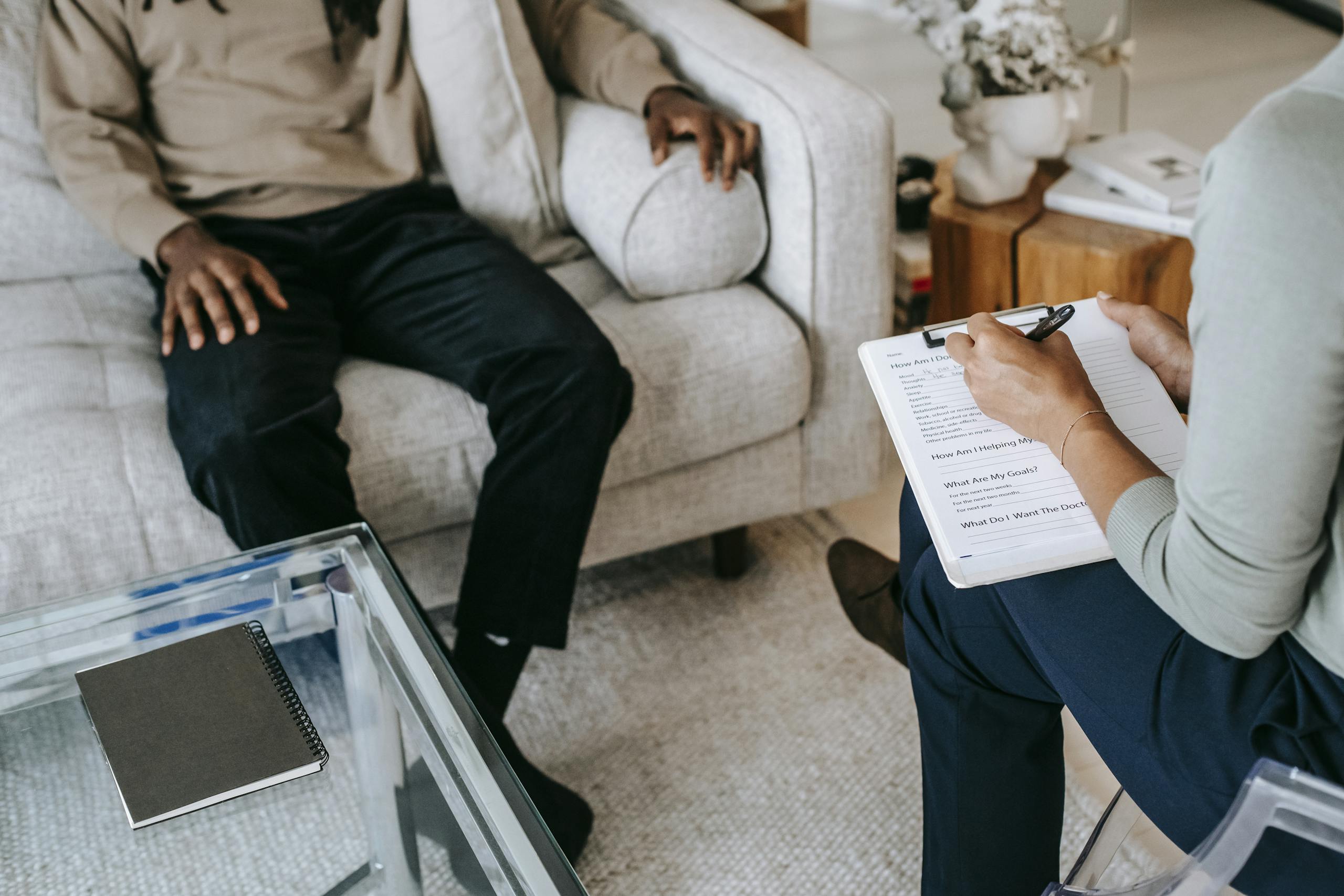
They also tend to be remarkably skilled at reframing conflict. When you raise a concern, the conversation somehow ends with you questioning your own perception rather than examining their behavior. This isn’t accidental. It’s a learned skill, and dark empaths deploy it with the same precision they bring to everything else. A Psychology Today piece on high sensitivity and psychological responses touches on why highly sensitive people can be particularly susceptible to this kind of reframing: our tendency to examine our own reactions thoroughly can be turned against us.
Watch also for how they treat people who can’t do anything for them. Dark empaths are often significantly warmer toward people with power or utility than toward those without. This difference is usually subtle enough to rationalize, but it’s consistent. Over time, the pattern becomes visible if you’re paying attention to the right things.
Where Do Dark Empaths Tend to Concentrate?
Certain environments create ideal conditions for dark empaths to operate. They tend to gravitate toward roles and settings where emotional intelligence is valued, where trust is currency, and where the social costs of questioning someone’s intentions are high.
Helping professions are particularly common territory. Counseling, coaching, nonprofit leadership, and community organizing all attract people with genuine empathic gifts, but they also attract dark empaths who recognize that these environments offer both access to vulnerable people and strong social protection against being questioned. Accusations of manipulation in a helping context are easily deflected by pointing to the visible good someone does.
Creative industries are another concentration point. Advertising, certainly, but also media, entertainment, and design. These fields reward the ability to understand what people want and deliver it compellingly. That’s a skill set with enormous legitimate value, but it’s also a skill set that maps directly onto manipulation when the intent shifts. I spent enough time in that world to know that the line between persuasion and manipulation is thinner than most people in the industry like to acknowledge.
Leadership more broadly is fertile ground. Dark empaths often rise quickly in organizations because they’re excellent at reading what decision-makers want and delivering it. They build strong upward relationships while managing downward in ways that are harder to see from above. This is one reason why personality development work matters so much for anyone in a leadership role. My piece on MBTI development and what actually matters for genuine growth gets at some of this, particularly the importance of developing self-awareness that goes beyond surface-level type descriptions.
Online communities built around sensitivity, trauma, or personal growth also attract dark empaths in meaningful numbers. These spaces offer access to people who are emotionally open and actively seeking connection, along with a social framework that treats skepticism as a form of harm. That combination creates significant cover for manipulative behavior.
How Do Dark Empaths Affect the People Around Them Over Time?
The effects tend to accumulate slowly, which is part of what makes them so disorienting. People who’ve been in extended relationships with dark empaths often describe a gradual erosion of confidence in their own perceptions. They start to second-guess their emotional responses, wonder if they’re being too sensitive, and find themselves apologizing for reactions that were actually appropriate.
This erosion is particularly painful for HSPs and introverts who already carry some cultural messaging that their sensitivity is excessive. Being told, even implicitly, that your emotional read on a situation is wrong hits differently when you’ve spent years being told your feelings are too much. Dark empaths often sense this vulnerability and work it with precision.
The physical toll is real too. Chronic stress from relationships that feel emotionally unsafe has measurable effects on sleep, concentration, and physical health. A study published in Nature on environmental stress and physiological response found that sustained social stress produces outcomes comparable to other environmental stressors, which is worth taking seriously when evaluating the cost of staying in a relationship that consistently leaves you feeling destabilized. For those dealing with disrupted sleep as a result, I’ve personally tested solutions, including a thorough look at white noise machines for sensitive sleepers, which can at least address one piece of the recovery puzzle.
There’s also a specific kind of loneliness that comes from these relationships. You’ve shared real things with this person. You’ve been vulnerable. And then you begin to suspect that the intimacy was a mechanism rather than a connection. That realization is genuinely grief-inducing, and it often leaves people reluctant to trust their own instincts about connection for a long time afterward.

Can Dark Empaths Change, and How Should You Respond to One?
Change is possible in theory. Dark empathic behavior often develops as an adaptive response to early environments where direct vulnerability was unsafe and emotional intelligence was the best available tool for survival. When someone develops genuine motivation to examine those patterns and invest in therapeutic work, meaningful change can happen. A 2024 study from Frontiers in Psychology notes that dark triad traits, while stable, are not fixed, and that therapeutic contexts can shift the expression of these traits meaningfully over time.
That said, the realistic picture is complicated. Dark empaths are often highly defended against the kind of genuine self-examination that change requires. Their skill at managing others’ perceptions can make therapy itself a performance rather than a process. And because they’re adept at identifying what people want to hear, they can be extraordinarily convincing about progress they haven’t actually made.
From a practical standpoint, what matters most is protecting your own clarity. That means taking your perceptions seriously even when they’re being challenged. It means paying more attention to patterns of behavior than to individual explanations. It means building relationships outside the one you’re questioning, so your sense of reality has multiple reference points rather than just one.
It also means understanding your own personality and how it shapes your responses. People who identify as ambiverts, for instance, sometimes find the dark empath dynamic particularly confusing because they’re drawn to the social energy these individuals generate while also sensing something off in quieter moments. My piece on why the ambivert label might be masking something more specific touches on how personality self-knowledge affects the way we read relationships.
For introverts specifically, the challenge is that our tendency to process internally can work against us here. We’re inclined to sit with our doubts, examine them privately, and give people the benefit of the doubt while we continue gathering information. Dark empaths benefit from that patience. Sometimes the more useful move is to trust the discomfort early, before you’ve accumulated enough evidence to feel certain.
What Does Healthy Empathy Actually Look Like in Contrast?
One of the most useful things you can do after spending time thinking about dark empaths is to get clear on what genuine empathy looks like, because the contrast is instructive and in the end reassuring.
Healthy empathy is consistent across contexts. It doesn’t vary based on who’s watching or what’s at stake. A genuinely empathic person treats the person who can do nothing for them with the same basic warmth they extend to someone with power or status. Their care doesn’t require an audience or a return.
Genuine empathy also tolerates your complexity. It doesn’t need you to be in a particular emotional state to remain engaged. A dark empath is most interested in you when you’re vulnerable or uncertain, because that’s when their skills are most useful. A genuinely empathic person stays present when you’re confident and clear, not just when you’re struggling.
And perhaps most importantly, genuine empathy leaves you feeling more like yourself, not less. After real connection, you tend to feel clearer, more grounded, more capable. After time with a dark empath, even pleasant time, there’s often a vague sense of depletion or disorientation that’s hard to name. Your nervous system is often tracking something your conscious mind hasn’t caught up to yet. For highly sensitive people, that signal is worth taking seriously.
Some personality types are more naturally attuned to these signals than others, and that attunement carries real value. The challenges rare personality types face at work often include being dismissed for picking up on exactly these kinds of relational undercurrents. Trusting that perception, rather than talking yourself out of it, is one of the more meaningful skills you can develop.

What I’ve come to believe, after years of watching these dynamics play out in professional and personal contexts, is that emotional intelligence without integrity is one of the more dangerous combinations in human behavior. The gift of reading people is real and powerful. What determines its impact is the intention behind it.
As an INTJ who spent decades in an industry that celebrated persuasion, I had to do a lot of internal work to understand where my own empathic skills were genuine and where they were strategic. That’s not a comfortable question to sit with, but it’s an important one. success doesn’t mean become suspicious of everyone or to wall off your own sensitivity. It’s to stay connected to your values clearly enough that your empathy remains a form of care rather than a form of leverage.
If you’re an HSP working through questions about relationships, trust, and how your sensitivity shapes your experience of both, there’s a lot more to explore in the Ordinary Introvert HSP hub, where we look at the full picture of what it means to feel deeply in a world that often moves too fast to notice.
Running on empty?
Five drain profiles, each with specific triggers, warning signs, and a recharging playbook.
Take the Free QuizUnder 2 minutes · 8 questions · Free
About the Author
Keith Lacy is an introvert who’s learned to embrace his true self later in life. After 20 years in advertising and marketing leadership, including running agencies and managing Fortune 500 accounts, Keith now channels his experience into helping fellow introverts understand their strengths and build fulfilling careers. As an INTJ, he brings analytical depth and authentic perspective to every article, drawing from both professional expertise and personal growth.
Frequently Asked Questions
Are dark empaths aware that they’re being manipulative?
Awareness varies considerably. Some dark empaths are highly conscious of their behavior and make deliberate choices about how to use their emotional intelligence. Others have developed these patterns so early and so automatically that they experience them as simply how relationships work, without recognizing the impact on the people around them. The presence or absence of conscious intent doesn’t change the effect, but it does affect whether meaningful change is possible.
How is a dark empath different from a narcissist?
A classic narcissist typically has low empathy and limited ability to read emotional states accurately, which makes them easier to identify over time because their self-serving behavior becomes obvious. A dark empath has genuine empathic capacity, which they use to manage perceptions more effectively. They can maintain convincing warmth and attentiveness far longer than a narcissist typically can, which makes the pattern harder to recognize and harder to name when you’re inside it.
Why do highly sensitive people have a harder time recognizing dark empaths?
HSPs process emotional information deeply and tend to extend generous interpretations to the people around them. They’re also more attuned to the genuine warmth that dark empaths can project, which makes the positive signals louder than the warning signals, at least initially. Additionally, HSPs who’ve been told their sensitivity is excessive may be more likely to dismiss their own discomfort as overreaction rather than accurate perception.
What’s the most reliable early warning sign of a dark empath?
The most reliable early signal is a consistent gap between what someone expresses and what they actually do. Dark empaths tend to be articulate and emotionally fluent about values like fairness, loyalty, and care, but their behavior over time tells a different story. Pay attention to how they treat people who have nothing to offer them, how they respond when they don’t get what they want, and whether the intimacy they offer feels like it’s deepening or simply being maintained at a useful level.
Is it possible to have a healthy relationship with a dark empath?
It’s possible but genuinely difficult, and it depends heavily on whether the dark empath in question has developed real motivation to examine their patterns. Without that motivation, the relationship tends to follow a predictable arc: early intensity and connection, gradual erosion of the other person’s confidence and autonomy, and eventual disengagement once the utility of the relationship diminishes. If you’re in a relationship with someone who fits this profile, the most important thing is maintaining strong connections outside it and trusting your own perceptions even when they’re being challenged.