

When a friendship ends, introverts don’t just move on. They go quiet, they go inward, and they process the loss in ways that can look confusing or even cold from the outside. If you’ve ever wondered how introverts act after a friendship ends, the short answer is this: they grieve deeply, they reflect extensively, and they rarely reach back out first, even when part of them wants to.
That pattern isn’t indifference. It’s the way many introverts are wired to handle emotional weight.

My own experience with friendship loss has always followed a predictable internal arc. Something ends, and I don’t cry about it at the dinner table. I sit with it for weeks, sometimes months, turning it over in my mind the way you’d examine a piece of machinery to figure out where the mechanism failed. That’s not avoidance. That’s how I process. And I’ve come to understand it’s how a lot of introverts handle the quiet devastation of a friendship that’s run its course.
If you want to understand the full landscape of how introverts form, maintain, and lose friendships, our Introvert Friendships hub covers the complete picture. This article focuses specifically on what happens after, when the connection is gone and the introvert is left to make sense of the silence.
Why Do Introverts Grieve Friendships Differently Than Extroverts?
Introverts tend to build fewer, deeper friendships. That’s not a character flaw or a social limitation. It reflects a genuine preference for meaningful connection over broad social networks. When you’ve invested that level of emotional depth into a relationship, losing it hits differently than losing a casual acquaintance.
What’s your personality type?
Take our free 40-question assessment and get a detailed personality profile with dimension breakdowns, context analysis, and personalised insights.
Discover Your Type8-12 minutes · 40 questions · Free
Extroverts often process grief socially. They call other friends, talk it through, get out of the house. Many introverts do the opposite. They withdraw, reflect, and work through the loss internally before they’re ready to discuss it with anyone. This can look like they don’t care, but the interior experience is often far more intense than what’s visible on the surface.
There’s a real psychological basis for this. Research published in PMC has explored how introversion correlates with stronger internal emotional processing, where introverts tend to engage in more elaborate self-reflection following significant interpersonal events. The loss of a close friendship qualifies as exactly that kind of event.
Running an advertising agency for over two decades, I watched this dynamic play out on my teams constantly. When interpersonal fallouts happened between colleagues, the extroverted members would hash things out loudly and move on within days. The introverted members, often the ones I related to most, would go quiet for weeks. From the outside, it looked like sulking. From the inside, they were doing the hard work of making sense of what happened.
What Does the Withdrawal Actually Look Like?
After a friendship ends, many introverts enter a period of deliberate retreat. They stop initiating contact, not just with the person who’s gone but sometimes with their broader social circle. This isn’t depression, though it can look like it. It’s more like emotional reorganization. The introvert is recalibrating their internal world to account for the absence of someone who occupied real space in it.
Some specific behaviors show up consistently:
Reduced social contact across the board. Even friendships that are healthy and intact may receive less attention during this period. The introvert isn’t pulling away from everyone permanently. They’re temporarily conserving emotional bandwidth.
Increased solo time. Long walks, solitary hobbies, extended periods of reading or creative work. These aren’t signs of dysfunction. They’re the introvert’s natural mechanism for emotional restoration.
Replaying conversations. Introverts are often meticulous internal processors. After a friendship ends, many will mentally revisit key exchanges, looking for the moments where things shifted. This is part of how they extract meaning from painful experiences.
Reluctance to talk about it. Even with close people in their lives, introverts often won’t bring up the friendship loss until they’ve processed enough of it internally to articulate what they actually feel. Premature conversation about it can feel invasive rather than supportive.

I’ve been there myself. When a business partnership ended badly about twelve years into my agency career, the professional breakup carried all the emotional weight of a friendship ending, because it was one. We’d built something together. When I walked away from it, I didn’t call my other friends to debrief. I spent three weeks barely speaking about it to anyone. My wife knew something was wrong. I couldn’t explain it yet. The words weren’t ready.
Do Introverts Actually Miss the People They’ve Lost?
Yes. Often more than they’ll ever say out loud.
One of the more persistent misconceptions about introverts is that their self-sufficiency means they don’t get lonely. That’s not accurate. Introverts do get lonely, sometimes profoundly so, and the loss of a meaningful friendship can leave a gap that feels disproportionate to how much the introvert was visibly invested in the relationship.
Because introverts tend to build their social lives around a small number of deep connections, losing even one of those connections can significantly reshape their world. An extrovert who loses one friend from a social network of twenty feels the loss differently than an introvert who loses one friend from a circle of four.
What makes this harder is that many introverts won’t express the missing openly. They’ll carry it quietly. They might think about the person often, notice things that would have made good conversation topics, feel a reflexive pull to share something before remembering the friendship is gone. That private mourning can go on for a very long time without anyone around them knowing it’s happening.
This is also why questions like “are you okay?” or “do you miss them?” can sometimes feel intrusive rather than caring. The introvert is managing something real and private. External prompts to discuss it before they’re ready can feel like someone opening a door they weren’t finished closing.
Why Introverts Rarely Reach Out First After a Falling Out
This is one of the behaviors that most confuses people on the other side of a friendship with an introvert. The friendship ends, and the introvert goes completely silent. No texts, no calls, no reaching out. It can feel like confirmation that the introvert never cared.
What’s actually happening is more complicated.
Many introverts carry a deep fear of rejection that’s been shaped by years of social experiences where they felt misunderstood or out of place. Reaching out after a friendship has fractured means risking that rejection all over again. The internal calculation often goes something like this: if I reach out and they don’t respond, that confirms something painful. If I stay silent, at least the outcome remains uncertain.
There’s also the matter of not wanting to impose. Introverts often assume that if the other person wanted to reconnect, they would. Initiating contact feels presumptuous, like assuming their presence is wanted when evidence suggests otherwise.
This connects to broader patterns around social anxiety that many introverts carry. Introversion and social anxiety are distinct experiences, but they often overlap in ways that make post-friendship silence feel safer than vulnerability. The two aren’t the same thing, yet they can produce similar outward behavior: staying quiet when reaching out might actually help.
I recognized this in myself during a period when a long-term client relationship at the agency soured into something personal. The professional side was resolved, but the friendship underneath it had cracked. I didn’t reach out for almost a year. Not because I didn’t care, but because I genuinely couldn’t figure out what I would say, and I was afraid that whatever I said would make things worse. That’s a very introvert-specific kind of paralysis.

How Introverts Eventually Make Peace With the Loss
Introverts don’t heal from friendship loss on anyone else’s timeline. The processing happens internally, at its own pace, and it often involves more self-examination than most people would apply to the situation.
Part of what makes this process both valuable and exhausting is that introverts tend to ask hard questions of themselves. What did I contribute to this ending? What did I miss or ignore? What does this tell me about what I need from close relationships? That kind of reflection can produce genuine growth, but it can also tip into rumination if the introvert isn’t careful.
Making peace with a lost friendship often involves a few distinct internal shifts:
Acceptance that not all connections are meant to last. Introverts often struggle with this because they invest so much in the friendships they choose. Accepting impermanence feels like accepting that the investment was wasted. It wasn’t. The connection had value even if it didn’t last forever.
Reframing the relationship’s meaning. Many introverts find it easier to move forward once they can articulate what the friendship gave them, what they learned from it, and how it shaped them, rather than focusing primarily on how it ended.
Gradual re-engagement with their remaining social world. As the acute phase of grief passes, most introverts slowly re-emerge. They start responding to messages more readily, accepting invitations again, and investing in the connections that remain.
For introverts who also carry highly sensitive traits, this process can take considerably longer. HSP friendships involve a particular depth of emotional investment that makes losses feel correspondingly larger. If you identify as a highly sensitive person, the timeline for processing a friendship ending may look different than what others around you expect, and that’s okay.
The Role of Self-Blame in How Introverts Process Friendship Loss
Here’s something I’ve observed both in myself and in the introverts I’ve worked with over the years: we tend to over-assign responsibility for what went wrong.
When a friendship ends, many introverts will spend considerable mental energy cataloging their own failures. They were too unavailable. They didn’t reach out enough. They said the wrong thing at the wrong moment. They were too much, or not enough, or somehow fundamentally unsuited to sustaining close relationships.
Some of that self-examination is healthy. Genuine reflection on your role in a relationship’s dynamics is part of growing as a person. Yet introverts can take it too far, turning reasonable self-assessment into a verdict about their own worth as a friend.
This tendency connects to what psychological research on rumination has identified as a pattern where extended internal processing, without resolution, can shift from productive reflection into self-critical loops. Introverts who are prone to rumination may find that friendship loss triggers exactly that kind of cycle.
Cognitive behavioral approaches can help interrupt those loops. CBT techniques developed for social anxiety translate well to the kind of post-friendship processing introverts do, particularly around challenging distorted thoughts about their own culpability or likability.
I spent a lot of years in the agency world believing that every difficult relationship outcome was fundamentally my fault. I was too direct, too reserved, too analytical, too demanding. What I eventually understood is that some relationships end because of incompatibility, not failure. That reframe took a long time, and it required me to stop treating every exit as evidence of a personal deficiency.
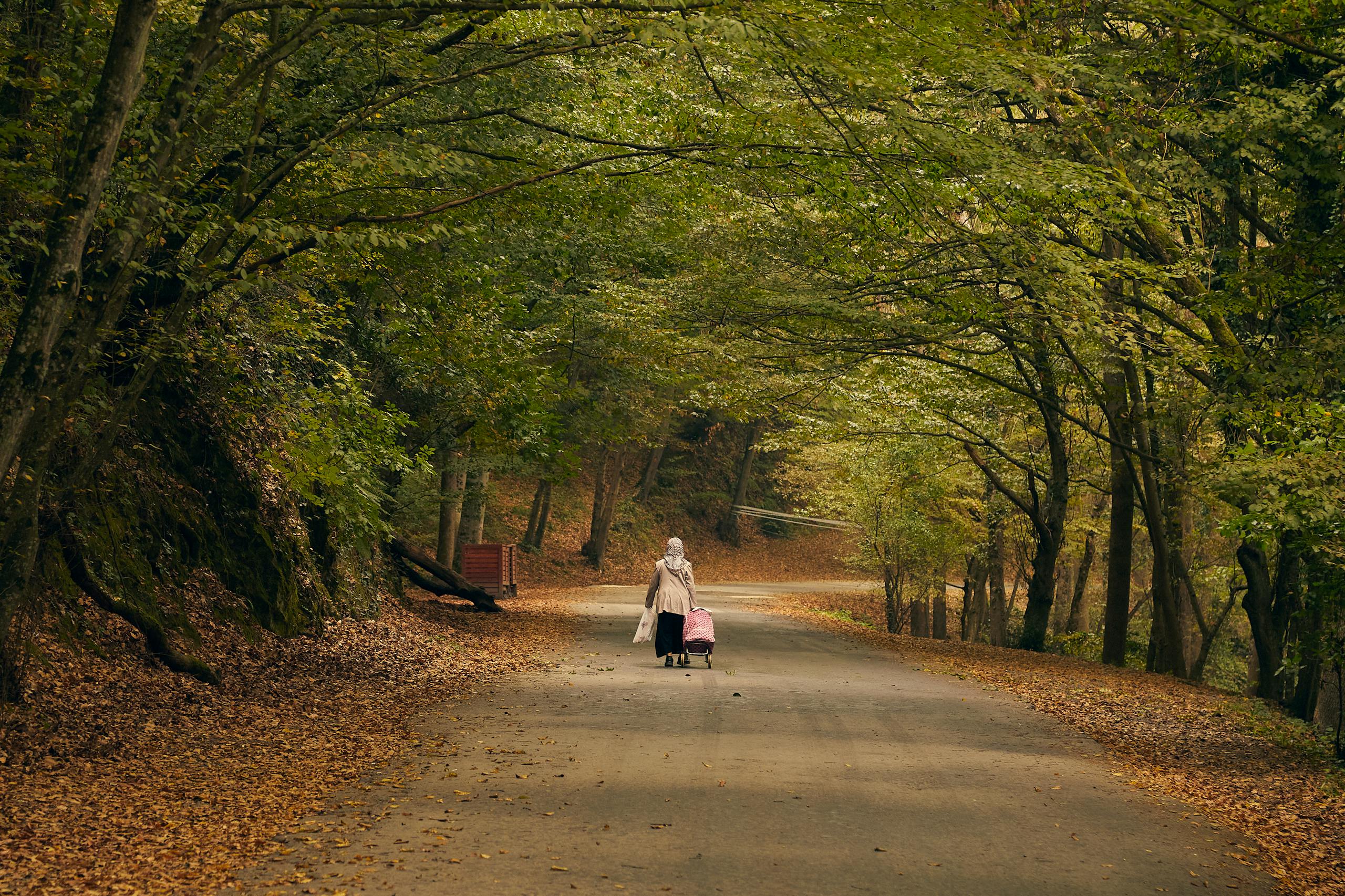
What Happens When Introverts Consider Making New Friends After a Loss
After the dust settles from a friendship ending, many introverts face a particular challenge: the prospect of starting over feels exhausting in a way that’s hard to explain to people who find new connections easily.
Building a close friendship as an introvert requires significant investment. You don’t just collect people. You carefully, slowly, sometimes painfully open up to them. The idea of doing that again, after one of those investments didn’t work out, can feel like being asked to rebuild something from scratch when you’re still tired from the last attempt.
Social anxiety compounds this. For introverts who already find new social situations draining, the added weight of a recent friendship loss can make the prospect of meeting new people feel genuinely daunting. If you’re working through that, resources on making friends as an adult with social anxiety can offer practical starting points that don’t require pretending the difficulty isn’t real.
Geography adds another layer. For introverts in dense urban environments where social interactions are already overwhelming, rebuilding a social life can feel particularly complicated. There’s a reason that making friends in New York City as an introvert is its own specific challenge worth addressing. The city doesn’t slow down to accommodate your processing time.
Technology has shifted some of this. Many introverts find that digital spaces lower the initial barrier to new connections in ways that feel more manageable. Finding the right app for introverts to make friends won’t replace the depth of a long-term friendship, but it can create low-pressure entry points when face-to-face initiation feels like too much too soon.
What I’ve found, both personally and in watching introverts I’ve mentored over the years, is that the readiness to invest in new friendships after a loss tends to arrive quietly. There’s no dramatic turning point. One day you notice you’re curious about someone new, or you find yourself genuinely looking forward to a conversation you’d have previously dreaded. That’s the signal. The processing is done enough.
When the Friendship Ending Is a Relief, Not a Loss
Not every friendship that ends leaves an introvert grieving. Some endings are chosen, and some of those choices come with a complicated mix of relief and residual guilt.
Introverts who have been in friendships that were energetically costly, one-sided, or simply not a genuine match may feel a quiet sense of release when those connections finally end. The guilt often comes from cultural messaging that says you should always fight for relationships, that letting go is a failure of loyalty or effort.
That framing doesn’t serve introverts well. Because introverts have limited social energy to begin with, staying in a friendship that consistently depletes rather than restores them is a real cost. Ending that friendship, or allowing it to naturally fade, can be an act of self-awareness rather than selfishness.
I’ve had to make that call a few times in my professional life. There were relationships that looked like friendships from the outside but felt like obligations from the inside. Long lunches I dreaded, calls I avoided, interactions that left me more tired than when they started. Letting those connections go quietly wasn’t cold. It was honest.
For parents watching their introverted teenagers manage these same dynamics, the calculus is worth understanding. Helping your introverted teenager make friends also means helping them understand that not every connection is worth maintaining at the cost of their wellbeing. Teaching discernment early is a gift.
What People on the Outside Get Wrong About Introverts After a Friendship Ends
If you’ve lost a friendship with an introvert and you’re trying to make sense of their behavior since, there are a few common misreadings worth addressing directly.
Silence doesn’t mean indifference. The introvert who goes quiet after a friendship ends isn’t signaling that you meant nothing to them. They’re processing something that matters to them in the only way that feels authentic.
Not reaching out doesn’t mean they don’t want to reconnect. Many introverts would welcome reconnection but won’t initiate it because the fear of rejection outweighs the pull toward the relationship. If you’re the one who wants to bridge the gap, you may need to be the one to reach out.
Moving on quietly isn’t moving on easily. An introvert who stops mentioning the lost friendship, who seems to have returned to their regular life, may still be carrying the weight of it privately. The absence of visible grief isn’t evidence of shallow feeling.
They’re not always open to talking about it. Asking an introvert how they’re doing after a friendship ends is kind. Pressing them to process it out loud before they’re ready isn’t. Timing matters significantly with introverts, and their readiness to discuss something is a real signal worth respecting.
One of the more useful frameworks I’ve encountered in thinking about this comes from recent research on personality and interpersonal sensitivity, which suggests that introverts often process social information more thoroughly than extroverts, which can mean both richer relationship experiences and more intense responses to relational disruption. The depth cuts both ways.

Finding Your Footing Again
Friendship loss is hard for anyone. For introverts, the particular shape of that difficulty tends to be quieter, more internal, and longer-lasting than people around them might expect. That’s not a problem to fix. It’s a feature of how many introverts are wired, and understanding it, whether you’re the introvert doing the processing or the person trying to understand one, matters.
What I’ve come to believe, after decades of watching myself and others work through these losses, is that the introvert’s way of grieving a friendship is neither wrong nor excessive. It’s proportionate to the depth of investment. When you build something carefully and it ends, you’re allowed to take your time with the aftermath.
success doesn’t mean speed through the processing or to perform recovery for other people’s comfort. It’s to come out the other side with a clearer sense of what you need, what you value, and what kinds of connections are worth the considerable energy you bring to them.
And sometimes, that clarity is exactly what a painful ending gives you.
If you’re exploring more about how introverts build, maintain, and lose friendships across different life stages, the full Introvert Friendships hub brings together everything we’ve written on the subject in one place.
About the Author
Keith Lacy is an introvert who’s learned to embrace his true self later in life. After 20 years in advertising and marketing leadership, including running agencies and managing Fortune 500 accounts, Keith now channels his experience into helping fellow introverts understand their strengths and build fulfilling careers. As an INTJ, he brings analytical depth and authentic perspective to every article, drawing from both professional expertise and personal growth.
Frequently Asked Questions
Do introverts get over friendship loss faster because they prefer being alone?
No. Preferring solitude doesn’t mean friendship matters less to introverts. Because introverts typically build fewer, deeper connections, losing one can feel more significant than it might for someone with a broader social network. The processing often takes longer, not shorter, even if it happens quietly and out of view.
Why won’t an introvert reach out after a friendship ends, even if they miss the person?
Fear of rejection plays a significant role. Many introverts assume that if the other person wanted to reconnect, they would initiate. Reaching out feels like risking confirmation of something painful. There’s also a tendency to not want to impose, to assume their presence isn’t wanted unless explicitly invited. It’s not indifference. It’s a kind of protective silence.
Is it normal for introverts to withdraw from all their friends after one friendship ends?
Yes, this is a fairly common pattern. After a friendship ends, many introverts temporarily pull back from their broader social circle as they process the loss. It’s a form of emotional conservation, not a sign that other relationships are in trouble. Most introverts gradually re-emerge as the acute processing phase passes.
How long does it take an introvert to recover from a friendship ending?
There’s no fixed timeline, and it varies considerably based on how deep the friendship was, how it ended, and the individual’s emotional tendencies. Some introverts process a friendship loss in weeks. Others carry it quietly for months or longer. For highly sensitive introverts, the timeline can extend further. What matters is that the processing is genuine, not that it matches anyone else’s expectations.
Should I try to reconnect with an introverted friend after a falling out?
If you genuinely want to reconnect, reaching out is usually better than waiting. Many introverts won’t initiate even when they’d welcome contact, because the fear of rejection or the worry about imposing holds them back. A low-pressure message that doesn’t demand an immediate response gives the introvert space to engage on their own terms. Timing matters, so don’t expect an instant reply, but reaching out is rarely the wrong call if the friendship genuinely mattered to both of you.