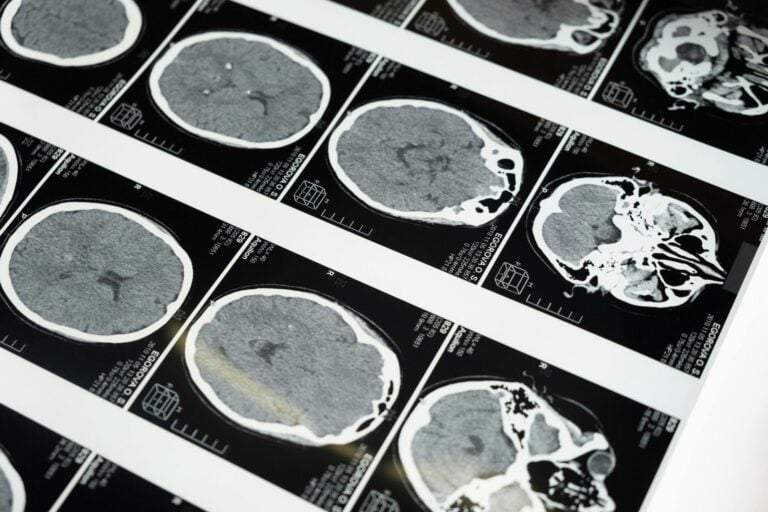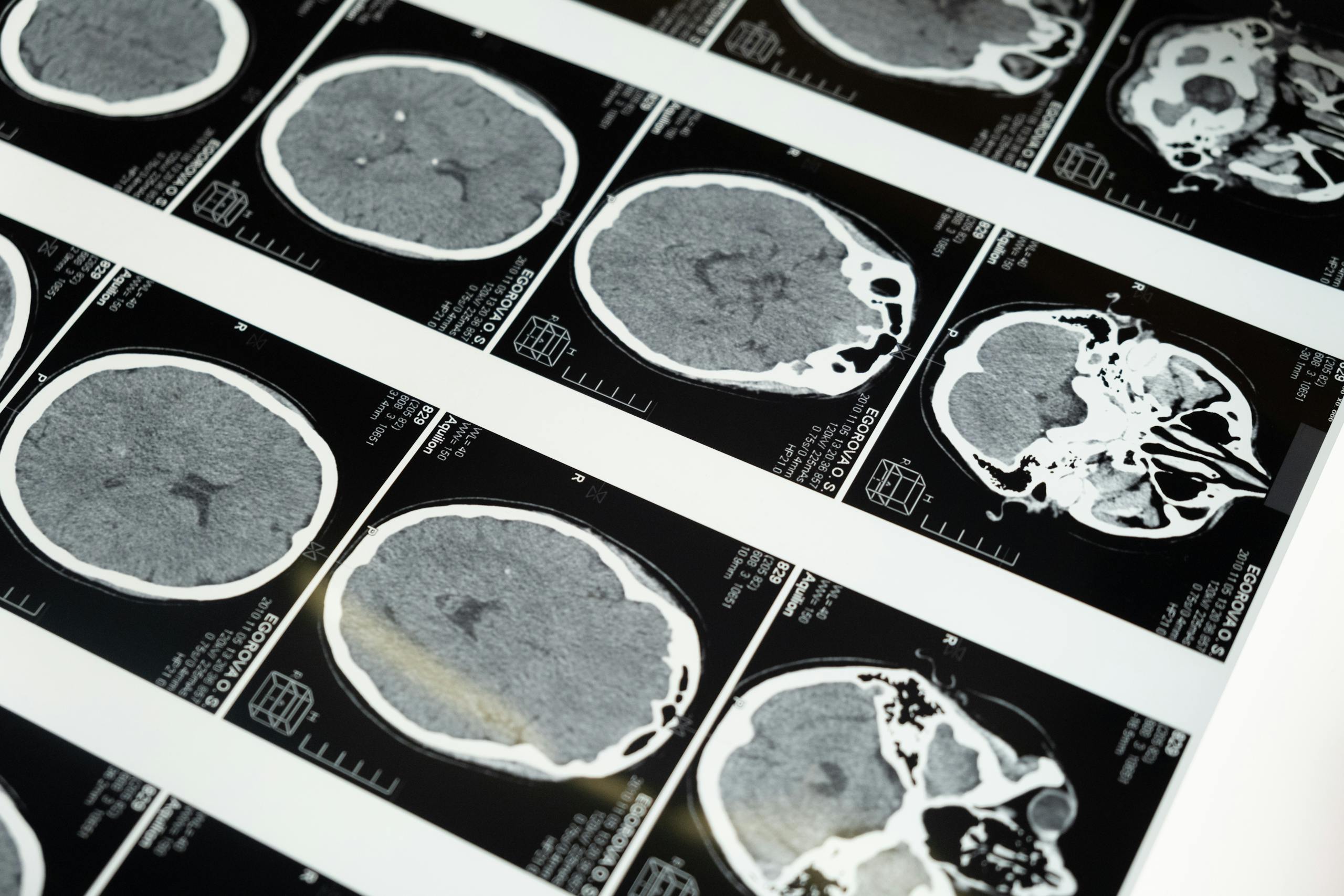

Shyness develops in the brain through a combination of genetic temperament, early emotional experiences, and the amygdala’s learned threat responses. When the brain repeatedly associates social situations with discomfort or danger, it reinforces neural pathways that trigger anxiety, avoidance, and self-consciousness, making those reactions feel automatic over time.
What makes this worth understanding is that shyness isn’t a character flaw or a fixed personality trait. It’s a pattern the brain learned, often very early in life, and patterns that were learned can shift. Not always easily, not always completely, but they can shift.
I spent most of my career not understanding that distinction. As an INTJ running advertising agencies, I assumed my discomfort in certain social situations was just weakness, something to push through or hide. It took me years to realize that what I was experiencing wasn’t the same thing my shy colleagues were experiencing, and that both of us deserved a clearer picture of what was actually happening inside our heads.
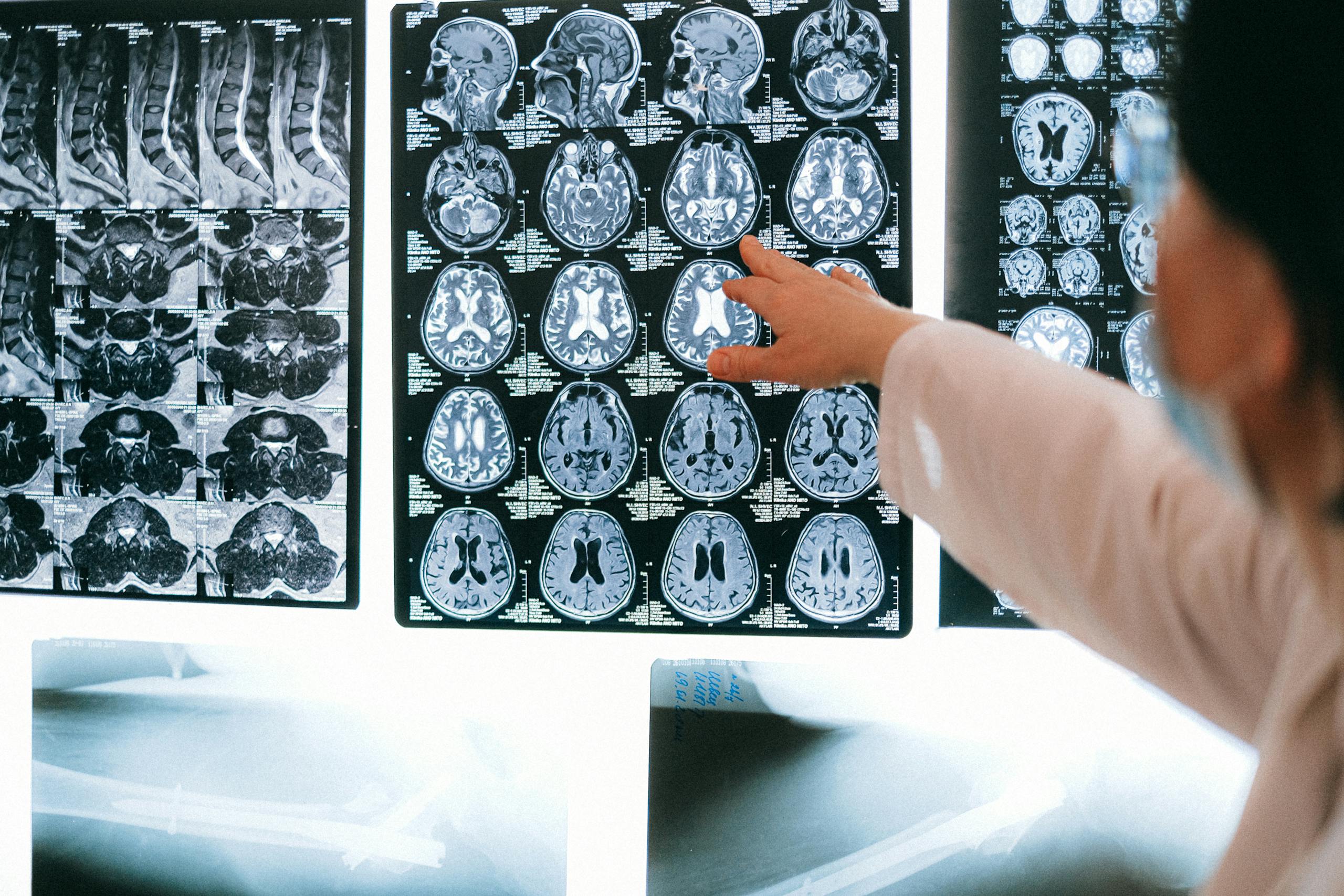
Before we get into the neuroscience, it helps to have a broader frame. Shyness is one piece of a much larger personality picture. Our full Introversion vs Other Traits hub examines how introversion, shyness, social anxiety, and related traits overlap and diverge, because conflating them leads to real misunderstandings about who we are and what we need.
What Is the Amygdala Actually Doing in Shy People?
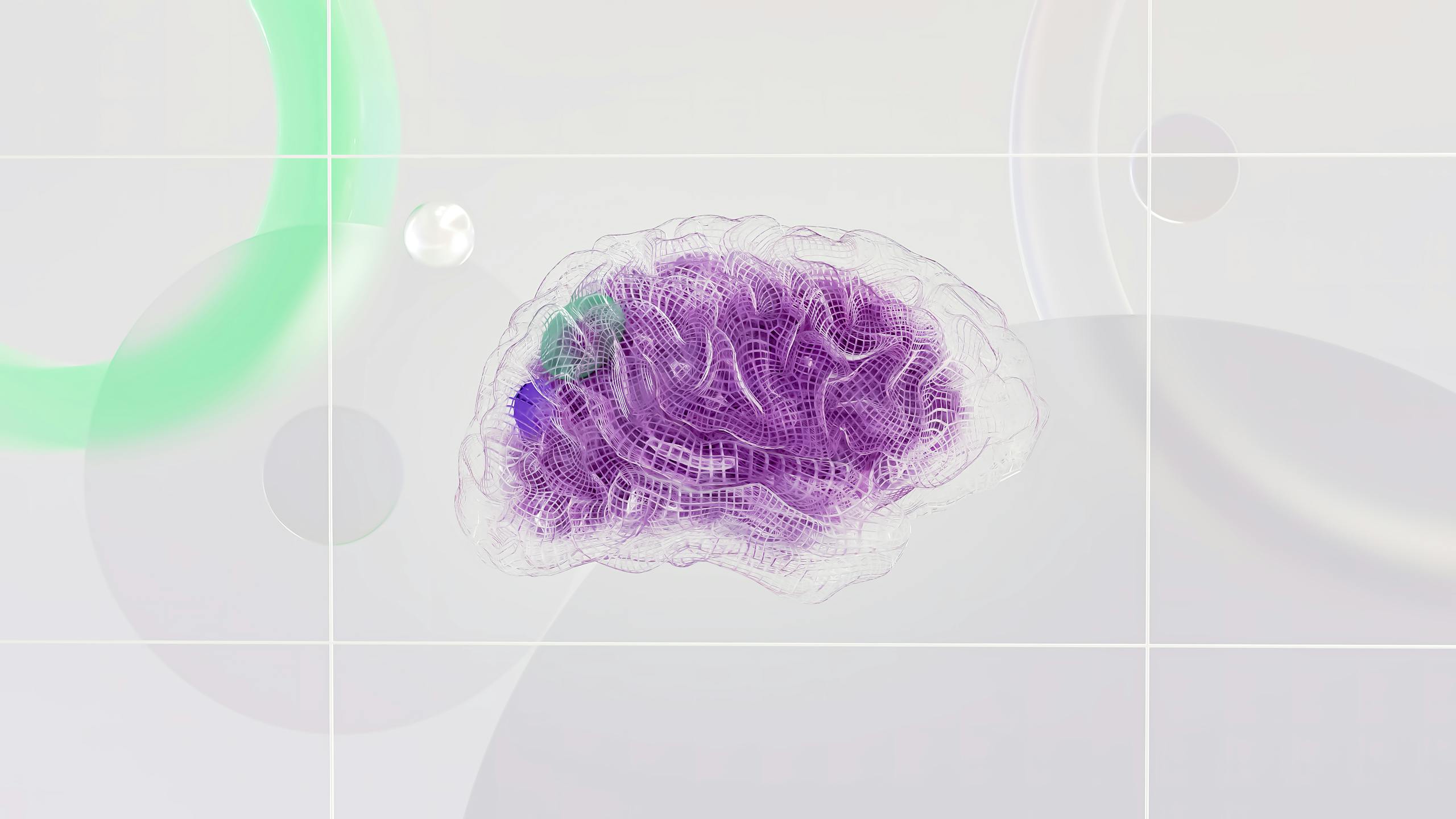
The amygdala is a small, almond-shaped structure deep in the brain’s temporal lobe, and it functions as a kind of threat detection system. Its job is to scan incoming sensory information and flag anything that might require a fear or avoidance response. In people who experience chronic shyness, the amygdala tends to be more reactive to social stimuli specifically.
Career Coaching for Introverts
One-on-one career strategy sessions with Keith Lacy. 20 years of Fortune 500 leadership as an introvert, now helping others build careers that work with their wiring.
Learn More50-minute Zoom session · $175
What this means in practice is that a shy person walking into a room full of strangers isn’t just feeling nervous in a vague, emotional sense. Their amygdala is firing in a way that’s physiologically similar to a threat response. Heart rate increases. Cortisol rises. The body prepares to either engage carefully or withdraw. All of this happens before conscious thought catches up.
One of the most compelling things about this is how early it can begin. Temperament researchers have observed that some infants show heightened behavioral inhibition, meaning they become still, watchful, and wary when encountering unfamiliar people or environments. This early pattern is associated with amygdala reactivity and appears to have a genetic component. It doesn’t guarantee shyness in adulthood, but it creates a biological foundation that early experiences can either reinforce or soften.
I think about a creative director I managed early in my agency career. She was brilliant and perceptive, someone who could read a client’s unspoken concerns before the client had articulated them. But put her in front of a new group and she would visibly freeze. Her body language would close off. She’d lose access to everything she knew. At the time, I thought she just needed more confidence. Now I understand she was dealing with something much more specific: a nervous system that had learned to treat new social contact as something requiring extreme caution.
How Does Early Experience Wire the Brain for Shyness?
The brain is remarkably plastic in childhood, meaning it’s actively shaped by repeated experiences. When a child encounters social situations that feel threatening, unpredictable, or humiliating, the brain doesn’t just record those events as memories. It adjusts its baseline expectations. Social situations begin to carry a pre-loaded sense of danger.
This process is called fear conditioning, and it’s well-documented in neuroscience. The amygdala learns to associate specific contexts with emotional discomfort, and over time, those associations become automatic. A child who is repeatedly mocked in class, or who grows up in an environment where social mistakes carry significant consequences, may develop a nervous system that’s primed to anticipate rejection before any rejection has occurred.
What’s worth noting is that this isn’t a failure of willpower or resilience. It’s the brain doing exactly what it’s designed to do: learn from experience and adapt accordingly. The problem is that what the brain learns in one context doesn’t always serve us well in another. An amygdala calibrated for a critical, unpredictable childhood environment will keep firing in adulthood even when the actual threat level is low.
There’s also a self-reinforcing quality to this pattern. Avoidance reduces short-term anxiety, which makes the brain more likely to recommend avoidance next time. Over years, the shy person may have fewer and fewer positive social experiences to update the brain’s threat assessment. The neural pathway deepens. The behavioral pattern feels more fixed. But it isn’t fixed, not neurologically.

Understanding where you fall on the introversion spectrum matters when thinking about shyness. Someone who is fairly introverted versus extremely introverted may have very different relationships with social discomfort, and neither position tells you automatically whether shyness is part of the picture.
What Role Does the Prefrontal Cortex Play?
The amygdala doesn’t operate in isolation. The prefrontal cortex, the part of the brain most associated with reasoning, planning, and emotional regulation, has a significant relationship with the amygdala. In a well-regulated nervous system, the prefrontal cortex can essentially talk the amygdala down, providing context that reduces the intensity of the threat response.
In people with strong shyness or social anxiety, this regulatory loop is often less effective. The prefrontal cortex may not be providing enough counterweight to the amygdala’s alarm signals. Or, in some cases, the prefrontal cortex is highly active in a different way: generating elaborate self-critical narratives about how the social situation is going, or will go, or went. This is the internal monologue that shy people often describe, the voice that’s simultaneously watching, judging, and predicting failure.
That voice is exhausting. I’ve seen it in colleagues and I’ve heard versions of it described to me over the years. It’s not the same as introversion’s natural preference for internal processing. It’s more like having an internal critic with a microphone who won’t stop offering commentary during the very moments when you need to be present.
Neuroscientists sometimes describe this as heightened self-focused attention, a state where awareness turns inward in a way that actually interferes with social performance. The irony is that the shy person is often working harder than anyone else in the room, just in a direction that doesn’t help them connect.
One of the most useful things I’ve read on this comes from research published in PubMed Central examining the neural correlates of social anxiety, which points to the interplay between limbic reactivity and prefrontal regulation as central to understanding why some people experience social situations as genuinely threatening even when the objective risk is minimal.
Is Shyness Genetic or Learned? The Honest Answer
Both. And that’s not a hedge, it’s the most accurate answer available.
Temperament research consistently shows that some people are born with nervous systems that are more sensitive to novelty and social stimulation. Jerome Kagan’s decades of work on behavioral inhibition in children demonstrated that this early temperamental pattern has measurable biological correlates and shows meaningful continuity into adulthood for a significant portion of children who display it. That’s the genetic or biological contribution.
Yet even Kagan’s research showed that behavioral inhibition in infancy doesn’t determine adult shyness. Environment matters enormously. Children with inhibited temperaments who grow up in warm, supportive environments with gradual exposure to varied social experiences often develop into adults who are comfortable socially, even if they retain some sensitivity. Children with the same temperament in more critical or unpredictable environments are more likely to develop persistent shyness.
So what the brain inherits is a level of sensitivity, a lower threshold for amygdala activation in social contexts. What the brain learns is whether that sensitivity should be calibrated toward caution or toward engagement. Experience is the teacher, and the lessons stick because the brain changes structurally in response to repeated patterns.
This is also why understanding personality type matters. Someone who is naturally more introverted may process social experiences differently than someone who is extroverted, and that affects how shyness develops and expresses itself. If you’re trying to figure out where you actually land on the personality spectrum, the introvert, extrovert, ambivert, and omnivert test on this site is a useful starting point for building that self-awareness.
How Does Shyness Differ from Introversion at the Neural Level?
This is a distinction I care about deeply, partly because I’ve spent years sorting it out in my own experience.
Introversion, at the neurological level, appears to be related to baseline arousal and how the brain processes stimulation. Introverted brains tend to have higher baseline cortical arousal, which means they reach their optimal stimulation point more quickly. Social environments, which are inherently stimulating, can become draining faster for introverts not because those environments feel threatening but because they require more processing resources.
Shyness, by contrast, is rooted in the fear-threat system. A shy person may be extroverted in temperament, genuinely wanting social connection, yet experiencing anxiety and self-consciousness that gets in the way. That combination is genuinely painful in a way that introversion alone isn’t.
As an INTJ, my experience of preferring depth over breadth in social interactions, of finding large gatherings draining rather than energizing, isn’t driven by fear. It’s driven by how my brain processes stimulation and where I find genuine engagement. That’s categorically different from what I observed in colleagues who desperately wanted to connect but found themselves frozen by self-consciousness when the moment arrived.
Understanding what being extroverted actually means at a neurological level helps clarify this further. Extroversion isn’t the absence of shyness. Shyness isn’t the presence of introversion. They’re separate dimensions that can combine in any configuration.
Some people exist in genuinely complex territory here. The distinction between an omnivert and an ambivert matters when thinking about shyness because someone who swings dramatically between social engagement and withdrawal may be experiencing something different from someone whose energy sits consistently in the middle of the spectrum.
Can the Brain Actually Change Its Shyness Patterns?
Yes. And the mechanism is neuroplasticity, the brain’s capacity to form new connections and update existing ones in response to new experiences.
The most well-supported approach to changing shyness patterns involves gradual, repeated exposure to the feared social situations in contexts where the person remains present long enough for the anxiety to naturally reduce. When this happens consistently, the amygdala begins to update its threat assessment. The neural pathway associated with “new social situation equals danger” gets weaker. A new pathway, “new social situation equals manageable,” gets stronger.
This isn’t a quick fix and it isn’t painless. But the brain’s capacity for change is real, and it doesn’t stop at any particular age. Adults who’ve carried shyness for decades can and do experience meaningful shifts. What matters is the quality and consistency of new experiences, not just the passage of time.
There’s also something important about the internal narrative. Cognitive approaches to shyness work partly by strengthening the prefrontal cortex’s ability to provide more accurate context to the amygdala. When someone learns to notice their self-critical internal commentary without fully believing it, the amygdala’s alarm signal loses some of its grip. The thought “everyone is judging me” gets examined rather than accepted, and that examination itself is a form of neural retraining.
A study available through PubMed Central examining emotional regulation and social anxiety points to the importance of this top-down regulation, where prefrontal activity modulates amygdala responses over time with consistent practice.
I’ve watched this process work in real time. An account manager I worked with in the mid-2000s was genuinely talented but would shut down in client presentations. We worked together on a structured approach: smaller meetings first, then progressively larger ones, with intentional debriefs afterward focused on what had actually gone well rather than what could have gone wrong. Over about eighteen months, something shifted. Not that she became a different person, but that her nervous system stopped treating every presentation as a crisis. She found her footing.
What Makes Shyness Persist Into Adulthood?
Several factors work together to keep shyness patterns active long after their original context has passed.
Avoidance is the biggest one. Every time a shy person skips the networking event, declines the invitation, or exits the conversation early, they get short-term relief. That relief reinforces the avoidance behavior neurologically. The brain learns that avoidance works, and it recommends it more readily next time. Over years, the shy person’s world can quietly contract as avoidance becomes the default.
Identity is another factor. By adulthood, many shy people have incorporated shyness into their self-concept. “I’m just a shy person” becomes a statement of identity rather than a description of a learned pattern. And once something is part of identity, challenging it feels threatening at a deeper level. The brain resists changes to the self-concept almost as strongly as it resists physical threats.
Cultural messaging compounds this. In environments that prize extroverted qualities, shy people receive consistent feedback that something is wrong with them. That feedback can deepen the shame component of shyness, which makes the anxiety more intense and the avoidance more appealing. It’s a cycle that feeds itself.
There’s also the question of what kind of introvert or personality type someone is. Someone who is more otroverted versus ambivert in their social orientation will have different baseline comfort levels with social engagement, and that affects how shyness plays out over time. A naturally more socially-oriented person who develops shyness may experience more acute distress than someone whose temperament already inclines toward fewer social interactions.
I think about the years I spent in agency environments where the culture rewarded loud confidence and penalized visible uncertainty. Even as an INTJ who wasn’t particularly shy, I felt the pressure to perform extroversion. For genuinely shy people in those environments, the pressure was crushing. Not because they lacked ability, but because the culture treated their nervous system’s natural responses as professional failures rather than as patterns that could be worked with thoughtfully.
What Does This Mean for How Shy People See Themselves?
Understanding shyness as a brain-based pattern, rather than a character deficiency, changes the relationship a person has with it. That shift in framing is genuinely significant.
When shyness is seen as a moral failing or a sign of weakness, the natural response is shame and self-criticism. Shame activates the threat system, which makes the amygdala more reactive, which makes social situations feel more threatening. The shame of being shy can actually make shyness worse at a neurological level.
When shyness is understood as a learned neural pattern with identifiable causes and real capacity for change, a different relationship becomes possible. Not denial, not toxic positivity, but honest acknowledgment: my brain learned this, my brain can learn something else, and that process takes time and specific kinds of experience.
There’s real value in Psychology Today’s exploration of why deeper conversations matter for introverts and shy people alike. Authentic connection, even in small doses, provides the kind of positive social experience that helps update the brain’s threat assessment. Shallow social performance often doesn’t. This is one reason why shy people sometimes find it easier to connect one-on-one in meaningful conversations than to manage the unpredictability of group social settings.
If you’re uncertain whether what you’re experiencing is shyness, introversion, or something else entirely, taking the introverted extrovert quiz can help you start mapping your own personality landscape with more precision. Self-knowledge is genuinely useful here, not as a label to hide behind, but as a starting point for understanding your own nervous system.
Shyness developed in the brain through experience. That means it exists in a brain that is still capable of new experience. That’s not a small thing. It’s actually the most hopeful thing about all of this.

Working through questions about shyness, introversion, and how these traits interact is something many people find themselves doing across their whole lives. The full range of perspectives in our Introversion vs Other Traits hub offers more context for anyone who wants to keep exploring.
About the Author
Keith Lacy is an introvert who’s learned to embrace his true self later in life. After 20 years in advertising and marketing leadership, including running agencies and managing Fortune 500 accounts, Keith now channels his experience into helping fellow introverts understand their strengths and build fulfilling careers. As an INTJ, he brings analytical depth and authentic perspective to every article, drawing from both professional expertise and personal growth.
Frequently Asked Questions
Is shyness something you’re born with or something that develops over time?
Both factors are involved. Some people are born with temperaments that make them more sensitive to social novelty, a trait that shows up in infancy as behavioral inhibition. Yet temperament isn’t destiny. Early experiences, particularly repeated social situations that feel threatening or unpredictable, shape how that sensitivity develops. A child with an inhibited temperament who grows up in a supportive environment often develops into a socially comfortable adult. Environment and experience are powerful enough to soften or reinforce the biological starting point.
What part of the brain is most involved in shyness?
The amygdala plays a central role. It functions as the brain’s threat detection system and tends to be more reactive to social stimuli in people who experience chronic shyness. When the amygdala fires in social situations, it triggers a physiological threat response that includes increased heart rate and cortisol release. The prefrontal cortex is also involved, both in its capacity to regulate the amygdala’s response and in generating the self-critical internal narratives that often accompany shyness. The relationship between these two brain regions is at the heart of why shyness feels so automatic and hard to reason your way out of.
Can shyness be changed, or is it permanent?
Shyness is not permanent. The brain’s neuroplasticity means that neural patterns formed through experience can be updated through new experience. Gradual, repeated exposure to social situations, in contexts where the person stays present long enough for anxiety to naturally reduce, is one of the most well-supported ways to update the amygdala’s threat assessment. Cognitive approaches that strengthen the prefrontal cortex’s regulatory role also show meaningful results. Change takes time and consistent effort, but the capacity for it doesn’t disappear at any age.
How is shyness different from introversion at the brain level?
Introversion appears to be related to baseline cortical arousal and how the brain processes stimulation. Introverted brains tend to reach their optimal stimulation point more quickly, which makes highly social environments draining rather than threatening. Shyness, by contrast, is rooted in the fear-threat system centered in the amygdala. A shy person may be extroverted in temperament, genuinely wanting social connection, yet experiencing anxiety that interferes with it. An introverted person may have no fear of social situations at all, simply preferring fewer and deeper interactions. These are distinct neural mechanisms that can combine in any configuration.
Why does shyness often get worse when people try to push through it?
Forcing social exposure without adequate support can backfire because it overwhelms the nervous system rather than gradually updating it. When a shy person is pushed into high-stakes social situations before they have the internal resources to manage the anxiety, the experience confirms the brain’s threat assessment rather than challenging it. The amygdala records the distress and becomes more vigilant next time. Effective change involves graduated exposure, starting with lower-stakes situations and building gradually, along with consistent positive experiences that give the brain new data to work with. Shame and self-criticism during the process also make things worse, because they activate the threat system independently of the social situation itself.