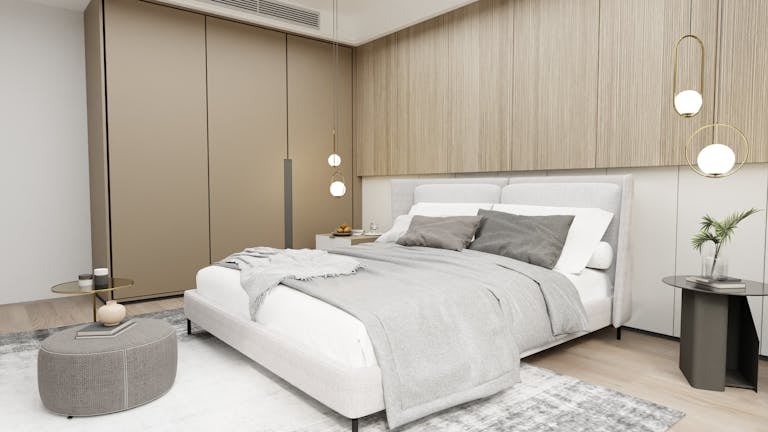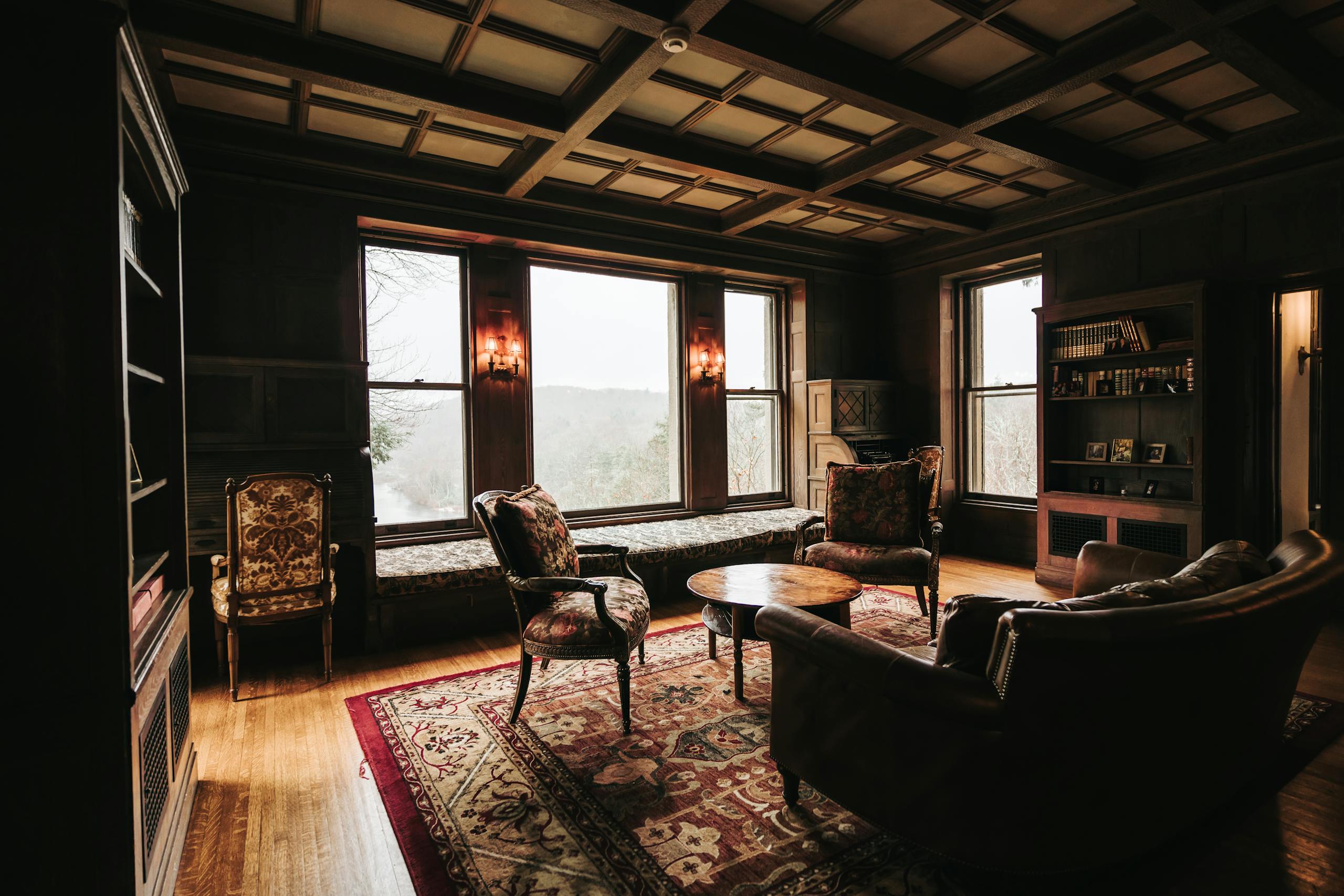

Millennials became a generation of homebodies through a combination of economic pressure, digital connection, and a quiet but growing recognition that home can be a place of genuine fulfillment rather than retreat. What started as necessity for many, handling student debt, expensive cities, and delayed traditional milestones, gradually became something more intentional: a conscious reshaping of what a good life actually looks like.
That shift didn’t happen in a vacuum. It happened alongside a broader cultural conversation about burnout, overstimulation, and the real cost of performing sociability you don’t feel. And for millions of introverted millennials, it felt less like a trend and more like finally being given permission to live the way they’d always been wired.
I’m one of them. I spent two decades running advertising agencies, managing teams, pitching Fortune 500 clients, and doing all the things that looked like thriving. From the outside, I was the opposite of a homebody. From the inside, I was counting down to the moment I could close the door behind me and decompress in silence. The millennial homebody story resonates with me not because I’m a millennial, but because the underlying psychology is identical to what I lived through for years before I understood my own wiring.
If you’re exploring what it means to build a life centered around your home environment, our Introvert Home Environment hub covers everything from sensory design to social rhythms, and it’s a good place to orient yourself before going deeper into any single piece of this conversation.
What Actually Drove Millennials Indoors?
The easy narrative is that millennials became homebodies because they’re lazy, avoidant, or addicted to screens. That narrative is wrong, and it’s worth unpacking why, because the actual drivers are far more interesting and far more structural.
What’s your personality type?
Take our free 40-question assessment and get a detailed personality profile with dimension breakdowns, context analysis, and personalised insights.
Discover Your Type8-12 minutes · 40 questions · Free
Start with economics. Millennials entered adulthood during or just after the 2008 financial crisis. Many carried significant student debt into a job market that offered less stability than their parents had experienced. Renting in expensive urban centers consumed a larger share of income than previous generations had faced at the same age. When your apartment costs that much, you start treating it differently. You invest in it emotionally. You make it work harder for you. You stop seeing it as a waystation and start seeing it as the actual center of your life.
Then add the rise of remote work infrastructure, which existed well before the pandemic but accelerated dramatically during it. A generation that had already been building home offices, home gyms, and home entertainment setups suddenly had cultural permission to lean fully into those choices. The pandemic didn’t create millennial homebodies. It revealed how many already existed and gave the rest a reason to become one.
There’s also the overstimulation factor. Cities are loud. Open offices are loud. Social calendars built around bars and crowded restaurants are loud. For people who process the world internally, that constant noise isn’t energizing. It’s depleting. Many millennials, whether or not they’d ever use the word introvert to describe themselves, discovered that their best thinking, their deepest relationships, and their most satisfying leisure happened at home. Not because they were hiding from life, but because home was where life actually felt good.
A piece in Frontiers in Psychology examining how environmental factors shape wellbeing supports what many introverts have known intuitively: the spaces we inhabit directly affect our cognitive and emotional functioning. For people wired toward internal processing, that connection between environment and wellbeing is especially pronounced.
Is the Homebody Label Really About Introversion?
Not entirely, but the overlap is significant enough to be worth examining honestly.
Introversion, as a personality orientation, describes where you draw energy from. Introverts recharge through solitude and internal reflection. They tend to prefer depth over breadth in social interaction. They often find large gatherings or prolonged social exposure genuinely tiring in a way that has nothing to do with shyness or social skill. Many introverts are excellent in social settings. They just need recovery time afterward.
The homebody identity maps onto this pretty cleanly. Home is where introverts can regulate their own sensory input, control the pace of interaction, and exist without performing. It’s not about rejecting the world. It’s about choosing the conditions under which you engage with it.
That said, plenty of extroverts became homebodies during the pandemic and stayed that way. The experience of building a genuinely comfortable, functional home environment changed how they related to being home. What started as necessity became preference. So the homebody identity isn’t exclusively introvert territory, but introverts were arguably better prepared for it and more likely to find it sustaining long-term.
I think about this in terms of my own experience managing teams at my agencies. I had extroverted account managers who thrived on client dinners, industry events, and the constant social energy of agency life. During the remote work periods, they struggled. Not because they couldn’t do the work, but because the work felt hollow without the in-person energy. My more introverted strategists and creatives, in contrast, often produced their best work during those same periods. The environment finally matched their processing style.
For highly sensitive people specifically, the homebody pull is even stronger. The concept of sensory sensitivity, explored thoughtfully in the approach behind HSP minimalism, describes how reducing environmental clutter and noise isn’t aesthetic preference for sensitive individuals. It’s a genuine wellbeing need. Many millennials who identify as highly sensitive found that building a simplified, intentional home environment wasn’t a lifestyle trend. It was self-preservation.
How Did Digital Connection Change the Homebody Experience?
One of the most significant shifts for millennial homebodies was the decoupling of social connection from physical presence. Previous generations faced a real trade-off: stay home and be isolated, or go out and be connected. That trade-off largely dissolved for millennials.
Online spaces made it possible to maintain meaningful friendships, build new communities, and engage in rich intellectual discourse without leaving the house. That’s not a consolation prize. For many introverts, text-based communication is genuinely preferable because it allows for the kind of considered, depth-oriented exchange that feels more natural than the rapid-fire small talk of in-person socializing.
Psychology Today has written about why introverts gravitate toward deeper conversations rather than surface-level social interaction, and digital spaces, when used intentionally, can actually facilitate that kind of depth more easily than a crowded party ever could. You can think before you respond. You can find people who share your specific interests. You can exit when you’re depleted without the social awkwardness of leaving early.
Online communities built specifically around introvert-friendly interaction, including spaces like the ones covered in our piece on chat rooms for introverts, represent a genuinely different model of social life. Not inferior to in-person connection. Different, with its own advantages for people who are wired for reflection over reaction.
What this means for the millennial homebody story is that staying home stopped meaning staying isolated. The social contract changed. You could be deeply connected to people across the world while sitting on your couch in your own city. That realization, once internalized, made the choice to stay home feel less like withdrawal and more like a reasonable allocation of energy.
What Does the Millennial Home Actually Look Like Now?
When you spend more time at home and you’ve made peace with that choice, you start investing in the space differently. The millennial home environment has become notably intentional. Not in the aspirational, Instagram-perfect sense, but in the functional sense of: this space needs to actually work for the life I’m living in it.
That shows up in how people furnish and use their spaces. The couch, for instance, has been culturally rehabilitated. It used to represent laziness in the cultural imagination. Spending your weekend on the couch was something you apologized for. Now it’s something you invest in thoughtfully. A well-chosen piece of furniture that supports reading, working, resting, and connecting with people you care about is a legitimate quality-of-life decision. Our piece on the homebody couch gets into exactly this kind of intentional home investment, and the thinking behind it reflects a broader shift in how homebodies relate to their physical spaces.
The gift economy around homebody culture has also shifted. Giving someone a gift that supports their home life used to feel like you were enabling their reclusiveness. Now it reads as understanding and respecting how they actually live. Our gifts for homebodies resource and the broader homebody gift guide reflect a cultural moment where home-centered living is recognized as a legitimate lifestyle worth supporting, not a phase someone needs to grow out of.
Reading has made a significant comeback in homebody culture as well. Not just as passive entertainment but as a core leisure activity that homebodies actively build their lives around. The resurgence of interest in books, home libraries, and reading nooks reflects something real about what introverted millennials are choosing to do with their reclaimed time. If you’re looking for a starting point in that direction, the homebody book is worth exploring as an entry point into this particular slice of home-centered culture.

Did the Pandemic Create Homebodies or Just Name Them?
This is a question worth sitting with, because the answer shapes how we understand the cultural moment we’re in.
My read is that the pandemic named something that already existed. It gave language and cultural visibility to a way of living that millions of introverted, sensitive, or simply home-preferring people had been practicing quietly for years without a clear identity around it. Before 2020, saying you preferred staying home to going out carried a faint social stigma. After 2020, it became a recognized lifestyle category with its own aesthetic, its own economy, and its own community.
That naming matters. When something is named, it can be claimed. Millennials who had been quietly choosing home-centered lives for years suddenly had a framework for understanding and articulating that choice. The homebody identity gave them a way to say: this is who I am, not just what I’m doing right now.
There’s something worth noting here about identity formation more broadly. As someone who spent years trying to perform extroversion in professional settings, I know what it feels like to lack a clear name for your actual orientation. When I finally understood what being an INTJ meant, and what introversion actually described, something shifted. Not in my behavior, which had always been more internally driven than I’d admitted, but in my relationship to that behavior. I stopped apologizing for it. The naming gave me permission to own it.
The millennial homebody story follows a similar arc. The pandemic accelerated the naming process. What came after was a generation claiming the identity rather than hiding it.
Is Staying Home Actually Good for You?
This question gets asked in a slightly loaded way sometimes, as if the answer is obviously no and the homebody just needs to be convinced to go outside. The more honest answer is: it depends entirely on whether you’re choosing it or defaulting into it.
Intentional home-centered living, where you’ve built a space that supports your wellbeing, maintained connections that feel meaningful, and structured your days around activities that genuinely restore you, is associated with lower stress and better self-regulation for people with introverted or sensitive temperaments. The research literature on stress and recovery consistently points to the importance of having genuine restorative environments. For many people, home is that environment. Work published through PubMed Central on stress recovery reinforces that access to low-stimulation, personally meaningful environments plays a real role in physiological and psychological restoration.
The distinction that matters is between restorative solitude and avoidant isolation. Restorative solitude is chosen, purposeful, and leaves you feeling replenished. Avoidant isolation is driven by anxiety, leaves you feeling worse over time, and tends to shrink your world rather than deepen it. Most millennial homebodies, in my observation, are practicing the former. They’re not hiding from life. They’re living it on terms that actually work for their nervous systems.
There’s also the question of social connection quality versus quantity. Staying home more often doesn’t mean connecting less. It often means connecting differently, in smaller groups, through more considered communication, with people you’ve specifically chosen rather than whoever happened to show up at the same event. For introverts, that trade-off tends to feel like an upgrade.
A perspective from PubMed Central examining social wellbeing suggests that connection quality, characterized by depth, reciprocity, and genuine understanding, tends to matter more for sustained wellbeing than connection frequency. That’s something introverted homebodies have arguably been practicing by instinct for years.

What Does This Mean for How Millennials Work and Build Careers?
The homebody shift has professional implications that go beyond just preferring remote work. It reflects a deeper reorientation around what success is supposed to look like and what you’re willing to trade for it.
For much of the 20th century, career advancement was visibly social. You built relationships at the office, at industry events, over dinners and drinks. Visibility equaled opportunity. The introvert who preferred to do excellent work quietly and go home was structurally disadvantaged in that system, not because their work was worse, but because the system rewarded presence and performance in ways that didn’t align with how they naturally operated.
Remote and hybrid work models have partially disrupted that structure. When output is more visible than presence, introverts often thrive. When written communication is valued alongside verbal communication, the introvert who thinks carefully before responding has an advantage rather than a liability. The millennial homebody who’s built a productive, creative home environment isn’t opting out of ambition. In many cases, they’re building the conditions in which their particular kind of ambition can actually flourish.
I watched this play out in my own agencies. My most introverted strategists, the ones who would have been overlooked in a traditional office environment because they didn’t dominate meetings or work the room at client events, consistently produced the most incisive thinking. When I restructured how we ran strategy sessions to include more written pre-work and smaller group discussions, their contributions became visible in ways the old model had obscured. The homebody instinct, the preference for depth over performance, was an asset the environment had been suppressing.
There’s a broader point here about how introverts approach professional contexts that’s worth exploring. The Rasmussen College perspective on marketing for introverts touches on how introverts bring genuine strengths to fields that are often assumed to favor extroverts, and the same logic applies across industries. The millennial homebody who’s built a rich inner life and a functional home environment isn’t less professionally capable. They’re often more focused, more self-directed, and better at the kind of sustained, deep work that produces lasting results.
Where Does the Homebody Generation Go From Here?
The millennial homebody story isn’t finished. It’s still being written, and the next chapter involves a generation that’s now old enough to have real influence over workplace culture, urban design, consumer markets, and social norms.
What’s already visible is a cultural permission structure that didn’t exist twenty years ago. Saying you’d rather stay in than go out no longer requires an excuse. Choosing a smaller social circle over a wide network is recognized as a valid preference rather than a personal failure. Building a home environment that genuinely supports your wellbeing is understood as a form of self-awareness rather than self-indulgence.
That permission structure matters for younger generations coming up behind millennials who are watching how this plays out. If the millennial homebody generation successfully demonstrates that you can live well, connect meaningfully, work effectively, and find genuine satisfaction from a home-centered life, that changes the cultural script for everyone who comes after them.
It also matters for older introverts, like me, who spent years performing a version of ourselves that didn’t fit. Watching a generation claim this identity publicly and without apology is genuinely encouraging. It suggests the cultural tide is moving in a direction where introversion and home-centeredness are understood as legitimate orientations rather than problems to correct.
The work ahead is making sure that permission extends to everyone, not just those who fit the aesthetic version of the homebody identity. The introverted single parent, the homebody who lives in a small apartment in a loud city, the person whose home-centered life doesn’t look curated or comfortable by external standards. The millennial homebody generation has done the work of normalizing the choice. The next step is making sure the infrastructure, cultural, economic, and spatial, actually supports it for people across different circumstances.

There’s a lot more to explore when it comes to building a home environment that genuinely supports introvert wellbeing. Our complete Introvert Home Environment hub pulls together resources on everything from sensory design to social rhythms to the specific choices that make home feel like a place of genuine restoration rather than just a place you sleep.
About the Author
Keith Lacy is an introvert who’s learned to embrace his true self later in life. After 20 years in advertising and marketing leadership, including running agencies and managing Fortune 500 accounts, Keith now channels his experience into helping fellow introverts understand their strengths and build fulfilling careers. As an INTJ, he brings analytical depth and authentic perspective to every article, drawing from both professional expertise and personal growth.
Frequently Asked Questions
Why did millennials become homebodies more than previous generations?
Millennials became homebodies through a combination of structural and cultural factors. Economic pressures like student debt and high housing costs led them to invest more deeply in their home environments. The rise of remote work and digital connection removed the trade-off between staying home and staying connected. And a broader cultural conversation about burnout and overstimulation gave language and permission to a preference that many had already been living quietly. The pandemic accelerated all of these trends but didn’t create them from scratch.
Is being a homebody the same as being introverted?
Not exactly, though the overlap is significant. Introversion is a personality orientation describing where you draw energy from, specifically from solitude and internal reflection rather than external social stimulation. The homebody identity describes a lifestyle preference for home-centered living. Many introverts are naturally drawn to homebody living because home is where they can regulate their environment and recharge effectively. Yet some extroverts also identify as homebodies, particularly after experiencing how rewarding a well-built home environment can be. The two identities often travel together but aren’t identical.
Is staying home too much actually bad for your mental health?
The answer depends on the quality of the choice. Intentional home-centered living, where you’ve built meaningful connections, purposeful routines, and a restorative environment, tends to support wellbeing for introverted and sensitive people. Avoidant isolation, driven by anxiety and characterized by shrinking social contact and increasing disconnection, is a different matter and warrants attention. The distinction is whether your home life feels expansive and chosen or contracted and driven by fear. Most millennials who identify as homebodies are in the former category, living intentionally rather than hiding.
How has remote work changed the millennial homebody experience?
Remote work removed one of the primary reasons introverted homebodies had to leave the house daily, and it validated the home as a legitimate site of productive professional life. For many millennial homebodies, the shift to remote work felt like the professional world finally catching up to how they’d always preferred to operate. It also changed the metrics of professional visibility. When written output and results matter more than in-person presence, introverts who prefer considered communication over performative visibility often find their contributions recognized in new ways.
What makes a home environment genuinely supportive for introverts?
A genuinely supportive home environment for introverts tends to have several qualities: low sensory noise, meaning controlled lighting, sound, and visual clutter; dedicated spaces for different kinds of activity like focused work, reading, and rest; and a design that reflects personal meaning rather than external performance. Highly sensitive introverts often benefit from minimalist approaches that reduce unnecessary stimulation. The goal is a space where your nervous system can genuinely rest and where you can think clearly without managing constant environmental demands. That kind of environment doesn’t require a large home or significant expense. It requires intentionality.