
Self-care for introverts isn’t a luxury or an indulgence. It’s the foundational practice that keeps your nervous system regulated, your relationships intact, and your inner world from quietly collapsing under the weight of too much external demand. When you understand how your wiring actually works, self-care stops feeling like something you have to justify and starts feeling like the most rational thing you can do.
My own relationship with self-care took an embarrassingly long time to develop. I spent the better part of two decades running advertising agencies, managing large teams, pitching Fortune 500 clients, and attending more networking events than I care to count. The entire industry rewarded visibility, energy, and availability. As an INTJ who genuinely needed quiet time to think clearly, I kept treating my need for solitude as a weakness to overcome rather than a signal to honor. The cost of that approach was significant, and I’m still unpacking it.
What changed wasn’t my personality. What changed was my understanding of it.
If you’re exploring this topic more broadly, our Solitude, Self-Care and Recharging hub covers the full landscape of how introverts can protect their energy, restore their focus, and build sustainable rhythms into daily life. This article adds a specific layer to that conversation: what self-care actually looks like when you take introvert neurology seriously, and why getting it right matters more than most people realize.
Why Do Introverts Experience Burnout Differently Than Extroverts?
Burnout isn’t exclusive to introverts, but the pathway there tends to look different. For extroverts, burnout often comes from overwork in isolation, too much time alone without social energy to draw from. For introverts, the more common pattern is chronic overstimulation: too many meetings, too much noise, too many social obligations stacked end to end with no recovery built in.
What’s your personality type?
Take our free 40-question assessment and get a detailed personality profile with dimension breakdowns, context analysis, and personalised insights.
Discover Your Type8-12 minutes · 40 questions · Free
I’ve watched this play out in real time. At one of my agencies, I had a creative director who was one of the most talented people I’ve ever worked with. Quiet, observant, brilliant in small group settings. She started showing up to work looking hollowed out about eight months into a particularly demanding campaign cycle. Her output didn’t drop immediately, but her ideas got flatter. Her responses got shorter. When I finally sat down with her one-on-one, she told me she hadn’t had a single evening to herself in three months. Every weekend had been a client event, a team dinner, or a pitch rehearsal.
What she was describing wasn’t laziness or weakness. It was a nervous system that had been running on empty for so long it had stopped signaling distress and started going numb. That’s what chronic social overstimulation does to introverts. And it’s worth understanding why.
Introverts process stimulation more deeply than extroverts. This isn’t a character flaw. It’s a neurological reality. Social interaction, ambient noise, competing demands, and emotional input all require more processing bandwidth. That’s why a full day of back-to-back meetings leaves an introvert exhausted in a way that a full day of focused solo work simply doesn’t. The energy equation is different, and self-care has to account for that difference.
Understanding what happens when introverts don’t get alone time is genuinely sobering. The effects move through cognitive function, emotional regulation, physical health, and relationship quality in ways that compound over time. Self-care isn’t a nice-to-have. It’s the system that prevents that cascade from starting.
What Does Effective Self-Care Actually Look Like for Introverts?
The word self-care has been co-opted by marketing to mean bubble baths and scented candles, which is unfortunate because it makes the whole concept easy to dismiss. Real self-care for introverts is about building a life that doesn’t require you to constantly override your own nervous system just to get through the day.
That looks different for everyone, but there are some consistent principles that tend to matter most.
Solitude isn’t optional. It’s structural. For introverts, time alone isn’t just pleasant. It’s the mechanism by which the nervous system resets. Without it, everything else degrades. Cognitive clarity dims. Emotional patience thins. Creative thinking stalls. I noticed this pattern in myself most clearly during a period when I was running two agency offices simultaneously and commuting between cities. My alone time had been reduced to the forty minutes I spent in the car between the airport and my house. That’s not recovery. That’s a very slow kind of depletion.
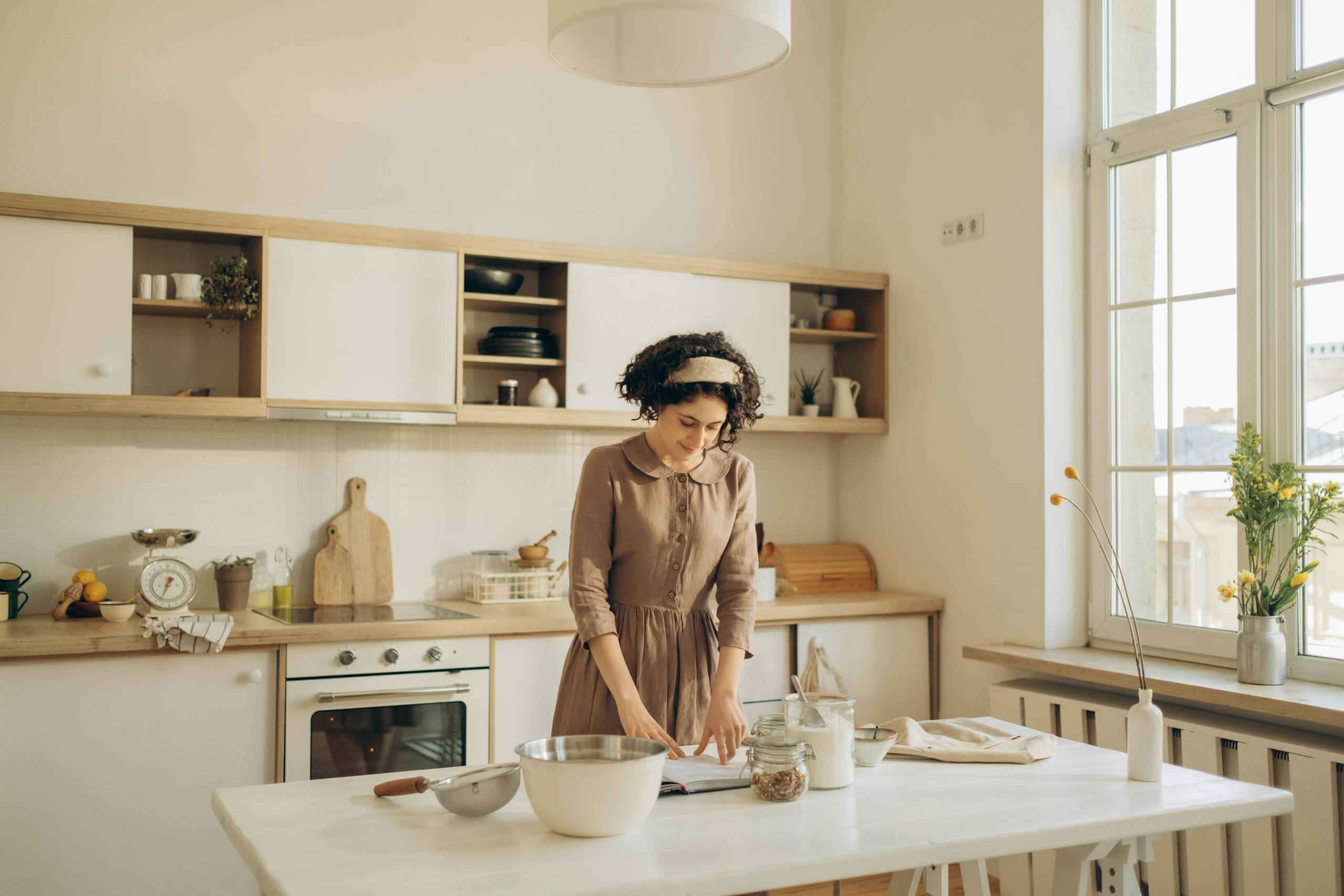
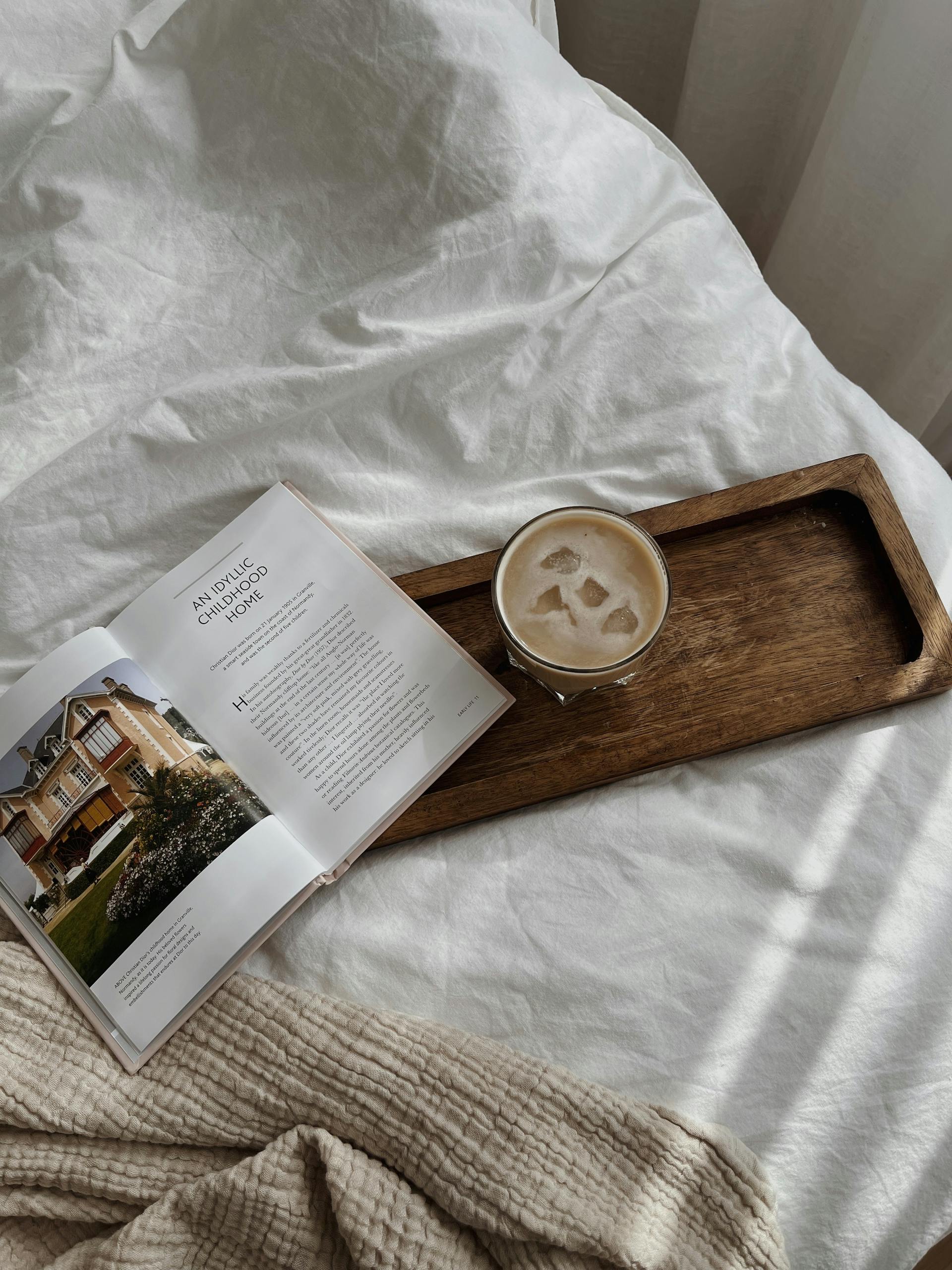
The practices that tend to work best are ones that reduce external input while allowing internal processing to happen naturally. Reading, walking without headphones, journaling, cooking something from scratch, sitting outside without a phone. None of these are complicated. What makes them powerful is consistency and the intention behind them.
For those who identify as highly sensitive, these needs are amplified further. HSP self-care requires daily practices that go beyond occasional rest. Highly sensitive people often experience emotional and sensory input more intensely, which means their self-care routines need to be more deliberate and more protective than what works for the average person.

How Does Sleep Factor Into Introvert Self-Care?
Sleep is where I made my most costly mistakes for years. I treated it as the variable I could compress when deadlines got tight or client demands got loud. Late nights reviewing creative decks, early mornings before presentations, red-eye flights to make Monday morning meetings. I told myself I was fine. My body disagreed, quietly and persistently.
For introverts, sleep isn’t just physical recovery. It’s cognitive and emotional recovery. The deep processing that characterizes introvert thinking continues during sleep. Dreams tend to be vivid and emotionally complex. The brain is working through the day’s inputs, filing away observations, making connections. Cutting into that process consistently has real consequences for mood, creativity, and decision-making quality.
There’s also a specific challenge around sleep that introverts and highly sensitive people share: difficulty winding down after socially demanding days. When you’ve spent eight or ten hours managing stimulation, your nervous system doesn’t flip off like a light switch at bedtime. It keeps processing. Which is why the hour or two before sleep matters so much, and why screen time, difficult conversations, or emotionally charged content right before bed tends to make things worse.
The strategies around HSP sleep and recovery offer a useful framework here, even if you don’t identify as highly sensitive. The principle is the same: create a consistent wind-down ritual that signals to your nervous system that the day is done and it’s safe to let go.
A 2021 study published in Frontiers in Psychology found meaningful connections between personality traits and sleep quality, suggesting that individual differences in how people process experience extend into sleep patterns. This isn’t surprising if you’ve ever lain awake replaying a difficult meeting or mentally drafting a response to an email you haven’t sent yet.
Can Nature Be a Form of Self-Care for Introverts?
Without question. And I say that as someone who spent the majority of his career in urban environments, surrounded by concrete and conference rooms, who only started taking this seriously in his forties.
There’s something about natural environments that does something specific for the introvert nervous system. The stimulation is different. It’s complex but not demanding. A forest or a shoreline or even a city park presents an enormous amount of sensory information, but none of it requires a response. You don’t have to answer it, manage it, or perform for it. You can simply receive it.
That distinction matters more than it sounds. Most of the stimulation introverts deal with in professional and social settings is interactive. It demands something back. Nature doesn’t. And that quality of non-demanding complexity is genuinely restorative in a way that sitting in a quiet room sometimes isn’t.
The research on this is worth paying attention to. The Greater Good Science Center at Berkeley has explored how solitude, including time spent in natural settings, can support creative thinking and emotional restoration. The mechanism appears to involve giving the brain space to wander without external direction, which is exactly what introverts need after extended periods of focused social engagement.
For those who want to think more intentionally about this, the exploration of nature connection as a healing practice goes into genuine depth about why outdoor time functions differently than other forms of rest, and how to build it into a realistic routine.
What Role Does Solitude Play in Long-Term Wellbeing?
There’s an important distinction that gets lost in most conversations about self-care: the difference between solitude and loneliness. They feel completely different from the inside, and they have very different effects on health.
Loneliness is the painful awareness of unwanted disconnection. It’s associated with real health risks. The CDC has documented the links between social isolation and elevated risks for depression, anxiety, and physical health decline. That’s a genuine concern worth taking seriously.
Solitude is something else entirely. It’s chosen aloneness, pursued with intention, and it tends to produce the opposite effects. Clarity. Restoration. A sense of being returned to yourself after a period of being stretched outward. Psychology Today has explored how embracing solitude can contribute to better psychological health, particularly for people who are wired to find social interaction taxing rather than energizing.
Introverts have always known this intuitively. The problem is that the culture around us tends to conflate the two, treating any preference for alone time as a warning sign rather than a healthy orientation. I spent years internalizing that conflation. I’d come home from an exhausting client event, desperately needing two hours of quiet, and feel vaguely guilty about it. Like wanting to be alone meant something was wrong with me.
Nothing was wrong with me. I just needed to understand what solitude actually was and stop treating it like a symptom.
The depth of this topic is worth exploring further. The piece on HSP solitude and the essential need for alone time articulates why this isn’t just a preference but a genuine psychological requirement for people with sensitive, deeply processing nervous systems.
And sometimes solitude looks surprisingly simple. A few years ago, I wrote about my dog Mac and the particular quality of quiet we’d find together on early morning walks before the city woke up. That piece on Mac and alone time still resonates with people, I think, because it captures something true: solitude doesn’t always mean being completely alone. Sometimes it means being in the company of something that asks nothing of you.
How Do You Build a Self-Care Routine That Actually Holds?
Most self-care advice fails introverts because it’s built on a generic model that doesn’t account for how introvert energy actually works. The advice tends to be additive: add a meditation practice, add a gratitude journal, add a morning workout. But for many introverts, the problem isn’t a lack of practices. It’s a structural overcrowding of the schedule that leaves no margin for any of those practices to actually happen.
Sustainable self-care for introverts tends to require subtraction before addition. What can come off the calendar? What social obligations are genuinely optional? Where are the pockets of time that could be protected rather than filled?
At one point in my agency years, I made a decision that felt radical at the time: I blocked ninety minutes every day on my calendar as “strategic thinking time” and refused to let anyone schedule over it. My team thought I was attending some kind of regular external meeting. In reality, I was sitting in my office with the door closed, thinking. No agenda, no output required. Just processing space.
That ninety minutes made everything else better. My decisions were sharper. My creative feedback was more useful. My patience in difficult client conversations improved noticeably. I’d accidentally built a self-care practice into my workday by calling it something that sounded productive enough to protect.
The principle generalizes. Introverts often need to reframe self-care as infrastructure rather than indulgence. It’s not something you do after you’ve earned it. It’s the thing that makes everything else function properly.
What About the Physical Dimension of Introvert Self-Care?
Physical health and introvert self-care are more connected than most people discuss. The nervous system dysregulation that comes from chronic overstimulation doesn’t stay in the psychological realm. It shows up in the body.
I noticed this most clearly in my mid-forties, during a stretch when the agency was going through a difficult acquisition process. The stress was relentless and almost entirely social in character: negotiations, stakeholder meetings, legal reviews, staff uncertainty. My body started registering it in ways I couldn’t ignore. Poor sleep. A persistent tension headache that lived between my shoulder blades. A general sense of physical heaviness that I kept attributing to other causes.
What I was experiencing wasn’t mysterious. It was the physical expression of a nervous system that had been on high alert for too long without adequate recovery. The connection between psychological stress and physical health outcomes is well-documented. Research published in PubMed Central has examined how chronic stress affects immune function, cardiovascular health, and inflammatory markers in ways that accumulate over time.
For introverts, the physical self-care piece often means paying attention to the body’s early warning signals before they become louder problems. Tension in the neck and shoulders. Disrupted digestion. Fatigue that sleep doesn’t fix. These are often the body’s way of communicating what the mind has been ignoring: that the balance has tipped too far toward output and stimulation, and recovery is overdue.
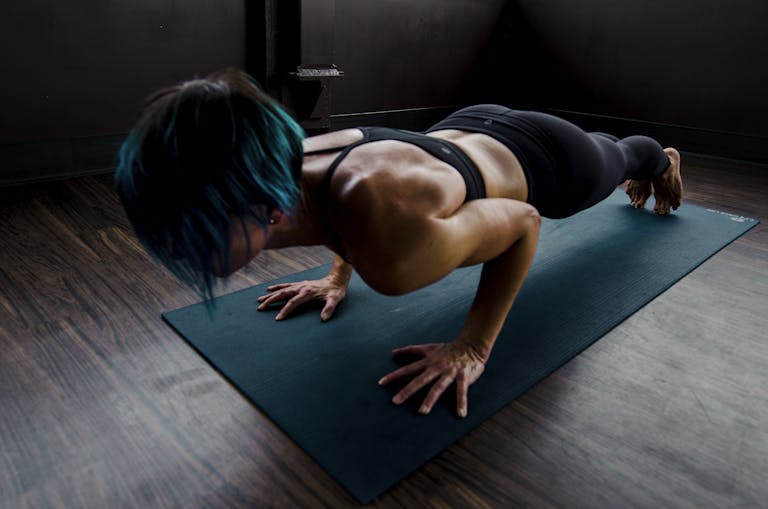
Physical movement that doesn’t require social performance tends to work particularly well. Solo running, swimming, yoga practiced quietly at home, cycling without a group. The body gets what it needs without the nervous system having to manage additional social input at the same time. That combination of physical activity and solitude is genuinely powerful for introverts in a way that group fitness classes, however effective for some people, often aren’t.
How Does Self-Care Affect Introvert Relationships and Social Energy?
There’s a counterintuitive truth here that took me a long time to accept: the more consistently I protect my alone time, the better I am in the relationships and social situations that matter to me.
When I was running on empty, my social interactions were thin. I was present in body but not in mind. I’d sit across from a client at dinner and be mentally somewhere else, running calculations, processing earlier conversations, trying to manage the fatigue. The quality of connection was poor, and I could feel it even if they couldn’t always name it.
When I had adequate recovery time, those same interactions were completely different. I was genuinely curious. I asked better questions. I remembered details from previous conversations and followed up on them. The introvert’s natural capacity for deep, attentive engagement, the thing that makes us genuinely good in one-on-one settings, came through clearly.
Self-care doesn’t make introverts more like extroverts. It makes introverts more fully themselves. And the version of yourself that emerges after adequate rest and solitude is usually the version that other people find most compelling to be around.
There’s also an important point about social connection itself. Introverts aren’t antisocial. Many of us genuinely value deep relationships and meaningful conversation. What we don’t value is the performance of sociability, the constant availability, the small talk, the networking for its own sake. Harvard Health has written thoughtfully about the distinction between loneliness and isolation, and how meaningful connection matters for health in ways that sheer social volume doesn’t replicate. Quality over quantity is a cliche that happens to be true.

What Gets in the Way of Introverts Prioritizing Self-Care?
Guilt is the most common obstacle, and it operates at multiple levels. There’s the cultural guilt that says productivity is virtue and rest is laziness. There’s the professional guilt that says being available is the same as being committed. And there’s a more personal guilt that many introverts carry, the sense that needing more recovery than the people around you means something is wrong with you.
None of these are true, but they’re persistent.
A related obstacle is the tendency to treat self-care as something you earn rather than something you maintain. This shows up as the promise you make to yourself after a brutal week: “I’ll take it easy this weekend.” But sustainable wellbeing doesn’t work on a reward schedule. It works on a maintenance schedule. Waiting until you’re depleted to start recovering is like waiting until your car runs out of gas before you consider stopping at a station.
There’s also the practical challenge of protecting time in environments that don’t value it. Open office plans, always-on communication tools, cultures that measure commitment by hours visible rather than output quality. These are real structural barriers, not personal failures. Working around them requires either negotiating explicitly for protected time, which I eventually learned to do, or finding the margins within the structure that can be quietly claimed.
A piece worth reading on the broader science of solitude and its benefits: this PubMed Central publication examines how voluntary solitude functions as a psychological resource, distinct from loneliness, with measurable positive effects on wellbeing. Having that framing available can help when you need to articulate, to yourself or to others, why alone time isn’t a problem to solve but a need to meet.
How Do You Know When Your Self-Care Is Actually Working?
The signs are quieter than you might expect. You don’t wake up one morning feeling transformed. What happens is more gradual and more real than that.
You start noticing that you have opinions again. When you’re depleted, opinions require energy you don’t have. You go along with things, defer to others, let decisions happen around you because forming a genuine perspective feels like too much work. When you’re recovered, your own point of view comes back online. You have preferences. You push back on ideas that don’t sit right. You contribute something that’s actually yours.
You also start noticing that social interactions feel less costly. Not effortless, necessarily, but proportionate. A two-hour dinner with people you care about leaves you pleasantly tired rather than hollowed out. A difficult meeting leaves you thoughtful rather than devastated. The recovery time required after social engagement shortens, because you’re not starting from a deficit.
Creativity comes back in a recognizable way. For introverts who do any kind of creative or strategic work, this is often the most reliable indicator. When I was consistently depleted, my creative thinking was reactive. I could evaluate ideas others brought me, but I wasn’t generating anything original. When I was well-rested and had adequate solitude, the ideas came back. Not always on demand, but reliably, in the margins of quiet time, in the shower, on walks, in that particular state between waking and sleeping.
That’s the introvert mind working as it’s designed to work. And it’s worth protecting fiercely.
There’s a lot more to explore on this topic across the full range of practices that support introvert wellbeing. Our complete Solitude, Self-Care and Recharging hub brings together everything from daily routines to deeper recovery strategies, and it’s a good place to continue if this article has opened up questions you want to think through further.
About the Author
Keith Lacy is an introvert who’s learned to embrace his true self later in life. After 20 years in advertising and marketing leadership, including running agencies and managing Fortune 500 accounts, Keith now channels his experience into helping fellow introverts understand their strengths and build fulfilling careers. As an INTJ, he brings analytical depth and authentic perspective to every article, drawing from both professional expertise and personal growth.
Frequently Asked Questions
What is the most important self-care practice for introverts?
Protecting regular, intentional alone time is the foundation of everything else. Without adequate solitude, other self-care practices don’t have the conditions they need to work. Introverts restore energy through quiet, internal processing, and no amount of physical wellness or sleep hygiene fully compensates for a consistent deficit in genuine alone time. Start there before adding anything else to your routine.
How does introvert self-care differ from general self-care advice?
Most mainstream self-care advice is built around a social model, group fitness classes, community activities, shared experiences. For introverts, the most restorative practices tend to be solo ones: reading, solo walks in nature, journaling, quiet creative work, or simply sitting without external input. The difference isn’t about being antisocial. It’s about understanding that introverts recharge through inward-facing activities rather than outward-facing ones, and designing a routine that reflects that reality.
Can too much alone time be harmful for introverts?
Yes, though the risk is often overstated. Chosen solitude is healthy and restorative. Prolonged isolation that produces loneliness or disconnection from meaningful relationships is a different matter and carries real wellbeing risks. The distinction is choice and quality of connection. Introverts who maintain a few deep, meaningful relationships alongside their need for solitude tend to thrive. The goal isn’t maximum alone time. It’s the right balance of solitude and genuine connection for your particular nervous system.
How do introverts practice self-care in demanding work environments?
The most effective strategy is creating protected pockets of time within the workday rather than waiting until after hours. Blocking time on the calendar for focused solo work, taking lunch breaks alone even briefly, choosing communication methods that allow for considered responses rather than constant real-time interaction, and being selective about which meetings require physical presence are all practical approaches. The goal is reducing unnecessary social stimulation during the workday so you arrive home with something left in reserve.
What are early warning signs that an introvert needs more self-care?
Watch for a flattening of opinions and preferences, difficulty generating original ideas, reduced patience in conversations you’d normally enjoy, physical tension particularly in the neck and shoulders, sleep that doesn’t feel restorative, and a general sense of going through motions without genuine engagement. These tend to appear before the more obvious signs of burnout and are worth taking seriously early. Catching the pattern at this stage is much easier than recovering from full depletion.