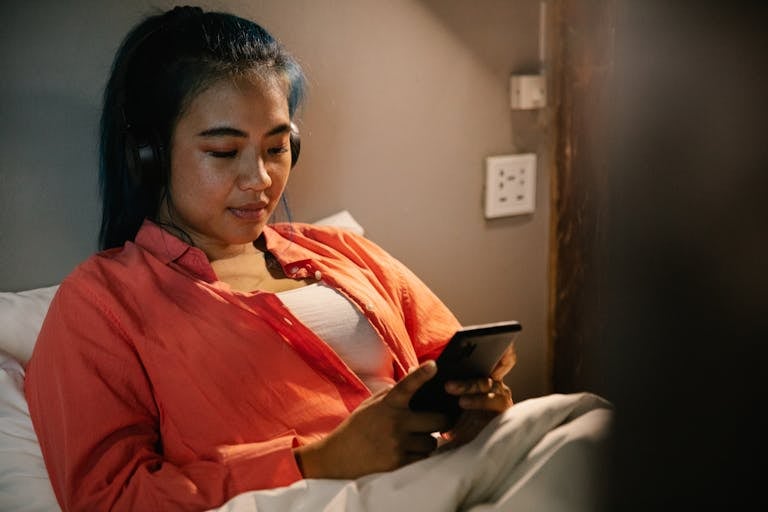

Spending alone time can help you find yourself by creating the mental space needed to hear your own thoughts clearly, separate your values from external expectations, and reconnect with who you actually are beneath the roles you perform for others. For introverts especially, solitude isn’t a retreat from life. It’s where life makes sense.
Most people treat alone time like a gap between obligations. Something to fill, shorten, or apologize for. I spent the better part of two decades doing exactly that, scheduling every quiet hour with something productive, something billable, something that proved I was engaged. What I didn’t realize was that all that busyness was keeping me a stranger to myself.

Solitude, when you actually let it work, does something that no personality assessment or career coach can replicate. It gives you access to yourself. Not the version of you that shows up in meetings or on social media, but the quieter, more honest version that knows what you actually want, what genuinely drains you, and what you’ve been ignoring for years.
If you’re exploring this topic, you’re probably already sensing that your relationship with alone time is more complicated than the world gives you credit for. Our Solitude, Self-Care and Recharging hub covers the full range of how introverts can use quiet time intentionally, and this article adds one more layer: how solitude becomes the specific tool for self-discovery that many of us have needed all along.
Why Does Alone Time Feel Like the Wrong Answer?
There’s a persistent cultural message that self-knowledge comes from engagement. From feedback loops, from relationships, from being seen by others. Therapy helps. Mentors help. Honest conversations with people you trust help enormously. But somewhere in that framework, we’ve lost the idea that you can also simply sit with yourself and learn something.
What’s your personality type?
Take our free 40-question assessment and get a detailed personality profile with dimension breakdowns, context analysis, and personalised insights.
Discover Your Type8-12 minutes · 40 questions · Free
When I was running my agency, I operated inside a system that rewarded constant availability. Clients expected fast responses. My team needed direction. Vendors needed sign-offs. The phone was always somewhere nearby, and silence felt like a signal that something was wrong. I remember a period in my late thirties when I genuinely couldn’t have told you what I enjoyed doing when no one needed anything from me. That question had simply stopped occurring to me.
That’s what prolonged busyness does. It doesn’t just fill your calendar. It fills the space where self-awareness used to live. And for introverts, who process the world internally and need quiet to think clearly, the cost of that constant noise is especially high. If you’ve ever wondered what actually happens physiologically and emotionally when that quiet disappears, what happens when introverts don’t get alone time lays it out in a way that might feel uncomfortably familiar.
Alone time feels like the wrong answer partly because we’ve been taught that introspection is navel-gazing. That sitting with your own thoughts is indulgent when there are things to do. But that framing confuses productivity with self-knowledge, and those are not the same thing. You can be extraordinarily productive for decades and still not know what you actually value, what kind of life you’re building, or whether the version of yourself you’re showing the world reflects anything true.
What Actually Happens in Solitude That Doesn’t Happen Elsewhere?
Solitude creates conditions that social environments simply can’t replicate. When you’re alone, you’re not performing. You’re not managing how you’re perceived, moderating your reactions for an audience, or filtering your thoughts through the lens of what someone else needs to hear. The social mask comes off, and what’s underneath is often more revealing than anything a personality quiz can surface.
One thing that consistently surprised me in my quieter moments was how many of my “preferences” turned out to be inherited rather than chosen. I had spent years believing I was energized by high-stakes pitches and client entertainment because that’s what the agency world rewarded, and I was good at it. It wasn’t until I started carving out genuine alone time, not vacation, not downtime between tasks, but actual unstructured quiet, that I realized I had been performing competence in those situations rather than experiencing genuine engagement. There’s a meaningful difference.
Psychologically, solitude allows what researchers sometimes call “self-referential processing,” the brain’s ability to consolidate experience, make meaning from it, and connect it to identity. Published research in PMC points to solitude as a context that supports emotional regulation and self-understanding in ways that social interaction often interrupts. When you’re alone, your mind naturally begins to sort, to organize, to ask questions it can’t ask when someone else is in the room.
There’s also something worth naming about creativity. Berkeley’s Greater Good Science Center has explored how solitude can support creative thinking, not because isolation is inherently inspiring, but because the absence of external input gives your mind room to make connections it wouldn’t otherwise make. Some of my most useful strategic insights over the years came not in brainstorming sessions but in the quiet hour before the office filled up, when I could think without interruption.
Solitude also gives you access to your emotional state without the noise of other people’s reactions. Many introverts, particularly those who are also highly sensitive, carry a lot of other people’s emotional weather without realizing it. The quiet of alone time lets that settle. It lets you ask: which of these feelings are actually mine?
How Do You Use Alone Time for Self-Discovery Rather Than Just Escape?
This is where most people get stuck. They know they need alone time. They protect it fiercely. But they spend it scrolling, watching, consuming, doing anything that fills the silence without actually engaging with it. That’s not solitude for self-discovery. That’s solitude as distraction, which is a different thing entirely.
Genuine self-discovery in solitude requires some degree of intentionality. Not a rigid agenda, but a willingness to sit with questions rather than immediately answering them. What do I actually want right now? Not what I’m supposed to want, not what makes sense given my career or my relationships, but what do I, specifically, want? That question sounds simple. It’s not. Most of us have spent so long orienting to external expectations that the genuine answer takes time to surface.
Journaling is one of the most reliable tools I’ve found for this. Not journaling as record-keeping, but journaling as excavation. Writing without editing, following a thought wherever it goes, noticing what surprises you when it appears on the page. I started doing this seriously in my mid-forties, and the things that came out in those early pages genuinely caught me off guard. Resentments I hadn’t acknowledged. Ambitions I’d buried because they didn’t fit the professional identity I’d built. Preferences I’d dismissed as impractical years earlier.
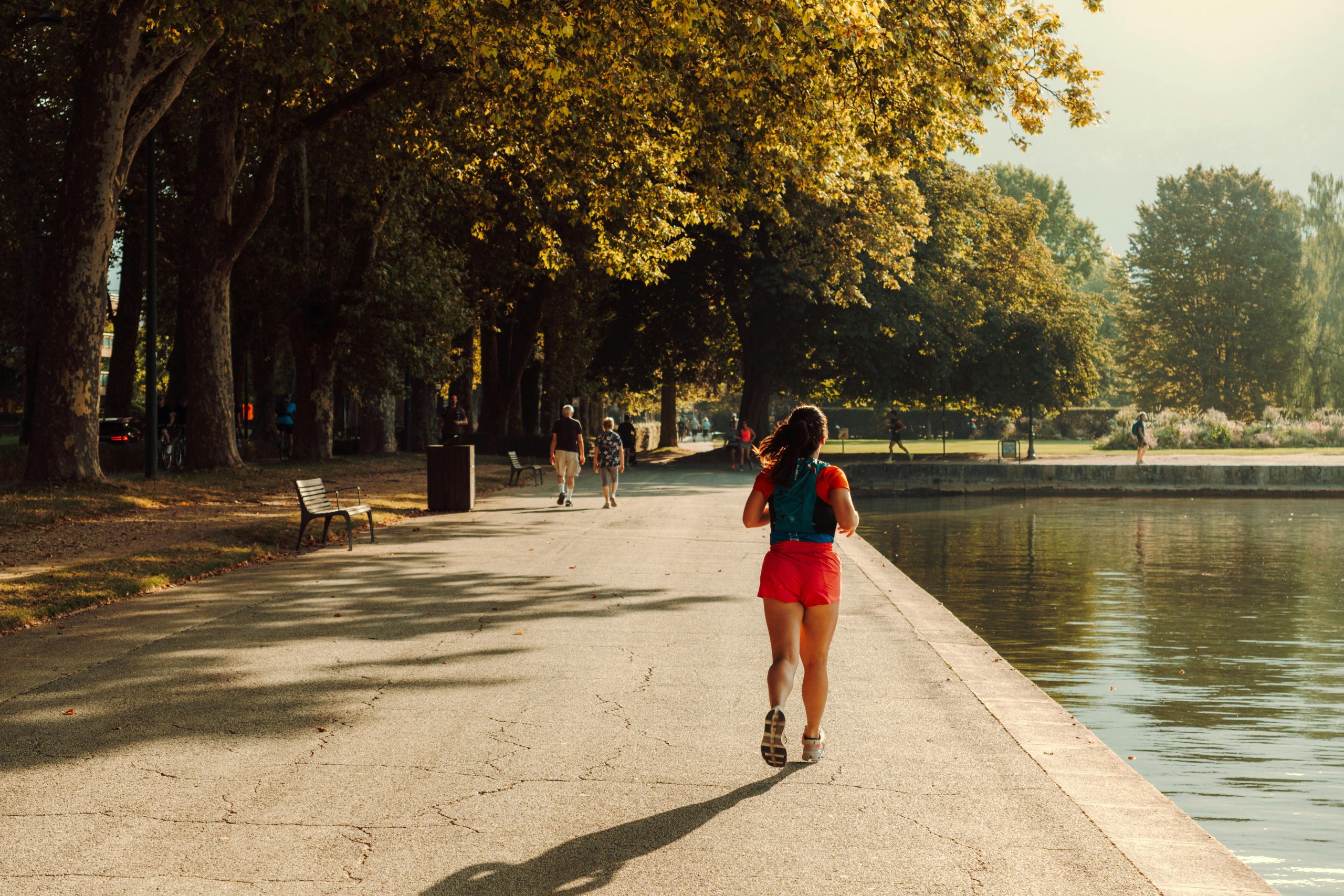
Physical solitude also works in ways that sitting still sometimes doesn’t. Walking alone, particularly in natural environments, has a way of loosening thoughts that feel stuck when you’re stationary. There’s something about moving through space without a destination that allows the mind to wander productively. The connection between nature and emotional clarity is something many highly sensitive people describe with particular intensity, and the exploration of HSP nature connection and the healing power of the outdoors speaks directly to why that combination tends to work so well.
Another approach that’s served me well is simply doing nothing with full permission. Not meditating, not reflecting on a specific question, just allowing the mind to move without direction. This feels profoundly uncomfortable at first, especially for high-achievers who have internalized the idea that stillness is waste. But what often emerges from that unstructured space is genuinely surprising. You notice what your mind returns to when it’s not being steered. Those returns tell you something real about what matters to you.
Can Spending Time Alone Help You Separate Your Identity From Your Roles?
One of the quieter crises that many introverts face, particularly in midlife or after major transitions, is the realization that they’ve built an identity almost entirely from external roles. Parent. Executive. Partner. Team leader. These roles are real and they matter. But they’re not the complete picture of who you are, and when you spend years operating primarily within them, the parts of you that exist outside those roles can start to feel unfamiliar.
I noticed this acutely when I stepped back from agency leadership. The role had been so central to how I understood myself, how I explained myself to others, how I filled a room, that its absence created a kind of identity vertigo. Who was I when I wasn’t the person responsible for the campaign, the pitch, the client relationship? That question wasn’t comfortable. But it was necessary.

Alone time creates the conditions to ask those questions without the pressure of an audience. When you’re with other people, you tend to define yourself relationally, in terms of how you’re connected to them or what you contribute to the dynamic. Solitude strips that away and asks something more fundamental: what do you actually think, feel, and value when no one is watching?
This process isn’t always pleasant. Separating your identity from your roles sometimes means acknowledging that some of those roles have been consuming parts of you that deserved more attention. It might mean recognizing that you’ve been performing a version of yourself for so long that the performance has started to feel like the real thing. That’s a disorienting realization. It’s also a freeing one.
A study published in Frontiers in Psychology examined how solitude functions as a context for identity development, finding that time spent alone, when chosen rather than imposed, tends to support a clearer and more stable sense of self. The distinction between chosen and imposed solitude matters here. Loneliness, which is solitude experienced as loss, has very different effects. Harvard Health draws a useful distinction between loneliness and isolation, worth understanding if you’re trying to assess whether your alone time is serving you or depleting you.
What Does Self-Discovery in Solitude Actually Look Like Over Time?
It rarely looks like a single moment of clarity. That’s the version we get in movies, the character sitting alone on a hillside and suddenly understanding everything. Real self-discovery in solitude is slower, more cumulative, and often less dramatic than that. It looks like noticing the same thought appearing across multiple quiet mornings. It looks like a preference you’ve dismissed for years suddenly feeling worth taking seriously. It looks like a gradual loosening of certainties you’d held so long they’d stopped feeling like choices.
What I’ve found, both personally and in conversations with other introverts, is that the self-knowledge gained in solitude tends to be more durable than insight gained through external feedback. When someone else tells you something about yourself, you can argue with it, contextualize it, dismiss it as their projection. When you arrive at something through your own quiet observation, it’s harder to dismiss. It carries a different kind of weight.
Over time, consistent alone time starts to build what I’d describe as a clearer internal compass. You begin to recognize your actual responses to things, as distinct from your performed responses. You notice when you’re genuinely energized versus when you’re running on obligation. You start to hear the difference between what you want and what you’ve been told you should want. That distinction, developed slowly through repeated solitude, is one of the most practically useful things you can cultivate.
Highly sensitive people often describe this process with particular vividness, because their internal experience tends to be richer and more layered than average. The depth that makes social environments overwhelming is the same depth that makes solitude so productive for them. If that resonates, the exploration of HSP solitude and the essential need for alone time goes further into why this population specifically benefits from treating solitude as a non-negotiable rather than a preference.
How Do You Build a Relationship With Solitude Without Sliding Into Isolation?
This is a real tension, and it’s worth taking seriously. Solitude is healthy and productive. Isolation, particularly chronic isolation, carries genuine risks. The CDC identifies social disconnection as a significant risk factor for both mental and physical health outcomes. success doesn’t mean withdraw from the world. It’s to develop a relationship with yourself that makes your engagement with the world more intentional and more authentic.
The difference tends to come down to intention and quality. Solitude chosen for restoration and self-reflection feels different in the body than isolation driven by avoidance or fear. One leaves you feeling clearer and more capable of connection. The other tends to compound anxiety and shrink your world gradually without you fully noticing.

One practical way to maintain that distinction is to treat alone time as something you’re moving toward rather than away from. You’re moving toward clarity, toward rest, toward self-knowledge, not away from people or obligations. That framing sounds subtle, but it changes the emotional quality of the time significantly.
Building structure around your solitude also helps. Not rigid schedules, but consistent practices that give the time a shape. Morning pages, a regular walk, a few minutes of sitting quietly before the day begins. These practices signal to your nervous system that this time has a purpose, which makes it easier to be present in it rather than filling it with distraction. For introverts who are also highly sensitive, building these practices into daily rhythms is especially important. The framework of HSP self-care and essential daily practices offers a useful starting point for thinking about how to structure that kind of intentional alone time.
Sleep is also part of this picture in ways that often go unacknowledged. The quality of your alone time during waking hours is directly connected to how well you’re resting. An exhausted mind can’t reflect clearly. It just spins. If you find that your solitude tends toward rumination rather than productive reflection, the strategies around HSP sleep and rest recovery might address a root cause you haven’t fully considered.
Does Solitude Look Different Depending on Your Life Stage?
Significantly, yes. The alone time available to a parent of young children looks nothing like the solitude available to someone in their fifties whose house has quieted. The self-discovery that happens in your twenties, when you’re still assembling a sense of who you are, feels different from the recalibration that happens in midlife, when you’re examining whether the identity you’ve built still fits.
What stays consistent across life stages is the underlying mechanism. Solitude creates access to yourself that social environments can’t provide. What changes is what you find when you get there, and what questions feel most urgent.
Solo travel is one form of solitude that tends to surface with particular force at transitional moments. The combination of physical displacement and unstructured time creates conditions for self-reflection that everyday life rarely allows. Psychology Today has explored why solo travel appeals so strongly to people at certain life stages, particularly those handling identity shifts or seeking clarity after significant change.
I’ve thought about this in terms of my own transitions. The solitude that served me in my early agency years was mostly about recovery, about decompressing from the relentless social demands of client-facing work. The solitude I’ve valued more recently is different in quality. It’s more interrogative. It asks harder questions. It’s less about recharging and more about genuinely reckoning with what I want the next chapter to look like.
There’s also something worth noting about what happens when introverts find unexpected ways to be alone even within shared spaces. Mac alone time captures something real about how introverts carve out psychological solitude even when physical solitude isn’t available, and that kind of creative adaptation matters when life doesn’t give you the quiet you need on its own terms.
What Gets in the Way of Using Alone Time Well?
Guilt is probably the most common obstacle. The sense that choosing time alone is a form of selfishness, or that it comes at someone else’s expense. This is particularly acute for introverts who have spent years trying to match extroverted expectations, because they’ve often internalized the message that their preference for solitude is a problem to be managed rather than a need to be honored.
Screens are the second major obstacle. The phone in your pocket makes genuine solitude harder than it’s ever been. The moment discomfort arises, which it will, because sitting with yourself is not always comfortable, the option to scroll, check, respond, or consume is always available. That option is not neutral. Every time you take it, you’re choosing distraction over presence, and presence is what makes alone time productive.
The third obstacle is expecting too much too soon. People try solitude for a week, find that nothing dramatic happens, and conclude it isn’t working. Self-discovery in solitude is not a fast process. It accumulates slowly, the way trust does, through repeated small moments of honesty with yourself. The payoff is real, but it’s not immediate, and impatience tends to short-circuit the process before it has a chance to do anything meaningful.
Research published in PMC suggests that the benefits of solitude are closely tied to how it’s experienced, specifically whether it feels chosen and purposeful or imposed and empty. That framing matters. Going into alone time with even a loose intention, whether that’s reflection, rest, or simply noticing what surfaces, tends to make the experience more productive than treating it as empty space to be endured.
And there’s the deeper fear that many introverts don’t name directly: the worry that if you actually stop and listen to yourself, you won’t like what you hear. That the honest version of your thoughts will be critical, or confused, or reveal that you’ve been making choices you’d rather not examine. That fear is understandable. It’s also, in my experience, almost never as bad as anticipated. What you find when you actually get quiet tends to be more compassionate, more curious, and more hopeful than the anxious anticipation suggests.
Embracing solitude isn’t just a lifestyle preference. Psychology Today makes the case that solitude, approached with intention, carries genuine health benefits that extend well beyond simple rest. That framing might help if you’re still working on giving yourself permission to take it seriously.
If you want to go deeper into the full ecosystem of how introverts and highly sensitive people can use solitude, rest, and self-care as genuine tools for wellbeing, the Solitude, Self-Care and Recharging hub brings together everything we’ve written on these interconnected topics in one place.
About the Author
Keith Lacy is an introvert who’s learned to embrace his true self later in life. After 20 years in advertising and marketing leadership, including running agencies and managing Fortune 500 accounts, Keith now channels his experience into helping fellow introverts understand their strengths and build fulfilling careers. As an INTJ, he brings analytical depth and authentic perspective to every article, drawing from both professional expertise and personal growth.
Frequently Asked Questions
How much alone time do introverts need to feel like themselves again?
There’s no universal number, and anyone who gives you one is oversimplifying. What matters more than duration is quality and intention. Some introverts find that thirty minutes of genuinely quiet, uninterrupted time resets them significantly. Others need longer stretches, particularly after periods of sustained social demand. The signal to pay attention to is whether you’re leaving your alone time feeling clearer and more grounded, or whether you’re still scattered. If it’s the latter, you may need more time, different conditions, or a shift away from passive consumption toward actual stillness.
Is it normal to feel anxious when you first start spending more time alone?
Completely normal, and worth expecting rather than being surprised by. Many people who have spent years filling silence with busyness find that the first encounters with genuine solitude feel uncomfortable rather than peaceful. The mind that’s accustomed to constant input doesn’t immediately settle when that input is removed. It tends to spin, to generate to-do lists, to reach for distraction. That discomfort is not a sign that solitude isn’t working. It’s a sign that you’re in an adjustment period. With repeated practice, the anxiety tends to diminish and the quieter, more reflective state becomes more accessible.
What’s the difference between productive solitude and unhealthy isolation?
The most reliable distinction is how you feel coming out of it. Productive solitude, chosen intentionally and oriented toward rest or reflection, tends to leave you feeling more capable of connection, not less. You emerge from it with more clarity, more patience, more genuine interest in the people in your life. Unhealthy isolation tends to compound anxiety, shrink your world, and make social engagement feel increasingly threatening rather than simply tiring. If your alone time is consistently followed by relief that you don’t have to see anyone, rather than a restored readiness to engage, that’s worth paying attention to and possibly discussing with a therapist or counselor.
Can spending time alone actually help you make better decisions?
In my experience, yes, significantly. Many of the decisions I’ve made under social pressure or in the middle of high-energy environments have been decisions I later had to revise. The ones I’ve made after sitting quietly with the question, without the noise of other people’s opinions or the urgency of an immediate deadline, have tended to hold up better over time. Solitude gives you access to your actual values and preferences rather than your reactive ones. It lets you ask what you genuinely think rather than what you’re expected to think. That kind of clarity tends to produce decisions that feel more like you, and are therefore easier to commit to and sustain.
What if I’ve been alone a lot but still don’t feel like I know myself better?
Quantity of alone time doesn’t automatically produce self-knowledge. What matters is how you’re using it. If your solitude is primarily spent consuming content, scrolling, or watching, you’re alone but not really engaging with yourself. Self-discovery in solitude requires some degree of turning inward, which is uncomfortable and takes practice. Try introducing a simple reflective practice into your alone time, even something as modest as sitting without a screen for ten minutes and noticing what thoughts arise. Journaling can accelerate this significantly. If you’ve been consistently alone and still feel disconnected from yourself, it may also be worth exploring whether something like therapy could help you access the internal material that solitude alone isn’t reaching.