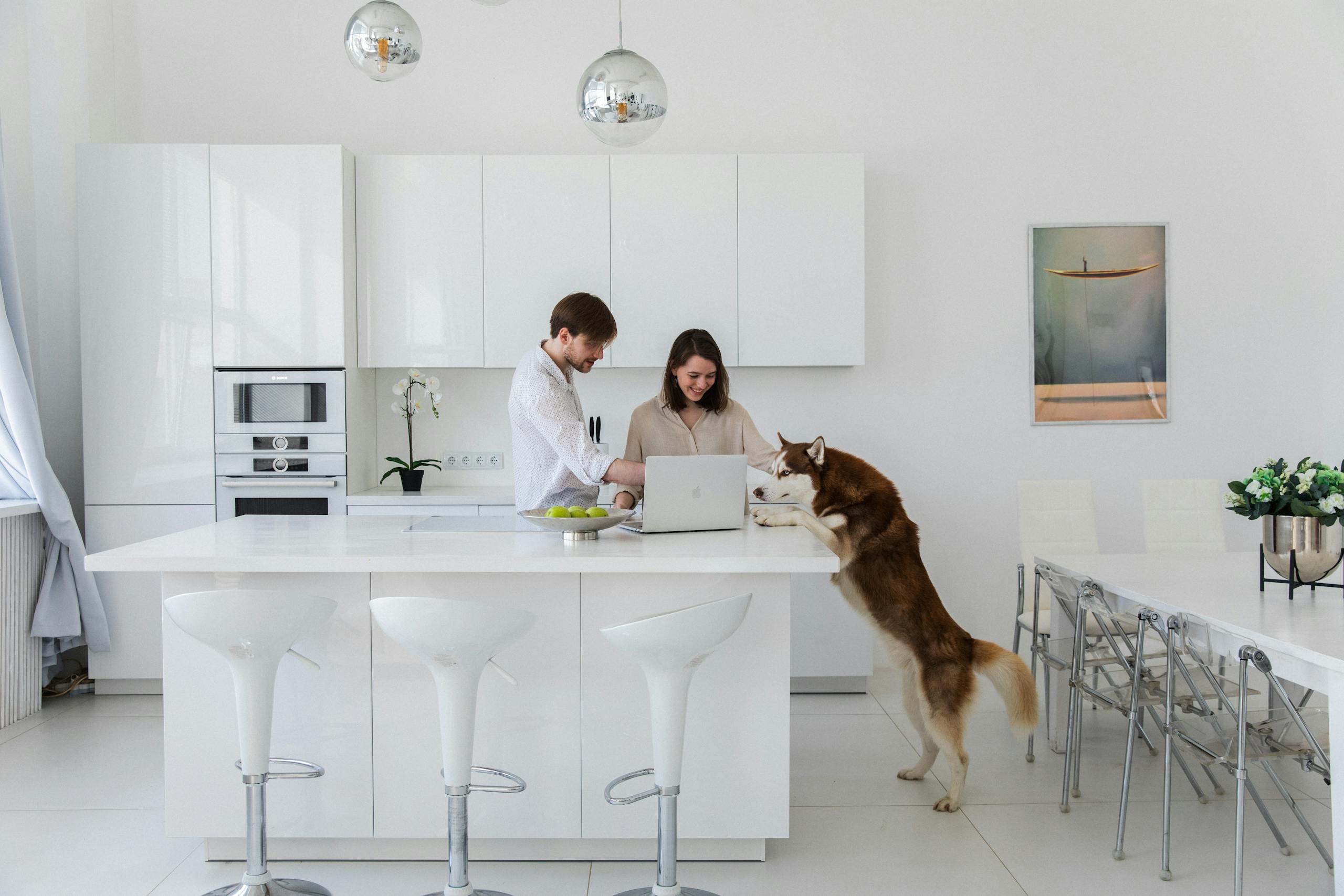

Getting alone time when you have roommates is genuinely possible, but it requires intention, honest communication, and a willingness to claim your needs without apology. The practical answer involves a combination of scheduling, boundary-setting, and creating small pockets of private space within a shared home. None of this requires conflict or awkwardness, though it does require you to stop treating your need for solitude as something to be ashamed of.
That last part is where most introverts get stuck. Not the logistics of finding quiet time, but the internal permission to want it in the first place.
Everything I know about this, I learned the hard way. Not in a shared apartment in my twenties, but in open-plan advertising agencies where I was technically surrounded by my own staff. Same problem, different square footage.
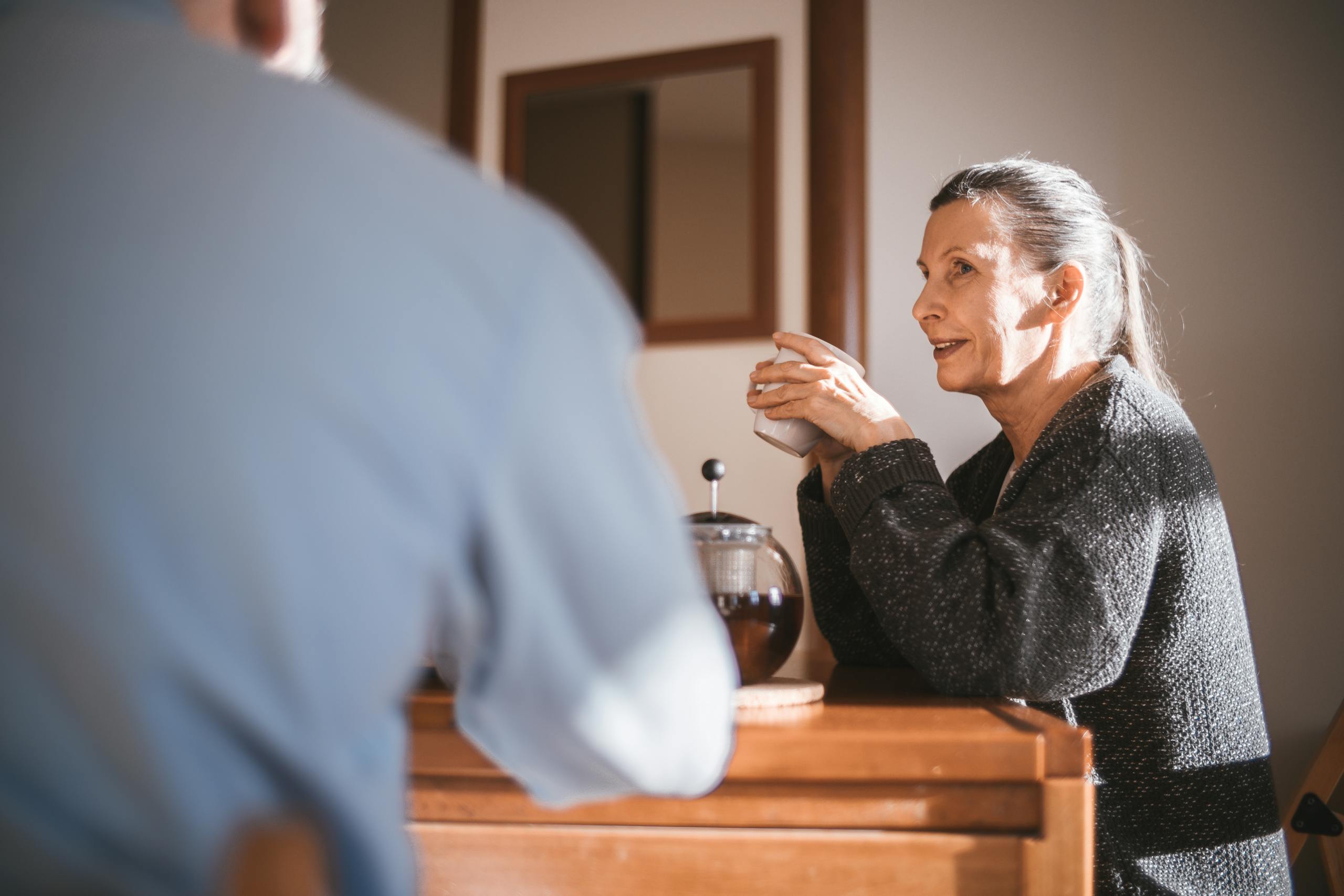
Before we get into the how, it helps to understand why alone time feels so urgent for introverts. Our brains process social interaction differently. Conversations, shared meals, someone else’s Netflix choices playing in the background, even the ambient awareness that another person is in the home, all of it draws on cognitive and emotional resources that need to be replenished in quiet. This isn’t a personality flaw. It’s wiring. And understanding it as wiring, rather than antisocial behavior, changes how you advocate for yourself with the people you live with.
Our Introvert Home Environment hub covers the full spectrum of how introverts relate to their living spaces, from sensory sensitivity to the deeper question of what it means to feel genuinely at home. This article focuses on the specific challenge of carving out solitude when the home is shared, which adds a layer of negotiation that solo living simply doesn’t require.
Why Does Solitude Feel So Hard to Ask For?
Something I noticed repeatedly across my agency years: the introverts on my team were almost never the ones asking for more space. They were the ones quietly suffering without it. The extroverts would cheerfully request the corner office, the window seat, the collaborative workspace. My more introverted staff would say nothing, then slowly start showing up looking hollowed out.
What’s your personality type?
Take our free 40-question assessment and get a detailed personality profile with dimension breakdowns, context analysis, and personalised insights.
Discover Your Type8-12 minutes · 40 questions · Free
Asking for solitude feels like asking people to leave. It carries an implied rejection that most introverts, who are often deeply considerate of others, find genuinely uncomfortable to communicate. So instead of asking, they cope. They stay up later than everyone else. They wake up earlier. They take suspiciously long showers. They volunteer for grocery runs not because they enjoy the errand but because the car is quiet.
Sound familiar?
The problem with all of those workarounds is that they’re exhausting in themselves. You’re not actually resting. You’re running a low-level logistics operation designed to avoid a single honest conversation. And the longer you avoid that conversation, the more resentment tends to quietly accumulate, on both sides, because your roommates can often sense that something is off without knowing what it is.
One thing worth noting: Harvard Health makes a useful distinction between loneliness and isolation. Wanting to be alone is not the same as being lonely. Introverts who seek solitude are typically seeking restoration, not disconnection. Getting clear on that distinction for yourself makes it much easier to explain to someone else.
How Do You Actually Have the Conversation With Roommates?
The conversation doesn’t have to be heavy. In fact, the lighter you can keep it, the better. What tends to go wrong is when introverts build up so much unexpressed need that when they finally say something, it comes out weighted with months of quiet frustration. The roommate hears an accusation. You meant to make a simple request.
A cleaner approach is to have the conversation before you’re depleted. Proactively, early in a living arrangement, when no one is feeling defensive. Something like: “I’m an introvert, which means I recharge by being alone. It doesn’t mean I don’t like you. It just means I’ll sometimes need a few hours where I’m not really available for conversation. Is that something we can work around?”
Most reasonable people, when given that framing, respond well. What they don’t respond well to is the alternative: someone who seems fine until they suddenly seem cold, withdrawn, or irritated for no apparent reason. The mystery is harder to live with than the explanation.
At my agencies, I eventually got good at versions of this conversation with my own teams. I’d explain that I did my best thinking alone, that I wasn’t avoiding anyone when I closed my door, and that I’d be more present in meetings if I’d had time to think beforehand. Once people understood the operating system, they stopped reading my need for quiet as a social slight. The same principle applies in a shared apartment.
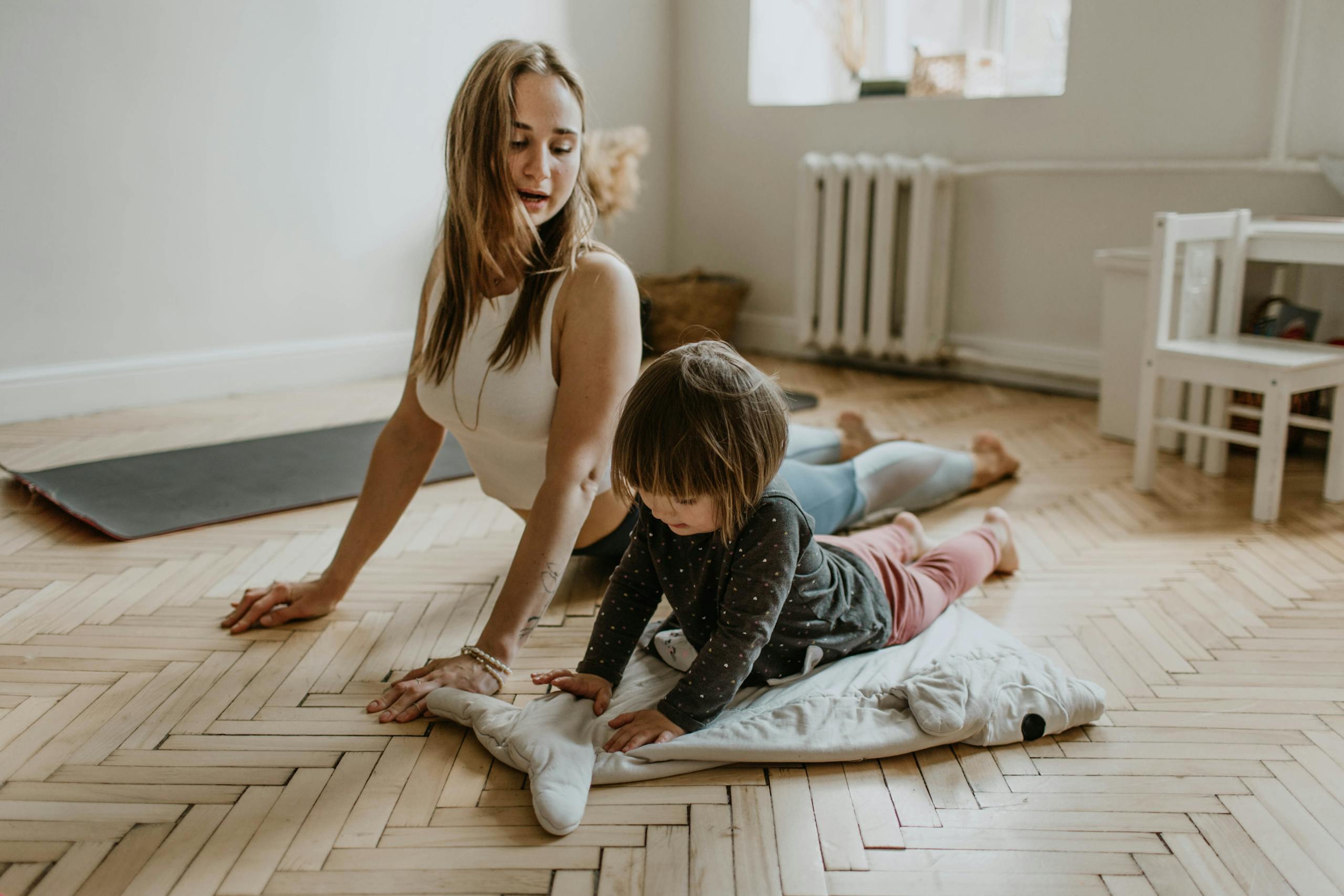
What Practical Strategies Actually Work for Carving Out Alone Time?
Let’s get specific, because general advice about “setting boundaries” isn’t particularly useful when you’re sharing a 900-square-foot apartment with two other people and a shared bathroom.
Schedule It Like an Appointment
The most effective thing I ever did for my own mental recovery during my agency years was to block time on my calendar that looked, to anyone checking my schedule, like a meeting. It was not a meeting. It was me, alone, thinking. Once it was on the calendar, people stopped scheduling over it.
You can do a version of this with roommates. Not by deceiving them, but by making your alone time a known, recurring thing rather than an ad hoc request. “I usually need Sunday mornings to myself” is much easier for a roommate to accommodate than “can everyone please disappear right now, I’m overwhelmed.” One is a pattern they can plan around. The other is a crisis they have to respond to.
Create Physical Signals That Are Easy to Read
Headphones are the universal signal for “I am not available.” Most people understand this intuitively. A closed bedroom door is another one, though it helps to explicitly establish what it means in your household early on. In some living arrangements, a closed door means privacy. In others, it just means the draft was annoying. Make sure yours means what you need it to mean.
Some introverts I know use a simple system: a specific mug on the counter, a particular lamp being on, a note on the door. The signal itself doesn’t matter. What matters is that it communicates “I’m here but I’m not available” without requiring you to say it out loud every time, which itself costs social energy.
Claim One Space as Yours
Even in a shared home, there’s usually one space that can become your territory by informal agreement. Your bedroom is the obvious one, but it doesn’t have to stop there. A particular chair in the living room, a corner of the balcony, a spot at the kitchen table that’s understood to be where you go when you need to be left alone. The physical anchor matters because it gives you somewhere to go that isn’t just “away.”
Making that space genuinely comfortable is worth the investment. There’s a reason the idea of a homebody couch resonates so deeply with introverts. Having a physical spot that feels like yours, that’s soft and quiet and arranged exactly the way you need it, does something for your nervous system that no amount of scheduling can fully replicate.
If you’re setting up a dedicated recharge corner, it’s worth thinking about what actually helps you decompress. A good book, comfortable lighting, something to drink. Our homebody gift guide has some genuinely useful ideas for the kinds of things that make a quiet space feel intentional rather than just empty.
Use Time Asymmetry to Your Advantage
Most roommate situations have natural windows of solitude built in that introverts often underuse. The hour before anyone else wakes up. The stretch after they’ve gone to bed. The gap between when they leave for work and when you do. These aren’t perfect, because they often require you to shift your own schedule in ways that are tiring in themselves, but they’re real.
what matters is to use these windows intentionally rather than just filling them with passive scrolling. Quiet time that’s genuinely restorative, reading, thinking, sitting in silence, doing something absorbing alone, is different from quiet time spent on your phone half-listening for sounds of movement in the hallway. One fills you back up. The other just delays the drain.
On that note, some introverts find that online chat spaces designed for introverts offer a low-stimulation way to feel some social connection during those quiet windows, without the energy cost of in-person interaction. It’s worth knowing the option exists.

What If Your Roommates Don’t Get It?
Not everyone will. Some people genuinely cannot conceive of wanting to be alone as a positive state. To them, solitude is what happens when something has gone wrong socially. When you say you need quiet time, they hear “you’ve upset me” or “I don’t want to be around you.” No amount of gentle explaining will fully bridge that gap for some people.
This is where framing becomes important. Instead of talking about what you need to avoid (noise, social interaction, the presence of other people), try talking about what you’re moving toward. “I do my best thinking when I have some quiet time in the morning” lands differently than “I need everyone to leave me alone in the morning.” Same request. Completely different emotional register.
There’s also a useful reframe available here. Many highly sensitive people, who often overlap significantly with introverts, find that their need for environmental calm is easier to explain when they frame it in terms of how they process information rather than how they feel about the people around them. HSP minimalism touches on this: the idea that reducing sensory input isn’t about rejection, it’s about creating conditions where you can actually function at your best.
Worth noting: Frontiers in Psychology has explored how solitude-seeking relates to well-being, and the picture is more nuanced than the cultural narrative suggests. Choosing to be alone, under conditions you control, tends to support psychological health rather than undermine it. That’s a meaningful distinction when you’re trying to explain yourself to someone who equates aloneness with loneliness.
At one agency I ran, I had a creative director who was a high-energy extrovert and genuinely couldn’t understand why I didn’t want to join the team for lunch every single day. We found a middle ground eventually: I’d join twice a week, and on the other days, my door being closed meant I was eating at my desk and not to be interrupted unless something was actually on fire. It worked because we named it explicitly. The ambiguity was what had been creating friction, not the preference itself.
How Do You Manage Guilt About Wanting Space?
The guilt is real and it’s worth addressing directly, because for many introverts it’s the biggest obstacle. Not the logistics. Not even the roommates. The internal voice that says wanting to be alone is selfish, antisocial, or unkind.
That voice is wrong, but it’s persistent.
What helped me was understanding that my best professional contributions, my most creative thinking, my clearest decisions, came from periods of genuine solitude. Berkeley’s Greater Good Science Center has written about the connection between solitude and creativity, and it tracks with everything I experienced across two decades of agency work. The ideas that won pitches, the strategic pivots that saved client relationships, the hiring decisions I felt most confident about: almost all of them were shaped in quiet, not in meetings.
So the question stopped being “is it okay to want this?” and became “what happens when I don’t get it?” The answer to that second question was always the same: I became less of the person I wanted to be. Less patient, less creative, less genuinely present with the people who needed me. Protecting my alone time wasn’t selfish. It was what made me functional.
That reframe is available to you too. Your solitude isn’t something you’re taking from your roommates. It’s something you’re giving yourself so that the time you do spend with them is genuine rather than depleted.
There’s also something worth saying about the longer arc of this. Psychology Today has written about solitude as a health practice, not just a personality preference. Treating your alone time as something you deserve, rather than something you’re sneaking, changes the quality of it. Rest that feels stolen is not the same as rest that feels earned.

What About When the Whole Home Feels Overstimulating?
Sometimes the problem isn’t access to a room. It’s the ambient level of stimulation in the entire living environment. Someone’s music through the wall. The TV that’s always on in the common areas. The roommate who processes their day out loud while you’re trying to decompress from yours. These aren’t malicious behaviors. They’re just incompatible operating styles, and they can make a shared home feel genuinely exhausting even when you technically have your own space.
A few things help here. Noise-canceling headphones are worth every penny if sensory overload is part of your experience. White noise machines, which create a consistent sound environment rather than an unpredictable one, can make a surprising difference to how much the home feels like yours. Some introverts find that having a dedicated book or reading practice in the evening creates a reliable transition ritual that signals to their nervous system that the social portion of the day is over, regardless of what’s happening in the next room.
There’s also the question of what you bring into your own space. Investing in making your bedroom genuinely comfortable, in the specific ways that restore you rather than just the generic ways, matters more than most people realize. The kinds of items that homebound introverts find genuinely restorative tend to be things that engage the senses gently: soft textures, warm light, things that smell good, things that are quiet. Creating that environment in your bedroom means you always have somewhere to land.
One thing I’d push back on gently: the idea that you should simply adapt to a high-stimulation environment because that’s what shared living requires. There’s a version of this advice that basically tells introverts to toughen up and stop being so sensitive. That advice is not useful. Research published in PubMed Central has examined how chronic overstimulation affects cognitive and emotional functioning, and the effects are real. You’re not being precious. You’re responding to something that genuinely costs you.
The more productive question is what adaptations are available to you, and which of those you can implement without requiring your roommates to change their behavior entirely. Noise-canceling headphones: your problem to solve, your solution to implement. Roommate’s TV volume at 11pm: a reasonable thing to negotiate about. Knowing the difference helps you pick your conversations wisely.
What If You’re the Only Introvert in the House?
This is the most common situation, and in some ways the most challenging, because you’re not just managing logistics. You’re managing a gap in lived experience. Your roommates may genuinely enjoy the ambient presence of other people. They may find a quiet house vaguely uncomfortable. What restores you may feel, to them, like something is wrong.
The most useful thing here is specificity. Vague requests for “more space” are hard to honor because no one knows what they’re aiming for. Specific requests are actionable. “Could we agree that after 9pm, the common areas go quiet?” is something a roommate can either agree to or negotiate around. “I just need more alone time” is a feeling, not a request, and it puts the other person in the position of guessing what you need.
Being the sole introvert in a household also means you may need to be more proactive about protecting your energy during the hours you do share space. That means having genuine conversations rather than performing sociability when you’re depleted. It means being honest about when you’re tired rather than pushing through and then feeling resentful. And it means not making your roommates responsible for your energy management, while still being clear about what you need.
There’s something PubMed Central has published on how social environment affects individual well-being that’s worth sitting with here. The quality of your home environment has real downstream effects on how you function everywhere else. Getting this right isn’t a luxury. It’s maintenance.
I managed teams of mostly extroverts for years. I genuinely liked many of them. I also genuinely needed to not be around them for significant portions of the day. Both things were true simultaneously, and once I stopped treating that as a contradiction, everything got easier. The same dynamic plays out in shared housing. You can appreciate your roommates and need space from them. Those aren’t opposing facts.
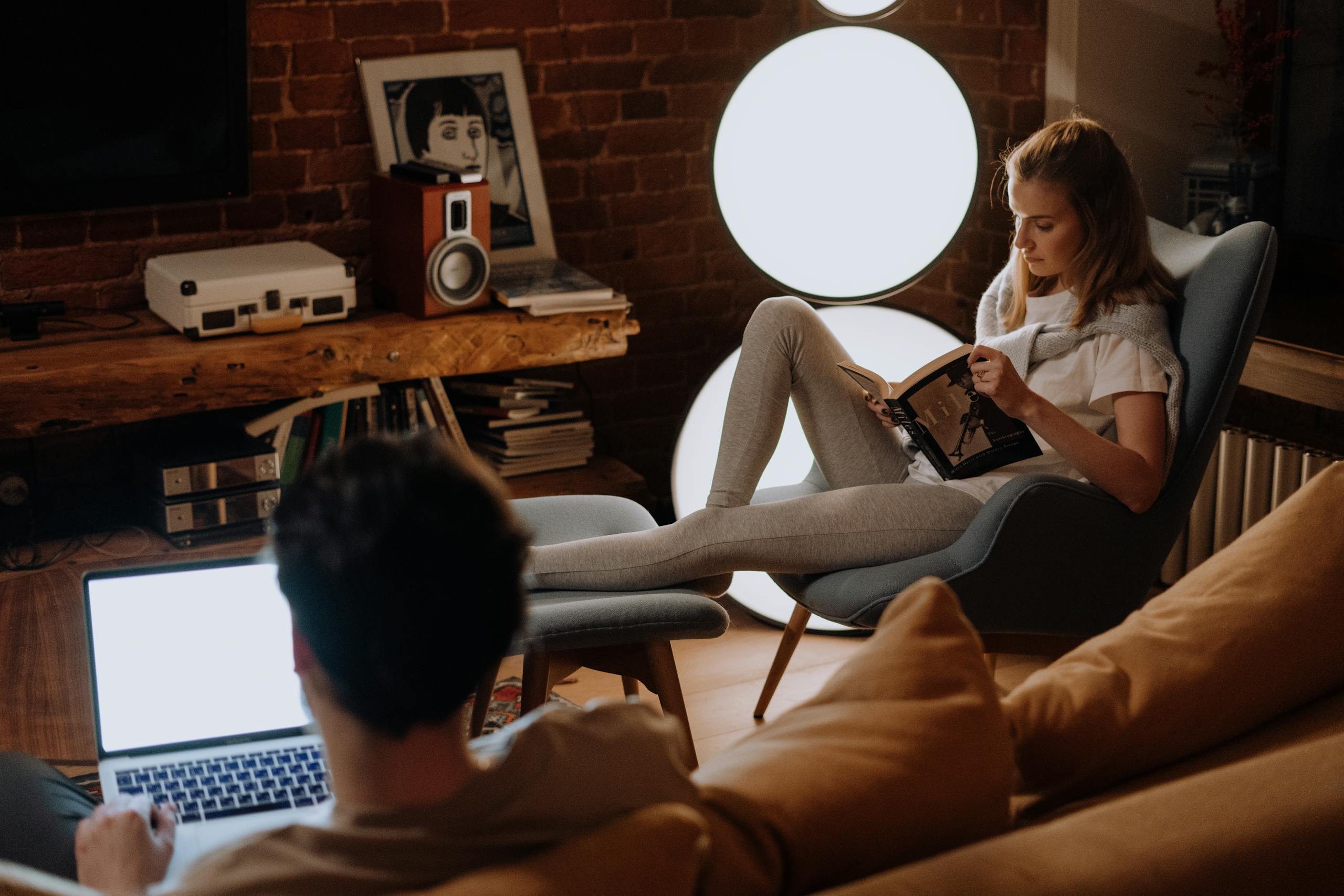
What Does the Long Game Look Like?
Getting alone time when you have roommates isn’t a problem you solve once. It’s something you tend to over time, as living situations shift, as people’s schedules change, as relationships develop and the communication gets easier or harder. The introverts who manage it best over the long term are the ones who treat their solitude as a legitimate need rather than a negotiating position they’re slightly embarrassed to hold.
That shift in self-perception matters more than any specific tactic. You can have all the noise-canceling headphones and closed-door signals in the world, but if you fundamentally believe that needing quiet makes you difficult, you’ll always be slightly apologetic about it. And that apology, that constant low-level hedging, is exhausting in itself.
One thing I’ve noticed, both in my own life and in working with introverts over the years, is that the people who handle shared living most gracefully are the ones who are genuinely curious about their own needs rather than ashamed of them. They’ve done enough internal work to know what they’re asking for and why. They can explain it without defensiveness. And they can receive pushback without collapsing, because they understand that what they’re protecting is real.
If you’re still working toward that place, that’s fine. Most of us are. The practice of asking for what you need, clearly and without excessive apology, is something you get better at over time. Each conversation is a small rehearsal for the next one.
The CDC has noted that social connectedness and well-being are deeply intertwined, and it’s worth remembering that protecting your solitude isn’t a rejection of connection. It’s what makes genuine connection possible. You can’t show up fully for the people you live with if you’re running on empty. Getting alone time isn’t a withdrawal from your household. Done right, it’s an investment in it.
There’s more to explore about creating a home environment that genuinely works for an introverted nervous system. Our full Introvert Home Environment hub covers everything from sensory design to the deeper question of what it means to feel truly at home as someone who processes the world inward.
About the Author
Keith Lacy is an introvert who’s learned to embrace his true self later in life. After 20 years in advertising and marketing leadership, including running agencies and managing Fortune 500 accounts, Keith now channels his experience into helping fellow introverts understand their strengths and build fulfilling careers. As an INTJ, he brings analytical depth and authentic perspective to every article, drawing from both professional expertise and personal growth.
Frequently Asked Questions
How do I ask my roommates for alone time without seeming rude?
Frame it as information about how you work rather than a complaint about how they behave. Saying “I’m an introvert and I recharge by having some quiet time, it’s not about you” gives your roommates a way to understand your request without feeling rejected. Proactive, early conversations work far better than requests made when you’re already depleted and frustrated.
What if my roommates don’t respect my need for quiet time?
Start with specificity. Vague requests are hard to honor. Ask for something concrete and time-bound, like quiet in the common areas after a certain hour, rather than a general appeal for more space. If specific requests are still being ignored, that’s a conversation about household agreements, not just personality differences, and it may require a more formal house meeting to establish shared expectations.
Is it normal to feel guilty about wanting alone time when you live with other people?
Very common, especially among introverts who tend to be considerate of others. The guilt usually comes from conflating “wanting to be alone” with “not wanting to be around you,” which aren’t the same thing. Reframing alone time as something that makes you a better roommate, more patient, more genuinely present when you do share space, can help dissolve some of that guilt over time.
What are the best physical strategies for getting alone time in a shared home?
Establish clear physical signals like headphones or a closed door, claim one space as your consistent recharge spot, use the natural time gaps in your roommates’ schedules intentionally, and invest in making your bedroom genuinely comfortable as a reliable retreat. Noise-canceling headphones and white noise machines can also help manage ambient stimulation when full quiet isn’t available.
How do I explain introversion to roommates who don’t understand it?
Keep the explanation practical rather than theoretical. Instead of explaining the psychology of introversion, describe the observable behavior and what it means. Something like: “When I’ve been around people all day, I need some time by myself to feel normal again. It’s how I recharge. It doesn’t mean I’m upset or that I don’t like being here.” Most people can understand a practical description even if they don’t share the experience.