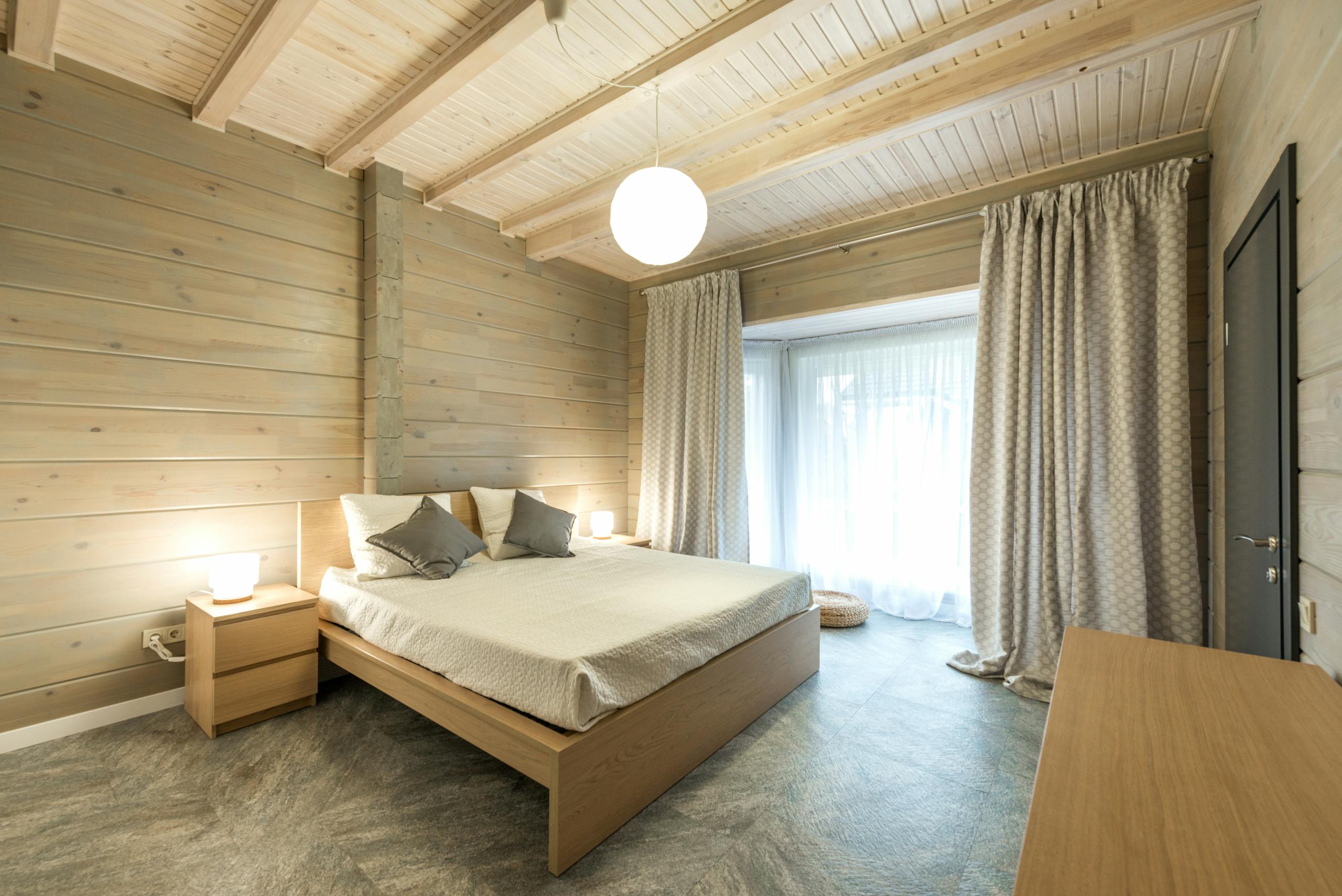

Getting over shyness in the bedroom starts with understanding that what feels like a personal flaw is often just the introvert experience in an intimate setting. Shyness here isn’t about attraction or desire. It’s about vulnerability, overstimulation, and the particular way introverts process emotional closeness. Once you recognize that distinction, the path forward becomes a lot clearer.
Most advice on this topic treats shyness as a confidence problem to fix. For introverts, it’s rarely that simple. The bedroom is one of the most emotionally layered spaces in your home, and if you’re someone who processes the world deeply and quietly, that intensity doesn’t disappear just because the lights are low.

Our Introvert Home Environment hub covers the many ways introverts relate to the spaces they live in, from sensory sensitivity to the need for genuine sanctuary. Intimacy fits squarely into that conversation, because how you feel in your bedroom shapes everything that happens there.
Why Do Introverts Experience More Shyness in Intimate Settings?
There’s a version of this question I spent a long time avoiding. During my years running advertising agencies, I was surrounded by people who seemed effortlessly comfortable in every social situation, from client dinners to after-hours networking to, I assumed, everything else. I performed confidence so consistently in professional settings that I started to believe my discomfort in more personal spaces was a character defect rather than a wiring difference.
What’s your personality type?
Take our free 40-question assessment and get a detailed personality profile with dimension breakdowns, context analysis, and personalised insights.
Discover Your Type8-12 minutes · 40 questions · Free
It wasn’t a defect. It was information.
Introverts process experience at a deeper level than most people realize. We’re not just taking in what’s happening on the surface. We’re filtering it through layers of observation, emotional meaning, and quiet interpretation. In a boardroom, that depth is an asset. In an intimate moment, it can feel like too much input arriving all at once.
The bedroom asks you to be present, expressive, and emotionally open simultaneously. For someone whose natural mode is internal and reflective, that’s a significant demand. Add to that the vulnerability of physical intimacy, and you have a situation where overstimulation and self-consciousness can arrive together without warning.
Highly sensitive people, a group that overlaps considerably with introverts, often experience this even more acutely. The same nervous system that makes you perceptive and emotionally attuned also registers every subtle shift in mood, every unspoken expectation, every moment of uncertainty. Published research in neuropsychology has documented how high sensitivity correlates with deeper processing of both positive and negative stimuli, which means intimate experiences are genuinely more intense for people wired this way. That’s not a weakness. It’s just a fact worth knowing about yourself.
Is Bedroom Shyness the Same as Low Confidence?
No, and conflating the two causes real harm. I’ve watched people, including myself at various points, spend enormous energy trying to manufacture a kind of bravado that had nothing to do with what was actually making them hesitant.
Confidence is about believing in your own value. Shyness in intimate contexts is about something different: the discomfort of being fully seen by another person when you’re someone who typically processes emotion privately. Those are separate issues with separate solutions.
An introvert can be deeply confident and still feel shy in the bedroom. The confidence doesn’t automatically dissolve the shyness, because the shyness isn’t rooted in self-doubt. It’s rooted in the experience of emotional exposure. Treating it like a confidence problem sends people chasing the wrong thing.
What actually helps is understanding your own emotional rhythm and communicating it to a partner. That’s a skill, not a personality upgrade. And it’s one that introverts, with their capacity for depth and genuine connection, are often better positioned to develop than they give themselves credit for.
How Does Your Home Environment Affect Intimacy?
More than most people acknowledge. The physical space you occupy has a direct effect on how safe and settled you feel, and for introverts, that relationship is especially strong.
When I finally started paying attention to how my environment affected my internal state, it changed a lot of things. My home office used to be cluttered and overstimulating because I’d absorbed the idea that a busy desk signaled productivity. Once I cleared it out, my thinking became noticeably sharper. The same principle applies to every room, including the bedroom.
A bedroom that feels chaotic, cluttered, or visually overwhelming creates low-level sensory noise that keeps an introvert’s nervous system in a mild state of alert. That’s not a great foundation for vulnerability. The ideas behind HSP minimalism are directly relevant here: simplifying your physical space isn’t about aesthetics. It’s about creating an environment where your nervous system can actually settle.
Lighting matters. Sound matters. Temperature matters. These aren’t indulgences. They’re the conditions under which an introvert can move from guarded to genuinely present. A partner who understands this and helps create those conditions is doing something meaningful, whether they realize it or not.
Think about the items in your bedroom that either support or undermine that sense of calm. A comfortable, well-chosen piece of furniture isn’t just about physical comfort. It signals to your nervous system that this space was designed with care, that it belongs to you, that it’s safe. That signal matters more than it sounds.
What Role Does Communication Play for Shy Introverts?
An enormous one, and it’s where many introverts have more natural ability than they realize.
One of the things I’ve observed across two decades of managing creative teams is that introverts often communicate with more precision and intentionality than their extroverted counterparts. They think before they speak. They choose words carefully. They notice nuance. In a professional context, those qualities make for excellent communicators. In an intimate context, they’re genuinely valuable too, but only if the introvert is willing to use them.
The difficulty is that intimate communication requires talking about things that feel uncomfortably personal. And many introverts, especially those who spent years in environments that rewarded performance over authenticity, have learned to keep that internal world private.
A Psychology Today piece on deeper conversations makes the point that introverts often crave meaningful exchange but struggle to initiate it in emotionally charged contexts. That’s exactly the dynamic at play in bedroom shyness. The desire for genuine connection is there. What’s missing is a felt sense of safety to express it.
Building that safety starts outside the bedroom. Conversations about preferences, boundaries, and emotional needs don’t have to happen in the moment. Many introverts find it easier to approach these topics in writing first, or in calm, low-stakes conversations that happen in a different setting entirely. Some even find that text-based communication helps them articulate things they struggle to say out loud, at least initially.
That’s not avoidance. That’s using your natural processing style to do the work of genuine communication, rather than forcing yourself into a mode that doesn’t fit.
Can Spending Time Alone Actually Improve Intimacy?
Yes, and this is one of the most counterintuitive insights I’ve come to about introvert relationships.
Early in my career, I thought that closeness meant constant togetherness. I watched extroverted colleagues build relationships through sheer volume of shared time, and I tried to replicate that approach. It didn’t work, because it wasn’t honest to how I actually restore and connect.
Introverts need solitude to process emotion. Without it, we arrive at intimate moments already depleted, already overstimulated, already running on empty. Shyness in those conditions isn’t a personality trait. It’s a resource problem.
When I started protecting my alone time without guilt, something interesting happened. I became more present in the time I did share with people. I had more to give, more genuine engagement, more capacity for the kind of depth that actually builds connection. The same principle applies to intimate relationships. An introvert who has had adequate solitude arrives at intimacy with more of themselves available.
There’s also something worth saying about the homebody lifestyle here. Many introverts find their deepest comfort at home, and there’s real value in building a home life that genuinely nourishes you. A well-curated space, whether that means a book that reflects your inner world or objects chosen with intention, contributes to the overall sense of being at ease in your own life. That ease carries into everything, including intimacy.
How Do You Build Emotional Safety With a Partner?
Slowly, and with honesty about what you actually need.
One of the hardest things I’ve done professionally was telling a client that their campaign strategy wasn’t working, when everyone else in the room was nodding along. The instinct to perform agreement, to avoid the discomfort of a difficult conversation, is strong. But the relationship always suffered more from the avoidance than it would have from the honest conversation.
Intimate relationships work the same way. Emotional safety doesn’t come from never having uncomfortable conversations. It comes from having them and surviving them together. Every time you tell a partner something true about your experience, even something small, you’re building a foundation.
Research on introvert-extrovert conflict resolution points to the importance of creating structured space for both partners to process and respond, rather than expecting real-time emotional fluency from someone who doesn’t naturally operate that way. That framing is useful beyond conflict. It applies to any emotionally significant conversation, including ones about intimacy.
For introverts specifically, giving yourself permission to say “I need to think about this before I respond” is a legitimate communication strategy, not a deflection. A partner who respects that is a partner worth being vulnerable with.
Gifts that signal genuine understanding of who you are can also play a quiet role in building this kind of safety. It sounds small, but when a partner chooses something from a thoughtful list of gifts for homebodies or puts care into selecting something that reflects your actual preferences, it communicates attention. And for introverts, feeling genuinely seen is one of the most powerful forms of intimacy there is.

What Practical Steps Actually Help With Bedroom Shyness?
A few things have made a genuine difference, both from my own experience and from conversations with introverts who’ve worked through this.
Start with the environment. Clear the visual clutter. Adjust the lighting to something that feels warm rather than exposing. Create a space that your nervous system associates with rest and safety, not stimulation or obligation. This isn’t about setting a scene. It’s about removing the low-level sensory friction that keeps you from being fully present.
Next, have the conversations you’ve been avoiding, but have them in the right context. Not in the bedroom, not in the middle of an intimate moment, and not during a conflict. Choose a calm, comfortable moment when neither of you is depleted. Approach it as information-sharing rather than confession. “I tend to get in my head when things feel rushed” is a useful piece of information for a partner. It’s not a flaw. It’s data.
Pay attention to timing. Introverts are often at their most open after they’ve had time to decompress. If you’ve come straight from a demanding day with no transition time, you’re going to feel more guarded. That’s not a relationship problem. It’s a scheduling one. Protecting the transition time between your public life and your private one is worth treating seriously.
Psychological literature on emotional regulation consistently points to the value of self-awareness in managing anxiety-adjacent states. Knowing your own patterns, what drains you, what restores you, what conditions help you feel safe, gives you something concrete to work with rather than just hoping the shyness resolves on its own.
Consider what rituals help you transition from external to internal. For some introverts, it’s a quiet walk. For others, it’s reading for twenty minutes, or a shower, or simply sitting in silence. Whatever it is, treating it as a genuine preparation for intimacy rather than a delay of it changes the dynamic considerably.
And give yourself permission to be imperfect at this. Shyness doesn’t disappear all at once. It loosens gradually, as trust builds and as you accumulate evidence that being seen doesn’t lead to the outcomes you feared. That accumulation takes time, and the timeline is yours to set.
Does Being an Introvert Mean You’ll Always Struggle With This?
No. And I want to be clear about that, because the introvert narrative online sometimes tips into a kind of resigned acceptance that doesn’t serve anyone.
Being an introvert means you process experience deeply and restore through solitude. It doesn’t mean you’re destined for emotional distance or perpetual awkwardness in intimate settings. Some of the most genuinely connected, warm, and intimate relationships I’ve observed belong to people who identify strongly as introverts.
What changes over time, for most introverts who do this work, is the relationship with vulnerability itself. Early on, being seen feels like a risk. With practice and the right partner, it starts to feel like something else: relief. The exhaustion of maintaining a guarded exterior in every context of your life is real. Intimacy, at its best, is one place where you don’t have to.
I spent a long time performing a version of myself that I thought the world required. In professional settings, that performance was sometimes useful. In personal ones, it was just lonely. The work of getting over bedroom shyness is, at its core, the work of deciding that one person in your life gets to see the unperformed version. That’s not a small thing. But it’s worth doing.
A Frontiers in Psychology study on personality and relationship outcomes found that depth of emotional engagement, rather than frequency or extroversion, was more predictive of relationship satisfaction. Introverts, who tend toward depth over breadth in all their connections, have a genuine advantage here when they lean into it rather than away from it.
The bedroom doesn’t have to be a place of performance. For introverts, it can become one of the few spaces where the performance actually stops. Getting there takes honesty, patience, and a willingness to let someone in gradually. None of that is beyond you. In fact, the capacity for that kind of intentional, layered intimacy is one of the things introverts do best.

If you want to explore more about how introverts relate to home, space, and the environments that shape their inner life, the Introvert Home Environment hub brings together everything we’ve written on that theme in one place.
About the Author
Keith Lacy is an introvert who’s learned to embrace his true self later in life. After 20 years in advertising and marketing leadership, including running agencies and managing Fortune 500 accounts, Keith now channels his experience into helping fellow introverts understand their strengths and build fulfilling careers. As an INTJ, he brings analytical depth and authentic perspective to every article, drawing from both professional expertise and personal growth.
Frequently Asked Questions
Is bedroom shyness more common in introverts than extroverts?
Many introverts experience shyness in intimate settings more intensely than extroverts do, though it’s not universal. The deeper emotional processing that characterizes introversion means vulnerability carries more weight, and the sensory experience of intimacy can feel more overwhelming. This doesn’t mean introverts are less capable of intimacy. It means they often need different conditions to feel genuinely safe and present.
How do I tell my partner I’m shy without making them feel like the problem?
Frame it as information about yourself rather than feedback about them. Something like “I tend to get in my head when things move quickly” or “I feel more open when I’ve had time to decompress first” gives your partner something useful to work with without implying they’ve done anything wrong. Timing matters too. Choose a calm, low-pressure moment rather than addressing it in the middle of an intimate situation.
Can changing my bedroom environment actually reduce shyness?
Yes, meaningfully so. For introverts and highly sensitive people, the physical environment has a direct effect on how settled and safe the nervous system feels. A bedroom that’s visually cluttered, overly bright, or associated with stress keeps you in a low-level state of alert. Simplifying the space, adjusting lighting, and creating genuine sensory comfort removes friction that can otherwise make vulnerability feel harder than it needs to be.
What’s the difference between introversion and intimacy issues?
Introversion is a personality orientation involving how you process experience and restore energy. Intimacy issues typically involve deeper patterns around trust, attachment, or past experience. They can overlap, but they’re not the same thing. An introvert who has healthy attachment and a trustworthy partner may still experience shyness simply because vulnerability requires more preparation for them. If shyness in intimate settings is causing significant distress or affecting relationships consistently, speaking with a therapist can help clarify what’s actually at play.
Does bedroom shyness get better over time in a relationship?
For most introverts, yes. Shyness in intimate settings is largely about the discomfort of being seen, and that discomfort tends to ease as trust accumulates. what matters is that the trust has to be real, built through honest communication and consistent experience of being accepted rather than judged. Introverts who do the work of communicating their needs and who find partners willing to meet them there often report that intimacy becomes one of the few spaces where they feel genuinely free to be themselves.
And one more worth including here: for introverts who enjoy thoughtful, curated gifts that reflect their lifestyle, a good homebody gift guide can be a surprisingly useful resource for partners who want to show they understand the person they’re with.