

You know that panicked feeling when someone suggests you host the next get-together? Your stomach drops, your mind races through a thousand excuses, and you genuinely wonder if moving to a remote cabin might be easier than planning a party.
After twenty years in advertising, where client dinners, launch parties, and team celebrations were constant occupational hazards: hosting as an introvert isn’t about becoming someone else for an evening. It’s about designing gatherings that work with your wiring instead of against it.

Our General Introvert Life hub covers dozens of everyday scenarios, and hosting events consistently ranks among the most requested topics. So let’s explore how you can throw a party that your guests remember fondly while you don’t need a week to recover.
Why Hosting Can Actually Be Easier Than Attending
Sophia Dembling, author of “Introverts in Love,” points out a counterintuitive truth: many of those who prefer quiet find hosting far more comfortable than being a guest. When you’re the host, you have jobs to do. You’re greeting arrivals, refreshing drinks, putting out appetizers. These built-in tasks provide natural conversation breaks and legitimate reasons to circulate without the dreaded aimless mingling.
What’s your personality type?
Take our free 40-question assessment and get a detailed personality profile with dimension breakdowns, context analysis, and personalised insights.
Discover Your Type8-12 minutes · 40 questions · Free
During my agency years, I noticed something similar at client events. Standing around making small talk drained me completely. But running the presentation, managing the timeline, ensuring the right people connected? That felt purposeful rather than exhausting. The role gave me structure, and structure is something introverted minds crave.
Consider what hosting offers: you control the guest list, the environment, the timing, and the activities. Compare that to arriving at someone else’s party where everything is unknown, where you might get trapped in a corner conversation, where leaving feels awkward no matter when you do it. Hosting puts you in the driver’s seat.
Understanding Your Neurological Advantage
Before planning logistics, understanding why social events affect you differently helps you work with your brain rather than fighting it. Cornell University research led by Richard Depue reveals that those with extroverted temperaments have more sensitive dopamine reward systems. They get an energizing hit from social stimulation that keeps them seeking more interaction.
Your brain operates differently. Mind Brain Education analysis reveals that introverted brains rely more heavily on acetylcholine, a neurotransmitter that creates feelings of well-being through reflection and deep thinking. Social situations don’t energize you the same way. They require mental processing that consumes resources.

Knowing this isn’t discouraging; it’s liberating. You’re not broken or antisocial. Your brain simply processes social information more deeply, which means you need to plan for recovery in ways your extroverted friends don’t. A party that works for you includes deliberate recharge moments built into the design.
The Guest List: Your Most Important Decision
Every hosting guide mentions food and decorations first. But for energy-conscious hosts, the guest list matters more than anything else you’ll decide. The people you invite determine whether you’ll enjoy your own party or spend it wishing everyone would leave.
Keep your initial gatherings small. Aim for 8 to 12 people maximum if you’re new to hosting, or even fewer. Personality researchers at 16Personalities suggest that the more comfortable you feel with attendees, the more fun you’ll have, which leads to wanting to host again. Consider this an investment in building your hosting confidence over time.
I learned this during my first year as an agency CEO. My predecessor threw enormous holiday parties that left me exhausted for days. When I took over, I shifted to smaller dinners with carefully selected groups. The conversations went deeper. The connections felt real. And I actually looked forward to them instead of dreading them.
Invite people who already know each other or who you believe will genuinely connect. Mixing complete strangers multiplies your hosting workload because you become responsible for facilitating every interaction. With guests who share common ground, conversations flow naturally without your constant intervention.
Designing Your Space for Introvert Survival
Your home is your sanctuary. Having guests enter that space feels vulnerable in ways extroverts rarely understand. But strategic space design helps you maintain comfort while creating a welcoming environment for others.
Nancy Darling’s research on hosting emphasizes creating multiple gathering zones. Even in small apartments, you can designate different areas for different energy levels. Maybe the kitchen stays lively while a corner with comfortable chairs offers quieter conversation. A balcony or outdoor area, if available, provides natural retreat space.
Here’s something most hosting guides won’t tell you: close doors to rooms you don’t want guests entering. Your bedroom, home office, or any personal space can remain off-limits. You’re offering hospitality, not a home tour. Keeping your private sanctuary intact preserves your sense of security.

Lighting dramatically affects atmosphere and your energy expenditure. Bright overhead lights encourage high-energy interaction that can overwhelm you. Dim ambient lighting, candles, and string lights create coziness that naturally lowers vocal volumes and encourages smaller conversation clusters. Your guests won’t know you’ve essentially engineered a calmer party; they’ll just feel relaxed.
Choosing Activities That Reduce Small Talk
Nothing drains an introverted host faster than circulating through the same surface-level conversations all evening. “What do you do? How do you know the host? Can you believe this weather?” Over and over, exhausting your social reserves without creating meaningful connection.
Activity-based gatherings solve this problem elegantly. When people focus on a shared task, conversation happens naturally around that focus. Managing dinner party dynamics becomes easier when guests are discussing the food, playing a game, or working on something together.
Consider these low-pressure activity options:
Game nights give everyone a focal point. Card games, board games, or collaborative party games direct attention away from awkward chitchat and toward shared fun. You don’t need to facilitate conversation because the game does that work.
Potluck dinners distribute the hosting labor while giving everyone something to discuss. People love talking about food they’ve made. Plus, you spend less time cooking and more energy on the aspects of hosting you actually enjoy.
Movie or sports watch parties provide built-in entertainment that doesn’t require your constant attention. Guests can arrive, settle in, and enjoy together while you take breaks whenever needed.
Craft or creative gatherings appeal to fellow quiet types. Whether it’s a cookie decorating party, a paint night, or even puzzles, hands-on activities create comfortable parallel play that many introverts find refreshing rather than draining.
Practical Planning That Protects Your Energy
Strategic planning before guests arrive means less decision-making during the event itself. Decision fatigue compounds social exhaustion, so front-loading your mental work pays dividends.
Prepare everything possible in advance. Set out serving dishes. Arrange furniture. Create your playlist. Put out trash bags where guests can find them. Handle every detail you can control before the first person arrives.
During client dinners at the agency, I always arrived early to walk through the venue, check the setup, and mentally rehearse the flow of the evening. By the time guests appeared, I felt confident rather than reactive. Apply the same principle at home. Give yourself an hour of quiet preparation time before your start time.

Choose foods that don’t require constant attention. Grazing boards, make-ahead appetizers, and one-pot dishes let you spend time with guests instead of stuck in the kitchen. If you’re hosting without exhaustion, easy food is essential food.
Set up a self-service drink station so you’re not playing bartender all night. Guests help themselves while you circulate at your own pace. A pitcher of a signature cocktail, a variety of wines, and non-alcoholic options cover most preferences without requiring your constant presence.
Building in Recovery Without Being Obvious
Every introvert knows the mid-party moment when you desperately need five minutes alone. The challenge is taking that break without seeming rude or making guests uncomfortable. Fortunately, hosting provides natural cover.
Kitchen duties offer legitimate escape. “Let me just check on the appetizers” gives you a moment to breathe. “I need to prep dessert” provides even longer reprieve. Use these moments deliberately. Stand at the sink for a minute. Take deep breaths. Reset your social reserves before returning.
The bathroom remains a universally acceptable retreat. Take slightly longer than strictly necessary. No one questions bathroom breaks, and those extra two minutes of solitude can restore significant energy.
If you have outdoor space, stepping outside to “check on something” works beautifully. Even thirty seconds of fresh air and silence helps your brain recover from continuous social processing.
I developed these escape patterns during countless client events. A quick walk to “check with the catering manager” or “grab something from my car” gave me the reset I needed to finish strong. Your guests won’t notice these brief absences. They’re too busy enjoying themselves.
Setting Clear End Times
Nothing tortures an introverted host more than a party that won’t end. Guests lingering past your capacity leaves you mentally begging for them to leave while feeling guilty for wanting your home back.
Put a clear end time on your invitations. “Join us from 6:00 to 9:00 PM” signals that this gathering has boundaries. Most guests appreciate knowing expectations upfront, and you’ve given yourself permission to wrap things up.
Understanding boundary protection becomes essential for sustainable hosting. Prepare phrases to help guests depart gracefully: “I’m so glad you could come tonight. Let me pack up some leftovers for you.” Or: “What a wonderful evening! I need to start winding down, but we should do this again soon.”
You might feel awkward ending things. Remember: you’re not being rude. You’re respecting your own needs while treating guests kindly. Most people understand that parties end and will appreciate clear guidance on timing.
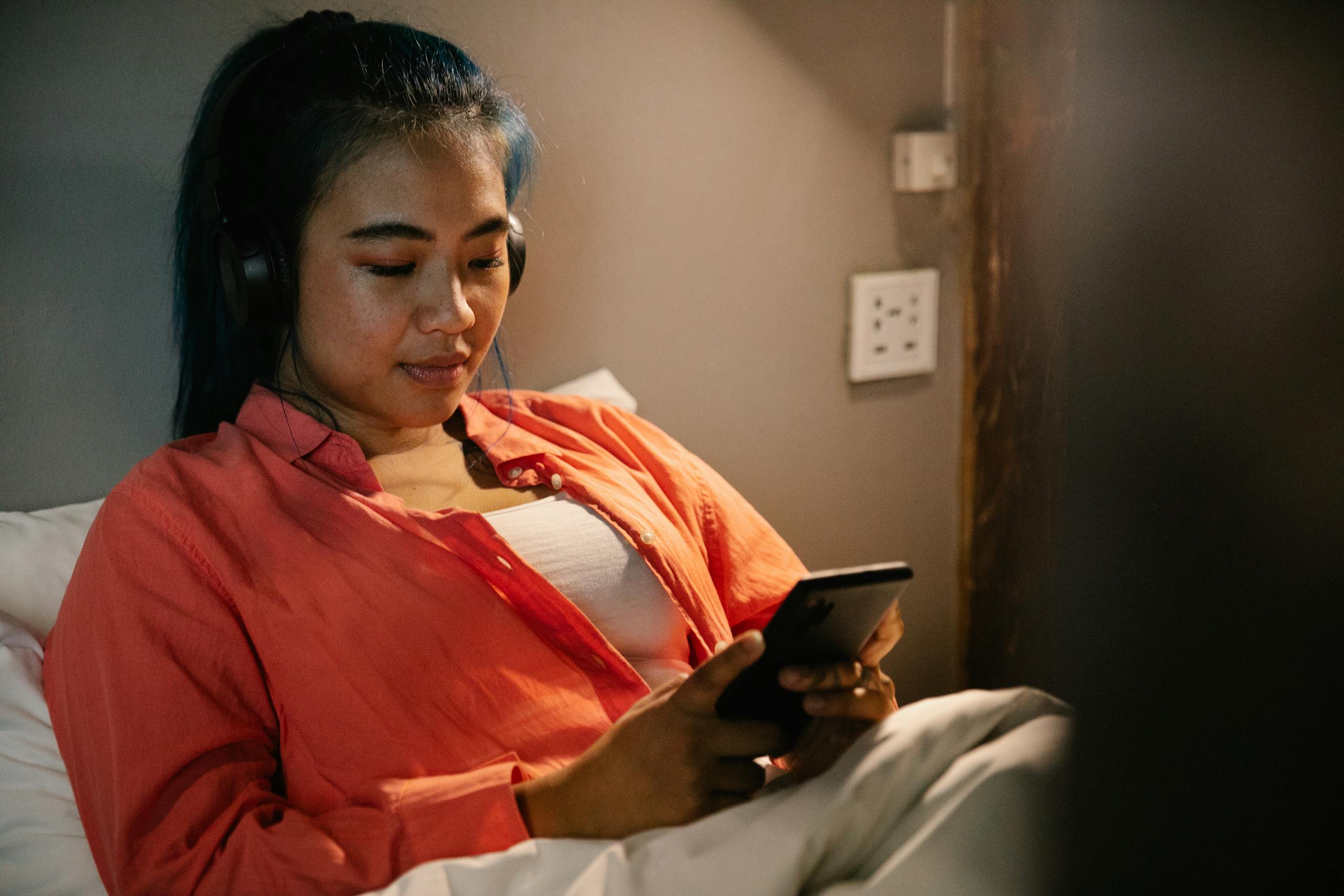
Recovery Planning Matters Too
Your party isn’t over when the last guest leaves. What you do afterward affects how quickly you bounce back and whether you’ll ever want to host again.
Don’t try to clean everything immediately. Do the bare minimum that prevents disasters: put away perishables, blow out candles, deal with anything that might attract pests. Everything else waits until tomorrow when you’ve recharged.
Protect the day after. If possible, schedule nothing social the following day. Give yourself permission to be a complete hermit. Read, watch TV, sit in silence. Whatever fills your tank. Personality science confirms that introverted brains need solitude to restore the acetylcholine-mediated well-being that social activity depletes.
After particularly big events at my agency, I would block my calendar the next morning. No meetings. No calls. Just quiet work at my desk while my brain processed the social overload. That recovery time made sustained performance possible. Apply the same wisdom to your hosting schedule.
When Hosting Feels Impossible
Some seasons of life make hosting genuinely overwhelming. Burnout, grief, major life transitions, or simply depleted reserves can make even small gatherings feel impossible. That’s okay.
Consider alternative hosting that doesn’t involve your home. Meeting friends at a restaurant, booking a table at a wine bar, or organizing a drop-in style gathering at a public space lets you bring people together without the vulnerability of home invasion.
Co-hosting with an extroverted friend splits the labor beautifully. They handle the circulating and small talk while you manage logistics and enjoy deeper conversations with a few people. Each of you plays to your strengths.
Or simply wait until you have the capacity. There’s no obligation to host regularly. Quality gatherings when you’re ready beat forced events that leave everyone, especially you, feeling drained.
Building Your Hosting Confidence Over Time
Like any skill, hosting improves with practice. Your first party might feel awkward and exhausting. Your tenth will flow more naturally. You’ll learn what works for you specifically, which activities energize rather than drain you, which guest combinations create magic.
Start small. A dinner for four trusted friends. A movie night with your partner and another couple. These low-stakes gatherings let you experiment with what feels sustainable before scaling up to larger events.
Notice what goes well. After each gathering, note what felt good and what depleted you. Did game night energize you more than cocktail hour? Did having food ready in advance make everything easier? Use these insights to design future gatherings around your preferences.
Give yourself credit for trying. Hosting as an introvert means doing something that doesn’t come naturally. That takes courage. Whether your party goes perfectly or feels like a struggle, you showed up for the people you care about in a meaningful way.
Managing visitors in your space gets easier as you develop systems and boundaries. What feels overwhelming now becomes manageable with experience and self-knowledge.
Your Party, Your Rules
Something I wish someone had told me before my first client dinner as a young account executive, terrified of saying the wrong thing: you don’t have to perform extroversion to host successfully. The gatherings people remember fondly aren’t necessarily loud or packed with activities. They’re warm, comfortable, and genuine.
Your quieter approach to hosting might actually create better experiences for your guests. Smaller gatherings mean deeper conversations. Thoughtful planning means smoother events. Your natural inclination toward observation helps you notice when someone needs a refill or feels left out.
Celebrating a birthday party without exhaustion is possible. Throwing dinner parties that you actually enjoy is achievable. Hosting gatherings that reflect who you are rather than who you think you should be creates authentic connection that guests feel and appreciate.
You have more hosting potential than you realize. Your attention to detail, your preference for meaningful over superficial, your capacity for creating comfortable environments: these are strengths. Use them. Design parties that honor how you’re wired. Your guests will feel the difference, and you’ll actually want to do it again.
Explore more resources for everyday introvert life in our complete General Introvert Life Hub.
Frequently Asked Questions
How many people should I invite to my first party as an introverted host?
Start with 6 to 10 guests maximum for your initial hosting experiences. Smaller gatherings allow you to maintain meaningful conversations without spreading yourself too thin. As you build confidence and learn your personal capacity, you can gradually increase guest counts for future events.
What if guests won’t leave when I’m ready to end the party?
Setting a clear end time on your invitation establishes expectations upfront. When that time approaches, use friendly closing phrases like “I’m so glad you came tonight; let me walk you out” or begin cleaning up as a subtle signal. Most guests appreciate knowing when the evening concludes rather than wondering if they’re overstaying.
How do I take breaks during my own party without being rude?
Kitchen duties provide natural cover for quick recharge moments. Stepping away to “check on appetizers” or “prepare the next course” gives you legitimate reasons to take brief solitude breaks. Bathroom visits, checking on outdoor areas, or handling quick tasks all offer opportunities to reset your energy without guests noticing your absence.
Should I host at home or choose a different venue?
Home hosting gives you maximum control over environment, timing, and comfort level, but requires opening your personal space. Restaurant gatherings, park picnics, or rented spaces offer alternatives when home feels too vulnerable. Consider your current capacity and choose the option that lets you focus on connecting with guests rather than managing anxiety about the setting.
How long will recovery take after hosting a party?
Recovery time varies by individual and party intensity. Plan for at least one quiet day following your event, with no social obligations. Larger or more demanding gatherings may require two or three days of reduced social activity. Pay attention to your own patterns and protect adequate recovery time in your calendar before committing to future events.
About the Author
Keith Lacy is an introvert who’s learned to embrace his true self later in life. With a background in marketing and a successful career in media and advertising, Keith has worked with some of the world’s biggest brands. As a senior leader in the industry, he has built a wealth of knowledge in marketing strategy. Now, he’s on a mission to educate both introverts and extroverts about the power of introversion and how understanding this personality trait can unlock new levels of productivity, self-awareness, and success.