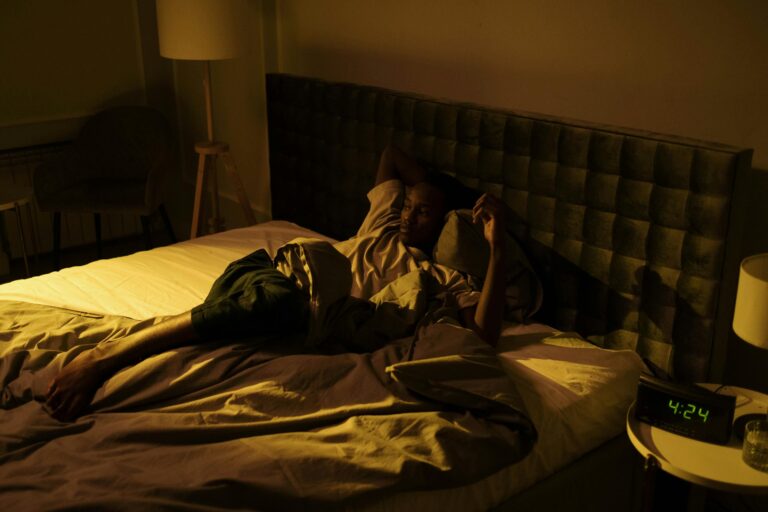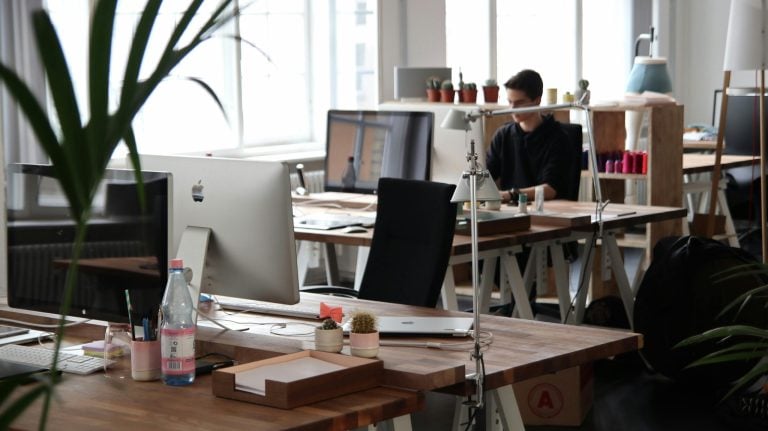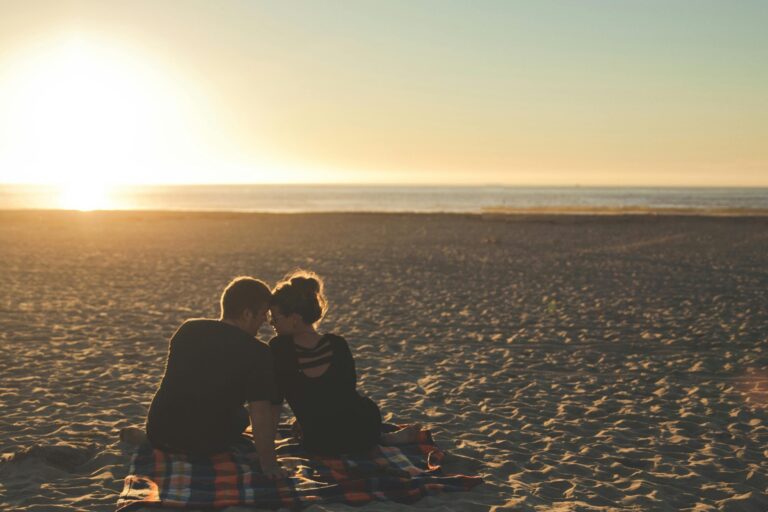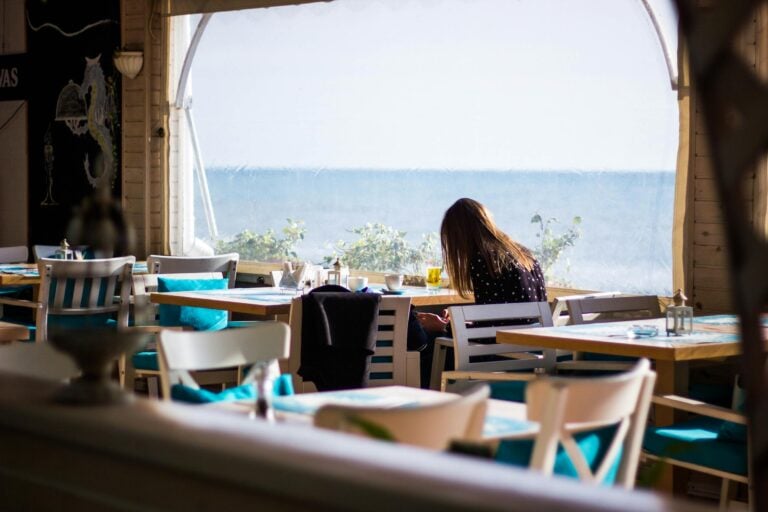
Knowing how to introvert a picture on iPhone means using the device’s built-in tools to create images that feel quieter, more intentional, and more emotionally honest than the loud, oversaturated shots that dominate most social feeds. The core techniques involve adjusting exposure, reducing highlights, pulling back on saturation, and leaning into shadow and depth rather than brightness and noise.
Most people treat their iPhone camera as a machine for capturing everything. What I’ve found, both in my years running creative campaigns for Fortune 500 brands and in my own personal photography, is that the most resonant images come from choosing what to leave out.
Much of what I explore here connects to a broader way of moving through the world as an introvert. Our General Introvert Life hub covers the full texture of what it means to live thoughtfully and authentically as someone wired for depth, and photography turns out to be one of the most natural expressions of that inner orientation.
What Does It Actually Mean to “Introvert” a Photo?
The phrase itself might sound unusual at first. But once you sit with it, the idea makes complete sense.
What drains your social battery?
Not all social exhaustion is the same. Our free quiz identifies your specific drain pattern and gives you personalised recharging strategies.
Find Your Drain PatternUnder 2 minutes · 8 questions · Free
Extroverted photography, if we can call it that, tends toward the bold. High contrast. Vivid colors. Wide open spaces packed with activity. Everything turned up. Introverted photography moves in the opposite direction. It favors stillness, restraint, and meaning over spectacle. A single object with breathing room around it. A face caught in a moment of private thought. Light that suggests rather than shouts.
A 2020 study published in PubMed Central found that introverts show heightened sensitivity to detail and nuance in their environment, processing stimuli more deeply than their extroverted counterparts. That sensitivity is an asset in photography. You notice the way afternoon light falls across a table. You see the small gesture in someone’s hands that tells the whole story. The challenge isn’t developing that eye. You probably already have it. The challenge is learning to trust it, and then using your iPhone’s tools to match what you see internally with what ends up on screen.
Over my years working in advertising, I sat through countless creative briefs where the instinct was always to add more. More color. More energy. More visual noise. As an INTJ who was still learning to trust my own perspective, I often went along with that instinct even when something quieter felt more true. The campaigns I’m most proud of were the ones where I finally held the line and let the image breathe.
How Do You Set Up Your iPhone Camera for Quieter Images?
Before you tap the shutter once, your settings matter enormously. Most iPhones ship with defaults designed to produce the most pleasing image for the widest possible audience. That means bright, sharp, and saturated. None of those defaults are wrong, but they’re not designed for the kind of photography we’re talking about here.
Start in Settings, then Camera, then Formats. If you shoot on an iPhone 12 or later, switch from High Efficiency to Most Compatible. This gives you JPEG files that are easier to edit in third-party apps. More importantly, go to Camera settings and turn off Smart HDR if your model supports that toggle. Smart HDR is excellent at producing technically perfect images, but it tends to flatten the mood out of a photo. It brightens shadows, reduces highlights, and produces something that looks clean but feels clinical.
Next, turn on the grid. This isn’t just a compositional aid. For introverts who process visually and think in structure, the grid becomes a quiet anchor. It helps you place your subject with intention rather than centering everything by reflex.
Finally, consider shooting in RAW if you have an iPhone 12 Pro or newer. Go to Settings, Camera, Formats, and enable Apple ProRAW. RAW files capture far more tonal information than JPEGs, which gives you much more to work with in editing. The difference is significant when you want to pull detail out of shadows or gently reduce highlights without the image falling apart.
How Do You Use Exposure and Light to Create Depth Instead of Brightness?
Light is where introverted photography really begins to take shape, and your iPhone gives you more control over it than most people realize.
When you open the camera app and tap to focus, a small sun icon appears beside the focus box. Slide it downward. Watch what happens to the image. The shadows deepen. The highlights soften. The whole scene takes on a quality that feels more considered, more weighted. That single gesture, pulling the exposure down slightly below what the camera wants to give you, is probably the most powerful tool in this entire process.
Many introverts I’ve spoken with describe their inner experience as one of depth rather than surface. There’s a lot happening below the visible layer. Underexposing your images slightly creates that same quality in a photograph. It suggests more than it shows. A 2010 study in PubMed Central on sensory processing sensitivity found that people higher in this trait, which correlates strongly with introversion, process environmental cues more elaborately. That depth of processing is exactly what you’re trying to evoke in a photograph when you let the shadows hold some mystery.
Natural light is almost always preferable to artificial light for this style of photography. Overcast days are genuinely ideal. The diffuse, even light of a cloudy afternoon produces soft shadows and gentle gradients that feel introspective in a way that harsh midday sun simply cannot. Early morning and late afternoon golden hour light works beautifully too, but the overcast sky is the introvert’s best-kept secret in photography.
Avoid flash entirely. Even the “smart” flash on newer iPhones tends to flatten a scene and produce that slightly startled quality that makes candid portraits feel intrusive rather than intimate. Turn it off in settings and leave it off.
What Editing Adjustments Create That Quiet, Muted Aesthetic?
The iPhone’s built-in Photos app is more capable than most people give it credit for. You don’t need a third-party app to introvert a picture, though we’ll talk about those options too. Let’s start with what you already have.
Open a photo in Photos, tap Edit, and you’ll see a row of adjustment sliders. Work through them in this order for the quietest possible result.
Exposure: Bring this down slightly, somewhere between negative 10 and negative 20 on the scale. Not dramatically dark, just a little more subdued than the camera’s automatic preference.
Highlights: Pull these down significantly. Somewhere between negative 30 and negative 60 depending on the original image. Reducing highlights recovers detail in bright areas and prevents that blown-out, overexposed look that makes images feel loud.
Shadows: Here’s where introverted photography gets interesting. Rather than lifting shadows to reveal detail (which is the standard advice), consider leaving them at zero or even pulling them down slightly. Let the dark areas stay dark. That choice creates visual weight and emotional resonance.
Saturation and Vibrance: Both should come down. Saturation controls all colors equally, while Vibrance is smarter and protects skin tones. Pull Saturation down to somewhere around negative 20 to negative 30, and Vibrance to around negative 10 to negative 15. The goal isn’t a black and white image. You want color that feels real and present without screaming for attention.
Warmth: A slight shift toward cooler tones, maybe negative 10 to negative 15, creates a contemplative quality. Warmer tones feel energetic and inviting. Cooler tones feel considered and still.
Sharpness: Counter-intuitively, reducing sharpness slightly (not dramatically) softens the image in a way that feels more like a memory than a document. Pull it down to around 20 from the default of 0, or if your version shows it as a positive scale, reduce from whatever the default is.
One thing I’ve always appreciated about working with introverted creatives in my agency years is that they understood restraint instinctively. They knew that a design element you remove can be more powerful than one you add. The same principle applies directly here. Every reduction you make in these sliders is an act of editorial confidence.
Which Third-Party Apps Give You the Most Control?
The built-in Photos app gets you most of the way there, but a few third-party tools offer capabilities that make a genuine difference for this style of photography.
Lightroom Mobile (free version) is the most powerful option available on iPhone. The tone curve tool alone is worth downloading the app. A gentle S-curve that lifts the deepest shadows slightly while pulling down the highlights creates a film-like quality that feels organic and unhurried. Lightroom also gives you HSL controls, which let you desaturate specific colors individually. Pulling the saturation out of reds and oranges while leaving blues and greens slightly more present creates a palette that feels muted without looking grey.
VSCO is another strong option. The film presets, particularly the A-series and the older C-series, produce a faded, slightly cool aesthetic that suits introverted photography well. The A4 preset is a personal favorite. It adds a subtle grain, lifts the blacks slightly to create a hazy, atmospheric quality, and desaturates everything just enough to feel considered without feeling processed.
Darkroom is worth mentioning for iPhone users who shoot RAW. It’s designed specifically for mobile RAW editing and gives you curve controls that rival desktop software. The interface is clean and quiet, which feels appropriate.
A word of caution about preset packs and filter apps: many of them push in the opposite direction of what we’re after. They’re designed to make images pop, to increase contrast and saturation and sharpness. Browse carefully and test any preset at reduced opacity rather than full strength. A filter applied at 40% of its original intensity often produces something far more interesting than the same filter at 100%.
How Does Composition Reflect an Introverted Way of Seeing?
Editing is only part of the picture, literally. Composition is where your introverted perspective becomes a genuine creative advantage.
Introverts tend to notice what others overlook. A shadow falling across a floor. The texture of a worn book cover. The particular way someone holds their coffee cup when they’re thinking. These details, the ones that most people walk past without registering, are the raw material of meaningful photography.
There’s something worth saying here about the connection between how we process the world internally and what we’re drawn to capture. As Psychology Today has noted, introverts tend to gravitate toward depth and meaning in their connections and experiences, preferring substance over surface. That same gravitational pull shapes what catches your eye through a camera lens.
Negative space is one of the most powerful compositional tools in introverted photography. Placing your subject off to one side with significant empty space around it creates visual quiet. It gives the viewer’s eye room to rest. It suggests that the world around your subject matters as much as the subject itself.
Avoid filling the frame. This is the instinct that most photography tutorials push against, but for this aesthetic, restraint in framing produces images with more emotional weight. A portrait that shows a person’s face and a lot of the room they’re sitting in tells a different story than a tight crop on their features alone.
Look for frames within frames. A doorway. A window. The space between two objects. These natural framing elements create depth without requiring any editing at all.
Shoot from unusual angles. Low and close to the ground. From directly above. From a distance with a long reach. Introverts often see the world from a slightly different vantage point than the crowd, and your photography can reflect that literally.
Many of the misconceptions people hold about introverts, that we’re disengaged, that we miss what’s happening around us, that we’re somehow less present, are addressed directly in a piece I’d recommend reading: Introversion Myths: Debunking Common Misconceptions About Introverts. The truth is almost exactly the opposite. We’re often more present, more observant, and more attuned to the texture of a moment than anyone else in the room. That quality is a profound asset when you’re holding a camera.
How Do You Photograph People Without Losing the Quiet Quality?
Portrait photography presents a particular challenge for this aesthetic because people, by their nature, tend to perform for a camera. They smile. They adjust their posture. They become, in a small way, a version of themselves designed for public consumption.
The most honest portraits I’ve ever taken, or seen taken, were captured when the subject forgot the camera existed. This requires patience and a quality that introverts often possess naturally: the ability to be present without demanding attention.
Don’t announce that you’re about to take a photo. Spend time with your subject first. Let them settle into the space and into the conversation. Then photograph the moments between the posed moments. The glance toward the window. The pause before they answer a question. The hands doing something ordinary.
Portrait Mode on iPhone is worth using thoughtfully here. The background blur it creates can produce a quality of quiet focus that suits this aesthetic well, but use it with restraint. The most artificial-looking Portrait Mode shots are the ones where the blur is set too high. Pull the depth effect down to somewhere around f/4 to f/5.6 rather than the dramatic f/1.4 setting. The result feels more like a photograph and less like a filter.
When photographing people in their environments, consider including more of the environment than feels comfortable at first. A person reading in a large, quiet room. A child playing in a corner. A colleague thinking at their desk with the whole office visible behind them. These images feel true in a way that tight portraits often don’t.
There’s a broader point here about how introverts experience connection. It’s rarely surface-level. We want to understand the context of a person, what surrounds them, what shapes them. Photography that includes that context reflects a more complete kind of seeing. The quiet power of introverts often shows up in exactly these kinds of perceptive, context-aware moments.
What Subjects and Scenes Work Best for This Style?
Certain subjects lend themselves naturally to introverted photography, and knowing what to look for can make every walk or ordinary afternoon feel like a productive creative session.
Solitary objects with strong presence: A single chair in a room. One cup on a table. A book left open. These images communicate something about interiority and private life that feels authentic to how many of us actually spend our time.
Transitional spaces: Hallways, doorways, staircases, and thresholds. These in-between places carry a quiet tension that photographs beautifully. They suggest movement and thought without showing either.
Weather and atmosphere: Rain on windows. Fog over a landscape. The particular grey-blue quality of light before a storm. These atmospheric conditions create images that feel emotionally weighted in a way that clear, bright days rarely do.
Hands and small gestures: Close photographs of hands working, resting, or holding something tell intimate stories without requiring a face. They’re among the most personal images you can take while still preserving a subject’s privacy.
Empty spaces with evidence of presence: A table set for one. A coat left on a hook. A glass of water beside a lamp. These images suggest a person without showing them, which creates a particular kind of emotional resonance.
In my agency years, I worked with a photographer on a campaign for a financial services brand who understood this instinctively. Every other photographer we’d auditioned had submitted bright, aspirational lifestyle images. She submitted photographs of empty offices at 6 AM, half-finished coffee cups, reading glasses on a desk. The client initially hesitated. Then they ran the campaign and the response was unlike anything we’d seen. People recognized something true in those images. Quiet truth tends to land harder than loud aspiration.
How Do You Build a Consistent Introverted Visual Style Over Time?
Consistency in photography comes from editing decisions made repeatedly until they become instinct. The goal isn’t a rigid preset you apply to every image. It’s a set of values that you carry into every shoot and every editing session.
Start by creating a custom preset in Lightroom Mobile or a saved filter combination in VSCO that reflects the adjustments we’ve discussed. Pull highlights down, reduce saturation, cool the temperature slightly, and lift the grain just a touch. Save it. Apply it as a starting point to new images and adjust from there. Over time, you’ll develop an eye for which images respond well to these adjustments and which need something different.
Curate ruthlessly. This is something introverts tend to be good at when they trust themselves. You don’t need to share every photograph you take. You don’t need to document every moment. Choose the images that actually say something and let the rest stay in your camera roll as private records. A feed of 30 carefully chosen photographs tells a more coherent story than 300 images of everything.
Pay attention to what you’re drawn to photograph repeatedly. Those patterns reveal something genuine about how you see the world. I’ve noticed over the years that I’m consistently drawn to photographs of empty rooms and solitary objects. It took me a while to stop apologizing for that preference and start recognizing it as a perspective worth developing.
The process of developing a visual style is, in many ways, parallel to the broader work of living as an introvert in an extroverted world. Both require you to resist external pressure toward louder, more performative versions of yourself and trust that your quieter, more considered approach has genuine value.
A 2024 study published in Frontiers in Psychology found that creative expression through visual arts is associated with meaningful reductions in psychological distress and improvements in wellbeing. Photography, approached with intention, isn’t just an aesthetic exercise. It’s a form of processing and presence that serves the introvert’s deeper need for meaningful engagement with their environment.
How Does Introverted Photography Connect to Broader Self-Expression?
There’s a reason this topic feels significant beyond the technical details. Photography, approached this way, is an act of self-expression that doesn’t require you to speak, perform, or be present in any social sense. You can communicate something deeply personal through a photograph of a window ledge and never have to explain yourself to anyone.
For many introverts, finding modes of expression that feel authentic rather than performed is one of the ongoing challenges of adult life. We live in a world that rewards visibility and volume. Social media platforms are designed to amplify the loudest voices and the most visually arresting content. It takes a certain confidence to post a quiet, muted photograph of an empty hallway when the algorithm is clearly pushing you toward bright, saturated images of people laughing in groups.
That confidence is worth cultivating. The pressure to perform extroversion in creative spaces is a form of the same bias that shows up in workplaces and classrooms. Introvert discrimination takes many forms, and one of the subtler ones is the assumption that quiet, restrained creative work is somehow less valid than its louder counterpart.
I spent years in advertising making creative decisions based on what I thought the room wanted rather than what I actually believed was true. Some of the best creative instincts I had, I suppressed because they felt too quiet, too restrained, too much like my own perspective rather than a universal one. Experience eventually taught me that the work I was most uncertain about was often the work that connected most deeply with audiences. The quiet instinct was right more often than the loud one.
Photography is a place where you can practice trusting that instinct without the stakes of a client presentation or a performance review. You take a photograph. You edit it the way it feels true to you. You share it or you don’t. The feedback loop is immediate and low-stakes enough to build genuine creative confidence over time.
For younger introverts still figuring out how to express themselves authentically, it’s worth noting that visual self-expression can be a powerful anchor during socially demanding periods. The back to school experience for introverts often involves handling environments that feel overwhelming, and having a creative practice that belongs entirely to you provides a meaningful counterbalance.
There’s also something worth saying about photography as a form of attention. When you’re actively looking for photographs, you’re present in your environment in a particular way. You’re not scrolling. You’re not planning your next conversation. You’re watching the light change and noticing the way a shadow falls across a surface. That quality of attention is both restorative and generative. It’s the kind of presence that finding peace as an introvert in a noisy world often requires: not withdrawal, but a deliberate, anchored engagement with what’s actually in front of you.
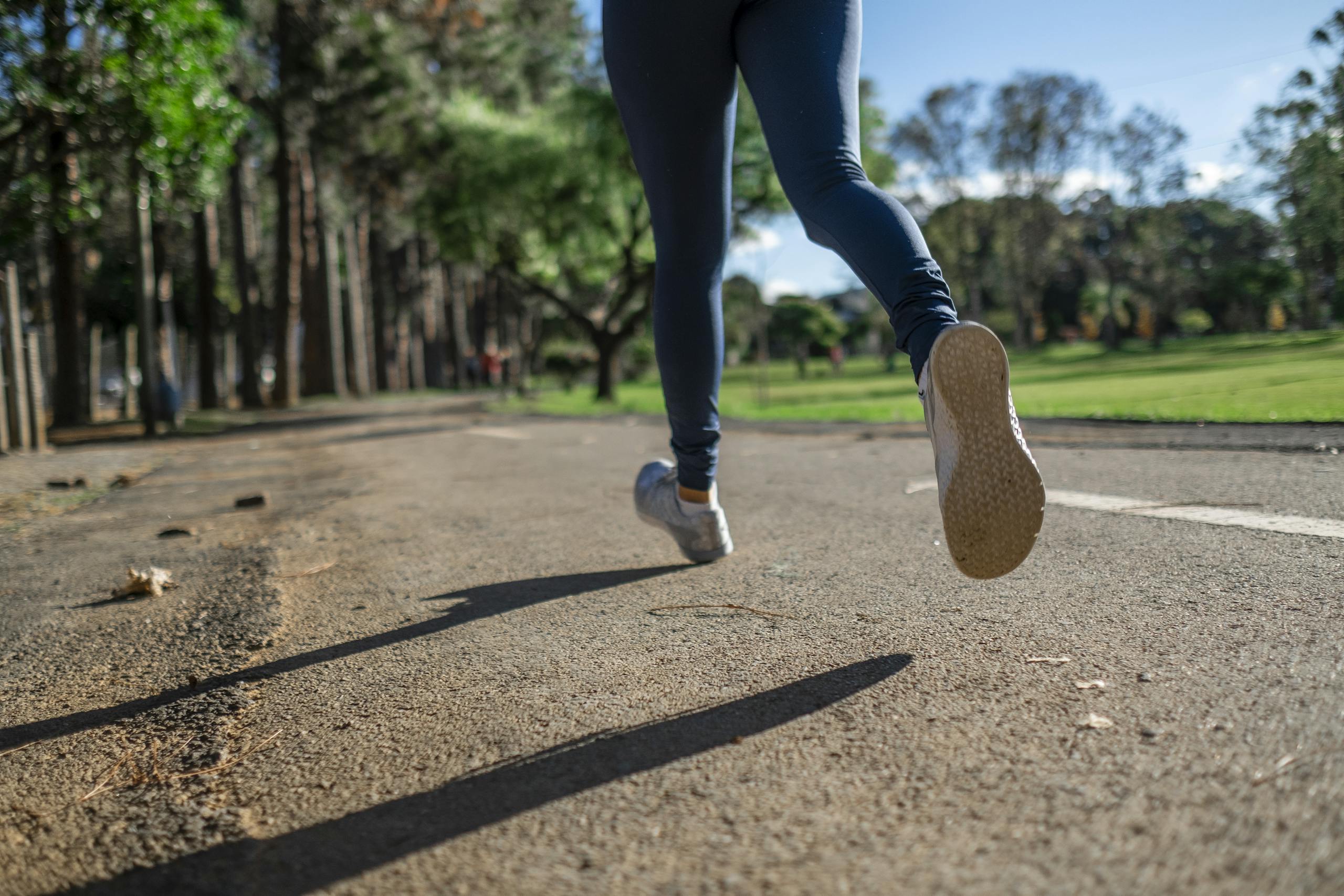
A 2010 study on sensory processing sensitivity, referenced earlier, connects this kind of engaged attention to a broader pattern in how introverts interact with their environments. The same neural architecture that makes crowded parties exhausting also makes a quiet afternoon with a camera genuinely replenishing. Psychology Today has noted that introverts often find their most productive and authentic states in environments where they can engage deeply with a single focus rather than managing multiple social inputs simultaneously. Photography provides exactly that kind of single-focus engagement.
What I’ve come to believe, after years of working in a visually saturated industry and then stepping back to examine what actually moves people, is that quietness in an image is not an absence of something. It’s a presence of something specific. It’s intention made visible. It’s the choice to show less so that what remains carries more weight. That’s not a compromise with the louder visual culture around us. It’s a different set of values expressed through a different kind of seeing.
Your iPhone, it turns out, is fully capable of expressing those values. You just have to know which direction to move the sliders.
There’s much more to explore about living authentically as an introvert across every area of life. The full range of topics, from creative expression to relationships to professional life, lives in the General Introvert Life hub, and I’d encourage you to spend some time there if any of this resonated.
Running on empty?
Five drain profiles, each with specific triggers, warning signs, and a recharging playbook.
Take the Free QuizUnder 2 minutes · 8 questions · Free
About the Author
Keith Lacy is an introvert who’s learned to embrace his true self later in life. After 20 years in advertising and marketing leadership, including running agencies and managing Fortune 500 accounts, Keith now channels his experience into helping fellow introverts understand their strengths and build fulfilling careers. As an INTJ, he brings analytical depth and authentic perspective to every article, drawing from both professional expertise and personal growth.
Frequently Asked Questions
What does it mean to introvert a picture on iPhone?
To introvert a picture on iPhone means editing and composing photographs to reflect a quieter, more restrained aesthetic. This involves reducing highlights, pulling back saturation, cooling the color temperature, and embracing negative space and shadow rather than brightness and visual noise. The goal is an image that communicates depth and intention rather than spectacle.
Which iPhone editing sliders matter most for a muted, quiet aesthetic?
The most impactful adjustments in the iPhone Photos app are Highlights (pull down significantly, around negative 30 to negative 60), Saturation (reduce to around negative 20 to negative 30), Exposure (reduce slightly, around negative 10 to negative 20), and Warmth (shift cooler, around negative 10 to negative 15). These four adjustments alone will produce a noticeably more subdued and considered result.
Do you need a special iPhone model to shoot this style of photography?
No. The editing techniques described here work on any iPhone that runs a reasonably current version of iOS. RAW shooting requires an iPhone 12 Pro or newer, and some specific camera settings vary by model, but the core approach of adjusting exposure, reducing saturation, and composing with negative space is available on any iPhone with the standard Photos app.
Is Lightroom Mobile better than the built-in iPhone Photos app for this style?
Lightroom Mobile offers more precise control, particularly through the tone curve and individual HSL color sliders, which allow you to desaturate specific colors without affecting the whole image. For most purposes, the built-in Photos app produces excellent results with the adjustments described in this article. Lightroom Mobile is worth adding if you shoot in RAW or want finer control over your final look.
How does composition contribute to an introverted photographic style?
Composition is as important as editing in creating a quiet, intentional aesthetic. Using negative space generously, placing subjects off-center, avoiding busy or cluttered frames, and looking for transitional spaces like doorways and hallways all contribute to images that feel considered rather than reactive. Introverts often have a natural advantage in composition because of their tendency to notice detail and observe before acting.