

Recharging after burnout isn’t simply about rest. It’s about systematically rebuilding the internal reserves that chronic exhaustion has depleted, and for introverts, that process looks fundamentally different from what most recovery advice describes. Genuine recovery requires solitude, sensory calm, and the freedom to process without performance.
Burnout doesn’t announce itself cleanly. It accumulates quietly, the way water erodes stone, until one day you realize you have nothing left to give and no idea how long it’s been that way.

I know this pattern well. There was a stretch in my mid-forties, deep into running an advertising agency with three major Fortune 500 accounts demanding simultaneous attention, when I stopped being able to feel enthusiasm for work I genuinely loved. Campaigns I would have found intellectually absorbing felt like obligations. Client calls I once looked forward to felt like extractions. I kept pushing through, assuming I just needed a weekend. That weekend became a month, and still nothing refilled.
What I didn’t understand then was that I had been treating my energy like a renewable resource with no recovery time built in. As an INTJ, I had been running on fumes for so long that I’d forgotten what full actually felt like. Recharging after burnout, real recharging, required something more deliberate than I had ever given myself permission to attempt.
If you’re exploring the broader picture of how introverts manage their energy across different contexts, our Energy Management and Social Battery hub covers the full terrain, from daily depletion patterns to long-term sustainability. But burnout recovery sits in its own category, and that’s what we’re going to work through here.
What Does Burnout Actually Feel Like for an Introvert?
Burnout gets described in clinical terms that don’t always match the lived experience. Exhaustion, cynicism, reduced efficacy. Those words are accurate but incomplete. For introverts specifically, burnout carries an additional texture that’s worth naming clearly.
What’s your personality type?
Take our free 40-question assessment and get a detailed personality profile with dimension breakdowns, context analysis, and personalised insights.
Discover Your Type8-12 minutes · 40 questions · Free
It’s the loss of the inner world. Introverts draw meaning from internal reflection, from the quiet processing that happens when no one is watching. Burnout doesn’t just drain physical energy. It silences that interior voice. You sit with yourself and find static instead of signal.
There’s something worth understanding about why introverts arrive at burnout through a different route than many extroverts do. Research from Cornell University has pointed to differences in how introverted and extroverted brains process dopamine, with introverts showing greater sensitivity to stimulation. That sensitivity, which is one of introversion’s genuine strengths in analytical and creative work, also means the nervous system registers overload earlier and more intensely.
One of the clearest signals I’ve learned to recognize in myself is what I’d call relational flatness. Normally, I find genuine interest in the people I work with. As an INTJ running creative teams, I was always observing, reading the room, noticing what made someone tick. When burnout set in, that curiosity evaporated. I stopped noticing. I stopped caring in the way I usually cared, and that frightened me more than the fatigue did.
It’s also worth acknowledging that an introvert gets drained very easily under ordinary circumstances. Burnout isn’t just a more intense version of a bad week. It’s what happens when the ordinary draining never gets properly reversed over an extended period. The debt compounds.
Why Standard Recovery Advice Misses the Mark
Most burnout recovery advice was written with a generalized audience in mind, and a lot of it quietly assumes extroverted preferences. Take a vacation. See friends. Get out of the house. Join a class. All of that might be genuinely helpful for someone who recharges through external stimulation and social connection. For introverts, much of that advice adds load rather than reducing it.

I once took a “recovery trip” to a large coastal city at the suggestion of a well-meaning colleague who swore the change of scenery would reset me. Busy restaurants, crowded tourist spots, constant noise, a packed itinerary. I came back more depleted than when I left. That trip wasn’t wrong for everyone. It was wrong for me, and I hadn’t yet developed the language to explain why.
Psychology Today has explored why socializing drains introverts more than extroverts, and the explanation connects to how introverts process stimulation. More input, even pleasant input, requires more processing. Recovery for introverts means reducing that processing demand, not redirecting it toward a more enjoyable source.
The other piece of advice that falls flat is “just rest.” Rest implies passive inactivity, but introverts often find that unstructured emptiness without any anchor feels anxious rather than restorative. The mind doesn’t stop. It churns. What introverts need isn’t absence of activity. They need the right kind of activity, low-stimulation, self-directed, and free from social obligation.
How Do You Begin Rebuilding When You’re Running on Empty?
The first thing I had to accept was that recovery wasn’t going to happen on a weekend timeline. When I finally acknowledged the depth of my burnout, I wanted to fix it efficiently, the way I’d approach a failing campaign. Identify the problem, build a solution, execute. But burnout doesn’t respond to efficiency. It responds to patience.
Starting small isn’t a compromise. It’s a strategy. When your nervous system has been in sustained overdrive, large interventions, even pleasant ones, can feel like more demands. A two-hour hike in a noisy park might be less restorative than twenty minutes sitting quietly in your own backyard. Calibrate to your current capacity, not your aspirational one.
One framework that genuinely helped me was thinking in terms of sensory load. Every environment carries a stimulation cost. Crowds, noise, bright lights, social obligation, digital notifications, all of these draw from the same finite pool. Recovery happens when withdrawal from that pool slows down and deposits start accumulating again. That meant auditing my environment with more precision than I’d ever bothered to do before.
For introverts who are also highly sensitive, this audit becomes even more critical. HSP energy management requires protecting reserves with a level of intentionality that most productivity culture actively discourages. The world doesn’t reward people for saying “I need to leave early because the noise is depleting me.” But that boundary, however uncomfortable to enforce, is often what separates genuine recovery from prolonged suffering.
What Role Does the Environment Play in Recovery?
Environment is not a soft variable. It’s a primary driver of recovery speed and depth. I learned this the hard way when I tried to recover from burnout while still commuting into a loud, open-plan office three days a week. Every commute reset the clock. Every hour in that environment withdrew from reserves I was trying to rebuild.
Sensory input matters more than most people realize. Sound is often the most intrusive element. The low-grade drone of an open office, the unpredictability of street noise, conversations you can’t opt out of, all of these keep the nervous system on alert. Effective coping strategies for noise sensitivity aren’t just useful for those with clinical sensitivities. They’re practical tools for any introvert trying to protect a depleted nervous system during recovery.

Light is another factor that rarely gets discussed in burnout recovery conversations. Harsh artificial lighting, particularly the blue-spectrum light from screens and fluorescent office fixtures, keeps the brain in an alert state that works against the deep restoration introverts need. Paying attention to light sensitivity and its management isn’t excessive. During active recovery, it can meaningfully shift how your nervous system settles across the day.
Physical comfort also carries more weight than it might seem. Clothing that feels restrictive, chairs that create tension, environments that require constant physical adjustment, all of these are small but cumulative drains. Understanding tactile responses and touch sensitivity helped me recognize why certain work environments left me more drained than others, even when the workload was comparable. The body is always in conversation with the nervous system, and during burnout recovery, that conversation needs to be a gentle one.
Creating what I now think of as a recovery environment means deliberately reducing sensory load across multiple channels simultaneously. Softer light, quieter spaces, comfortable physical surroundings, and a schedule that doesn’t demand constant social performance. None of these feel dramatic. Together, they create the conditions where actual restoration becomes possible.
How Do You Protect Recovery Time Without Guilt?
Guilt is the most persistent obstacle to genuine introvert recovery. We live in a culture that equates busyness with worth, and rest with laziness. For introverts who have spent years trying to prove they can keep up with more extroverted colleagues, the pressure to push through rather than step back is enormous.
During one particularly difficult stretch at the agency, I watched a talented INFJ on my creative team run herself into the ground trying to match the output pace of her more extroverted peers. She’d absorb the emotional weight of every client conflict, every team tension, every late-night revision round. I could see it happening and I didn’t intervene quickly enough, partly because I was doing the same thing to myself and hadn’t yet recognized it as a problem.
What I eventually understood, for her and for myself, was that protecting recovery time isn’t self-indulgence. It’s maintenance. You wouldn’t run a machine without scheduled downtime and expect it to perform indefinitely. The human nervous system is no different, and introverts’ nervous systems tend to require more deliberate maintenance than the default work culture provides for.
Truity has written about why introverts genuinely need their downtime, and the explanation isn’t about preference or weakness. It’s about how introverted brains process experience. Solitude isn’t a luxury for introverts. It’s where integration happens, where the day’s input gets sorted and meaning gets made. Burnout strips that capacity away, and recovery requires getting it back.
Practically, protecting recovery time means treating it with the same seriousness as any other commitment. Blocking calendar time. Declining invitations without elaborate justification. Setting clear limits on availability. These feel uncomfortable at first, especially for introverts who’ve spent years accommodating everyone else’s preferences. They become easier once you’ve experienced what genuine recovery actually feels like and understand what’s at stake if you don’t protect it.
What Activities Actually Restore Introverts During Burnout Recovery?
Not all solitude is equally restorative. This was a revelation for me. I assumed that time alone would automatically refill the tank, but I discovered that time alone spent scrolling, worrying, or mentally rehearsing work problems was almost as draining as being in a meeting. The quality of solitude matters as much as its quantity.
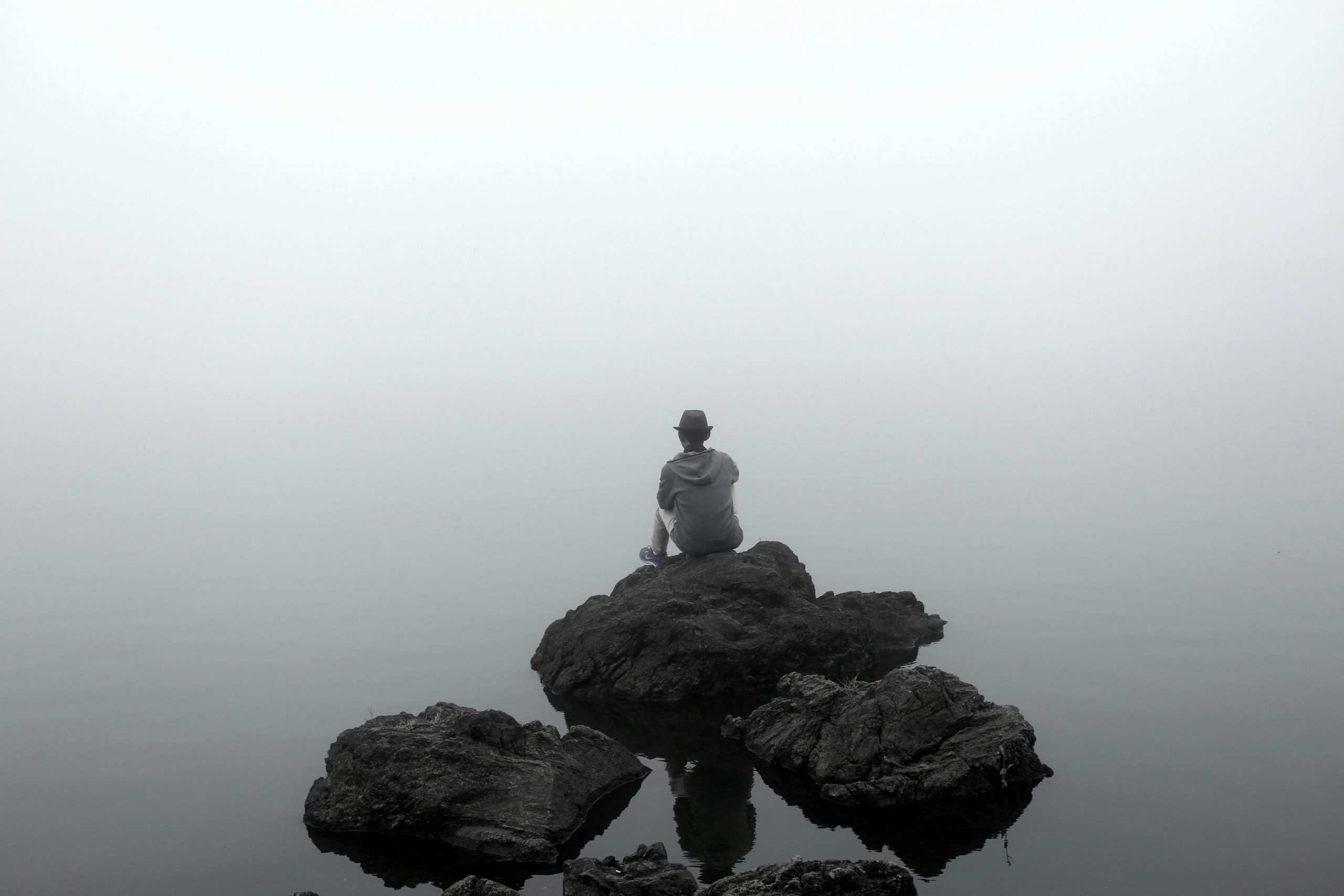
Restorative activities for introverts during burnout recovery tend to share a few characteristics. They’re low-stimulation. They’re self-directed rather than socially obligated. They engage the mind gently without demanding performance. And they allow for the kind of slow, uninterrupted processing that introversion runs on.
Reading was one of the first things I reclaimed during my own recovery period. Not professional reading, not industry publications, but fiction I chose purely for pleasure. Something about entering another world completely, on my own terms, at my own pace, with no one watching, felt like the first real breath I’d taken in months. It sounds small. It wasn’t.
Time in nature consistently appears in what introverts describe as genuinely restorative, and there’s a physiological basis for this. Research published in PubMed Central has examined the relationship between natural environments and stress recovery, with findings suggesting that exposure to nature supports the kind of nervous system regulation that burnout disrupts. For introverts, a quiet walk in a park or time in a garden provides low-stimulation sensory input that feels nourishing rather than draining.
Creative work, done without deadline or audience, can also be deeply restorative for many introverts. Writing, drawing, cooking, building things with your hands. The key distinction is that the work is chosen freely and serves no external purpose. During burnout, the loss of agency is often as damaging as the exhaustion itself. Reclaiming creative expression for its own sake is one way of rebuilding that sense of internal authority.
It’s also worth being thoughtful about the stimulation balance during recovery. Too much isolation can tip into rumination, while too much stimulation reverses progress. Finding the right balance of stimulation isn’t a one-size answer. It requires honest self-observation about what feels genuinely nourishing versus what feels like more demand in a quieter costume.
When Does Recovery Require More Than Self-Care?
There’s a version of burnout that responds well to environmental changes, protected solitude, and intentional restoration. There’s another version that runs deeper, one that’s been building for years and has crossed into something that warrants professional support. Knowing the difference matters.
When burnout has persisted long enough to affect sleep architecture, when it’s accompanied by persistent hopelessness rather than temporary flatness, when the thought of recovery itself feels exhausting, those are signals that self-directed strategies alone may not be sufficient. Research published in PubMed Central has examined the overlap between burnout and clinical depression, finding that while they’re distinct conditions, they share enough features that professional assessment can be valuable in distinguishing them and determining appropriate support.
I’m not a clinician and I’m not offering clinical advice. What I can say from my own experience is that the period when I finally talked to a therapist, a quiet, thoughtful person who didn’t push me to be more social or more productive, was the period when my recovery actually started moving. Having a space to process without performing, even in a professional context, was exactly what my introverted nervous system needed.
Seeking that support isn’t a sign that your introversion failed you. It’s a sign that you’re taking your recovery seriously enough to use all available resources. The same analytical rigor that INTJs bring to complex business problems applies here. Assess honestly, gather information, act on what the evidence suggests.
How Do You Rebuild Without Burning Out Again?
Recovery without structural change is just a pause before the next collapse. This was the hardest lesson I had to absorb. I recovered from that mid-forties burnout, returned to work, and within eighteen months had rebuilt exactly the same conditions that caused it. Same overcommitment, same neglect of recovery time, same performance of extroverted leadership that cost me twice what it cost my more naturally extroverted colleagues.

Sustainable recovery requires building what I now think of as structural protection into ordinary life, not just crisis response. That means regular solitude built into the weekly schedule as a non-negotiable, not as a reward for finishing everything else. It means being honest about social capacity and declining commitments that exceed it, even when declining feels professionally uncomfortable. It means designing a work environment that accommodates introvert neurology rather than fighting against it constantly.
One of the most useful frameworks I developed was thinking in terms of what I call energy accounting. Every interaction, every environment, every commitment has a cost. Some also have returns. Meaningful work with people I respect, deep-focus creative projects, one-on-one conversations with colleagues I trust, these cost energy but also generate it. Performative socializing, open-plan noise, back-to-back meetings with no processing time between them, these are pure withdrawals with no return.
Building a sustainable life as an introvert means auditing those costs and returns honestly, and structuring your commitments accordingly. Research published in Nature has explored how personality traits intersect with stress and wellbeing outcomes, with findings that underscore the importance of environment fit for long-term health. For introverts, that fit requires active construction. It doesn’t happen by default in a world that often defaults to extroverted norms.
success doesn’t mean become someone who never gets tired. Fatigue is normal and healthy. The goal is to build a life where recovery is built in, not bolted on after collapse. Where solitude is a daily practice rather than an emergency measure. Where you know your signals well enough to respond before the debt becomes unpayable.
Harvard Health has noted that introverts benefit from understanding their social needs clearly and building their lives around those needs rather than against them. That framing resonates with me. Recharging after burnout isn’t just about recovering from what happened. It’s about building conditions where what happened becomes less likely to happen again.
There’s also something worth saying about permission. Many introverts, particularly those who’ve spent careers in extrovert-dominant environments, have internalized the idea that their needs are excessive or inconvenient. That their preference for quiet is a flaw to manage rather than a characteristic to accommodate. Genuine, lasting recovery often requires dismantling that belief at its root. Your nervous system isn’t wrong. It’s yours, and it deserves a life built around its actual requirements.
Explore more strategies and perspectives across our full Energy Management and Social Battery hub, where we look at the many dimensions of how introverts manage their reserves across work, relationships, and daily life.
About the Author
Keith Lacy is an introvert who’s learned to embrace his true self later in life. After 20 years in advertising and marketing leadership, including running agencies and managing Fortune 500 accounts, Keith now channels his experience into helping fellow introverts understand their strengths and build fulfilling careers. As an INTJ, he brings analytical depth and authentic perspective to every article, drawing from both professional expertise and personal growth.
Frequently Asked Questions
How long does it take to recharge after burnout as an introvert?
Recovery timelines vary significantly depending on how long burnout has been building and how much structural change accompanies the recovery process. Mild burnout that’s caught early may show meaningful improvement over several weeks of deliberate rest and reduced stimulation. Burnout that has accumulated over months or years typically requires a longer arc, often several months of consistent, protected recovery before genuine restoration takes hold. Rushing the timeline tends to produce surface-level improvement followed by relapse. Patience with the process, uncomfortable as that is, tends to produce more durable results.
Is it normal for introverts to need more recovery time than extroverts after burnout?
Yes, and the explanation connects to how introverted brains process stimulation. Introverts tend to process experience more deeply and are more sensitive to environmental input, which means the same level of overload that an extrovert might bounce back from quickly can require a longer recovery period for an introvert. This isn’t weakness. It’s a characteristic of a nervous system that processes richly and registers overload early. Comparing your recovery timeline to someone with a fundamentally different neurological profile isn’t a useful measure.
Can socializing help introverts recover from burnout, or does it make things worse?
It depends on the type of socializing and the depth of the burnout. Highly stimulating social environments, large gatherings, obligatory networking events, performative socializing, tend to worsen burnout for introverts because they add processing demand rather than reducing it. That said, deep one-on-one connection with someone trusted and comfortable can be genuinely restorative for many introverts. The distinction is between socializing that requires performance and connection that feels safe and low-demand. During active recovery, erring toward less social obligation and more chosen, comfortable connection is generally the wiser approach.
What’s the difference between introvert recharging and avoiding burnout recovery?
Healthy recharging is active and intentional. It involves choosing restorative activities, protecting solitude, reducing sensory load, and monitoring how energy levels respond over time. Avoidance, by contrast, tends to be driven by anxiety or overwhelm rather than genuine restoration. Signs of avoidance include persistent rumination during alone time, using isolation to escape rather than restore, and feeling no better after extended periods of solitude. If recharging consistently fails to produce any sense of restoration, that’s worth examining honestly, possibly with professional support.
How do you know when you’ve actually recovered from burnout versus just feeling temporarily better?
Genuine recovery tends to show up in specific ways. Curiosity returns, both about work and about people. The inner world, that quiet reflective space that burnout silences, starts generating signal again rather than static. Ordinary tasks stop feeling like extraordinary demands. You find yourself choosing engagement rather than tolerating it. Temporary improvement, by contrast, often feels fragile, dependent on circumstances staying favorable. Genuine recovery feels more like a shift in baseline. You may still have hard days, but the floor is higher and the recovery from a difficult day is faster than it was during burnout.