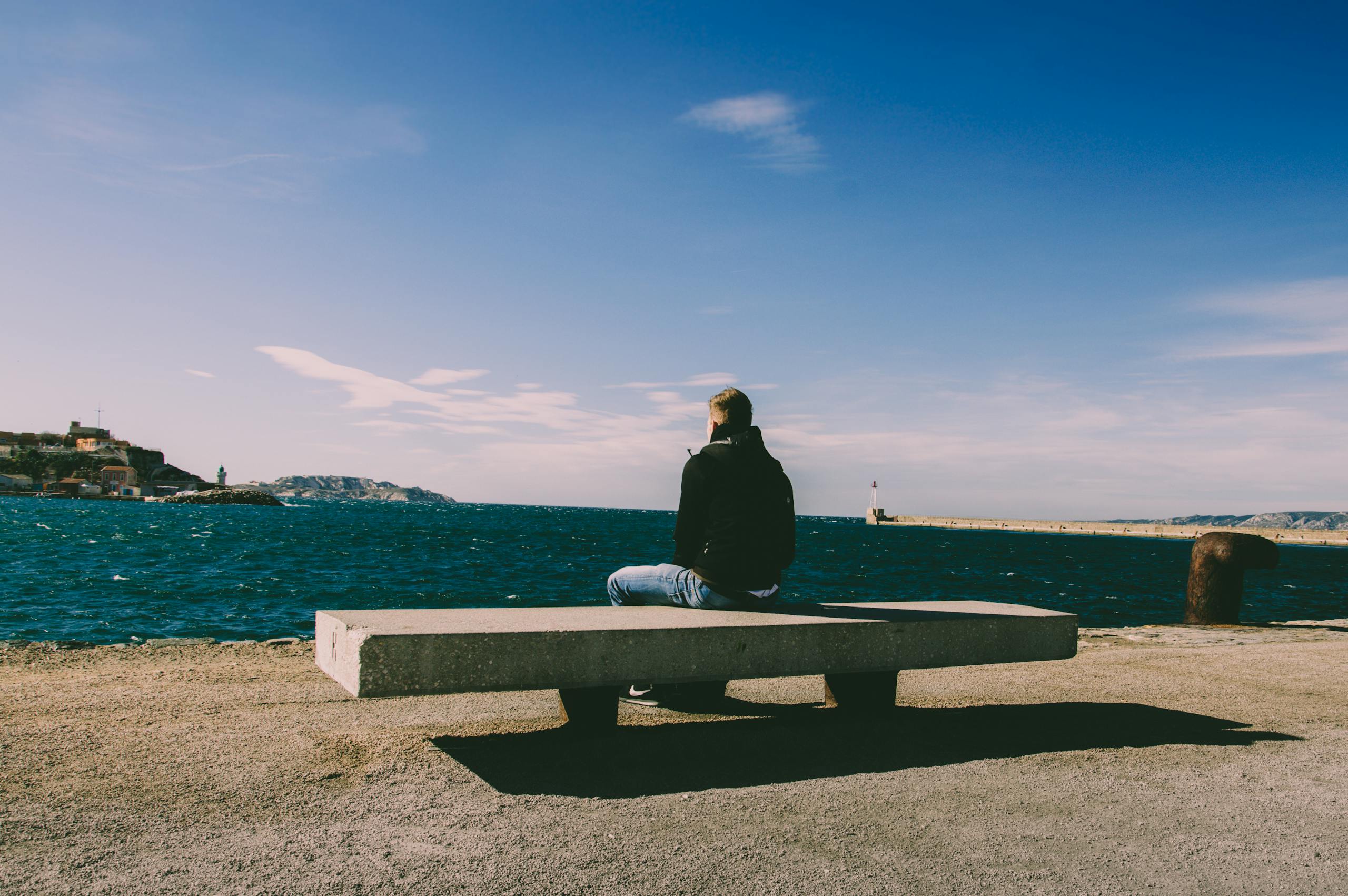

Spending time alone well means using solitude intentionally, in ways that genuinely restore your energy rather than simply filling empty hours. For introverts, alone time isn’t a gap between social obligations. It’s the foundation everything else is built on.
Most guides on this topic treat solitude like a productivity hack or a self-improvement exercise. What they miss is the deeper truth: for people wired toward internal reflection, time alone isn’t something you schedule around your life. It’s something your life is built around. Getting it right changes everything.
Our Solitude, Self-Care and Recharging hub covers the full landscape of how introverts restore themselves, and this article goes deeper into the practical, personal side of spending alone time in ways that actually work.

Why Does Spending Time Alone Feel So Different for Introverts?
There’s a reason a quiet Saturday morning feels like a gift to some people and like isolation to others. The difference isn’t personality strength or weakness. It comes down to how your nervous system processes stimulation and social interaction.
What’s your personality type?
Take our free 40-question assessment and get a detailed personality profile with dimension breakdowns, context analysis, and personalised insights.
Discover Your Type8-12 minutes · 40 questions · Free
Introverts tend to restore their energy through inward-facing activities, reflection, reading, creating, thinking through problems at their own pace. Social interaction, even enjoyable social interaction, draws on that energy. After enough of it, the tank runs low. Alone time refills it.
I ran advertising agencies for over two decades. The environment was loud, fast, and relentlessly social. Client presentations, creative reviews, new business pitches, agency-wide all-hands meetings. I was good at all of it. What nobody saw was how carefully I managed my solitude around those obligations, not because I was antisocial, but because the alone time was what made the performance possible.
Early in my career, I didn’t understand that. I thought the exhaustion I felt after full-day client summits meant something was wrong with me. My extroverted colleagues seemed to gain momentum as the day went on. I was counting the hours until I could be somewhere quiet. It took years of honest self-examination before I recognized that my need for solitude wasn’t a flaw in my leadership. It was part of how I operated at my best.
If you’ve ever felt that same quiet pull toward aloneness, and then felt guilty about it, you’re not experiencing a character defect. You’re experiencing your own wiring. The question isn’t whether you need alone time. It’s how to spend it in ways that genuinely serve you.
What Actually Happens When You Don’t Get Enough Alone Time?
Before getting into how to spend time alone well, it’s worth being honest about what happens when you don’t get it at all. Because for many introverts, the default is to deprioritize their own solitude in favor of availability, productivity, or keeping the peace.
The effects compound quietly. Irritability creeps in. Decision-making gets harder. Creative thinking dries up. You start responding to situations instead of thinking through them. The version of yourself that shows up in conversations becomes thinner, more reactive, less you.
This is something I wrote about more fully in what happens when introverts don’t get alone time, and the picture isn’t pretty. The cumulative effect of chronic solitude deprivation looks a lot like burnout, because in many ways it is burnout.
There was a stretch in my agency years when I was managing a major account restructure while simultaneously pitching three new clients. My schedule was genuinely wall-to-wall for about six weeks. No mornings to myself, evenings consumed by client dinners, weekends eaten by presentation prep. By week four, I was making small errors in judgment that I’d normally catch immediately. My instincts, which I’d always trusted, felt muted. I was present in every room and absent from my own thinking at the same time.
That experience taught me something I’ve never forgotten: solitude isn’t a luxury you earn after the work is done. It’s part of the work itself, especially if the work requires you to think clearly, lead authentically, or create anything worth creating.
Researchers at UC Berkeley’s Greater Good Science Center have explored how solitude connects to creativity, and the findings align with what many introverts experience intuitively: time away from social input gives the mind space to process, integrate, and generate ideas that wouldn’t surface in the noise.
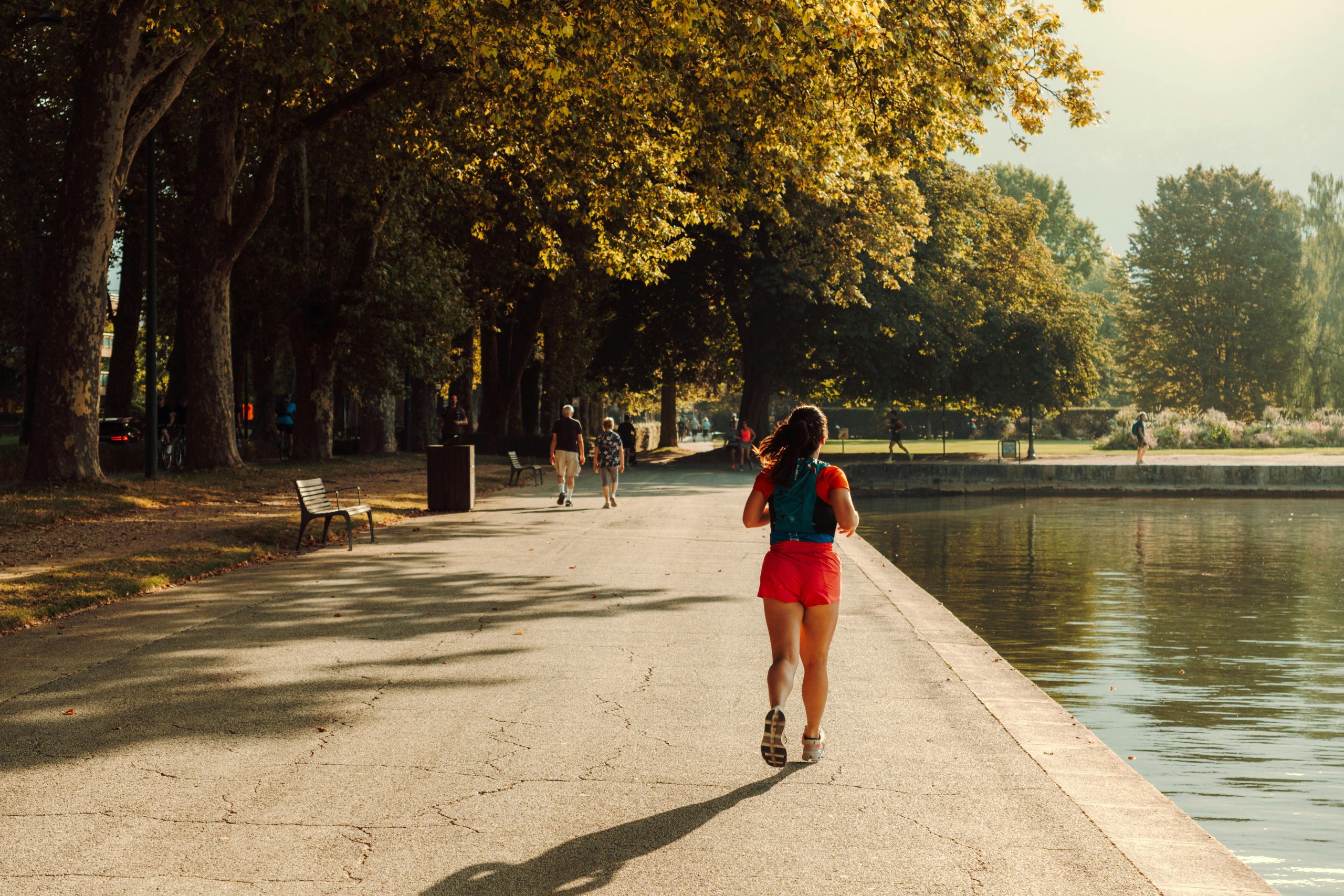
How Do You Create Alone Time That Actually Restores You?
Not all alone time is created equal. Scrolling through your phone for two hours technically counts as being alone, but it doesn’t restore much. Sitting in traffic by yourself doesn’t count either. The kind of solitude that genuinely recharges an introvert tends to share a few qualities: it’s intentional, it’s relatively free from passive stimulation, and it gives your mind room to move at its own pace.
A few approaches that work particularly well:
Protect Morning Time Before the World Starts
Mornings before the day’s demands arrive are some of the most valuable alone time an introvert can claim. Even 45 minutes of quiet before email, before conversations, before obligations, can set a completely different tone for everything that follows.
My most productive creative thinking as an agency head happened between 6 and 8 AM, before anyone else was in the building. That’s when I’d work through the strategic problems that felt impossible in afternoon meetings. The quiet wasn’t just comfortable. It was functionally necessary for the kind of thinking I needed to do.
Give Your Alone Time a Loose Structure
Completely unstructured alone time can sometimes tip into restlessness, especially if you’re new to prioritizing it. A loose container helps: maybe it’s an hour of reading followed by some journaling, or a walk with no destination followed by time to sit and think. The structure isn’t rigid. It’s just enough to keep the time from evaporating into passive distraction.
The daily practices that support HSP self-care offer a useful framework here, even if you don’t identify as highly sensitive. Many of those practices, intentional rest, sensory downtime, protected quiet periods, translate directly to introvert self-care.
Match the Activity to Your Energy Level
Alone time doesn’t always look the same. Some days you have the mental bandwidth for a long solo hike or a demanding book. Other days you need something quieter, a bath, sitting in the backyard, listening to music with your eyes closed. Paying attention to which kind of solitude you actually need on a given day, rather than defaulting to what looks productive, is a skill worth developing.
I used to feel vaguely guilty on days when my alone time looked passive. Sitting on my back porch watching the light change didn’t feel like it counted. Over time I’ve come to understand that those quiet, apparently unproductive hours are often when the most important internal processing happens.
What Are the Best Activities for Intentional Alone Time?
The honest answer is that the best activities are the ones that quiet the noise without replacing it with more noise. That said, some approaches show up consistently among introverts who describe their alone time as genuinely restorative.
Reading and Deep Engagement with Ideas
Reading, especially long-form books rather than articles or feeds, is one of the most reliable forms of restorative solitude for introverts. It engages the mind without requiring social performance. It allows you to move at your own pace, pause, reflect, reread. There’s a reason so many introverts describe reading as their primary way of recharging.
Throughout my agency career I kept a book in my desk drawer. On days when I had a lunch meeting cancel, I’d close my office door and read for 45 minutes. Those stolen pockets of reading time were some of the most restorative moments in otherwise relentless weeks.
Writing and Journaling
Writing is thinking made visible. Journaling in particular gives introverts a way to process experience, clarify emotions, and work through problems without needing another person to talk to. Many introverts find that they understand what they actually think or feel only after they’ve written it down.
Some research published in PubMed Central points to expressive writing as a meaningful tool for emotional processing, which aligns with what many reflective introverts already know from experience. Getting thoughts out of your head and onto paper changes your relationship to them.
Spending Time in Nature
There’s something about natural environments that does what crowded spaces cannot: it provides stimulation without social demand. You can be fully present in a forest or along a shoreline without being called on to perform, respond, or manage anyone else’s experience.
The healing dimension of nature connection for highly sensitive people is well worth exploring, and many of those same principles apply to introverts who find natural settings particularly restorative. The combination of gentle sensory input, reduced social pressure, and open space seems to give the introvert mind exactly what it needs.

Creative Work
Painting, drawing, playing an instrument, cooking something ambitious, building something with your hands: creative work in solitude gives introverts a channel for the internal world that’s always running. It’s productive in a way that feels natural rather than forced, because it’s driven by internal motivation rather than external expectation.
Solo Exploration and Travel
Solo travel, even in modest forms, can be among the most richly restorative experiences available to an introvert. Moving through new environments at your own pace, making decisions accountable only to yourself, having no one to perform for, it’s a particular kind of freedom that introverts often describe as deeply clarifying.
A Psychology Today piece on solo travel captures something important about how intentional aloneness in new contexts can shift your relationship to yourself. The introvert who travels alone often returns knowing themselves better than when they left.
Even something as simple as spending a focused afternoon with your own creative projects, the way some introverts build entire rituals around their solo time, can become a meaningful anchor in an otherwise noisy week.
How Do You Handle Guilt About Wanting to Be Alone?
This might be the most emotionally loaded part of the whole conversation. Because even introverts who understand their need for solitude intellectually often carry a persistent guilt about it. A sense that wanting to be alone is selfish, antisocial, or a sign of something they should be working to overcome.
That guilt is worth examining honestly, because it usually doesn’t come from inside you. It comes from a culture that treats extroversion as the default healthy state and introversion as a condition to be managed. When you internalize that framing, every hour you spend alone starts to feel like an hour you owe someone else.
I felt this acutely during my agency years. Leadership, in the environments I moved through, was implicitly defined by visibility and social presence. The CEO who wanted to leave the team dinner early to decompress wasn’t seen as self-aware. He was seen as aloof. I spent years managing that perception, sometimes at real cost to my own wellbeing.
What eventually shifted my thinking wasn’t a book or a seminar. It was watching the quality of my leadership degrade in direct proportion to how little alone time I was getting. When I started protecting my solitude more deliberately, even imperfectly, my thinking sharpened. My patience in difficult conversations returned. My creative instincts came back online. The people around me benefited from the version of me that had actually rested.
Solitude isn’t withdrawal from the people who matter to you. It’s how you show up for them at full capacity. Psychology Today’s work on solitude and health makes this case compellingly: time alone, chosen freely and spent intentionally, is associated with better emotional regulation and greater wellbeing, not with isolation or withdrawal.
The distinction between solitude and loneliness matters here. Harvard Health’s breakdown of loneliness versus isolation helps clarify what most introverts already sense: chosen aloneness is fundamentally different from unwanted disconnection. One restores. The other depletes. Treating them as the same thing is a category error with real consequences.

How Do Sleep and Rest Factor Into Introvert Alone Time?
Sleep deserves its own place in this conversation, because for introverts, rest isn’t just physical recovery. It’s cognitive and emotional processing time. The mind that’s been socially engaged all day needs adequate sleep not just to repair the body but to integrate everything it absorbed.
Many introverts, particularly those who are also highly sensitive, find that their sleep quality is directly tied to how much decompression time they got before bed. Jumping from social engagement to sleep without a transition buffer often means lying awake while the mind replays the day’s interactions, conversations, and unresolved observations.
The sleep and recovery strategies that work for highly sensitive people address this directly, and many of those approaches, especially the emphasis on creating a wind-down period free from stimulation, translate well to any introvert who struggles to quiet their mind at night.
My own wind-down ritual has evolved over years of trial and error. No screens in the last hour before sleep. Some time with a physical book. Occasionally a short walk if the weather allows. The goal isn’t productivity. It’s giving my nervous system permission to downshift before asking it to rest.
There’s also a broader conversation worth having about what rest means beyond sleep. Quiet afternoons, slow mornings, time spent doing something absorbing without pressure or deadline: these are forms of rest that introverts often need and rarely give themselves permission to take. Emerging research on psychological rest and restoration points toward the importance of genuine cognitive downtime, not just sleep, for sustained mental health and performance.
What’s the Difference Between Healthy Solitude and Isolation?
This is a question worth sitting with honestly, because the line can blur, especially during periods of stress, grief, or social exhaustion.
Healthy solitude feels like choice. You’re alone because you want to be, because it restores something in you, because it gives you access to a version of yourself that social environments don’t. You come out of it feeling more like yourself, more capable, more present.
Isolation feels different. It starts to feel like avoidance. The alone time isn’t restoring you. It’s protecting you from something you’re afraid of. You emerge from it feeling more disconnected, not less. The relationships in your life start to feel more distant rather than more sustainable.
The CDC’s research on social connectedness and health makes clear that genuine human connection matters for long-term wellbeing, even for people who are deeply introverted. success doesn’t mean eliminate social engagement. It’s to make it sustainable by building adequate solitude around it.
There’s also a dimension of this that touches on the particular needs of highly sensitive introverts. The essential need for alone time among HSPs explores how the combination of high sensitivity and introversion can make solitude feel not just pleasant but genuinely necessary for basic functioning. Understanding that need clearly, rather than pathologizing it, is the first step toward meeting it well.
If your alone time has started feeling more like hiding than resting, that’s worth paying attention to. Not with judgment, but with curiosity. Sometimes it means you need more support than solitude can provide. Sometimes it means the solitude itself has gotten stale and needs a different form. Either way, noticing the difference is important.
Some Frontiers in Psychology research on solitude and wellbeing draws a useful distinction between solitude that’s freely chosen and solitude that’s socially forced or anxiety-driven. The psychological outcomes differ significantly. Chosen solitude correlates with positive outcomes. Forced or avoidant aloneness does not. That distinction matters when you’re trying to honestly assess your own patterns.
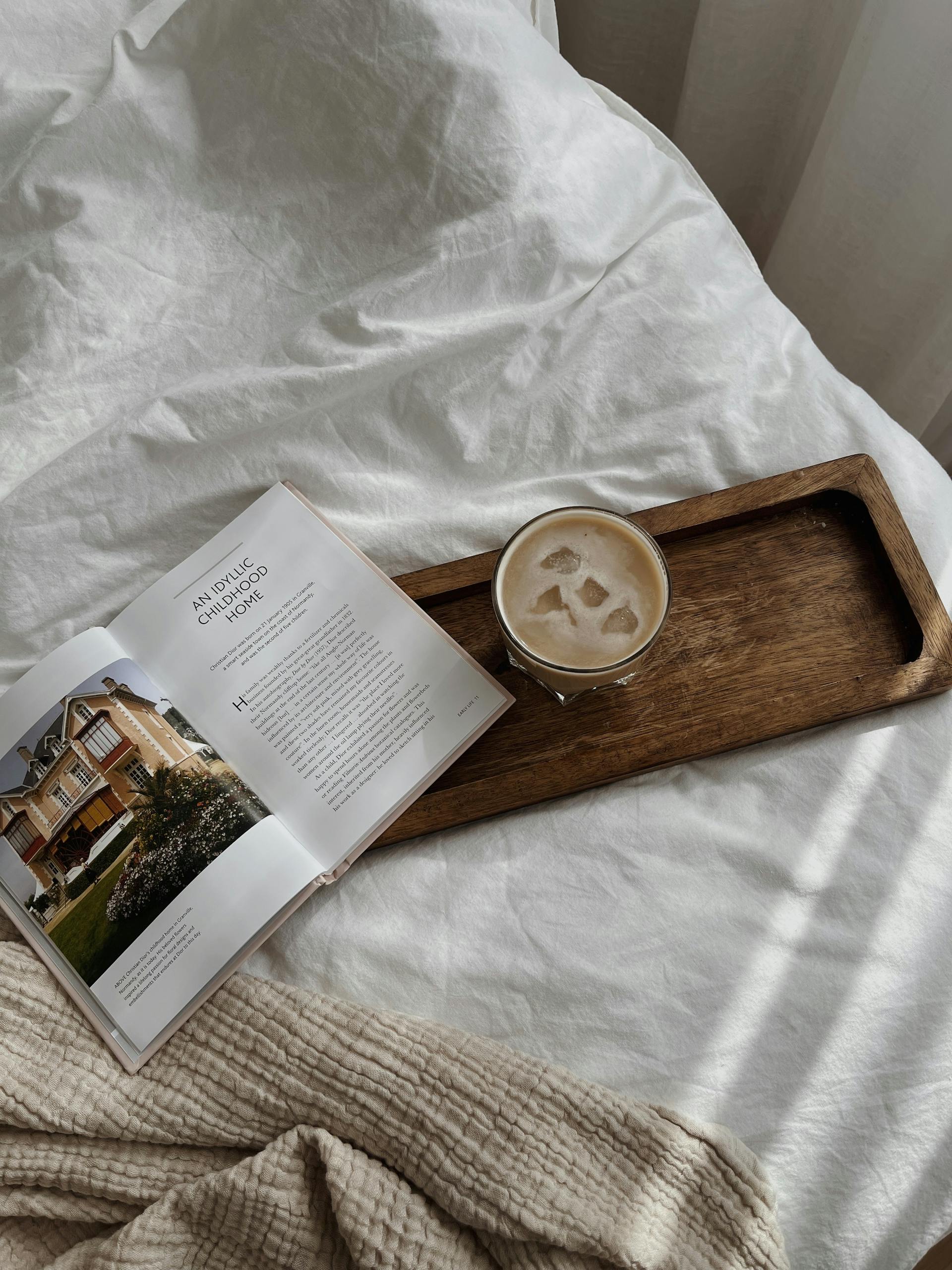
How Do You Protect Alone Time Without Damaging Your Relationships?
This is where the practical meets the personal, and where many introverts struggle most. Because protecting your solitude often means saying no to things, declining invitations, leaving early, or simply being honest about what you need in ways that can feel socially risky.
A few things I’ve found genuinely useful over the years:
Be honest without over-explaining. “I need a quiet evening” is a complete sentence. You don’t owe anyone a detailed psychological rationale for wanting to be alone. Over-explaining often signals that you don’t fully believe you have the right to what you’re asking for.
Build solitude into your schedule before the week fills up. If you wait until you’re already depleted to protect alone time, you’ll be fighting against a full calendar and a compromised ability to advocate for yourself. Block the time first, the way you’d block a client meeting.
Communicate your needs to the people closest to you, not as a warning or an apology, but as useful information. The partners, friends, and colleagues who matter will appreciate understanding how you work. The ones who can’t accommodate any version of your introversion will reveal themselves quickly, and that’s useful information too.
I had a business partner early in my career who was a textbook extrovert. He genuinely didn’t understand why I’d want to eat lunch alone. Once I explained it in terms he could relate to, I compared it to his need to talk through problems out loud while I needed to think through them silently, he stopped taking it personally. That one honest conversation saved years of unnecessary friction.
Protecting your solitude isn’t about building walls. It’s about being honest enough with yourself and the people around you to create conditions where you can actually show up well. That’s not selfish. It’s sustainable.
If you want to go deeper on the full range of how introverts restore themselves, from daily habits to longer-term self-care practices, the Solitude, Self-Care and Recharging hub is the best place to keep exploring.
About the Author
Keith Lacy is an introvert who’s learned to embrace his true self later in life. After 20 years in advertising and marketing leadership, including running agencies and managing Fortune 500 accounts, Keith now channels his experience into helping fellow introverts understand their strengths and build fulfilling careers. As an INTJ, he brings analytical depth and authentic perspective to every article, drawing from both professional expertise and personal growth.
Frequently Asked Questions
How much alone time do introverts actually need?
There’s no universal number, and anyone who gives you one is guessing. The amount of alone time an introvert needs varies based on how socially demanding their week has been, their overall stress level, whether they’re also highly sensitive, and what kind of solitude they’re getting. A useful signal: if you’re regularly irritable, mentally foggy, or creatively stuck, you’re probably not getting enough. Start by protecting at least one hour of genuine solitude daily and adjust from there based on how you actually feel.
Is it healthy to prefer spending time alone over socializing?
Preferring solitude is healthy for introverts. It becomes worth examining if alone time has shifted from restorative to avoidant, meaning you’re using it to escape anxiety or grief rather than to genuinely recharge. The distinction matters: chosen solitude that leaves you feeling restored is healthy. Aloneness that’s driven by fear of social situations or that’s cutting you off from relationships you value is worth paying attention to, possibly with professional support.
What’s the best way to spend alone time when you’re feeling emotionally depleted?
When you’re genuinely depleted, the most restorative alone time tends to be low-demand and sensory-gentle. That might mean lying down with music or silence, taking a slow walk in a natural setting, taking a bath, or reading something absorbing but not emotionally heavy. This isn’t the time for ambitious projects or intense creative work. Give your nervous system permission to simply rest before asking it to perform, even in a solo context.
How do you explain your need for alone time to people who don’t understand introversion?
Analogies tend to work better than explanations. Most people understand the concept of an energy budget even if they don’t relate to introversion specifically. Framing it as “social interaction draws on my energy reserves the way exercise draws on physical energy, and I need quiet time to refill them” tends to land without triggering defensiveness. You don’t need to convince anyone that introversion is real. You just need to communicate what you need clearly enough that the people who matter can work with it.
Can you spend too much time alone as an introvert?
Yes, and it’s worth being honest about this. Even deeply introverted people benefit from some degree of meaningful human connection. Prolonged isolation, especially when it’s not freely chosen or when it’s accompanied by persistent low mood, can have real effects on wellbeing. The goal isn’t maximum aloneness. It’s enough solitude to function and thrive, balanced with the level of connection that keeps you genuinely engaged with your life and the people in it. If your alone time has expanded to the point where relationships feel more foreign than familiar, that’s a signal worth taking seriously.