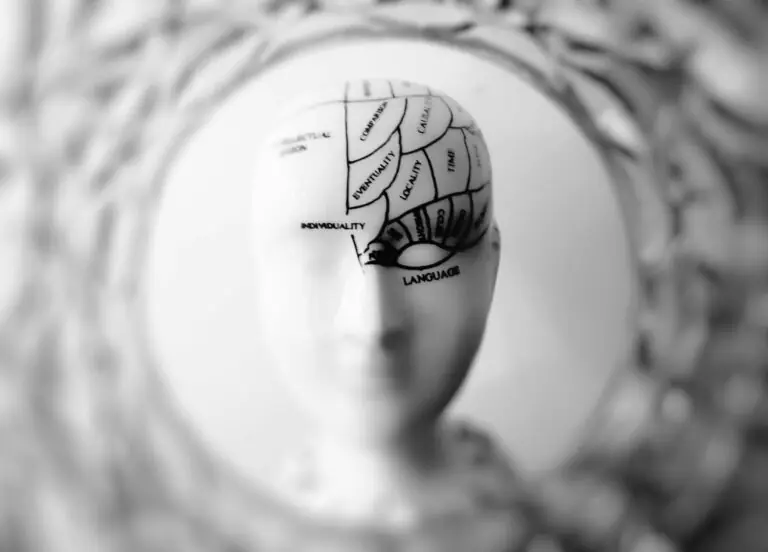
Stopping procrastination when you have ADHD isn’t about trying harder or wanting it more. ADHD-related procrastination is driven by how your brain regulates dopamine and manages executive function, which means the standard advice about discipline and willpower largely misses the point. What actually helps is building external systems that do the work your brain’s internal regulation struggles to do on its own.
That distinction matters more than most people realize. And for introverts with ADHD, there’s an extra layer worth examining, because the quiet, internal world we prefer can sometimes make avoidance feel indistinguishable from reflection.

Procrastination is one thread in a much larger fabric. If you’re also dealing with anxiety, sensory overload, or emotional intensity alongside ADHD, our Introvert Mental Health Hub covers the full range of these experiences in one place, and it’s worth bookmarking as a resource you return to.
Why Is ADHD Procrastination Different From Regular Procrastination?
Most productivity advice assumes that procrastination is a time management problem. You have tasks, you have time, and you’re choosing to spend that time on something else. The fix, according to conventional wisdom, is better scheduling, more discipline, or a stronger sense of urgency.
Career Coaching for Introverts
One-on-one career strategy sessions with Keith Lacy. 20 years of Fortune 500 leadership as an introvert, now helping others build careers that work with their wiring.
Learn More50-minute Zoom session · $175
ADHD doesn’t work that way. The procrastination that comes with ADHD is rooted in how the brain regulates attention and motivation, not in laziness or poor character. People with ADHD often struggle to activate on tasks that don’t generate immediate interest, urgency, challenge, or novelty. Without one of those four elements present, the brain simply doesn’t produce enough dopamine to make starting feel possible.
This is sometimes called the interest-based nervous system, a framework developed by ADHD specialist Dr. William Dodson to describe how ADHD attention is driven by interest and emotional salience rather than importance or intention. A person with ADHD might genuinely want to complete a task, understand it’s important, and still find themselves completely unable to begin. That gap between intention and action is neurological, not motivational.
What makes this particularly hard to explain to people without ADHD is that the same person who can’t start a work report might spend four hours deep in a hobby project without noticing time passing. That capacity for hyperfocus is real and it’s actually a hallmark of ADHD, not evidence against it. ADHD involves dysregulated attention, not absent attention. The brain can focus intensely when the conditions are right. The problem is that you can’t always manufacture those conditions on demand.
I didn’t have a formal ADHD diagnosis during my agency years, but I managed several team members who did, and watching how they worked taught me something important. The ones who struggled most weren’t the ones with the least talent. They were often the most creative people in the room. What they lacked wasn’t ability. They lacked systems that matched how their brains actually functioned, and the agency environment, with its constant context-switching and shifting deadlines, either activated them completely or left them paralyzed.
What Does ADHD Procrastination Actually Feel Like From the Inside?
From the outside, ADHD procrastination looks like avoidance. From the inside, it often feels like being frozen. Not lazy. Not indifferent. Frozen.
There’s frequently a sense of knowing exactly what needs to happen and being completely unable to make yourself do it. Some people describe it as a wall between them and the task. Others describe it as a kind of mental static, where the task is visible but unreachable. For many adults with ADHD, this experience is accompanied by significant shame, because they’ve spent years being told they just need to try harder.
The emotional weight of that shame compounds the problem. When a task becomes associated with failure, criticism, or self-judgment, the brain’s threat-detection system activates, making it even harder to approach. This is partly why ADHD and anxiety so often co-occur. The National Institute of Mental Health notes that anxiety disorders are among the most common conditions that appear alongside ADHD in adults, and the relationship is often bidirectional. Procrastination creates anxiety, and anxiety makes procrastination worse.
For introverts with ADHD, there’s an additional layer of complexity. Many introverts, myself included, have a strong inner world and a tendency toward deep reflection. That reflective quality can sometimes mask what’s actually happening. Sitting quietly at a desk can look like thinking. It can feel like thinking. But sometimes it’s avoidance wearing the costume of contemplation.
Learning to tell the difference takes real self-awareness. Am I processing something genuinely useful, or am I circling the task without touching it? That question became a useful one for me when I was running my first agency and found myself spending entire mornings “thinking through” a proposal that I simply hadn’t written yet.

For highly sensitive people, this emotional weight around tasks can feel especially intense. The overlap between HSP traits and ADHD is worth understanding, particularly around how HSP anxiety can amplify the paralysis that already comes with executive function challenges.
How Does Executive Function Connect to Procrastination in ADHD?
Executive function is the set of cognitive processes that handle planning, prioritizing, initiating tasks, managing time, regulating emotions, and holding information in working memory. These are the functions that help a person look at a complex project, break it into steps, and start on the first one.
In ADHD, executive function is impaired, not absent, but impaired. A person with ADHD might be able to handle executive demands in short bursts, under high pressure, or in highly structured environments, but the baseline level of self-regulation available to them is lower than in neurotypical adults. This is why deadlines sometimes help, because the urgency creates enough dopamine to activate the system. It’s also why the relief of completing a task at the last minute can become its own reinforcing loop.
According to clinical literature on ADHD, the condition involves measurable differences in brain structure and function, particularly in the prefrontal cortex, which governs executive control. These differences are visible on neuroimaging and have been documented across decades of research. ADHD is not a matter of willpower or character. It is a neurodevelopmental condition with a strong genetic basis, roughly 74% heritable, and symptoms that persist into adulthood for the majority of people diagnosed in childhood.
What this means practically is that strategies designed for neurotypical executive function often don’t transfer. A to-do list works when your brain can hold the list in mind, feel the weight of each item, and generate enough activation energy to begin. For someone with ADHD, the list might as well be written in another language once the novelty of making it wears off.
The strategies that actually help tend to work by replacing internal regulation with external structure. Not because the person is incapable, but because external scaffolding does the work that the brain’s internal systems struggle to sustain.
What Strategies Actually Help With ADHD Procrastination?
There’s no single fix here, and anyone who tells you otherwise is selling something. What works is a combination of structural changes, environmental design, and honest self-knowledge about your own patterns. Here are the approaches that have the most evidence behind them and the most practical traction for adults with ADHD.
Make the Task Smaller Than You Think It Needs to Be
The ADHD brain doesn’t just struggle to start large tasks. It struggles to start tasks that feel large, even when they’re not. One of the most effective reframes is to make the entry point almost embarrassingly small. Not “write the report,” but “open the document.” Not “respond to the email,” but “read the email again.”
This isn’t about tricking yourself. It’s about reducing the activation energy required to begin. Once you’re in motion, the brain often catches up. The hardest part is the transition from not-doing to doing, and shrinking the first step reduces the friction of that transition.
At my agency, I used this with a copywriter who consistently missed first-draft deadlines. He wasn’t struggling with the writing itself. He was struggling with beginning. We changed his workflow so that his “first deliverable” was a messy outline, not a draft. That one structural shift changed his output significantly, because it gave him a smaller door to walk through.
Use Body Doubling and Accountability Structures
Body doubling is the practice of working in the presence of another person, not necessarily someone who helps you with the work, but someone whose presence creates a mild social accountability. For many people with ADHD, this is remarkably effective. Something about not being alone while working activates the brain’s social engagement system in a way that supports focus.
This can look like working in a coffee shop, joining a virtual co-working session, or even just having a phone or video call open with someone else who is also working. what matters is presence, not collaboration. Many ADHD-focused communities now offer body doubling sessions specifically for this reason.
For introverts, this can feel counterintuitive. We generally prefer to work alone. But body doubling doesn’t require conversation or social energy. A quiet café with other people working around you can provide the same benefit as a structured session, without the social overhead. I discovered this accidentally during a period when I was writing a large pitch document and found I could only make progress at a particular coffee shop near our office. At the time I thought it was the coffee. It was probably the ambient social presence.
Design Your Environment Before You Need Willpower
Willpower is a finite resource, and for people with ADHD, it depletes faster under conditions of distraction, overstimulation, or emotional stress. Environmental design means setting up your space so that the path of least resistance leads toward the thing you need to do, rather than away from it.
This might mean having only one browser tab open before you begin, putting your phone in another room during focused work periods, or setting up your workspace the night before so there’s no friction in the morning. It might also mean being honest about which environments actually help you focus versus which ones you’ve convinced yourself are fine.
Sensory environment matters here too. For people who are also highly sensitive, the connection between sensory experience and cognitive load is real. Too much noise, visual clutter, or physical discomfort can drain the resources needed to sustain attention. Understanding HSP overwhelm and sensory overload can help you design a workspace that supports rather than undermines your focus.

Work With Urgency Instead of Against It
Many people with ADHD notice that they can focus under genuine deadline pressure in ways they can’t replicate otherwise. Rather than fighting this pattern or feeling ashamed of it, there’s value in designing artificial urgency into your workflow.
This might look like setting a timer for a short sprint, committing to send a draft to someone by a specific time, or scheduling a check-in call that creates a natural endpoint. success doesn’t mean manufacture stress. It’s to create the conditions of urgency that your brain responds to, without waiting for a real crisis to do it for you.
The Pomodoro Technique, working in focused 25-minute blocks with short breaks, works for some people with ADHD because it creates a defined endpoint. Others find that the interruptions disrupt their flow once they’re finally in it. Pay attention to which version of urgency works for your brain specifically, because what helps one person can actively harm another’s focus.
Address the Emotional Layer Directly
Procrastination is rarely just a logistics problem. There’s almost always an emotional component underneath it, fear of failure, fear of judgment, perfectionism, or the accumulated shame of past avoidance. For people with ADHD, emotional dysregulation is part of the condition itself. The intensity of feelings around tasks can be disproportionate to the task’s actual stakes.
Addressing this layer doesn’t mean therapy is required before you can get anything done, though professional support can be genuinely valuable. It means noticing what you’re feeling when you avoid a task and being curious about it rather than self-critical. What does this task represent? What’s the worst you’re imagining? Is that fear realistic?
For highly sensitive people, this emotional processing step is especially important. The depth of feeling that comes with HSP traits can make the emotional weight of an avoided task feel enormous. Understanding your own emotional processing patterns can help you separate what’s genuinely difficult from what your nervous system has amplified beyond its actual size.
Perfectionism is worth naming separately here, because it’s one of the most common drivers of ADHD procrastination that gets misread as laziness. If you can’t start a task because you’re afraid it won’t be good enough, that’s not avoidance in the traditional sense. That’s a fear response. The relationship between perfectionism and high standards is something many sensitive, high-achieving people need to examine carefully, particularly when those standards become the reason nothing gets finished at all.
How Does Rejection Sensitivity Connect to Procrastination in ADHD?
Rejection sensitive dysphoria, often abbreviated as RSD, is a pattern of intense emotional response to perceived criticism, failure, or rejection that is particularly common in people with ADHD. It’s not a separate diagnosis, but it’s a recognized feature of how ADHD affects emotional regulation, and it has a direct relationship with procrastination.
When a task carries the possibility of being judged or found inadequate, RSD can make the emotional cost of attempting it feel unbearable. Starting feels dangerous. So not starting becomes a form of protection. If you never submit the work, you can’t be rejected for it. If you never pitch the idea, no one can tell you it’s bad. The procrastination is doing emotional work, protecting a self-concept that feels fragile under criticism.
This is a pattern I watched play out repeatedly in agency environments. Creative people who were genuinely talented would sit on work far longer than necessary, refining and second-guessing, because the moment of showing it felt like exposure. The work wasn’t the problem. The vulnerability of sharing it was. Understanding how to process that kind of rejection sensitivity and its emotional aftermath is a meaningful step toward breaking the avoidance loop.
For introverts, this dynamic can be especially pronounced. We tend to process internally, which means we can spend a long time in our own heads with a task before it ever reaches another person. That internal processing time can be valuable. It can also become a hiding place.

What Role Does Empathy and Emotional Absorption Play in ADHD Procrastination?
For people who are both ADHD and highly sensitive or empathic, there’s a specific drain that’s worth naming. Absorbing the emotional states of others, picking up on tension in a room, carrying the weight of other people’s stress, these things consume cognitive and emotional resources that would otherwise be available for focused work.
When you’re already working with a nervous system that struggles to regulate attention and emotion, adding the load of absorbed emotional input can tip the balance toward shutdown. The task on your desk becomes impossible not because it’s hard, but because you’re already full.
This is one of the reasons that empathy can be a double-edged quality, especially in work environments. The same sensitivity that makes someone an excellent collaborator, a perceptive leader, or a deeply caring colleague can also make it genuinely harder to protect the mental space needed to do focused, independent work.
Managing this means being deliberate about emotional boundaries before work sessions, not as a way of becoming less caring, but as a way of protecting the cognitive resources you need. Some people find that a brief transition ritual before focused work helps, a short walk, a few minutes of quiet, or even just closing the door and sitting in silence for five minutes before beginning.
When Should You Consider Professional Support for ADHD Procrastination?
Self-directed strategies are genuinely useful, and many people make significant progress with the approaches described above. But there are times when professional support makes a meaningful difference, and it’s worth being honest about when you’ve reached that point.
If procrastination is consistently costing you professionally, damaging relationships, or generating a level of shame and self-criticism that feels out of proportion, those are signals worth paying attention to. ADHD is a clinical condition, and for many adults, a combination of behavioral strategies, ADHD coaching, and sometimes medication produces outcomes that strategies alone don’t.
Stimulant medications for ADHD have decades of clinical evidence behind them. According to research published in PubMed Central, pharmacological treatment for ADHD works by normalizing dopamine and norepinephrine activity in the brain, which is why it functions differently in people with ADHD than it would in someone without the condition. Medication isn’t the right path for everyone, but dismissing it out of hand, or feeling that needing it represents a personal failure, misunderstands both the condition and the treatment.
ADHD coaching is a separate and complementary resource. A good ADHD coach doesn’t do therapy. They help you build the external systems and accountability structures that make your strategies actually stick over time. For people who find that they understand what they need to do but consistently fail to implement it, coaching addresses exactly that gap.
Cognitive behavioral approaches have also shown meaningful results for ADHD adults. Published clinical work on CBT adapted for ADHD suggests that targeting the thought patterns and avoidance behaviors that maintain procrastination can produce lasting improvements in functioning, particularly when combined with other treatments.
How Do You Build Momentum When You’re Starting From a Complete Standstill?
There’s a particular kind of ADHD procrastination that doesn’t just involve avoiding one task. It involves getting so far behind, on so many things, that the entire pile feels impossible to approach. Everything needs to be done, nothing feels startable, and the sheer volume of the backlog becomes its own barrier.
Getting out of this state requires a different approach than day-to-day task management. A few things tend to help.
First, triage without judgment. Not everything on the pile is equally urgent or equally important. Some of it may no longer matter at all. Spending thirty minutes sorting the pile into categories, urgent and real, important but not urgent, can-be-delegated, and no-longer-relevant, reduces the cognitive weight of the backlog significantly.
Second, pick one thing and finish it completely before touching anything else. The sense of completion is neurologically meaningful for ADHD brains. Finishing something, even something small, generates a small dopamine hit that makes the next task slightly more approachable. Starting five things simultaneously, which is a common ADHD pattern, produces the opposite effect.
Third, be honest about what the standstill is actually about. Sometimes it’s purely executive function. Sometimes there’s a specific task at the center of the pile that’s generating the most dread, and everything else has stopped because of that one thing. Identifying the anchor task and addressing it directly, even imperfectly, often frees up movement on everything around it.
I’ve had to apply this to myself more than once. There was a period during a particularly difficult client transition at my agency where I had let a specific internal review document sit untouched for three weeks. Everything else in my workflow had slowed around it. Once I finally sat down and wrote a rough, imperfect version in one sitting, the rest of the backlog cleared within two days. The document itself wasn’t the problem. The weight of it sitting unfinished was.

For more on how ADHD, anxiety, and emotional sensitivity intersect across daily life, the Introvert Mental Health Hub brings together articles on these overlapping experiences in one place.
About the Author
Keith Lacy is an introvert who’s learned to embrace his true self later in life. After 20 years in advertising and marketing leadership, including running agencies and managing Fortune 500 accounts, Keith now channels his experience into helping fellow introverts understand their strengths and build fulfilling careers. As an INTJ, he brings analytical depth and authentic perspective to every article, drawing from both professional expertise and personal growth.
Frequently Asked Questions
Is ADHD procrastination different from regular procrastination?
Yes, in a meaningful way. Standard procrastination is typically driven by task aversion or poor time estimation. ADHD procrastination is rooted in how the brain regulates dopamine and manages executive function. People with ADHD often cannot activate on tasks that lack immediate interest, urgency, or novelty, regardless of how much they want to complete them. The gap between intention and action is neurological, not motivational.
Can adults develop ADHD later in life?
No. The DSM-5-TR requires that ADHD symptoms be present before age 12 for a valid diagnosis. If attention problems emerge in adulthood with no prior history, other conditions such as anxiety, depression, sleep disorders, or burnout are more likely explanations. Adults can receive an ADHD diagnosis later in life, but that reflects symptoms that were always present, often masked or compensated for, rather than a new onset of the condition.
What is body doubling and does it actually help with ADHD?
Body doubling means working in the physical or virtual presence of another person, not for help with the task, but for the mild social accountability their presence creates. Many people with ADHD find it significantly easier to focus when someone else is nearby, even if neither person speaks. This can look like working in a café, joining a virtual co-working session, or sitting on a silent video call with a friend who is also working.
How does rejection sensitivity relate to procrastination in ADHD?
Rejection sensitive dysphoria is a pattern of intense emotional response to perceived criticism or failure that is common in adults with ADHD. When a task carries the risk of judgment, the emotional cost of attempting it can feel overwhelming. Procrastination becomes a protective response: if you never submit the work, you can’t be rejected for it. Addressing this layer of avoidance often requires examining the fear underneath the delay, not just the delay itself.
Should I consider medication for ADHD procrastination?
Medication is one option among several, and it’s worth discussing with a qualified clinician rather than ruling it out based on stigma. Stimulant medications for ADHD are well-studied and work by normalizing dopamine and norepinephrine activity in the brain. They are not appropriate for everyone, and they work best alongside behavioral strategies rather than as a standalone solution. If procrastination is consistently affecting your professional or personal life, a formal evaluation is a reasonable next step.