Watching your daughter at her fifth birthday party, you notice something you’ve observed before. While the other children race around the bounce house, she sits quietly at the picnic table, arranging her new gifts into careful rows. She seems content, maybe even happy, but distinctly separate from the chaos swirling around her. Is something wrong? Should you push her to join the group?
As a parent who spent twenty years in advertising agencies before recognizing my own introversion, I understand the impulse to worry when your child doesn’t match the energetic, outgoing template society seems to expect. Working with hundreds of different personalities in high pressure environments taught me something valuable: there’s no single right way to engage with the world. Your quiet child isn’t broken or antisocial. They might simply be wired differently, and that wiring comes with remarkable gifts.
Understanding whether your child is an introvert matters because it shapes how you parent them, what expectations you set, and how you help them thrive in a world that often celebrates extroversion. This guide will walk you through the signs of childhood introversion, the science behind temperament, and practical strategies for nurturing your quiet child’s strengths.
What Makes a Child an Introvert?
Before exploring the signs, let’s clarify what introversion actually means. Introversion isn’t shyness, social anxiety, or a problem to solve. According to developmental research, introversion describes how a person gains and expends energy. Introverted children recharge through solitude and feel drained by extended social interaction, while extroverted children energize themselves through external engagement.
What’s your personality type?
Take our free 40-question assessment and get a detailed personality profile with dimension breakdowns, context analysis, and personalised insights.
Discover Your Type8-12 minutes · 40 questions · Free
Dr. Marti Olsen Laney’s work on introverted children confirms that temperament is largely innate. Children begin showing signs of introversion or extroversion as early as four months of age, and these tendencies remain relatively stable throughout life. This means your child’s preference for quiet activities over group play isn’t a phase they’ll outgrow. It’s a fundamental aspect of who they are.
During my years managing creative teams, I noticed that the same project would energize some team members and exhaust others, even when everyone performed well. The difference wasn’t skill or effort. It was temperament. Recognizing this pattern in adults helped me understand my own children better. The colleague who needed to close her office door after a brainstorming session wasn’t unfriendly. She was recharging. Your child retreating to their room after a playdate operates on the same principle.
| # | Sign / Indicator | What It Looks Like | Why It Matters |
|---|---|---|---|
| 1 | Recharges Through Solitude and Quiet Time | Your child feels drained after social interaction and needs alone time to recover energy, even after enjoyable activities. | This energy pattern is fundamental to introversion and distinguishes it from shyness or social anxiety. |
| 2 | High Reactivity to New or Unfamiliar Stimuli | Your baby becomes easily overwhelmed in busy environments, cries at new sights or sounds, or takes longer to adjust to novelty. | Early high reactivity is a reliable predictor of introverted temperament that develops consistently into childhood. |
| 3 | Prefers One-on-One Conversations Over Group Settings | Your child communicates more openly and thoughtfully in individual conversations and seems uncomfortable speaking in large groups. | This preference reveals how your child’s brain processes social interaction and communication most effectively. |
| 4 | Chooses Depth Over Breadth in Friendships | Your child has one or two close friends rather than a large social circle and invests deeply in those relationships. | This pattern reflects healthy social development aligned with introversion, not isolation or social difficulty. |
| 5 | Needs Decompression Time After Social Events | After school, parties, or group activities, your child requires quiet time alone before discussing their day or engaging in other tasks. | This shows your child’s genuine need to process stimulation and recover, which shouldn’t be forced or rushed. |
| 6 | Possesses Rich Inner World and Imagination | Your child engages in elaborate imaginative play, creates detailed stories, invents invisible friends, or builds complex fantasy scenarios. | This inner creativity provides natural entertainment and comfort without external input, a core strength of introversion. |
| 7 | Asks Thoughtful Questions and Seeks Deep Understanding | Your child asks unexpected philosophical questions, wants to understand how things work, and examines ideas from multiple angles. | This thinking pattern indicates natural reflection and intellectual depth that benefits learning and problem-solving. |
| 8 | Observes Carefully Before Participating or Acting | Your child studies new toys or situations carefully rather than immediately grabbing or jumping in, pauses before answering questions. | This cautious approach reflects thoughtful decision-making ability and careful processing that supports good judgment. |
| 9 | Demonstrates Strong Empathy and Active Listening | Your child listens intently to others, notices subtle emotional cues, remembers details people share, and responds with genuine understanding. | These are increasingly rare and valuable skills that grow from your child’s natural reflective and observant nature. |
| 10 | Develops Genuine Expertise Through Deep Concentration | Your child focuses intensely on interests for extended periods, develops detailed knowledge, and demonstrates serious skill in chosen areas. | This capacity for sustained concentration enables your child to develop real expertise and mastery in meaningful ways. |
Early Signs of Introversion in Babies and Toddlers
Temperament reveals itself surprisingly early. Harvard psychologist Jerome Kagan’s groundbreaking research on infant temperament found that babies who showed high reactivity to unfamiliar stimuli, including vigorous movement and crying when presented with new sights, sounds, or smells, often developed into more cautious, introverted children. Meanwhile, low reactive babies who remained calm during novel experiences tended toward extroversion.
Your baby might show introverted tendencies if they seem easily overwhelmed by busy environments, prefer calm and predictable routines, or take longer to warm up to new people. You might notice them studying new toys carefully rather than immediately grabbing for them, or becoming fussy in crowded spaces even when nothing specific seems wrong.
Toddlers provide more observable clues. An introverted toddler might hang back at the playground, watching other children before deciding whether to join. They often prefer playing alone or with one trusted companion rather than in large groups. At home, where they feel safe, their personality blooms differently. The quiet observer at preschool might be animated, talkative, and silly with family members.
I remember watching my nephew at family gatherings, puzzled by the disconnect between the reserved child at holidays and the imaginative storyteller his parents described. Once I understood introversion, it made perfect sense. He wasn’t two different people. He was an introvert who needed familiarity and trust before sharing his inner world.

Recognizing Introversion in School Age Children
School age children provide clearer windows into temperament. The Center for Parenting Education identifies several consistent patterns in introverted children. They typically communicate best one on one rather than in group settings. They listen more than they speak and often pause before answering questions, not because they don’t know the answer, but because they’re processing internally first.
Your child might be an introvert if they consistently choose solitary activities over group play when given a choice. They might have one or two close friends rather than a large social circle, preferring depth over breadth in relationships. After school, they may need decompression time before discussing their day or starting homework.
Notice how your child responds to social events. Do they seem exhausted after birthday parties, even enjoyable ones? Do they resist sleepovers or activities involving many children? An introverted child isn’t antisocial. They simply find prolonged social interaction draining and need recovery time afterward.
Introverted children often display intense concentration abilities. They can spend hours absorbed in a single activity, whether building elaborate structures, reading, drawing, or creating imaginary worlds. This focused attention is a strength, not a limitation. In my advertising career, the team members who could concentrate deeply on complex problems often produced our most innovative solutions.
Teachers sometimes misread introverted children as disengaged because they don’t volunteer answers or participate eagerly in group discussions. However, these same children often demonstrate strong understanding in written work or one on one conversations. If your child’s participation grades don’t match their comprehension, introversion may explain the gap. For additional guidance on parenting quiet children effectively, our complete guide to parenting as an introvert offers comprehensive strategies.
Introversion vs Shyness: Understanding the Difference
Parents and educators frequently confuse introversion with shyness, but they’re distinct concepts. Pediatric psychologist Emily Mudd from Cleveland Clinic explains that shyness involves fear or anxiety about social situations, while introversion simply describes an energy preference. A shy child wants to interact but feels afraid. An introverted child may enjoy social interaction but finds it tiring.
Some introverted children are also shy, which can compound the challenges they face. But many introverts possess excellent social skills and enjoy connecting with others. They simply prefer smaller groups, deeper conversations, and more recovery time between social engagements.
I spent years thinking I was shy because I dreaded networking events and large gatherings. Eventually I realized I wasn’t afraid of these situations. I found them genuinely exhausting in a way my extroverted colleagues didn’t experience. Recognizing the difference changed how I approached my career. Instead of forcing myself through activities that depleted me, I found ways to build relationships that aligned with my temperament, including one on one meetings, written communication, and small group discussions.
When evaluating your child, consider whether they avoid social situations from fear or simply prefer quieter alternatives. A shy child might want to attend a party but feel too anxious to go. An introverted child might attend happily but need quiet time afterward to recover. The distinction matters because the appropriate support differs for each situation.
The Science Behind Introverted Temperament
Understanding the biological basis of introversion helps parents appreciate that their child’s temperament isn’t a choice or the result of parenting decisions. Research from Harvard University demonstrates that temperamental differences appear in infancy and persist into adulthood, suggesting a strong genetic and neurological foundation.
Kagan’s longitudinal studies tracked children from infancy through adolescence, finding remarkable consistency in temperamental profiles. High reactive infants who showed strong responses to new stimuli often became more cautious, thoughtful teenagers. Their brains showed measurable differences, including thicker gray matter in regions associated with decision making and a more reactive amygdala, the brain structure involved in processing emotional responses.
Introverts appear to process dopamine differently than extroverts. While extroverts need external stimulation to feel their best, introverts can feel overstimulated by the same level of input. Their nervous systems favor the parasympathetic response associated with rest and reflection over the sympathetic response that drives action and engagement.
This neurological difference explains why forcing an introverted child into constant social activity doesn’t transform them into an extrovert. It exhausts them. The goal isn’t to change their wiring but to help them work with it effectively. Many families find helpful strategies in our resource on toddler parenting for drained introverts, which addresses energy management for both parents and children.

Common Characteristics of Introverted Children
While every child is unique, introverted children often share certain characteristics. Recognizing these patterns can help you confirm whether introversion explains your child’s behavior and guide your parenting approach.
Introverted children typically possess rich inner worlds. They engage in elaborate imaginative play, create detailed stories, and may have invisible friends or complex fantasy scenarios. This internal landscape provides them with entertainment and comfort that doesn’t require external input.
They often ask deep questions that surprise adults. Rather than accepting surface explanations, introverted children want to understand how things work and why events happen. They’re natural philosophers, examining ideas from multiple angles before forming conclusions.
Introverted children tend toward careful observation before action. They watch new situations before participating, study instructions before attempting tasks, and think before speaking. This caution isn’t timidity. It’s a processing style that gathers information before committing to action.
They often prefer adult conversation to peer interaction, feeling more comfortable with the structured, thoughtful exchanges adults provide. At family gatherings, you might find an introverted child gravitating toward relatives’ discussions rather than the children’s play area.
Introverted children typically develop strong reading, writing, or artistic abilities. These solitary activities align with their temperament while providing outlets for their rich imaginations. They may struggle with word retrieval in conversation while excelling in written expression, where they have time to formulate their thoughts.
Managing their energy becomes an ongoing theme. They may resist activities that require sustained social engagement and request breaks during busy periods. Wise parents learn to build recovery time into schedules rather than pushing through exhaustion. Our article on parenting teenagers as an introverted parent explores how these patterns evolve as children mature.
Supporting Your Introverted Child at Home
Creating an environment where introverted children can thrive starts with accepting their temperament rather than trying to change it. Your home should be a sanctuary where your child feels understood and supported.
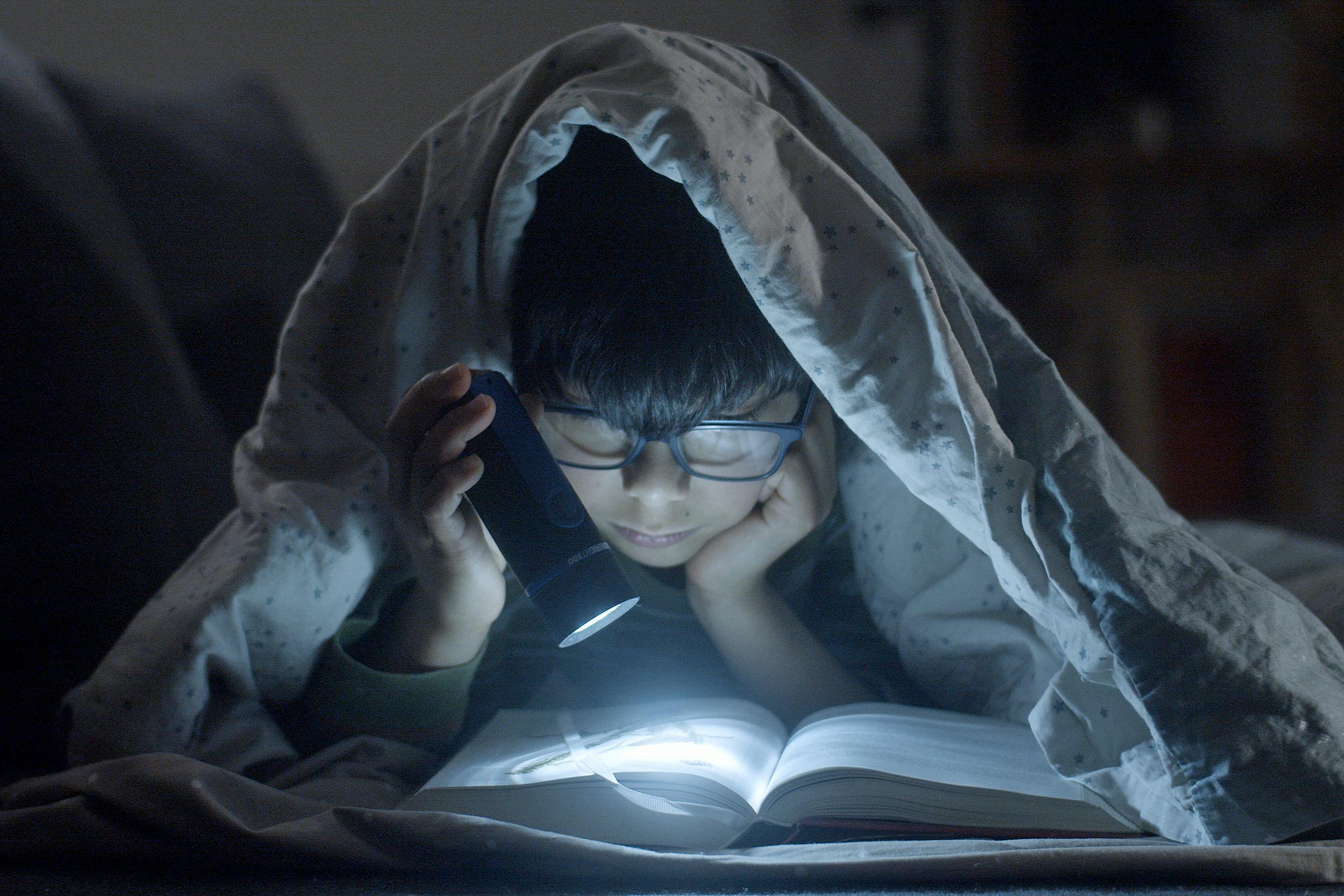
Provide a private space where your child can retreat. This might be their bedroom, a reading nook, or any quiet area they can claim as their own. Introverted children need territory where they control the stimulation level and can decompress without interruption.
Build quiet time into your family schedule. After school, parties, or other draining events, allow decompression periods before expecting your child to engage in conversations or activities. Some children need thirty minutes of solitude before they can discuss their day. Others need hours. Learn your child’s patterns and respect them.
Avoid putting your child on the spot with questions immediately after events. Instead of asking how school went the moment they walk in, let them settle first. Many introverted children open up more readily during parallel activities like car rides or while engaged in shared tasks than during direct conversation.
Prepare your child for new situations by discussing what to expect. Introverted children often feel more comfortable when they can mentally rehearse upcoming events. Describe who will be there, what will happen, and how long activities will last. This preparation reduces the cognitive load of processing new information in the moment.
When I transitioned into leadership roles, I learned to request meeting agendas in advance so I could formulate my thoughts beforehand. This strategy works equally well for children. Before a birthday party, discuss the games that might be played. Before starting a new activity, visit the location together. Familiarity reduces the energy cost of engagement.
Advocating for Your Introverted Child at School
Schools often reward extroverted behavior, from participation points to group projects to open classroom designs. Educators recognize that up to half of students may lean introverted, yet classroom structures frequently favor verbal participation and collaborative work.
Communicate proactively with your child’s teachers about their temperament. Explain that limited verbal participation doesn’t indicate disengagement or lack of understanding. Share strategies that work at home and ask what accommodations might help at school.
Request alternative assessment methods when possible. Introverted children often demonstrate comprehension better through written assignments, one on one discussions, or creative projects than through class presentations or group work. Some teachers willingly offer options when they understand the request reflects temperament rather than avoidance.
Help your child develop scripts for social situations they find challenging. Simple phrases for joining activities, asking for help, or excusing themselves to take breaks can reduce anxiety and cognitive load. Practice these scripts at home until they feel natural.
Discuss recharging strategies your child can use during the school day. The library, a quiet corner of the playground, or bathroom breaks can provide brief recovery periods. Some children benefit from arriving slightly early before the social intensity begins or staying slightly late to avoid the rush of dismissal.
Be cautious about overscheduling extracurricular activities. While introverted children benefit from interests and activities, they need more recovery time between engagements than extroverted peers. Quality matters more than quantity. One meaningful activity with adequate downtime serves your child better than a packed schedule that leaves them constantly depleted.
Helping Your Introverted Child Make Friends
Introverted children typically prefer fewer, deeper friendships over large social networks. This preference is healthy and shouldn’t be pathologized. However, you can support their social development while respecting their temperament.
Facilitate one on one playdates rather than group activities. Introverted children often connect more easily with a single friend than in group dynamics where conversation shifts rapidly and they must process multiple social cues simultaneously.
Structure playdates around activities rather than open ended social time. Shared tasks like building projects, art activities, or games provide natural conversation topics and reduce the social pressure of unstructured interaction. When children engage in parallel play with occasional collaboration, introverts can connect comfortably.
Look for friendship opportunities through your child’s interests. Activity based groups like book clubs, chess clubs, or hobby classes attract children with shared passions, providing natural connection points. Your introverted child may struggle to make friends through proximity alone but thrive when united by common interests.
Teach your child that quality friendships take time to develop. Introverted children often feel discouraged when they don’t make instant connections like some peers seem to manage. Explain that their approach to friendship, building trust gradually through shared experiences, creates stronger bonds even if it takes longer. If you’re managing your own introversion while raising children, the introvert parent’s complete handbook provides comprehensive support.
When Introversion Overlaps with Other Concerns
While introversion itself is a normal temperament variation, sometimes behaviors parents attribute to introversion signal other concerns worth investigating. Understanding the boundaries helps you support your child appropriately.
Social anxiety differs from introversion. An introverted child prefers quieter environments but can function comfortably in social situations when necessary. A child with social anxiety experiences genuine fear that interferes with normal activities. If your child’s avoidance seems driven by fear rather than preference, or if they express excessive worry about social situations, consider consulting a professional.
Depression can mimic introversion in some presentations. Withdrawal, reduced interest in activities, and social avoidance might reflect either temperament or mood concerns. Pay attention to changes from your child’s baseline. If a previously engaged child becomes withdrawn, or if they seem sad and hopeless rather than simply preferring solitude, seek evaluation.
Some neurodevelopmental differences, including autism spectrum conditions, share surface features with introversion. While introverted children prefer limited social engagement, they typically read social cues accurately and desire connection even if they find it tiring. If your child seems to struggle understanding social dynamics or shows other concerning patterns, professional assessment can clarify the situation.
Extreme behavioral inhibition that prevents your child from participating in age appropriate activities warrants attention. Most introverted children function normally despite their preference for quieter environments. If your child’s temperament significantly impairs their daily life, school performance, or relationship development, consultation with a child psychologist can help determine whether intervention would benefit them.

Celebrating Your Introverted Child’s Strengths
Introverted children bring tremendous gifts to families, classrooms, and eventually workplaces. Rather than focusing on challenges, cultivate awareness of your child’s unique strengths.
Introverted children often become excellent listeners, a skill increasingly rare and valuable. Their tendency to observe before acting makes them thoughtful decision makers. Their deep concentration abilities allow them to develop genuine expertise in areas that interest them.
Many introverted children display strong empathy because they spend time reflecting on their own emotions and noticing subtle cues in others. They often form loyal, lasting friendships because they invest deeply in relationships rather than spreading attention thinly across many connections.
Creative fields are populated with introverts whose rich inner lives fuel artistic expression. Scientific discovery often emerges from the sustained, solitary focus introverts provide naturally. Writers, researchers, artists, and innovators across fields frequently identify as introverted.
In my advertising career, I eventually recognized that my introverted tendencies weren’t obstacles to success. They were assets. My ability to listen carefully to clients, think deeply about problems, and communicate thoughtfully in writing contributed more to my advancement than any networking event ever did. Your introverted child possesses similar advantages, even if they don’t align with conventional expectations. Families who navigate these dynamics successfully often find our resource on dealing with extroverted children as introverts helpful for understanding different temperaments within families.
Moving Forward Together
Identifying your child’s introversion marks the beginning of a parenting approach tailored to who they actually are rather than who you might have expected them to be. This awareness allows you to create environments where they thrive, advocate effectively for their needs, and help them understand and appreciate their own temperament.
Remember that your introverted child isn’t defective, difficult, or destined to struggle. They’re different in ways that carry genuine advantages. Your job isn’t to extrovert them but to help them develop skills for managing a world that doesn’t always accommodate their needs while preserving the qualities that make them uniquely valuable.
The quiet child at the birthday party arranging presents might grow into the researcher who solves problems no one else can concentrate on long enough to crack. The toddler who needs extensive warm up time might become the leader who listens more than they speak and makes decisions everyone trusts. The teenager who prefers books to parties might become the writer whose words change how people think.
Your child’s introversion is part of who they are. When you accept, understand, and support that temperament, you give them the foundation to embrace themselves fully and contribute their particular gifts to a world that needs them.
Frequently Asked Questions
At what age can you tell if a child is an introvert?
Temperamental tendencies appear as early as four months of age, with babies showing different reactions to new stimuli. However, clearer patterns typically emerge during the toddler years as children develop more observable social behaviors and preferences. By age two or three, most parents can identify consistent patterns that suggest introversion or extroversion.
Can a child outgrow introversion?
Introversion is a stable temperament rather than a developmental phase. While children develop skills for managing social situations and may appear more comfortable over time, their underlying preference for lower stimulation environments and need for solitude to recharge typically persists. Research shows people often become more introverted as they age rather than less.
Is my introverted child at a disadvantage compared to extroverted peers?
Introverted children face different challenges than extroverts but possess different strengths as well. While schools and social situations often favor extroverted behaviors, introverts excel in areas requiring deep concentration, careful observation, thoughtful analysis, and meaningful relationships. Success depends more on leveraging natural strengths than conforming to a single behavioral template.
Should I push my introverted child to be more social?
Gentle encouragement to develop social skills differs from forcing constant social engagement. Help your child practice social situations while respecting their need for recovery time. Focus on quality of social experiences rather than quantity. A few meaningful friendships serve introverted children better than extensive social networks they find exhausting to maintain.
How do I explain introversion to my child?
Use simple, positive language. Explain that some people feel energized by being around others while some people feel energized by quiet time alone. Neither approach is better, just different. Help them understand that needing breaks from social activities is normal for them, not a flaw. Emphasize their strengths like listening well, thinking carefully, and connecting deeply with friends.
Explore more Introvert Family Dynamics and Parenting resources in our complete Introvert Family Dynamics and Parenting Hub.
About the Author
Keith Lacy is an introvert who’s learned to embrace his true self later in life. With a background in marketing and a successful career in media and advertising, Keith has worked with some of the world’s biggest brands. As a senior leader in the industry, he has built a wealth of knowledge in marketing strategy. Now, he’s on a mission to educate both introverts and extroverts about the power of introversion and how understanding this personality trait can unlock new levels of productivity, self-awareness, and success.