
Explaining introversion to a young child is simpler than most parents expect. You don’t need technical language or personality frameworks. You need honest, age-appropriate words that help your child understand why they feel the way they do, and why that’s perfectly okay.
Children as young as three or four can grasp the basic idea that some people feel energized by being around others, while some people feel more like themselves when they have quiet time. That distinction, kept simple and warm, is enough to plant the right seed.
What follows is what I wish someone had told me when I was young, and what I’ve come to believe every introverted child deserves to hear from the adults who love them.

Our Introvert Family Dynamics and Parenting hub covers everything from how introverted parents manage their own energy to how families can build rhythms that work for everyone. This article focuses on one specific piece of that picture: the actual words you use when talking to young children about what it means to be an introvert.
Why Does Explaining Introversion to Children Matter at All?
Nobody explained introversion to me as a kid. I just knew I was different. I’d come home from birthday parties feeling exhausted when everyone else seemed wound up. I’d choose books over playground chaos. I’d sit quietly at family dinners while my cousins chased each other through the house, and adults would look at my parents with that particular expression that said, “Is he okay?”
What’s your personality type?
Take our free 40-question assessment and get a detailed personality profile with dimension breakdowns, context analysis, and personalised insights.
Discover Your Type8-12 minutes · 40 questions · Free
Without a framework, I did what most introverted children do. I concluded something was wrong with me.
That belief followed me into my career. When I started running advertising agencies, I spent years mimicking the loud, always-on energy of the extroverted leaders I saw around me. I thought that’s what leadership looked like. It took me well into my forties to understand that my quieter, more deliberate style wasn’t a liability. It was, in fact, a genuine strength. But I lost a lot of years to the belief that I needed fixing.
Children who receive a simple, affirming explanation of their introversion early don’t have to carry that weight. They grow up with a vocabulary for their experience. They can tell a teacher, “I need a few minutes alone to feel ready.” They can tell a friend, “Big crowds tire me out, but I still want to hang out with you.” That kind of self-awareness is a gift that compounds over a lifetime.
The National Institutes of Health has noted that infant temperament, including tendencies toward quieter, more observational behavior, can predict introversion into adulthood. Introversion isn’t a phase children grow out of. It’s a wiring that deserves early understanding, not early correction.
What Age Can Children Actually Understand Introversion?
Parents often assume this conversation belongs to adolescence. It doesn’t. Children as young as four or five can understand the core concept when it’s framed around feelings and energy rather than personality theory.
Think about how children already talk about their bodies. They know when they’re hungry. They know when they’re tired. They know when something hurts. You’re simply adding one more piece of self-knowledge: some people’s inner battery charges when they’re around people, and some people’s inner battery charges when they’re alone or in quiet.
Around ages three to five, you can introduce the battery metaphor in its simplest form. “You know how your tablet needs to charge? Your brain works a little like that. Quiet time helps you charge up.” That’s it. That’s enough for this age.
Between six and nine, children can handle a bit more nuance. You can explain that people are different, that some friends love being in big groups and feel great afterward, while others feel better after some time to themselves. Neither is wrong. Both are just different ways of being a person.
By ten and eleven, many children are ready for the actual word. “Introvert” can be introduced alongside its opposite, with care taken not to frame either as superior. At this age, children are already handling social comparison intensely. Your framing matters enormously.
What Words Actually Work When Talking to Young Children?
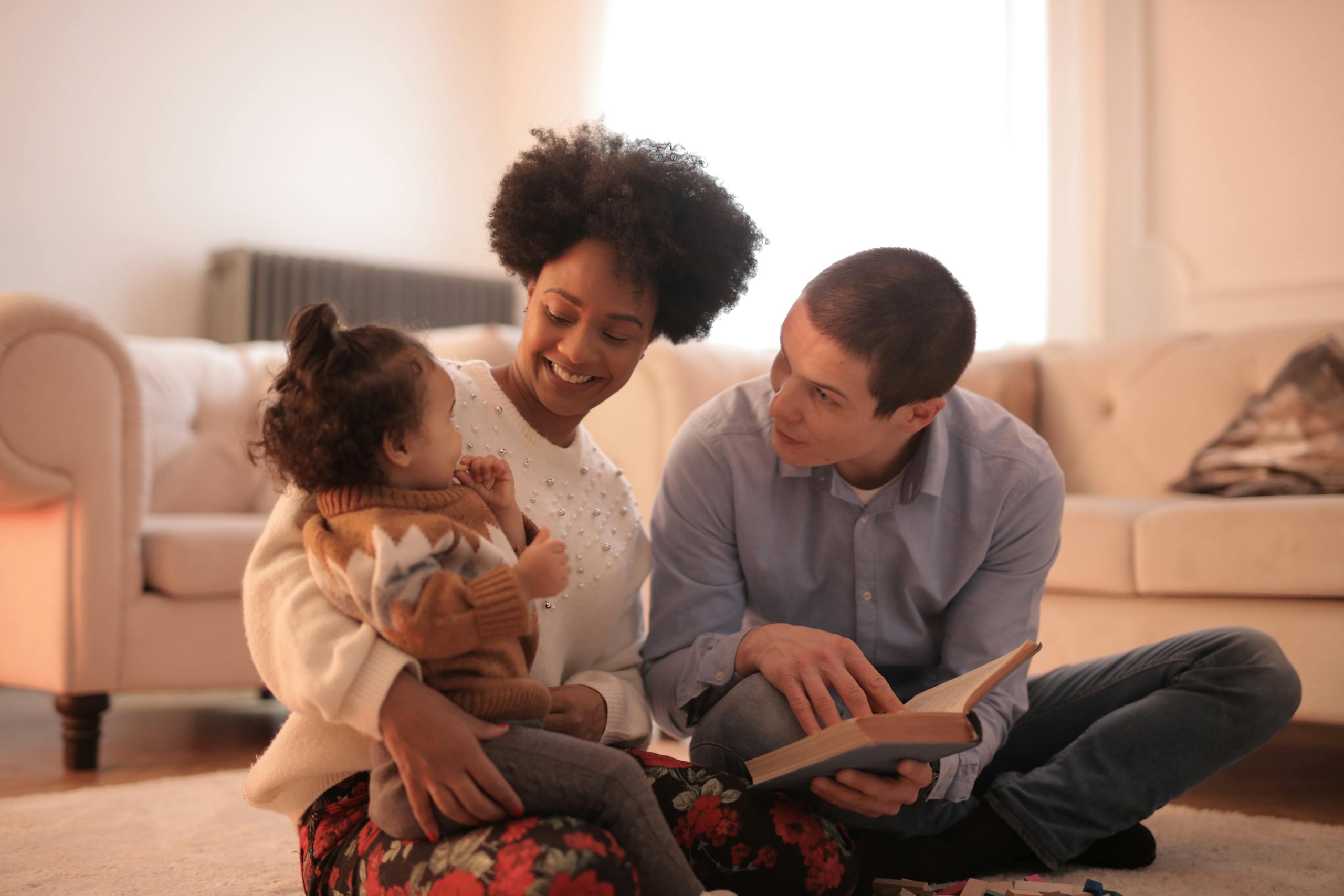
The language you choose shapes how children internalize the concept. Certain phrases affirm. Others accidentally stigmatize. consider this I’ve seen work, both from my own experience and from conversations with parents who’ve navigated this carefully.
The battery metaphor. “Some people’s batteries fill up when they’re with lots of people. Your battery fills up when you have some quiet time. That’s not bad. That’s just how your battery works.” Children who’ve grown up with tablets and phones immediately connect with this. It’s concrete, it’s neutral, and it explains without pathologizing.
The “different kinds of people” framing. “Did you know that people are all made a little differently? Some people feel really happy after a big party. Some people feel really happy after reading in their room. You’re the kind of person who feels happy after quiet time. That’s one of the special things about you.” This positions introversion as a characteristic, not a flaw.
The feelings-first approach. Rather than starting with definitions, start with what your child has already experienced. “Remember how tired you felt after the birthday party? That happens to some people. It doesn’t mean you didn’t have fun. It just means your brain was working really hard taking everything in. You notice a lot, don’t you?” Many introverted children light up when someone names their observational nature as a strength rather than a problem.
What you want to avoid is any framing that suggests the child needs to change. Phrases like “you just need to be more social” or “you’ll get used to it” send the wrong signal. They tell the child that their natural state is insufficient. Even well-meaning reassurances can land badly if they imply the introversion is a temporary problem rather than a permanent feature.
I’ve seen how this plays out in professional settings too. When I managed creative teams at my agencies, I regularly worked with introverted designers and writers who’d spent their entire careers being told they needed to “come out of their shell.” By the time they reached me, many of them had developed a complicated relationship with their own strengths. They’d learned to apologize for the very qualities, depth, precision, careful observation, that made their work excellent. The damage started early, with the words adults used when they were children.
How Do You Handle It When Your Child Asks, “Am I Weird?”
Children will ask this. Sometimes directly, sometimes sideways. “Why don’t I like parties?” or “Why do I always want to go home?” or simply, “Why am I different?”
Your answer in that moment carries real weight. What you want to communicate is this: different is not deficient. Different is just different.
One approach that works well is to name other people the child knows and admires who share the trait. “You know how [a favorite relative or character] always seems to think carefully before they say something? That’s because they’re a lot like you. They take their time. They notice things. That’s actually a really powerful way to be.” Children respond to concrete examples far better than abstract reassurance.
You might also share something about yourself, if it’s true. If you’re an introverted parent, saying “I’m actually a lot like you. I need quiet time too, and it’s helped me in ways I didn’t expect” gives the child a living model. It normalizes the trait and connects you both.
If you’re an extroverted parent raising an introverted child, your honesty about the difference is equally valuable. “You and I are wired a little differently, and I’m still learning what you need. But I know that what you need is real and it matters.” That kind of humility builds more trust than any perfectly crafted explanation.
For parents who are also highly sensitive, the conversation carries its own additional layers. If that resonates with you, HSP parenting and raising children as a highly sensitive parent explores how your own sensitivities shape the way you show up for your kids.
What Should You Tell Teachers and Other Adults in Your Child’s Life?
Explaining introversion to your child is only part of the work. The adults around your child, teachers, coaches, grandparents, family friends, also shape how your child comes to understand themselves.
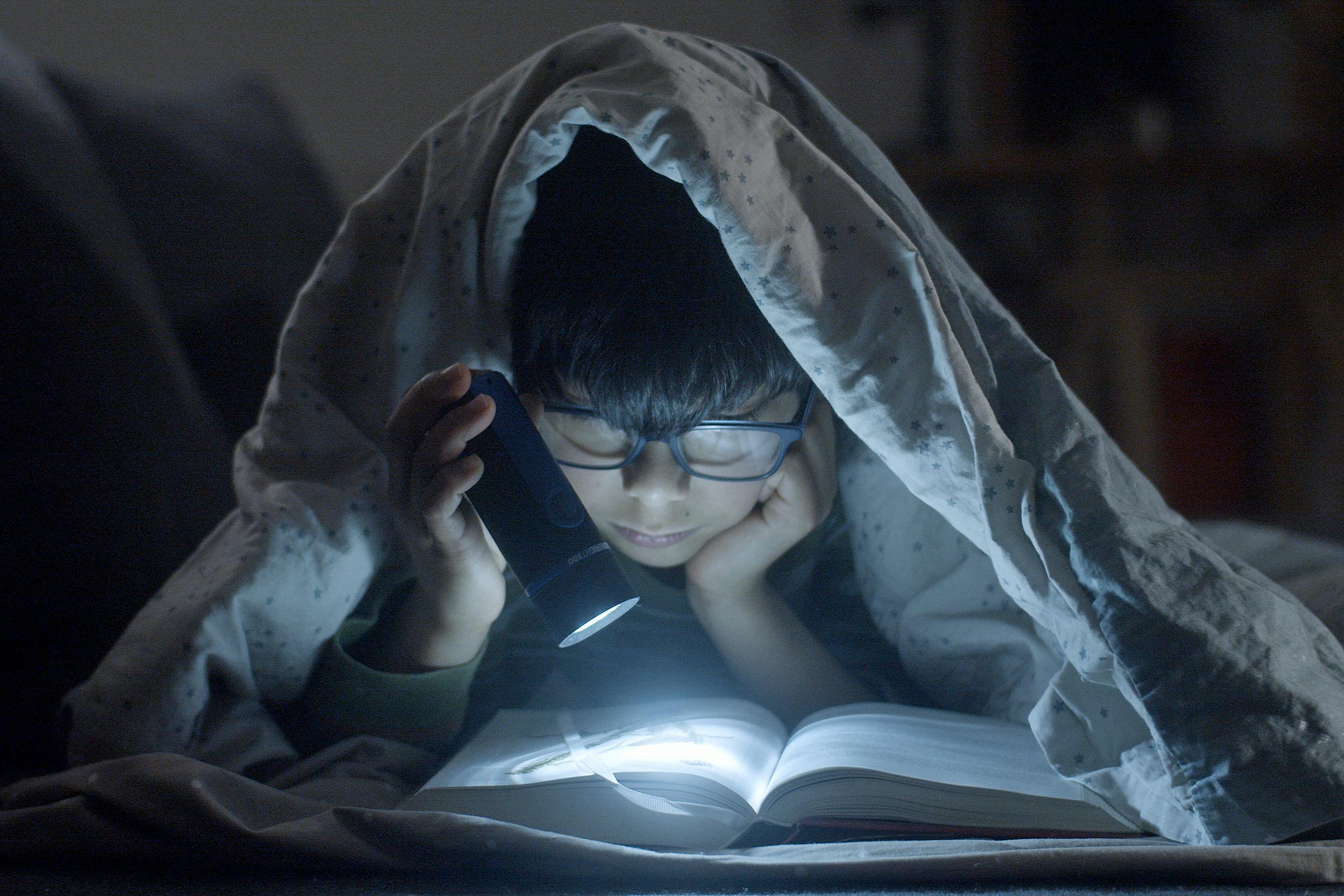
Teachers are especially important. Many classrooms are designed around extroverted participation. Group projects, class discussions, spontaneous verbal answers. An introverted child who needs processing time before speaking can easily be misread as disengaged, slow, or unconfident. A quiet word to a teacher at the start of the year can change a child’s entire experience.
Something simple works well here. “My daughter tends to process internally before she speaks. She’s not disengaged, she’s thinking. She does her best work when she has a moment to collect her thoughts rather than being called on cold. Is there any flexibility in how participation is measured?” Most teachers, when approached with warmth rather than demands, respond positively to this kind of specificity.
With grandparents and extended family, the conversation is often more delicate. Older generations frequently interpret introversion as shyness, sadness, or poor social development. They mean well, but their concern can come out as pressure: “Go play with the other kids,” or “Why are you so quiet?” delivered in front of the child reinforces the idea that something is wrong.
A private conversation before family gatherings can help. “Just so you know, she tends to need a little time to warm up in big groups. She’s completely fine. She just processes differently. It would mean a lot if we could give her space to come to people on her own terms rather than pushing her into the middle of things.” Most family members, once they understand, adjust.
Personality frameworks can help adults understand these differences more broadly. Tools like the Big Five personality traits assessment offer a research-backed way to explore where introversion sits within a wider picture of personality, and can be useful for parents trying to articulate their child’s traits to educators or professionals.
How Do You Balance Honesty With Not Over-Labeling Your Child?
This is a tension worth sitting with. Labels can liberate, and labels can limit. The goal is to give your child a useful frame without letting that frame become a cage.
One thing I’ve noticed in my own experience is how quickly a self-concept can narrow once it’s named. Early in my career, I latched onto being “the analytical one” and used it to justify avoiding things that actually would have helped me grow, public speaking, client relationship-building, mentoring younger team members. The label became an excuse as much as an explanation.
Children can do the same thing. If “I’m an introvert” becomes a reason to never try anything socially challenging, the label has done harm. The goal is to give children language for their experience, not a permission slip to avoid growth.
A healthy framing sounds like this: “You’re someone who gets energy from quiet time. That’s true and it’s good. It also means that sometimes social things take more out of you, and that’s okay. We’ll make sure you have time to recharge. And we’ll also keep trying new things together, because some of those things will surprise you.” That holds both truths at once.
Personality is also not fixed in the way children might initially imagine it. The broader research on personality development suggests that traits shift across a lifetime, particularly through major life experiences. Introversion tends to be stable, but how a person expresses and works with that introversion evolves. Children benefit from knowing their personality is something to work with, not a verdict.
It’s also worth being careful about conflating introversion with other traits or conditions that look similar on the surface but are meaningfully different. Introversion is a normal personality dimension. Social anxiety, for instance, is something else entirely. If a child’s discomfort in social situations seems to go beyond preference into genuine distress, that’s worth exploring with a professional. Understanding the difference matters. Resources like the borderline personality disorder screening or similar self-assessment tools are designed for adults, but they illustrate how important it is to distinguish between personality traits and clinical concerns when supporting any child’s development.
What Happens When an Introverted Child Has Extroverted Siblings?
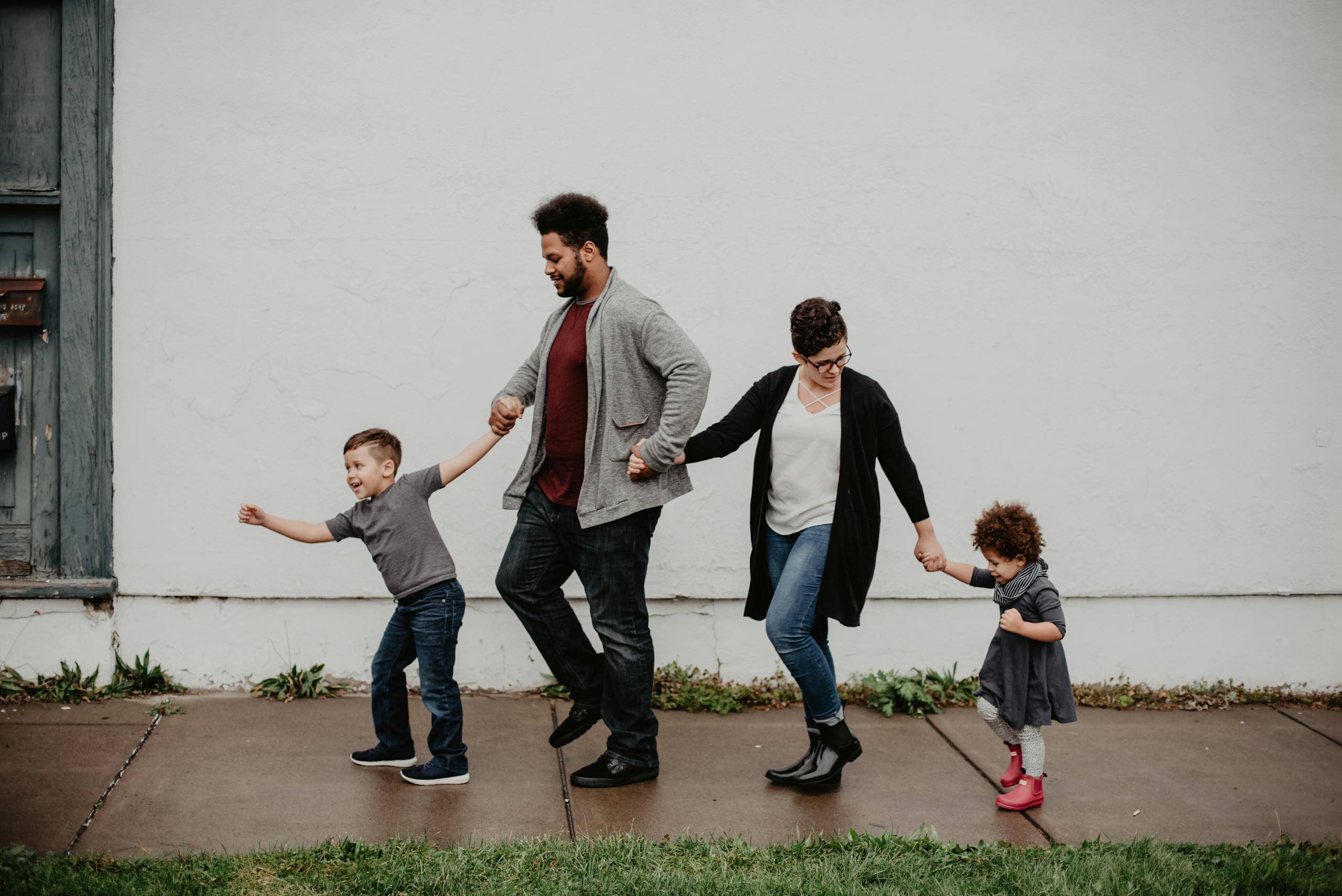
Sibling dynamics add a layer of complexity that parents often underestimate. When one child thrives in noise and chaos while another retreats from it, the extroverted child’s needs tend to win by default simply because they’re louder and more visible.
The introverted child, without language for what they need, often just goes quiet and withdraws. Adults interpret this as the child being fine. The child is not always fine. They’ve simply learned that their needs aren’t going to be heard, so they’ve stopped expressing them.
Giving the introverted child words for their experience helps them advocate for themselves within the family. “I need some quiet time” is a sentence a five-year-old can learn to say. But they’ll only say it if they’ve been taught that the need behind it is legitimate.
It’s also worth having a version of this conversation with the extroverted sibling. Not a lecture, but a simple explanation. “Your brother gets tired when things are really loud for a long time. It doesn’t mean he doesn’t love you or want to play with you. It just means he needs a break sometimes, the same way you get hungry and need a snack.” Children understand fairness. Frame it as meeting different needs, not favoring one child over another.
Family dynamics around personality are genuinely complex. Psychology Today’s overview of family dynamics offers useful context for parents trying to understand how personality differences within a family system shape relationships over time.
How Do You Model Introversion as a Strength in Daily Life?
Children learn far more from what they observe than from what they’re told. If you want your child to internalize introversion as a strength, they need to see it lived that way.
That means being honest when you need quiet time rather than apologizing for it. It means narrating your own internal process occasionally. “I’m going to take a few minutes to think about this before I answer” is a sentence that models deliberate processing as something worth doing rather than something to hide.
It also means celebrating the specific strengths that often accompany introversion, depth of focus, careful observation, loyalty in close relationships, the ability to work independently. When your introverted child finishes a drawing they spent forty-five minutes on, you can say, “I love how you stayed with that. Not everyone can focus like that. It’s one of your gifts.” That’s not empty praise. It’s accurate attribution.
In my agency years, some of the most valuable people on my teams were the quiet ones. Not because quiet is inherently better, but because in a room full of people competing to speak, the person who waits and listens often hears what everyone else missed. I tried to name that explicitly when I saw it. “You caught something the rest of us walked right past.” Hearing that kind of recognition changes how people see their own quiet nature.
Your child needs that same recognition at home, early and often. The world will spend years telling them to speak up, join in, and be more outgoing. Your home can be the place where they hear a different message.
Part of that modeling involves how you present yourself to others, too. Children notice when a parent deflects, minimizes, or apologizes for needing space. They also notice when a parent says, simply and without embarrassment, “I’m going to step out for a bit. I need some quiet to recharge.” That kind of matter-of-fact self-awareness is one of the most powerful things an introverted parent can pass on.
Social confidence, including the confidence to know and communicate what you need, is something introverts can absolutely develop. Tools like the likeable person assessment can be interesting for adults reflecting on how they come across socially, particularly as they work on modeling healthy self-expression for their children.

What Comes Next as Your Child Grows?
The conversation you have with a four-year-old about batteries and quiet time will evolve. By middle school, your child may want to understand more about why they’re wired this way. By high school, they may be grappling with how their introversion intersects with social expectations, college visits, job interviews, and all the performance-heavy milestones adolescence brings.
What you build now is the foundation for all of that. A child who grows up knowing that their introversion is a feature and not a flaw enters each of those milestones with a different internal posture. They may still find them hard. Many introverts do. But they won’t find them hard because they believe something is fundamentally wrong with them. That distinction matters enormously.
Some introverted children will eventually find their way into careers that suit their natural strengths. Others will choose paths that require stretching those strengths into less comfortable territory. Either way, they’ll be better equipped if they’ve spent years building a clear, compassionate understanding of who they are.
Certain professions that require deep empathy and attentiveness, caregiving roles, for instance, often draw introverts precisely because of their observational depth. Tools like the personal care assistant career assessment or the certified personal trainer practice exam are examples of how personality awareness can eventually inform career direction, though that’s a conversation for much later. What matters now is the seed you plant.
The broader research on personality and well-being consistently points to self-understanding as a meaningful factor in life satisfaction. Children who are given tools to understand themselves, including their personality traits, tend to make more congruent choices across their lives. That’s a long-term gift wrapped in a short, honest conversation.
And one more thing worth saying: you don’t have to get this perfectly right. You just have to start. A stumbling, imperfect conversation that communicates “you are fine exactly as you are” does more good than a perfectly scripted talk that never happens because you weren’t sure you had the right words.
For more on how introversion shapes family relationships and parenting dynamics across every stage, the full Introvert Family Dynamics and Parenting resource hub is a good place to keep exploring.
About the Author
Keith Lacy is an introvert who’s learned to embrace his true self later in life. After 20 years in advertising and marketing leadership, including running agencies and managing Fortune 500 accounts, Keith now channels his experience into helping fellow introverts understand their strengths and build fulfilling careers. As an INTJ, he brings analytical depth and authentic perspective to every article, drawing from both professional expertise and personal growth.
Frequently Asked Questions
At what age should I tell my child they are an introvert?
You can begin introducing the concept as early as age three or four using simple, concrete language like the battery metaphor. The actual word “introvert” can be introduced around ages nine to eleven, when children are better equipped to understand personality as a concept. What matters most is starting with feelings and energy rather than labels, and building from there as your child grows.
How do I explain introversion without making my child feel different in a negative way?
Frame introversion as a characteristic, not a flaw. Use language that positions it alongside its opposite without ranking either: “Some people charge up around others, and some people charge up in quiet. You’re the second kind, and that’s one of the things that makes you you.” Avoid any framing that implies the child needs to change or that their natural state is a problem to solve.
What is the difference between introversion and shyness in children?
Introversion is about energy: where a person draws it from and what depletes it. Shyness is about anxiety in social situations. An introverted child may be perfectly confident in social settings but simply prefer smaller groups or need recovery time afterward. A shy child may want social connection but feel fear or discomfort getting there. The two can overlap, but they are meaningfully different, and treating introversion as shyness can lead to misplaced interventions.
Should I tell my child’s teacher that they are introverted?
Yes, a brief, warm conversation with your child’s teacher at the start of the school year can make a significant difference. Let the teacher know that your child processes internally before speaking, may need a moment before answering questions aloud, and tends to do their best thinking when given some processing time. Most teachers respond well to this kind of specific, practical information and can adjust how they call on your child accordingly.
Can an introverted child become more extroverted as they grow up?
Introversion tends to be a stable trait, though how a person expresses and works with it can shift considerably over time. Many introverts develop strong social skills and become quite comfortable in situations that once felt draining. That’s not the same as becoming extroverted. It’s developing flexibility within an introverted nature. Your child may grow into someone who handles large groups gracefully while still needing quiet time to recover, and that’s a perfectly healthy outcome.