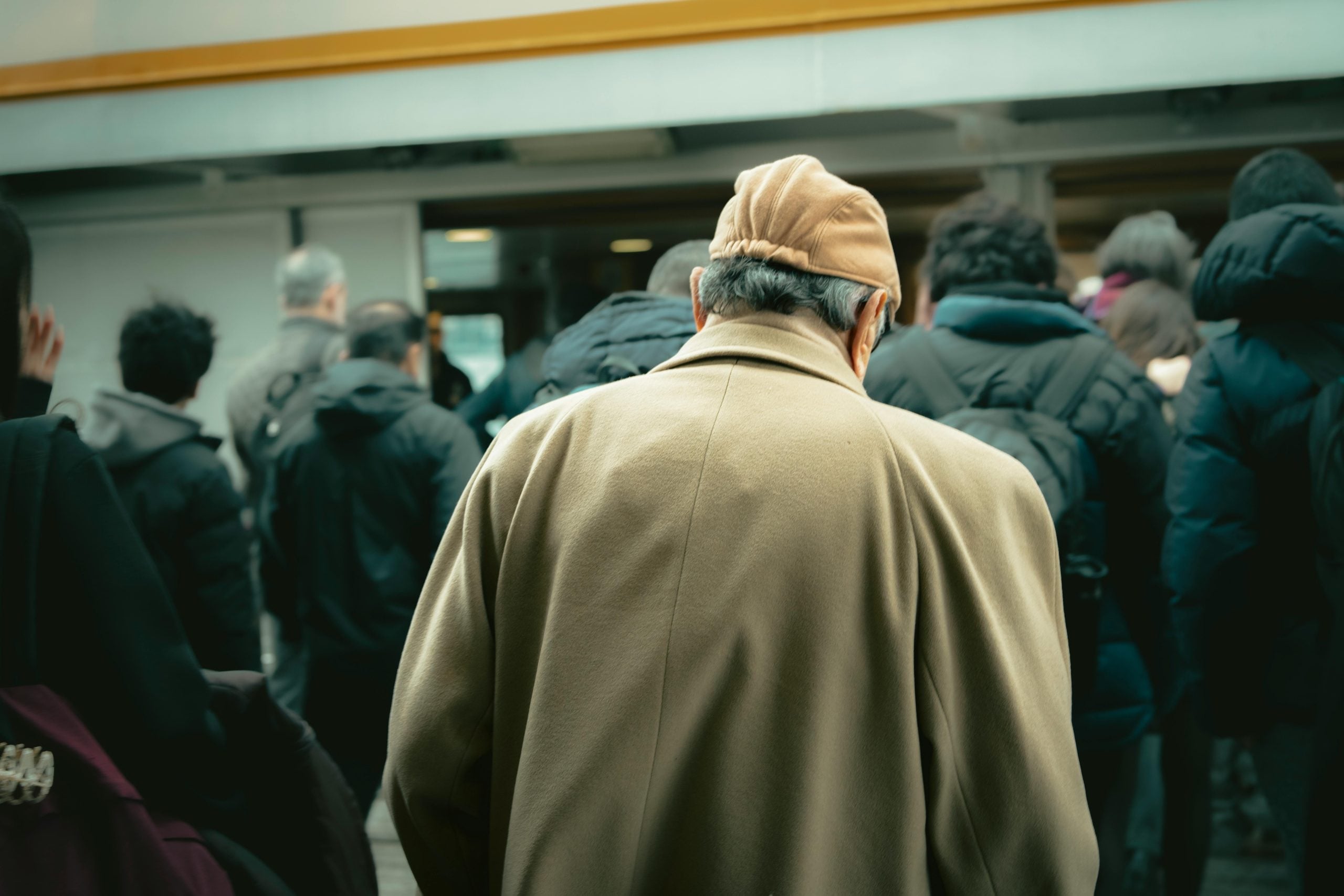

Young people’s social anxiety worsened significantly during the pandemic years, and the effects have proven far more persistent than most expected. Extended isolation, disrupted developmental milestones, and the collapse of everyday social scaffolding left many adolescents and young adults struggling to re-engage with the world once restrictions lifted. What looked like a temporary disruption has revealed itself as something with longer roots.
What strikes me most, watching this unfold from the outside, is how differently it registered depending on where someone already sat on the introversion-anxiety spectrum. Some young introverts found a strange, temporary relief in the early lockdown months. Others discovered that the silence they thought they wanted was hollowing them out in ways they hadn’t anticipated. And for those already carrying social anxiety, the pandemic didn’t give them rest. It gave them more time to rehearse their fears without any opportunity to test them.
There’s a lot worth understanding here, and it goes beyond the headline numbers. If you’re trying to make sense of what happened, or you’re watching someone you care about struggle with this, the Introvert Mental Health hub covers the full landscape of how personality, sensitivity, and anxiety intersect in ways that aren’t always obvious from the outside.
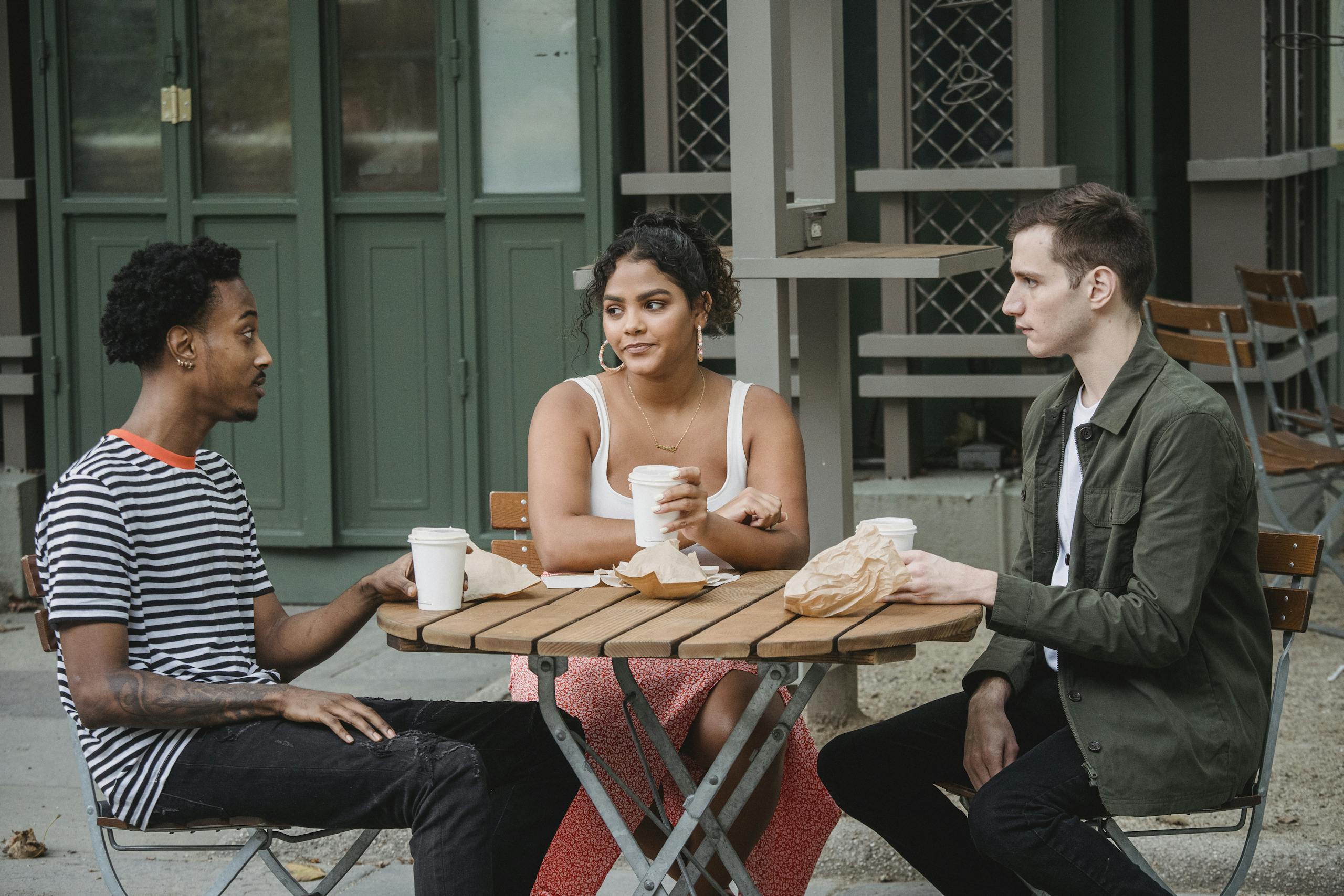
What Did the Pandemic Actually Do to Young People’s Social Development?
Adolescence and early adulthood are periods when the brain is still building its social architecture. Every awkward conversation, every group project, every party you didn’t want to attend but went to anyway, those experiences aren’t just uncomfortable moments. They’re the raw material the nervous system uses to calibrate what’s safe, what’s threatening, and how to recover from social missteps. When that input disappears for months or years at a stretch, something important gets interrupted.
What’s your personality type?
Take our free 40-question assessment and get a detailed personality profile with dimension breakdowns, context analysis, and personalised insights.
Discover Your Type8-12 minutes · 40 questions · Free
I think about this in terms of what I observed in my own teams during the pandemic. My agencies went fully remote in spring 2020, and I watched junior staff, people in their mid-twenties who were still figuring out professional social norms, visibly struggle in ways that my senior people didn’t. The veterans had decades of social calibration stored up. The younger staff were building theirs in real time, and suddenly the building site closed. When we eventually returned to in-person work, I noticed that the gap wasn’t just about confidence. It was about fluency. Some of them had lost the easy, automatic quality of social reading that comes from practice.
For young people with pre-existing social anxiety, the pandemic created a particularly vicious dynamic. Avoidance is one of the core mechanisms that keeps anxiety alive. When you avoid something that frightens you, the fear doesn’t shrink. It grows, because your nervous system never gets the chance to learn that the feared outcome didn’t happen. Extended lockdowns essentially mandated avoidance for everyone, which meant that those already prone to social anxiety had their avoidance patterns reinforced on a societal scale. The American Psychological Association’s overview of anxiety disorders frames this well: anxiety persists when avoidance prevents the natural process of fear extinction.
Why Did Some Young Introverts Feel Fine at First, Then Worse Later?
This is something I’ve thought about a lot, partly because I saw it in myself during the early pandemic months. As an INTJ, I’m genuinely energized by solitude and deep focus. The first few weeks of lockdown felt, honestly, like a strange gift. No commute. No open-plan office noise. No back-to-back client meetings that drained me flat by Thursday afternoon. I had space to think, and I used it productively.
But somewhere around month three or four, something shifted. I started noticing a kind of flatness creeping in. Not depression exactly, more like a loss of texture. Even introverts need some social input to stay calibrated. We need the contrast. Without any social engagement, the solitude that usually restores me started to feel less like restoration and more like stagnation.
For young introverts, this pattern was often more pronounced and more confusing. Many of them initially felt validated by lockdown. They’d spent years being told their preference for quiet was a flaw, and suddenly the whole world was operating on their terms. Some reported feeling less anxious in those early months. Then, as isolation extended, the anxiety came back, often worse than before, but now attached to the re-entry process rather than social interaction itself. The prospect of returning to normal social life felt enormous after so long away from it.
Young people who are also highly sensitive found this particularly difficult to process. The depth of emotional processing that characterizes HSPs means they weren’t just experiencing the pandemic at a surface level. They were absorbing and integrating every layer of it, the grief, the uncertainty, the social disruption, in ways that took a real toll over time.
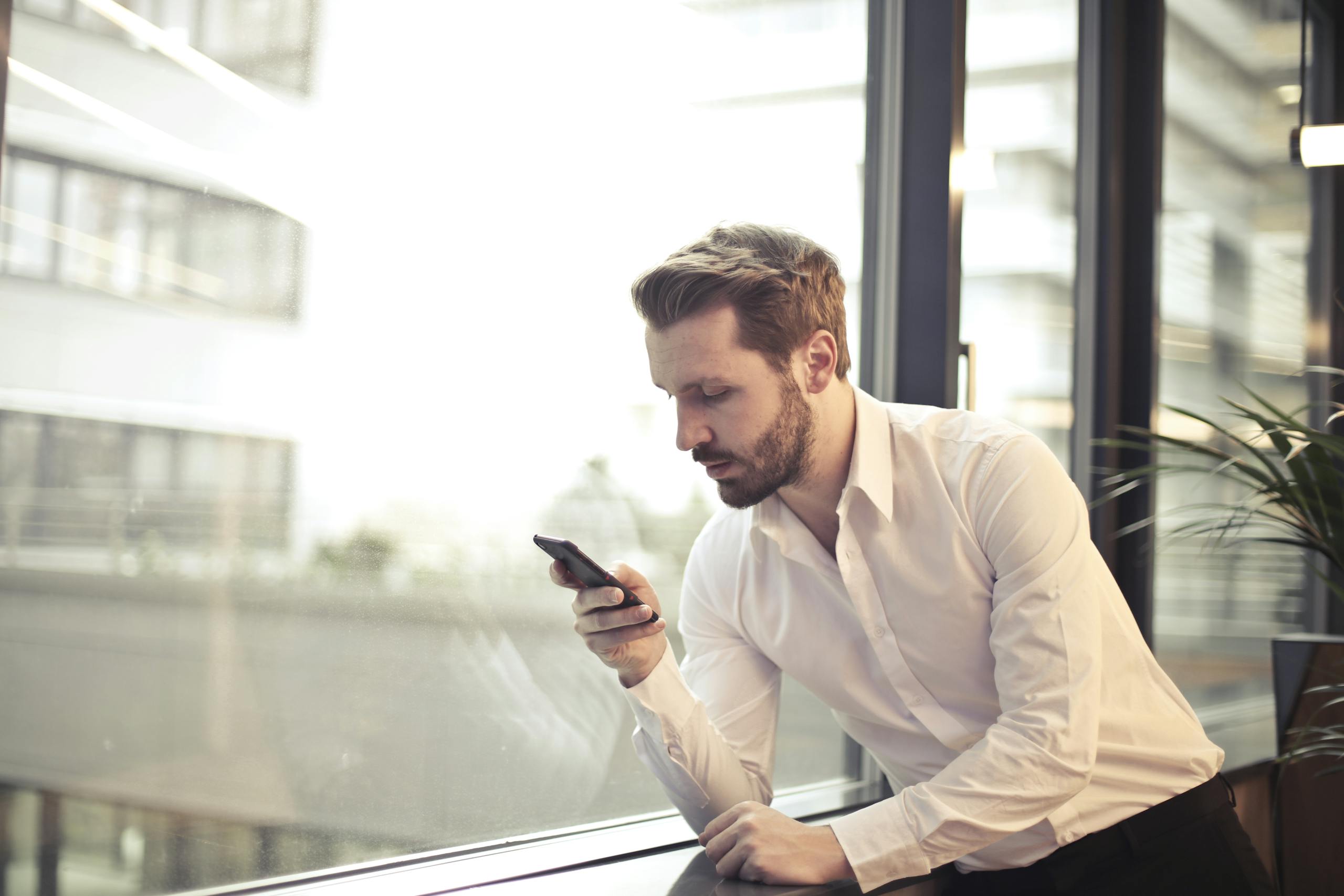
How Did Screen-Based Social Life Change the Anxiety Equation?
One of the things that gets glossed over in discussions about pandemic social anxiety is the role that digital social life played, not as a solution, but as a complicating factor. Young people didn’t stop being social during lockdown. They moved their social lives online. And for many, that transition felt manageable at first, even preferable. You could control the environment. You could mute yourself. You could exit a video call without the awkward physical choreography of leaving a room.
But online social interaction lacks most of the sensory and contextual information that human beings use to handle social situations. Body language, physical proximity, ambient sound, the thousand small nonverbal cues that tell you whether someone is engaged or distracted, whether the mood in a room is warm or tense, all of that disappeared. What replaced it was a flattened, mediated version of connection that was better than nothing but not the same thing.
For young people who were already prone to social anxiety, the digital environment offered a kind of false safety. It felt less threatening because it was less rich. But that reduced richness also meant less opportunity for the brain to practice the full complexity of social processing. When in-person interaction returned, many young people found themselves overwhelmed by the very sensory fullness of it. The sounds, the crowding, the need to track multiple conversations at once, things that had once been background noise suddenly felt like too much.
This connects directly to what many highly sensitive young people experience as sensory overload in crowded or stimulating environments. The pandemic may have lowered the threshold for what feels manageable, making ordinary social environments feel genuinely overwhelming to people who’d previously coped with them.
There’s also the social comparison dimension of digital life to consider. Social media didn’t pause during lockdown. Young people were still scrolling, still measuring their isolation against curated images of other people’s seemingly functional lives. Research published in PubMed Central has examined the relationship between social media use and anxiety outcomes in young people, and the picture is complicated. It’s not simply that more screen time equals more anxiety, but the type of use matters enormously, and passive consumption during a period of social deprivation created conditions where comparison anxiety could thrive.
What Made Highly Sensitive Young People Particularly Vulnerable?
Not every young person who struggled during the pandemic had a diagnosable anxiety disorder going in. Many were simply wired with a nervous system that processes experience more deeply and responds more strongly to environmental input. The highly sensitive person framework, developed by psychologist Elaine Aron, describes a trait present in a meaningful portion of the population, one characterized by deeper processing of sensory and emotional information, stronger emotional responses, and greater sensitivity to subtlety and nuance.
For highly sensitive young people, the pandemic wasn’t just a social disruption. It was an extended period of intense, unrelenting emotional and sensory input, followed by a jarring re-entry into a world that felt simultaneously familiar and foreign. The grief of lost experiences, cancelled graduations, missed proms, the first year of college conducted entirely online, was processed at a depth that many of their peers didn’t fully share.
I managed a young creative director at one of my agencies who I’d describe as highly sensitive in every professional sense. She was perceptive, emotionally attuned, and extraordinarily good at reading a room. During the pandemic, she struggled in ways that surprised her. She’d always assumed her sensitivity was a liability in high-pressure environments, and the pandemic seemed to confirm that fear. What she was actually experiencing was the double weight of processing both her own anxiety and the collective anxiety of everyone around her. That’s a real phenomenon, and it’s exhausting. The way HSP empathy functions as both a gift and a source of emotional burden helps explain why sensitive young people often bore a disproportionate emotional load during this period.
There’s also the perfectionism angle. Many highly sensitive young people carry strong perfectionist tendencies, and the pandemic created conditions where perfectionism had nowhere productive to go. Social skills felt rusty. Academic performance was disrupted. The sense of falling short of an internal standard, with no clear path to correcting it, fed anxiety in a particularly corrosive way. Understanding how perfectionism operates in sensitive people is part of understanding why re-entry felt so fraught for many of them.

How Is Post-Pandemic Social Anxiety Different From What Came Before?
Social anxiety disorder isn’t new. The American Psychological Association has documented shyness and social anxiety as longstanding features of human experience, and the clinical criteria for social anxiety disorder have been relatively stable. What changed during and after the pandemic wasn’t the nature of social anxiety so much as its prevalence, its intensity in people who’d previously managed it, and the particular shape it took in young people who’d lost critical developmental time.
Pre-pandemic social anxiety often centered on specific situations: public speaking, meeting new people, being observed while doing something. Post-pandemic anxiety in young people often feels more diffuse and harder to pin down. Many describe a generalized unease about social environments that didn’t used to bother them. Cafeterias. Hallways. Casual conversation with acquaintances. Things that once felt automatic now require effort and produce discomfort.
There’s also a pronounced fear of judgment that seems amplified in the post-pandemic cohort. Years of reduced in-person interaction meant less practice with the inevitable small failures of social life, the awkward pause, the misread joke, the conversation that doesn’t quite land. Without regular exposure to those moments and the recovery from them, many young people developed an inflated sense of how catastrophic social missteps actually are. Psychology Today’s exploration of the distinction between introversion and social anxiety is worth reading here, because one of the complications of this period is that many young people conflated the two. Preferring less social interaction is not the same as fearing it, but the pandemic blurred that line for a generation.
Rejection sensitivity also intensified. When you’ve been socially isolated, the stakes of any individual social interaction feel higher. There’s less of a buffer of ongoing connection to absorb the sting of a rebuff or a social failure. For young people already prone to taking social feedback hard, that heightened sensitivity became a significant obstacle to re-engagement. The process of working through rejection and rebuilding social confidence takes on particular weight when the foundation of ordinary social experience has been disrupted.
What Does the Re-Entry Struggle Actually Look Like in Practice?
Abstract descriptions of social anxiety can make it sound like a vague emotional state. What I’ve observed, both in my professional life and in conversations with people handling this, is that it shows up in very concrete, specific ways that are easy to miss if you’re not looking for them.
Young people describe cancelling plans they’d genuinely wanted to keep, not out of preference but out of a sudden surge of dread that feels disproportionate to the actual event. They describe arriving at social situations and feeling physically wrong, heart rate elevated, thoughts racing, a sense of being observed and evaluated that makes ordinary conversation feel like a performance. Some describe a kind of social hangover after even moderate social interaction, an exhaustion that goes beyond normal introvert recharge needs and tips into something that interferes with functioning.
I recognize some of this from my own experience managing high-stakes client presentations in my agency years. Before a major pitch, I’d sometimes feel something that I now understand was anxiety layered on top of introvert energy depletion. The physical symptoms were real: a tightness in the chest, a sharpened self-consciousness, a tendency to replay every word I’d said afterward looking for errors. What I had that many young people currently lack is years of evidence that I could get through those moments and that the feared catastrophe rarely materialized. That accumulated evidence is exactly what the pandemic interrupted for a generation.
The Harvard Health overview of social anxiety disorder notes that cognitive behavioral approaches, particularly gradual exposure, remain among the most effective treatments. The challenge in the post-pandemic context is that many young people need support not just with the anxiety itself, but with rebuilding the basic social competencies that isolation interrupted. That’s a different and somewhat more complex task.

Where Does Introversion End and Anxiety Begin After the Pandemic?
This is a question I get asked a lot, and it matters more now than it did before 2020. The pandemic created conditions where introversion and social anxiety became genuinely harder to distinguish, even for the people experiencing them.
Introversion is a stable personality trait. It describes where you get your energy and what kind of stimulation you find draining or renewing. An introvert who avoids a large party because they genuinely prefer a quiet evening at home is making a preference-based choice. That’s not anxiety. That’s self-knowledge.
Social anxiety involves fear. It involves avoidance driven not by preference but by anticipated threat. The introvert who stays home because they’d rather read is different from the person who stays home because the thought of the party produces genuine dread and physical distress. Both might look the same from the outside. They feel very different from the inside.
What the pandemic did for many young people was create a situation where the two became entangled. Introverts who’d developed anxiety during isolation sometimes started using introversion as a framework to explain avoidance that was actually anxiety-driven. And young people who were genuinely introverted sometimes found that their authentic preferences were now indistinguishable, even to themselves, from fear-based avoidance. Untangling those threads is important work, and it often requires honest self-examination or professional support.
Part of what makes this complicated is that highly sensitive people often experience anxiety in ways that feel interwoven with their sensitivity rather than separate from it. The depth of processing that makes them perceptive also makes them more attuned to potential threats, social and otherwise. Distinguishing trait-level sensitivity from clinical anxiety requires looking at whether the response is proportionate, whether it’s causing functional impairment, and whether it’s driven by genuine preference or by fear of negative outcomes.
What Helps, and What Doesn’t?
I want to be careful here, because the most useful answers aren’t always the most obvious ones. The instinct, when someone is struggling with social anxiety, is often to push them toward more social exposure. Get out there. Push through it. The discomfort will pass. And there’s something to that, but the framing matters enormously.
Gradual, intentional exposure works. Forced, high-stakes exposure can backfire badly. A young person who’s been socially isolated for two years doesn’t benefit from being thrown into a crowded social environment and told to cope. They benefit from structured, manageable steps that build evidence of safety incrementally. Small wins compound. Each social interaction that ends without catastrophe is data that the nervous system can use to recalibrate.
What I found genuinely useful in my own management of social energy during high-pressure periods was being honest with myself about what I was actually feeling. When I was dreading a client meeting, I learned to ask whether I was dreading it because it was genuinely threatening or because I was tired and under-resourced. Those are different problems with different solutions. Young people benefit from developing that same kind of internal honesty, distinguishing between “I don’t want to do this because it costs me energy” and “I don’t want to do this because I’m afraid of what will happen.”
Professional support matters more than it’s often given credit for. Published research on pandemic mental health outcomes in young people consistently points to the value of early intervention. Cognitive behavioral therapy has a strong evidence base for social anxiety specifically. For young people who are also highly sensitive, finding a therapist who understands that trait, rather than treating sensitivity itself as the problem, makes a significant difference in outcomes.
Community also matters. Not large, overwhelming social environments, but smaller, consistent, lower-stakes connections. For introverted young people especially, success doesn’t mean become comfortable in every social context. It’s to build a sustainable social life that fits their actual temperament while not being constrained by fear. Those are different targets, and conflating them leads to either unnecessary suffering or unnecessary avoidance.

There’s something worth naming about the longer arc of this. Young people who are working through pandemic-related social anxiety aren’t broken. They’re responding in understandable ways to an extraordinary disruption. The nervous system is adaptive. It recalibrates. It takes time and the right conditions, but the capacity for social confidence isn’t permanently lost. It’s dormant in many cases, waiting for consistent, safe practice to bring it back online.
If you’re supporting a young person through this, the most useful thing you can offer is patience combined with gentle, consistent encouragement toward engagement. Not pressure. Not dismissal. And not the well-meaning but counterproductive message that they just need to push through it. What they need is a graduated path back, with support at each step and acknowledgment that what they’re carrying is real.
More perspectives on how sensitivity, anxiety, and introversion intersect across different life stages are available throughout the Introvert Mental Health hub, where I’ve gathered resources that go deeper into each of these threads.
About the Author
Keith Lacy is an introvert who’s learned to embrace his true self later in life. After 20 years in advertising and marketing leadership, including running agencies and managing Fortune 500 accounts, Keith now channels his experience into helping fellow introverts understand their strengths and build fulfilling careers. As an INTJ, he brings analytical depth and authentic perspective to every article, drawing from both professional expertise and personal growth.
Frequently Asked Questions
Did the pandemic cause social anxiety in young people who didn’t have it before?
For some young people, yes. Extended isolation, disrupted social development, and the abrupt shift back to in-person life created conditions where anxiety emerged in individuals who hadn’t experienced it previously. In others, pre-existing tendencies were amplified. The pandemic didn’t create a uniform outcome, but it consistently moved the needle toward greater anxiety across a wide range of young people, regardless of prior history.
How can I tell if a young person’s social withdrawal is introversion or anxiety?
The clearest distinction is whether the withdrawal is preference-driven or fear-driven. An introvert who declines social events to recharge and feels genuinely content doing so is expressing a personality trait. A young person who wants to connect but avoids it because of dread, physical symptoms, or anticipated judgment is more likely experiencing anxiety. When withdrawal causes distress, interferes with functioning, or is accompanied by physical symptoms, professional assessment is worth pursuing.
Why did some introverts initially feel better during lockdown, then worse over time?
Early lockdown removed many of the social demands that drain introverts, which initially felt like relief. Over time, even introverts need some social input and contrast to maintain their wellbeing. Extended isolation removed that contrast entirely. Additionally, the prolonged absence of in-person interaction meant that when social life returned, it felt unfamiliar and effortful in ways that produced anxiety, even in people who’d previously managed social situations without difficulty.
What approaches actually help young people rebuild social confidence after pandemic isolation?
Gradual, intentional exposure works better than forced immersion. Starting with smaller, lower-stakes social environments and building incrementally allows the nervous system to accumulate evidence of safety. Cognitive behavioral therapy has a strong track record with social anxiety specifically. For highly sensitive young people, finding support that acknowledges their temperament rather than treating it as the problem makes a meaningful difference. Consistent, manageable social practice over time is more effective than occasional high-intensity exposure.
Is the social anxiety young people developed during the pandemic permanent?
No. The nervous system is adaptive, and social confidence can be rebuilt through consistent, safe practice. Many young people are already finding their footing as they accumulate positive social experiences post-pandemic. For those whose anxiety is more entrenched, professional support significantly improves outcomes. The disruption was real, but it doesn’t represent a permanent ceiling. With the right conditions and support, recalibration is genuinely possible.