

You know that feeling when someone starts talking on their phone in a quiet coffee shop and your entire body tenses? Or when the neighbor’s leaf blower fires up and concentration becomes impossible? For highly sensitive people, these experiences represent more than minor annoyances. Sound triggers a cascade of physiological and emotional responses that can derail an entire afternoon.
I spent years in open-plan advertising agencies wondering why I needed noise-canceling headphones to function when colleagues seemed unbothered by constant commotion. Client calls, impromptu meetings, keyboard clatter, coffee machine hums. Every sound demanded attention from my brain, fragmenting focus into countless pieces. Understanding highly sensitive person traits and characteristics helped me recognize this wasn’t weakness or oversensitivity. My nervous system simply processed auditory information differently.
A 2016 study published in Noise and Health explored the relationship between noise sensitivity and personality, finding that noise sensitivity functions as a distinct trait affecting approximately 10 to 15 percent of the population severely. Individuals scoring high on sensitivity measures experience greater annoyance and health effects from identical sound exposure compared to others. Your reaction to noise reflects genuine neurological differences, not personal failing.
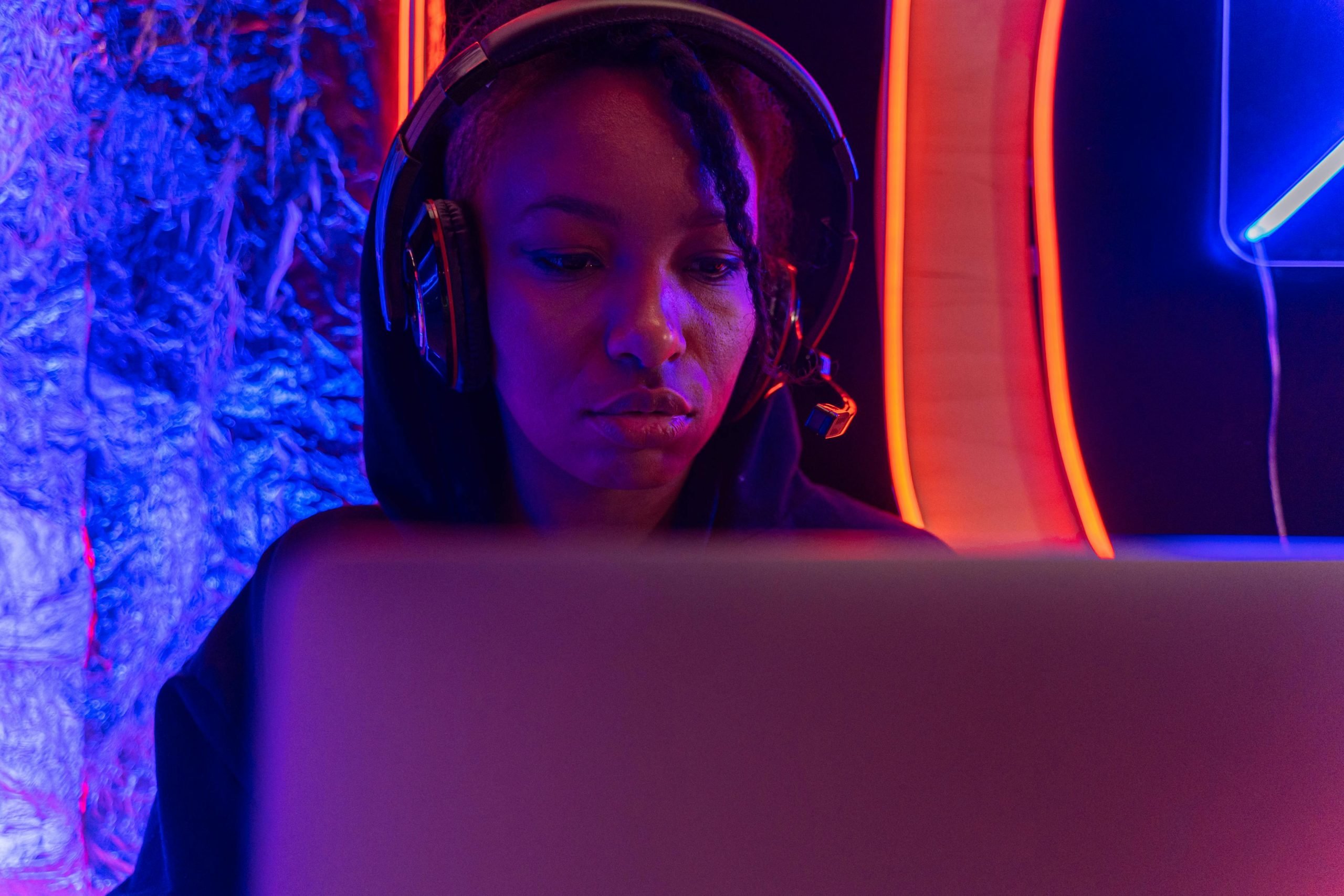
- Noise sensitivity affects 10 to 15 percent of people severely, reflecting neurological differences not personal weakness.
- Highly sensitive brains process sounds more thoroughly, evaluating each stimulus for significance rather than filtering automatically.
- Your heightened auditory processing stems from enhanced neural connectivity in attention and limbic regions of your brain.
- Modern environments overwhelm sensitive nervous systems because brains treat irrelevant sounds as potential threats requiring response.
- Understanding your depth of processing trait validates why colleagues’ office distractions cause your concentration to fragment completely.
Why Highly Sensitive People Experience Sound Differently
Sensory processing sensitivity creates fundamental differences in how the brain receives and interprets auditory information. Research from Acevedo, Aron, and colleagues examining brain connectivity patterns found that individuals with high SPS demonstrate enhanced resting-state connectivity within attention networks and limbic regions. These neural patterns suggest that sensitive individuals maintain heightened readiness to detect and process environmental stimuli, including sounds.
What’s your personality type?
Take our free 40-question assessment and get a detailed personality profile with dimension breakdowns, context analysis, and personalised insights.
Discover Your Type8-12 minutes · 40 questions · Free
The Aron research team described this phenomenon as depth of processing. Where others might filter background noise automatically, highly sensitive people process sounds more thoroughly, evaluating each for potential significance. My agency years taught me that every phone ring, every footstep, every conversation snippet registered consciously rather than fading into background static. The brain couldn’t simply dismiss inputs as irrelevant.
According to foundational SPS research published in Personality and Social Psychology Review, this deeper processing serves evolutionary purposes. Detecting subtle environmental changes could signal danger or opportunity. In ancestral environments, individuals who noticed faint sounds may have identified threats earlier or located resources others missed. Modern environments, unfortunately, flood sensitive systems with stimuli that trigger protective responses without actual threats present.
This explains why busy restaurants feel overwhelming or why concentration evaporates in noisy offices. The brain treats every sound as potentially important, consuming cognitive resources that would otherwise support focus and productivity. Understanding this mechanism transformed how I approach managing overstimulation and overwhelm in daily life.
Common Sound Triggers for Highly Sensitive People
Certain sounds provoke stronger responses than others, though individual triggers vary significantly. High-pitched or sudden noises typically generate the most intense reactions because they activate startle responses and alertness systems. Repetitive sounds like dripping faucets, ticking clocks, or keyboard tapping can become unbearable as the brain anticipates each occurrence.
Human-generated sounds create particular challenges. Conversations at nearby tables, chewing sounds, throat clearing, and nasal voices all rank among commonly reported triggers. Cleveland Clinic research on misophonia indicates that people with decreased tolerance to specific sounds show differences in brain structure and activity, particularly in connections between sound processing and emotion regulation regions. Not every noise-sensitive person has misophonia, but understanding these mechanisms illuminates why certain sounds provoke disproportionate responses.
Environmental sounds like traffic, construction, HVAC systems, and fluorescent light hums accumulate throughout the day. Individually manageable, their combined effect drains energy reserves steadily. During particularly demanding client pitches, I noticed my tolerance for ambient noise decreased dramatically by afternoon. Morning sounds I’d barely registered became genuinely distressing as cognitive resources depleted.
Practical Strategies for Managing Noise Sensitivity
Effective sound management combines environmental modifications, protective tools, and internal regulation techniques. No single approach works universally, so building a personalized toolkit proves essential. Experiment with multiple strategies to identify what provides genuine relief for your specific triggers and circumstances.
Creating Sound Barriers
Physical barriers reduce sound transmission significantly. Noise-canceling headphones remain invaluable investments, using active technology to counteract ambient sounds. Quality varies considerably between products, so testing before purchasing helps ensure effectiveness for your primary concerns. Some models excel at blocking consistent low-frequency sounds like airplane engines while struggling with intermittent higher-pitched noises.
Earplugs offer simpler protection for situations where headphones prove impractical. Silicone options allow sound reduction without complete blocking, helpful when you need awareness of surroundings while dampening volume. Musicians’ earplugs reduce decibel levels evenly across frequencies, preserving sound quality while lowering intensity. These work well for social gatherings or concerts where you want to participate without overwhelming stimulation.
Your home environment deserves particular attention as your sanctuary from external noise. Soft furnishings absorb sound waves, so rugs, curtains, and upholstered furniture all contribute to quieter spaces. Strategic furniture placement can buffer sound transmission from shared walls or windows facing busy streets.
Sound Masking Techniques
Fighting sound with sound seems counterintuitive but works remarkably well. Constant background noise masks irregular sounds that trigger startle responses and attention capture. According to Northwestern Medicine sleep research, different noise colors serve different purposes based on their frequency distribution.
White noise contains equal energy across all audible frequencies, creating effective masking for varied sounds. Pink noise emphasizes lower frequencies, producing a deeper tone many find more soothing for extended listening. Brown noise concentrates energy further into bass frequencies, resembling distant thunder or heavy rain. Experimentation reveals which color feels most comfortable and provides sufficient masking for your environment.

Nature sounds offer another masking option. Flowing water, rain, wind through leaves, or ocean waves provide pleasant background that obscures disruptive sounds. Unlike artificial noise colors, natural sounds include subtle variations that some sensitive people find less fatiguing during long exposure. Apps and dedicated sound machines make accessing these sounds simple, allowing customization for different activities and times of day.
Workplace Adaptations
Office environments present unique challenges requiring strategic adaptation. Surviving open office layouts demands proactive planning and, sometimes, difficult conversations with colleagues and managers. Requesting desk placement away from high-traffic areas, break rooms, or conference spaces can reduce exposure to irregular noise spikes.
My agency experience taught me that advocating for accommodation requires framing in productivity terms rather than personal preference. Explaining that noise reduction improves focus and output quality resonates with management more effectively than expressing discomfort. Many organizations now recognize that different working styles require different environments, making accommodation requests more common and accepted.
Scheduling focused work during quieter periods maximizes productivity within existing constraints. Early morning or late afternoon hours bring reduced foot traffic and conversation volume in most offices. Reserving small meeting rooms for solo work provides temporary escape from open floor plans. Remote work options, where available, create opportunities for controlled sound environments impossible in shared spaces.
Developing Internal Resilience
External solutions address symptoms without building capacity to process challenging sound environments when they become unavoidable. Developing healthy coping mechanisms and strategies creates internal resources that complement environmental modifications.
Nervous system regulation forms the foundation of sound resilience. A Psyche guide on thriving as a highly sensitive person emphasizes that sensitivity challenges increase when stress accumulates and nervous system resources deplete. Maintaining practices that restore equilibrium, including adequate sleep, regular movement, and sufficient downtime, creates buffer capacity for handling noise exposure.

Breathing techniques offer immediate intervention when sound triggers activate stress responses. Slow, deep breaths signal safety to the nervous system, counteracting fight-or-flight activation. Practicing these techniques during calm moments builds automaticity, making them accessible when overwhelm threatens. Even three slow breaths can interrupt escalating reactivity and restore some equilibrium.
Cognitive reframing shifts relationship with triggering sounds. Labeling sounds neutrally rather than catastrophically reduces emotional charge. Reminding yourself that discomfort remains temporary and manageable prevents spiraling thoughts that amplify distress. This doesn’t mean invalidating genuine difficulty, rather recognizing that responses can be modulated even when circumstances cannot.
Understanding Related Conditions
Noise sensitivity in highly sensitive people differs from clinical conditions like misophonia and hyperacusis, though overlap sometimes occurs. Misophonia involves intense emotional reactions to specific trigger sounds, usually human-generated. Hyperacusis creates physical discomfort or pain from sounds at normal volume levels. Both conditions warrant professional evaluation if they significantly impair daily functioning.
Light sensitivity represents another sensory dimension many noise-sensitive people experience. Sensory processing sensitivity appears to affect multiple channels simultaneously, meaning those bothered by sound often struggle with bright lights, strong smells, or rough textures as well. Recognizing these connections helps develop comprehensive management approaches rather than addressing individual symptoms in isolation.
When sensitivity significantly interferes with work, relationships, or wellbeing despite implementing management strategies, consultation with healthcare providers becomes appropriate. Audiologists can assess hearing and recommend specialized interventions. Mental health professionals experienced with sensory processing issues offer therapeutic approaches for reducing reactivity and building tolerance.

Building a Sustainable Approach
Long-term noise sensitivity management requires balancing protection with gradual tolerance building. Excessive avoidance can increase sensitivity over time as the nervous system loses opportunity to habituate. Strategic exposure to manageable sound environments, with recovery time scheduled afterward, builds capacity without overwhelming.
Planning ahead reduces unexpected overwhelm. Knowing a restaurant tends toward loud conversation levels allows choosing seats away from kitchen doors or bringing earplugs just in case. Anticipating noise challenges in travel, events, or new environments enables preparation rather than reactive coping. This proactive approach transformed how I handled client meetings and industry conferences where retreat options remained limited.
Self-compassion supports sustainable management better than self-criticism. Sensitivity represents genuine neurological difference, not character flaw or weakness. Accepting your needs as valid creates psychological space for advocating effectively and implementing necessary accommodations without shame. You’re working with your brain’s architecture, not fighting against fundamental limitation.
Managing noise sensitivity as a highly sensitive person involves ongoing calibration rather than permanent solution. Capacity fluctuates with stress levels, sleep quality, and overall wellbeing. Strategies that work during low-demand periods may prove insufficient during challenging times. Maintaining a diverse toolkit ensures options remain available regardless of circumstances.
Frequently Asked Questions
Why does noise bother me more than other people?
Highly sensitive people process sensory information more deeply, with enhanced brain connectivity in areas handling attention and emotional response. Your nervous system evaluates sounds more thoroughly rather than automatically filtering them as background, consuming cognitive resources and creating greater awareness of auditory input.
Will noise sensitivity get worse over time?
Sensitivity itself tends to remain relatively stable, though your experience of it can change. Chronic stress and inadequate recovery increase reactivity, while good self-care and nervous system regulation practices can improve tolerance. Building capacity through strategic exposure prevents the increased sensitivity that sometimes results from excessive avoidance.
What type of noise is best for masking sounds?
Individual preference varies significantly. White noise effectively masks varied frequencies, while pink and brown noise offer deeper tones many find more comfortable. Nature sounds provide pleasant alternatives with natural variation. Experiment with different options to identify what provides sufficient masking while remaining comfortable during extended exposure.
Should I talk to my doctor about noise sensitivity?
If noise sensitivity significantly impacts daily functioning, relationships, or quality of life despite implementing management strategies, professional consultation makes sense. Audiologists can assess hearing and recommend interventions, while mental health professionals offer therapeutic approaches for reducing reactivity. Medical evaluation also rules out conditions like hyperacusis that may require specific treatment.
How do I explain noise sensitivity to others?
Frame the conversation around neurological differences rather than preferences or discomfort. Explaining that your brain processes sounds more thoroughly helps others understand this represents genuine experience rather than exaggeration. Focus on specific accommodations that would help rather than expecting others to eliminate all noise, making requests actionable and reasonable.
Explore more HSP resources in our complete HSP and Highly Sensitive Person Hub.
About the Author
Keith Lacy is an introvert who’s learned to embrace his true self later in life. With a background in marketing and a successful career in media and advertising, Keith has worked with some of the world’s biggest brands. As a senior leader in the industry, he has built a wealth of knowledge in marketing strategy. Now, he’s on a mission to educate both introverts and extroverts about the power of introversion and how understanding this personality trait can unlock new levels of productivity, self-awareness, and success.