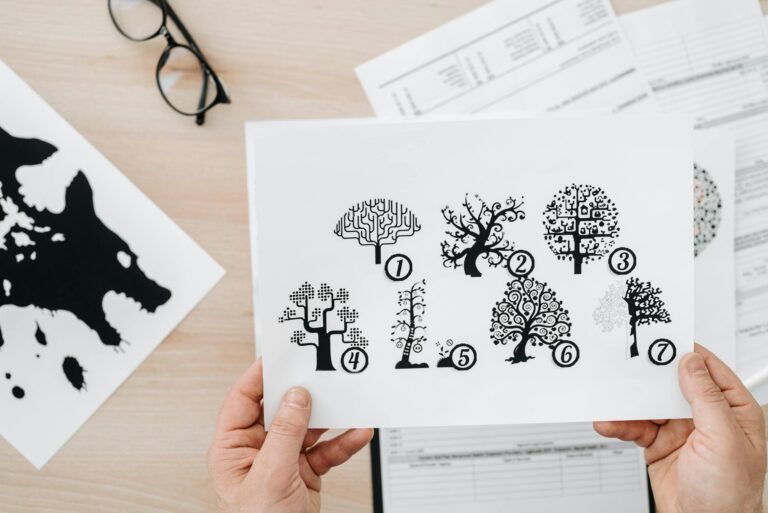

An HSP ESTP is someone who carries the high sensitivity trait alongside a personality wired for action, sensory engagement, and real-time problem solving. They process the world with unusual emotional and physical depth, yet their natural energy pulls them toward stimulation, social connection, and hands-on experience rather than quiet reflection.
That combination creates a specific kind of internal tension. The ESTP side craves momentum and engagement. The HSP trait registers every undercurrent in the room, every shift in tone, every overstimulating detail. Learning to hold both without burning out is the real work for people with this profile.
What makes this personality blend so fascinating is that it challenges nearly every assumption we hold about sensitivity. Most people picture a highly sensitive person as quiet, withdrawn, maybe artistic. The HSP ESTP breaks that mold completely, and understanding how requires looking at both traits honestly.
Sensitivity isn’t a personality type and it isn’t reserved for introverts. Our complete HSP and Highly Sensitive Person hub covers the full range of what it means to carry this trait, including how it shows up in extroverted, action-oriented people who might never think of themselves as sensitive at all.
What Does It Actually Mean to Be an HSP ESTP?
The ESTP personality type, as described by Myers-Briggs theory, leads with extroverted sensing. That means ESTPs are acutely tuned to the physical world around them. They notice what’s happening in real time, respond quickly, and feel most alive when they’re in the middle of something. Verywell Mind describes ESTPs as energetic, observant, and pragmatic, people who prefer doing over theorizing and who often thrive in fast-moving, unpredictable environments.
What’s your personality type?
Take our free 40-question assessment and get a detailed personality profile with dimension breakdowns, context analysis, and personalised insights.
Discover Your Type8-12 minutes · 40 questions · Free
High sensitivity, as researcher Elaine Aron identified it, is a trait found in roughly 15 to 20 percent of the population. It involves deeper processing of sensory and emotional information, stronger emotional reactivity, and a tendency to become overstimulated more quickly than others. A 2017 study published in PubMed Central confirmed that sensory processing sensitivity involves measurable differences in neural processing, not just temperament or mood.
Put those two profiles together and you get someone who is drawn to exactly the kinds of environments that will eventually overwhelm them. Loud venues, high-stakes negotiations, fast social situations, physical adventure, these are the places an ESTP gravitates toward naturally. Yet the HSP nervous system is processing every bit of that experience at a heightened level. The sensory input that energizes the ESTP side can also exhaust the HSP side, sometimes within the same afternoon.
I think about a colleague I worked with at my agency years ago. He was the kind of person who could walk into a pitch meeting cold and own the room within five minutes. Clients loved him. He had that ESTP gift of reading a situation instantly and adapting on the fly. But after big client events, he’d disappear for a day. He told me once that he felt everything at those events so intensely that he needed time to decompress in a way that confused even him. He didn’t have the language for it then, but looking back, the HSP ESTP profile describes him exactly.
How Does High Sensitivity Actually Show Up in an ESTP?
One of the most common misconceptions about highly sensitive people is that sensitivity means emotional fragility or shyness. For the HSP ESTP, it shows up very differently. It tends to look like emotional radar, physical intensity, and a kind of exhaustion that comes after peak experiences rather than during them.
An HSP ESTP might notice subtle shifts in group dynamics before anyone else speaks. They pick up on who’s uncomfortable in a meeting, who’s holding back, who’s about to push back on a proposal. That awareness can make them remarkably effective in social and professional situations. They can course-correct in real time because they’re reading the room at a level most people miss entirely.
Physically, the HSP trait means they may be more sensitive to textures, sounds, caffeine, pain, and environmental changes than the average person. An ESTP who loves extreme sports might also find that certain fabrics are genuinely unbearable, or that a fluorescent office makes concentration nearly impossible. That combination can feel contradictory from the outside, but it’s entirely consistent with how sensory processing sensitivity actually works.
Emotionally, the HSP ESTP often experiences a delayed crash. They’re fully present and engaged during intense experiences, running on adrenaline and genuine excitement. The depth of processing catches up with them afterward. What looks like a social hangover to others is actually the nervous system working through everything it absorbed during the high-stimulation period.
It’s worth noting that sensitivity and introversion aren’t the same thing. Many people conflate the two, but an extroverted person can absolutely carry the HSP trait. The comparison between introversion and high sensitivity clarifies this distinction in a way that’s genuinely useful for anyone trying to understand their own wiring.

Where Does the Internal Conflict Come From?
The tension at the heart of the HSP ESTP experience is real and worth naming directly. The ESTP personality is oriented toward external engagement. It draws energy from action, from people, from doing. The HSP trait is oriented toward depth of processing. It requires time, quiet, and recovery. Those two orientations aren’t always pointing in the same direction.
What this often produces is a cycle that the person can’t quite explain to themselves. They seek out stimulation because it feels natural and energizing. They engage fully and perform brilliantly. Then they hit a wall that seems to come out of nowhere. They need to withdraw, and they may feel confused or even ashamed about needing that, because it doesn’t match the image they have of themselves as someone who thrives on engagement.
A study from PubMed Central on sensory processing sensitivity found that the trait is associated with both greater positive and greater negative emotional reactivity, meaning highly sensitive people don’t just feel difficult emotions more intensely. They also feel joy, excitement, and connection more deeply. For the HSP ESTP, that means the highs are genuinely high. The exhaustion that follows isn’t a sign something is wrong. It’s a sign the system was fully engaged.
I ran agencies for over two decades, and I watched this pattern in myself even as an INTJ. The big creative presentations, the new business pitches, the high-stakes client dinners, I could be fully on for those. But I paid for it afterward in ways I didn’t understand for years. For an HSP ESTP, that same dynamic is amplified because they’re actively seeking those peak experiences rather than simply enduring them.
The conflict also shows up in relationships. An HSP ESTP may be the most engaging, present, and socially magnetic person in a room, yet also need their partner to understand that they’ll sometimes go quiet without warning. That combination can be confusing to people who love them. HSP dynamics in introvert-extrovert relationships shed light on how sensitivity plays out across different relational styles, and much of that applies here even when both people identify as extroverted.
What Strengths Does This Combination Actually Produce?
Spend enough time focused on the challenges of any personality profile and you miss the more interesting story. The HSP ESTP combination produces a genuinely distinctive set of strengths that are worth examining on their own terms.
Real-time emotional intelligence is one of the most significant. ESTPs already read situations quickly. Add the HSP trait’s depth of emotional processing and you get someone who can walk into a complex interpersonal situation and understand what’s happening beneath the surface almost immediately. They sense tension before it’s spoken, feel the emotional temperature of a group, and often know what someone needs before that person has fully articulated it themselves.
Physical and sensory attunement is another. HSP ESTPs often have a heightened relationship with the physical world that goes beyond ordinary sensory awareness. They may be exceptional at hands-on skills, physical performance, or any work that requires fine-tuned attention to how things feel, sound, or move. Athletes, surgeons, musicians, chefs, and skilled tradespeople with this profile often describe a level of physical awareness that others find remarkable.
Adaptability with depth is a third. Standard ESTPs are known for flexibility and quick thinking. The HSP layer adds a dimension of depth to that adaptability. They’re not just responding to what’s in front of them. They’re processing the emotional and relational context simultaneously, which means their responses tend to land with more precision and care than you’d expect from someone moving at ESTP speed.
In my agency years, the most effective account managers I worked with often had this quality. They could move fast, handle client pressure, and pivot on a dime, but they were also picking up on things that the rest of the team missed. One of them once told me she always knew when a client was about to leave before the client had said anything. She was right every single time. That’s the HSP ESTP operating at full capacity.
How Does the HSP Trait Shape Relationships for This Type?
Relationships are where the HSP ESTP profile becomes most visible, and sometimes most complicated. ESTPs are known for being charming, direct, and fully present with the people they care about. The HSP trait deepens all of that considerably.
Physical and emotional intimacy tend to be experienced with unusual intensity. Truity’s profile of ESTP relationships notes that this type brings spontaneity and genuine engagement to their partnerships. The HSP layer means that engagement also carries real emotional weight. An HSP ESTP doesn’t just show up for their partner. They feel the relationship deeply, notice every shift in dynamic, and often carry the emotional weight of connection more heavily than their outward confidence suggests.
The topic of HSP intimacy, both physical and emotional, is particularly relevant here. For someone who processes sensory experience so deeply, physical closeness and emotional vulnerability aren’t separate categories. They’re intertwined in ways that can make relationships feel both extraordinarily rich and occasionally overwhelming.
Communication can also be a source of friction. The ESTP preference for directness and action can sometimes outpace the HSP need for emotional processing. An HSP ESTP might say something bluntly in the moment, then feel the full weight of how it landed hours later. Learning to slow down slightly before speaking, not to suppress the directness but to run it through the emotional awareness they already possess, is often a meaningful growth edge for this type.
For those who live with or love an HSP ESTP, the experience can be equal parts exhilarating and confusing. The same person who’s the life of every gathering may need complete quiet the next morning. Understanding that rhythm, rather than interpreting it as inconsistency or withdrawal, matters enormously. Living with a highly sensitive person covers this dynamic from the perspective of partners and family members, and it’s worth reading regardless of whether the sensitive person in your life is introverted or extroverted.
What Does Parenting Look Like for an HSP ESTP?
Parenting with the HSP ESTP profile brings its own distinct texture. The ESTP parent tends to be active, engaged, and genuinely fun. They’re the ones organizing adventures, showing up fully present for their kids’ experiences, and teaching through doing rather than explaining. Children often adore them for exactly these qualities.
The HSP layer adds a layer of emotional attunement that makes this type of parent unusually good at reading their children. They notice when something is off before their child can articulate it. They feel their child’s distress or excitement at a level that creates genuine empathy. That sensitivity can be a profound gift in parenting, creating children who feel deeply seen and understood.
The challenge is that parenting is relentlessly stimulating. The noise, the emotional demands, the unpredictability, all of it runs through the HSP nervous system at full volume. An HSP ESTP parent may find themselves genuinely depleted by the end of a full day with kids, even a day that was mostly joyful. That depletion isn’t a character flaw. It’s a physiological reality that deserves acknowledgment and planning.
The resources on parenting as a highly sensitive person offer practical grounding for this, including how to build recovery time into family life without withdrawing from the people you love most.

What Career Paths Tend to Fit the HSP ESTP Profile?
Career fit for an HSP ESTP is genuinely nuanced. The standard ESTP career recommendations lean toward sales, entrepreneurship, emergency response, athletics, and other high-stimulation fields. Those can absolutely work, but the HSP trait adds important qualifications.
Chronic overstimulation is a real occupational hazard. A role that requires constant high-stakes engagement with no recovery time will eventually exhaust an HSP ESTP, even if they’re performing brilliantly. The sweet spot tends to be roles that offer meaningful engagement and variety without relentless, unbroken intensity.
Fields that draw on both the ESTP’s action orientation and the HSP’s emotional depth tend to be particularly good fits. Physical therapy, emergency medicine, skilled trades with creative components, client-facing consulting roles with defined project cycles, entrepreneurship with the ability to control one’s own schedule, these tend to allow the full profile to show up. The career paths that genuinely fit highly sensitive people cover this landscape in more depth, and many of the principles apply directly to the extroverted HSP.
A study examining sensory processing sensitivity and work environments found that highly sensitive individuals perform significantly better in low-stress conditions and significantly worse in high-stress ones compared to non-HSPs. That finding has direct career implications. It doesn’t mean avoiding challenge. It means choosing challenges that can be engaged with sustainably, rather than roles that require constant red-alert functioning.
In my own career, I watched people burn out in high-stimulation agency environments not because they lacked talent or drive, but because the structure of the work gave them no room to recover between peaks. The most sustainable performers were the ones who had figured out, consciously or not, how to build decompression into their rhythm. For an HSP ESTP, building that rhythm isn’t optional. It’s what makes the exceptional performance possible in the first place.
How Can an HSP ESTP Build a Sustainable Daily Rhythm?
Sustainability for the HSP ESTP isn’t about doing less. It’s about structuring engagement so the nervous system has room to process what it takes in. That distinction matters because success doesn’t mean become a quieter or less active version of yourself. It’s to make the full expression of who you are actually sustainable over time.
Intentional recovery is the foundation. That means building genuine downtime into the schedule, not as a reward for productivity but as a structural requirement. For an HSP ESTP, this might look like thirty minutes of physical solitude after a high-engagement morning, or a no-plans evening after a significant social or professional event. The specifics matter less than the consistency.
Mindfulness practices have shown measurable benefit for people with heightened sensory processing. The Mayo Clinic’s overview of mindfulness exercises offers accessible entry points that don’t require sitting still for long periods, which is often a barrier for action-oriented types. Even brief, body-based practices can help an HSP ESTP process accumulated stimulation before it compounds.
Physical movement is often more restorative than rest for this type. Where an introverted HSP might recharge through quiet reading or solitude, an HSP ESTP often finds that physical activity, particularly solo or low-stimulation movement like running, swimming, or hiking, serves as genuine decompression. The body gets to process what the mind absorbed.
Emotional processing also benefits from structure. An HSP ESTP may not naturally gravitate toward journaling or reflective conversation, but finding some outlet for processing the emotional depth they accumulate, whether through physical expression, trusted relationships, or creative work, prevents that depth from becoming pressure.
A 2024 study in Frontiers in Psychology examining emotional regulation strategies found that highly sensitive individuals benefit particularly from proactive regulation approaches rather than reactive ones. Planning for recovery, rather than waiting until depletion hits, is meaningfully more effective for this population. For the HSP ESTP, that means treating recovery as part of the performance strategy rather than an afterthought.

What Does Growth Look Like for an HSP ESTP?
Growth for the HSP ESTP isn’t about tempering the ESTP energy or suppressing the sensitivity. It’s about bringing those two aspects of self into a working relationship rather than letting them compete.
One of the most significant growth edges is self-awareness about the cycle. Many HSP ESTPs spend years wondering why they keep hitting walls after their best performances. Recognizing that the depletion isn’t weakness but physiology changes the whole frame. You stop trying to push through it and start planning around it.
Another growth edge is learning to trust the emotional intelligence the HSP trait provides. ESTPs can sometimes default to action over reflection, moving so fast that they override the very perceptions that make them exceptional. Slowing down enough to consciously use what the HSP nervous system is picking up, rather than just reacting to it, tends to produce significantly better outcomes in both relationships and professional situations.
Vulnerability is also part of the picture. The HSP ESTP often carries a significant gap between their outward confidence and their internal experience. Learning to close that gap, at least with trusted people, tends to be deeply relieving. The energy spent maintaining the performance of someone who doesn’t need recovery or feel things deeply is energy that could go toward the things that actually matter to them.
My own path as an INTJ taught me that the traits I spent years trying to hide were actually the source of whatever I did well. That lesson applies here too. The sensitivity isn’t the obstacle to the ESTP’s full expression. Properly understood and respected, it’s what makes that expression genuinely powerful rather than just impressive.
For more on the full landscape of high sensitivity, including how it intersects with different personality types, energy patterns, and life circumstances, visit the HSP and Highly Sensitive Person hub for a complete collection of resources.
About the Author
Keith Lacy is an introvert who’s learned to embrace his true self later in life. After 20 years in advertising and marketing leadership, including running agencies and managing Fortune 500 accounts, Keith now channels his experience into helping fellow introverts understand their strengths and build fulfilling careers. As an INTJ, he brings analytical depth and authentic perspective to every article, drawing from both professional expertise and personal growth.
Frequently Asked Questions
Can an ESTP really be a highly sensitive person?
Yes, absolutely. High sensitivity is a trait found in roughly 15 to 20 percent of the population regardless of personality type. It isn’t limited to introverts or to any particular Myers-Briggs profile. An ESTP with the HSP trait will still be drawn to action, stimulation, and social engagement, but they’ll process all of those experiences at a deeper neurological level than a non-HSP ESTP. The combination is less common than an HSP introvert, but it’s well within the range of normal human variation.
Why does an HSP ESTP crash after social or high-stimulation events?
The HSP nervous system processes sensory and emotional information more deeply than average. When an ESTP with this trait engages in high-stimulation environments, their system is absorbing and processing far more than the surface experience suggests. The crash afterward isn’t a sign of weakness or inconsistency. It’s the nervous system completing the processing work it was doing throughout the experience. Planning for recovery time after peak events is one of the most effective strategies for managing this cycle sustainably.
What careers tend to work best for an HSP ESTP?
Careers that offer meaningful engagement and variety without requiring unbroken, chronic high-stimulation tend to fit best. Physical therapy, emergency medicine, skilled trades with creative components, client-facing consulting with defined project cycles, and entrepreneurship with schedule control are often good fits. The critical factor is whether the role allows for genuine recovery between intense periods. Roles that require constant red-alert functioning, with no structural downtime, tend to produce burnout even when the HSP ESTP is performing well.
How does the HSP trait affect an ESTP’s relationships?
The HSP trait deepens the ESTP’s relational experience considerably. They tend to feel connection, intimacy, and emotional undercurrents more intensely than the outward ESTP persona might suggest. They may be highly attuned to their partner’s emotional state, sometimes before that partner has articulated anything. The challenge is that they may also need more recovery time after intense relational experiences, which can be confusing to partners who see only the confident, socially energized exterior. Open communication about the HSP experience tends to be important for relationship health.
What’s the difference between being an HSP ESTP and simply being an emotional ESTP?
High sensitivity is a neurological trait involving deeper processing of sensory and emotional information, not simply a tendency toward emotional expression. An emotional ESTP might have strong feelings and express them freely. An HSP ESTP is actually processing sensory and emotional input at a deeper neurological level, which produces a specific set of experiences: overstimulation in busy environments, heightened physical sensitivity, a need for recovery after intense experiences, and strong emotional reactivity to both positive and negative stimuli. The distinction matters because the management strategies differ significantly between the two.