
HSP first date ideas work best when they minimize sensory overload and create space for genuine connection. Highly sensitive people process stimulation more deeply than most, meaning a crowded bar or loud restaurant can trigger exhaustion before the conversation even starts. These seven low-stimulation options let you show up as your full self.
There is something quietly exhausting about the standard first date formula. You pick a restaurant you have never been to, sit under fluorescent lighting next to a table of eight celebrating someone’s birthday, and try to have a meaningful conversation while your nervous system catalogs every sound in the room. By the time the check arrives, you are not tired from the date. You are tired from surviving it.
A 2018 study from Stony Brook University confirmed what many highly sensitive people already sense: HSPs show significantly greater brain activation in regions associated with awareness, empathy, and processing sensory information. That is not a flaw. It is a feature. But it does mean that environment shapes your experience of a first date far more than it might for someone with a less sensitive nervous system.
Choosing the right setting is not about avoiding discomfort. It is about giving yourself a fair shot at actually connecting with another person instead of spending the whole evening managing overstimulation.
Our HSP and Highly Sensitive Person hub covers the full landscape of what it means to live with this trait, and dating is one of the places where that sensitivity shows up most visibly. Whether you are newly aware of your HSP nature or have been working with it for years, these date ideas are designed with your wiring in mind.
Why Do Traditional First Dates Feel So Draining for Highly Sensitive People?
Most conventional first date spots were not designed with sensory comfort in mind. They were designed for atmosphere, for the impression of fun and energy. Trendy bars, busy restaurants, movie theaters with surround sound, bowling alleys with flashing screens and piped-in music: all of these environments ask your nervous system to process an enormous amount of competing information simultaneously.
What’s your personality type?
Take our free 40-question assessment and get a detailed personality profile with dimension breakdowns, context analysis, and personalised insights.
Discover Your Type8-12 minutes · 40 questions · Free
For someone with high sensitivity, that processing does not happen quietly in the background. It happens front and center. You notice the temperature of the room. You register the emotional undercurrent in a nearby conversation. You feel the bass from the speakers in your chest. And you are also trying to be charming, curious, and present with a person you barely know.
The American Psychological Association notes that sensory processing sensitivity affects roughly 15 to 20 percent of the population, appearing equally across genders and across cultures. This is not a niche condition. It is a well-documented personality trait with real implications for how people experience social environments.
What drains an HSP on a first date is rarely the other person. More often, it is the setting. Change the setting, and you change the entire experience.
Understanding how your sensitivity intersects with your personality type can also help. If you are curious whether you identify more as an introvert, an HSP, or both, the comparison in Introvert vs HSP: Highly Sensitive Person Comparison is worth reading before your next date.
What Makes a First Date Setting Work Well for an HSP?
Before getting into specific ideas, it helps to understand the criteria. A good HSP first date setting tends to share a few qualities.
Manageable noise levels are at the top of the list. Conversation should not require effort just to be heard. When you can speak at a natural volume and actually hear the other person respond, you free up cognitive space for the actual work of connecting.
A natural exit point matters too. One thing I have noticed about myself over the years is that open-ended social commitments create low-grade anxiety before they even begin. Knowing that a date has a natural stopping point, say, the end of a walk or the finish of a coffee, makes it easier to be present rather than mentally tracking how long you have been there.
Sensory predictability also helps. Familiar environments or environments you can research in advance reduce the number of unknowns your system has to process on arrival. You can spend that energy on the person instead.
Finally, the best HSP-friendly dates create organic conversation without requiring performance. Activities that give you something to look at, talk about, or do together take pressure off the interaction without removing the connection.

Which First Date Ideas Actually Work for Highly Sensitive People?
1. A Quiet Coffee Shop or Tea House
This one sounds obvious, but the specifics matter. Not every coffee shop qualifies. You are looking for one with soft lighting, moderate foot traffic, and seating that creates some physical separation from other tables. A neighborhood tea house or a specialty coffee shop with a calm atmosphere works far better than a busy chain location near a transit hub.
Coffee works well as a first date because it carries a built-in time limit. An hour or ninety minutes feels natural. There is no pressure to stay for multiple courses or fill the silence with small talk while waiting for food. You can be done when you are done, and if it goes well, you can always extend the walk home.
2. A Farmers Market or Artisan Fair
Walking through a farmers market gives you something to observe together, which takes the conversational pressure off in a way that sitting across a table does not. You can comment on what you see, sample things, ask questions that arise naturally from your surroundings. The pace is self-directed, and the noise level, while present, tends to be diffuse rather than concentrated.
I went to a farmers market with someone I had been talking to for a few weeks, and what struck me afterward was how easy the conversation felt. We were not performing for each other. We were just two people moving through a space together, noticing things. That shared attention created more genuine connection than any restaurant date I had been on in years.
3. A Bookstore Browse
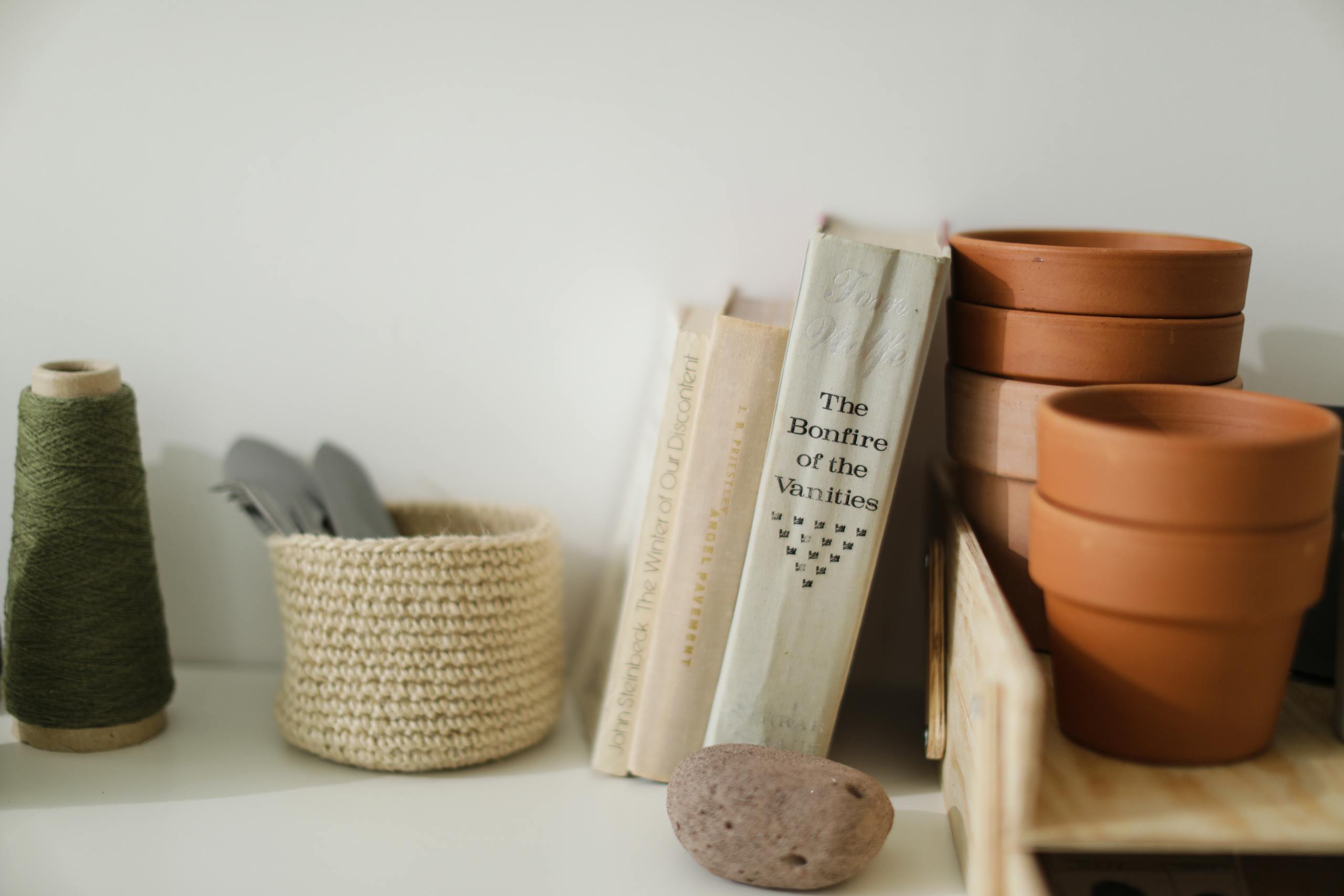
A good independent bookstore is one of the most HSP-friendly environments that exists. The lighting is usually warm. The ambient sound is low. People move slowly and speak quietly. And the content on the shelves gives you an almost infinite supply of conversation starters that reveal something real about who you both are.
Asking someone what they have been reading lately, or watching them gravitate toward certain sections without prompting, tells you more about them than a standard getting-to-know-you script. It is also low stakes. You are not committed to a two-hour meal. You can browse for thirty minutes and then grab coffee nearby, or stay for two hours if it is going well.
4. A Nature Walk or Botanical Garden
A 2019 study published in Frontiers in Psychology found that time in natural environments significantly reduces physiological stress markers, including cortisol levels and heart rate. For HSPs, who often carry baseline tension into social situations, that environmental effect is meaningful.
A walk through a park, nature preserve, or botanical garden creates a calm sensory backdrop that actively supports your nervous system rather than taxing it. Side-by-side movement also tends to produce more honest conversation than face-to-face seating. There is something about walking together that loosens the self-consciousness.
Choose a trail or garden that is not heavily trafficked on the day you go. A crowded hiking path on a Saturday morning can tip into overstimulation just as easily as a loud restaurant.

5. A Museum or Art Gallery
Museums create a built-in structure that makes conversation feel natural rather than forced. You move from piece to piece, and each one gives you something to react to together. Your reactions reveal your values, your aesthetic sense, your sense of humor. All of that happens without anyone having to ask “so, what do you do for work?”
Smaller galleries and less crowded museum wings work best. A major natural history museum on a school holiday is a different experience than a mid-week afternoon at a contemporary art gallery with a handful of other visitors. Do a little advance research on timing.
The intimacy question on first dates is something HSPs often feel acutely. You want depth, but you also want to protect yourself from moving too fast emotionally. The HSP and Intimacy: Physical and Emotional Connection article explores that tension in detail if it resonates.
6. Cooking a Meal Together
This one requires a degree of comfort that may not suit a true first meeting, but for someone you have already connected with online or through mutual friends, cooking together at home is one of the most genuinely intimate and HSP-friendly date formats available.
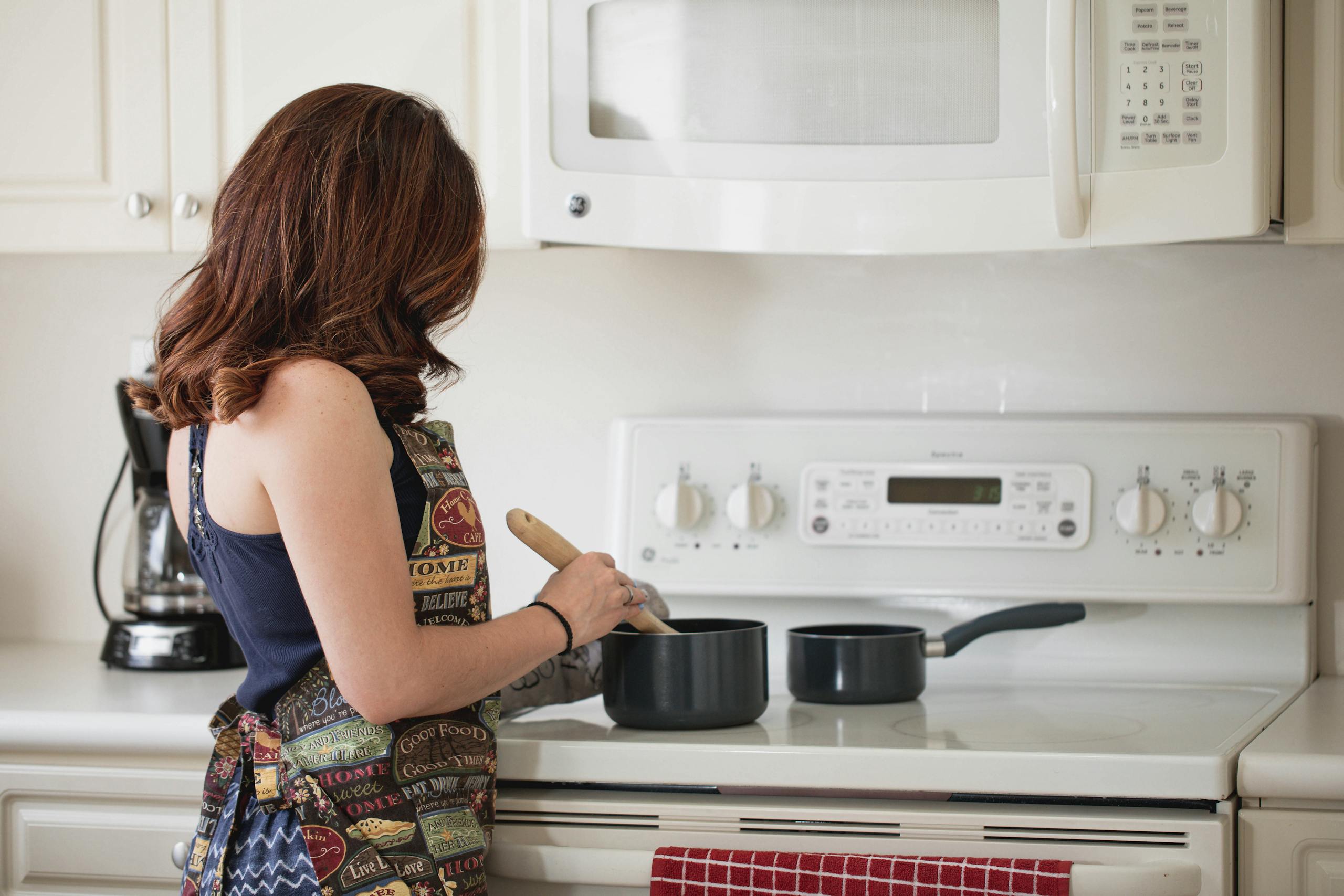
You control the environment entirely. The music, the lighting, the pace. There is a shared task that gives the conversation natural breathing room. And the act of preparing food together, dividing responsibilities, figuring out a recipe, tasting as you go, creates a kind of easy collaboration that reveals character in ways that scripted conversation rarely does.
I have found that the dates I remember most clearly were not the ones with the most impressive venues. They were the ones where I felt genuinely at ease. A Sunday afternoon making pasta with someone I liked, music playing softly in the background, no pressure to perform: that kind of simplicity is where connection actually forms.
7. A Low-Key Live Performance (Acoustic or Intimate Venue)
Not all live music is HSP-friendly. A stadium concert or a packed club with a DJ is likely to overwhelm rather than enhance. But an acoustic set at a small venue, a poetry reading, a local theater performance, or a jazz trio in a quiet bar can be genuinely wonderful.
Shared aesthetic experiences create emotional resonance in a way that small talk cannot. Watching something together, being moved by the same moment, noticing that you both leaned forward at the same lyric: these are the kinds of micro-connections that matter to HSPs. They feel real in a way that surface-level conversation often does not.
Check the venue size and sound setup in advance. A small listening room with good acoustics is very different from a bar where the band is playing to an indifferent crowd at full volume.

How Should an HSP Handle the Conversation Side of a First Date?
Even in the perfect setting, conversation on a first date carries its own weight. HSPs tend to prefer depth over breadth, which can create friction in the early stages of getting to know someone. The standard first-date script, jobs, hometowns, weekend plans, can feel hollow when what you actually want to know is what the other person cares about, what has shaped them, what they are still figuring out.
One approach that has worked for me: lead with genuine curiosity rather than interview questions. There is a difference between “what do you do?” and “what are you working on lately that you actually care about?” The second question invites a real answer. It signals that you are interested in the person, not the resume.
Silence is also worth mentioning. HSPs often feel pressure to fill quiet moments, reading them as awkward or as evidence that the connection is not working. In reality, a comfortable pause often means the opposite. Two people who can sit quietly together for a moment without scrambling to fill the space are usually people who feel at ease with each other. Understanding how sensitivity changes throughout life can help sensitive people recognize that their needs and comfort levels may evolve, making it easier to accept quiet moments as a natural part of meaningful connections. If you’re looking to deepen your understanding of how sensitive people navigate relationships and self-care, consider exploring recommended books for sensitive people. Let the silence breathe.
Vulnerability on a first date is a more complex question. HSPs are wired for emotional depth, and that can lead to oversharing early, not from manipulation, but from a genuine desire to connect at a meaningful level. A little restraint in the first meeting is not inauthenticity. It is pacing. You can be real without being fully open. Save some of the depth for the second date.
If you are in a relationship with someone whose energy style differs significantly from yours, the dynamics that emerge are worth understanding. HSP in Introvert-Extrovert Relationships addresses exactly that kind of pairing.
Should You Tell Someone You Are an HSP on a First Date?
This comes up often, and there is no single right answer. What matters is context and timing.
Disclosing your sensitivity early can feel like a relief, especially if you have spent years trying to explain why certain environments or interactions affect you more than they seem to affect others. There is something freeing about being able to say, simply, that you process things deeply and that certain settings work better for you than others.
At the same time, leading with a psychological label on a first date can sometimes create more distance than connection. Not because the label is wrong, but because the person on the other side of the table may not have the context to understand what it means. Describing the experience often lands better than the terminology. Saying “I tend to get overwhelmed in really loud environments, so I prefer places like this” communicates the same information in a way that invites understanding rather than categorization.
A 2020 paper in the Journal of Personality and Social Psychology found that self-disclosure on dates increases perceived attractiveness and connection, but only when it is calibrated to the stage of the relationship. Early and deep disclosure can actually reduce connection rather than build it. The principle is reciprocity: share at roughly the same depth as the other person, and let the intimacy build gradually.
Understanding what it looks like to live alongside someone with high sensitivity is something partners often need time to grasp. Living with a Highly Sensitive Person is a resource worth sharing when the relationship moves past the first few dates.
How Can You Recover After a Draining First Date?
Even when you choose the right setting and the conversation goes well, a first date is still a social event that requires energy. For HSPs, recovery time afterward is not optional. It is part of the process.
Build in transition time before and after the date. Arriving rushed or going straight into another obligation afterward sets you up for a harder recovery. If you can, keep the hour before the date quiet and protect an hour or two afterward for decompression.
The Mayo Clinic recommends consistent sleep, time in nature, and deliberate quiet as core strategies for managing stress and sensory load. For HSPs, these are not luxury practices. They are maintenance.
Pay attention to what you are feeling after the date, too. HSPs often experience a delayed emotional processing period where the feelings from an interaction surface fully only after the fact. Journaling, a slow walk, or simply sitting quietly can help you sort through what you actually felt versus what you performed during the date itself.
Dating as an HSP in a family context, where you are managing your own needs alongside the needs of others, adds another layer. Understanding where you fall on the sensitivity spectrum can help you navigate these dynamics more effectively. HSP Family Dynamics: Sensitive Person in Loud Family and HSP and Children: Parenting as a Sensitive Person both address how sensitivity plays out in those layered relationships.

What Are the Strengths an HSP Brings to Dating?
It would be incomplete to write an article about HSP dating challenges without acknowledging what sensitivity actually offers in a romantic context.
HSPs tend to be attentive listeners. They notice what is said and what is not said. They pick up on emotional undercurrents that others miss. They bring genuine empathy to the table, not as a performance, but as a natural expression of how they experience other people.
In a culture that often rewards surface-level charm and high-energy charisma, these qualities can feel like disadvantages. They are not. The person across from you on a first date may be more starved for genuine attention and real connection than they even know. An HSP who shows up fully present, curious, and emotionally available is offering something rare.
The NIH has published research linking empathy and emotional attunement to relationship satisfaction and longevity. What HSPs bring to dating is not a consolation prize for the trait’s challenges. It is a genuine asset, one that tends to matter more as relationships deepen.
The work is in choosing environments that let those strengths show up rather than burying them under sensory noise. That is what these seven date ideas are designed to do.
Explore more resources on sensitivity, relationships, and self-understanding in our complete HSP and Highly Sensitive Person Hub.
About the Author
Keith Lacy is an introvert who’s learned to embrace his true self later in life. After 20 years in advertising and marketing leadership, including running agencies and managing Fortune 500 accounts, Keith now channels his experience into helping fellow introverts understand their strengths and build fulfilling careers. As an INTJ, he brings analytical depth and authentic perspective to every article, drawing from both professional expertise and personal growth.
Frequently Asked Questions
What are the best first date ideas for highly sensitive people?
The best HSP first date ideas minimize sensory overload while creating space for genuine conversation. Top options include a quiet coffee shop or tea house, a walk through a botanical garden or nature trail, a bookstore browse, a farmers market visit, a small museum or gallery, cooking together at home, or an intimate acoustic music performance. Each of these settings offers manageable stimulation and natural conversation without requiring you to perform in a high-energy environment.
Why do first dates feel so overwhelming for HSPs?
Highly sensitive people process sensory and emotional information more deeply than most, which means crowded, noisy, or unpredictable environments require significant cognitive and emotional resources just to manage. On a first date, that processing competes directly with the work of being present, curious, and engaged with another person. When the environment is taxing, there is little energy left for actual connection. Choosing a low-stimulation setting addresses this directly.
Should an HSP tell their date about their sensitivity on the first meeting?
There is no universal rule, but describing the experience tends to work better than leading with the label. Saying something like “I do better in quieter environments” communicates the same information in a way that invites understanding rather than requiring the other person to interpret a psychological term. Deeper disclosure about your HSP nature fits more naturally into later conversations as the relationship develops and trust builds.
How can an HSP recover after a first date, even a good one?
Recovery after social events is a legitimate need for highly sensitive people, not a sign that something went wrong. Protect quiet time before and after the date. Avoid scheduling other social obligations immediately afterward. Give yourself space to process what you felt during the interaction, whether through journaling, a quiet walk, or simply sitting without stimulation. Consistent sleep and time in calm environments are the most effective recovery tools available.
What strengths do highly sensitive people bring to dating and relationships?
HSPs bring genuine attentiveness, deep empathy, and the ability to notice emotional nuance that many people miss. They tend to listen with real presence rather than waiting for their turn to speak, and they are often drawn to meaningful conversation over surface-level small talk. Research published by the NIH links emotional attunement to higher relationship satisfaction over time, which means the sensitivity that can feel like a liability on a loud first date becomes a genuine strength as a relationship deepens.