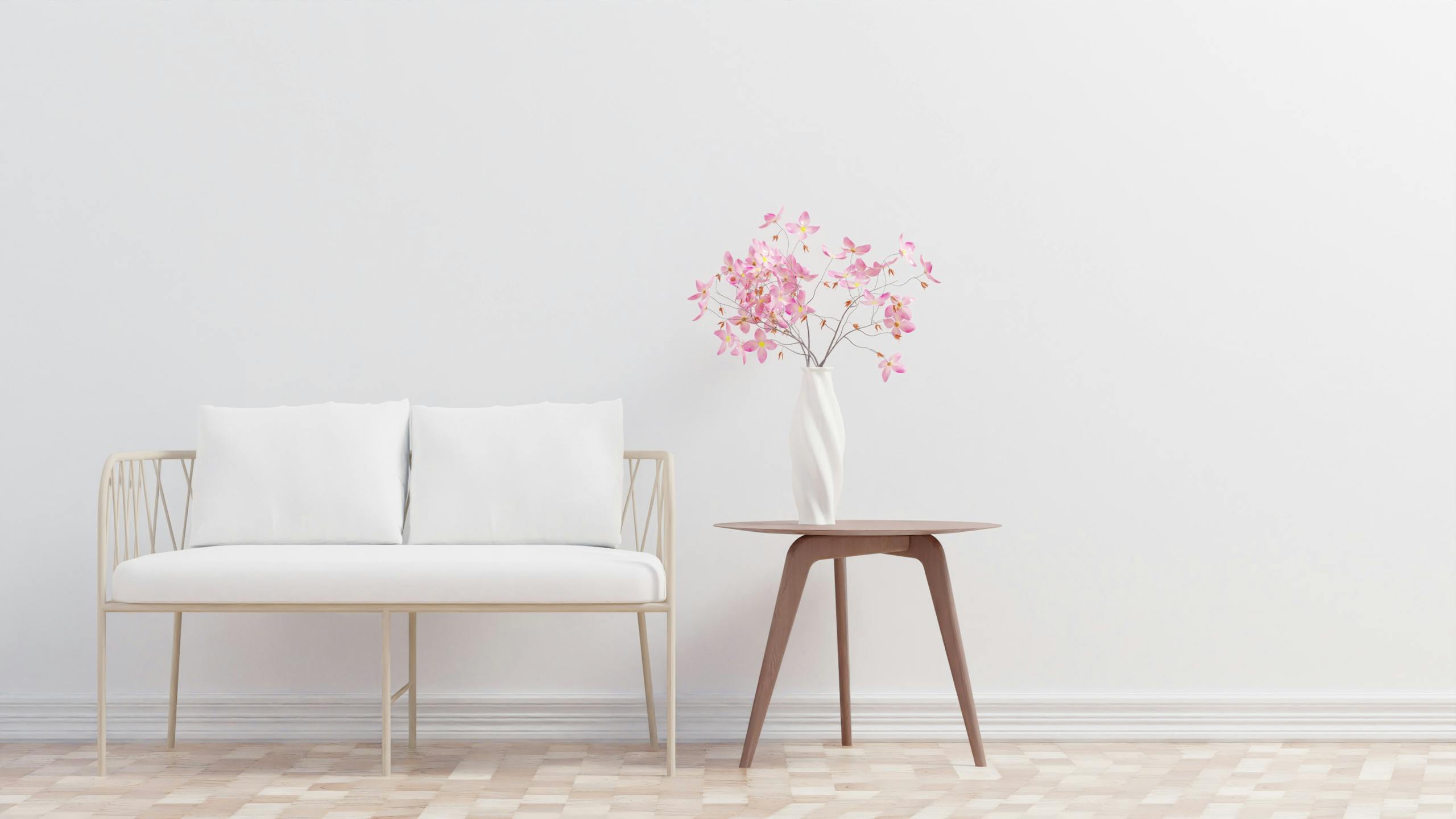

An HSP home environment is a space designed to minimize sensory overwhelm and maximize recovery time. For highly sensitive people, home isn’t just where you live, it’s where your nervous system exhales. The right environment filters light, sound, and clutter in ways that let your brain shift from constant processing to genuine rest. Getting this right changes everything about how you function.
My old agency had an open floor plan. Glass walls, exposed ductwork, the constant percussion of keyboards and phone calls bouncing off hard surfaces. I designed it that way because I thought that’s what a creative agency was supposed to look like. Energetic. Buzzing. Alive.
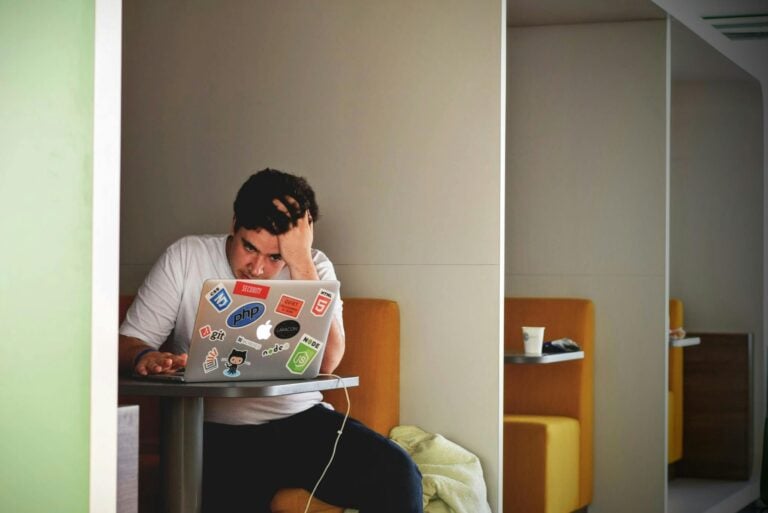
By 4 PM every day, I was done. Not tired in the normal sense. Done in a way that felt physical, like my brain had been wrung out. I’d retreat to my office, close the door, and sit in near-silence for twenty minutes before I could form a coherent thought again. At the time, I told myself I was just an introvert who needed quiet. What I didn’t know yet was that I was also highly sensitive, and that the environment I’d built was working directly against my nervous system every single hour of every workday.
My home was the same way. Bright overhead lighting. A television that stayed on for background noise because silence felt somehow wrong. Surfaces covered in the accumulated clutter of a busy life. I never connected the dots between my environment and my exhaustion until I started paying serious attention to what my body was telling me.
If any of that resonates with you, our HSP and Highly Sensitive Person hub covers the full landscape of what it means to live with this trait, from understanding your nervous system to building a life that actually fits how you’re wired. Creating a home environment that supports you is one piece of that larger picture, and it’s a piece worth taking seriously.
What Does “Highly Sensitive” Actually Mean for Your Home?
High sensitivity isn’t a mood or a preference. It’s a neurological trait that affects roughly 15 to 20 percent of the population, according to the American Psychological Association. People with this trait, often called HSPs, have a nervous system that processes sensory and emotional information more deeply than average. That depth is a genuine strength in many contexts. It’s also the reason a flickering light, a distant conversation, or a room that smells faintly of something unpleasant can derail your ability to concentrate entirely.
What’s your personality type?
Take our free 40-question assessment and get a detailed personality profile with dimension breakdowns, context analysis, and personalised insights.
Discover Your Type8-12 minutes · 40 questions · Free
Dr. Elaine Aron, who pioneered research on this trait in the 1990s, identified four core characteristics she grouped under the acronym DOES: Depth of processing, Overstimulation, Emotional reactivity and empathy, and Sensitivity to subtleties. Every one of those characteristics has direct implications for the spaces you inhabit. A home designed without these factors in mind doesn’t just feel uncomfortable. It actively taxes your nervous system, making recovery from the outside world harder and slower.
What I’ve come to understand about myself is that my home needs to do specific work. It needs to act as a buffer between me and the world’s constant demands on my attention. That’s not a luxury. For someone wired the way I am, it’s a functional requirement.
Why Does Sensory Overload Hit HSPs So Much Harder at Home?
Most people think of sensory overload as something that happens in loud, crowded places. And it does. But for highly sensitive people, overload doesn’t require a concert or a shopping mall. It accumulates across the entire day, and by the time you get home, your nervous system is already running hot. Whatever your home adds to that load, even subtle things like a buzzing refrigerator or harsh overhead lighting, gets processed by a system that has very little capacity left.
A 2020 study published through the National Institute of Mental Health found that individuals with heightened sensory processing sensitivity show stronger neural responses to environmental stimuli, including stimuli that most people would filter out as background noise. Your brain isn’t being dramatic. It’s doing exactly what it was built to do, which is notice everything. The problem is that “noticing everything” has a cost, and that cost compounds when your environment doesn’t give you any relief.
At home, this plays out in ways that are easy to overlook. The television running in the background. A pile of unread mail on the counter. The neighbor’s leaf blower three houses down. Each of these things registers, gets processed, and draws from the same finite reservoir of energy that you’ve been depleting all day. The cumulative effect is exhaustion that feels disproportionate to what you actually did.
Creating an environment that reduces this background load isn’t about being precious or demanding. It’s about giving your nervous system a genuine chance to recover so you can show up fully for the things and people that matter to you.

How Does Lighting Affect a Highly Sensitive Person’s Nervous System?
Lighting was the first thing I changed when I started taking my sensitivity seriously, and the difference was immediate enough that I felt slightly foolish for waiting so long. Overhead fluorescent lighting, which I had throughout my home office, creates a kind of visual noise that I’d been absorbing for years without fully registering it as a source of stress. Switching to warm, lower-intensity lighting in that room changed the entire quality of my evenings there.
For HSPs, lighting matters for a few specific reasons. Bright, cool-toned light signals alertness to the nervous system, which is useful in the morning but counterproductive when you’re trying to decompress. Flickering lights, even subtle ones from older bulbs or certain LED types, create a low-grade visual stimulus that the brain keeps tracking. And harsh overhead lighting tends to flatten a space in a way that feels institutional rather than restorative.
Practical adjustments that make a real difference include switching to warm-toned bulbs in the 2700K to 3000K range for living spaces and bedrooms. Dimmer switches give you control over intensity throughout the day. Table lamps and floor lamps positioned at eye level or below create pools of light that feel contained and calm rather than flooding the entire room. Blackout curtains in the bedroom address both sleep quality and the morning light sensitivity that many HSPs experience.
The Mayo Clinic has documented the relationship between light exposure and cortisol regulation, which directly affects how stressed or calm your body feels. Getting lighting right in your home isn’t an aesthetic choice. It’s a physiological one.
What Sound Management Strategies Actually Work for HSPs?
Sound was my second major frontier. At the agency, I eventually learned to keep a pair of noise-canceling headphones on my desk as a signal to my team that I was in deep work mode. At home, I had no such system, and I’d unconsciously filled the silence with background television because silence itself felt like something I needed to manage.
That’s a pattern worth examining. Many HSPs reach for background noise as a way to have predictable, controllable sound rather than unpredictable environmental noise. The logic makes sense. A television you control is less startling than a neighbor you can’t predict. But the cost is that your brain still processes that audio, still tracks the narrative, still spends energy on content you didn’t consciously choose to engage with.
More effective alternatives include white noise or pink noise, which create a consistent sonic backdrop that masks unpredictable sounds without adding informational content for your brain to process. I spent a significant amount of time testing different options for this, and I wrote about what I found in detail over at my piece on 8 white noise machines for sensitive sleepers. The differences between machines matter more than you’d expect, especially if you’re using them for sleep.
Beyond white noise, structural sound management makes a meaningful difference. Heavy curtains absorb sound as well as light. Rugs on hard floors reduce echo and the sharp acoustics that make spaces feel harsh. Bookshelves filled with books are surprisingly effective sound absorbers. Soft furniture, cushions, and textiles all contribute to a room that feels acoustically gentle rather than live and reflective.
Designating at least one room in your home as a genuinely quiet space, meaning no television, no music, no background noise of any kind, gives your nervous system somewhere to fully exhale. Even if you only spend twenty minutes there each day, that uninterrupted quiet does something for an HSP’s recovery that nothing else quite replicates.

Does Clutter Really Affect HSPs More Than Other People?
Yes, and the reason is worth understanding rather than just accepting as a quirk. Visual clutter creates what researchers call “competing stimuli,” multiple objects in the visual field that each make a small claim on your attention. For most people, this background visual noise gets filtered out fairly efficiently. For highly sensitive people, that filtering is less complete, meaning more of those stimuli reach conscious awareness and require active processing.
A 2011 study from Princeton University’s Neuroscience Institute found that physical clutter competes for attention and reduces the brain’s ability to focus and process information. For someone with heightened sensory processing, this effect is amplified. Walking into a cluttered room doesn’t just look messy. It feels like walking into a conversation where everyone is talking at once.
I noticed this most acutely in my home office. When my desk was covered in papers, reference books, and the accumulated debris of ongoing projects, I couldn’t think clearly in that space no matter how much time I had. Clearing the desk didn’t just make the room look better. It changed the quality of thought I was able to do there. The space felt like it was working with me instead of against me.
The goal isn’t a minimalist aesthetic or a perfectly styled space that looks like a magazine photo. It’s reducing the number of things in your visual field that are actively competing for your attention. Practical approaches include closed storage for items you use regularly but don’t need visible, designated spaces for things that tend to accumulate (mail, keys, bags), and a habit of clearing surfaces at the end of each day so you don’t start the next morning already behind.
Color matters here too. Highly saturated, high-contrast color schemes create more visual stimulation than muted, natural tones. Warm whites, soft greens, earthy tans, and muted blues tend to feel calming to HSPs in a way that’s not just preference. It’s the nervous system responding to lower visual intensity. You don’t have to paint every room beige, but being intentional about where you use strong color versus where you want the space to feel restful is worth the thought.
How Can You Create a Dedicated Recharge Space in a Small Home?
Not everyone has the square footage for a dedicated room. I’ve lived in apartments where the idea of a separate recharge space would have been laughable. But a dedicated space doesn’t have to mean a dedicated room. It means a specific spot in your home that is consistently set up to support recovery, that your nervous system learns to associate with safety and rest.
A corner of a bedroom with a comfortable chair, a small lamp, and a side table for tea or a book can serve this function. A reading nook created by a curtain or a bookshelf positioned as a room divider. Even a specific spot on a couch that you consistently set up with the right cushions and lighting, and that you protect from other uses, can develop the psychological association you’re looking for.
What makes a space a recharge zone isn’t its size. It’s the consistency of its conditions and your relationship with it. The Psychology Today research on environmental psychology consistently points to the role of context in emotional regulation. Spaces that you reliably associate with calm become easier to feel calm in, because your nervous system learns the cue. The space itself starts doing some of the work.
Elements worth including in whatever space you designate: soft, warm lighting that you control independently of the rest of the room. Comfortable seating that supports your body without requiring effort. Minimal visual stimulation in your direct line of sight. Something pleasant for your sense of smell if scent is a positive sensory input for you, whether that’s a candle, a plant, or simply clean air. And critically, an agreement with yourself and anyone you live with that this space is protected time.
That last piece matters more than most people realize. A beautiful recharge space that you feel guilty using, or that gets interrupted regularly, doesn’t actually recharge you. Part of creating an HSP-supportive home is also creating the social and personal agreements that allow you to use it.
What Role Do Nature and Natural Elements Play in HSP Recovery?
One of the more consistent findings in environmental psychology is the restorative effect of natural elements on the stressed nervous system. A 2019 analysis published through the National Institutes of Health found that exposure to natural environments, including indoor plants and natural light, measurably reduces cortisol levels and self-reported stress. For HSPs, who are running their stress response systems harder than average, this effect is particularly relevant.
Houseplants are one of the more accessible ways to bring this into your home. Beyond their visual softness, they add a subtle living quality to a space that feels qualitatively different from inanimate objects. They also improve air quality in a modest way, which matters for HSPs who are sensitive to air quality and smell. Low-maintenance options like pothos, snake plants, and peace lilies work well for people who don’t want plant care to become another source of stress.
Natural materials throughout your home serve a similar function. Wood, linen, cotton, wool, stone, and ceramic all have a tactile and visual quality that feels grounding in a way that synthetic materials often don’t. This isn’t mystical. It’s the nervous system responding to textures and patterns that have been part of human environments for far longer than plastic and polyester have.
Access to natural light, and to outdoor views, also matters significantly. If your home has windows, maximizing the light they bring in during the day, while still controlling it with adjustable coverings, supports your circadian rhythm and gives your visual system a rest from artificial light. A view of trees, sky, or even a small garden plot provides the kind of soft, shifting visual input that the brain finds restoring rather than depleting.
When I moved into my current home, I prioritized a home office with a window that looks out onto a small yard with trees. On difficult days, the ability to look up from my screen and watch leaves move in the wind does something measurable for my ability to keep working. It sounds minor. It isn’t.
How Do You Protect Your Home Environment When You Live With Others?
Living alone makes all of this considerably simpler. You control every variable. But most people don’t live alone, and the challenge of creating an HSP-supportive home when you share it with a partner, children, or roommates is real and worth addressing directly.
The starting point is honest communication about what you need and why. Not as a demand or an apology, but as information. Many people who live with HSPs genuinely don’t understand that the television volume that feels comfortable to them is actively taxing to their partner. Or that the clutter they don’t notice is creating a cognitive load for the person they share space with. Framing these conversations around your nervous system rather than preferences or complaints tends to land better.
Negotiating specific spaces and times is more practical than trying to convert the entire home. Your recharge corner or room doesn’t need to be a household rule, just a consistent space that’s understood as yours. Headphones for shared television time address the volume issue without requiring anyone to give up what they enjoy. Agreed-upon quiet hours in the morning or evening can give you the uninterrupted silence you need without imposing it on everyone all day.
High sensitivity and introversion often overlap, but they’re not the same thing. If you’re also exploring where you fall on the introvert-extrovert spectrum, the piece on ambiverts and what that label actually means is worth reading, particularly if you’ve ever felt like you don’t quite fit either category cleanly. Understanding your specific wiring helps you communicate it to others more clearly.
Children are a particular challenge because their natural state involves a level of noise, movement, and unpredictability that is genuinely hard for HSP parents to manage. The most useful thing I’ve heard from HSP parents is the importance of not waiting until you’re completely overwhelmed to take recovery time. Small, consistent doses of quiet throughout the day, even five or ten minutes, prevent the kind of depletion that makes everything harder.
What Are the Most Common Mistakes HSPs Make When Setting Up Their Homes?
The most common mistake is treating the home environment as an afterthought, something to address after everything else is handled, rather than as a foundation that affects everything else. Your environment shapes your baseline level of arousal throughout the day. Getting it wrong means you’re starting every day already behind, already spending energy on recovery that you could be spending on the things you care about.
A close second is optimizing for aesthetics over sensory function. Homes that look beautiful in photos are often not designed with an HSP’s nervous system in mind. High-gloss surfaces create visual reflection. Open floor plans amplify sound. Minimalist spaces with hard floors and bare walls create echo chambers. A home that photographs well and a home that feels genuinely restorative to an HSP are not always the same thing, and when they conflict, function should win.
Another common error is underestimating the cumulative effect of small irritants. The slightly-too-bright bulb in the bathroom. The clock that ticks audibly. The cabinet door that doesn’t quite close all the way. Each of these is trivial in isolation. Together, they create a low-grade sensory friction that adds up over hours and days. An HSP-supportive home addresses the small things, not just the obvious ones.
Finally, many HSPs neglect scent. Smell is processed directly by the limbic system, which governs emotion and memory, making it one of the most immediate pathways to either calm or agitation. Strong artificial fragrances, cleaning product odors, and cooking smells that linger can all contribute to sensory overload. Conversely, a home that smells clean and subtly pleasant, whether through natural ventilation, mild essential oils, or simply the absence of harsh chemicals, supports the kind of baseline calm that an HSP needs.
The work of understanding yourself as an HSP extends well beyond your home environment. If you’re also thinking about how this trait affects your professional life, the HSP Career Survival Guide covers the specific challenges and genuine advantages that high sensitivity brings to the workplace. Your home and your work life are connected systems, and strengthening both makes a compounding difference.

How Does Your Home Environment Connect to Broader Self-Understanding as an HSP?
Creating a home that supports your sensitivity is an act of self-knowledge as much as it is a practical project. It requires you to pay attention to what your body and nervous system are actually telling you, rather than what you think you should be able to handle. That kind of honest self-observation is something I’ve had to develop deliberately over many years, and it doesn’t come naturally in a culture that tends to treat sensitivity as something to overcome rather than something to work with.
Part of what helped me was understanding that high sensitivity is a trait with a genuine genetic basis, not a weakness or a failure of toughness. The American Psychological Association has documented the heritability of sensory processing sensitivity, and understanding this helped me stop treating my own needs as problems to be solved and start treating them as parameters to be respected.
Personality frameworks can be useful tools in this process. Understanding how traits like high sensitivity interact with personality type adds useful texture to self-knowledge. The piece on MBTI development and what actually matters explores how personality typing can serve genuine growth rather than just categorization. And if you’re curious about how rare certain combinations of traits are, including the overlap between introversion and high sensitivity, the article on what makes a personality type rare covers the science behind that question in detail.
Your home is where you have the most control over your environment. That control is worth using deliberately. Every adjustment you make that reduces unnecessary sensory load is an investment in your capacity to function well, to be present with the people you love, to do the work that matters to you, and to experience your own life with the depth and richness that being highly sensitive actually makes possible.
The sensitivity that makes a harsh environment so draining is the same sensitivity that makes beauty more beautiful, connection more meaningful, and your inner life more vivid. Protecting the conditions that let you experience that isn’t self-indulgence. It’s stewardship of something genuinely valuable.
Understanding how HSPs handle work, relationships, and daily life is something we explore across many angles. If you want to go deeper into any of these dimensions, the full HSP resource hub is the best place to continue. Rare personality types face particular pressures in professional environments, and the piece on why rare personality types struggle at work adds useful context for HSPs who find standard workplace structures genuinely difficult.
Your environment is always doing something to you. The question is whether you’ve designed it to do something that helps.
About the Author
Keith Lacy is an introvert who’s learned to embrace his true self later in life. After 20 years in advertising and marketing leadership, including running agencies and managing Fortune 500 accounts, Keith now channels his experience into helping fellow introverts understand their strengths and build fulfilling careers. As an INTJ, he brings analytical depth and authentic perspective to every article, drawing from both professional expertise and personal growth.
Frequently Asked Questions
What makes a home environment genuinely supportive for a highly sensitive person?
A genuinely supportive HSP home environment reduces unnecessary sensory input across all channels: visual, auditory, olfactory, and tactile. Warm, dimmable lighting, sound-absorbing materials, reduced visual clutter, natural textures, and at least one dedicated quiet space combine to lower the baseline sensory load your nervous system carries throughout the day. The goal is a home that actively supports recovery rather than adding to the depletion that the outside world creates.
How is high sensitivity different from introversion, and does it affect home needs differently?
High sensitivity and introversion overlap significantly but are distinct traits. Introversion refers primarily to where you draw energy, preferring solitude and inner reflection over social stimulation. High sensitivity refers to the depth at which your nervous system processes all sensory and emotional information. An HSP who is extroverted still needs sensory relief at home, even if they also crave social connection. An introverted non-HSP needs quiet and solitude but may not be as affected by lighting or clutter. Many people are both, and home design for that combination prioritizes both sensory calm and genuine privacy.
Can you create an HSP-supportive environment in a small apartment or shared living situation?
Yes, though it requires more intentionality. A dedicated recharge space doesn’t require a full room. A specific corner with a comfortable chair, warm lamp, and minimal visual stimulation can develop the same psychological association as a separate room when used consistently. In shared situations, negotiating specific quiet times, using headphones for shared media, and establishing clear agreements about your personal space are more practical than trying to redesign the entire home. Small, consistent changes to your immediate environment matter more than square footage.
Why does clutter feel so much more stressful for HSPs than for other people?
Visual clutter creates competing stimuli, multiple objects that each make a small claim on your attention. For most people, the brain filters these out fairly efficiently. For highly sensitive people, that filtering is less complete, meaning more of those stimuli reach conscious awareness and require active processing. Princeton University’s Neuroscience Institute found that physical clutter measurably reduces the brain’s ability to focus and process information. For HSPs, this effect is amplified because of deeper sensory processing, making clutter feel cognitively draining rather than simply visually untidy.
What are the most important first changes to make when creating an HSP home environment?
Start with lighting and sound, as these have the most immediate and consistent impact on nervous system arousal. Switch overhead lighting to warm-toned, dimmable bulbs and add table or floor lamps for softer alternatives. Address unpredictable noise with a white noise machine, heavy curtains, or rugs on hard floors. Then clear the surfaces you spend the most time looking at. These three changes, lighting, sound management, and visual decluttering, address the highest-impact sensory channels and create a noticeable difference in how your home feels within days rather than months.