
My first landscaping project taught me something crucial about highly sensitive people and outdoor work. A client wanted a meditation garden, and while other contractors talked about drainage and plant hardiness zones, I couldn’t stop noticing how afternoon shadows would fall across the proposed seating area, or how the neighbor’s wind chimes would clash with the peaceful atmosphere. Everyone else thought I was overthinking it. Six months later, that client told me the space felt exactly right in ways she couldn’t articulate.
Highly sensitive people possess neurological differences that make them process sensory information more deeply than about 80% of the population. In landscaping, this characteristic transforms from potential liability into professional advantage. You notice the subtle grade changes that cause drainage problems, the color relationships that make plantings feel cohesive, the textures that invite touch without conscious thought.

Landscaping combines physical work, creative design, client interaction, and environmental awareness. For HSPs, each element carries specific challenges and opportunities. Your sensory processing depth affects how you experience extended sun exposure, how you conceptualize spatial relationships, how you interpret client requests that others might hear as simple instructions. Career paths for highly sensitive people often succeed when they align with natural processing strengths rather than fighting against them.
Understanding how your HSP traits function in outdoor work environments makes the difference between sustainable success and constant overwhelm. Our HSP & Highly Sensitive Person hub explores these patterns across contexts, and landscaping presents unique considerations worth examining closely.
Sensory Processing as Design Advantage
Depth of processing means you perceive details others miss. In landscape design, this manifests as heightened awareness of color harmonies, textural contrasts, and spatial flow. Research on depth of processing in highly sensitive individuals shows enhanced brain activation in areas associated with deeper information processing, particularly when noticing subtleties. You instinctively notice when a proposed pathway width feels slightly wrong for the space, or when a plant’s mature size will eventually crowd a view line.
A colleague once called me “too picky” about a gravel selection. The client had approved the sample, the price worked with the budget, installation was straightforward. Something about the color temperature felt wrong against the house’s brick. Three different suppliers later, we found gravel with warm undertones that made the entire design cohesive. The client couldn’t explain why it looked better, just that it did. Your processing depth lets you see relationships before they become obvious.
Your sensory processing depth extends to environmental factors as well. You notice how sunlight changes character through different seasons, how wind patterns affect plant choices, how soil conditions vary across a property. Information that requires conscious analysis for others arrives in your awareness automatically. Design decisions become more intuitive because your sensory processing has already integrated multiple variables.
Managing Physical Demands With Sensitivity
Landscaping involves physical labor in varied weather conditions. HSPs often experience fatigue more quickly when overstimulated, which outdoor work can trigger through multiple channels simultaneously. Bright sun, equipment noise, physical exertion, time pressure from weather windows.
During my early years doing installation work, I pushed through the exhaustion everyone else seemed to handle fine. Eight-hour days in full sun left me depleted for the evening and following morning. The solution wasn’t working less, it was working smarter with my physiology. Starting earlier avoided peak heat and brightness. Noise-reducing ear protection decreased auditory stress without blocking necessary communication. Structured water and shade breaks prevented accumulating overstimulation.

Physical work in controlled doses can actually regulate nervous system arousal for HSPs. The combination of movement, fresh air, and tangible results provides grounding that desk work sometimes lacks. Problems arise when intensity or duration exceeds your processing capacity. Protecting your energy through boundaries becomes essential for sustainable outdoor careers.
Consider specializing in aspects of landscaping that match your energy patterns. Design work happens indoors with controlled stimulation. Maintenance requires less physical intensity than new installation. Project management allows you to coordinate subcontractors rather than performing all labor yourself. The field offers enough variety that you can construct a role aligned with your capacity.
Client Interaction and Emotional Labor
HSPs typically pick up on emotional undercurrents others don’t perceive. In client relationships, this sensitivity reveals unspoken concerns, relationship dynamics between partners with different visions, anxiety about project costs that hasn’t been directly expressed. You sense when someone says they like a proposal but actually feels uncertain.
Your emotional awareness improves client satisfaction when managed well. You address concerns before they become problems, adjust communication style to what each person needs, recognize when to slow down consultations because clients feel overwhelmed by choices. Many clients can’t articulate exactly what they want until they see it, and your ability to read subtle reactions helps refine designs efficiently.
The challenge comes from absorbing client stress and emotion. A couple arguing about budget allocations affects your nervous system even when the disagreement isn’t directed at you. An anxious client wondering if plants will survive winter triggers your own anxiety response. HSP career burnout often stems from this emotional absorption rather than workload itself.
Creating professional distance requires intentional practice for HSPs. Clear contracts define scope and prevent mission creep that happens when you sense client disappointment. Scheduled communication windows contain interaction rather than allowing constant availability. Post-client decompression time lets your nervous system reset before the next engagement. Emotional empathy makes you effective, but it needs boundaries to remain sustainable.
Business Model Considerations
Self-employment versus working for an established company presents different tradeoffs for HSPs. Running your own landscaping business provides schedule control and project selectivity, but adds stimulation from marketing, bookkeeping, equipment maintenance, and business development. Working for someone else reduces administrative burden while limiting your ability to manage workload and client selection.
If you pursue self-employment, your business model should account for your processing needs. Specialization reduces the variables you must track. Focusing on residential design rather than offering full-service installation and maintenance means fewer types of client interactions, more predictable scheduling, less equipment management. Each additional service multiplies complexity that accumulates as overstimulation.

Capacity planning matters more for HSPs than typical business advice suggests. You might complete fewer projects than competitors but deliver higher client satisfaction through attention to detail. Pricing should reflect the depth of service you provide, not match competitors who work at higher volume with less refinement. Build recovery time into your schedule rather than booking projects back-to-back to maximize revenue.
Partnership can work well if roles are clearly defined. You handle design and client relationships while a business partner manages installation crews and operations. Your sensitivity to design details complements their tolerance for managing multiple simultaneous projects. What matters most is recognizing that HSP doesn’t mean you can’t run a business, it means your business structure should work with your neurology rather than against it.
Design Philosophy and Aesthetic Sensitivity
Aesthetic sensitivity often accompanies high sensory processing. You perceive beauty in subtle relationships between forms, colors, and textures. Your heightened perception creates both opportunity and challenge in landscape design. Clients hire you for aesthetic refinement they can sense but not articulate. They also sometimes reject proposals that feel too sophisticated for their comfort level.
Learning to translate your aesthetic perception into language clients understand improves communication. Instead of describing a planting as having “better color harmony,” explain that the blue-green foliage will make the house color look warmer. Rather than referring to “spatial flow,” talk about how paths will naturally guide visitors through the garden. Your design thinking is sophisticated, but your explanations need accessibility.
Personal aesthetic standards can become perfectionism that makes projects unsustainable. You see flaws that clients don’t perceive and wouldn’t notice if pointed out. A stone slightly misaligned, a plant that doesn’t perfectly fill its space yet, mulch color that varies between bags. Distinguishing between quality standards that serve clients and perfectionism that serves your internal discomfort requires ongoing calibration.
Some HSP landscapers find their niche in high-end residential or estate work where clients value refinement and budget supports extensive detail work. Others succeed in therapeutic or meditative gardens where emotional sensitivity informs design choices. Creative field careers for HSPs succeed when market positioning matches your natural strengths rather than fighting to serve all possible clients.
Seasonal Rhythm and Work-Life Integration
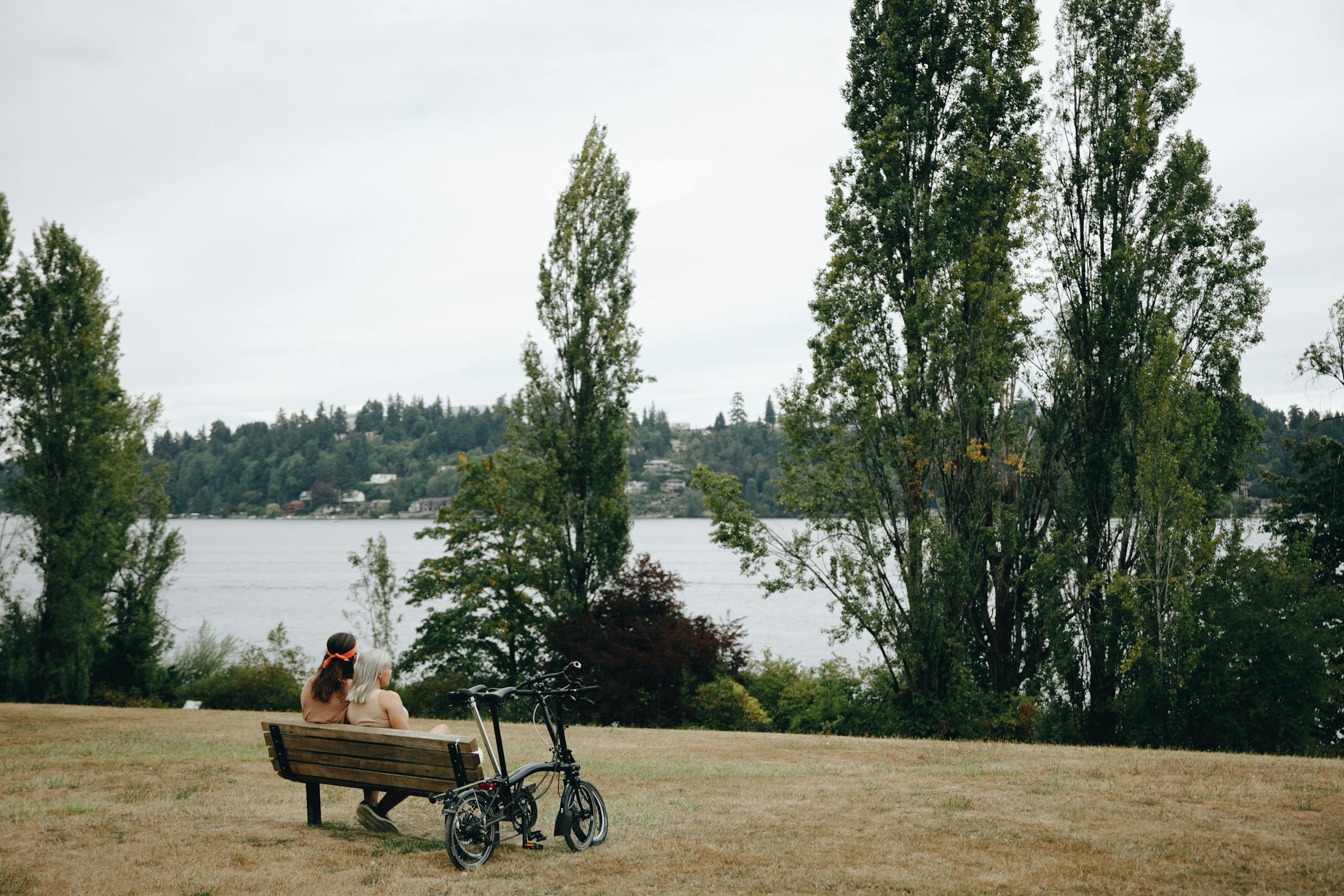
Landscaping follows natural seasonal patterns that can work well for HSP nervous systems. Spring intensity with multiple simultaneous projects gives way to summer maintenance rhythm, then fall cleanup and planning, winter design work and equipment maintenance. The built-in variation prevents the monotony that causes some HSPs to lose engagement while providing structure that contains overstimulation.
Winter downtime or reduced schedule creates recovery periods. Many HSPs find that seasonal careers allow them to sustain higher intensity periods because rest is built into the annual cycle. You can work long days during prime growing season knowing that winter will bring recuperation. Year-round careers demanding consistent output regardless of your capacity variation operate differently.
However, seasonal income variation requires financial planning. Earning most annual revenue in six months creates stress that compounds with HSP tendencies toward anxiety about security. Building reserves during busy seasons, diversifying into year-round services like design consultation, or maintaining part-time winter employment in related fields addresses this challenge. Remote work arrangements in design or consulting can provide steady winter income while using different skill sets.
The connection to natural cycles often appeals to HSPs. You observe seasonal changes intimately, work with living systems, create spaces that evolve over time. This relationship with nature can be deeply satisfying for sensitive nervous systems that find urban environments draining. According to Bureau of Labor Statistics data on landscape architecture careers, median annual wages reached $79,660 in 2024, with employment projected to grow steadily through 2034. Your work literally grows and changes, providing ongoing variety within predictable patterns.
Specialization Paths Within Landscaping
General landscaping encompasses diverse activities with different stimulation profiles. Identifying which aspects work best for your HSP traits helps you specialize strategically.
Design-focused work minimizes physical demands while maximizing creative and analytical engagement. You work primarily indoors or in controlled outdoor consultations. Stimulation comes from client interaction and conceptual problem-solving rather than equipment noise and physical exertion. This path requires strong communication skills to translate your design vision into plans others will install.
Maintenance work provides rhythmic repetition with tangible results. You develop deep knowledge of specific properties, understand plant responses over time, work independently or with small crews. Stimulation is moderate and predictable. Challenges include limited creative expression and potential monotony, though some HSPs find the consistency soothing rather than boring.
Specialized installation such as water features, hardscaping, or native plant gardens lets you develop expertise depth. Clients seek you for specific skills rather than comprehensive services. You become known for quality in a defined area, which allows premium pricing and selective project acceptance. Professionals in specialized landscape roles often focus on sustainable design and water management, emerging areas with growing demand. The trade-off is narrower market appeal that requires deliberate business development.
Consulting and education leverage HSP analytical depth without requiring full project execution. You assess existing landscapes, troubleshoot problems, teach sustainable gardening practices. Physical demands are minimal. Income can be structured hourly rather than project-based. Success requires establishing credibility and building a reputation that generates referrals.
Managing Overstimulation in Peak Season
Spring and fall bring concentrated workload as clients want projects completed before or after extreme weather. For HSPs, managing this intensity requires specific strategies beyond general time management.
Project scheduling should build in recovery between high-stimulation activities. Following an intensive client consultation day with solo design work or administrative tasks allows nervous system regulation. Clustering similar activities reduces context switching that drains HSP energy. Dedicate specific days to client meetings rather than scattering them throughout the week.

Physical workspace affects stimulation accumulation. Organized tool storage reduces decision fatigue. Quiet spaces for breaks during field work prevent auditory overload. Vehicle organization means less stress from equipment searching. Small environmental controls compound over time to either increase or decrease overall nervous system load.
Saying no becomes essential during peak periods. Accepting every project opportunity because you fear missing potential revenue leads to overscheduling that crashes your capacity. Career transitions for HSPs often happen when someone hasn’t learned to protect capacity before reaching burnout.
Recovery practices need to match intensity. After particularly stimulating days, gentle solo activities restore you more effectively than social plans. Walking familiar paths, working in your own garden, reading about plants or design, watching nature. Your recovery should be as intentional as your work scheduling.
Long-term Career Sustainability
Physical work affects bodies differently as they age. HSPs need to consider how aging will interact with landscape work’s physical demands. Transitioning from installation to design-focused work can happen gradually rather than as abrupt career change. Building design skills and reputation early creates options for later shifts.
Continuous learning keeps the work engaging for HSP minds that need stimulation variety. New plant varieties, emerging design trends, evolving sustainability practices, technical skills like CAD or 3D visualization. Professional development serves both career advancement and nervous system engagement.
Business evolution should anticipate changing capacity. You might begin with full-service landscaping, shift toward design specialization, eventually move into consulting or teaching. Each phase can support the next if you plan intentionally. Your HSP traits provide advantages at every level when roles match your processing characteristics.
Financial sustainability requires pricing that reflects your refinement rather than competing on volume. Clients who value detail and thoughtfulness will pay premium rates. Those seeking lowest cost aren’t your market regardless of how well you perform. Understanding this distinction early prevents burnout from underpricing your services to attract price-sensitive clients who don’t value what makes you effective.
Frequently Asked Questions
Can HSPs handle the physical demands of landscaping work?
Physical capability and sensory sensitivity are separate traits. Many HSPs work successfully in physically demanding careers when they manage stimulation accumulation. Success requires structuring work intensity, duration, and recovery to prevent overstimulation rather than avoiding physical activity entirely. Landscaping offers enough role variety that you can calibrate physical demands to your capacity.
How do I know if landscaping suits my HSP traits specifically?
Consider whether you find nature exposure restorative or draining, if aesthetic refinement engages or frustrates you, whether physical work helps regulate your nervous system or depletes it, and if client interaction energizes or exhausts you. HSPs vary significantly in these dimensions. Try project-based work or part-time positions before committing to full career transition. Your response to actual work provides better data than theoretical assessment.
Should I specialize or offer comprehensive landscaping services?
Specialization typically serves HSPs better by reducing complexity and allowing depth development. Comprehensive services multiply stimulation sources through varied client needs, equipment requirements, skill sets, and project types. Start comprehensive if needed for market entry, but move toward specialization as you identify what engages your strengths without overwhelming your capacity. Your business should become more focused over time, not more diverse.
What if my perfectionism makes projects unsustainable?
Distinguish between quality standards that serve clients and internal anxiety that perfectionism soothes temporarily. Set explicit completion criteria before projects begin. Define what constitutes successful delivery in measurable terms. Practice completing projects at “excellent” rather than “perfect” to learn that clients are satisfied before you feel finished. Perfectionism often masks fear of judgment. Your design depth is valuable, but projects must end to generate revenue and serve clients.
How do I prevent client relationships from draining me emotionally?
Establish boundaries before problems occur. Define communication channels and response times in contracts. Schedule specific consultation periods rather than maintaining constant availability. Practice distinguishing between empathy that informs your work and absorption that depletes you. Debrief after difficult interactions rather than carrying emotional residue into subsequent work. Your emotional sensitivity improves client relationships when you protect it through professional structure.
Explore more HSP career insights in our complete HSP & Highly Sensitive Person Hub.
About the Author
Keith Lacy is an introvert who’s learned to embrace his true self later in life. After 20+ years in advertising managing Fortune 500 brands and leading diverse creative teams, he now helps fellow introverts understand their personality traits and find careers that energize them. Through Ordinary Introvert, Keith shares research-backed insights about introversion, MBTI personality types, and professional development for those who thrive in quiet.