

Highly sensitive people who make music don’t just play notes. They feel every frequency, absorb every emotional undercurrent in a room, and translate lived experience into sound with a depth that most listeners can’t quite explain but absolutely feel. That sensitivity isn’t a liability. It’s the engine behind some of the most affecting music ever created.
HSP musicians process sound, emotion, and creative input more intensely than the average person. A 2014 study published by Elaine Aron and colleagues in the journal Brain and Behavior found that highly sensitive people show greater activation in brain regions associated with awareness, empathy, and action planning. For musicians, that heightened neural response translates directly into emotional expression, tonal sensitivity, and a connection to their craft that goes well beyond technique.
If you’ve ever wondered why certain songs reach you in places words can’t, there’s a good chance the person who wrote them experiences the world the way you do.
Our HSP and Highly Sensitive Person hub covers the full range of what it means to live with this trait, from relationships and family to work and personal identity. Music adds another layer entirely, one where sensitivity stops being something to manage and becomes something to channel.
What Makes HSP Musicians Different From Other Artists?
Spend enough time around creative people and you’ll notice that some artists make technically impressive work while others make work that stops you cold. The difference often comes down to depth of processing, which is one of the defining traits of highly sensitive people.
What’s your personality type?
Take our free 40-question assessment and get a detailed personality profile with dimension breakdowns, context analysis, and personalised insights.
Discover Your Type8-12 minutes · 40 questions · Free
Elaine Aron, the psychologist who first identified high sensitivity as a trait, describes it through four core characteristics she calls DOES: Depth of processing, Overstimulation, Emotional reactivity and empathy, and Sensitivity to subtleties. Every one of those qualities maps directly onto what makes a musician extraordinary rather than merely skilled.
I think about this when I look back at my agency years. I ran creative teams for over two decades, and the people who produced the most emotionally resonant advertising work weren’t always the ones with the most technical training. They were the ones who felt things acutely, who noticed the small emotional details in a client brief that others glossed over, who lost sleep over whether a piece of copy captured the right feeling. Many of them were also the most easily overwhelmed in a loud brainstorm session. That wasn’t a coincidence.
HSP musicians bring that same quality to their craft. They hear music differently. A chord progression isn’t just a sequence of notes. It’s an emotional arc. A lyric isn’t just a line. It’s a felt experience rendered into language. That’s why being sensitive to music, truly sensitive to it, often means you’re wired to create it in ways that others simply aren’t.
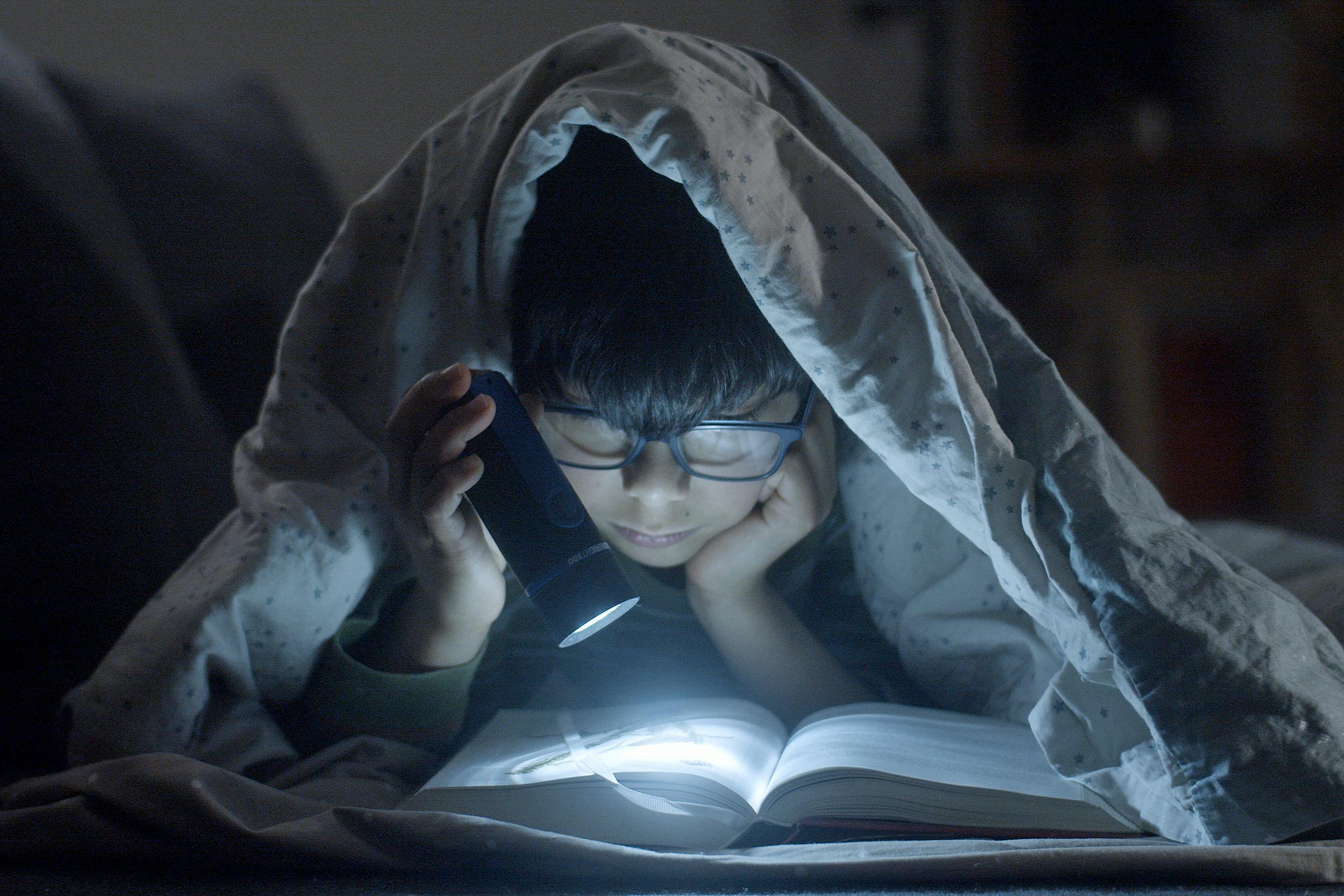
Why Are Highly Sensitive People So Emotionally Affected by Music?
Most people enjoy music. Highly sensitive people are often overwhelmed by it, in the best possible way. A particular song can stop them mid-task, bring tears without warning, or produce what researchers call “chills,” that physical rush of goosebumps that accompanies a piece of music that hits exactly right.
A 2018 study from the University of Southern California found that people who experience strong emotional responses to music have a higher volume of fibers connecting their auditory cortex to areas involved in emotional processing. Highly sensitive people, who already show elevated activity in emotional processing regions, appear to experience this connection more intensely than most.
Being sensitive to music isn’t just an aesthetic preference. It’s neurological. HSPs process sensory and emotional input more deeply, which means a minor key shift, a particular vocal timbre, or a moment of unexpected silence in a composition can land with the force of something much larger. That depth of response is the same quality that makes HSP musicians so attuned to what they’re creating.
There’s a useful parallel here to how highly sensitive people experience intimacy and connection in relationships. The same depth of feeling that makes an HSP profoundly moved by a piece of music is often what makes them so attuned to the emotional undercurrents in close relationships. If that resonates, the piece on HSP and intimacy explores that connection in much more depth.
For HSP musicians, this emotional sensitivity isn’t separate from their technical practice. It’s inseparable from it. They compose toward a feeling. They practice until a passage sounds the way it feels in their chest. They’re not just playing music. They’re translating interior experience into audible form.
How Does High Sensitivity Shape the Creative Process?
Creative work at the highest level requires two things that often seem contradictory: openness to feeling and the discipline to shape that feeling into something communicable. HSP musicians tend to have the first quality in abundance. The challenge, and the opportunity, lies in developing the second.
What I noticed running agency creative departments was that the most sensitive creatives needed different conditions to do their best work. Open-plan offices with constant noise and interruption didn’t produce their best ideas. Quiet time, solitary processing, and space to sit with a problem did. The advertising industry mostly ignored that reality, which meant a lot of talented people were working at a fraction of their capacity.
HSP musicians face a version of the same challenge. The creative process for a highly sensitive person often looks less like the romantic image of inspiration striking and more like sustained, quiet attention. They’re listening to something internal that most people don’t have access to. They’re noticing the emotional texture of an experience and asking what musical form would hold it accurately.
A 2020 review published by the American Psychological Association examined creativity and sensory processing sensitivity, finding that HSPs showed stronger links between emotional experience and creative output. The mechanism appears to be depth of processing: HSPs spend more time with an idea, turning it over, examining it from multiple angles, before they commit it to form. That’s not inefficiency. That’s precision.
It also means HSP musicians often need to protect their creative time fiercely. Overstimulation is a real cost. A loud rehearsal space, a contentious band meeting, or an emotionally draining conversation before a recording session doesn’t just affect their mood. It affects their ability to access the quiet interior place where their best work originates.

What Are the Unique Strengths HSP Musicians Bring to Their Work?
Sensitivity gets framed as fragility in a lot of professional contexts. In music, it’s a structural advantage. consider this that actually looks like in practice.
Emotional Authenticity That Listeners Feel
Audiences are remarkably good at detecting whether an artist is performing emotion or actually feeling it. HSP musicians tend to be incapable of the former. Their sensitivity means they’re genuinely inside the emotional content of what they’re playing, and that authenticity communicates itself directly to listeners. It’s the difference between technically correct and actually moving.
Sensitivity to Subtlety in Sound
HSP musicians notice things other musicians miss. The slight flatness in a vocal that undermines the emotional intent of a line. The way a particular chord voicing creates tension that doesn’t resolve properly. The dynamic shift that would make a chorus land harder. That sensitivity to subtlety in sound is what separates good recordings from great ones.
A 2022 paper in Frontiers in Psychology noted that sensory processing sensitivity correlates with heightened aesthetic sensitivity, meaning HSPs don’t just feel more strongly, they also perceive finer distinctions in sensory experience. For musicians, that’s an extraordinary gift.
Deep Empathy for Audience Experience
HSP musicians don’t just think about what they want to express. They think about how it will land. They’re modeling the listener’s emotional experience as they compose, which produces music that feels like it was written specifically for you, even when you’re one of millions who feel that way. That empathic attunement is one of the most valuable creative skills in existence.
Commitment to Craft Over Compromise
Highly sensitive people feel it acutely when something isn’t right. That means HSP musicians often have a lower tolerance for work that doesn’t meet their own standard. They’ll spend hours on a single transition, rework a lyric until it carries exactly the right weight, refuse to release something that doesn’t feel true. That commitment is what produces lasting work rather than work that’s merely current.
What Challenges Do HSP Musicians Face in the Music Industry?
Sensitivity is an asset in the creative process and a genuine challenge in the professional context that surrounds it. The music industry is loud, demanding, often chaotic, and built around performance in conditions that are specifically difficult for highly sensitive people.
Live performance is the obvious example. Stage environments are sensory-intense by design: bright lights, loud monitors, crowd energy, the physical pressure of performance. For an HSP musician, all of that input lands harder. The same nervous system that makes them exquisitely attuned to musical nuance also makes them more susceptible to overwhelm in high-stimulation environments.
I experienced a version of this every time I had to present to a room full of senior clients. As an INTJ, I processed information deeply and preferred to think before I spoke. Presentations that required rapid-fire responses to unexpected questions in a high-stakes room were genuinely draining in a way that my more extroverted colleagues didn’t seem to feel the same way. I learned to manage it, but it always cost something. HSP musicians deal with that cost multiplied across every public-facing aspect of their career.
There’s also the relational complexity of working in bands, with producers, with label executives, and with managers. HSP musicians feel interpersonal friction acutely. A tense conversation about creative direction doesn’t just affect the working relationship. It can affect their ability to access the emotional state they need to create. Understanding how highly sensitive people function within close relationships, including professional ones, matters enormously here. The piece on HSP dynamics in introvert-extrovert relationships gets into exactly how those tensions play out.
Criticism is another area where HSPs face a steeper challenge. Feedback on creative work is inevitable and necessary. For a highly sensitive person, even well-intentioned critique can land with disproportionate force, not because they’re thin-skinned, but because they process it more deeply. Learning to receive feedback without internalizing it as a verdict on their worth as an artist is one of the most important skills an HSP musician can develop.

How Can HSP Musicians Protect Their Creative Energy?
Managing the demands of a music career while protecting the sensitivity that makes the work good requires intentionality. It doesn’t happen by accident, and it doesn’t happen by trying to become less sensitive. It happens by building structures that work with your nervous system instead of against it.
Solitude before creative work matters more for HSP musicians than for most. That quiet time before picking up an instrument or sitting down to write isn’t procrastination. It’s preparation. The mind needs space to settle before it can access the depth of feeling that produces meaningful work. Protecting that pre-creative window is one of the highest-leverage things an HSP musician can do.
Setting clear limits around rehearsal and recording schedules helps prevent the cumulative overstimulation that drains creative capacity. Long studio days that work fine for less sensitive bandmates can leave an HSP musician depleted in ways that affect not just that session but the next several days of creative work. Knowing your limits and communicating them clearly isn’t self-indulgence. It’s professional sustainability.
The people around an HSP musician matter enormously. Band members, producers, and managers who understand sensitivity and work with it rather than dismissing it create conditions where the best work can happen. Those who don’t understand it, or worse, who treat sensitivity as weakness, create conditions where the HSP musician is constantly managing their environment instead of creating. If you share your life or your creative space with someone who’s trying to understand what living alongside a highly sensitive person actually requires, the piece on living with a highly sensitive person offers a grounded starting point.
If this resonates, hsp-project-managers-stakeholder-management-through-sensitivity goes deeper.
Physical environment also plays a role. Acoustic treatment in a home studio isn’t just about sound quality. For an HSP musician, it’s about creating a space where the nervous system can settle enough to do deep creative work. Lighting, temperature, and the presence or absence of background noise all affect creative output more significantly for highly sensitive people than for others.
Are Most Famous Musicians Highly Sensitive People?
It’s impossible to diagnose historical or public figures with certainty, and it wouldn’t be appropriate to try. What’s worth noting is that many of the most emotionally affecting artists in recorded history have described experiences that align closely with what we now understand about high sensitivity: intense emotional reactivity, a tendency toward deep introspection, difficulty with overstimulation, and a creative process rooted in translating interior experience into art.
Artists across genres, from classical composers who wrote in isolation to contemporary singer-songwriters who describe feeling emotions “too much,” have spoken about the double-edged nature of their sensitivity. The same quality that produces the work also makes the world harder to inhabit without careful management.
Elaine Aron has estimated that approximately 15 to 20 percent of the population carries the trait of high sensitivity, according to her research published through the American Psychological Association. Among artists who create emotionally resonant work for a living, that percentage may be considerably higher, not because sensitivity is required for creativity, but because the creative process provides a natural channel for the depth of feeling that HSPs carry.
Music, specifically, may be the most natural outlet. It’s non-verbal, which means it bypasses the cognitive translation that can sometimes flatten emotional experience into something more manageable but less true. For an HSP, being able to express something in sound that can’t quite be said in words is a profound form of relief.

How Does Being an HSP Affect Music Listening, Not Just Creating?
Not every highly sensitive person is a musician, but nearly every HSP has a profound relationship with music as a listener. Being sensitive to music as a consumer of it is its own significant experience, and understanding it matters both for HSPs themselves and for the people in their lives.
HSPs often use music as emotional regulation. A particular playlist can shift their internal state more reliably than almost any other intervention. Conversely, music they didn’t choose, played at a volume or in a style that conflicts with their current emotional state, can be genuinely distressing rather than merely annoying. Background music in a restaurant or retail environment that most people barely notice can be actively dysregulating for a highly sensitive person.
This is worth understanding in family and household contexts. An HSP family member who asks for the music to be turned down isn’t being difficult. They’re managing a nervous system that processes sound more intensely than others in the room. The piece on HSP family dynamics addresses exactly this kind of everyday friction between sensitive and non-sensitive family members.
For HSP parents, music takes on another dimension entirely. Children’s music, the emotional content of songs their kids are drawn to, the way music affects their children’s moods and behavior, all of it registers more intensely for a highly sensitive parent. That attunement can be a gift, producing parents who create rich musical environments for their children and who notice when a child is using music to process something they can’t articulate. The piece on HSP parenting explores how that sensitivity shapes the parent-child relationship more broadly.
The Mayo Clinic notes that emotional sensitivity, while sometimes challenging to manage, is associated with greater empathy and deeper interpersonal connection, qualities that make highly sensitive people exceptionally attuned to the emotional needs of those around them, including their children. You can find more on their approach to emotional health at the Mayo Clinic website.
What’s the Difference Between Being an HSP and Just Loving Music?
Plenty of people love music without being highly sensitive. The distinction lies in the intensity and quality of the response, not the presence of it.
Someone who loves music enjoys it, seeks it out, and has strong preferences. An HSP who loves music experiences it as something closer to a full-body event. They don’t just hear the melody. They feel the emotional intention behind every production choice. They notice the specific quality of a vocalist’s breath before a phrase. They experience music as a form of direct emotional communication that bypasses conscious interpretation and lands somewhere deeper.
That’s also why the wrong music in the wrong moment can be so disruptive for an HSP. It’s not that they’re being precious about their preferences. It’s that music, for them, is never just background. It’s always foreground, always making a claim on their attention and emotional state, whether they want it to or not.
It’s worth noting that high sensitivity and introversion are related but distinct traits. Many HSPs are introverts, but not all introverts are HSPs, and approximately 30 percent of highly sensitive people are actually extroverted. The article on introvert vs HSP comparison breaks down exactly where those traits overlap and where they diverge, which matters for understanding your own relationship with music and creative work.
The National Institutes of Health has published research on sensory processing sensitivity and its neurological basis, confirming that the trait represents genuine differences in how the nervous system processes information rather than a learned behavior or personality choice. You can explore that body of work through the NIH website.
Psychology Today has also covered high sensitivity extensively, offering accessible summaries of the research on HSP traits and their creative implications. Their coverage is available at Psychology Today.

Embracing Sensitivity as a Musical Superpower
Somewhere in my mid-forties, I stopped trying to manage my sensitivity and started working with it. That shift didn’t happen dramatically. It happened gradually, through small moments of noticing that the qualities I’d spent years trying to contain were actually the qualities that produced my best work.
The campaigns I’m most proud of from my agency years weren’t the technically impressive ones. They were the ones where I’d let myself feel what the brand was actually trying to say, sat with that feeling long enough to understand it clearly, and then built creative work around that emotional truth. The clients who responded most strongly to my leadership weren’t the ones who wanted a high-energy performer in the room. They were the ones who wanted someone who would listen deeply, process carefully, and give them a considered perspective rather than a quick one.
For HSP musicians, that same shift is available. The sensitivity that makes the industry hard to work in is also what makes the music worth hearing. Protecting it, working with it, and building a creative practice around it rather than in spite of it is the difference between a career that depletes and one that sustains.
A 2019 study from the American Psychological Association found that individuals high in sensory processing sensitivity reported greater life satisfaction when they worked in environments that aligned with their trait rather than against it. For musicians, that means building the conditions for deep creative work and refusing to apologize for needing them.
The world needs music that actually reaches people. HSP musicians are among the most capable of creating it. That’s not a small thing. That’s the whole point.
Explore more perspectives on sensitivity, personality, and emotional depth in our complete HSP and Highly Sensitive Person hub.
About the Author
Keith Lacy is an introvert who’s learned to embrace his true self later in life. After 20 years in advertising and marketing leadership, including running agencies and managing Fortune 500 accounts, Keith now channels his experience into helping fellow introverts understand their strengths and build fulfilling careers. As an INTJ, he brings analytical depth and authentic perspective to every article, drawing from both professional expertise and personal growth.
Frequently Asked Questions
What is an HSP musician?
An HSP musician is someone who carries the trait of high sensitivity, characterized by deeper processing of sensory and emotional information, and who channels that sensitivity into musical creation or performance. HSP musicians tend to create emotionally resonant work because their nervous systems are wired to experience and process sound, feeling, and human experience more intensely than most people. The trait, identified by psychologist Elaine Aron, affects approximately 15 to 20 percent of the population.
Why are highly sensitive people so affected by music?
Highly sensitive people experience music more intensely because their nervous systems process sensory and emotional input at a deeper level than average. Research has found that HSPs show greater activation in brain regions associated with empathy and emotional processing, which means music, as a direct form of emotional communication, lands with greater force. Being sensitive to music for an HSP isn’t a preference so much as a neurological reality.
Can high sensitivity be an advantage in a music career?
Yes, and in several specific ways. HSP musicians tend to produce more emotionally authentic work, notice subtleties in sound that others miss, and bring a depth of empathy to their creative process that connects with audiences at a profound level. The challenges, including overstimulation in performance environments and difficulty receiving criticism, are real but manageable with intentional structure. The sensitivity itself is a creative asset, not a liability.
How can HSP musicians manage overstimulation during performances?
Managing overstimulation during live performance requires preparation and structure. Arriving early to acclimate to the venue before it fills, using in-ear monitors to control sound levels, building quiet time into pre-show routines, and limiting social demands immediately before and after performances all help. Some HSP musicians also find that establishing clear post-show recovery rituals, including solitude and low-stimulation environments, allows them to sustain a performing career without chronic depletion.
Is HSP music sensitivity the same as being a music lover?
Not exactly. Many people love music without being highly sensitive, and the experience is genuinely different. HSP music sensitivity means that sound and musical emotion register as a full-body, often involuntary experience rather than an enjoyable preference. HSPs may experience physical responses to music, including chills and strong emotional reactions, more frequently and more intensely than average. They’re also more affected by unwanted music in their environment, since sound is never truly background for them.