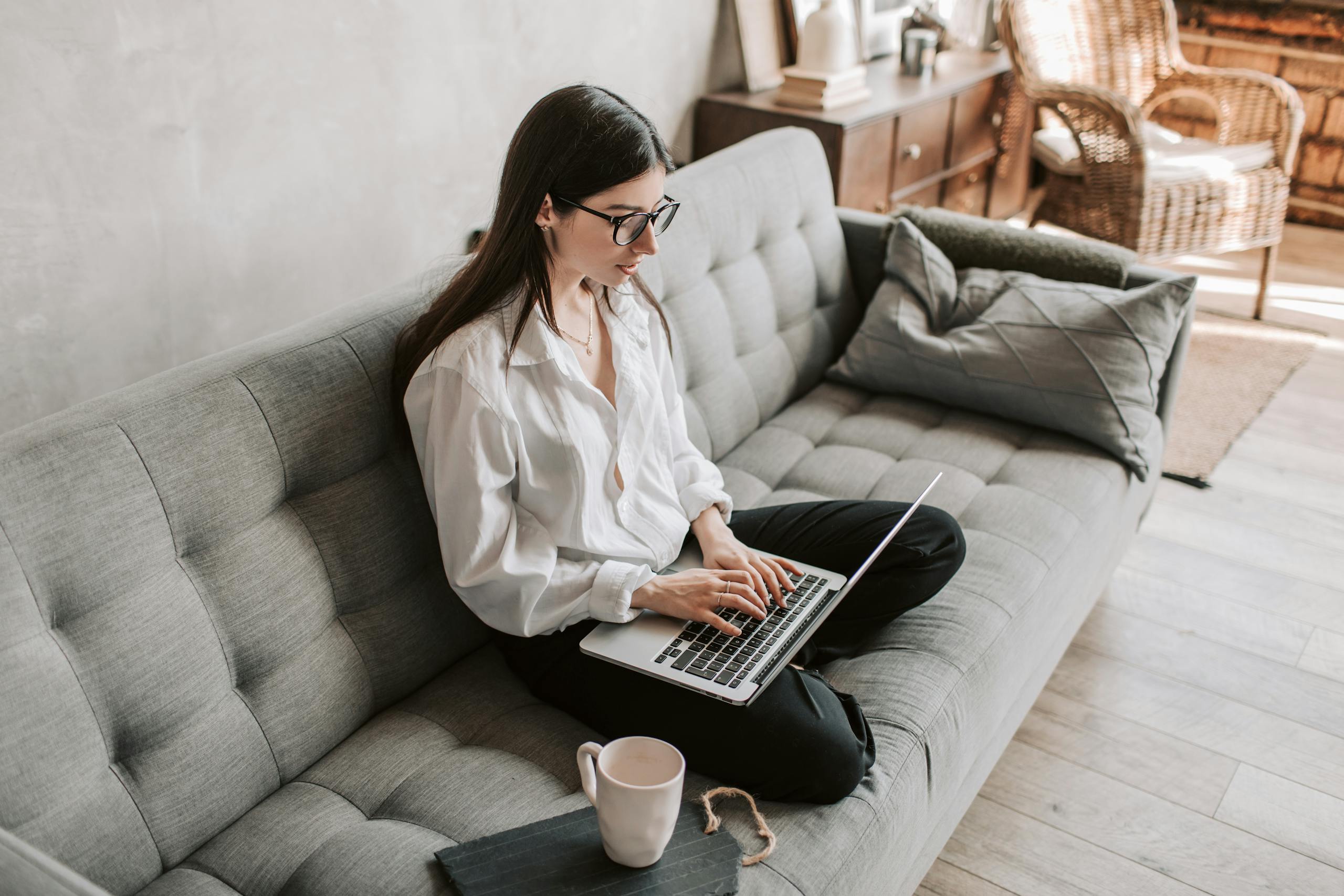

My home office started as a converted corner of our spare bedroom, complete with harsh overhead lighting and a desk facing the household’s busiest hallway. Every notification ping, every family member passing by, every flicker of the fluorescent bulb overhead felt like an assault on my concentration. As someone who processes sensory information at a deeper level, I knew something had to change.
Creating an ideal remote work setup when you experience heightened sensory processing sensitivity requires more than ergonomic furniture and a stable internet connection. The environment itself becomes a tool for productivity or a constant source of depletion. After managing creative teams for Fortune 500 accounts from traditional offices, I discovered that working from home offered something unprecedented: the ability to design a workspace that honored my sensitive nervous system instead of constantly fighting against it.
Psychologists Elaine and Arthur Aron identified sensory processing sensitivity (SPS) as a trait present in approximately 15 to 20 percent of the population. Their research published in Personality and Social Psychology Review demonstrates that individuals with this trait process stimuli more deeply, notice subtleties others miss, and experience stronger emotional reactions to their surroundings. For those of us with this temperament, the physical workspace directly influences cognitive performance, emotional regulation, and overall wellbeing.

Why Remote Work Suits Sensitive Nervous Systems
The shift toward remote work has created unprecedented opportunities for highly sensitive individuals. A 2024 study from the U.S. Bureau of Labor Statistics found positive correlations between remote work and total factor productivity across 61 industries. For those with heightened sensitivity, these productivity gains likely stem from something deeper than commute elimination: the ability to control environmental stimuli.
What’s your personality type?
Take our free 40-question assessment and get a detailed personality profile with dimension breakdowns, context analysis, and personalised insights.
Discover Your Type8-12 minutes · 40 questions · Free
During my agency years, I watched talented colleagues struggle in open floor plans where spontaneous conversations and ringing phones created constant interruption. One project manager, whose attention to detail made her invaluable during client presentations, would retreat to empty conference rooms just to complete basic tasks. She possessed what I now recognize as sensory processing sensitivity, and the traditional office environment worked against her strengths.
Remote work allows sensitive individuals to capitalize on their natural advantages. Deep processing, which can feel like a liability in chaotic environments, becomes an asset when you control the conditions around you. The University of California Santa Barbara’s neuroimaging research on highly sensitive individuals reveals increased brain activation in regions associated with attention and emotional processing. When environmental distractions diminish, this heightened neural responsiveness translates into more thorough analysis, greater creativity, and stronger problem solving.
Designing Your Sensory Sanctuary
Building an ideal home workspace begins with understanding your personal triggers. Some people find visual clutter overwhelming, while others react more strongly to auditory disruptions. Temperature fluctuations bother certain individuals intensely. Identifying your specific sensitivities allows you to prioritize modifications that deliver the greatest relief.
Start by cataloging moments when your concentration breaks or your energy depletes. Keep a simple log for one week, noting what interrupted your focus and how your body responded. This exercise reveals patterns that might otherwise remain unconscious. My own log exposed that afternoon sun glare caused more productivity loss than I had realized, leading me to install adjustable blinds that transformed my afternoon work sessions.

Lighting Considerations for Sensitive Eyes
Lighting affects cognitive function, mood, and circadian rhythm. For those with sensory processing sensitivity, poor lighting creates cumulative stress that compounds throughout the workday. Research from Shiraz University of Medical Sciences confirms that lighting has a significant impact on employee reported productivity, with natural daylight producing the strongest positive effects.
Position your desk to maximize natural light without creating screen glare. Side lighting, where windows are perpendicular to your monitor, typically works best. Consider the direction your workspace faces and how sunlight moves throughout the day. East facing windows provide energizing morning light, while west facing exposure may require afternoon shading solutions.
Supplement natural light with task lighting that offers adjustable brightness and color temperature. The Illuminating Engineering Society recommends 300 to 500 lux for general office work. Cooler light temperatures around 4000 to 5000 Kelvin support alertness during focused work periods, while warmer tones below 3000 Kelvin help transition into evening hours without disrupting sleep patterns.
When I consulted with a creative director whose migraines had become debilitating, we traced the problem to her combination of overhead fluorescent fixtures and a south facing window. Replacing the fluorescents with diffused LED panels and adding a light filtering shade eliminated her headaches within two weeks. Small environmental adjustments can produce dramatic improvements in daily functioning.
Creating Acoustic Comfort
Sound management presents one of the most significant challenges for sensitive remote workers. A study published in Ergonomics journal found that 99 percent of surveyed employees reported concentration impairment from office noise, with no evidence of habituation over time. Those with heightened sensory processing likely experience even greater disruption from auditory stimuli.
Begin by identifying sound sources in your environment. External noise from traffic, neighbors, or construction may require different solutions than internal sounds from family members, appliances, or HVAC systems. Map the acoustic landscape of your workspace throughout a typical day, noting peak disruption periods and their sources.
Soft surfaces absorb sound waves and reduce reverberation. Consider adding a thick area rug beneath your desk, fabric curtains over windows, and upholstered furniture if space permits. Acoustic panels designed for home offices offer effective sound absorption without requiring permanent modifications to your space.
White noise or ambient soundscapes can mask unpredictable sounds that trigger the orienting response. The brain attends to novel or irregular sounds automatically, and this attention shift depletes cognitive resources. Consistent background sound creates a stable auditory environment that allows deeper concentration. Experiment with different sound profiles, as nature sounds soothe some people while others prefer pink noise or instrumental music without lyrics.
Structuring Your Day Around Energy Patterns
Remote work offers scheduling flexibility that traditional offices rarely permit. For highly sensitive individuals, this flexibility becomes a powerful tool for protecting energy and maximizing productive hours. Understanding your natural energy rhythms allows you to align demanding tasks with peak capacity periods.
Most people experience higher cognitive function during morning hours, though individual patterns vary. Track your alertness and focus across several days to identify your personal peaks and troughs. Schedule complex analytical work, creative projects, and important meetings during high energy windows. Reserve lower demand tasks like email processing or administrative duties for periods when your capacity naturally diminishes.
Build transition rituals between activities. Sensitive nervous systems need time to shift between different modes of engagement. A brief walk, stretching routine, or mindful breathing exercise creates a boundary between tasks and prevents the cognitive residue that accumulates when jumping between activities without pause. During my agency leadership years, I learned that five minutes of deliberate transition time saved hours of fragmented attention.
Schedule regular restoration breaks throughout your workday. The research published in Work journal emphasizes that home office environments should promote comfort and satisfactory productivity, which requires periodic disengagement from focused work. Step outside for fresh air, practice a brief meditation, or simply close your eyes and breathe deeply. These micro recoveries prevent the cumulative overwhelm that leads to afternoon burnout.
Managing Digital Stimulation
Screen time presents unique challenges for sensitive individuals. Blue light exposure, notification alerts, and the constant availability that digital tools create can overwhelm nervous systems already processing stimuli at elevated levels. Establishing boundaries around technology use protects your capacity for deep work.
Configure notification settings ruthlessly. Disable sounds and visual alerts for everything except truly urgent communications. Batch email and messaging into designated windows instead of maintaining constant availability. When I implemented notification blocking during focused work periods, my ability to sustain complex projects improved dramatically.
Consider screen brightness and display settings carefully. Many people work with monitors set far brighter than necessary, creating eye strain that accumulates throughout the day. Reduce brightness to the minimum comfortable level and enable blue light filtering during evening hours. Some individuals benefit from warmer display temperatures even during daytime work.
Create physical separation between your work devices and personal spaces when possible. If your remote setup exists within a shared living area, establish clear boundaries for when work technology remains closed or silenced. This separation helps your nervous system distinguish between productive engagement and restorative time.

Communicating Your Needs to Colleagues
Remote work requires intentional communication about availability and working preferences. Highly sensitive individuals may hesitate to advocate for their needs, fearing judgment or appearing difficult. Framing these conversations around productivity and performance often proves more effective than explaining sensitivity directly.
Establish clear boundaries around response times and meeting availability. Share your focused work hours with colleagues and supervisors, explaining when you will be fully available and when you prefer asynchronous communication. Most managers appreciate employees who proactively manage their productivity rather than those who remain constantly interruptible but rarely deliver deep work.
During video calls, give yourself permission to turn off self view, which reduces cognitive load for many sensitive individuals. Request agendas before meetings so you can prepare mentally for discussion topics. If back to back video meetings drain you, build buffer time between calls or suggest alternative meeting formats when appropriate.
Working with clients on high stakes campaigns taught me that setting expectations early prevents conflict later. The same principle applies to handling workplace dynamics as a sensitive individual. Colleagues generally respect clearly communicated boundaries, especially when you demonstrate the quality work that those boundaries enable.
Building Sustainable Remote Work Habits
Long term remote work success requires attending to physical, mental, and emotional wellbeing. The flexibility that makes home based work attractive can also blur boundaries in ways that exhaust sensitive nervous systems. Developing sustainable habits protects against the burnout that threatens those who process stimuli deeply.
Maintain consistent start and end times for your workday whenever possible. The International Monetary Fund’s analysis of remote work productivity highlights how employees value the time saved from commuting. Use some of that reclaimed time for activities that restore your energy rather than simply extending work hours.
Create rituals that signal the beginning and end of work. A morning walk, specific clothing choices, or a workspace preparation routine helps your brain transition into focused mode. Evening rituals that close your workday, such as reviewing accomplishments, planning tomorrow’s priorities, or physically closing your laptop and leaving your workspace, provide psychological separation from professional demands.
Invest in practices that replenish your capacity for stimulation. Regular exercise, time in nature, creative hobbies, and meaningful social connections outside work all contribute to resilience. The depth of processing that characterizes sensitivity becomes a strength when paired with adequate recovery. Attempting to function continuously without restoration leads to the diminished performance and emotional dysregulation that undermine professional success.

Embracing Your Sensitive Strengths
Remote work environments, when thoughtfully designed, allow highly sensitive individuals to leverage their natural gifts. The same nervous system that feels overwhelmed by chaotic open offices excels at detecting patterns others miss, anticipating problems before they escalate, and producing work with exceptional attention to detail.
Deep processing translates into thorough analysis and innovative solutions when you have the environmental conditions to think clearly. Emotional responsiveness becomes an asset in understanding client needs, handling team dynamics, and creating work that resonates with audiences. Sensitivity to subtleties enables quality control that less attentive individuals simply cannot match.
After two decades in environments that often felt designed to exhaust rather than support my way of processing the world, I have come to appreciate remote work as something approaching professional liberation. The ability to control lighting, manage sound, structure my schedule around energy patterns, and minimize unnecessary stimulation has transformed my relationship with work itself. Tasks that once required fighting through environmental noise now unfold with the focus and depth that my sensitive nature always wanted to bring.
Your ideal remote setup will differ from mine. Sensitivity manifests uniquely in each individual, and the environmental modifications that help most depend on your particular profile. What remains constant is the principle: when you align your workspace with your nervous system’s needs, productivity and wellbeing both improve. The effort invested in creating your ideal environment pays dividends every working day.
Frequently Asked Questions
What makes remote work particularly beneficial for highly sensitive people?
Remote work allows control over environmental factors that significantly impact sensitive nervous systems. You can adjust lighting, minimize noise, manage temperature, and structure your schedule around natural energy patterns. Traditional offices force sensitive individuals to function in environments designed for average sensory processing, which depletes energy needed for actual work tasks. Home based work eliminates the constant adaptation that exhausts sensitive people in conventional settings.
How do I explain my sensitivity needs to my employer without seeming difficult?
Focus conversations on productivity outcomes rather than sensitivity explanations. Describe your most effective working conditions in terms of the results they enable. For example, explain that you produce higher quality work with fewer revisions when you have blocks of uninterrupted focus time, or that you contribute more effectively in meetings when you receive agendas in advance. Most employers care about performance and appreciate employees who understand their optimal working conditions.
What are the most important home office modifications for sensitive individuals?
Prioritize lighting and sound management, as these affect most sensitive people significantly. Position your workspace to maximize natural light without screen glare, and add adjustable task lighting for supplemental illumination. Address acoustic challenges with soft surfaces, white noise, or noise canceling headphones. Beyond these fundamentals, modifications depend on individual sensitivity profiles, so observe which environmental factors most disrupt your concentration and address those first.
How can I prevent burnout when working remotely as a sensitive person?
Build regular restoration into your daily schedule rather than waiting until exhaustion forces breaks. Set clear boundaries between work and personal time through consistent schedules and transition rituals. Limit notification interruptions that fragment attention and deplete energy. Ensure your non working hours include activities that genuinely replenish your capacity for stimulation, whether that means time alone, gentle movement, creative pursuits, or meaningful connection with supportive people.
Does sensitivity mean I should avoid video meetings entirely?
Video meetings are not inherently problematic, but they require more energy for sensitive individuals than audio only calls or asynchronous communication. Manage video meeting demands by building buffer time between calls, turning off self view to reduce cognitive load, requesting agendas in advance, and limiting back to back scheduling. When possible, suggest alternative formats for conversations that do not require visual presence, reserving video for situations where it adds genuine value.
Explore more HSP and sensitivity resources in our complete HSP & Highly Sensitive Person Hub.
About the Author
Keith Lacy is an introvert who’s learned to embrace his true self later in life. With a background in marketing and a successful career in media and advertising, Keith has worked with some of the world’s biggest brands. As a senior leader in the industry, he has built a wealth of knowledge in marketing strategy. Now, he’s on a mission to educate both introverts and extroverts about the power of introversion and how understanding this personality trait can reveal new levels of productivity, self-awareness, and success.