
Do you ever feel like your nervous system operates on a completely different frequency than everyone else around you? If a crowded room leaves you needing hours of solitude to recover, or if the emotional undercurrents of a simple conversation stay with you long after everyone else has moved on, you might be among the 20 to 30 percent of people who identify as highly sensitive.
Self-care for the highly sensitive person extends far beyond bubble baths and occasional rest days. Your nervous system processes stimuli more deeply than average, which means recovery demands intentional, strategic practices designed specifically for your unique wiring. Managing a fast-paced agency environment for over two decades taught me that sustainable energy management separates those who burn out from those who flourish. The principles that kept me functioning during back-to-back client presentations and intensive team sessions translate directly to HSP self-care.
Elaine Aron’s foundational research established that sensory processing sensitivity represents a distinct personality trait characterized by deeper cognitive processing, heightened emotional reactivity, and increased awareness of environmental subtleties. This biological difference in nervous system function means standard wellness advice misses the mark for highly sensitive individuals. Your brain works harder to process information, requiring more intentional recovery periods than the general population needs.

Understanding Why HSPs Need Specialized Self-Care
Highly sensitive individuals experience the world with remarkable intensity. Psychology Today notes that HSPs register more environmental details than less sensitive people, including sounds, sights, and emotional cues that others overlook entirely. This heightened awareness creates rich inner experiences alongside increased vulnerability to overstimulation.
What’s your personality type?
Take our free 40-question assessment and get a detailed personality profile with dimension breakdowns, context analysis, and personalised insights.
Discover Your Type8-12 minutes · 40 questions · Free
Running an advertising agency meant managing constant sensory bombardment from creative presentations, client negotiations, and team dynamics. What looked like ease to colleagues actually required careful energy allocation behind the scenes. Recognizing that my nervous system needed different maintenance than my extroverted counterparts changed everything about how I approached my workdays.
Neuroimaging research has revealed that HSP brains show stronger activation in regions associated with awareness, empathy, and self-processing when exposed to emotional stimuli. A brain imaging study conducted by Acevedo and colleagues found that sensory processing sensitivity correlates with increased activity in the insula, cingulate, and areas involved in integrating sensory information. Your heightened responsiveness reflects genuine neurological differences that warrant adapted care strategies.
Sleep as the Foundation of HSP Self-Care
Sleep deprivation affects highly sensitive people more severely than the general population. Your nervous system processes more information during waking hours, requiring extended recovery time during sleep to consolidate experiences and restore equilibrium. Skipping adequate rest creates a deficit that compounds quickly, leaving you increasingly reactive and depleted.
Eight to nine hours of quality sleep should be your baseline target, not a luxury reserved for weekends. During particularly demanding seasons at the agency, protecting my sleep became non-negotiable. Sacrificing rest for productivity always backfired within days, creating more problems than any late-night work session could solve.
Create a sleep sanctuary that minimizes sensory disruption. Blackout curtains, white noise machines, and cool room temperatures support the deep rest your system requires. Establish consistent bedtime routines that signal safety to your nervous system. Reading physical books, gentle stretching, or quiet reflection prepare your mind for restorative sleep far better than screen exposure.

Creating Sensory-Friendly Environments
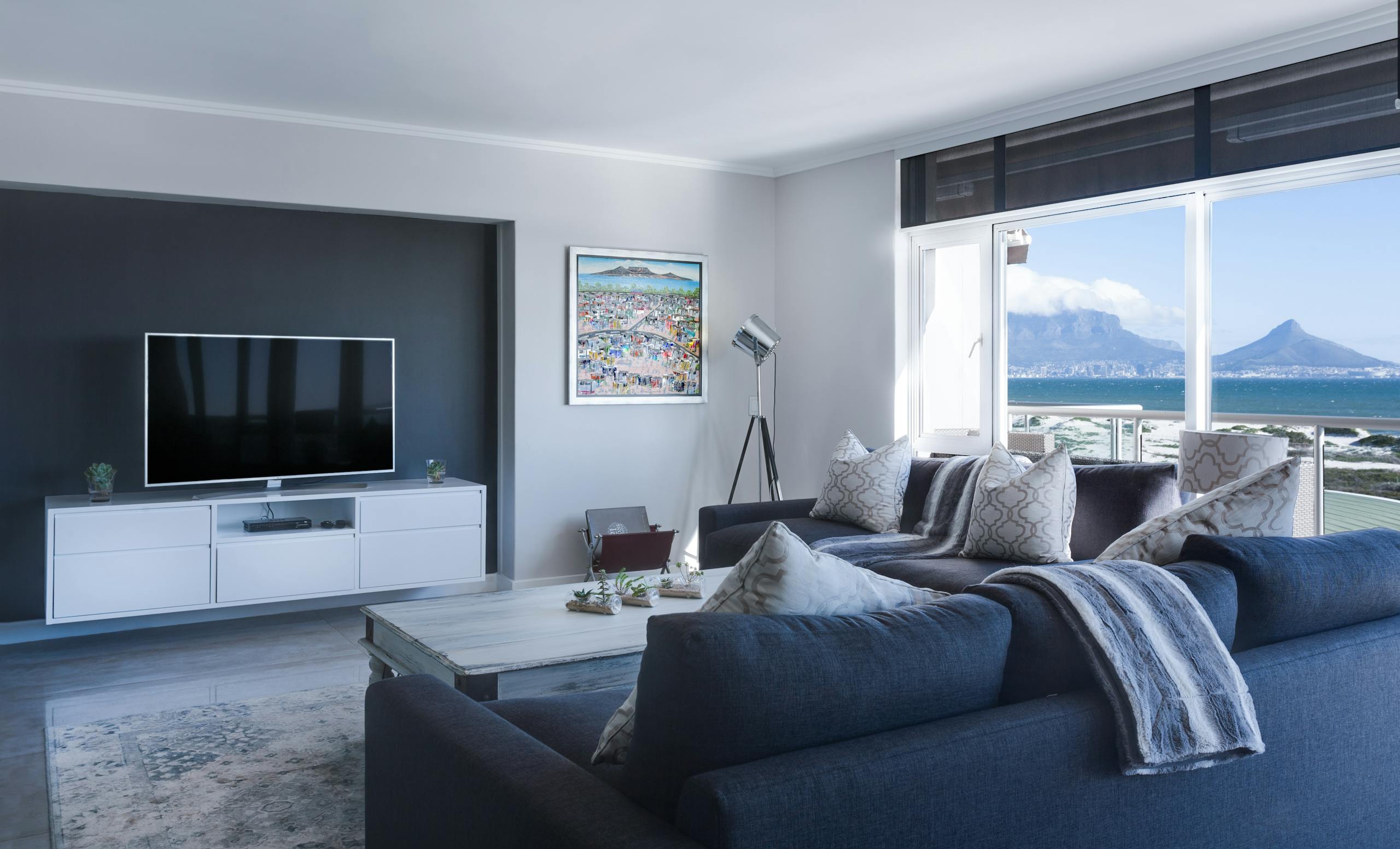
Your physical environment significantly impacts your energy levels and emotional state. Cluttered spaces, harsh lighting, and ambient noise create constant low-level stress that drains your reserves. Designing your surroundings with intention gives your nervous system permission to relax.
My home office became a deliberate retreat after years of managing open-plan agency environments. Soft, warm lighting replaces overhead fluorescents. Plants add natural elements that soothe the senses. Noise-canceling capabilities provide escape from auditory intrusion. These investments in environmental design pay dividends in sustained focus and reduced recovery time.
Examine each space where you spend significant time. Identify sensory irritants that create friction. Perhaps bright overhead lights could become adjustable lamps. Maybe background television noise could transition to intentional silence or carefully chosen music. Small adjustments accumulate into meaningful relief for your sensitive system. Consider the textures, colors, scents, and sounds that populate your daily experience. Each element either supports or depletes your wellbeing.
Mindfulness Practices Tailored for Sensitive Nervous Systems
Mindfulness meditation offers particular benefits for highly sensitive individuals. A 2024 systematic review published in Biomedicines found that mindfulness practices induce neuroplasticity, reduce amygdala reactivity, and improve emotional regulation capabilities. For HSPs whose amygdalas already respond intensely to stimuli, these neurological benefits prove especially valuable.
Begin with brief practices of five to ten minutes rather than ambitious hour-long sessions. Your deep processing nature means shorter, consistent practice creates more lasting change than occasional lengthy attempts. Focus on breath awareness or body scanning techniques that ground your attention in present-moment sensation.
Diaphragmatic breathing activates your parasympathetic nervous system, counterbalancing the sympathetic activation that accompanies overstimulation. Place one hand on your chest and one on your belly. Breathe so your belly hand rises and falls while your chest hand remains relatively still. This simple technique became my go-to strategy during intense client meetings and high-pressure presentations. A few conscious breaths between agenda items kept my nervous system from entering overwhelm.

Boundary Setting as Essential Self-Care
Highly sensitive people absorb emotional information from their environments with remarkable efficiency. Without firm boundaries, you become a sponge for everyone else’s stress, anxiety, and emotional turbulence. Protecting your energy requires learning to say no without guilt and establishing limits that honor your needs.
Recognizing that my capacity for social engagement differed from colleagues fundamentally shifted my career approach. Declining optional happy hours no longer felt like professional suicide but intelligent energy management. Blocking recovery time after intensive meetings became standard practice. These boundaries allowed sustained performance across decades rather than periodic burnout and recovery cycles.
Practice communicating your needs clearly and without excessive explanation. You deserve rest and recovery as much as anyone else. Your sensitivity provides valuable contributions to relationships and workplaces. Protecting the energy that enables those contributions represents responsible self-stewardship, not selfishness.
Practical Boundary Strategies
Schedule buffer time between appointments and commitments. Back-to-back activities deplete sensitive systems rapidly. Building transition periods into your calendar creates space for processing and recovery that prevents accumulating overwhelm. Even fifteen minutes between meetings can restore significant capacity.
Limit exposure to emotionally intense media. News cycles, violent entertainment, and social media conflict create real physiological responses in sensitive individuals. Curate your information intake deliberately. Your awareness of suffering extends far beyond what you can meaningfully address. Consuming distressing content without purpose depletes resources needed for your actual sphere of influence.
Nature Immersion for Nervous System Regulation
Natural environments provide profound restoration for highly sensitive nervous systems. Green spaces, water features, and natural soundscapes offer sensory experiences that nourish rather than deplete. Time outdoors reduces cortisol levels and activates parasympathetic responses that counterbalance urban overstimulation.
Walking through parks became my primary decompression strategy during agency years. The contrast between fluorescent-lit conference rooms and tree-filtered sunlight provided immediate relief. Even brief outdoor breaks during intense workdays prevented the accumulation of stress that led to evening exhaustion.
Prioritize regular nature exposure regardless of weather conditions. Twenty minutes daily provides meaningful benefits. Longer weekly excursions to green spaces or waterways create deeper restoration. Consider your relationship with nature as a non-negotiable component of your highly sensitive person traits rather than an optional leisure activity.

Movement Practices That Support Sensitivity
Exercise benefits highly sensitive people, but the type of movement matters significantly. High-intensity group fitness classes with loud music and competitive energy can create more stimulation than relief. Gentler practices like yoga, tai chi, swimming, and solitary walking provide physical benefits without overwhelming your system.
Listen to your body’s feedback during exercise. Sensory processing sensitivity research indicates that HSPs experience stronger physical responses to various stimuli including pain and exertion. Respecting these signals prevents injury and burnout from overly aggressive fitness approaches. Moderate, consistent movement creates better outcomes than periodic intense efforts followed by exhaustion and withdrawal.
Finding movement practices that feel genuinely restorative rather than obligatory transforms exercise from a dreaded task into welcome self-care. Experiment with different activities until you discover what your particular system enjoys. Perhaps slow morning stretching suits you better than evening jogs. Maybe swimming provides the sensory experience that makes movement pleasurable. Your ideal practice exists; keep exploring until you find it.
Emotional Processing and Creative Expression
Highly sensitive individuals experience emotions with intensity that demands expression. Suppressing or ignoring emotional responses creates internal pressure that eventually erupts in less constructive ways. Developing healthy outlets for emotional processing supports sustainable wellbeing.
Journaling provides an accessible daily practice for emotional processing. Writing about experiences helps integrate them rather than leaving them circulating as unprocessed mental and emotional material. Even brief morning pages or evening reflection sessions create meaningful release. The practice of putting internal experiences into words clarifies thoughts and feelings that might otherwise remain vague sources of discomfort.
Creative activities serve similar functions. Art, music, writing, gardening, and crafting all provide channels for emotional expression that bypass intellectual analysis. These practices engage different neural pathways than verbal processing, offering complementary avenues for integrating intense experiences. Many HSPs discover that creative pursuits feel essential rather than optional for their wellbeing.
Social Self-Care for Highly Sensitive People
Relationships nourish highly sensitive people while simultaneously requiring significant energy. Deep, meaningful connections satisfy your need for authentic interaction. Superficial socializing drains resources without providing comparable return. Curating your social circle intentionally supports rather than depletes your sensitive system.
Understanding that my social needs differed from extroverted colleagues eliminated years of self-criticism. Fewer, deeper friendships proved more sustaining than extensive networks of casual acquaintances. Quality conversations with one trusted person restored energy that a roomful of small talk depleted. If you find yourself wondering about the differences between HSP and introvert traits, exploring your specific combination of characteristics helps clarify your unique social needs.
Communicate your needs to people who matter to you. Explain that your withdrawal after social events reflects nervous system requirements rather than disinterest in relationships. Those who genuinely care will accommodate your needs. Those who cannot respect your boundaries reveal themselves as poor fits for your inner circle.

Professional Self-Care Strategies
Workplace environments present unique challenges for highly sensitive individuals. Open offices, frequent meetings, and constant collaboration can overwhelm sensitive nervous systems. Developing professional self-care strategies protects your career longevity and daily wellbeing.
During my agency leadership years, strategic workspace management became essential. Finding quiet corners for focused work, using noise-canceling headphones during open-plan hours, and scheduling thinking time before and after intensive meetings preserved cognitive capacity for high-stakes client work. These accommodations appeared unnecessary to colleagues whose nervous systems processed stimuli differently, but they proved essential for my sustained performance.
Advocate for your needs professionally without apologizing for your sensitivity. Request meeting agendas in advance so your deep processing nature can prepare thoroughly. Ask for written summaries of verbal discussions to support your processing style. Take breaks during long meetings when possible. Frame these requests as strategies for optimal contribution rather than accommodation for weakness. If you identify as both HSP and introvert, your workplace needs may require even more intentional management.
Building Your Personal Self-Care System
Effective HSP self-care requires personalization. General wellness advice provides starting points, but your specific nervous system has unique requirements. Pay attention to what genuinely restores you versus what you think should help. Trust your body’s feedback over external prescriptions.
Track your energy patterns across days and weeks. Notice which activities deplete you and which restore capacity. Identify early warning signs of overwhelm before you reach crisis points. This self-awareness enables proactive care rather than reactive damage control. Understanding what being a highly sensitive person actually means for your daily functioning provides the foundation for building sustainable self-care practices.
Create non-negotiable daily practices that support your baseline wellbeing. Perhaps morning solitude before family interaction sets your day’s trajectory. Maybe an evening wind-down ritual signals safety to your nervous system. Whatever practices prove essential for you deserve protection from competing demands. Your self-care routine represents infrastructure for functioning, not indulgence to be sacrificed when life gets busy.
Embracing Your Sensitivity as Strength
Self-care for highly sensitive people fundamentally begins with accepting your sensitivity as a legitimate aspect of who you are. Years of trying to override my natural wiring created unnecessary suffering. Embracing my deep processing nature, my need for recovery time, and my heightened awareness as features rather than flaws transformed my relationship with myself and my capabilities.
Your sensitivity provides gifts alongside its challenges. Deep empathy, creative capacity, attention to detail, and awareness of nuance all emerge from the same neurological differences that require careful self-management. The practices that restore your energy also protect these valuable contributions. Taking care of yourself enables you to offer your unique gifts to the world sustainably. Discovering the signs that you might be a highly sensitive person marks the beginning of a more compassionate relationship with yourself.
Build a life that honors your sensitive nature rather than forcing constant adaptation to environments designed for less responsive nervous systems. The energy saved from fighting your wiring becomes available for pursuits that matter to you. Self-care is not just about surviving as an HSP but creating conditions where you can genuinely thrive.
Explore more HSP resources in our complete HSP and Highly Sensitive Person Hub.
About the Author
Keith Lacy is an introvert who’s learned to embrace his true self later in life. With a background in marketing and a successful career in media and advertising, Keith has worked with some of the world’s biggest brands. As a senior leader in the industry, he has built a wealth of knowledge in marketing strategy. Now, he’s on a mission to educate both introverts and extroverts about the power of introversion and how understanding this personality trait can reveal new levels of productivity, self-awareness, and success.
Frequently Asked Questions
How much sleep do highly sensitive people need?
Most HSPs require eight to nine hours of quality sleep per night to function optimally. Your nervous system processes more information during waking hours than average, requiring extended recovery time. Individual needs vary, but prioritizing sufficient sleep provides the foundation for all other self-care practices.
What are the best types of exercise for highly sensitive people?
Gentle, restorative movement practices like yoga, tai chi, swimming, and walking tend to suit sensitive nervous systems better than high-intensity group fitness. The key is finding activities that feel genuinely restoring rather than depleting. Listen to your body’s feedback and choose movement that leaves you energized rather than exhausted.
How can HSPs set boundaries without feeling guilty?
Recognize that boundaries protect the energy that enables your valuable contributions. Practice stating your needs clearly without excessive explanation. Remember that saying no to one thing means saying yes to your wellbeing. Guilt typically diminishes as you experience the benefits of consistent boundary maintenance and see your relationships improve rather than suffer.
Why does nature help highly sensitive people recover?
Natural environments provide sensory experiences that nourish rather than overwhelm sensitive nervous systems. Green spaces reduce cortisol levels and activate parasympathetic responses that counterbalance urban stimulation. The organic patterns, sounds, and rhythms of nature offer gentler input than manufactured environments, allowing your system to restore equilibrium.
Can highly sensitive people thrive in demanding careers?
Absolutely. HSPs can excel in demanding professional environments when they implement strategic self-care practices. This includes managing workspace stimulation, scheduling recovery time, advocating for processing preferences, and maintaining non-negotiable self-care routines. The key lies in working with your sensitivity rather than against it, using your deep processing abilities as professional assets.