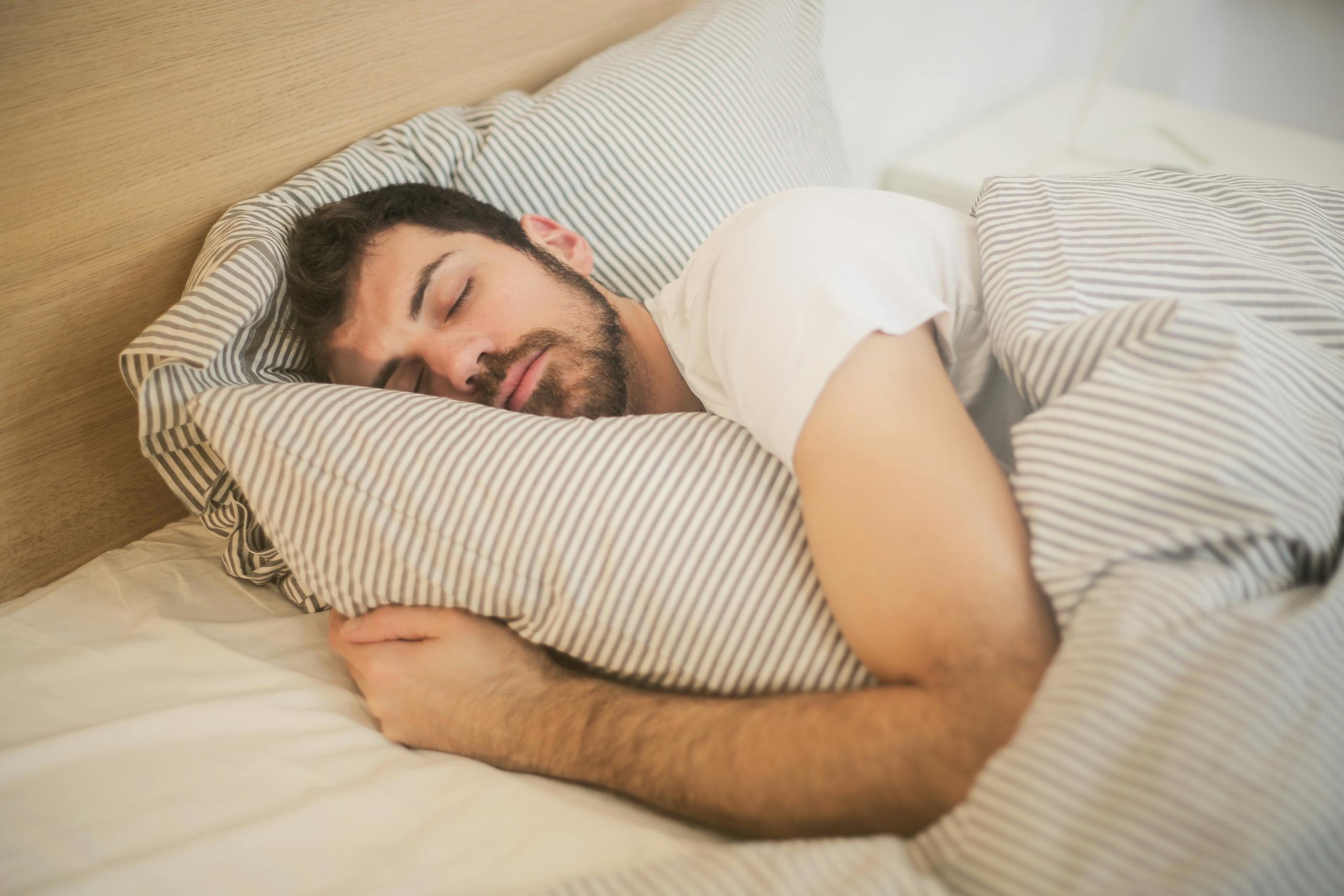

The bedroom was completely dark. The white noise machine hummed at exactly the right frequency. The temperature sat at a perfect 67 degrees. And still, my mind refused to stop cataloging every conversation from the workday, every subtle tension I’d noticed in meetings, every unresolved email waiting in my inbox.
After two decades leading advertising agencies and managing teams through high-pressure campaigns, I understood stress. What took me longer to recognize was that my sensitive nervous system processed that stress differently than my colleagues’ systems did. My brain didn’t simply switch off when my head hit the pillow. It continued analyzing, connecting dots, and preparing for scenarios that might never unfold.
If you identify as a highly sensitive person (HSP) and struggle with sleep, you’re experiencing something that scientific research has only recently begun to explain. A 2024 study published in Stress and Health by researchers Luca Simione and Ilde Pieroni discovered a direct correlation between sensory processing sensitivity and insomnia symptoms. Their findings suggest that sleep difficulties in HSPs stem not from general stress levels, but from something called sleep reactivity.
Understanding Why HSPs Struggle with Sleep
Sensory processing sensitivity describes a temperamental trait affecting approximately 15 to 20 percent of the population. According to Psychology Today, HSPs experience increased emotional sensitivity, stronger reactivity to external and internal stimuli, and a complex inner life that processes information more deeply than average.
What’s your personality type?
Take our free 40-question assessment and get a detailed personality profile with dimension breakdowns, context analysis, and personalised insights.
Discover Your Type8-12 minutes · 40 questions · Free
That deeper processing becomes problematic at bedtime. During my agency years, I noticed that the colleagues who could compartmentalize their workdays and fall asleep within minutes possessed something I lacked. They could draw a mental boundary between professional challenges and personal rest. My sensitive system refused to recognize that boundary.
The science behind this difficulty centers on something researchers call sleep reactivity. Sleep reactivity measures how drastically stress exposure disrupts sleep patterns. Individuals with highly reactive sleep systems experience significant deterioration in sleep quality when stressed, whereas those with low sleep reactivity proceed largely unaffected during stressful periods.
The Sleep Reactivity Connection
The Wiley Online Library study conducted on 358 adults found something remarkable: sensory processing sensitivity correlates positively with insomnia symptoms, and this relationship is fully mediated by sleep reactivity rather than general perceived stress. In practical terms, HSPs don’t necessarily experience more stress than others. Their sleep systems simply respond more intensely to whatever stress they do experience.
During particularly demanding client presentations, I could manage my daytime stress effectively. The challenge emerged at night, when that managed stress would resurface and activate my already-sensitive nervous system. One client presentation could occupy my sleeping mind for three consecutive nights, replaying moments I wished I’d handled differently or anticipating follow-up conversations that required preparation.
This pattern reflects how the HSP brain operates. Research from the University of California Santa Barbara and Stony Brook University using functional MRI scans demonstrated that highly sensitive individuals show increased activation in brain regions responsible for attention, awareness, and processing of sensory information. These regions don’t simply quiet down because the sun has set.

The Nervous System Factor
Quality sleep requires a shift from sympathetic nervous system dominance (the fight-or-flight response) to parasympathetic activation (the rest-and-digest state). For HSPs, this transition presents unique challenges that I’ve experienced personally and observed in countless colleagues who shared similar temperaments.
A study published in the Journal of Clinical Sleep Medicine examined parasympathetic activity during sleep in individuals with chronic fatigue. Researchers discovered that reduced parasympathetic nervous system activity during deeper sleep stages correlated with poorer self-reported wellbeing and diminished sleep quality. The recuperative function of sleep depends significantly on achieving parasympathetic dominance.
HSPs face a particular vulnerability here. Our sensitive systems remain alert to environmental stimuli that others filter out automatically. The refrigerator’s hum, a partner’s breathing pattern, distant traffic sounds: these register on our awareness when they might pass unnoticed by less sensitive sleepers. Each stimulus requires processing, and each processing cycle delays the transition into restorative sleep stages.
Why Deep Sleep Proves Elusive
Managing Fortune 500 accounts taught me that different people recover from demanding days in vastly different ways. Some team members could work a 16-hour launch day and appear fully restored after a single night’s rest. Others, particularly those I later recognized as fellow HSPs, required multiple days of reduced stimulation before returning to baseline functionality.
Research published in Psychology Today Academic’s Sleep journal demonstrated that slow-wave sleep (the deepest, most restorative stage) enhances parasympathetic activity by up to 25 percent. For HSPs whose parasympathetic systems already struggle to activate fully, achieving sufficient slow-wave sleep becomes essential yet frustratingly difficult to attain.
The cycle becomes self-reinforcing. Poor sleep increases next-day sensitivity. Increased sensitivity creates more intense reactions to daily stimuli. Those intense reactions generate more material for the mind to process at bedtime. Breaking this cycle requires intentional strategies designed specifically for the sensitive nervous system. You can explore additional approaches in our guide to managing HSP overwhelm and overstimulation.

Practical Solutions for Sensitive Sleepers
Knowing the science explains why standard sleep advice sometimes falls short for HSPs. Generic recommendations like “avoid screens before bed” and “keep a consistent schedule” certainly help, but they don’t address the fundamental challenge of calming an overactive processing system. The strategies that genuinely work for sensitive individuals target the nervous system directly.
Breathing Techniques That Actually Work
Research published in Frontiers in Psychiatry examined how self-regulated breathing affects insomnia. The findings confirmed that slow breathing increases vagal tone (parasympathetic activation) and improves sleep quality. For HSPs, breathing practices offer a direct pathway to the nervous system state required for restorative rest.
The approach I developed during my most demanding agency years involved extending exhalations beyond inhalations. Breathing in for four counts and out for six or eight counts signals safety to the nervous system more effectively than equal-length breathing. This technique doesn’t require any special equipment or perfect conditions, and it works even when the mind continues processing.
What distinguishes effective breathing practices from performative relaxation is consistency. Ten minutes of focused breathing every evening creates cumulative benefits that occasional practice cannot match. My sleep quality improved most noticeably after three weeks of daily practice, not after the first session. Learn more about establishing effective practices in our HSP evening routine guide.
Creating Your Sensory Sanctuary
Environmental factors that barely register for typical sleepers can significantly disrupt HSP rest. Temperature fluctuations, light infiltration, and ambient sounds all require attention when designing a sleep environment for a sensitive system.
My own bedroom transformation happened gradually as I learned which factors affected my sleep most. Blackout curtains eliminated the streetlight that I’d convinced myself wasn’t bothering me. A cooling mattress pad addressed the temperature sensitivity I hadn’t recognized as a sleep disruptor. Each modification reduced the stimuli my brain needed to process during the transition to sleep. Discover additional environmental strategies in our guide to creating an HSP home sanctuary.
The investment in sleep environment optimization pays dividends beyond rest quality. Better sleep enhances daytime emotional regulation, reduces sensitivity-related overwhelm, and increases capacity for the deep processing that defines the HSP experience.

Managing the Mind Before Bed
The hours preceding sleep matter as much as the sleep environment itself. HSPs benefit from what researchers describe as a “processing buffer” between daily stimulation and sleep attempts. This buffer allows the sensitive system to discharge accumulated impressions before requiring it to quiet completely.
The Brain Dump Strategy
During high-pressure campaign periods, I discovered that my mind would continue working on problems until I explicitly acknowledged them. Writing tomorrow’s concerns on paper before bed gave my brain permission to release them temporarily. The list would still exist in the morning, but my sleeping mind no longer needed to maintain vigilance over those items.
This practice works because it addresses the HSP tendency toward thorough preparation. Our sensitive systems want to ensure nothing important falls through the cracks. A written list provides external storage that the brain can trust, reducing the internal processing load during sleep transitions.
Strategic Stimulation Reduction
The founder of sensory processing sensitivity research, psychologist Elaine Aron, notes on her official website that HSPs process information more deeply and are naturally more affected by their environments. This characteristic means that evening stimulation affects HSP sleep more intensely than it affects typical sleepers.
Reducing stimulation doesn’t require eliminating all evening activity. Instead, it means choosing activities that don’t generate additional processing material. Reading fiction worked better for me than watching news programs. Gentle stretching proved more effective than intense exercise. Quiet conversation with my partner helped more than social media scrolling, which invariably introduced new information requiring mental engagement.
The goal is arriving at bedtime with a processing queue that’s as empty as possible. Every unprocessed impression from the evening becomes additional work for the sleeping brain. Reducing that backlog directly improves sleep onset and quality. For comprehensive approaches to managing stimulation, explore our HSP stress management techniques.

Building Sustainable Sleep Habits
Long-term sleep improvement for HSPs requires addressing both immediate symptoms and underlying patterns. Quick fixes provide temporary relief, but sustainable change comes from restructuring the relationship between daily life and nightly rest.
The Energy Management Connection
My sleep quality improved most dramatically when I began managing daytime energy more intentionally. Scheduling recovery time after demanding meetings prevented the accumulation of processing debt. Taking brief solitude breaks throughout the workday meant less emotional residue requiring nighttime processing.
This approach recognizes that HSP sleep problems rarely exist in isolation. They reflect the overall balance between stimulation intake and processing capacity. A day that overwhelms the sensitive system produces a night of disrupted sleep. A day that respects processing limits produces a night of restorative rest. More self-care strategies await in our comprehensive HSP self-care guide.
When Professional Support Helps
Some HSPs benefit from professional guidance in addressing sleep challenges. Cognitive behavioral therapy for insomnia (CBT-I) has strong research support and can be particularly effective when tailored to address HSP-specific patterns. Sleep specialists familiar with high sensitivity can offer personalized strategies that generic approaches miss.
Recognizing when self-help strategies aren’t sufficient reflects wisdom rather than weakness. My own sleep breakthrough came partly from working with a therapist who understood that my sensitive system required different interventions than standard insomnia protocols provided.
Moving Forward with Rest
Sleep difficulties don’t have to define the HSP experience. Understanding the neurological basis of sensitive sleep patterns transforms the problem from a personal failing into a biological reality requiring appropriate strategies.
The research connecting sensory processing sensitivity with sleep reactivity offers both explanation and hope. HSPs don’t imagine their sleep challenges. Their sensitive systems genuinely respond more intensely to the stress and stimulation of daily life. Addressing those responses with targeted strategies produces measurable improvements.
Every improvement in sleep quality enhances the HSP’s capacity to benefit from their sensitive nature. Better-rested sensitive individuals access their creativity more fully, connect more deeply with others, and process their rich inner experiences with greater clarity. Rest isn’t merely recovery from the demands of sensitivity. It’s the foundation that allows sensitivity to flourish.
Explore more HSP resources in our complete HSP and Highly Sensitive Person Hub.
About the Author
Keith Lacy is an introvert who’s learned to embrace his true self later in life. With a background in marketing and a successful career in media and advertising, Keith has worked with some of the world’s biggest brands. As a senior leader in the industry, he has built a wealth of knowledge in marketing strategy. Now, he’s on a mission to educate both introverts and extroverts about the power of introversion and how understanding this personality trait can unlock new levels of productivity, self-awareness, and success.
Frequently Asked Questions
Why do highly sensitive people have trouble sleeping?
HSPs experience higher sleep reactivity, meaning their sleep systems respond more intensely to daily stress and stimulation. Their brains continue processing sensory and emotional information even during rest transitions, making it difficult to achieve the parasympathetic state required for quality sleep.
How much sleep do HSPs actually need?
Most HSPs function best with eight to nine hours of sleep per night, though individual needs vary. The deep processing characteristic of high sensitivity requires adequate recovery time, and insufficient sleep amplifies next-day sensitivity and emotional reactivity.
What breathing technique works best for HSP sleep?
Extended exhalation breathing proves most effective for activating the parasympathetic nervous system. Inhaling for four counts and exhaling for six to eight counts signals safety to the sensitive system and facilitates the transition from alert processing to restful states.
Can HSP sleep problems be completely resolved?
Significant improvement is achievable for most HSPs with appropriate strategies. Complete elimination of sleep sensitivity may not be realistic, but managing the sensitive system effectively reduces sleep disruptions substantially and improves overall rest quality.
Should HSPs take sleep medication?
HSPs frequently respond more intensely to medications due to their sensitive systems. Consulting healthcare providers familiar with high sensitivity before starting sleep medications ensures appropriate dosing and selection. Behavioral interventions typically offer first-line support with fewer side effects.