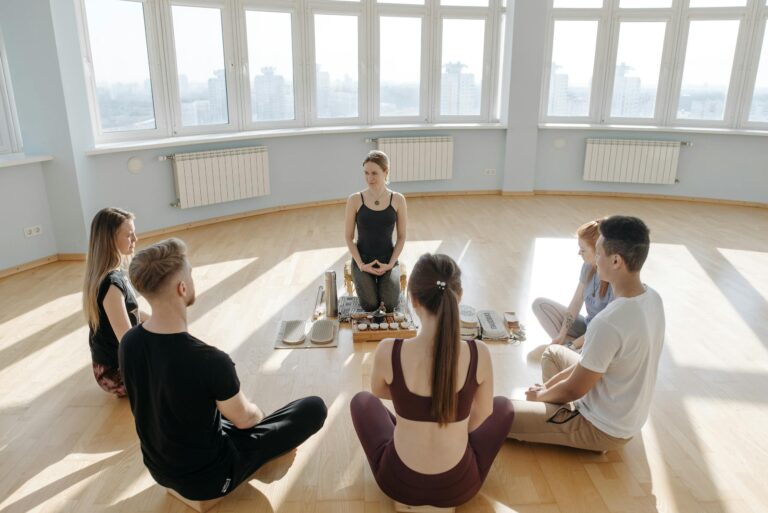

You know that feeling when the refrigerator hum becomes unbearable, or when the afternoon light shifts just enough to create an irritating glare on your screen? For highly sensitive people working from home, these seemingly minor environmental factors can mean the difference between a productive day and one spent fighting overstimulation.
During my years running an advertising agency, I watched talented team members struggle in open office environments. The constant noise, fluorescent lighting, and visual chaos drained their energy faster than the actual work. When the shift to remote work accelerated, I noticed something remarkable: those same individuals often thrived at home, but only when they intentionally designed their spaces to support their nervous systems.
Creating an HSP-friendly home office involves far more than choosing a quiet room. Your sensory processing sensitivity means you pick up on details others miss entirely. That awareness can become your greatest professional asset when your environment supports rather than overwhelms you. A 2025 study published in Frontiers in Psychology found that environmental factors significantly impact flourishing among highly sensitive individuals, confirming what many of us experience daily.
Why Standard Home Office Advice Falls Short for HSPs
Most remote work guidance focuses on ergonomics and productivity hacks that work perfectly well for the general population. Position your monitor at eye level. Get a comfortable chair. Maybe add a plant or two. These suggestions miss something fundamental about the highly sensitive experience.
What’s your personality type?
Take our free 40-question assessment and get a detailed personality profile with dimension breakdowns, context analysis, and personalised insights.
Discover Your Type8-12 minutes · 40 questions · Free
When psychologist Elaine Aron first identified sensory processing sensitivity in 1996, she described individuals who process information more deeply than others, notice subtleties in their environment, and experience stronger emotional reactions to stimuli. According to The Highly Sensitive Person, this trait appears in approximately 15 to 30 percent of the population and has a biological basis reflected in actual differences in brain function.
For HSPs, a cluttered desk creates mental noise even when the room stays silent. The wrong lighting temperature can trigger headaches or fatigue that compounds throughout the day. Background sounds that barely register for others become impossible to tune out. Research from the National Career Development Association highlights how HSPs experience their environments at a fundamentally different level, affecting their focus, energy, and work satisfaction.
After spending two decades in high-intensity agency environments, I can tell you that understanding your sensory needs transforms your relationship with work itself. The home office becomes less about replicating corporate spaces and more about creating conditions where deep focus happens naturally.
Managing Light Sensitivity in Your Workspace
Light affects HSPs profoundly, influencing everything from mood and energy levels to physical comfort and concentration ability. Getting your home office lighting right requires attention to multiple factors that interact throughout the day.
Natural light provides the ideal foundation when you can control its intensity. Position your desk perpendicular to windows rather than facing them directly or having them behind you. This placement prevents both glare on your screen and the strain of backlighting during video calls. Adjustable blinds or sheer curtains let you modulate brightness as the sun moves across the sky.
Artificial lighting demands careful consideration for sensitive nervous systems. Overhead fluorescent bulbs create the worst conditions, producing subtle flicker that many HSPs perceive even when others cannot detect it. Swap these for LED fixtures with a color temperature between 2700K and 3000K for a warmer, gentler illumination. Task lighting with adjustable brightness offers control that overhead fixtures cannot provide.
A study published in the Work journal reviewed over 75 publications on home office lighting ergonomics and concluded that screen light, daylight, and task light each affect worker health differently in remote settings. The researchers emphasized that these impacts deserve further study as remote work continues expanding.
One client I advised installed dimmer switches throughout her home office after years of struggling with energy crashes by mid-afternoon. She discovered that lowering ambient light slightly during her post-lunch slump actually increased her productivity rather than making her drowsy. Your sensitivity to light makes experimentation valuable since standard recommendations may not match your needs.
Creating Acoustic Comfort at Home
Sound management presents unique challenges for HSPs working remotely. Your heightened auditory awareness means you cannot simply ignore background noise the way less sensitive colleagues might. Household sounds that others dismiss as minor interruptions can completely derail your concentration.
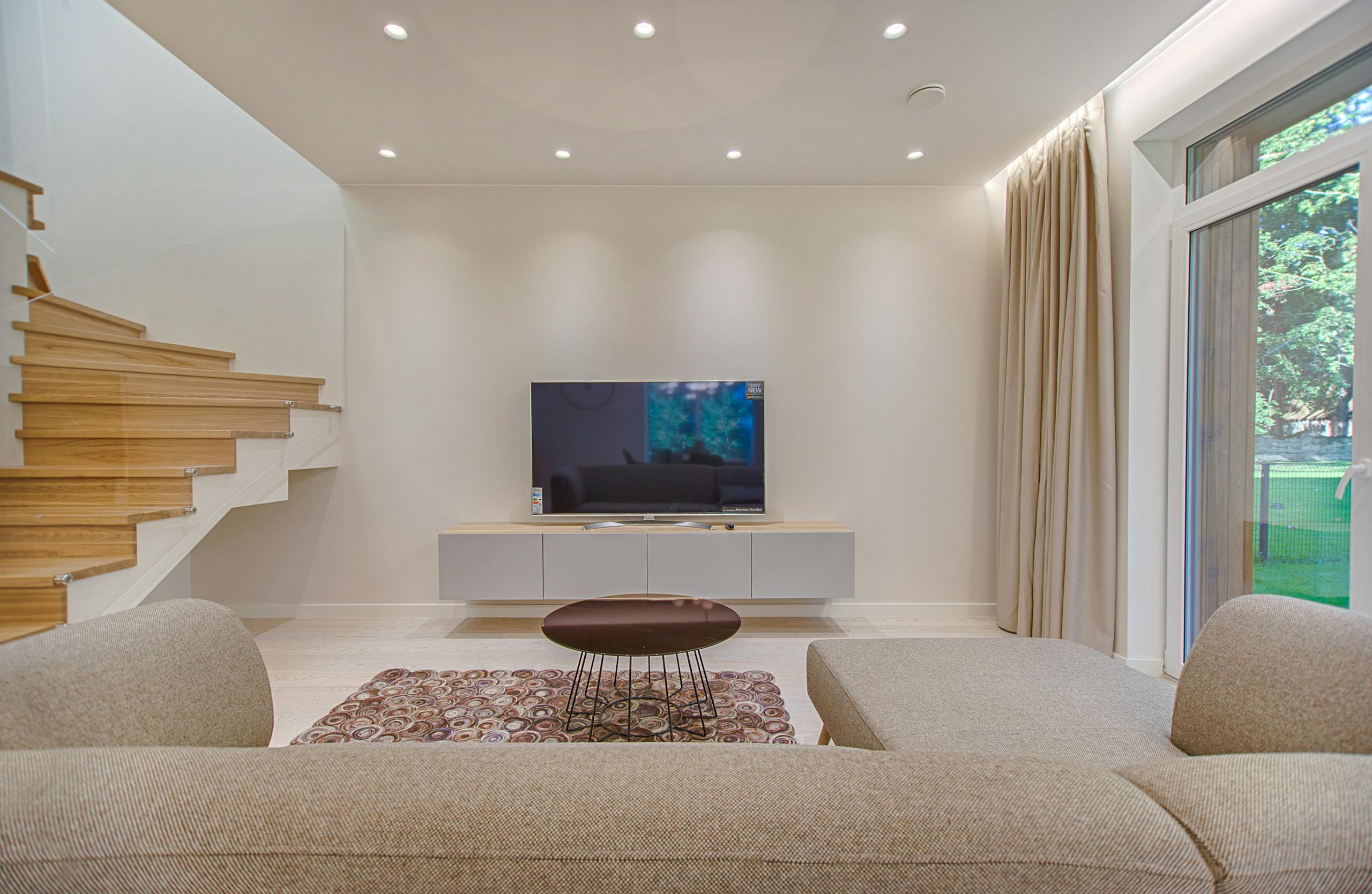
Soft furnishings absorb sound waves and reduce echo within your workspace. Consider adding area rugs, curtains, upholstered furniture, or acoustic panels if your budget allows. Even bookcases filled with books provide meaningful sound dampening compared to bare walls.
White noise or nature sounds work well for some HSPs while irritating others. Experiment with different options before investing in expensive sound machines. Phone apps let you test brown noise, pink noise, rain sounds, or ambient coffee shop murmur at no cost. Many sensitive individuals find that consistent, low-level background sound actually helps by masking sudden noises that would otherwise startle their nervous systems.
Noise-canceling headphones deserve serious consideration as a core productivity tool. High-quality models can transform a noisy household into an auditory sanctuary when deep work demands complete focus. Some HSPs prefer wearing them even without audio playing simply for the reduction in ambient sound.
During my agency years, I kept a pair of over-ear headphones at my desk even during client calls that required speakerphone. Between conversations, I could immediately restore quiet and recover my equilibrium. That small investment in auditory control made overwhelming days manageable. Working from home offers even greater opportunity to design your acoustic environment deliberately.
Addressing Common Household Noise Sources
Appliance sounds often bother HSPs more than family members realize. Refrigerators, air conditioners, heating systems, and computer fans produce constant low-frequency noise that accumulates mentally over hours. When possible, locate your workspace away from these sources or schedule focused work during times when they cycle off.
If you share your home with others, establish clear communication about your acoustic needs during work hours. Many HSPs find it helpful to designate specific times as quiet periods rather than asking for perpetual silence. Family members and housemates respond better to bounded requests that acknowledge their needs alongside your own.
Optimizing Your Visual Environment
HSPs process visual information with remarkable depth, which means your workspace aesthetics affect your mental state more than you might expect. A qualitative study published in Behavioral Sciences found that highly sensitive adults report greater awareness of environmental subtleties, including small visual details that others overlook entirely.
Clutter creates cognitive load for sensitive brains. Each visible item requires some processing, even when you consciously ignore it. Reducing visual complexity in your workspace frees mental resources for actual work. This does not mean creating a sterile environment but rather ensuring that what remains visible serves a purpose or brings genuine pleasure.
Color choices matter for HSP workspaces. Soft, muted tones generally support sustained focus better than bold or contrasting colors. Blues and greens tend to produce calming effects, while warm neutrals create comfortable ambiance. Avoid high-contrast combinations that demand constant visual adjustment.
Your computer screen deserves particular attention since you likely spend hours focused on it daily. Adjust brightness to match ambient lighting rather than running at maximum output. Enable night mode or blue light filters during evening hours to reduce eye strain and support better sleep. Consider screen resolution and font size adjustments that reduce the effort of reading.
During one particularly demanding project, I discovered that simply changing my desktop background from a busy photograph to a calm gradient image noticeably reduced my end-of-day fatigue. Small visual adjustments compound over time, especially for those whose brains process every detail.
Temperature and Air Quality Considerations
Physical comfort extends beyond furniture ergonomics for highly sensitive individuals. Temperature fluctuations that others barely notice can significantly impact your focus and energy levels. The CDC’s National Institute for Occupational Safety and Health emphasizes creating environments where temperature can be well-controlled as essential for home office optimization.
Identify your personal temperature preferences and create systems to maintain them throughout your workday. Space heaters, fans, or portable air conditioners let you control your immediate environment independently from household climate systems. Layered clothing provides flexibility when temperatures shift unexpectedly.
Air quality affects sensitive systems profoundly. Stuffy, stale air diminishes cognitive performance for everyone, but HSPs often notice the effects sooner and more acutely. Open windows when weather permits or run air purifiers to maintain freshness. Indoor plants provide natural air filtration while adding visual appeal to your workspace.
Scent sensitivity requires attention in your home office planning. Cleaning products, air fresheners, or even cooking odors from other areas of your home can intrude on your workspace. Identify problematic scents and develop strategies to minimize exposure during work hours. Some HSPs find that a small personal fan directed away from their face helps disperse unwanted odors.
Structuring Your Workday to Honor Sensitivity
Environmental optimization extends beyond physical space to include how you organize your time. A Fortune article on HSPs in the workplace notes that many highly sensitive individuals work best when they have time to focus deeply, and some thrive particularly in work-from-home settings that allow limiting meetings and calls to optimize creative abilities.
Identify your natural energy patterns and schedule demanding cognitive work during peak alertness periods. Many HSPs report strong morning focus that diminishes after lunch, though individual patterns vary considerably. Protect your peak hours fiercely from meetings, administrative tasks, and other interruptions when possible.
Build transition time into your schedule between activities. Your brain processes experiences more deeply than average, which means you need more time to shift between contexts. Rushing from one task directly into another depletes your resources faster than allowing brief pauses for mental recalibration.
Regular breaks matter enormously for sustaining HSP productivity. Brief periods away from your screen and workspace let your nervous system reset. Step outside, stretch, or simply sit quietly with your eyes closed. These moments are not indulgent but essential maintenance for a sensitive system.
When I managed client accounts with constant demands, I learned to block 15 minutes between meetings as non-negotiable recovery time. Colleagues occasionally questioned why my calendar showed these gaps, but the practice kept me functioning at high levels throughout intense project periods. Working from home makes protecting this time even more important since no one else will do it for you.
Setting Boundaries in Your Home Workspace
Physical and temporal boundaries protect your sensitive system from the unique challenges of remote work. When home becomes office, the distinction between work and rest can blur in ways that exhaust HSPs faster than others might realize.
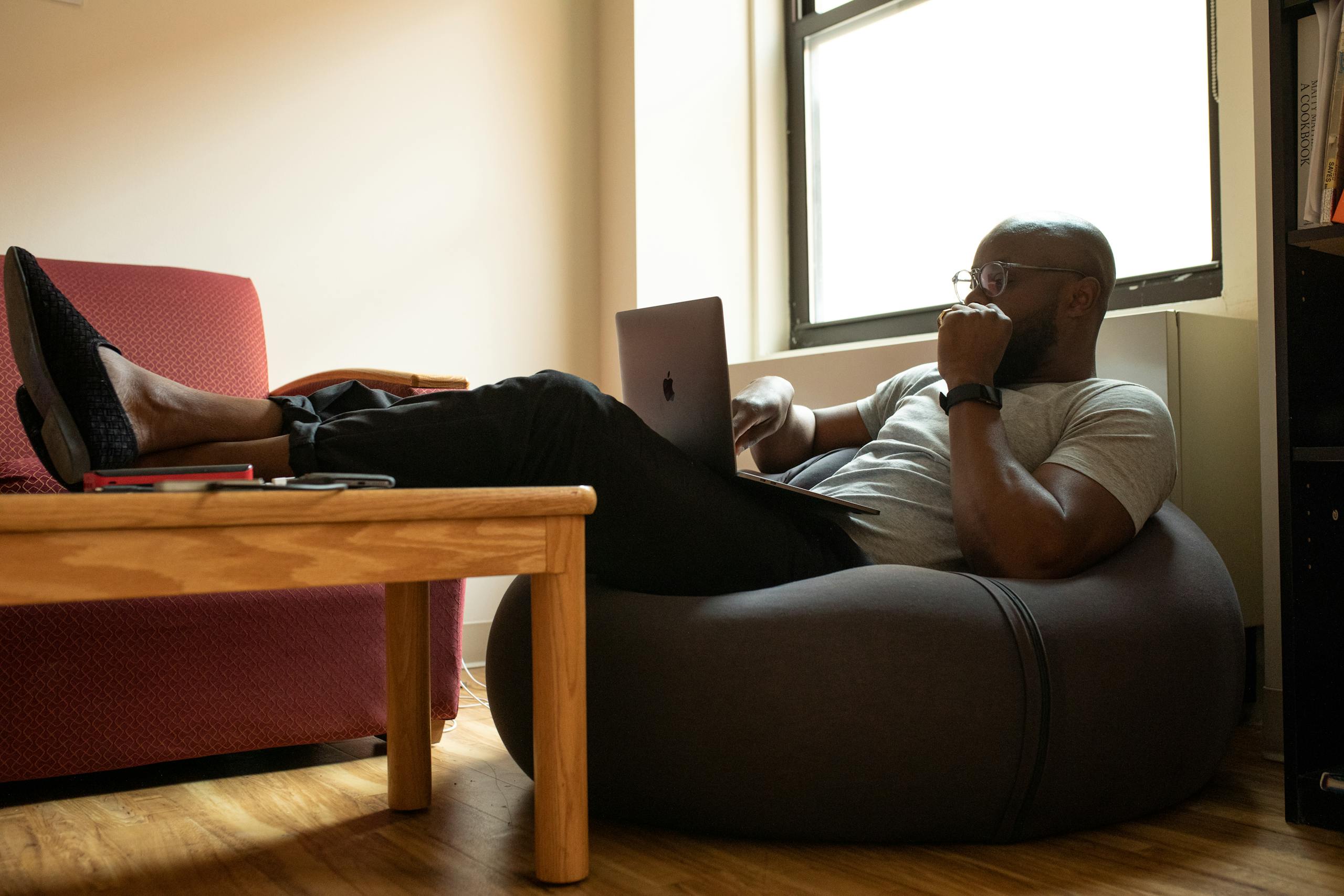
Establish a dedicated workspace even if you cannot claim an entire room. Your brain associates specific locations with specific activities, so mixing work with relaxation spaces undermines both. A consistent workspace triggers work-mode thinking when you sit down and allows complete disengagement when you leave.
Communicate your needs clearly to household members. Research on sensory processing sensitivity and work behavior demonstrates that environmental factors significantly moderate how HSPs perform in their roles. Family members who understand your sensory needs can become allies in protecting your workspace conditions.
Digital boundaries matter as much as physical ones. Notifications, message alerts, and the constant pull of connectivity overwhelm sensitive nervous systems. Disable non-essential notifications during focused work periods. Consider using separate browser profiles or user accounts that remove social media and personal distractions from your work environment.
End-of-day rituals help your brain release work mode and transition into personal time. Shut down your computer completely rather than leaving it sleeping. Clear your desk of active projects. Walk outside briefly or engage in any consistent practice that signals work has ended. These rituals prevent the rumination and difficulty disconnecting that many HSPs experience with remote work.
Creating Your Recovery Space
Beyond your workspace, identify areas in your home designed specifically for recovery. After intense work periods, you need environments that actively support nervous system regulation. Your HSP home environment should include zones where stimulation drops significantly.
Consider creating a sensory retreat with minimal visual clutter, comfortable seating, and perhaps soft textures like blankets or cushions. This space should feel distinctly different from your workspace, signaling to your brain that recovery rather than productivity is the current priority.
Essential Tools for the HSP Home Office
Investing in the right equipment transforms your home workspace from adequate to genuinely supportive of your sensitive nature. Prioritize items that address your most significant sensory challenges rather than purchasing everything at once.
Ergonomic furniture reduces physical discomfort that compounds mental fatigue. A quality chair with adjustable lumbar support, armrests, and height settings prevents the muscle tension that drains HSP energy. Consider a standing desk converter if prolonged sitting increases your restlessness.
Lighting control tools deserve investment early in your optimization process. Adjustable desk lamps with multiple brightness levels and color temperature settings give you fine-grained control over your visual environment. Blue light filtering glasses provide additional protection during extended screen time.
Sound management equipment varies in importance based on your specific sensitivities. Noise-canceling headphones represent a significant investment but deliver substantial returns for HSPs in noisy environments. White noise machines or apps cost much less and solve many acoustic challenges effectively.
Organizational systems that minimize visual clutter pay dividends in reduced cognitive load. Cable management solutions, drawer organizers, and covered storage containers remove distracting elements from your visual field. The initial effort of organizing produces ongoing benefits throughout your workdays.
Your approach to HSP remote work setup should evolve as you learn what truly supports your productivity and wellbeing. Track which environmental factors affect your performance most significantly and prioritize adjustments accordingly.

Making Remote Work Sustainable Long-Term
Optimizing your home environment represents just one component of sustainable HSP remote work. The deeper challenge involves developing ongoing practices that prevent the accumulation of overstimulation and burnout that remote work can paradoxically intensify.
Monitor your energy levels honestly throughout each workday and week. HSPs often push through fatigue until they crash rather than responding to earlier warning signals. Learn to recognize your personal indicators of overstimulation and respond before reaching critical depletion.
Regular review of your workspace and routines prevents gradual drift toward less optimal conditions. Schedule periodic assessments of your environment, perhaps monthly, to identify creeping issues before they become significant problems. Small adjustments made early prevent larger interventions later.
Your HSP self-care practices must extend beyond the workday itself. Evening and weekend recovery rituals replenish resources depleted during work hours. Without intentional restoration, even the best-designed workspace cannot prevent gradual exhaustion.
Connect with other HSPs who work remotely to share strategies and normalize your experiences. The isolation of remote work compounds the already common HSP feeling of being fundamentally different from others. Community reminds you that your sensory needs are valid and that effective approaches exist.
Remember that your sensitivity, properly supported, becomes a professional advantage rather than a liability. The depth of processing, attention to detail, and conscientiousness that characterize HSPs produce exceptional work when environments support rather than overwhelm. Your home office optimization is not about accommodating a weakness but about creating conditions where your natural strengths can flourish.
Developing strong HSP work boundaries takes practice and ongoing refinement. Start with the changes that address your most pressing sensory challenges, then build incrementally toward a fully optimized environment. Each improvement compounds over time, transforming remote work from draining obligation into sustainable career practice.
Understanding HSP challenges at work helps you anticipate issues and develop solutions proactively. Your home office represents an opportunity that traditional workplaces rarely offer: complete control over environmental factors that significantly impact your performance and wellbeing.
Frequently Asked Questions
What makes working from home different for HSPs compared to neurotypical individuals?
HSPs process sensory information more deeply and thoroughly than others, meaning environmental factors like lighting, sound, temperature, and visual clutter have significantly greater impact on their productivity and energy levels. What registers as minor background noise or acceptable lighting for neurotypical colleagues may become genuinely distracting or draining for HSPs. This deeper processing also means HSPs often need more recovery time between intense work periods and benefit substantially from environments they can customize to their specific sensory preferences.
How can I explain my workspace needs to family members who share my home?
Frame your needs in terms of productivity and wellbeing rather than demanding special treatment. Explain that certain sounds, lights, or interruptions affect your concentration more significantly than they might affect others due to how your brain processes sensory information. Propose specific, bounded requests such as quiet hours during certain time blocks rather than asking for perpetual accommodation. Acknowledge their needs as well and work together to find arrangements that respect everyone in the household while protecting your most critical work periods.
What are the most important first investments for an HSP home office?
Prioritize addressing your most significant sensory challenge first. For many HSPs, this means investing in quality noise-canceling headphones or acoustic treatments to manage sound sensitivity. Lighting control through adjustable desk lamps and dimmer switches represents another high-impact early investment. An ergonomic chair prevents the physical discomfort that compounds mental fatigue throughout the day. Start with these foundational elements before adding specialized equipment, then invest incrementally based on which remaining issues affect your work most significantly.
Can HSPs be highly productive in remote work settings?
Many HSPs find remote work significantly more productive than traditional office environments once they optimize their home workspaces appropriately. The ability to control lighting, sound, temperature, and visual environment removes sensory stressors that drain energy in corporate settings. Deep focus work becomes more accessible without open-office interruptions, and HSPs can schedule demanding cognitive tasks during their personal peak performance periods. The conscientiousness and attention to detail that characterize HSPs translate into exceptional output when environmental conditions support rather than hinder their natural working style.
How do I prevent remote work burnout as an HSP?
Preventing HSP burnout in remote settings requires intentional boundary management and regular recovery practices. Establish clear physical and temporal boundaries between work and personal life since the blurring that remote work enables exhausts sensitive nervous systems faster. Build transition time into your schedule between activities and protect focused work periods from interruptions. Create end-of-day rituals that signal work completion to your brain. Monitor your energy levels throughout the day and week, responding to early fatigue signals rather than pushing through until you crash. Maintain dedicated recovery spaces and practices outside work hours.
Explore more HSP and Highly Sensitive Person resources in our complete HSP and Highly Sensitive Person Hub.
About the Author
Keith Lacy is an introvert who’s learned to embrace his true self later in life. With a background in marketing and a successful career in media and advertising, Keith has worked with some of the world’s biggest brands. As a senior leader in the industry, he has built a wealth of knowledge in marketing strategy. Now, he’s on a mission to educate both introverts and extroverts about the power of introversion and how understanding this personality trait can unlock new levels of productivity, self-awareness, and success.