
Social exhaustion is a genuine physiological and psychological state, not a personality quirk or an excuse to avoid people. For many introverts, the cumulative weight of social interaction depletes something real, something measurable in mood, concentration, and physical energy, and ignoring that depletion has consequences that compound over time.
What makes this so hard to talk about is that most of us spent years being told we were simply “too sensitive” or “not trying hard enough.” The exhaustion was real. The dismissal made it worse.
Social exhaustion deserves to be taken seriously, understood clearly, and managed with intention. Not apologized for.
Much of what I write about here connects to a broader set of questions around how introverts manage their energy across different environments and demands. Our Energy Management and Social Battery hub pulls together the full picture, from overstimulation to recovery, and this article fits squarely into that conversation.
What Does Social Exhaustion Actually Feel Like?
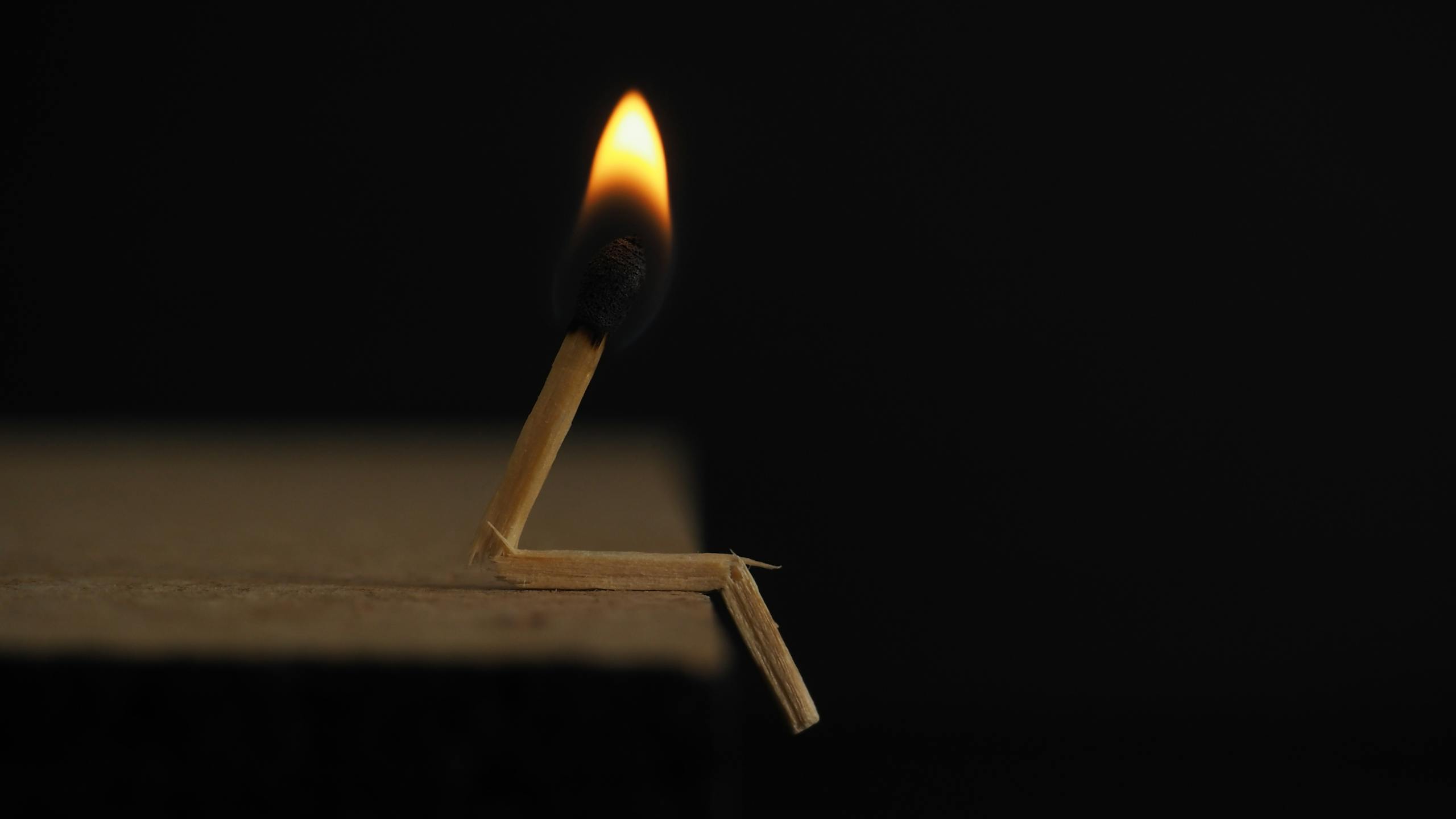
There’s a particular kind of tired that has nothing to do with sleep. You’ve been in back-to-back meetings, or at a networking event, or managing a team through a tense project review, and by the time you get home, you can’t form a sentence. Your body is fine. Your mind feels scraped clean.
What’s your personality type?
Take our free 40-question assessment and get a detailed personality profile with dimension breakdowns, context analysis, and personalised insights.
Discover Your Type8-12 minutes · 40 questions · Free
That’s social exhaustion, and I’ve felt it hundreds of times over two decades in advertising.
Running an agency meant living inside a constant stream of human interaction. Client presentations, internal creative reviews, new business pitches, conflict mediation between account teams and creatives. Every one of those interactions required something from me that went beyond the surface content. I wasn’t just processing words. I was reading the room, tracking emotional undercurrents, calibrating my responses, managing my own reactions in real time. That’s a significant cognitive and emotional load, and for an INTJ wired the way I am, it doesn’t just switch off when the meeting ends.
Social exhaustion tends to show up in layers. The first layer is the obvious fatigue, the desire to be alone, the drop in conversational energy. The second layer is cognitive, where concentration fragments and decision-making becomes harder. The third layer, the one most people don’t recognize until it’s already arrived, is emotional flatness. A kind of numbness that isn’t sadness exactly, but a muted quality to everything. Colors seem less vivid. Food tastes less interesting. You’re present but not quite there.
What I’ve come to understand is that this isn’t weakness. It’s a signal. The nervous system is telling you something important about its current capacity, and the worst thing you can do is override it repeatedly without consequence.
Why Introverts Experience This More Intensely Than They’re Told
The introvert brain processes social stimulation differently. Psychology Today has written about the neurological differences between introverts and extroverts, particularly around dopamine sensitivity and how each type responds to external stimulation. Extroverts tend to find high-stimulation environments energizing. Introverts often find those same environments depleting, not because something is wrong with them, but because their nervous systems are calibrated differently.
Cornell University research into brain chemistry has pointed to acetylcholine as the neurotransmitter more dominant in introverts, one that rewards calm, focused internal activity rather than the dopamine-driven buzz that extroverts seek from social environments. This isn’t a minor distinction. It means the very thing that energizes an extrovert is the thing that costs an introvert.
Add to that the experience of highly sensitive people, and the intensity multiplies. Many introverts also identify as HSPs, and the sensory processing depth that characterizes high sensitivity means every social environment carries additional layers of input. The fluorescent lighting in a conference room. The competing conversations at a team lunch. The physical proximity of a crowded elevator. All of it registers and all of it requires processing.
If you’ve ever wondered whether noise plays a specific role in your exhaustion after social events, the piece on HSP noise sensitivity and coping strategies addresses that directly. Sound is often the first thing that tips the balance from manageable stimulation to overwhelm, and understanding that mechanism changes how you approach your environment.
There’s also the matter of light. I used to think my post-event headaches were about dehydration or too much coffee. Eventually I realized that the lighting conditions in most professional environments, the bright overhead fluorescents, the glare off presentation screens, the harsh lighting in hotel conference rooms, were contributing to my exhaustion in a way I hadn’t accounted for. The article on HSP light sensitivity and management helped me understand why that was happening and what I could actually do about it.
The Specific Drain of Professional Social Performance
There’s a difference between natural social interaction and social performance, and the professional world runs almost entirely on the latter.
Natural social interaction is a conversation with a close friend, someone you trust, in a context where you don’t have to manage impressions or maintain a persona. The energy exchange in that kind of interaction can actually feel neutral or even restorative, even for introverts. Social performance is something else entirely. It’s the version of yourself you present in a new business pitch, in a client dinner where the contract hasn’t been signed yet, in a performance review where you’re trying to be encouraging and direct simultaneously.
I spent most of my agency career in social performance mode, and for a long time I didn’t have a name for why it cost so much. I just knew that after a major pitch, I needed a full day of quiet to feel like myself again. My team thought I was being antisocial. I thought I was failing at some fundamental aspect of leadership. Neither of us had the vocabulary to describe what was actually happening.
What was happening, I now understand, is that social performance requires introverts to sustain a level of external orientation that runs counter to our natural processing style. We’re wired to go inward, to reflect before responding, to process meaning through layers of observation and quiet analysis. Social performance demands the opposite: immediate, outward, expressive engagement, often for hours at a stretch. Truity has described the neurological basis for why introverts need downtime after exactly this kind of sustained external engagement, and reading that was one of the first times I felt genuinely seen rather than diagnosed.
The compounding factor in professional environments is that social performance often happens back-to-back with no recovery time built in. A morning of client calls flows into a working lunch, which flows into an afternoon of internal meetings, which ends with a team happy hour that you’re expected to attend because “culture.” By the time you’re home, you’re not just tired. You’re running on empty in a way that sleep alone won’t fix.
That pattern, repeated over months and years, is what leads to the kind of burnout that doesn’t announce itself clearly. It creeps in through increasing irritability, a shorter fuse in situations that used to feel manageable, a growing reluctance to engage even in interactions you used to enjoy. The reality that introverts drain very easily isn’t a complaint or an excuse. It’s a physiological fact that deserves to be planned around, not powered through.
What the Body Is Trying to Tell You
Social exhaustion has physical markers that we often misread or dismiss. Tension headaches after long social days. A kind of low-grade nausea in highly stimulating environments. Muscle tension, particularly in the shoulders and jaw, that you only notice once you’re finally alone. Difficulty sleeping despite feeling exhausted, because the nervous system hasn’t fully downshifted from the day’s stimulation.
For those who are also highly sensitive, the physical dimension of social exhaustion is even more pronounced. Touch sensitivity plays a role that often goes unacknowledged. A day of handshakes, shoulder pats, crowded spaces where strangers brush past you, can leave a tactile residue that contributes to the overall depletion. The article on HSP touch sensitivity and tactile responses explores this in ways that may feel surprisingly familiar if you’ve ever noticed that physical contact with strangers costs you something.
I remember a specific conference I attended early in my career, a large industry event with several hundred people, two days of sessions and networking and evening events. By the second afternoon I had a headache that wouldn’t respond to anything, and a kind of full-body restlessness that made it impossible to sit still or focus. I thought I was getting sick. I left early and slept for eleven hours. When I woke up, I felt completely fine.
That was sensory and social overload, not illness. My body had simply reached its capacity and was communicating that in the only language it had available. The problem was that I didn’t have a framework for understanding what had happened, so I filed it away as a weird anomaly rather than useful information about how I’m wired.
Paying attention to these physical signals is one of the most practical things you can do for your long-term wellbeing. They’re not random. They’re a consistent feedback system, and once you start treating them as data rather than inconveniences, you can make much smarter decisions about how you structure your time and energy.

Recovery Isn’t Optional, It’s Structural
One of the most significant shifts in how I managed myself as an agency leader came when I stopped treating recovery as a reward and started treating it as a requirement. Not something I earned by pushing through, but something I built into the structure of my week the same way I built in client calls and creative reviews.
That reframe was harder than it sounds. The advertising world runs on a mythology of relentless availability. The person who’s always on, always responsive, always ready to take the call, is held up as the model. Stepping back from that mythology felt like professional risk. What I eventually discovered was that the leaders who burned brightest for short periods were also the ones who flamed out or made poor decisions under pressure. Sustainable performance required sustainable energy management.
For introverts specifically, recovery from social exhaustion requires actual solitude, not just physical separation from people but genuine mental quiet. Scrolling through social media while alone in your office doesn’t count. Watching television in a crowded household doesn’t count. The nervous system needs genuine downtime, the kind where input is minimal and the mind is allowed to process at its own pace without external demands.
What that looks like varies by person. For me it’s always been early mornings, before the day’s demands begin. A cup of coffee, no screens for the first hour, time to think or not think without agenda. That practice has been more protective of my energy than any productivity system I’ve tried.
The broader framework for protecting your energy reserves is something the article on HSP energy management and protecting your reserves covers in depth. Even if you don’t identify as highly sensitive, the principles apply broadly to anyone whose energy depletes through sustained social engagement.
Recovery also means being honest about what you’re recovering from. Not all social interactions are equally costly. A one-on-one conversation with someone you trust costs less than a group meeting with unclear dynamics. A structured presentation costs less than an open-ended networking event where you’re expected to initiate with strangers. Knowing which types of interaction drain you most allows you to be strategic about where you place recovery time in your schedule.
The Stimulation Threshold Nobody Talks About
Every introvert has a stimulation threshold, a point at which incoming social and sensory information shifts from manageable to overwhelming. The problem is that most of us don’t know where our threshold is until we’ve already crossed it.
Learning to recognize the early warning signs, before you’re already depleted, is a skill that takes time to develop. Mine include a subtle narrowing of attention, where I start finding it harder to track multiple conversation threads simultaneously. A slight increase in physical tension, particularly in my upper back. A growing impatience with small talk that would ordinarily feel neutral. These signals arrive before the full exhaustion sets in, and catching them early gives me options that I don’t have once I’ve crossed the threshold.
The concept of finding the right balance around stimulation is something I’ve found genuinely useful to think about as a spectrum rather than a binary. It’s not “too much stimulation” versus “enough stimulation.” It’s a dynamic calibration that changes based on how much sleep you’ve had, how much social interaction preceded today’s demands, whether you’re in a high-stakes period professionally, whether you’re dealing with anything emotionally complex in your personal life. The article on HSP stimulation and finding the right balance approaches this with a nuance that I think most generic productivity advice completely misses.
What this means practically is that your threshold isn’t fixed. A Tuesday after a quiet weekend is different from a Tuesday after a weekend conference. Treating yourself as a consistent entity with a single fixed capacity is one of the most common mistakes I see introverts make when trying to manage their energy. You’re not a machine with a set output. You’re a person whose capacity fluctuates, and building that variability into your planning is part of what sustainable energy management actually looks like.

When Social Exhaustion Becomes Something More Serious
There’s an important distinction between the ordinary social exhaustion that comes from being an introvert in a demanding world and the kind of chronic depletion that signals something more serious needs attention.
Ordinary social exhaustion resolves with adequate recovery. You get a quiet evening, a restorative weekend, a few days of lower-intensity interaction, and you feel like yourself again. Chronic depletion is different. You’ve had the recovery time and you still feel flat. Social situations that used to feel merely tiring now feel genuinely threatening. You’re withdrawing not just from draining interactions but from ones that used to feel good. Your baseline has shifted downward in a way that rest isn’t fixing.
That pattern can indicate burnout, anxiety, depression, or a combination of factors that deserve professional attention. Harvard Health has written thoughtfully about the relationship between introversion and social wellbeing, including when social withdrawal crosses from preference into something that warrants support. Reading that helped me understand that honoring your introversion doesn’t mean accepting unlimited depletion as inevitable.
There’s also the question of what chronic social exhaustion does to relationships over time. When you’re consistently depleted, the people who matter most tend to receive whatever is left over after the professional demands have been met. That’s a pattern I fell into during some of the most intense periods of agency growth, and the relational cost was real. The people I cared about most were getting the emptied-out version of me, not because I didn’t value them but because I hadn’t protected enough capacity to show up fully.
Recognizing that pattern was uncomfortable. Acting on it required structural changes, not just intentions. I started protecting certain evenings with the same firmness I protected major client commitments. Not every week, not perfectly, but consistently enough that my energy had somewhere to go besides the next professional demand.
The broader research on social wellbeing and mental health outcomes supports the idea that social exhaustion, left unaddressed, has measurable effects on health over time. Research published in PubMed Central has examined the relationship between social stress and physiological stress responses, pointing to the real biological cost of sustained social overextension. And a more recent study in Springer’s public health journal has explored how personality traits interact with social demands to affect wellbeing outcomes, findings that align closely with what many introverts experience but rarely see validated in professional contexts.
Building a Life That Accounts for How You’re Wired
The most useful reframe I’ve found around social exhaustion is this: it’s not a problem to be solved, it’s a reality to be designed around.
Trying to eliminate social exhaustion by becoming more extroverted is like trying to eliminate hunger by becoming someone who doesn’t need food. success doesn’t mean stop being who you are. The goal is to build a life and a schedule and a set of habits that account for the reality of how you’re wired, so that you’re not constantly running at a deficit.
That looks different for everyone. For me it meant restructuring my calendar so that my heaviest social demands were front-loaded in the week, with lighter days built in toward the end. It meant getting very clear about which professional commitments were genuinely necessary and which ones I was attending out of a vague anxiety about being perceived as unavailable. It meant having honest conversations with my team about how I worked best, which was harder than any client conversation I’d ever had, but in the end made me a more effective and more present leader.
It also meant letting go of the idea that my way of moving through the world was a deficiency. That took longer than the calendar restructuring. Foundational research on introversion and personality has consistently shown that introversion is a stable, heritable trait associated with specific cognitive and neurological patterns, not a developmental failure or a social skill deficit. Knowing that intellectually and believing it in your bones are two different things, and the gap between them is where a lot of unnecessary suffering lives.
Building a life that accounts for how you’re wired doesn’t mean retreating from the world. It means engaging with it strategically, intentionally, and with enough self-knowledge to know when you’re approaching your limit before you’ve already crossed it.

If you want to go deeper on any of these themes, the full collection of articles on energy management, social battery, and overstimulation lives in our Energy Management and Social Battery hub, where you’ll find frameworks and perspectives that build on everything covered here.
About the Author
Keith Lacy is an introvert who’s learned to embrace his true self later in life. After 20 years in advertising and marketing leadership, including running agencies and managing Fortune 500 accounts, Keith now channels his experience into helping fellow introverts understand their strengths and build fulfilling careers. As an INTJ, he brings analytical depth and authentic perspective to every article, drawing from both professional expertise and personal growth.
Frequently Asked Questions
Is social exhaustion the same thing as introversion?
Social exhaustion is a state that introverts are particularly prone to, but they’re not the same thing. Introversion describes how you’re wired neurologically, specifically how your nervous system responds to external stimulation and where you draw your energy from. Social exhaustion is what happens when an introvert has exceeded their capacity for sustained social engagement without adequate recovery. Extroverts can also experience social exhaustion under extreme circumstances, but for introverts it tends to arrive sooner and require more deliberate recovery. Understanding the distinction helps you respond to exhaustion as a signal rather than treating it as a permanent character flaw.
How long does it take to recover from social exhaustion?
Recovery time varies significantly depending on the intensity and duration of the social demands, your baseline energy level going in, and the quality of the recovery conditions you can create. A single draining evening might resolve with a quiet morning. A multi-day conference or an extended period of high-intensity professional demands might require several days of intentional low-stimulation recovery. The key variable is whether your recovery environment is genuinely restorative, meaning low input, low demand, and genuinely solitary, or whether it’s just physically separate from the social demands while still requiring mental engagement. True recovery tends to feel qualitatively different from simply being alone while still being stimulated.
Can social exhaustion have physical symptoms?
Yes, and this is one of the most underrecognized aspects of the experience. Social exhaustion can manifest as tension headaches, muscle tightness particularly in the shoulders and jaw, difficulty sleeping despite feeling physically tired, low-grade nausea in highly stimulating environments, and a general sense of physical heaviness or flatness. For highly sensitive people, these physical symptoms are often more pronounced and may include heightened sensitivity to light, sound, and touch following extended social demands. Treating these symptoms as isolated physical complaints rather than signals from a depleted nervous system often leads to ineffective responses. Rest and genuine solitude address the root cause in a way that pain relievers and caffeine don’t.
Is it possible to build more tolerance for social interaction over time?
Tolerance for social interaction can increase with practice, familiarity, and the development of specific skills, but the underlying neurological wiring that makes introverts more sensitive to social stimulation doesn’t fundamentally change. What changes is your ability to manage that sensitivity more skillfully. You learn to recognize your early warning signs before you’ve crossed your threshold. You develop recovery practices that work efficiently. You get better at structuring your social commitments so that the most demanding ones are balanced by adequate recovery time. That’s not the same as becoming someone who doesn’t deplete, but it does mean that social exhaustion becomes something you manage effectively rather than something that manages you.
How do I explain social exhaustion to people who don’t experience it?
One of the most useful analogies is to compare it to physical exertion. Most people understand that running a marathon requires recovery, even if you’re physically fit and enjoy running. Social exhaustion works similarly: the activity itself isn’t harmful, but sustained engagement beyond your capacity requires genuine recovery time before you can perform well again. Framing it in terms of performance rather than preference often lands better in professional contexts, where “I need time to recharge so I can show up fully for tomorrow’s demands” is more legible than “I find people tiring.” Being specific about what you need, quiet time, low-stimulation environments, minimal demands for a certain window, also helps people understand that you’re not being dismissive of them personally, you’re managing a real physiological need.