
Alone time for introverts isn’t empty space waiting to be filled. It’s a fully inhabited world of small rituals, deep thinking, creative wandering, and genuine restoration that most extroverts never quite understand and most introverts never quite explain.
A Reddit thread in the r/funny community captured something real when it asked how introverts spend their time alone. The answers ranged from hilarious to unexpectedly moving, and what struck me reading through them wasn’t the humor. It was the recognition. The quiet pride in having a rich interior life that doesn’t require an audience.
As an INTJ who spent two decades running advertising agencies, I built a public-facing career on the ability to perform extroversion convincingly. Client presentations, new business pitches, team meetings that stretched across entire days. And then I’d get home, close the door, and finally exhale. What happened in those hours alone wasn’t laziness or avoidance. It was the actual work of being myself.
If you’ve ever wondered whether your alone-time habits are strange, or secretly wished someone would validate how you actually spend those hours, this article is for you. And if you want to go deeper into the science and practice of solitude as a lifestyle, our Solitude, Self-Care & Recharging hub covers the full spectrum of what it means to thrive as someone who needs genuine quiet to function well.
What Does an Introvert Actually Do When Nobody’s Watching?
The Reddit thread that sparked this article is funny precisely because it’s honest. People described elaborate snack rituals. Rewatching the same comfort shows for the fourteenth time. Spending an hour rearranging a bookshelf and calling it a productive evening. Talking to pets in full sentences. Starting three different creative projects and finishing none of them.
What’s your personality type?
Take our free 40-question assessment and get a detailed personality profile with dimension breakdowns, context analysis, and personalised insights.
Discover Your Type8-12 minutes · 40 questions · Free
Sound familiar? Good. Because underneath the humor is something worth taking seriously. Introverts don’t just tolerate being alone. Many of us genuinely prefer it, not because we dislike people, but because solitude is where we actually think, create, process, and recover.
What we do alone tends to fall into a few recognizable categories: restoration rituals that help us decompress from social energy expenditure, creative and intellectual pursuits that need uninterrupted focus, sensory pleasures that we’d feel self-conscious about sharing, and the kind of idle mental wandering that looks like nothing from the outside but is actually where our best thinking happens.
I once had a creative director on my team, a genuinely brilliant woman, who told me she did her best campaign concepting while doing dishes. Not at her desk. Not in a brainstorm. Alone in her kitchen at 10 PM with her hands in warm water and her mind completely free. I understood that immediately. Some of my clearest strategic thinking happened on long solo drives between client offices, when no one needed anything from me and my mind could finally stretch out.
Why Alone Time Feels Genuinely Productive, Even When It Looks Like Nothing
One of the most persistent misunderstandings about introverts is that alone time is passive. That we’re simply recovering from social interaction the way you recover from a cold. Rest until functional, then return to the world.
That framing misses something important. Solitude isn’t just recovery. It’s a state in which introverts often do their most meaningful cognitive and emotional work. The Greater Good Science Center at Berkeley has explored how time alone creates conditions for the kind of creative thinking that crowded, socially active environments actively suppress. When you remove the pressure to respond, perform, or manage other people’s emotional states, something opens up.
Highly sensitive people often experience this even more acutely. The need for solitude among HSPs isn’t a personality quirk or social anxiety. It’s a genuine neurological requirement for people who process sensory and emotional information more deeply than average. Alone time isn’t optional maintenance. It’s how the system stays calibrated.
I spent years in the agency world treating my need for alone time as a weakness to manage around. I’d schedule back-to-back client calls to avoid having gaps in my calendar that might look like I wasn’t busy enough. I’d stay late in the open-plan office even when I had nothing left to give, because leaving early felt like admitting something. What I was actually doing was systematically depleting myself and calling it work ethic.
The turning point came when I started treating my alone time with the same intentionality I gave client strategy. Blocking it. Protecting it. Recognizing that what happened in those hours directly affected the quality of everything I produced when I was back in the room with other people.

The Real Catalog: How Introverts Actually Spend Their Alone Time
Let me be specific here, because vague generalities about “recharging” don’t capture what actually happens. Based on the Reddit thread, conversations with introverts I’ve worked with and written for, and my own honest inventory, consider this alone time actually looks like.
Deep Reading and the Pleasure of Uninterrupted Thought
Not scrolling. Reading. The kind where you lose track of time because you’ve been genuinely absorbed in an idea or a story for two hours and your phone is face-down across the room. Many introverts describe reading as their primary alone-time activity, and there’s something almost physical about the pleasure of it. The world shrinks to the size of a page, and that’s exactly the right size.
I keep a dedicated reading chair in my home office. It’s not for working. It’s specifically for reading, and that distinction matters to me more than it probably should. The ritual of sitting in that chair signals something to my nervous system: nothing is required of you right now except attention.
Creative Projects That Don’t Need to Go Anywhere
Introverts often maintain creative practices that have no audience and no deadline. Sketching. Writing in journals that will never be published. Playing an instrument badly and happily. Building elaborate playlists for moods that don’t have names. Cooking elaborate meals on a Tuesday for no one in particular.
What these activities share is that they exist entirely for the person doing them. There’s no performance layer. No one to impress or explain yourself to. That freedom is genuinely rare for people who spend their working hours managing how they’re perceived.
Elaborate Personal Rituals That Would Be Hard to Explain
This is the category the Reddit thread captured best. The specific, slightly absurd personal rituals that introverts develop when left to their own devices. The particular order in which you make coffee. The way you arrange your desk before starting anything. The comfort show you’ve seen forty times that you put on not to watch but to have as ambient company.
These rituals aren’t neurotic. They’re grounding. They create a reliable sensory environment that signals safety and comfort, which matters a great deal to people who spend much of their time managing unpredictable social environments. Research published in PubMed Central on psychological restoration suggests that familiar, low-demand environments play a meaningful role in cognitive recovery, which is exactly what these rituals provide.
Thinking That Looks Like Doing Nothing
Staring at the ceiling. Walking slowly around the apartment. Sitting in the car after arriving home and just… not going inside yet. This is perhaps the most misunderstood item on the list, because from the outside it genuinely looks like nothing.
What’s actually happening is often the most productive cognitive work an introvert does all day. Problems get solved. Decisions get made. Emotional experiences get processed and filed. Ideas that were jostling for space during a busy day finally get room to fully form.
I used to apologize for this tendency in myself. My first business partner was a high-energy extrovert who interpreted my quiet periods as disengagement. Eventually I learned to reframe it for him: I’m not checked out, I’m processing. The strategy memo I hand you tomorrow is being written right now, in my head, while I appear to be doing nothing.

What Happens When Introverts Don’t Get This Time
The humor in the Reddit thread carries a real undercurrent: the relief of finally being alone. And that relief points to something worth examining directly. What happens when introverts consistently don’t get the alone time they need?
It’s not pretty, and it’s not subtle. The effects compound. Irritability that seems disproportionate to its triggers. A kind of cognitive fog where decisions that should be simple feel overwhelming. Emotional flatness, where things that normally bring genuine pleasure feel muted. Social withdrawal that goes beyond preference into avoidance, because the tank is completely empty and even small interactions feel like demands you can’t meet.
The full picture of what happens when introverts don’t get alone time is worth understanding in detail, because it helps explain behaviors that can otherwise look like mood disorders or relationship problems when they’re actually energy management issues.
During a particularly brutal new business season at my agency, I went about six weeks without a single genuine day off. Not a real one, the kind where you don’t check email and nobody needs a decision from you. By week four I was making errors in judgment I wouldn’t normally make. By week six I was snapping at people I genuinely liked and respected. My team noticed before I did. One of my account directors pulled me aside and said, with real kindness, that I seemed like I was running on fumes. She was being generous. I was running on nothing.
The fix wasn’t a vacation. It was a Saturday with no obligations and no devices. Sixteen hours of doing exactly what introverts do when left alone. By Sunday morning I was functional again. That ratio still astonishes me: six weeks of depletion, one day of genuine solitude to begin the repair.
The Sensory Dimension: Why Alone Time Involves So Much Comfort-Seeking
Go back to that Reddit thread and you’ll notice how many alone-time activities are sensory. Warm drinks. Soft lighting. Comfort food. Weighted blankets. Favorite worn-out clothing that would never be worn in public. Candles. Baths. The particular pleasure of a perfectly quiet house.
This isn’t indulgence. It’s calibration. Many introverts, and particularly highly sensitive people, spend their social hours managing sensory input that ranges from mildly overstimulating to genuinely exhausting. Fluorescent office lighting. Open-plan noise. The physical proximity of other bodies. The constant low-level task of reading emotional cues and adjusting accordingly.
Alone time is when all of that gets turned down. The sensory environment becomes controllable, predictable, and chosen. That shift from managed overstimulation to chosen comfort is itself deeply restorative. Daily self-care practices for highly sensitive people often center precisely on this kind of intentional sensory management, and introverts who aren’t HSPs benefit from the same principles.
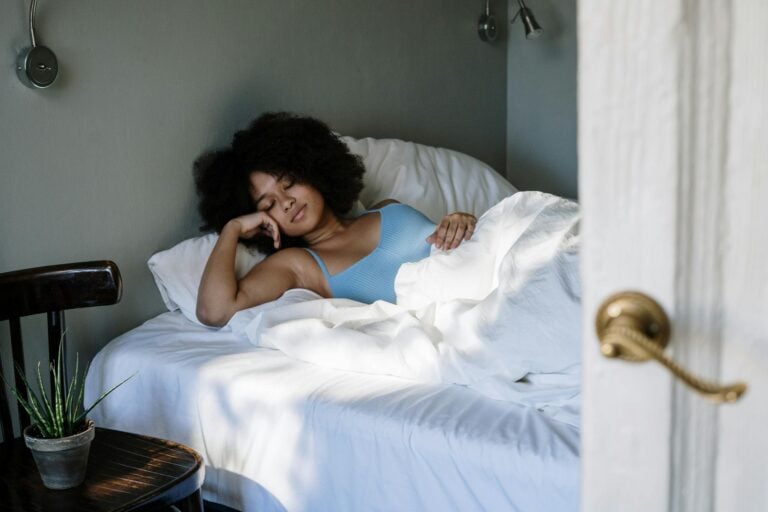
There’s also something to be said for the relationship between sensory comfort and sleep. Many introverts find that their alone-time rituals in the evening are specifically oriented toward nervous system downregulation, winding down the day’s accumulated stimulation so that actual rest becomes possible. Rest and recovery strategies for sensitive people often start with what happens in the hour before bed, which for many introverts is the most carefully protected alone time of the entire day.

Alone Time Outdoors: A Different Kind of Solitude
Not all introvert alone time happens indoors, and it’s worth making that distinction. A meaningful portion of what introverts described in that Reddit thread and in conversations I’ve had over the years involves being outside, but alone. Solo walks. Sitting in a park without headphones. Gardening. Watching weather move across a landscape.
There’s something about natural environments specifically that serves a different restorative function than indoor solitude. The healing dimension of nature connection has been documented extensively, and many introverts describe outdoor solitude as qualitatively different from indoor alone time, not better or worse, but distinct in what it provides.
My own version of this is early morning walks before anyone else in my neighborhood is moving. The streets are quiet, the light is specific, and I’m not required to acknowledge or interact with anyone. It’s solitude in motion, and it does something for my thinking that sitting still doesn’t quite replicate. Some of my clearest strategic insights have arrived on those walks, which is probably why I’ve protected them even during the busiest seasons of my career.
A study published in Frontiers in Psychology on the psychological benefits of time in natural environments found that even brief exposure to nature settings can meaningfully reduce cognitive fatigue and improve mood. For introverts who are already oriented toward solitude, combining that solitude with natural environments seems to compound the effect.
The Social Dimension of Introvert Alone Time (Yes, Really)
Here’s something the Reddit thread touched on that I want to address directly: introverts often spend part of their alone time engaging with other people, just on their own terms. Texting a close friend at 11 PM when you’d never want to call. Following someone’s creative work online without ever interacting. Writing letters that may or may not get sent. Thinking through conversations you want to have.
Alone time doesn’t mean anti-social. It means choosing the terms of connection. Written communication over verbal. Asynchronous over real-time. One person over a group. Chosen over obligatory.
This distinction matters because one of the persistent myths about introverts is that we don’t want connection. What we want is connection that doesn’t cost us our equilibrium. Alone time is often when we tend those connections most thoughtfully, because we have the cognitive and emotional space to actually be present with them rather than managing them alongside everything else.
The CDC’s research on social connectedness emphasizes that quality of connection matters as much as quantity, which is essentially the introvert position on relationships stated in public health terms. Fewer, deeper, more intentional connections tend to serve introverts better than broad social networks maintained at high frequency.
One of the more interesting explorations of this comes from looking at how different personalities structure their alone time around their relationship needs, and what that reveals about how introverts actually experience solitude versus isolation. They’re genuinely different states, and most introverts know the difference viscerally even if they haven’t put words to it.
Alone Time Versus Loneliness: The Distinction That Changes Everything
This is the conversation that almost never gets had clearly enough. Introverts who describe loving their alone time sometimes get met with concern: are you lonely? Are you isolating? Is everything okay?
The conflation of solitude with loneliness is one of the most frustrating misunderstandings introverts handle. They are not the same thing. Solitude is chosen, purposeful, and restorative. Loneliness is involuntary disconnection that feels painful and unwanted. An introvert happily reading alone on a Saturday night is not lonely. An extrovert stuck at home with no social plans is.
Harvard Health’s analysis of loneliness versus isolation makes exactly this point: the subjective experience of connection matters more than the objective amount of social contact. Someone can be surrounded by people and feel profoundly lonely. Someone can spend an entire weekend alone and feel genuinely satisfied and connected to their own life.
I spent years in rooms full of people feeling vaguely lonely, because the connection on offer was surface-level and performance-oriented. The most connected I’ve felt in my adult life has often been alone, absorbed in work I cared about or thinking through something that mattered. That’s not a problem to solve. That’s just how some of us are wired.
Psychology Today’s examination of solitude and health reinforces this, noting that voluntary solitude is associated with positive outcomes including creativity, self-knowledge, and emotional regulation, while involuntary isolation carries the risks most people associate with being alone. The variable isn’t aloneness. It’s choice.
Making Peace With How You Actually Spend Your Time Alone
What I love about that Reddit thread is the implicit permission it offers. Here are hundreds of people describing their actual alone-time habits without apology, and the response is recognition and laughter rather than judgment. There’s something genuinely freeing about that.
Many introverts carry low-grade guilt about their alone-time preferences. The sense that they should be more social, more productive, more present in the world. That spending Saturday afternoon reorganizing their bookshelf or rewatching a favorite film is somehow lesser than what other people do with their free time.
That guilt is worth examining and, where possible, releasing. Your alone time isn’t a character flaw. It’s not evidence of social failure or excessive self-indulgence. It’s how you function. It’s how you maintain the capacity to show up fully when you’re with other people, to do good work, to be genuinely present rather than running on empty and performing presence.
Research on psychological well-being and autonomy consistently finds that people who feel free to structure their time according to their own needs, rather than external expectations, report higher life satisfaction and lower rates of burnout. For introverts, that means defending your alone time isn’t selfishness. It’s self-knowledge in action.
The version of me who ran agencies and tried to out-extrovert his extroverted colleagues was less effective, less creative, and less genuinely present than the version who figured out what he actually needed and built his life around providing it. That shift didn’t make me less ambitious or less engaged with the world. It made me better at the things that mattered.
There’s a lot more to explore on this topic, and if you want to go deeper, the Solitude, Self-Care & Recharging hub is the place to start. It covers everything from daily practices to the science of restoration, all through the lens of what actually works for introverts and sensitive people.
About the Author
Keith Lacy is an introvert who’s learned to embrace his true self later in life. After 20 years in advertising and marketing leadership, including running agencies and managing Fortune 500 accounts, Keith now channels his experience into helping fellow introverts understand their strengths and build fulfilling careers. As an INTJ, he brings analytical depth and authentic perspective to every article, drawing from both professional expertise and personal growth.
Frequently Asked Questions
Is it normal for introverts to spend a lot of time alone?
Completely normal, and for most introverts it’s not just normal but necessary. Introverts process social interaction differently than extroverts, expending more energy in group settings and replenishing that energy through time alone. The amount of alone time that feels right varies from person to person, but the need itself is consistent and well-documented in personality psychology.
What do introverts actually enjoy doing when they’re by themselves?
The range is wider than most people expect. Reading, writing, creative projects, cooking, solo walks, watching films, listening to music, journaling, playing instruments, gardening, and simply thinking are all common. Many introverts also maintain quiet social connections during alone time through writing, texting, or following creative work they admire. What these activities share is that they’re self-directed, low-demand, and don’t require managing other people’s emotional states.
How is introvert alone time different from loneliness?
The core difference is choice. Solitude is voluntary and feels restorative. Loneliness is involuntary and feels painful. An introvert who chooses to spend an evening alone is not lonely, even if an outside observer might assume otherwise. Loneliness involves a gap between the connection you want and the connection you have. Many introverts in their chosen solitude feel no such gap at all.
Can spending too much time alone be harmful for introverts?
Yes, though the threshold is different for introverts than for extroverts. Voluntary solitude that feels chosen and satisfying is generally healthy. Isolation that becomes avoidance, where you’re withdrawing from connections you actually want because social interaction feels too depleting to attempt, is worth paying attention to. The distinction matters: if your alone time leaves you feeling restored and ready to engage with the people you care about, it’s serving you well. If it’s becoming a way to avoid life entirely, that’s a different situation.
How can introverts protect their alone time without damaging relationships?
Communication and framing matter enormously here. People who love introverts often interpret requests for alone time as rejection, when what’s actually happening is energy management. Being direct about what alone time does for you, framing it as something that makes you better company rather than something that takes you away from people, tends to land better than vague unavailability. Scheduling alone time the same way you’d schedule any important commitment also helps, because it signals that this is a genuine need rather than a preference you’ll abandon when pressured.