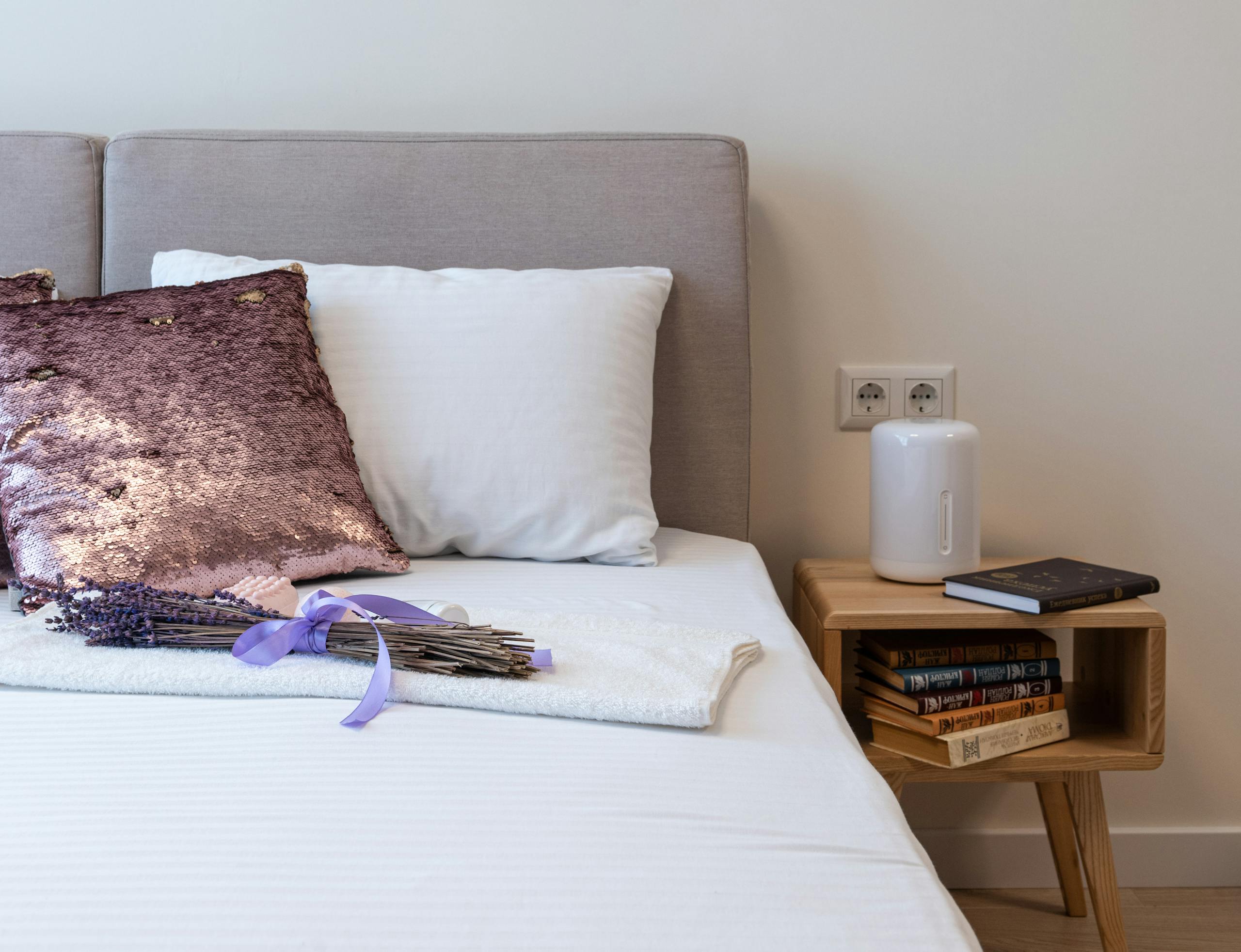

The first winter I worked from home full-time, the dry air became unbearable. My throat felt scratchy every morning, my skin tightened, and I woke up with that “cotton air” feeling that makes you wonder if you slept at all.
So I bought the cheapest humidifier I could find.
That was a mistake.
The damn thing made this constant glug-glug-glug sound every few minutes, followed by a quiet fan whine that never stopped. Individually, the sounds weren’t loud. But the constancy got into my head. I couldn’t focus during deep work sessions. I couldn’t fully relax during quiet evening reading. My brain couldn’t rest.
Silent humidifiers exist, but most “quiet” models still drive introverts insane with subtle gurgling, fan hums, and high-frequency whines that marketing departments ignore. After testing seven different models over two winters, I found one that actually delivers the moisture you need without stealing your mental peace.
That’s when it clicked: introverts don’t just like quiet. We depend on it.
Studies on noise sensitivity and mental health confirm what many introverts already know: environmental noise affects our sleep quality, focus, and overall wellbeing in ways that go beyond simple annoyance. For those of us wired to process stimuli more deeply, constant background noise creates low-level tension that drains energy without us even noticing.

If you’re someone who treasures quiet moments at home, finding a humidifier that won’t disrupt your peaceful sanctuary is a game-changer for your comfort and well-being. Loud appliances can really get in the way of creating that calm, relaxing environment introverts crave, so choosing the right one matters more than you might think. As part of building your ideal introvert lifestyle at home, investing in a whisper-quiet humidifier is one of those thoughtful touches that makes all the difference.
Why Do Introverts Need Silent Humidifiers More Than Others?
For introverts, quiet isn’t just about sound. It’s mental oxygen.
What’s your personality type?
Take our free 40-question assessment and get a detailed personality profile with dimension breakdowns, context analysis, and personalised insights.
Discover Your Type8-12 minutes · 40 questions · Free
I recharge by turning inward, and any repetitive or intrusive noise makes it hard to access that inner world. Humidifiers, fans, appliances: they all seem small. But when you’re sensitive to your environment, they create a kind of low-level tension that accumulates throughout the day.
It’s like trying to meditate next to a dripping tap. Your body hears it even when your conscious mind tries to ignore it.
Research on sensory processing sensitivity shows that many introverts process environmental stimuli more deeply than others. This heightened awareness helps us notice details and optimize our spaces, but it also means we’re more affected by background noise, constant hums, and repetitive sounds that others might not even register.
The catch? Many “quiet” humidifiers are only quiet by marketing standards, not by introvert standards. There’s a difference.
What Makes Most “Quiet” Humidifiers Actually Noisy?
When I started researching humidifiers, I quickly learned that most reviews weren’t written by people who actually care about subtle noise. They were written by people who didn’t notice faint sounds.
Common noise problems I’ve encountered:
- Gurgling water reservoirs that create random glub-glub sounds every few minutes
- Constant fan hum from evaporative models that never stops
- Vibrations through desks that transmit subtle rattling throughout your workspace
- Tiny rattling parts inside budget humidifiers that weren’t quality tested for silence
- High-frequency whines that sensitive ears pick up immediately but others ignore
One evening during a deep-focus writing session, my cheap humidifier started making this intermittent glug-pop noise every 40 seconds. Just irregular enough to be impossible to tune out. I tried moving it, adjusting the tank, changing the surface. Nothing helped.
I eventually turned it off, but the dry air made my throat hurt. That frustration, choosing between physical discomfort and mental irritation, was awful.

Which Type of Humidifier Is Actually Silent?
Not all humidifiers are created equal. Understanding the two main types helps explain why some are quieter than others.
Ultrasonic Humidifiers
Ultrasonic humidifiers use high-frequency vibrations to break water into microscopic droplets. A metal plate vibrates at frequencies beyond human hearing, creating a fine mist without mechanical fans.
The result? Near silence. Most ultrasonic models produce only a faint hissing sound as mist releases into the room. For bedroom use or home offices where every decibel matters, this is the gold standard.
But there’s a catch: ultrasonic humidifiers can release mineral deposits (“white dust”) into the air if you use hard tap water. They also require more frequent cleaning to prevent bacterial growth. And not all ultrasonic models are actually quiet; some have high-frequency whines that sensitive ears pick up immediately.
Evaporative Humidifiers
Evaporative models work differently. They use a fan to blow air over a wet wick or filter, causing water to evaporate naturally into the room.
The fan is the problem. While evaporative humidifiers naturally self-regulate (they slow down as humidity increases), that fan creates constant noise. Some models are quieter than others, but all evaporative humidifiers produce some sound, typically ranging from 28 to 45 decibels depending on fan speed.
For some people, this consistent white noise helps them sleep. For introverts sensitive to background sound, it prevents full mental relaxation.

How I Tested Seven Humidifiers for Actual Silence
I approached humidifier testing the way introverts approach everything: methodically, thoughtfully, and with attention to tiny details most people overlook.
Each humidifier got a two-week trial period in my home office. I tracked:
- Noise levels during different times of day (daytime ambient noise vs. nighttime silence)
- Sound quality (pure hum vs. gurgle vs. click vs. actual silence)
- Vibration transmission through desk surfaces and floors
- Water reservoir sounds during filling cycles and tank equalizations
- Shutdown/startup noises that interrupt concentration or sleep
Models I tested over two winters:
- Levoit LV600S (hybrid warm/cool mist)
- Levoit Classic 300S (my current choice)
- Pure Enrichment MistAire (budget ultrasonic)
- Honeywell HCM-350 (evaporative fan model)
- Generic ultrasonic models from Amazon (multiple brands)
- Mini desk humidifier for travel (surprisingly noisy)
Most failed the introvert quiet test, despite claiming to be “whisper quiet” or “near silent” in their marketing descriptions.
What Specific Noise Issues Did I Find?
Gurgling: This happens when the tank vacuum equalizes. Cheaper humidifiers do this loudly and frequently. One unforgettable night, I was finally drifting off after a mentally exhausting day. Just as I hit that liminal almost-asleep state, the humidifier made a loud gluuuuup noise. I jolted awake, heart racing, and couldn’t fall asleep again for nearly an hour.
That was the moment I swore off noisy appliances forever.
Fan Whine: Evaporative models produce constant fan noise. The Honeywell HCM-350 wasn’t terrible, but the continuous hum prevented the kind of deep silence I need for focused work and genuine relaxation.
Vibration: Placement matters more than I expected. Setting a humidifier directly on my desk transmitted vibrations through the surface, creating subtle sounds I couldn’t identify but definitely felt. Moving it to a padded shelf solved this immediately.
During my agency days, I learned that small environmental irritations compound throughout the workday. A vibrating humidifier on my desk created the same kind of low-level stress as an open office. Not dramatic, but constantly draining.
High-Frequency Whine: The worst offender. Some ultrasonic models produce a barely-audible whine that sensitive ears pick up instantly. This drove me absolutely insane. If you’re sensitive to high frequencies, test any humidifier carefully during the return window.
Water Dripping Noises: Budget ultrasonic models often have poorly designed tanks where water drips or pops during normal operation. These irregular sounds are impossible to ignore during quiet nighttime reading.

Which Humidifier Finally Passed the Silence Test?
After extensive testing, I settled on the Levoit Classic 300S.
Why this one actually works for sound-sensitive introverts:
- Genuinely quiet mist output with no fan hum whatsoever
- Minimal gurgling thanks to improved tank design that equalizes pressure smoothly
- Warm mist option for winter without adding mechanical noise
- Easy to clean which reduces maintenance stress and prevents buildup that creates extra sounds
- Consistent humidity without cycling noises that interrupt concentration
- Smart controls that let me run it remotely before entering the room
It’s not “silent.” Nothing is truly silent. But it’s close enough that I forget it’s running, which for an introvert is the highest praise possible.
I place it on a padded shelf instead of my desk to reduce any vibration transmission. This setup has transformed my home office from a space that felt “busy” into one that actually supports the mental stillness I need to do my best work.
The breakthrough happened when I finally understood that silence is a feature, not a luxury. My sleep improved. My work improved. My home felt more peaceful. The return on investment was immediate.
What Should You Look for in a Silent Humidifier?
When shopping for a quiet humidifier, focus on these specific factors:
Decibel Ratings (Not Marketing Claims): Look for actual specifications, not marketing claims. Anything under 30 decibels is genuinely quiet. Between 30-40 decibels is acceptable. Above 40 decibels will bother sensitive introverts.
Ultrasonic Over Evaporative: For bedroom or office use, ultrasonic models win on noise every time. Evaporative fans create unavoidable sound.
Tank Design Quality: Check reviews specifically mentioning gurgling or water sounds. Poor vacuum equalization ruins otherwise good humidifiers.
User Tests on Nighttime Use: Search for reviews from people who mention sleep disruption or concentration issues. These reviewers share your sensitivity priorities.
Video Demonstrations: Find YouTube videos showing actual sound levels in real environments. Trust your ears over written descriptions.
Return Policy: Buy from retailers with easy returns. You can’t know how a humidifier sounds in your specific space until you test it for several nights.

How Do You Position a Humidifier for Maximum Quiet?
Even quiet humidifiers benefit from strategic placement:
Elevation: Place humidifiers on shelves or stands, not directly on desks. This reduces vibration transmission and keeps controls accessible without creating work surface clutter.
Padding: Use a folded towel, rubber mat, or furniture pad underneath. This dampens any vibration and reduces sound amplification through hard surfaces.
Distance from Bed/Desk: Position humidifiers 5-10 feet from where you sleep or work. Slight distance mellows any remaining sound without reducing effectiveness.
Away from Walls: Don’t place humidifiers against walls or in corners where sound can amplify. Open floor space works better for sound dispersion.
Regular Maintenance: Clean weekly. Mineral buildup and mold create additional sounds and reduce efficiency. A well-maintained humidifier runs quieter and lasts longer.
Is Spending More on Quiet Worth It?
I wasted money trying to save money on that first cheap humidifier. If I’d bought the right one initially, I would have saved both money and months of irritation.
Quality quiet humidifiers typically cost $40-120. That’s 2-3 times more than budget models. But you’re paying for:
- Better motor design that eliminates vibration and whining
- Improved tank construction that prevents gurgling and water sounds
- Quality control that catches rattling parts before they reach customers
- Engineering that eliminates gurgling through better pressure equalization
- Longer lifespan that makes the investment worthwhile over time
For introverts, this isn’t luxury spending. It’s investing in the environmental conditions that support our natural functioning.
Your nervous system will thank you every single day.
What I’d Tell My Younger Self
I’d tell myself: “Quiet isn’t optional for you. It’s a form of self-care.”
Buy the quiet version. Research the noise floor. Don’t bring anything into your home that steals your mental stillness.
When I finally admitted that constant noise was draining my energy, I felt a mix of embarrassment and relief. Embarrassment because I thought I should “just get used to it.” Relief because I realized I wasn’t being dramatic; I was being self-aware.
Once I acknowledged that sensitivity to environmental noise was real and valid, everything made sense. I stopped apologizing for my specific needs around home appliances and started treating them as functional requirements for my mental health.
That shift changed how I approach every purchase for my living space. During my years leading creative teams at advertising agencies, I watched talented introverted employees struggle in open office environments with constant noise pollution. The ones who thrived were those who found ways to control their auditory environment, whether through noise-canceling headphones or strategic seating away from high-traffic areas. The lesson applies equally at home.
Why Does This Matter More for Introverts?
Introverts notice details. We feel when a room’s atmosphere is off: too dry, too loud, too bright, too cluttered.
That sensitivity can feel like a flaw in busy environments. But it becomes a strength when you’re designing a calm home. My introverted nature helped me:
- Test humidifiers more carefully than most people would bother with detailed tracking
- Track noise patterns that others overlook or dismiss as insignificant
- Evaluate how sound changed from day to night and during different activities
- Adjust placement to reduce vibration through systematic experimentation
- Identify tiny irritations that most reviews never mention but affect daily life
We’re wired for optimization: quietly, thoughtfully, and with intention.
Studies on introversion and environmental sensitivity confirm that creating spaces supporting our natural processing style isn’t pickiness. It’s recognizing how our nervous systems actually function.
Your home should feel like a recovery environment, not another source of stimulation.
Beyond Humidifiers
The lesson here extends beyond humidifiers. Every appliance, every device, every purchase for your home should pass the “does this steal my peace?” test.
If you can hear it, smell it, or feel it operating, it’s part of your mental load. Choose the quietest option you can afford. Your energy management depends on it.
Managing energy as an introvert means recognizing that physical environment affects mental capacity. A noisy humidifier seems trivial. But trivial irritations compound. They accumulate throughout the day, creating fatigue you can’t quite explain. The same principles apply to other environmental factors, which is why I’ve also tested white noise machines for sensitive sleepers and even acoustic panels for sound absorption.
Silence is oxygen. Protect it.
What Are Your Next Steps?
Ready to find your quiet humidifier? Here’s what to do:
- Measure Your Current Noise Level: Download a decibel meter app. Measure your room’s baseline quiet. Target humidifiers that add less than 5 decibels.
- Set a Real Budget: Plan to spend $60-120 for quality. Cheaper models cost more in irritation and eventual replacement.
- Read Introvert-Style Reviews: Search “quiet” OR “silent” OR “bedroom” OR “sleep” in product reviews. These reviewers share your priorities.
- Test During Return Window: Run new humidifiers for a full week. Include nighttime testing. If it bothers you even slightly, return it.
- Optimize Placement: Experiment with location. Shelf height, distance from desk, padding underneath: all affect perceived noise.
- Maintain Weekly: Clean every 7 days. Well-maintained humidifiers run quieter and last longer.
- Consider Multiple Units: Smaller quiet humidifiers for specific rooms often work better than one large noisy unit trying to cover your entire space.
The Bigger Picture
This article isn’t really about humidifiers. It’s about recognizing that your environmental needs are legitimate.
For years, I thought needing quiet made me difficult. High-maintenance. Too sensitive. But sensitivity isn’t a flaw; it’s how my nervous system processes information.
Research on sleep optimization for introverts shows that protecting our rest environments directly impacts next-day cognitive performance, emotional regulation, and stress resilience.
When you design your space around your actual needs rather than what you think you should tolerate, everything improves. Sleep quality. Work focus. Overall sense of peace.
The breakthrough moment wasn’t finding a quiet humidifier. It was accepting that quiet appliances aren’t a luxury; they’re infrastructure for my wellbeing.
Your home should serve your nervous system, not stress it.
Final Thoughts
That first noisy humidifier taught me an expensive lesson: buying the cheapest option costs more in the long run when you’re sensitive to environmental noise.
It took years to understand that “quiet” in product descriptions means “quiet for average people,” not introverts. Fanless ultrasonic models exist and are worth finding. Placement matters more than you’d think. And most importantly, silence is a feature worth paying for.
If you’re reading this and thinking “maybe I’m just too picky,” stop. You’re not too picky. You’re attentive to environmental factors that significantly affect your daily functioning.
Creating an introvert-friendly home means honoring your need for quiet. It means buying appliances that disappear into the background instead of demanding constant attention.
My Levoit Classic 300S sits quietly on its padded shelf, adding moisture to the air without stealing my peace. That’s exactly what a humidifier should do.
Your home deserves the same consideration.
This article is part of our Introvert Tools & Products Hub , explore the full guide here.
About the Author
Keith Lacy is an introvert who’s learned to embrace his true self later in life. With a background in marketing and a successful career in media and advertising, Keith has worked with some of the world’s biggest brands. As a senior leader in the industry, he has built a wealth of knowledge in marketing strategy. Now, he’s on a mission to educate both introverts and extroverts about the power of introversion and how understanding this personality trait can unlock new levels of productivity, self-awareness, and success.