
Being alone only half of the time sounds like a compromise. For most of my adult life, I treated it that way, filling every quiet hour with something productive, something useful, something that justified the stillness. What I’ve come to understand is that being alone half of the time isn’t a gap in a social life. It’s a design, and for me, it’s the design that makes everything else work.
Introverts don’t need to be alone all the time. We need enough time alone to function at our best when we’re not. That ratio looks different for everyone, but for me, roughly half my waking hours spent in genuine solitude is what keeps me grounded, creative, and present for the people and work I care about most.

If you’re still figuring out what your own balance looks like, our Solitude, Self-Care and Recharging hub covers the full range of how introverts restore themselves, from sleep and nature to daily rituals and the deeper psychology of alone time. This article adds a more personal layer: what it actually feels like to live a life that’s half solitude, and why I stopped apologizing for it.
What Does It Mean to Be Alone Only Half of the Time?
For years, I ran advertising agencies. That meant client calls, team stand-ups, new business pitches, industry events, and the constant low-level hum of an open-plan office. I was surrounded by people for most of every day, and I performed well in those environments. But performance isn’t the same as thriving.
What’s your personality type?
Take our free 40-question assessment and get a detailed personality profile with dimension breakdowns, context analysis, and personalised insights.
Discover Your Type8-12 minutes · 40 questions · Free
What I didn’t have language for back then was the cost of all that togetherness. By Thursday of most weeks, I was running on fumes. Not because the work was hard, though it often was, but because I had no recovery built into my schedule. Every hour was accounted for by someone else’s agenda. The solitude I craved wasn’t laziness or antisocial behavior. It was maintenance, the same way sleep is maintenance.
Being alone only half of the time is a specific kind of rhythm. It’s not hermit-level isolation, and it’s not the overscheduled social calendar that extroverted colleagues seemed to find energizing. It sits in the middle, and that middle ground is where I do my best thinking, my best work, and my best living.
What surprised me, once I started paying attention, was how intentional that half had to be. Alone time that gets interrupted every twenty minutes by a notification or an obligation doesn’t restore anything. Real solitude has a texture to it. It’s uninterrupted, self-directed, and free from the pressure to produce something for someone else. That kind of time is what I’m talking about when I say half my life is alone time.
Why Do Introverts Need This Much Alone Time?
There’s a version of this question that carries a quiet accusation: isn’t that a lot? And for a long time, I agreed with the implied criticism. I tried to need less. I scheduled more dinners, said yes to more after-work events, stayed later at the office to seem like a team player. What I got in return was a version of myself that was flatter, slower, and less useful to everyone around me.
The introvert brain isn’t broken or deficient. It processes stimulation differently. Where an extrovert might feel sharpened by a full day of social interaction, an introvert’s nervous system experiences that same day as a long expenditure of energy. The restoration has to happen somewhere, and for most of us, it happens in quiet.
One of the things I’ve written about elsewhere on this site captures this well. What happens when introverts don’t get alone time isn’t pretty. Irritability, mental fog, a kind of emotional flatness that can look like depression from the outside. I’ve been there. In the middle of a major campaign launch for a Fortune 500 client, I went three weeks without a single unscheduled hour. By the end, I was making small errors I never make, snapping at people I respected, and dreading the work I normally loved. The project was fine. I was not.
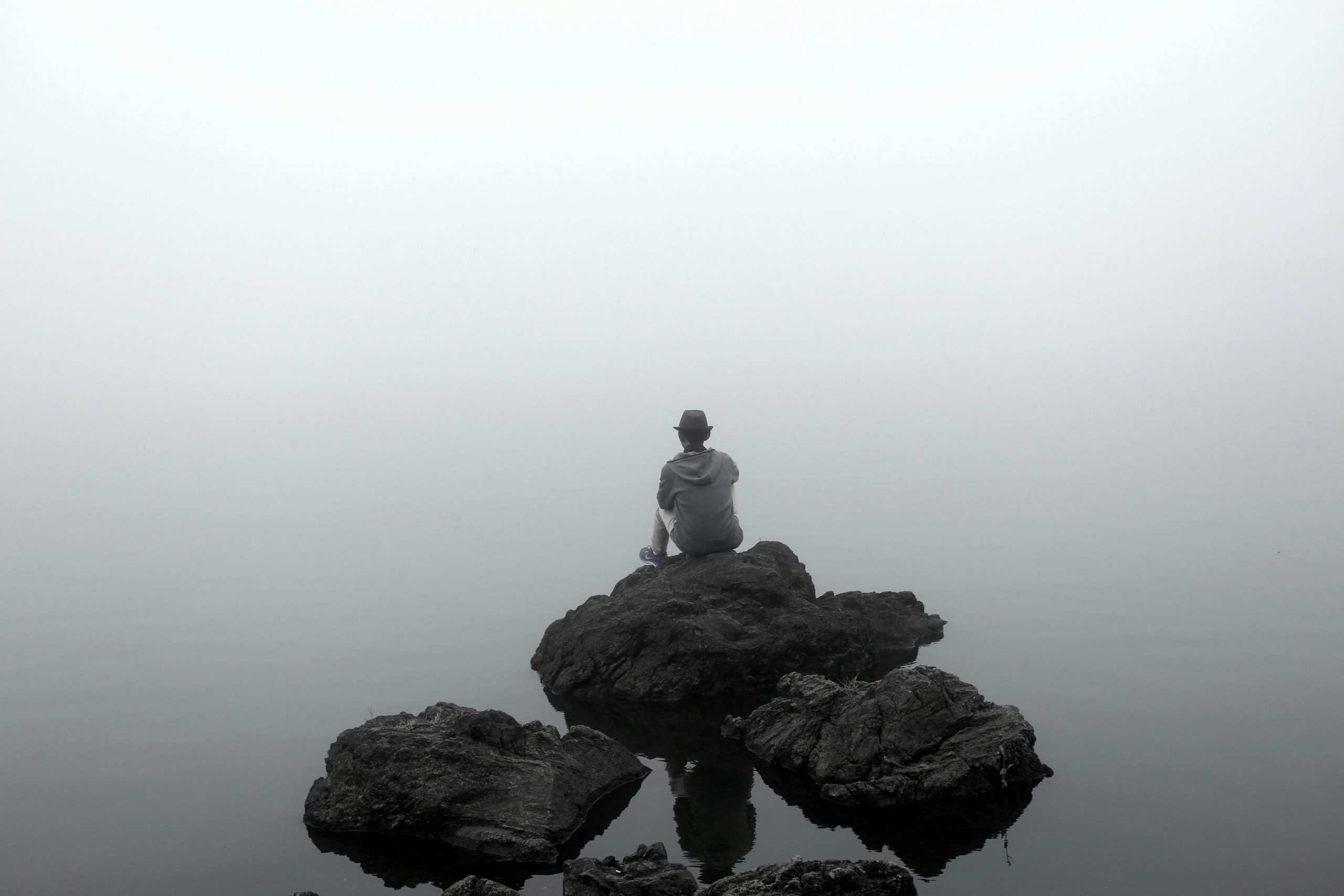
The need for solitude isn’t a personality flaw. It’s a biological reality that introverts share with highly sensitive people, many of whom experience an even more acute version of this dynamic. The essential need for alone time among HSPs mirrors what many introverts experience, even those who don’t identify as highly sensitive. The nervous system needs space to process what it’s taken in. Denying that need doesn’t make it go away. It just makes the debt larger.
There’s also a creativity dimension to this that I find compelling. Research from Berkeley’s Greater Good Science Center suggests that solitude can be a meaningful driver of creative thinking, giving the mind room to make connections that social environments crowd out. I’ve experienced this firsthand. Some of my best strategic thinking for client work happened not in brainstorming sessions, but in the quiet hour before anyone else arrived at the office.
How Do You Actually Structure a Life That’s Half Solitude?
Saying you want more alone time is easy. Building a life that actually delivers it is something else. For most of my agency years, I had no structure around solitude at all. It happened by accident, in the margins, when a meeting got canceled or a flight was delayed. That kind of stolen quiet doesn’t restore in the same way as protected quiet.
What changed things for me was treating alone time with the same seriousness I gave to client commitments. If a two-hour block was on my calendar for solo thinking or writing, I defended it. Not aggressively, not with explanations, just with the same quiet firmness I’d use for any other appointment. That shift alone changed the quality of my weeks substantially.
The structure doesn’t have to be rigid. Some people do better with a morning routine that front-loads solitude before the day’s demands arrive. Others need an evening decompression window. My own rhythm has always leaned toward mornings, an hour or two before the world wants something from me, followed by a midday pause if the schedule allows. Those two anchors give the whole day a different feel.
What fills that alone time matters too. Passive scrolling doesn’t restore the way active solitude does. Reading, writing, walking, sitting with a problem, working on something creative, these activities give the introverted mind something to do with its energy rather than just absorbing more stimulation from the outside world. The daily practices that support sensitive, introverted people often center on exactly this kind of intentional, low-stimulation activity. Not because we’re fragile, but because we’re wired to go deep rather than wide.
Sleep is also part of this equation in ways I underestimated for years. Running an agency means late nights, early mornings, and a culture that quietly glorifies exhaustion. What I know now is that poor sleep doesn’t just make you tired. For introverts, it strips away the very capacity for internal processing that makes us good at what we do. The rest and recovery strategies that work for highly sensitive people apply broadly to introverts as well. Quality sleep is solitude of the deepest kind, and protecting it is non-negotiable.
Does Being Alone Half the Time Make You Lonely?
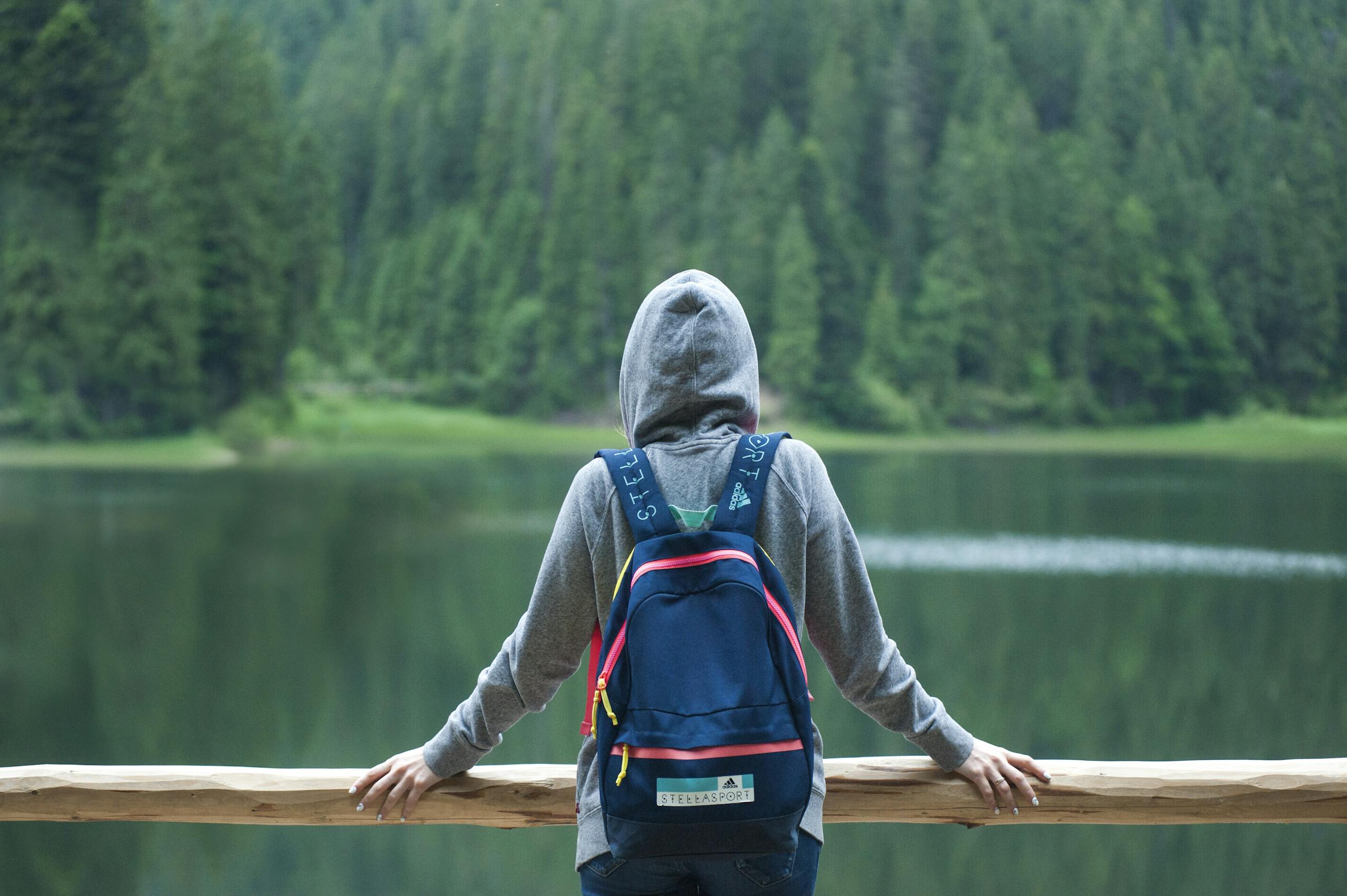
This is the question I get asked most often, usually by people who can’t imagine wanting that much time to themselves. And it’s a fair question, because solitude and loneliness can look identical from the outside while feeling completely different on the inside.
Loneliness is the ache of unwanted disconnection. Solitude is the satisfaction of chosen aloneness. The difference isn’t just semantic. It’s physiological. Harvard Health has written about the distinction between loneliness and isolation, noting that the experience of being alone matters far less than whether that aloneness is chosen or imposed. Introverts who choose their solitude aren’t suffering from it. They’re sustained by it.
That said, I want to be honest about the edges of this. There have been stretches of my life, particularly in my early agency years when I moved to a new city for a client contract, where solitude tipped into something lonelier. The alone time was there, but the connections I needed to make it feel chosen rather than defaulted into weren’t. That distinction matters. Solitude is healthy when it coexists with meaningful relationships. When it replaces them entirely, something is off.
The CDC’s work on social connectedness makes clear that isolation carries real health risks, and those risks don’t disappear just because someone identifies as introverted. Being an introvert doesn’t mean needing no connection. It means needing connection in smaller doses, in deeper forms, and with more recovery time built around it. That’s a very different thing from being alone all the time.
What I’ve found is that being alone half of the time actually makes me better at the other half. When I’m with people I care about, I’m genuinely present. I’m not half-checked-out because I’m already depleted. I’m not performing engagement while secretly counting down to when I can leave. The solitude I protect is what makes my presence in relationships feel real rather than rationed.
What Happens to Your Identity When Half Your Life Is Quiet?
Something I didn’t anticipate when I started protecting my alone time was how much it would change my relationship with myself. Not in a dramatic way. More like a slow clarification, the way a photograph develops in a darkroom, details emerging that were always there but needed the right conditions to appear.
For most of my career, my identity was largely constructed from external feedback. Client approval, agency growth metrics, industry awards, what other people thought of my work and my leadership. Those things aren’t meaningless, but they’re also not stable ground for a sense of self. When a campaign underperformed or a client relationship soured, I had no internal anchor to return to.
Consistent solitude gave me that anchor. Not through meditation or journaling, though both have their place, but simply through spending enough time with my own thoughts that I started to know what they actually were. What I valued, what I found genuinely interesting, what kind of work made me feel alive versus what I was doing purely for external validation. Those distinctions only become clear when you spend enough time in your own company to hear yourself think.
There’s a dog-related piece on this site that captures something of this dynamic in a way that surprised me when I first read it. Mac’s alone time is a small story, but it points to something true about how creatures, human and otherwise, need space that belongs entirely to them. Not space away from love, but space within it. That’s what solitude does for identity. It gives you room to be yourself without the constant shaping pressure of other people’s expectations.
Psychological research on solitude and identity has found that voluntary alone time is associated with greater self-awareness and emotional regulation. A study published in Frontiers in Psychology explored how solitude functions differently depending on whether it’s chosen or imposed, finding that chosen solitude correlates with positive outcomes including stronger sense of self. That tracks with my experience entirely.
How Does Nature Fit Into an Introvert’s Alone Time?
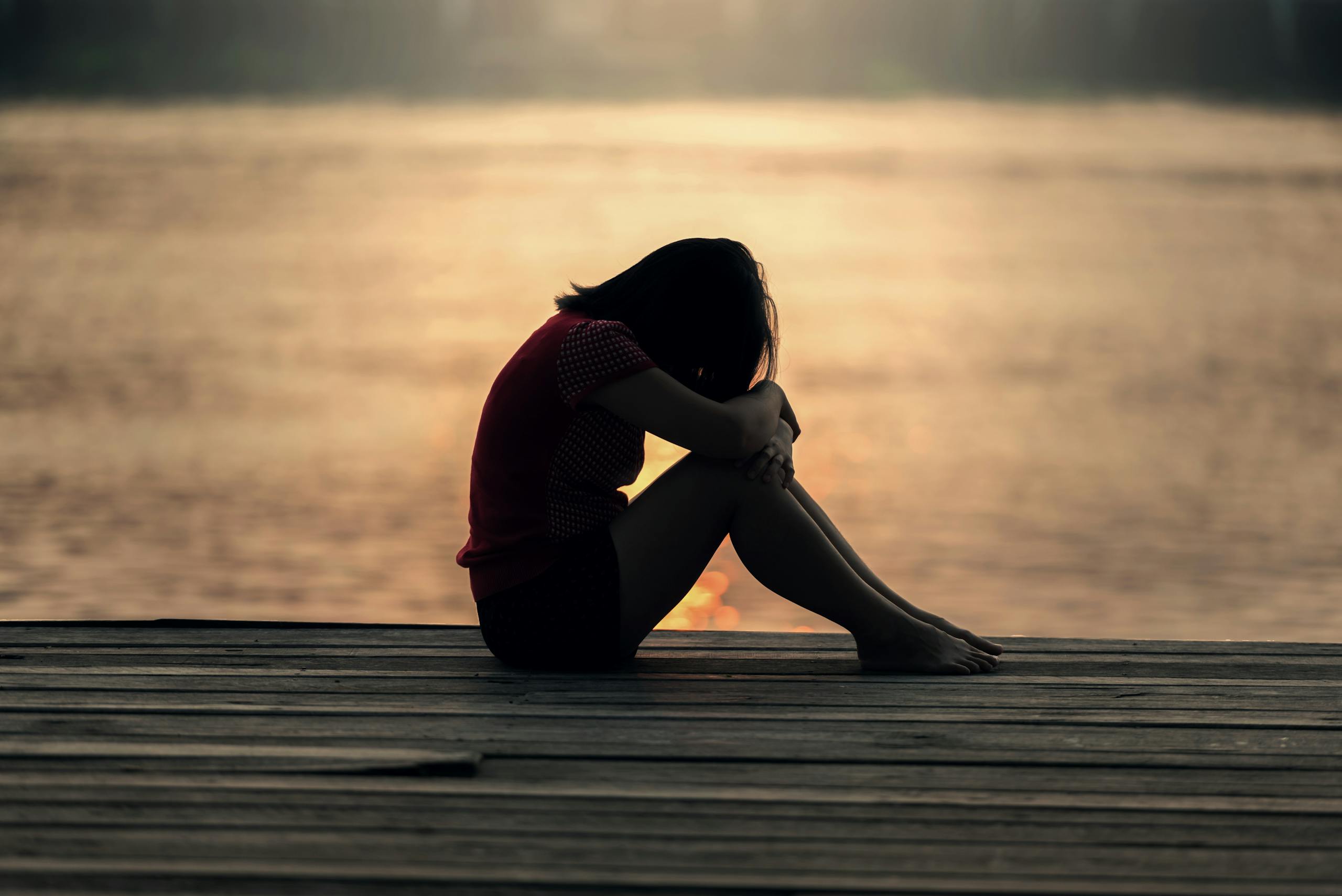
Not all solitude is created equal, and I’ve learned this slowly over many years. Alone time spent in a cluttered apartment with the TV on in the background is technically solitude, but it doesn’t restore the same way that time outdoors does. There’s something about being in nature, even briefly, that shifts the quality of quiet in a way that indoor solitude doesn’t always reach.
I started walking more seriously about six years ago, initially as a way to think through client problems without the interruptions of the office. What I found was that the thinking improved, but so did something harder to name. A kind of settling. The mental noise that accumulates through a week of high-stakes work quiets differently when you’re outside. Not gone, but softer, more manageable.
The healing dimension of nature connection for sensitive people is something I’ve come to take seriously. Introverts and highly sensitive people often find that outdoor solitude hits differently than indoor solitude, offering a kind of sensory reset that walls and screens can’t provide. It’s not about being outdoorsy in the gear-and-adventure sense. It’s about giving your nervous system something genuinely different to process.
There’s also a social dimension to solo time in nature that I find interesting. Walking alone in a park or on a trail puts you in proximity to other people without the obligation of engaging with them. You can nod, make brief eye contact, exist alongside strangers without the energy cost of actual interaction. For introverts, that’s a kind of sweet spot. Present in the world, but not required to perform for it.
Solo travel has some of the same quality. Psychology Today has explored why solo travel appeals to certain personalities, noting that the freedom to set your own pace and follow your own curiosity makes it a particularly satisfying form of alone time for people who find group travel exhausting. I’ve taken several solo trips over the years, usually framed internally as “research” or “thinking time,” and they’ve consistently been among the most restorative experiences I’ve had.
How Do You Explain This to People Who Don’t Get It?
At some point in most introverts’ lives, they have to answer for their solitude. A partner who feels excluded, a friend who takes the canceled plans personally, a colleague who interprets the closed office door as coldness. The explanations are exhausting, partly because the need itself feels so obvious from the inside and so mysterious from the outside.
What I’ve found works better than explaining is demonstrating. When the people in my life can see that I come back from solitude as a better version of myself, more patient, more engaged, more genuinely interested in them, the explanation becomes less necessary. The alone time proves its own value through what it produces.
That said, some conversations are worth having directly. With a partner especially, the negotiation around alone time is real and ongoing. What I’ve learned is that framing solitude as something I need rather than something I prefer changes the conversation. Preferences can be argued with. Needs are harder to dismiss. And being honest about what happens to me when I don’t get enough quiet, the shorter temper, the diminished capacity for genuine connection, actually makes the case more clearly than any abstract explanation of introversion ever could.
The science supports this framing too. Psychology Today’s writing on solitude and health makes clear that regular, chosen alone time is associated with better emotional regulation and reduced stress, outcomes that benefit not just the introvert but everyone around them. Protecting your solitude isn’t selfish. It’s responsible.
There’s also something worth saying about the cultural narrative around busyness and sociability. We live in a world that treats packed schedules and full social calendars as markers of a life well-lived. Introverts who opt out of that narrative often feel a low-level guilt that has nothing to do with anything they’ve actually done wrong. Recognizing that guilt for what it is, a cultural artifact rather than a moral signal, is part of what makes it possible to protect solitude without constant internal negotiation.

What Changes When You Stop Apologizing for Needing Solitude?
Somewhere in my mid-forties, I stopped explaining my alone time and started simply living it. No more elaborate justifications for why I needed a quiet Saturday morning. No more guilt about skipping the optional team happy hour. No more treating my own solitude as a problem to be managed around other people’s comfort.
What replaced the apology was something quieter and more durable. A kind of self-respect that didn’t require external validation. I knew what I needed. I knew what happened when I didn’t get it. And I knew that the version of me that emerged from protected solitude was better for everyone, not just for me.
That shift didn’t happen overnight. It came through accumulating evidence, years of noticing the correlation between my alone time and my performance, my relationships, my creative output, and my general sense of being okay in the world. Published research on solitude and well-being points to similar patterns, with voluntary solitude associated with positive affect and life satisfaction when it’s chosen rather than forced. My lived experience matched what the literature describes.
Being alone only half of the time isn’t a limitation. It’s not a symptom of social anxiety or a sign that something went wrong. It’s a feature of how I’m built, and treating it as such changed everything. The other half of my life, the meetings and the relationships and the collaborative work I genuinely value, got better because the solitude half was finally being honored.
If you’re still working out what your own ratio looks like, or still carrying guilt about the alone time you already take, the deeper exploration available in our Solitude, Self-Care and Recharging hub might be worth your time. The resources there cover the psychology, the practices, and the personal stories that help make sense of why introverts are wired the way we are.
About the Author
Keith Lacy is an introvert who’s learned to embrace his true self later in life. After 20 years in advertising and marketing leadership, including running agencies and managing Fortune 500 accounts, Keith now channels his experience into helping fellow introverts understand their strengths and build fulfilling careers. As an INTJ, he brings analytical depth and authentic perspective to every article, drawing from both professional expertise and personal growth.
Frequently Asked Questions
Is it normal for introverts to want to be alone half of the time?
Yes, and for many introverts it’s not just normal but necessary. Introverts restore their energy through solitude rather than social interaction, which means a significant portion of their time needs to be spent in quiet, self-directed activity. The exact ratio varies by person, but wanting roughly half of your time to yourself is well within the range of healthy introvert functioning. The more important question isn’t whether the amount is normal, but whether the solitude you’re getting is genuinely restorative or just time spent in the absence of others.
How is solitude different from loneliness for introverts?
Solitude is chosen aloneness that feels restorative. Loneliness is unwanted disconnection that feels painful. The difference lies in agency and desire. An introvert who chooses to spend a Saturday morning alone reading or thinking is not lonely, even if the external picture looks the same as someone who wishes they had company. Introverts can and do experience loneliness, but it tends to arise not from time alone but from a lack of meaningful connection in the social time they do have. Deep, quality relationships matter more to most introverts than frequent or numerous ones.
Can spending too much time alone be harmful for introverts?
Yes. Even introverts need genuine human connection, and when solitude tips into prolonged isolation, the health effects are real regardless of personality type. The distinction is between chosen solitude that coexists with meaningful relationships and isolation that replaces them entirely. Introverts who protect their alone time while also maintaining a few close, substantive connections tend to thrive. Those who use introversion as a reason to avoid all social contact often find that the solitude stops feeling restorative and starts feeling empty. Balance matters, even if the introvert’s balance point is further toward solitude than most people’s.
How do you explain your need for alone time to a partner or family member?
Framing alone time as a need rather than a preference tends to land differently in these conversations. Explaining what happens when you don’t get enough solitude, reduced patience, mental fatigue, difficulty being genuinely present, gives the people in your life something concrete to understand rather than an abstract personality concept to accept. It also helps to demonstrate the connection between your alone time and the quality of your presence when you’re together. Partners and family members who can see that you return from solitude more engaged and more emotionally available tend to become more supportive of it over time.
What kinds of activities make alone time most restorative for introverts?
The most restorative alone time tends to be active rather than passive, and low-stimulation rather than high-stimulation. Reading, writing, walking, working on a creative project, sitting with a problem you find genuinely interesting, these activities give the introverted mind something meaningful to do with its energy. Passive scrolling or background TV can feel like alone time but often doesn’t restore in the same way, partly because the nervous system is still processing external stimulation. Time in nature is particularly effective for many introverts, offering a sensory environment that quiets mental noise without demanding social engagement. The best alone time is whatever leaves you feeling more like yourself afterward.