
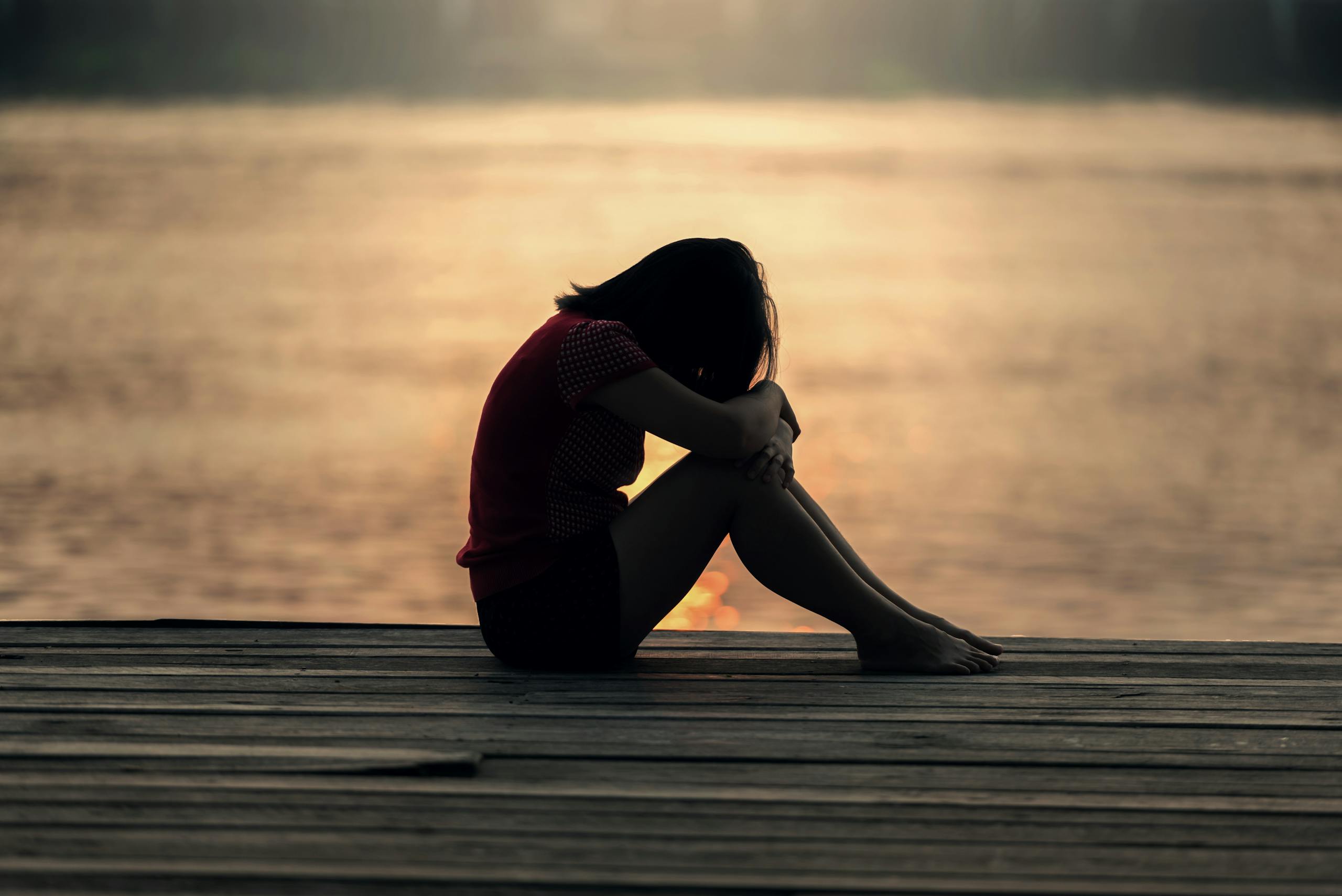
Some feelings resist easy explanation, and the need to be alone is one of them. “I just need some time alone” quotes capture something real about the introvert experience: that solitude isn’t withdrawal, it’s restoration. These words, gathered from writers, philosophers, and quiet observers of human nature, give language to what many of us feel but struggle to say out loud.
There’s a particular relief in finding a sentence that names what you’ve been carrying. Whether you’re someone who processes the world deeply, feels overstimulated after long stretches of social engagement, or simply craves the stillness that helps you think clearly, these quotes may feel less like borrowed words and more like something you’ve always known.
Our Solitude, Self-Care and Recharging hub goes deeper into the full landscape of why alone time matters, how to protect it, and what happens when you don’t get enough of it. This article focuses on something more intimate: the quotes themselves, and what they reveal about the inner life of people who genuinely need solitude to function well.

Why Do Certain Quotes About Solitude Hit So Differently?
Not all quotes land the same way. Some float past you. Others stop you mid-scroll, mid-page, mid-breath, and you find yourself rereading them slowly because they’ve put words to something you’ve felt for years but never quite articulated.
What’s your personality type?
Take our free 40-question assessment and get a detailed personality profile with dimension breakdowns, context analysis, and personalised insights.
Discover Your Type8-12 minutes · 40 questions · Free
That’s what good “I just need some time alone” quotes do. They validate without requiring explanation. They speak to the person who has sat across from a well-meaning colleague saying “you should get out more” and felt the quiet frustration of knowing that more social time isn’t what they need. More solitude is.
I spent more than two decades running advertising agencies. My weeks were built around client presentations, team meetings, creative reviews, and the constant hum of open-plan offices. On paper, I was exactly the kind of leader who thrived in that environment. In reality, I was someone who needed two hours of silence before I could think straight, and I spent years treating that need as a flaw to manage rather than a signal to honor.
Finding words that normalized solitude, that reframed it as wisdom rather than weakness, changed something in how I understood myself. That’s the quiet power of the right quote. It doesn’t just describe you. It gives you permission.
It’s worth noting that the need for solitude isn’t the same as loneliness. Harvard Health draws a clear distinction between loneliness and isolation, pointing out that chosen solitude and forced disconnection are very different experiences with very different effects. The quotes in this article speak to the former: solitude as a deliberate, nourishing choice.
What Are the Most Resonant “I Just Need Some Time Alone” Quotes?
These aren’t ranked. They’re gathered the way you’d collect stones from a shoreline, each one worth picking up for a different reason.
On Solitude as Restoration
“I restore myself when I’m alone.” Marilyn Monroe said this, and it still surprises people. She’s not who most would picture when they imagine someone who needed quiet to feel whole. Yet the sentiment is one that countless introverts recognize instantly.
“In order to be open to creativity, one must have the capacity for constructive use of solitude. One must overcome the fear of being alone.” Rollo May wrote that, and it connects solitude not just to rest but to creative output. The Greater Good Science Center at Berkeley has explored this link between solitude and creativity, noting that time alone can foster the kind of undistracted thinking where original ideas take shape.
“Solitude is where I place my chaos to rest and awaken my inner peace.” Nikki Rowe. This one sat with me for a long time. In agency life, my mind was constantly processing competing information: client feedback, team dynamics, market shifts, creative direction. Solitude wasn’t where I escaped that complexity. It was where I finally sorted it.
“I think it’s very healthy to spend time alone. You need to know how to be alone and not be defined by another person.” Oscar Wilde. What strikes me about this quote is the word “healthy.” Not indulgent. Not antisocial. Healthy. That framing matters enormously for people who have spent years apologizing for needing space.
On the Inner Life That Solitude Protects
“Without great solitude, no serious work is possible.” Pablo Picasso. This one I’ve quoted to clients, to colleagues, and to myself on mornings when the calendar was packed and I knew I needed to carve out thinking time before the day consumed me. Serious work, the kind that requires depth and originality, doesn’t happen in the margins of constant social engagement.
“I need space to think, to breathe, to be.” Anonymous, but no less true for lacking attribution. Sometimes the most honest expressions of a feeling come without a famous name attached.
“I live in that solitude which is painful in youth, but delicious in the years of maturity.” Albert Einstein. There’s something in this quote that speaks to the arc many introverts experience. What felt like social awkwardness or isolation in younger years gradually becomes a chosen, appreciated way of being. I didn’t fully embrace my need for solitude until my late thirties. Before that, I tried to outrun it.
“Nowhere can man find a quieter or more untroubled retreat than in his own soul.” Marcus Aurelius wrote this in his Meditations. As an INTJ, I find stoic philosophy particularly resonant. The idea that your inner world is a resource, a place you can return to for steadiness, aligns closely with how introverts experience their own minds.
On Asking for Space Without Apologizing
“I need alone time the way others need social time. It’s not a preference, it’s a requirement.” This kind of statement, even when it comes without a famous source, captures something clinically relevant. Research published in PubMed Central examining introversion and psychological wellbeing supports the idea that introversion involves genuine differences in how people process stimulation, not simply a preference for quiet.
“Sometimes you need to step outside, get some air, and remind yourself of who you are and where you want to go.” This sentiment shows up in various forms across different sources. What it points to is something I experienced acutely during the busiest periods of agency leadership: the risk of losing yourself in the noise of constant demands. Stepping away wasn’t laziness. It was self-preservation.
“Silence is a source of great strength.” Lao Tzu. Short, but it carries weight. Silence isn’t absence. It’s a condition in which something important becomes possible.
Understanding what happens when that silence is denied matters too. If you’ve ever pushed through weeks of overstimulation without any recovery time, you already know the cost. What happens when introverts don’t get alone time is worth reading if you want to understand why these quotes aren’t just poetry. They’re pointing at something real and consequential.
Which Quotes Speak to Highly Sensitive People Specifically?
Not everyone who needs solitude identifies primarily as an introvert. Many highly sensitive people, those who process sensory and emotional information at greater depth than average, share the same fundamental need for quiet recovery time. The overlap between introversion and high sensitivity is significant, though they aren’t the same thing.
Several of the most resonant alone-time quotes speak directly to this experience of deep processing and overstimulation.
“I am a minimalist. I like saying the most with the least.” Bob Hall. There’s something in this that speaks to the HSP and introvert experience of preferring depth over volume, meaning over noise.
“The more powerful and original a mind, the more it will incline towards the religion of solitude.” Aldous Huxley. Whether or not you agree with the framing, the quote validates something that sensitive, deep-processing people often feel: that their inner world is rich enough that they don’t require constant external input to feel alive.
“I am never less alone than when alone.” Scipio Africanus, quoted by Cicero. For people who live richly in their own minds, solitude genuinely isn’t lonely. It’s full.
If you identify as highly sensitive, the practices around HSP solitude and the essential need for alone time go deeper into why this need is wired into your nervous system, not a social preference you can simply override.
How Do Quotes About Nature and Solitude Connect?
A significant number of the most beloved alone-time quotes involve nature. There’s something about being outdoors, away from the constructed demands of social and professional life, that amplifies the restorative quality of solitude.
“In every walk with nature, one receives far more than he seeks.” John Muir. I’ve felt this personally. Some of my clearest thinking has happened not at a desk but on a long walk alone, away from screens and schedules.
“I took a walk in the woods and came out taller than the trees.” Henry David Thoreau. Thoreau is practically the patron saint of introvert solitude. His entire Walden project was an extended argument that deliberate withdrawal from social noise produces something valuable, not something shameful.
“Not all those who wander are lost.” J.R.R. Tolkien. This quote has been applied broadly, but for introverts who find themselves wandering alone through parks, trails, or quiet streets to decompress, it carries a specific reassurance. Your wandering has a purpose, even when it looks purposeless from the outside.
“The clearest way into the universe is through a forest wilderness.” John Muir again. There’s a reason so many introverts and HSPs are drawn to natural settings for their recovery time. The healing power of nature for HSPs and sensitive people is something worth exploring if you’ve ever noticed that a walk outside resets you in ways that an hour on the couch doesn’t.
The connection between nature, solitude, and psychological restoration is supported by findings published in Frontiers in Psychology examining restorative environments and wellbeing, which point to natural settings as particularly effective at reducing cognitive fatigue and supporting recovery.
What Do Quotes About Alone Time Reveal About Relationships?
One of the more nuanced aspects of solitude is how it shapes relationships. Some of the most insightful quotes about needing time alone aren’t just about the individual. They’re about what healthy solitude makes possible in connection with others.
“If you make friends with yourself, you will never be alone.” Maxwell Maltz. This reframes solitude as a relational skill, the ability to be good company for yourself. That’s not a small thing. Many people avoid being alone precisely because they haven’t developed that capacity.
“I care for myself. The more solitary, the more friendless, the more unsustained I am, the more I will respect myself.” Charlotte Brontë wrote this through the voice of Jane Eyre, but it reads like a personal declaration. There’s a dignity in choosing solitude, in not requiring constant external validation to feel whole.
“You cannot be lonely if you like the person you’re alone with.” Wayne Dyer. This one took me years to really understand. In my early agency days, I filled every quiet moment with work, calls, or distraction. Being alone with my own thoughts felt uncomfortable in ways I didn’t examine until much later. Learning to actually like that company changed everything.
“The person who tries to keep everyone happy often ends up feeling the loneliest.” Anonymous. This speaks to something I’ve seen play out in professional settings repeatedly. The people most exhausted by social performance, who smile through every meeting and manage everyone else’s comfort, are often the ones most desperate for genuine solitude. Performing connection is not the same as experiencing it.
“To be yourself in a world that is constantly trying to make you something else is the greatest accomplishment.” Ralph Waldo Emerson. For introverts who have spent years trying to perform extroversion, this quote lands with particular weight. Choosing solitude, protecting your need for quiet, is an act of self-respect.

How Can These Quotes Be Used Practically in Daily Life?
Quotes aren’t just decorative. At their best, they function as anchors, short phrases that pull you back to something true when the world is pushing you toward something false.
Here’s how I’ve seen people, including myself, use alone-time quotes in genuinely practical ways.
As Explanations for People Who Don’t Understand
Sometimes you need to explain your need for space to someone who experiences the world very differently. A well-chosen quote can do that work more gently than a direct statement. Sharing Marilyn Monroe’s “I restore myself when I’m alone” with a partner or family member can open a conversation that feels less like a complaint and more like an invitation to understand.
As Permission Slips for Yourself
Many introverts have internalized the message that needing alone time is selfish or antisocial. A quote from Oscar Wilde or Albert Einstein that frames solitude as healthy and necessary can quietly counter that internalized message. I kept a few pinned above my desk during my agency years, not as decoration but as reminders on days when I felt guilty for closing my office door.
As Part of a Broader Self-Care Practice
Quotes work best when they’re part of a larger structure of intentional self-care rather than standing alone. Pairing a meaningful quote with a daily solitude practice, whether that’s a morning walk, an evening without screens, or a regular journaling habit, gives the words somewhere to land. The essential daily practices for HSP self-care offer a useful framework for building that structure, especially if you’re sensitive and prone to overstimulation.
As Anchors During Overstimulating Periods
There are stretches of life when solitude feels genuinely impossible: new parenthood, intense project deadlines, travel, family gatherings that span multiple days. During those periods, a quote can function as a micro-dose of the thing you can’t fully access. Reading “silence is a source of great strength” when you’re in the middle of a noisy week won’t replace actual solitude, but it can remind you that the need is valid and the relief is coming.
Sleep is another dimension of recovery that gets disrupted when overstimulation goes unaddressed. Rest and recovery strategies for HSPs are worth exploring if you’ve noticed that social exhaustion follows you into the night and affects how you sleep.
Are There Quotes That Capture the INTJ or Introvert Leadership Experience Specifically?
Leadership culture has long celebrated the extroverted model: visible, vocal, energized by people. Quotes that speak to a different kind of leadership, one built on depth, observation, and strategic thinking, are less common but no less true.
“The quieter you become, the more you can hear.” Ram Dass. In a conference room full of voices competing for airtime, this quote describes something I noticed consistently as an INTJ leader. The person who spoke least often was frequently the one who had heard the most. Silence in a meeting isn’t disengagement. It’s often the most active form of listening in the room.
“Knowing yourself is the beginning of all wisdom.” Aristotle. Self-knowledge requires time alone with your own thoughts. You can’t develop genuine self-awareness in constant social noise. The leaders I respected most, regardless of personality type, were the ones who had done that interior work.
“It is not the strength of the body that counts, but the strength of the spirit.” J.R.R. Tolkien. For introverts who have felt outgunned in high-energy environments, this kind of quote reframes where real capacity lives. It’s not in the person who fills every room with sound. It’s in the person who has developed something internally.
“Spend time alone every day.” Dalai Lama. What I appreciate about this one is its simplicity and its source. The Dalai Lama isn’t recommending solitude as a personality accommodation. He’s recommending it as a universal practice. That framing removes the introvert qualifier and makes the case that everyone benefits from time alone, not just those wired to need it more.
There’s also growing recognition that solitude-seeking behavior, including solo travel and deliberate withdrawal from social environments, is a healthy and intentional choice for many people. Psychology Today has written about solo behavior as a preferred approach rather than a deficit, which aligns with what these quotes have been saying for centuries.
What Happens When You Ignore the Message These Quotes Are Sending?
Quotes about needing solitude aren’t just poetic observations. They’re pointing at something with real consequences when ignored.
I learned this during a particularly intense stretch of agency work when we were managing five major client launches simultaneously. I stopped protecting any solitude at all. Mornings, evenings, weekends, all of it went to client demands and team management. Within about six weeks, I noticed something had gone flat. My thinking wasn’t as sharp. My patience with my team had shortened. My creative instincts, which I relied on professionally, felt muffled.
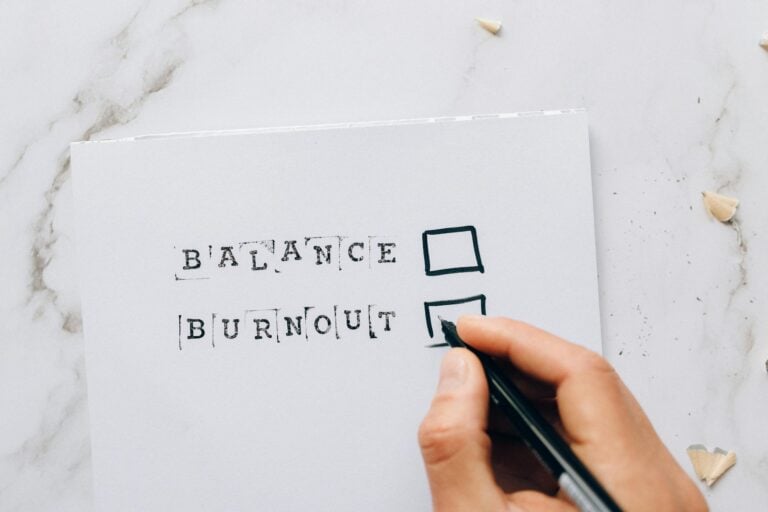
What I was experiencing wasn’t burnout in the conventional sense. It was something more specific: the depletion that comes from running an introvert’s nervous system on extrovert fuel for too long. Research on introversion and neural processing published in PubMed Central points to genuine differences in how introverted brains respond to stimulation, which helps explain why the cost of ignoring solitude needs isn’t just emotional. It’s cognitive.
The CDC’s work on social connectedness and health risk factors also highlights that chronic social stress and overstimulation have measurable effects on wellbeing. The antidote isn’t always more connection. Sometimes it’s its opposite.
There’s also a fascinating angle around solo time and the experience of being with yourself in less conventional contexts. Mac alone time explores one particular version of that, the kind of solitary experience that involves a specific, comfortable ritual with technology as a quiet companion rather than a social demand.
Psychology Today’s coverage of solitude and health makes the case clearly: choosing to be alone, on your own terms, is a health-positive behavior. The quotes in this article have been making that argument for centuries. Science is catching up.

Which Short Quotes Work Best for Daily Reminders?
Sometimes you need something brief enough to carry in your pocket, mentally or literally. These shorter quotes work well as phone lock screens, sticky notes, journal headers, or simply phrases to return to when the day gets loud.
“All of humanity’s problems stem from man’s inability to sit quietly in a room alone.” Blaise Pascal. Provocative and a little extreme, but it makes you stop and think.
“I need alone time like I need air.” This kind of direct, unadorned statement is often the most useful. No metaphor, no philosophy. Just the plain truth of what solitude is to those who need it.
“My alone time is for everyone’s safety.” Slightly humorous, but it speaks to something real. Introverts who push through overstimulation without recovery time often find their patience and warmth eroding in ways that affect the people around them. Protecting alone time isn’t selfish. It makes you better company when you return.
“Let me be alone. Not because I hate you, but because I need myself.” This one captures the distinction that matters most in communicating with people who don’t share your need for solitude. Needing to be alone isn’t about them. It’s about you, and what you require to function well.
“Quiet is not empty.” Four words. Enough said.
If you want to build a fuller picture of how solitude, self-care, and recharging work together as a system rather than isolated practices, the complete Solitude, Self-Care and Recharging hub brings those threads together in one place.
About the Author
Keith Lacy is an introvert who’s learned to embrace his true self later in life. After 20 years in advertising and marketing leadership, including running agencies and managing Fortune 500 accounts, Keith now channels his experience into helping fellow introverts understand their strengths and build fulfilling careers. As an INTJ, he brings analytical depth and authentic perspective to every article, drawing from both professional expertise and personal growth.
Frequently Asked Questions
What are the best “I just need some time alone” quotes for introverts?
Some of the most resonant quotes for introverts include Marilyn Monroe’s “I restore myself when I’m alone,” Oscar Wilde’s observation that spending time alone is healthy and necessary, and Marcus Aurelius’s reminder that the soul itself is a quiet retreat. Rollo May’s connection between solitude and creativity also speaks directly to introverts who do their best thinking away from noise and social demands.
Why do introverts need alone time more than extroverts?
Introverts and extroverts process stimulation differently. Where extroverts tend to feel energized by social interaction, introverts expend energy in social settings and restore it in solitude. This isn’t a preference in the casual sense. It reflects genuine differences in how the introvert’s nervous system responds to external input. Ignoring that need leads to cognitive fatigue, emotional depletion, and reduced capacity for the kind of deep thinking that introverts rely on.
How can I use alone time quotes to explain my needs to others?
A well-chosen quote can open conversations that direct statements sometimes close. Sharing a quote from a recognized figure, Marilyn Monroe, Albert Einstein, or Marcus Aurelius, frames your need for solitude within a larger human tradition rather than as a personal quirk. It can help partners, family members, or colleagues understand that your need for space isn’t about them. It’s about how you’re wired and what you need to function well.
Is needing time alone a sign of a mental health issue?
No. Choosing solitude is a healthy, self-aware behavior for many people, particularly introverts and highly sensitive people. The distinction that matters is between chosen solitude, time alone that you seek out and find restorative, and forced isolation, which involves unwanted disconnection from others. The former is associated with creativity, self-knowledge, and psychological wellbeing. The latter can carry risks. If you’re seeking alone time to recharge and reflect, that’s a sign of self-awareness, not a symptom.
What’s the difference between loneliness and needing time alone?
Loneliness is the painful feeling of unwanted disconnection from others. Needing time alone is the deliberate, chosen withdrawal from social engagement in order to restore yourself. They can coexist, but they’re not the same experience. Many introverts feel most at peace when alone and most depleted after extended social engagement. That’s the opposite of loneliness. It’s a form of self-knowledge that, when honored, supports better relationships and clearer thinking.