
Needing time alone to process pain isn’t weakness. For introverts, solitude is the primary mechanism through which emotional wounds get examined, understood, and slowly healed. Without it, the pain doesn’t disappear. It compounds.
I spent a long time believing that the urge to withdraw when I was hurting was something to overcome. My therapist disagreed. My body disagreed. And eventually, two decades of running advertising agencies taught me to disagree with myself on that one too.
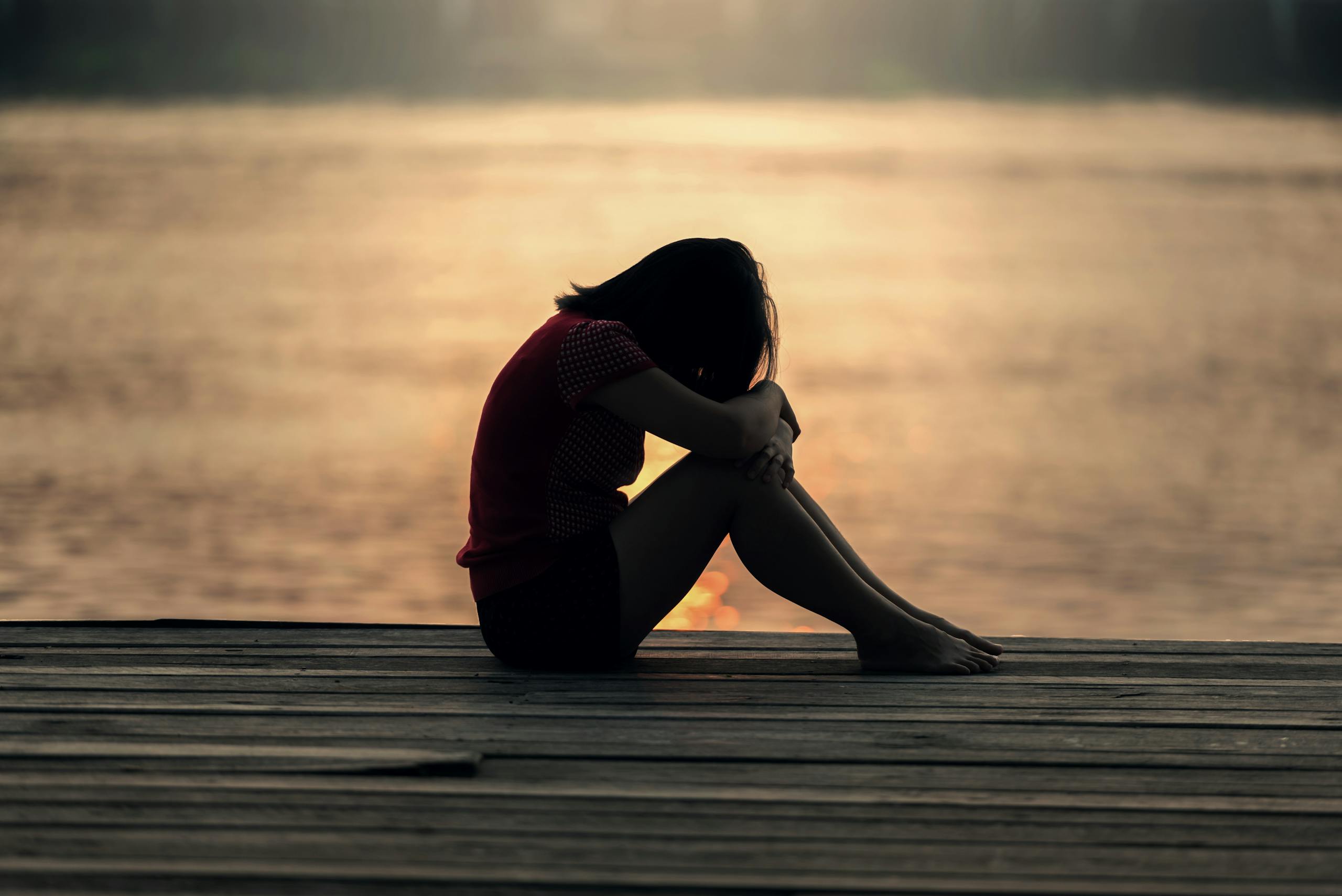
Pain, whether emotional, mental, or the slow grinding kind that comes from living too long against your own nature, demands a response. For extroverts, that response often looks like reaching out, talking it through, filling the silence with people. For introverts, the healing tends to move in the opposite direction: inward, quiet, alone. Neither path is wrong. But pretending one path works for everyone has cost a lot of us more than it should have.
If you’re exploring what solitude, self-care, and genuine recharging look like for introverts, our Solitude, Self-Care and Recharging hub covers the full landscape. This article focuses on something more specific: what it actually means to need time alone when you’re in pain, and why that need is worth honoring instead of fighting.
Why Does Pain Feel So Much Louder Without Quiet?
There’s a particular kind of exhaustion that comes from processing grief or stress in environments that won’t slow down. I know it well. In my agency years, I went through a difficult professional rupture with a business partner I’d trusted completely. The kind of falling out that doesn’t just end a working relationship but makes you question your own judgment. And I had to keep showing up. Client meetings. Staff reviews. New business pitches. The world didn’t pause, and I couldn’t say “I need a week to sit with this.”
What’s your personality type?
Take our free 40-question assessment and get a detailed personality profile with dimension breakdowns, context analysis, and personalised insights.
Discover Your Type8-12 minutes · 40 questions · Free
What I noticed during that period was that the pain didn’t process. It just accumulated. Every conversation I had to perform my way through added another layer. By the end of each day I was carrying not just the original wound but the weight of every interaction that had kept me from addressing it. The noise, external and internal, was deafening.
This isn’t unique to me. Many introverts describe emotional pain as something that gets louder in busy, stimulating environments. The mind is already working overtime to process what happened. Add social demands, sensory input, and the performance of being “fine,” and the system starts to buckle. Quiet isn’t a luxury in those moments. It’s the only condition under which actual healing can begin.
There’s a meaningful difference between loneliness and intentional solitude, and it matters here. Harvard Health has written thoughtfully about how loneliness and isolation carry real psychological costs, but chosen aloneness, solitude you seek out with purpose, operates differently. One depletes. The other restores.
What Is the Introvert’s Relationship With Emotional Pain, Really?
Introverts tend to process experience internally before expressing it, if they express it at all. This isn’t repression. It’s architecture. The wiring runs inward first. Emotion gets filtered through reflection, context, memory, and meaning before it surfaces anywhere visible. That’s why an introvert can seem calm in a crisis and then need three days of quiet afterward. The processing was happening the whole time. It just wasn’t happening out loud.
Pain follows the same pattern. A loss, a betrayal, a failure, a disappointment: these don’t hit an introvert like a wave that crashes and recedes. They tend to seep in, settle deep, and require sustained quiet attention to work through. That’s not dysfunction. That’s just how the internal processor operates.

I managed a creative director at one of my agencies who was an INFJ, deeply empathic and extraordinarily perceptive. I watched her absorb the emotional temperature of every room she walked into. When our largest client relationship deteriorated publicly and painfully, she needed days of solitude to separate what she was feeling from what everyone around her was feeling. Without that space, she couldn’t locate her own response. Everything was blurred together. Once she had the quiet she needed, she came back with the clearest strategic thinking of anyone on the team.
As an INTJ, my own experience is different but parallel. My processing is more analytical than emotional, but it still requires stillness. When something hurts, I need to examine it from every angle before I can move past it. That examination doesn’t happen in conversation. It happens in quiet, usually late at night or early in the morning, when the world has stepped back far enough that I can actually think.
The need for alone time to heal isn’t pathological. It’s structural. And for highly sensitive people especially, solitude isn’t optional. It’s the condition under which emotional survival becomes possible.
What Happens to an Introvert Who Never Gets That Quiet?
The short answer: things break down. Not all at once, and not always visibly. But they break down.
I ran agencies for over twenty years, and in the early part of that career I bought into the mythology of the always-available leader. Open door, open calendar, always on. I thought that’s what the role required. What I didn’t understand was that I was slowly depleting a resource I didn’t know how to replenish.
The signs were subtle at first. Shorter fuse in meetings. Less patience for ambiguity. A creeping cynicism that I rationalized as realism. My thinking became reactive rather than strategic. I was making decisions from a place of depletion rather than clarity, and the quality showed, even if I couldn’t see it at the time.
What I was experiencing was the cumulative cost of never recharging. The consequences of skipping alone time go well beyond feeling tired. They affect cognition, emotional regulation, creativity, and the capacity for empathy. All the things that made me good at my job were the first things to erode.
Pain that doesn’t get processed doesn’t disappear. It shows up sideways: in irritability, in avoidance, in a dullness that settles over everything. The CDC has documented the health risks of chronic stress and social disconnection, and while the research focuses broadly on wellbeing, the underlying mechanism applies here. Sustained emotional load without recovery time creates real physiological and psychological costs.
For introverts, the recovery mechanism is solitude. Denying that need doesn’t make someone more resilient. It makes them more brittle.
How Do You Actually Use Alone Time to Heal, Not Just Escape?
There’s a version of alone time that heals and a version that just delays. Both involve being by yourself. The difference is in what you do with the quiet.
Escape-mode solitude is numbing: screens, distraction, anything that keeps you from sitting with what’s actually happening. It’s understandable, sometimes necessary in the short term, but it doesn’t move anything forward. Healing-mode solitude is different. It requires some willingness to let the pain be present without immediately trying to fix or suppress it.
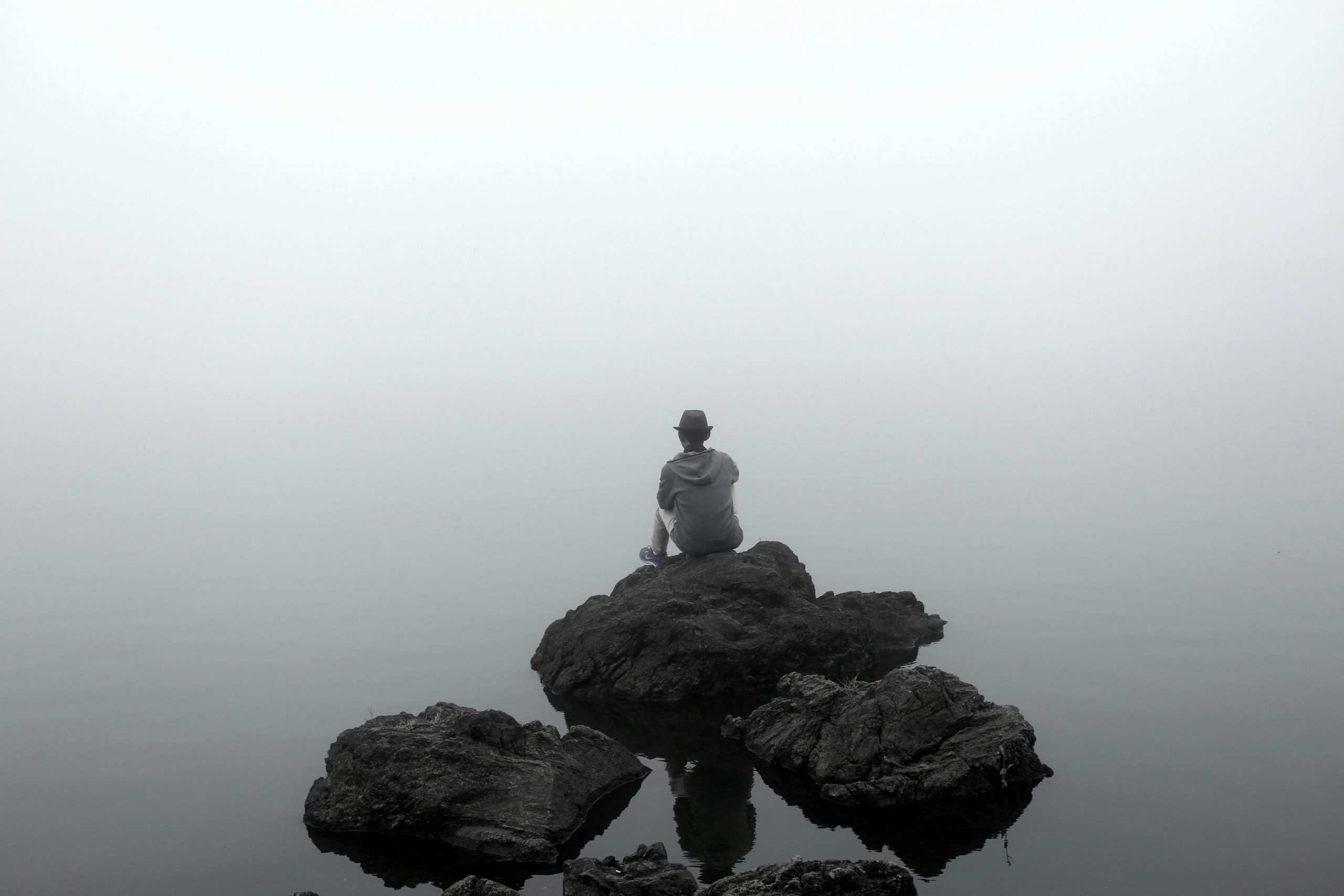
After that partnership dissolution I mentioned earlier, I spent a lot of evenings sitting with a legal pad, not writing anything in particular, just letting my thoughts unspool. Some of what came out was anger. Some was grief. Some was embarrassment. Some was relief I hadn’t expected. None of it would have surfaced in a conversation with someone else, because the presence of another person would have activated my social processing, my concern for how I was coming across, my instinct to manage the interaction. Alone, I could just let it be what it was.
Structured practices help. Journaling is the obvious one, but it’s obvious because it works. Getting thoughts out of the internal loop and onto a page creates distance and perspective. Walking, especially in natural settings, does something similar. The healing power of nature and outdoor solitude is something I came to late, but it’s become one of my most reliable reset mechanisms. There’s something about physical movement through a quiet landscape that loosens what’s stuck.
The research on solitude and creativity points to a related mechanism. Berkeley’s Greater Good Science Center has explored how solitude can enhance creative thinking, partly because it removes the social pressures that constrain what we’re willing to consider. The same dynamic applies to emotional processing. Without an audience, even an internal one, the mind can go places it otherwise won’t.
What doesn’t help: treating alone time as a reward you have to earn. Many introverts, especially those who spent years performing extroversion in professional settings, have internalized the idea that wanting solitude is selfish or indulgent. It isn’t. It’s maintenance. You wouldn’t feel guilty for sleeping. Don’t feel guilty for this.
What Role Does the Body Play in Introvert Pain and Recovery?
Pain doesn’t live only in the mind. Emotional weight has physical texture. I’ve felt it as tension across my shoulders that wouldn’t release for weeks during a difficult client crisis. I’ve felt it as the particular fatigue that comes not from physical exertion but from sustained social performance. The body keeps score, as the saying goes, and for introverts who spend significant energy managing overstimulation, the physical dimension of emotional pain is real and worth attending to.
Sleep is where a lot of this gets processed, and it’s often the first thing to suffer when pain is present. The mind that won’t quiet down during the day won’t quiet down at night either. Rest and recovery strategies for sensitive people address this directly, because the connection between emotional processing and sleep quality is significant. Poor sleep amplifies emotional reactivity, which makes pain feel more acute, which disrupts sleep further. It’s a cycle worth breaking intentionally.
During the most stressful period of my agency career, a period when we were simultaneously losing a major account, managing a difficult staff situation, and trying to close new business, I was sleeping maybe five hours a night. My decision-making suffered. My emotional regulation suffered. I was short with people I cared about and slow to recognize what was actually happening. What I needed was rest. What I was doing was pushing harder, which is exactly the wrong direction.
Physical self-care during pain isn’t separate from emotional healing. It’s part of the same process. Daily self-care practices for sensitive people aren’t luxuries. They’re the foundation that makes emotional processing possible. Without basic physical maintenance, the internal processor can’t do its work effectively.
There’s also something worth naming about sensory environment. Introverts, and particularly highly sensitive introverts, tend to find that sensory overload intensifies emotional pain. Loud environments, harsh lighting, constant interruption: these aren’t just annoying when you’re hurting. They make healing actively harder. Creating conditions of sensory calm is part of creating conditions for recovery. That might mean different things for different people: a quiet room, natural light, minimal sound, familiar textures. The point is that the body needs gentleness when the mind is working hard.
How Do You Explain This Need to People Who Don’t Share It?
This is where things get complicated. The people who care about you often want to help by being present. And if they’re wired differently, presence is how they help themselves heal. Telling someone “I need to be alone right now” can read as rejection, withdrawal, or a sign that something is wrong with the relationship. None of those interpretations are accurate, but they’re understandable.

I’ve had to have this conversation with people I love, and it’s never entirely comfortable. What’s helped me is separating the need from the emotion. Instead of “I need to be alone because I’m upset,” which sounds like I’m upset at the person, I’ve learned to say something closer to “I process things internally, and I need some quiet time to do that. It’s not about you. It’s about how I’m wired.”
That framing matters. It’s accurate, and it removes the implicit accusation. It also opens a door for the other person to understand something real about how I function, rather than filling in the blank with their own interpretation.
There’s a broader psychological context here too. Psychology Today has written about the genuine health benefits of embracing solitude, which helps reframe the conversation. Wanting to be alone isn’t a symptom of depression or social dysfunction. It’s a legitimate and healthy way of managing emotional experience. Having language for that, and sources that support it, can make the conversation easier.
What you’re asking for isn’t abandonment of the relationship. You’re asking for the conditions that allow you to come back to it whole.
Is There a Point Where Alone Time Stops Helping and Starts Hurting?
Yes, and it’s worth being honest about this.
Solitude is a healing tool, not a permanent state. There’s a meaningful difference between taking the space you need to process and using aloneness as a way to avoid processing entirely. The first is self-care. The second is a slow kind of self-harm.
I’ve been in both places. After the partnership fallout I’ve referenced, I took the quiet time I needed. I journaled, I walked, I sat with the discomfort until it started to resolve. That was healthy. Years earlier, after a different professional loss, I withdrew in a way that looked similar from the outside but functioned differently. I wasn’t processing. I was hiding. The pain didn’t move because I wasn’t engaging with it. I was just keeping it company in the dark.
The distinction, in my experience, is movement. Healing solitude has a quality of things shifting, even slowly. You notice something you hadn’t noticed before. You feel something you’d been avoiding. The weight changes shape. Avoidant solitude feels static. The same thoughts circling, the same pain in the same place, day after day.
There’s also the question of what the alone time is doing to your connection with others. Solitude that helps you return to relationships with more capacity is healthy. Solitude that progressively erodes your ability or desire to connect at all is worth examining honestly. Research published through PubMed Central on emotional regulation and social behavior points to the importance of balance between internal processing and external connection for overall wellbeing. The goal isn’t permanent withdrawal. It’s recovery that makes genuine connection possible again.
If you find that alone time is no longer moving anything forward, that’s a signal. Not to abandon solitude, but to consider whether additional support, professional or otherwise, might help the process along.
What Does Healthy Alone Time Actually Look Like in Practice?
It looks different for everyone, but there are some patterns worth naming.
For me, it has always involved some combination of physical space and mental permission. Physical space means finding an environment where I genuinely won’t be interrupted. Not just technically alone, but actually undisturbed. Mental permission means releasing the guilt that often accompanies the withdrawal: the sense that I should be doing something, talking to someone, being more available. That guilt is the residue of decades of cultural messaging about what recovery is supposed to look like. It takes active effort to set it aside.

I’ve also found that the quality of alone time matters as much as the quantity. An hour of genuinely quiet, undistracted solitude does more than three hours of technically being alone while half-monitoring a phone. The mind needs to actually settle. That takes time, and it takes an environment that allows it.
Some people find that creative work during alone time helps the processing move. Writing, drawing, playing music: activities that engage the mind in a focused, non-social way while leaving space for emotional material to surface. Frontiers in Psychology has published work on the relationship between creative engagement and psychological wellbeing, and the connection makes intuitive sense. Creating something gives the internal experience somewhere to go.
Others find that pure stillness works best. No task, no output, just being present with what’s there. Meditation fits here for some people, though it doesn’t have to be formal. Sometimes it’s just sitting somewhere quiet and letting the mind do what it needs to do.
The Mac Alone Time concept, which explores how meaningful solitude can be structured and protected, gets at something important: alone time isn’t just the absence of other people. It’s a practice that benefits from intention and design.
What I’ve come to believe, after all these years, is that the introverts who heal most effectively from pain aren’t the ones who push through it in public or perform their recovery for others. They’re the ones who know what they need, give themselves permission to have it, and trust that the quiet will do its work.
There’s also something worth noting about the longer arc. Research on psychological resilience consistently points to self-awareness as a core component of recovery from difficult experiences. Knowing that you need solitude to heal, and being willing to act on that knowledge, is itself a form of resilience. It’s not passivity. It’s a sophisticated understanding of your own system.
And sometimes, when the pain is particularly heavy and the alone time needs to expand beyond your usual walls, there’s value in taking that solitude somewhere new. Solo travel as a deliberate choice can create a particular quality of solitude that’s hard to access at home, where the ordinary demands of life keep intruding. A change of environment, experienced alone, can discover perspectives that familiar surroundings won’t.
The need to be alone when you’re hurting isn’t something to explain away or apologize for. It’s one of the most honest things an introvert can do for themselves.
If this piece resonated with you, the full Solitude, Self-Care and Recharging hub goes deeper into all of these themes, from daily practices to recovery strategies to understanding why alone time is so central to introvert wellbeing.
About the Author
Keith Lacy is an introvert who’s learned to embrace his true self later in life. After 20 years in advertising and marketing leadership, including running agencies and managing Fortune 500 accounts, Keith now channels his experience into helping fellow introverts understand their strengths and build fulfilling careers. As an INTJ, he brings analytical depth and authentic perspective to every article, drawing from both professional expertise and personal growth.
Frequently Asked Questions
Is it normal for introverts to need alone time when they’re in pain?
Yes, and it’s more than normal. For many introverts, solitude is the primary way emotional pain gets processed. The internal architecture of introversion means that reflection, not conversation, is how meaning gets made from difficult experiences. Needing quiet when you’re hurting isn’t avoidance. It’s your processing system doing exactly what it’s designed to do.
How do I know if my alone time is helping me heal or just helping me avoid?
The clearest signal is movement. Healing solitude tends to produce some shift, even a slow one: a new perspective, a feeling that surfaces, a weight that changes shape. Avoidant solitude feels static, the same thoughts circling without resolution. If your alone time is moving you forward, even gradually, it’s doing its job. If nothing is shifting over an extended period, that’s worth examining honestly, and possibly with professional support.
How do I explain to loved ones that I need to be alone without hurting them?
Separate the need from the emotion. Rather than framing it as a response to being upset, explain it as a feature of how you’re wired: “I process things internally, and I need quiet time to do that. It’s not about you.” This reframing is accurate and removes the implied accusation. It also gives the other person something true to hold onto rather than a gap they’ll fill with their own interpretation.
What kinds of activities make alone time most healing for introverts?
It varies by person, but common patterns include journaling, walking in natural settings, creative work like writing or drawing, and sometimes pure stillness without any task. The common thread is that these activities engage the mind in a focused, non-social way while leaving room for emotional material to surface. The quality of the solitude matters as much as the quantity. An hour of genuinely undistracted quiet often does more than several hours of technically being alone.
Can introverts rely too much on solitude when they’re in pain?
Yes. Solitude is a healing tool, not a permanent state. The distinction worth watching is whether alone time is progressively eroding your capacity or desire to connect with others. Healthy solitude helps you return to relationships with more capacity. When withdrawal becomes a pattern that deepens over time without any movement toward reconnection, that’s a signal to examine honestly. The goal of healing solitude is recovery that makes genuine connection possible again, not permanent removal from it.