
Some sentences stop you mid-scroll because they say something you’ve felt for years but never quite put into words. “I prefer to be alone most of the time” is one of those sentences. For introverts, it’s not a confession or an apology. It’s simply the truth about how we’re wired, and finding quotes that reflect that truth can be quietly powerful.
These aren’t quotes about being antisocial or broken. They’re about the deep, restorative pull of solitude, the clarity that comes when the noise settles, and the particular kind of peace that arrives when you’re finally, genuinely alone. If you’ve ever struggled to explain why you need so much time to yourself, some of these words might do it for you.
Our Solitude, Self-Care & Recharging Hub covers the full landscape of how introverts restore themselves, but quotes occupy a special corner of that conversation. They compress complex inner experiences into something small enough to carry with you.

Why Do “I Prefer to Be Alone” Quotes Resonate So Deeply?
There’s something that happens when you read a sentence that mirrors your interior life. A small release. A recognition. I’ve experienced it more times than I can count, usually late at night when I’m processing a long day and stumble across something that articulates what I couldn’t.
What’s your personality type?
Take our free 40-question assessment and get a detailed personality profile with dimension breakdowns, context analysis, and personalised insights.
Discover Your Type8-12 minutes · 40 questions · Free
Running advertising agencies for over two decades, I spent most of my working hours in environments built for extroverts. Client presentations, brainstorm sessions, agency-wide all-hands meetings, new business pitches. The calendar was relentless. And yet, the moments I remember most clearly from those years aren’t the big wins in crowded conference rooms. They’re the quiet Tuesday mornings before anyone else arrived, when I could think without interruption, map out a strategy, and feel genuinely like myself.
Finding quotes that named that preference, that said “solitude isn’t a flaw, it’s a feature,” gave me something I hadn’t expected: permission. Not permission from anyone else, but the kind of internal permission that comes from realizing other thoughtful people have lived this way and written about it honestly.
That’s what good quotes do. They validate without being sentimental. They articulate without over-explaining. And for introverts who’ve spent years fielding questions like “why are you so quiet?” or “don’t you get lonely?”, a single well-chosen sentence can feel like someone finally getting it.
Psychologists who study solitude note that voluntary aloneness, the kind we choose rather than have imposed on us, functions very differently from loneliness. Harvard Health draws a clear distinction between loneliness and isolation, pointing out that chosen solitude can be a source of genuine wellbeing. Quotes that celebrate chosen aloneness are, in a sense, pointing at that same distinction.
Quotes About Preferring to Be Alone That Actually Ring True
Not all solitude quotes are created equal. Some veer into misanthropy. Others feel performatively mysterious. The ones worth keeping are the ones that feel honest, grounded, and specific enough to resonate without being so niche they lose their meaning. Here are some that have stayed with me, along with why I think they hold up.
“I restore myself when I’m alone.” Marilyn Monroe said this, which surprises people. She’s not who most of us picture when we think of someone who preferred solitude. But that’s part of what makes it powerful. Even people who appear to thrive in public often have a private life that runs on entirely different fuel.
“Solitude is where I place my chaos to rest and awaken my inner peace.” Nikki Rowe. This one captures something I’ve tried to explain to colleagues for years. Solitude isn’t about hiding from chaos. It’s about having a space where the chaos can settle so you can actually see it clearly.
“In order to be open to creativity, one must have the capacity for constructive use of solitude.” Rollo May. A psychoanalyst writing in the mid-twentieth century, May understood that the inner life required space to develop. Greater Good Science Center at Berkeley has explored this connection between solitude and creative output, and the findings align with what May was pointing at long before the research caught up.
“I think it’s very healthy to spend time alone. You need to know how to be alone and not be defined by another person.” Olivia Wilde. Straightforward and unpretentious. This one works because it frames aloneness as a skill, not a symptom.
“I am never less alone than when alone.” Scipio Africanus. Ancient, counterintuitive, and still accurate. When the external noise drops away, the internal conversation becomes richer. I’ve felt this most acutely during long solo drives between client meetings, when my best thinking happened not in the boardroom but on an empty highway.
“Without great solitude, no serious work is possible.” Pablo Picasso. Whatever you think of Picasso as a person, this observation is hard to argue with. Deep work, the kind that produces something genuinely new, almost always requires sustained periods of uninterrupted focus.
“The best thinking has been done in solitude.” Thomas Edison. Interesting coming from someone who ran a large invention factory, but Edison was known for long stretches of isolated work. The quote reflects something real about how insight tends to arrive.
What Happens When You Don’t Get the Alone Time You Need?
There’s a specific kind of exhaustion that comes from too much social exposure without recovery time. It’s not tiredness exactly. It’s more like a gradual dimming, where your patience shortens, your thinking gets cloudy, and even things you normally enjoy start to feel like obligations.
I know this feeling well. There were stretches in my agency years when I’d go weeks without a genuinely quiet day. New business season was the worst. Back-to-back pitches, client entertainment, internal team meetings stacked on top of each other. By the end of those runs, I wasn’t just tired. I was a worse version of myself, shorter with my team, less creative, more reactive. I didn’t have language for it then. I just knew something was wrong.
What I was experiencing is well-documented among introverts. What happens when introverts don’t get alone time is more serious than most people realize. It’s not just moodiness. It affects cognitive function, emotional regulation, and the ability to show up fully in any context, including the social ones you’re supposedly managing just fine.
The quotes that resonate most during those depleted stretches are the ones that remind you that the need for solitude is legitimate. Not a weakness to push through. Not something to apologize for to your team or your family. A genuine requirement for functioning well.
“I need space to think. I need time alone to recharge.” This kind of sentiment appears in various forms across introvert literature, and its power is in its plainness. No poetry. No philosophical framing. Just an honest statement of need.
Some of the most meaningful alone-time quotes don’t come from famous people at all. They come from ordinary introverts who finally put words to something they’d been living with quietly for years. That’s part of what makes the genre so valuable. It’s a distributed act of naming.
Quotes That Speak to the Quality of Solitude, Not Just the Quantity
Preferring to be alone isn’t just about logging hours of quiet. It’s about what that quiet makes possible. The best solitude quotes tend to point at this distinction, the difference between merely being alone and actually using aloneness well.
As an INTJ, my mind doesn’t automatically slow down when the room empties. It often speeds up, processing everything that accumulated during the day. Good solitude, for me, involves some structure: a walk, a long drive, a focused writing session, or even just sitting with a notebook and letting thoughts surface without agenda. The quality of that time matters as much as the fact of it.
For highly sensitive people, who often overlap significantly with the introvert population, the quality of alone time is especially important. HSP self-care practices often center on creating the right conditions for solitude, not just finding moments of quiet but structuring them so the nervous system can genuinely recover.
“Alone time is when I distance myself from the voices of the world so I can hear my own.” Oprah Winfrey. What I appreciate about this one is that it positions solitude as an act of listening, not retreating. There’s a difference, and it matters.
“I live in that solitude which is painful in youth, but delicious in the years of maturity.” Albert Einstein. This one has aged well for me personally. In my thirties, I still felt vaguely guilty about how much I wanted to be alone. By my forties, that guilt had mostly dissolved. The solitude Einstein describes as “delicious” is something I recognize now in a way I couldn’t earlier.
“Solitude is the soil in which genius is planted, creativity grows, and legends bloom.” Mike Norton. A bit more poetic, but the agricultural metaphor is apt. You can’t rush what grows in quiet. You can only tend the conditions.
Sleep is another dimension of quality solitude that doesn’t get enough attention. The hours before and after sleep are often the most reflective parts of an introvert’s day, and protecting them matters. HSP sleep and recovery strategies address this specifically, because overstimulated nervous systems don’t just automatically wind down when the lights go off.
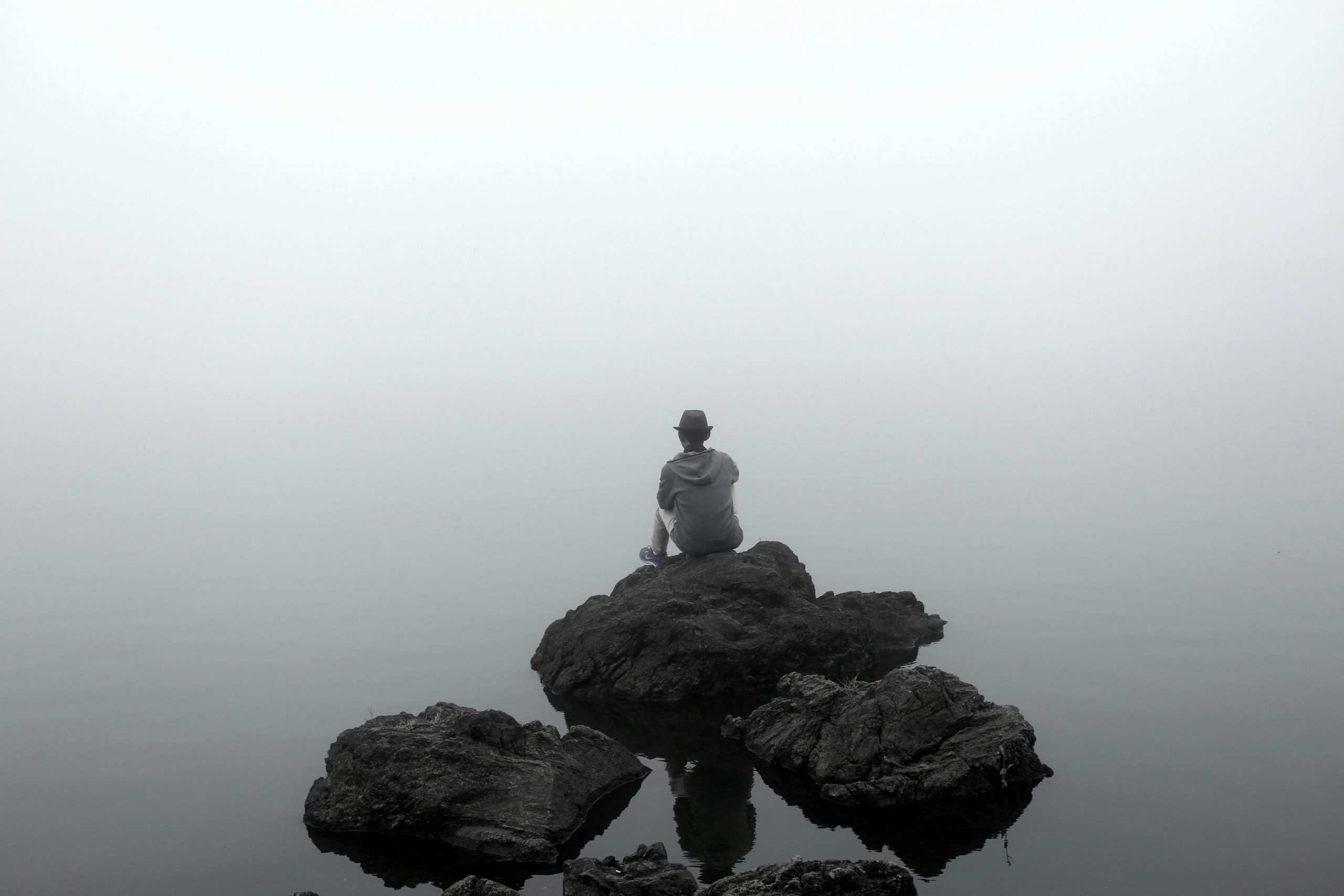
Quotes About Solitude and Nature: When Being Alone Outdoors Hits Different
Some of the most enduring “I prefer to be alone” quotes are set outdoors, and that’s not accidental. There’s something about natural environments that amplifies the restorative effect of solitude. The combination works differently than either element alone.
I discovered this late in my agency career, when a colleague suggested I take a solo hike during a particularly brutal quarter. I resisted for weeks. It felt indulgent. Eventually I went, mostly out of desperation, and came back from three hours on a trail feeling more clear-headed than I had in months. No phone, no agenda, just trees and the sound of my own footsteps.
That experience taught me something about the compounding effect of solitude and nature that no amount of reading had quite conveyed. The healing power of nature for HSPs and introverts is well-documented, and the quotes that capture this tend to be among the most vivid in the solitude genre.
“I took a walk in the woods and came out taller than the trees.” Henry David Thoreau. Thoreau is the obvious reference point here, and for good reason. He lived the experiment and wrote about it with precision. This particular line captures the way extended solitude in nature can recalibrate your sense of proportion.
“Wilderness is not a luxury but a necessity of the human spirit.” Edward Abbey. Stronger language than most, but Abbey was writing from a place of genuine conviction. For introverts who find that outdoor solitude restores them in ways indoor quiet can’t quite match, this resonates.
“In every walk with nature, one receives far more than he seeks.” John Muir. The passivity here is intentional. You don’t have to do anything with outdoor solitude. You just have to show up and let it work.
Solo travel extends this principle across longer timescales. Spending days or weeks alone in unfamiliar places is a particular kind of solitude that many introverts find deeply nourishing. Psychology Today has explored why solo travel appeals to so many people, and the reasons align closely with what introverts describe as their ideal conditions for self-discovery.
Quotes That Validate Preferring Solitude Without Apologizing for It
One of the most common patterns I notice in introverts who reach out to me is the apologetic framing. “I know it’s weird, but I actually prefer being alone.” “I hope this doesn’t make me seem antisocial.” The apology is baked in before anyone has even questioned them.
Quotes that validate solitude without apology are particularly useful for this. They model a different posture: direct, unapologetic, even confident about the preference for aloneness.
“I would rather sit on a pumpkin and have it all to myself than be crowded on a velvet cushion.” Henry David Thoreau. Classic Thoreau: concrete, a little stubborn, and completely unashamed. The image is almost comic, but the sentiment is clear. Space matters more than comfort.
“I care for myself. The more solitary, the more friendless, the more unsustained I am, the more I will respect myself.” Charlotte Brontë, via Jane Eyre. This one has always struck me as quietly radical. Self-respect rooted not in social validation but in the quality of your own inner life.
“Being alone has a power that very few people can handle.” Steven Aitchison. Pointed and a little provocative, which is exactly why it works. It reframes solitude as something that requires capacity, not something that results from deficit.
There’s also something worth saying about the particular experience of being alone with yourself over long stretches. Not just an evening, but days. Mac alone time explores this from a specific angle that many introverts find surprisingly relatable, the way extended solitude creates its own rhythms and rewards.
“I am my own sanctuary and I can be reborn as many times as I choose throughout my life.” Lady Gaga. Unexpected source, but the sentiment is precise. The self as a place you return to, not a fixed state but a renewable resource.
Emerging research on solitude supports what many of these quotes intuit. A study published in PubMed Central examining voluntary solitude found that people who actively choose aloneness, as opposed to those who experience it as imposed isolation, report meaningfully different psychological outcomes. The choice itself changes the experience.

Quotes for When Solitude Feels Like the Most Honest Version of Yourself
There’s a version of yourself that only shows up when no one else is around. Not a hidden version, not a secret self, just the one that doesn’t have to perform or manage or adjust. For many introverts, that version feels the most accurate.
I spent a lot of years not fully trusting that version. The INTJ in me was always analyzing, always asking whether the quiet preference was strategic or just avoidant. It took time, and honestly some therapy, to accept that preferring solitude wasn’t a problem to solve. It was just how I was built.
The quotes that resonate most in this territory are the ones that speak to authenticity, to the self that emerges in stillness rather than performance.
“You cannot be lonely if you like the person you’re alone with.” Wayne Dyer. Simple and a little challenging. It reframes the whole question. The issue isn’t solitude. It’s the relationship you have with yourself when no one else is present.
“The loneliest moment in someone’s life is when they are watching their whole world fall apart, and all they can do is stare blankly.” F. Scott Fitzgerald. This one cuts differently. It’s a reminder that loneliness and aloneness aren’t the same thing. You can be surrounded by people and feel profoundly alone. You can be genuinely by yourself and feel completely at peace.
“Nowhere can man find a quieter or more untroubled retreat than in his own soul.” Marcus Aurelius. The Stoic tradition understood something important about the interior life as a place of refuge. Aurelius wrote his Meditations entirely for himself, never intending them for publication. That private quality is part of what makes them feel so honest.
The science behind solitude’s effect on self-knowledge is worth noting here. Research published in Frontiers in Psychology has examined how solitude supports self-regulatory processes, the internal work of understanding your own emotions and motivations. For introverts, this isn’t abstract. It’s the actual work of being alone.
For highly sensitive introverts especially, the need for solitude as a space for genuine self-understanding is particularly acute. HSP solitude and the essential need for alone time addresses this directly, including why the need can feel so urgent and what to do when life makes it hard to meet.
How to Use These Quotes in Your Own Life
Collecting quotes is one thing. Actually letting them change how you think about yourself is another. I’ve found a few specific ways that these kinds of solitude quotes have been genuinely useful, beyond just feeling good in the moment.
The first is using them as anchors during high-demand periods. When my calendar was at its most packed, having a few sentences I genuinely believed in helped me remember why protecting even small pockets of alone time was worth the social friction it sometimes caused. Turning down a post-pitch dinner because I needed to decompress was easier when I had language for why.
The second is sharing them carefully. Not as a way of explaining yourself to people who won’t understand, but as a way of connecting with people who might. Some of my most meaningful conversations about introversion started with someone forwarding me a quote and saying “this is exactly it.” That small moment of recognition can open a longer conversation.
The third is using them as prompts for reflection. A quote like “you cannot be lonely if you like the person you’re alone with” isn’t just a nice sentiment. It’s a question. Do you? What would it take to get there? That kind of prompt can lead somewhere useful if you sit with it in the kind of quiet these quotes are celebrating.
One thing worth being honest about: solitude isn’t a cure-all, and some introverts do struggle with isolation in ways that go beyond preference. The CDC has identified social disconnection as a genuine health risk, and that’s worth taking seriously. Preferring to be alone most of the time is healthy. Avoiding all human connection in ways that cause distress is a different thing. The quotes in this article celebrate the former, not the latter.
Solitude and wellbeing can coexist beautifully when the solitude is chosen, structured, and balanced. Psychology Today’s writing on embracing solitude for health makes this balance clear, offering a nuanced view that doesn’t romanticize aloneness but does take it seriously as a legitimate human need.
There’s also a broader body of work on what solitude does to the brain over time. PubMed Central research on solitude and psychological functioning points toward the importance of context and intention in determining whether alone time is restorative or depleting. The quotes that have endured tend to point at the restorative kind, and that’s worth paying attention to.

If you want to go deeper into how introverts build sustainable rhythms around solitude, self-care, and genuine restoration, the full Solitude, Self-Care & Recharging Hub brings together everything from daily practices to longer recovery strategies in one place.
About the Author
Keith Lacy is an introvert who’s learned to embrace his true self later in life. After 20 years in advertising and marketing leadership, including running agencies and managing Fortune 500 accounts, Keith now channels his experience into helping fellow introverts understand their strengths and build fulfilling careers. As an INTJ, he brings analytical depth and authentic perspective to every article, drawing from both professional expertise and personal growth.
Frequently Asked Questions
Is it normal to prefer being alone most of the time?
Yes, for introverts it’s completely normal and reflects how their nervous systems are wired. Preferring solitude isn’t a personality flaw or a sign of social anxiety. Many introverts find that they think more clearly, feel more like themselves, and recover more fully when they have significant time alone. The preference exists on a spectrum, and what matters most is whether your alone time feels restorative rather than isolating.
What’s the difference between preferring solitude and being lonely?
Loneliness is an unwanted state, a gap between the social connection you have and the connection you want. Preferring solitude is a chosen state, actively seeking time alone because it meets a genuine need. The two can coexist, but they’re distinct. An introvert who prefers to be alone most of the time isn’t necessarily lonely. They may have a small number of meaningful relationships and find those entirely sufficient, while still needing substantial alone time to function well.
Why do quotes about being alone resonate so strongly with introverts?
Introverts often spend years in environments that treat their preference for solitude as something to overcome rather than something to honor. Finding quotes that articulate that preference clearly and without apology provides a kind of validation that’s hard to get elsewhere. It’s the experience of having your inner life accurately described by someone else, which is both rare and genuinely meaningful. Good quotes also give introverts language to use when explaining their needs to others.
Can preferring to be alone affect your relationships negatively?
It can, if the people around you don’t understand or respect the need. The preference itself isn’t the problem. The challenge arises when there’s a mismatch in expectations, when a partner or friend interprets your need for alone time as rejection or disinterest. Clear communication about what solitude means to you, and why it makes you a better partner, friend, or colleague when you get it, tends to resolve most of these tensions. Many introverts find that relationships improve significantly once they stop apologizing for the need and start explaining it honestly.
How can I use solitude quotes in a practical way, not just as inspiration?
The most practical uses are as anchors, prompts, and conversation starters. As anchors, a quote you genuinely believe in can help you hold your ground when social pressure makes alone time feel selfish. As prompts, a well-chosen quote can open a reflective writing session or help you examine your relationship with solitude more honestly. As conversation starters, sharing a quote with someone who might understand it is often a lower-stakes way to begin a real conversation about introversion than trying to explain the concept from scratch.