
My obsession with space and alone time isn’t a personality flaw. It’s the operating system my mind runs on, and once I stopped fighting it, everything about how I work, think, and recover started making more sense.
Plenty of people want a little quiet now and then. What I’m describing goes deeper than that. Space and solitude aren’t occasional preferences for me. They’re the conditions under which I actually function. Without them, I don’t just get tired. I get foggy, irritable, and disconnected from my own thinking in ways that take days to unwind.
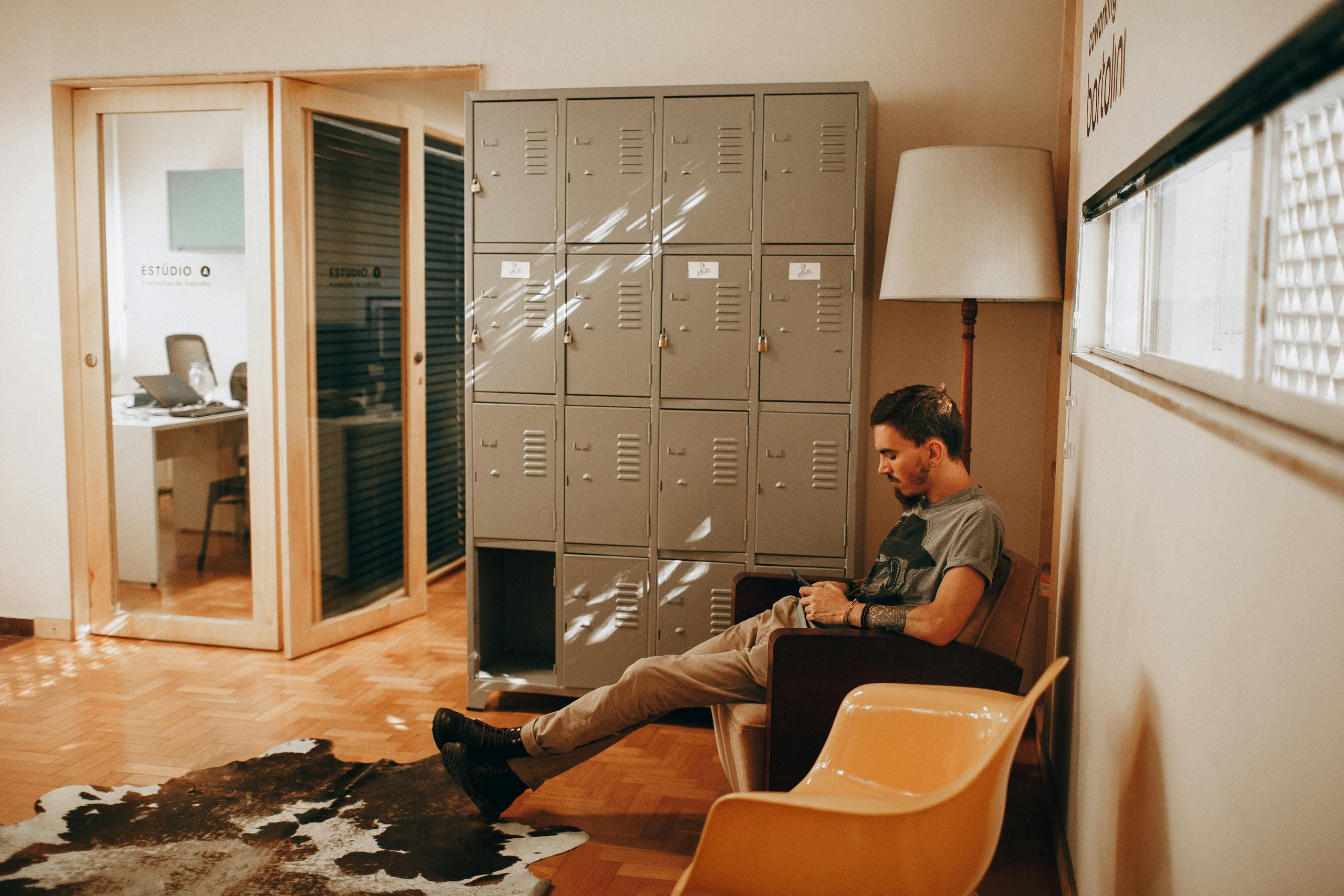
If that sounds familiar, you’re in good company. And if you’ve been told your need for space is excessive or antisocial, I want to offer a different frame entirely.
Our Introvert Home Environment hub covers everything from how introverts design their physical spaces to how they protect their emotional ones. This article sits inside that larger conversation, but it focuses on something more personal: what it actually means to be obsessed with space and alone time, why that obsession is wired into how some of us are built, and what happens when we finally stop apologizing for it.
What Does It Actually Mean to Be Obsessed with Space and Alone Time?
The word “obsessed” gets thrown around loosely, but I use it intentionally here. An obsession isn’t just a preference. It’s something you return to compulsively, something that shapes your decisions and your sense of wellbeing in ways that go beyond simple enjoyment.
What’s your personality type?
Take our free 40-question assessment and get a detailed personality profile with dimension breakdowns, context analysis, and personalised insights.
Discover Your Type8-12 minutes · 40 questions · Free
My obsession with space and alone time showed up long before I understood it. In my early years running an advertising agency in Atlanta, I used to schedule my most important thinking work for the first hour of the morning, before anyone else arrived. Not because I was especially disciplined. Because those 60 minutes of uninterrupted silence were the only part of the day where I felt like myself. Everything else was performance, management, and noise.
At the time, I thought I was just being efficient. It took me years to recognize that I wasn’t optimizing my schedule. I was protecting something essential.
For introverts, and especially for those of us who are also highly sensitive, space isn’t a luxury. It’s a biological requirement. The nervous system of a highly sensitive person processes environmental input more deeply than average, which means ordinary social situations cost more energy than they appear to. Research published in PubMed Central on sensory processing sensitivity confirms that people with this trait show heightened neural reactivity to stimulation, which helps explain why solitude functions as genuine restoration rather than simple preference.
That’s not weakness. That’s wiring.
Why Does Solitude Feel So Different for Introverts Than It Does for Everyone Else?
Most people experience solitude as a break from something. A pause between activities. A moment to exhale before re-entering the world.
For me, solitude is where the actual work happens. Not the professional work, though that too. The internal work. The processing, the integrating, the slow digestion of experiences that would otherwise pile up unexamined.
When I was managing a team of 30 people across two agency locations, I’d come home after long client days and sit in my car in the driveway for 10 or 15 minutes before going inside. My wife eventually stopped asking why. She came to understand that those minutes weren’t about avoiding the family. They were about becoming present enough to actually be there for them. Without that decompression window, I’d walk through the door already depleted, and everyone could feel it.
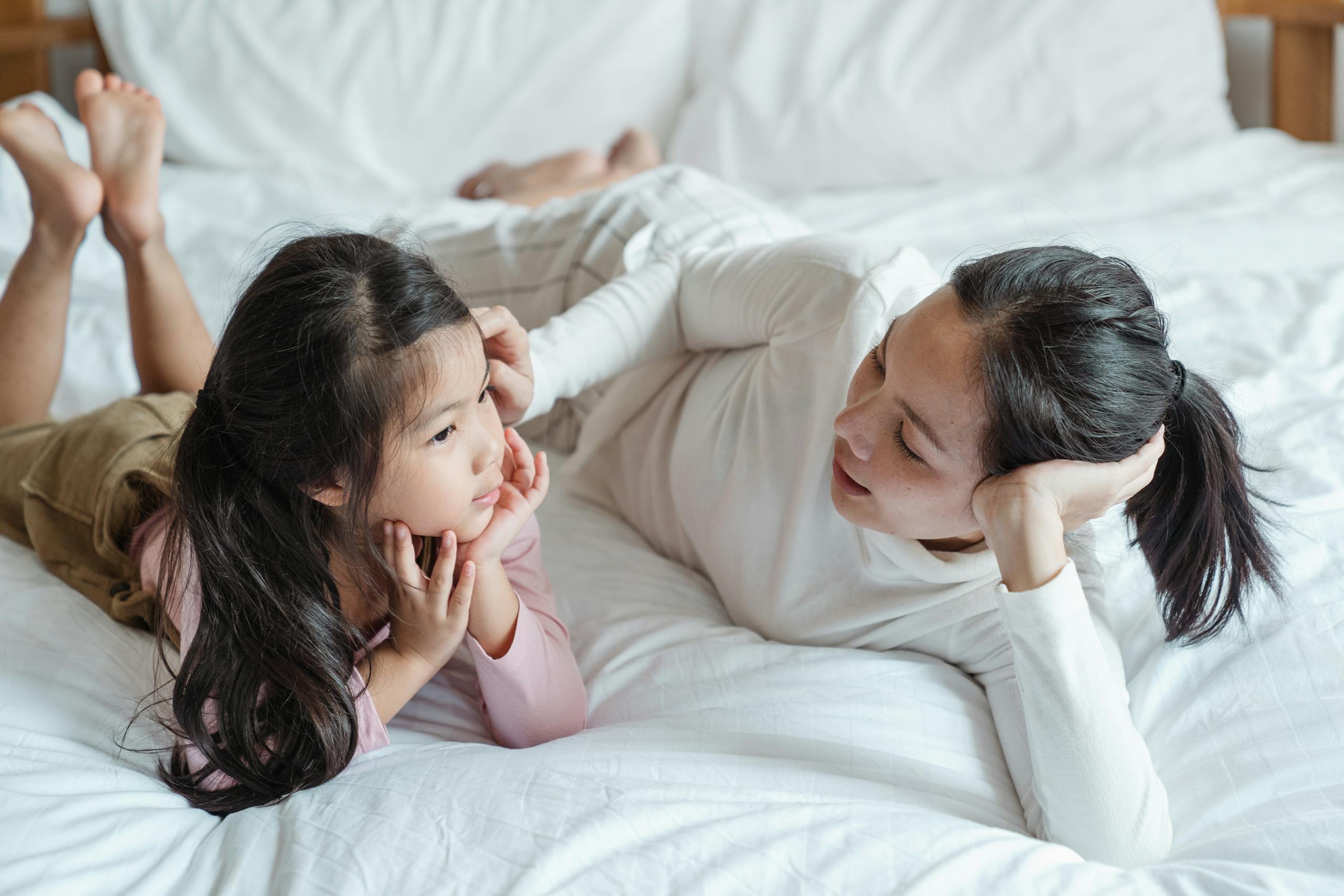
That’s the thing about introvert solitude. It’s not withdrawal. It’s preparation. It’s the difference between showing up hollow and showing up whole.
The Greater Good Science Center at Berkeley has written about how solitude creates the conditions for creative insight, noting that the mind makes unexpected connections when freed from social demands. As an INTJ, I experience this directly. My best strategic thinking never happened in brainstorm meetings. It happened in the quiet after them, when I could finally hear my own thoughts.
There’s also a meaningful distinction between solitude and loneliness that often gets collapsed in these conversations. Harvard Health draws this line clearly: loneliness is the painful awareness of unwanted disconnection, while solitude is chosen aloneness that tends to feel restorative rather than depleting. My obsession is with the latter. Solitude pursued intentionally feels nothing like isolation imposed by circumstance.
Is There Something Wrong with Needing This Much Alone Time?
Every introvert I’ve talked to has asked some version of this question at some point. Usually quietly, to themselves, after canceling plans they didn’t have the energy for.
The short answer is no. The longer answer requires looking at where the question comes from.
Western culture, and American professional culture especially, runs on extrovert assumptions. Visibility equals value. Presence equals productivity. The person who stays late, who fills every silence in a meeting, who volunteers for every social event, that person gets noticed. The person who does their best work alone, who needs recovery time after group interactions, who finds meaning in depth rather than breadth, that person gets labeled as difficult, cold, or not a team player.
I spent the better part of two decades in advertising trying to perform extroversion convincingly. Client dinners, conference panels, agency happy hours. I was good at it, in the way that anyone can be good at something they’ve practiced long enough. But the cost was real. I’d come home from a week of client travel feeling like someone had wrung me out and left me to dry.
What I eventually understood is that my need for space wasn’t a deficit in sociability. It was information about how I’m built. And building a life that respects that wiring isn’t indulgence. It’s intelligence.
The Frontiers in Psychology journal has published work on the relationship between solitude and wellbeing, finding that voluntary solitude can support positive emotional states and self-regulation. The operative word is voluntary. Chosen solitude, pursued as a genuine need rather than a social failure, functions very differently in the body and mind than enforced isolation.

How Do You Build a Life That Actually Honors This Need?
Honoring your need for space isn’t just about saying no to things. It’s about designing your environment and your rhythms so that solitude becomes structurally available, not something you have to fight for every day.
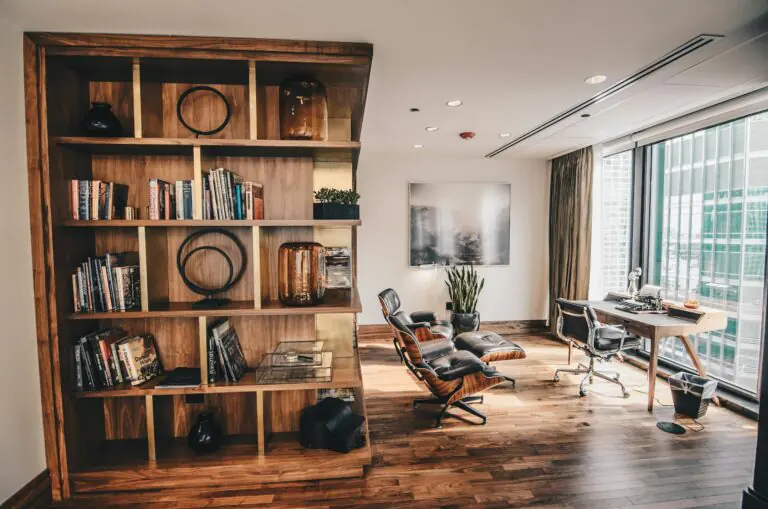
For me, this started with the physical. The home I share with my family has a room that functions as mine. Not an office exactly, more of a thinking space. Books, a comfortable chair, no television, no ambient noise. When I’m in that room with the door closed, everyone in the house knows it means I’m recharging. That boundary took years to establish clearly, but once it was there, the quality of my presence everywhere else improved noticeably.
If you’re drawn to simplifying your physical environment as part of protecting your inner one, the principles behind HSP minimalism are worth exploring. Reducing visual and sensory clutter isn’t just an aesthetic choice. For people who process deeply, it changes how the nervous system responds to being home.
Beyond the physical, there’s the question of social energy. Many introverts find that they can maintain connection without sacrificing solitude by choosing lower-stimulation forms of interaction. Written conversation, for instance, allows for depth without the sensory demands of in-person socializing. Some people find chat rooms built for introverts genuinely useful for this reason. They allow meaningful exchange at your own pace, without the pressure of real-time performance.
Scheduling is another lever. I learned to build my calendar around my energy, not just my obligations. Creative and strategic work in the morning when my mind is sharpest. Meetings and calls in the early afternoon. A hard stop on social commitments by early evening so I have time to decompress before sleep. That rhythm isn’t rigid, but having it as a default changed how sustainable my weeks felt.
And then there’s the home itself. For many introverts, home isn’t just where you sleep. It’s where you become yourself again. The homebody couch is a real phenomenon, that specific piece of furniture that holds your best thinking, your most honest conversations with yourself, your quietest and most replenishing hours. Treating your home as a genuine sanctuary rather than just a backdrop takes intentionality. But it’s worth the effort.
What Happens to Your Relationships When You Need This Much Space?
This is the question that carries the most weight for most people who identify with this. You can make peace with your own need for solitude. Making peace with how that need affects the people you love is harder.
My wife is an extrovert. Not the loud, crowd-seeking kind, but someone who genuinely refuels through connection rather than solitude. In our early years together, my need for space read to her as emotional distance. She’d want to talk through something and I’d need 20 minutes of quiet first. She’d suggest plans with friends and I’d feel a familiar dread settle in my chest. It created friction that neither of us fully understood at the time.
What helped wasn’t me becoming less introverted. It was both of us developing a shared language for what was actually happening. When I say I need space, it doesn’t mean I’m withdrawing from you. It means I’m refueling so I can show up for you. That distinction, once understood, changed everything.
The CDC’s work on social connectedness makes clear that meaningful connection matters deeply for health and wellbeing. Nothing in my advocacy for solitude contradicts that. The point isn’t to avoid connection. It’s to approach connection from a place of genuine capacity rather than depletion. You can’t pour from an empty cup, and for introverts, solitude is what fills it.
There’s also something worth saying about the quality of presence that becomes possible when you’ve had adequate alone time. My best conversations, the ones where I’m fully listening, fully engaged, fully there, happen after I’ve had space. My worst ones happen when I’m running on empty and just going through the motions.

How Do You Explain This Need to People Who Don’t Share It?
Explaining introvert needs to extroverts can feel like describing color to someone who’s never seen it. The experience is so fundamentally different that translation is genuinely difficult.
What I’ve found works better than explanation is demonstration. When I show up to a dinner well-rested and genuinely engaged, when I’m curious and warm and present, people experience the result of my having had adequate space. They may not understand the mechanism, but they feel the difference.
For the conversations that do require explanation, I’ve learned to frame it in terms of output rather than preference. Not “I need to be alone because I don’t like people” but “I do my best thinking and my best relating when I’ve had time to process quietly first.” Most people respond better to capability framing than to personality framing, because it makes the need legible in terms they already value.
In professional settings, I used to over-explain and over-apologize. Now I just build the space I need into how I work and let the results speak. When you consistently deliver strong thinking and clear communication, people stop questioning your process.
It’s also worth noting that solitude is increasingly being recognized as a healthy and even sophisticated relationship with oneself. Psychology Today has covered the health case for embracing solitude, noting that people who can be comfortably alone tend to show stronger self-awareness and emotional regulation. That’s not a personality quirk. That’s a skill.
What Does a Well-Designed Alone Time Practice Actually Look Like?
There’s a difference between collapsing into solitude out of exhaustion and choosing it with intention. Both have their place, but the second one is where the real restoration happens.
My own practice has evolved over the years. In my agency days, alone time was largely reactive. I’d push through overstimulating weeks and then crash hard on weekends, spending Saturday mornings in near-silence trying to recover. That worked, barely. What I do now is more proactive. I build solitude into the architecture of each day rather than waiting until I’m depleted to seek it.
Morning quiet is non-negotiable for me. Before email, before news, before anyone in the house is fully awake, I have time that belongs entirely to my own thinking. Some days that’s reading. Some days it’s writing. Some days it’s just sitting with coffee and watching the light change. The content matters less than the container. That uninterrupted space at the start of each day sets the tone for everything that follows.
Evening wind-down is equally important. After the last obligation of the day, I need at least an hour of low-stimulation time before sleep. No screens, minimal conversation, often a book. If you’re building out a home environment that supports this kind of intentional rest, thinking carefully about what you surround yourself with matters. A good homebody book can be a better companion than anything a screen offers at the end of the day.
For people who share their home with others, creating this practice requires communication and sometimes negotiation. But it also requires giving yourself permission to treat your own restoration as genuinely important, not as something to be squeezed in when no one needs you.
If you’re looking to build out a home environment that supports deep rest and solitude, it’s worth thinking about what physical objects actually serve that purpose. Certain tools, textures, and spaces make solitude easier to access and more genuinely restorative. A thoughtful homebody gift guide can point you toward things that genuinely support this kind of intentional living, whether you’re treating yourself or someone you care about who shares this need.
And if you’re the kind of person who finds it easier to invest in your own comfort when it’s framed as a gift, that’s worth examining too. Introverts sometimes struggle to justify spending on their own restoration. But the environment you create for yourself is the infrastructure your wellbeing runs on. It deserves real investment. Looking at gifts designed specifically for homebodies can help you think about what would actually make your space more restorative rather than just more decorated.
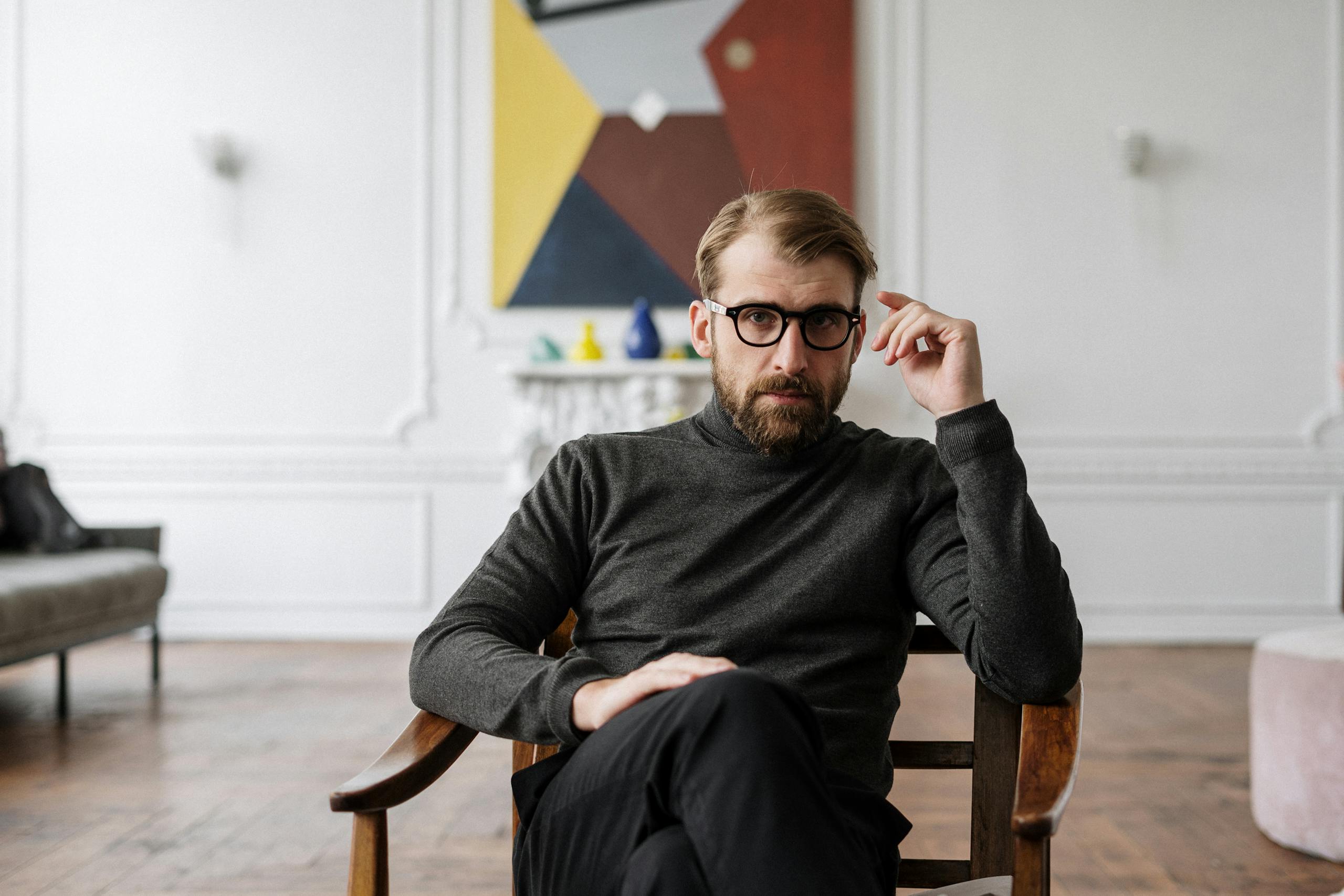
What Changes When You Finally Stop Fighting Your Need for Space?
Something shifts when you stop treating your introversion as a problem to manage and start treating it as a design feature to work with.
For me, the shift happened gradually. There wasn’t a single moment of clarity so much as a slow accumulation of evidence that fighting my own wiring was costing more than it was gaining. The energy I spent performing extroversion, the recovery time I needed after forcing myself into overstimulating situations, the quality of thinking I lost when I didn’t protect adequate solitude. All of it added up to a picture I couldn’t keep ignoring.
When I stopped fighting it, I became better at my work. Not because I changed what I was doing, but because I stopped bleeding energy on the performance of being something I wasn’t. The strategic thinking that had always been my actual strength became more accessible because I was protecting the conditions it required.
My relationships improved too. Counterintuitively, claiming more space made me more present in the space I shared with others. When I wasn’t running on fumes, I was genuinely there. Curious, warm, engaged. The version of me that people actually wanted to be around.
There’s also something that happens to your relationship with yourself when you stop apologizing for how you’re built. A kind of settling. A sense of being at home in your own skin that’s hard to describe but immediately recognizable once you feel it.
Research on introversion and wellbeing suggests that alignment between personality traits and daily behavior patterns plays a meaningful role in life satisfaction. Put simply, when introverts live in ways that match their wiring rather than fight it, they tend to do better. That’s not surprising. But it’s good to have the confirmation.
My obsession with space and alone time isn’t something I’ve outgrown or moderated into something more socially acceptable. If anything, it’s deepened as I’ve gotten older. What’s changed is that I no longer see it as a limitation. It’s the condition under which I do my best thinking, my best work, and my best living. And that’s worth protecting, without apology.
If you want to keep exploring how introverts build environments that support this kind of intentional living, the full Introvert Home Environment hub covers everything from physical space design to the emotional architecture of a life built around your actual needs.
About the Author
Keith Lacy is an introvert who’s learned to embrace his true self later in life. After 20 years in advertising and marketing leadership, including running agencies and managing Fortune 500 accounts, Keith now channels his experience into helping fellow introverts understand their strengths and build fulfilling careers. As an INTJ, he brings analytical depth and authentic perspective to every article, drawing from both professional expertise and personal growth.
Frequently Asked Questions
Is it normal to be obsessed with space and alone time?
Yes, and it’s more common than most people realize. Introverts and highly sensitive people often experience solitude not as a preference but as a genuine need. The nervous system of someone who processes experience deeply requires more recovery time after stimulation than average. Calling this an obsession isn’t an exaggeration. It’s an honest description of how central this need is to daily functioning and wellbeing.
How is needing alone time different from being antisocial?
Antisocial behavior involves hostility toward or disregard for others. Needing alone time is about energy management, not attitude toward people. Many introverts are deeply caring, highly relational people who simply require solitude to restore themselves so they can show up fully in their relationships. The need for space is about how you refuel, not how you feel about connection.
Can needing too much alone time be a sign of something wrong?
Context matters here. Chosen solitude that feels restorative is healthy. Isolation driven by anxiety, depression, or avoidance of necessary connection is worth examining with professional support. The distinction often lies in how the solitude feels: if being alone leaves you feeling restored and capable of connection when you choose it, that’s healthy. If it’s driven by fear or leaves you feeling worse over time, that’s worth exploring further.
How do you maintain relationships when you need a lot of alone time?
Communication and consistency are the foundation. When the people in your life understand that your need for space is about restoration rather than rejection, and when they consistently see you show up more fully after you’ve had that space, the dynamic shifts. It also helps to be specific about what you need rather than vague. “I need about an hour of quiet when I get home before I’m ready to connect” is easier for a partner to work with than a general withdrawal that feels unexplained.
What’s the best way to create more space and alone time in a busy life?
Start with the architecture before the schedule. Design a physical space in your home that signals restoration, even if it’s just a chair in a corner. Then build solitude into your daily rhythm as a non-negotiable rather than something you fit in when everything else is done. Morning quiet before the household activates, a decompression window after work, a low-stimulation evening routine. These structural choices make solitude available without requiring you to fight for it every day.