Being an INFJ with ADHD in a senior role isn’t a contradiction, it’s a specific kind of complexity that most leadership frameworks were never designed to address. You carry extraordinary depth, pattern recognition, and empathic intelligence alongside a brain that resists linear structure, loses threads mid-sentence, and exhausts itself trying to perform consistency it doesn’t naturally possess.
The challenge isn’t choosing between your INFJ gifts and your ADHD reality. The challenge is building a way of working that honors both, without burning yourself out trying to appear like someone you’re not.
If you’re not yet certain about your personality type, take our free MBTI personality test before reading further. Knowing your type with clarity changes how you interpret everything that follows.

Our INFJ Personality Type hub covers the full range of what it means to be this rare, deeply wired type, but adding ADHD into a senior leadership context introduces pressures that deserve their own examination. This article goes there.
What Does INFJ ADHD Actually Feel Like at the Senior Level?
Most ADHD content describes a distracted teenager who can’t sit still. That picture doesn’t fit an INFJ who has spent decades compensating, masking, and developing workarounds sophisticated enough to get them into a director, VP, or C-suite seat. By the time you reach senior leadership, your ADHD has likely been invisible to most people around you, including yourself.
What’s your personality type?
Take our free 40-question assessment and get a detailed personality profile with dimension breakdowns, context analysis, and personalised insights.
Discover Your Type8-12 minutes · 40 questions · Free
What it actually feels like is more subtle and more exhausting. You hyperfocus on problems that fascinate you and completely drop the ball on tasks that bore you, even when those tasks matter. You can deliver a visionary presentation that earns a standing ovation and then forget to send the follow-up email your team was waiting on. Your mind connects dots across complex systems with stunning speed, then freezes when asked to produce a straightforward status report.
A 2023 study published in Frontiers in Psychology found that adults with ADHD frequently develop high-level compensatory strategies that mask their symptoms in professional settings, often leading to late diagnoses and significant accumulated stress. That description will feel familiar to many INFJs in senior roles who assumed their struggles were character flaws rather than neurological patterns.
I spent years in advertising agency leadership wondering why certain kinds of administrative work felt like walking through wet concrete while strategic ideation felt effortless. I chalked it up to preference. Looking back, there was something more structural happening in how my brain allocated attention and energy.
Why the INFJ and ADHD Combination Creates Specific Senior-Level Pressures
INFJs are already operating in a mode that costs more energy than most people realize. Processing depth, absorbing the emotional states of everyone in the room, holding long-range vision while managing present-day complexity, these are not light cognitive loads. ADHD adds an unpredictable variable into that system.
At the senior level, the expectations compound. You’re expected to be consistent, responsive, strategic, and operationally reliable simultaneously. You’re expected to show up the same way on a Tuesday after a draining board meeting as you do on a Monday morning when your thinking is sharp and energized. ADHD doesn’t work that way. Neither does the INFJ nervous system.
There’s also the communication dimension. INFJs process meaning slowly and thoroughly, often needing time to translate internal insight into external language. ADHD can short-circuit that process, causing impulsive verbal responses that don’t match the depth of thinking actually happening underneath. Or it can cause the opposite: a complete shutdown in high-stimulus environments where the brain simply refuses to perform on demand.
Understanding your specific INFJ communication blind spots matters enormously here. The gap between what you mean and what others hear gets wider when ADHD is in the picture, and at senior levels, that gap has real organizational consequences.
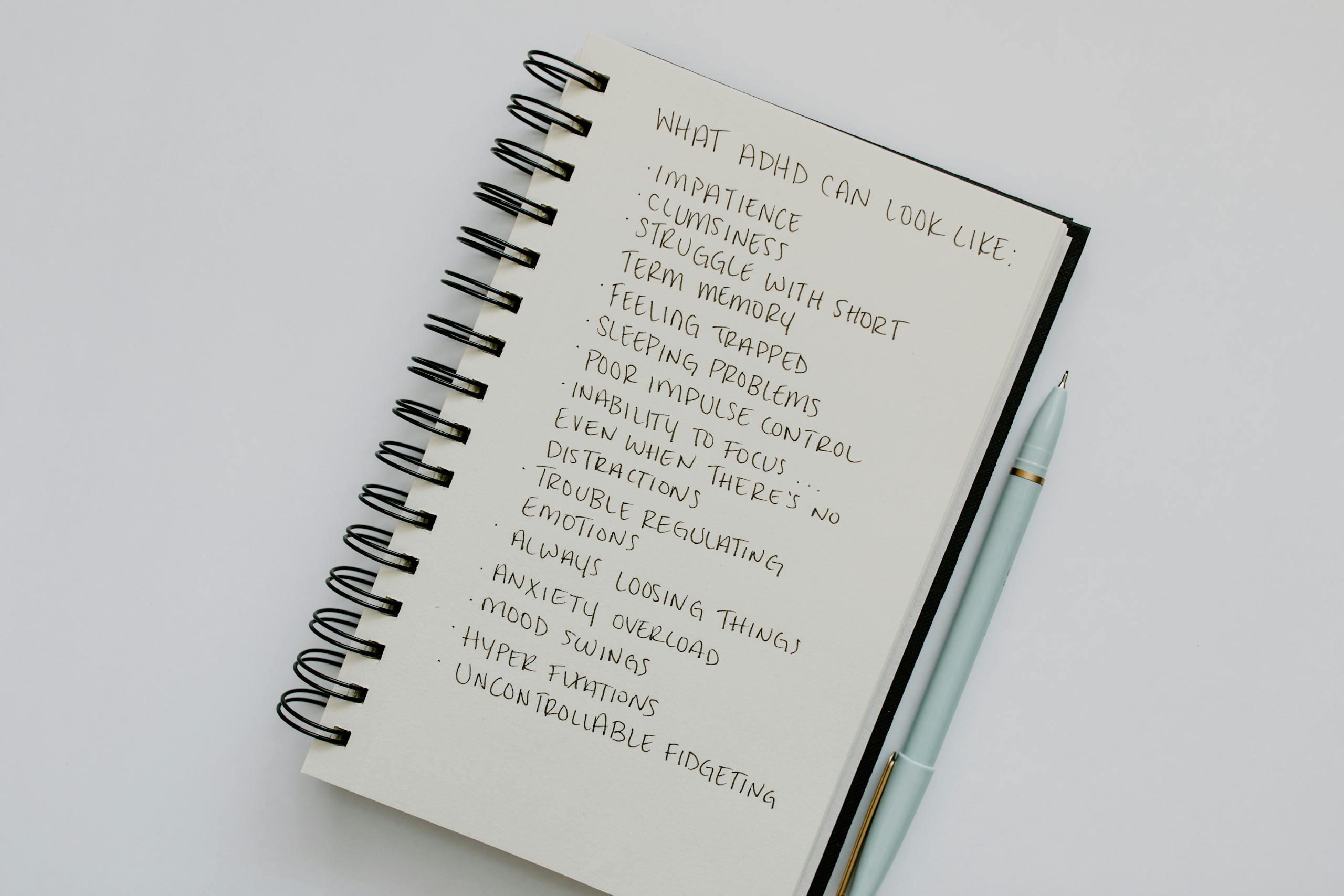
How Does ADHD Affect the INFJ’s Core Strengths in Leadership?
consider this’s worth examining honestly: ADHD doesn’t erase INFJ strengths. In some cases, it amplifies them in unexpected directions.
The INFJ’s capacity for pattern recognition, seeing systemic connections before others do, can be turbocharged by an ADHD brain that processes information non-linearly. Some of the most original strategic thinking I’ve witnessed in agency settings came from people whose brains refused to follow conventional analytical paths. They arrived at insights through routes nobody else would have taken, and those insights were often correct.
The INFJ’s empathic attunement, the ability to sense what’s unspoken in a room, also remains intact. According to Psychology Today, empathy involves both cognitive and affective components, and INFJs tend to operate with particular strength in both. ADHD doesn’t disrupt that capacity. If anything, the ADHD experience of feeling misunderstood, of having a brain that works differently from what’s expected, can deepen an INFJ’s ability to connect with people who feel marginalized or overlooked in organizational settings.
What ADHD does affect is execution reliability and emotional regulation under stress. A 2022 review published in PubMed Central found that emotional dysregulation is a core, often underrecognized feature of ADHD in adults, not simply a secondary symptom. For INFJs who already feel things intensely, this adds another layer of complexity to managing leadership relationships.
At my agency, I had a senior creative director who I now believe was an INFJ with undiagnosed ADHD. She was extraordinary in pitches, in client relationships, in generating ideas that won awards. She was also consistently late on administrative deliverables, struggled in back-to-back meeting days, and occasionally disappeared emotionally after difficult feedback sessions. We didn’t have the language for what was happening. We just knew she needed a different kind of support structure than our standard management approach provided.
What Happens When INFJ ADHD Meets Organizational Conflict?
Conflict is where the INFJ ADHD combination becomes particularly complicated at senior levels. INFJs have a natural aversion to confrontation, a tendency to absorb interpersonal tension rather than address it directly, and a pattern of withdrawing rather than engaging when things get difficult. ADHD adds impulsivity and emotional intensity into that mix in ways that can feel destabilizing.
You might find yourself staying silent through a meeting where something important needs to be said, then blurting out something sharp and unfiltered in a hallway conversation afterward. Or you might carefully prepare for a difficult conversation, only to find your brain completely off-script the moment the actual exchange begins.
The cost of avoiding difficult conversations is real and cumulative. Exploring the hidden cost of keeping peace as an INFJ reveals how much organizational damage accumulates when a senior leader consistently defers rather than addresses what needs addressing. At the executive level, that deferral affects entire teams and cultures.
There’s also the door slam phenomenon that many INFJs recognize in themselves, the abrupt, complete withdrawal from a relationship or situation after a threshold of frustration has been crossed. Understanding why INFJs door slam and what alternatives exist becomes especially important when you’re in a senior role where those withdrawals have organizational ripple effects that extend far beyond the original conflict.
ADHD can accelerate the door slam. The emotional dysregulation piece means the threshold gets crossed faster, sometimes before the INFJ has had time to process whether withdrawal is actually the right response or simply the most immediately relieving one.

How Do INFJs With ADHD Build Influence Without Burning Out?
Senior INFJs don’t typically lead through volume or dominance. Their influence operates through a different mechanism: depth of insight, quality of relationship, and the kind of quiet credibility that builds over time through consistently seeing what others miss. ADHD complicates this because it can disrupt the consistency that quiet influence depends on.
The solution isn’t to force consistency that doesn’t come naturally. That path leads to burnout, and I’ve watched enough talented senior leaders burn out from performing a version of themselves that wasn’t real to know it’s not sustainable. The more productive approach is building systems that create the appearance of consistency while accommodating the reality of how your brain actually functions.
Understanding how INFJ quiet intensity actually works as influence gives you a framework for leveraging your natural strengths without having to perform extroverted leadership behaviors that drain you. The goal is amplifying what you already do well, not replacing it with something foreign.
Practically, this looks like: protecting your high-cognitive-load mornings for strategic work and scheduling administrative tasks in the afternoon when your brain’s performance expectations are lower. It looks like using written communication as your primary channel for complex ideas, giving your INFJ processing depth time to translate before the words leave your mouth. It looks like building a trusted chief of staff or executive assistant relationship where someone else owns the execution tracking that your ADHD brain reliably drops.
According to PubMed Central’s clinical review of ADHD in adults, external structure and environmental scaffolding are among the most evidence-supported management strategies for adult ADHD, more effective in many cases than relying on internal willpower or motivation. For senior leaders, building that scaffolding into your role design rather than treating it as a personal failure is both practical and well-supported by the clinical literature.
What Does Masking Cost an INFJ With ADHD Over Time?
Masking is the term used to describe the effort of hiding neurodivergent traits in order to appear neurotypical. Most INFJs with ADHD who’ve reached senior positions have been masking for a long time, often without realizing it had a name.
The cost is substantial. A 2021 study referenced in PubMed Central found that chronic masking in neurodivergent adults is associated with significantly elevated rates of anxiety, depression, and burnout, particularly in high-stakes professional environments where the performance pressure is sustained. INFJs are already prone to exhaustion from the energy demands of their personality type. Add years of ADHD masking, and the cumulative toll becomes serious.
At the senior level, masking looks like over-preparing for every meeting to compensate for the fear of losing your thread mid-sentence. It looks like staying late to redo work that your ADHD brain scattered during the day. It looks like the performance of calm organizational capability that costs you three times what it costs your colleagues, because they’re not running a parallel system of compensatory effort underneath everything they do.
I remember a period running my agency when I was working extraordinary hours not because the workload genuinely required it, but because I needed extra time to compensate for the ways my brain worked against standard productivity. I wasn’t inefficient. I was spending enormous energy managing around my own cognitive patterns rather than with them. The distinction matters, and recognizing it is the first step toward a more sustainable approach.
How Should an INFJ With ADHD Approach Team Relationships at Senior Levels?
One of the most important things a senior INFJ with ADHD can do is stop expecting their team relationships to function the same way other leaders’ team relationships do. Your team will experience you differently, and that’s not a problem to fix. It’s a reality to manage thoughtfully.
Your team will see your vision clearly and your follow-through inconsistently. They’ll be inspired by your depth in one-on-one conversations and sometimes confused by your apparent absence when you’re overwhelmed and have gone internal. They’ll value your empathy and occasionally feel the sting of a sharp comment that came out during an ADHD moment of emotional dysregulation before your INFJ filter caught it.
Transparency helps, though it requires calibration. Disclosing ADHD in senior roles is a personal decision with real professional considerations. What you can do without full disclosure is be honest about how you work best. Telling your team “I process complex ideas better in writing than in real-time discussion” or “I need 24 hours to give you a considered response on strategic questions” isn’t vulnerability that undermines authority. It’s self-aware leadership that models the kind of honest communication you want your team to practice.
The parallel challenges that INFPs face in workplace dynamics offer useful perspective here. Looking at how INFPs approach hard conversations without losing themselves and why INFPs take conflict so personally can illuminate patterns that introverted, feeling-dominant types share across the spectrum, even when the specific cognitive profiles differ.

What Practical Structures Actually Help INFJ ADHD Senior Leaders?
Structure designed for ADHD often feels counterintuitive to INFJs, who tend to resist rigid systems in favor of organic, intuition-driven approaches. The productive middle ground is what some executive coaches call “minimum viable structure,” enough scaffolding to catch what ADHD drops, without so much rigidity that it suffocates the INFJ’s need for flexibility and depth.
Some specific approaches that work at the senior level:
Weekly review rituals with a trusted partner. Not a formal performance review, a brief check-in with your chief of staff, executive assistant, or a trusted peer where you surface what fell through the cracks in the past week and reset priorities. The external accountability catches what your ADHD brain quietly drops without you noticing.
Written thinking as a leadership practice. INFJs think deeply in writing. ADHD brains benefit from externalizing thoughts rather than holding them in working memory. A weekly written reflection, even a few paragraphs, serves both needs simultaneously and creates a record of your thinking that you can reference when your brain loses the thread.
Meeting design that fits your neurology. Back-to-back meetings are genuinely harmful for ADHD brains, not a preference issue but a functional one. At the senior level, you often have enough authority to design your calendar. Use it. Build transition time between meetings, protect at least one morning per week for deep work, and stop treating your calendar as a public resource that anyone can fill.
Delegation that’s honest about your gaps. Senior leaders delegate strategically. INFJ ADHD senior leaders need to delegate specifically around their ADHD vulnerabilities: administrative tracking, deadline management, follow-through on routine communications. Framing this as strategic delegation rather than personal failure changes both how you approach it and how your team receives it.
Hyperfocus as a scheduled resource. ADHD hyperfocus, the capacity for sustained, intense concentration on something genuinely engaging, is one of the most powerful tools available to a senior leader when it’s channeled intentionally. Block time for the work that pulls your full attention. Protect those blocks fiercely. That’s where your best strategic contribution lives.
When Does the INFJ ADHD Pattern Become a Systemic Problem?
There’s a point where individual coping strategies stop being enough and the pattern itself needs addressing at a deeper level. For INFJ ADHD senior leaders, that point often arrives quietly, without a dramatic crisis to mark it.
Signs worth taking seriously: your team has stopped bringing you operational problems because they’ve learned you won’t reliably follow through. Your relationships with peers have become strained because your inconsistency reads as disrespect. You’re arriving at important meetings underprepared despite having intended to prepare. You’re experiencing a persistent sense of shame about the gap between your internal capability and your external performance.
These patterns don’t mean you’re failing as a leader. They mean the scaffolding you’ve built isn’t sufficient for the demands of your current role, and something needs to change. That might mean formal ADHD assessment and treatment if you haven’t pursued that. It might mean a structural change to your role that better matches your cognitive profile. It might mean a more honest conversation with your organization about what you need to perform at your best.
Healthline’s overview of empathic sensitivity is worth reading in this context, because INFJs often absorb organizational stress in ways that exacerbate ADHD symptoms. When the environment is dysregulated, the INFJ nervous system goes into overdrive, and ADHD executive function deteriorates further. Managing your own emotional environment is a leadership skill, not a luxury.
The 16Personalities framework describes INFJs as deeply idealistic and prone to taking on more than is sustainable when they care about the mission. That idealism, combined with ADHD’s difficulty with self-monitoring, creates a specific risk of overcommitment followed by collapse. Recognizing the pattern is the first step to interrupting it before it becomes a crisis.

What Does Sustainable Senior Leadership Look Like for INFJ ADHD?
Sustainable looks different for every person, but for INFJ ADHD senior leaders, it tends to share certain qualities. It’s a role where your vision and empathy are genuinely valued, not just tolerated. It’s an environment that has enough structure to catch your gaps without so much rigidity that it crushes your depth. It’s a team that understands how you communicate and gives you the space to do it in ways that actually work for your brain.
It also means accepting that you will never be a perfectly consistent, operationally flawless leader. That’s not your contribution. Your contribution is the quality of insight you bring to complex problems, the depth of connection you create with people who feel unseen, and the long-range vision that keeps organizations pointed toward something worth building. Those are rare. They’re worth protecting.
Late in my agency career, I stopped trying to be the kind of leader I’d read about in business books. The ones who thrived on high-energy team environments, who loved the performance of leadership, who seemed energized by the things that drained me. I started building a leadership approach that fit how I actually worked. It was quieter, more deliberate, more reliant on written communication and one-on-one depth than group dynamics. My team adjusted. The work got better. My health improved.
That shift didn’t happen because I figured out how to mask more effectively. It happened because I stopped masking and started designing.
If you want to go deeper on what it means to be an INFJ in all its complexity, the full INFJ Personality Type resource hub covers everything from communication patterns to career fit to the emotional landscape that makes this type both extraordinary and exhausting to inhabit.
About the Author
Keith Lacy is an introvert who’s learned to embrace his true self later in life. After 20 years in advertising and marketing leadership, including running agencies and managing Fortune 500 accounts, Keith now channels his experience into helping fellow introverts understand their strengths and build fulfilling careers. As an INTJ, he brings analytical depth and authentic perspective to every article, drawing from both professional expertise and personal growth.
Frequently Asked Questions
Can an INFJ with ADHD be effective in a senior leadership role?
Yes, and many are. INFJ ADHD senior leaders often bring exceptional strategic vision, deep empathy, and non-linear thinking that produces original insights. The challenge lies in building sufficient external structure to support execution reliability, since ADHD affects follow-through and consistency more than it affects intelligence or insight. With the right scaffolding, delegation strategy, and role design, INFJ ADHD leaders can be among the most impactful people in an organization.
How does ADHD affect INFJ emotional regulation in senior roles?
ADHD involves emotional dysregulation as a core feature, not just a secondary symptom. For INFJs, who already process emotion with considerable depth and intensity, this means the threshold for emotional overwhelm can be lower than expected, and recovery from difficult interactions takes longer. In senior roles, this shows up as difficulty maintaining composure in high-stimulus environments, occasional impulsive verbal responses that don’t match the INFJ’s usual thoughtfulness, and a need for more recovery time after conflict or high-demand periods than colleagues might anticipate.
Should an INFJ with ADHD disclose their diagnosis at work?
Disclosure is a personal decision with real professional considerations that vary by organization, industry, and relationship context. Full disclosure isn’t required to get meaningful accommodation. Many INFJ ADHD senior leaders find that communicating their working preferences clearly, such as needing time to process before responding to complex questions, preferring written communication for detailed information, or requiring uninterrupted blocks for strategic work, achieves much of what they need without formal disclosure. Where formal accommodations are needed, consulting HR about the process and protections available is a practical first step.
What are the biggest ADHD-related risks for INFJs in senior positions?
The most significant risks include chronic masking leading to burnout, inconsistent execution eroding team trust over time, the door slam pattern being accelerated by emotional dysregulation, and overcommitment driven by INFJ idealism combined with ADHD’s difficulty in accurately estimating time and capacity. Recognizing these patterns early and building structural responses to each, rather than relying on willpower or motivation, significantly reduces the risk of these patterns becoming career-limiting problems.
How can an INFJ with ADHD improve their influence in senior roles without burning out?
Sustainable influence for INFJ ADHD senior leaders comes from working with their natural strengths rather than against their neurological reality. This means protecting deep work time for strategic thinking where INFJ insight is strongest, using written communication to give ideas the processing depth they deserve, building trusted relationships with people who complement execution gaps, and designing calendar and meeting structures that accommodate ADHD’s sensitivity to cognitive load. Influence built on authentic depth and genuine relationship is more durable than influence built on performing a consistency that costs too much to maintain.