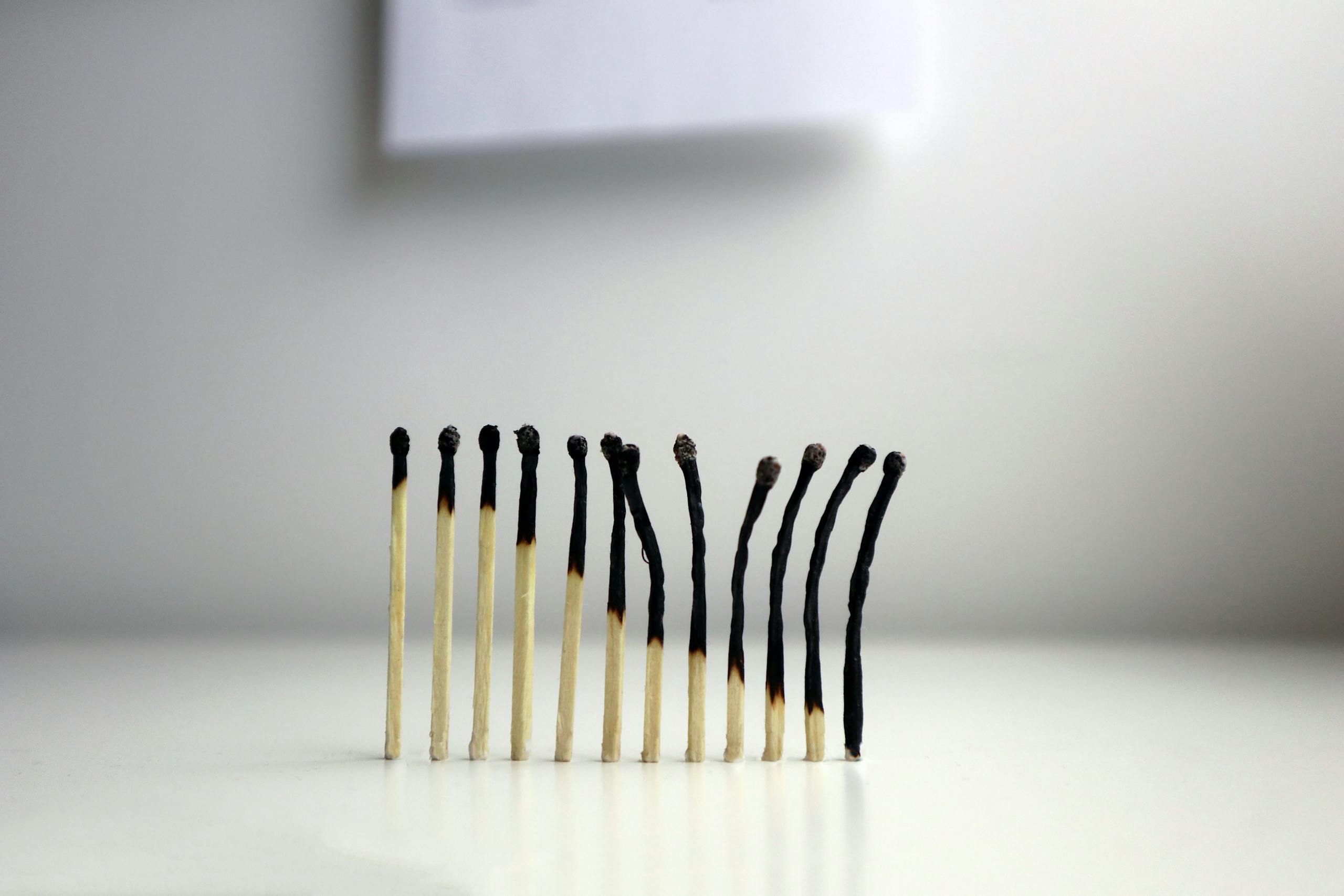

INFJ burnout while caregiving happens when someone wired to feel everything, fix everything, and hold everyone together finally runs out of the internal resources they never knew were finite. It’s not laziness, and it’s not weakness. It’s what happens when the deepest empaths among us pour from a cup they forgot to refill.
If you’re an INFJ who has taken on a caregiving role, whether for an aging parent, a partner managing chronic illness, or a child with complex needs, you already know the particular exhaustion that comes from caring at the level your personality demands. You don’t just help. You absorb. And absorption, over time, has a cost.
What follows is an honest look at why this burnout hits INFJs so hard, what it actually feels like from the inside, and how you might find your way back to yourself without abandoning the people who need you.
Before we go further, I want to point you toward our broader INFJ Personality Type hub, where we explore the full emotional and psychological landscape of this rare personality type. The caregiving piece is one of the most overlooked dimensions of what it means to be an INFJ, and it deserves its own honest conversation.

Why Does Caregiving Hit INFJs Differently Than Other Types?
Most people who study the MBTI framework agree that INFJs are among the most empathically oriented personality types. Their dominant function, Introverted Intuition, gives them an almost eerie ability to read beneath the surface of situations. Their auxiliary function, Extraverted Feeling, orients them outward toward the emotional needs of others. That combination creates someone who not only notices what people need, but genuinely feels compelled to meet those needs.
What’s your personality type?
Take our free 40-question assessment and get a detailed personality profile with dimension breakdowns, context analysis, and personalised insights.
Discover Your Type8-12 minutes · 40 questions · Free
In a caregiving context, that wiring becomes both a gift and a vulnerability.
An INFJ caregiver doesn’t just manage medications and appointments. They track the subtle shift in their mother’s mood before she’s said a word. They sense when their partner is masking pain to protect them. They lie awake at night processing the emotional weight of the day, replaying conversations, wondering if they said the right thing, worrying about what tomorrow might bring. The caregiving never fully stops because the internal processing never fully stops.
I’ve seen this pattern play out in my own life, though in a different arena. During my agency years, I managed teams, client relationships, and creative output simultaneously. I’m an INTJ, so my empathy runs differently than an INFJ’s, more analytical, less absorptive. But even I noticed how the people on my teams who seemed to care the most, who stayed late not because they had to but because they genuinely couldn’t leave a problem unsolved, were consistently the ones who burned out hardest. The capacity for deep investment is also the mechanism for depletion.
For INFJs, that mechanism runs at a higher frequency than almost any other type. A 2022 study published in PubMed Central found that caregiver burnout is significantly associated with emotional exhaustion and a diminished sense of personal accomplishment, two experiences that map almost perfectly onto what INFJs describe when they talk about hitting their wall.
Add to this the INFJ’s tendency to suppress their own needs in service of others, and you have a slow-motion crisis that often goes undetected until it’s serious. If you’re not sure whether you’re an INFJ or want to confirm your type before reading further, our free MBTI personality test is a good place to start.
What Does INFJ Caregiver Burnout Actually Feel Like?
Burnout doesn’t announce itself with a dramatic collapse. For INFJs especially, it creeps in through the back door, disguised as productivity, disguised as love, disguised as just getting through the week.
consider this it often looks like in practice.
You start to feel emotionally flat in situations that used to move you. The sunset that once made you pause now just means it’s getting dark. Music that used to reach something deep inside you plays in the background without landing. You’re present in the room but absent from your own experience.
You become irritable in ways that feel foreign to your identity. INFJs are typically patient, measured, and slow to anger. So when you snap at someone you love over something small, it’s disorienting. You don’t recognize yourself in that moment, and the guilt that follows adds another layer of weight to an already heavy load.
Your intuition, the thing you’ve always relied on, starts to feel unreliable. You second-guess yourself constantly. You can’t read situations the way you used to. That internal compass that always pointed somewhere meaningful now spins without settling.
Physical symptoms show up too. Chronic fatigue, disrupted sleep, headaches, a lowered immune system. The National Institute of Mental Health has documented the link between chronic stress and depression, and caregiver burnout is one of the clearest pathways into that territory, particularly for people whose nervous systems are already running at high sensitivity.
And perhaps most painfully, you start to resent the person you’re caring for, even while loving them deeply. That dual experience, love and resentment occupying the same heart, is one of the most disorienting aspects of INFJ caregiver burnout. You feel guilty for feeling it, which compounds the exhaustion.

Why Do INFJs Struggle to Ask for Help?
This is the piece that often surprises people who don’t know INFJs well. From the outside, an INFJ caregiver can look remarkably capable. They’re organized, thoughtful, and emotionally attuned. They anticipate needs before they’re voiced. They hold the family together during a crisis with a quiet steadiness that others lean on.
What people don’t see is how rarely that same INFJ reaches back for support.
Part of this comes from the INFJ’s deep-seated belief that their role is to be the helper, not the helped. Asking for support can feel like a fundamental identity violation, like stepping out of the only version of themselves they trust. Part of it also comes from a fear of burdening others, a fear that runs so deep it often operates below conscious awareness.
There’s also the communication piece. INFJs often struggle to articulate their own needs with the same precision they bring to understanding everyone else’s. The inner world is rich and complex, but translating it into words that others can act on is genuinely hard. Our piece on INFJ communication blind spots explores this in depth, including the specific ways that self-expression breaks down for this type even when the intention to communicate is strong.
And then there’s the INFJ’s particular relationship with conflict. Asking for help sometimes means having a hard conversation, admitting that the current arrangement isn’t working, telling someone they need to step up. INFJs would often rather absorb more pain than initiate that kind of friction. The hidden cost of keeping peace for INFJs is real, and in a caregiving context, it accumulates quietly until the weight becomes crushing.
I watched this dynamic play out with a senior creative director at my agency, someone who was also quietly managing a parent’s declining health while maintaining a full workload. She never asked for flexibility. She never mentioned she was struggling. She just kept showing up, kept delivering, kept absorbing, until one day she didn’t come back. The cost of not asking was far higher than any conversation could have been.
How Does the INFJ’s Empathy Become a Liability in Long-Term Caregiving?
Empathy is one of the INFJ’s most celebrated traits. It’s what makes them extraordinary caregivers in the first place. They tune in at a frequency most people can’t access. They know when something is wrong before it surfaces. They provide comfort that feels genuinely seen, not just performed.
In short-term caregiving situations, that empathy is almost entirely an asset. In long-term caregiving, without intentional management, it becomes a source of chronic depletion.
The American Psychological Association has written extensively about the relationship between social connection and wellbeing, noting that the quality of our relationships, not just their presence, determines their psychological impact. For INFJs, the intensity of their empathic connection means that a caregiving relationship, even a loving one, can become the primary drain on their emotional reserves when it operates without any reciprocity or relief.
What happens over time is a process that researchers sometimes call compassion fatigue. The INFJ’s nervous system, already running at high sensitivity, becomes overwhelmed by sustained exposure to another person’s suffering. The empathy doesn’t disappear, but it starts to feel like a wound rather than a gift.
A 2016 study in PubMed Central found that emotional exhaustion in caregivers is closely tied to the degree of emotional involvement they bring to the role. The more invested the caregiver, the higher the burnout risk. INFJs, almost by definition, invest at the highest level.
This is also where the INFJ’s famous “door slam” tendency becomes relevant. After months or years of absorbing emotional pain without adequate support, some INFJs reach a point of complete withdrawal. It’s not cruelty. It’s a nervous system in self-protection mode. But in a caregiving context, that impulse can create its own crisis. Understanding why INFJs door slam and what alternatives exist can be genuinely life-changing for someone in this situation.

What Does Recovery Actually Look Like for an INFJ Caregiver?
Recovery from INFJ caregiver burnout is not a checklist. It’s not a weekend retreat or a self-care routine you can bolt onto an already overloaded life. It’s a genuine recalibration, and it requires taking the INFJ’s specific wiring seriously rather than applying generic burnout advice.
Start with solitude, real solitude, not just being alone in the house while your mind races through tomorrow’s responsibilities. INFJs restore through genuine internal quiet. That means time without input, without the emotional field of another person’s needs pressing in. Even twenty minutes of that kind of solitude, consistently, begins to rebuild what caregiving depletes.
Reconnect with your own inner life. Burnout often disconnects INFJs from the very thing that makes them feel most like themselves: their rich internal world, their sense of meaning, their vision of what they’re building. Journaling, creative work, long walks, anything that lets the inner voice speak without interruption, these aren’t luxuries. They’re maintenance.
Find one person you can tell the truth to. Not a vague “I’m tired” but the real thing: “I’m not okay, and I don’t know how much longer I can do this.” INFJs often have one or two relationships capable of that depth. Use them. The Psychology Today overview of introversion notes that introverts often find deep one-on-one connection more restorative than broader social engagement, which is worth remembering when you’re tempted to isolate completely.
Consider professional support. A therapist who understands personality type and caregiver dynamics can provide something that friends and family often can’t: a space where you are the one being held, not the one holding. Psychology Today’s therapist directory is a solid starting point for finding someone who fits.
And then comes the harder work: restructuring the caregiving arrangement itself. That often means conversations you’ve been avoiding, asking other family members to take on more, setting limits on what you can realistically provide, acknowledging that doing everything is not sustainable and not actually serving anyone well. The INFJ’s influence doesn’t require martyrdom. In fact, how quiet INFJ intensity actually works suggests that your impact is often greater when you’re operating from a place of genuine capacity rather than depletion.
How Can an INFJ Set Limits Without Feeling Like They’re Abandoning Someone?
This is the question I hear most often from INFJs in caregiving situations, and it cuts to the heart of their particular struggle. Setting limits feels, to an INFJ, like a moral failure. Like choosing themselves over someone who needs them. Like becoming someone they don’t want to be.
That framing is worth examining carefully, because it’s doing a lot of damage.
Limits in caregiving are not the same as abandonment. They are the difference between caregiving that is sustainable and caregiving that collapses. An INFJ who burns out completely cannot care for anyone. The person they’re trying to protect ends up losing them anyway, just more dramatically and with more collateral damage.
Setting a limit might look like saying you can’t be available by phone after 9 PM. It might mean telling a sibling that you need them to take over on weekends. It might mean acknowledging that a level of professional care is now required that you cannot provide alone. None of these things are abandonment. They are honest assessments of what is real.
The communication piece matters enormously here. INFJs often approach these conversations with so much anxiety about the other person’s reaction that they either avoid them entirely or frame them so softly that the message doesn’t land. Some of the patterns that apply to other introverted types are instructive here too. The way INFPs approach hard conversations without losing their sense of self offers some useful parallel thinking, particularly around how to stay grounded in your values while still being direct.
Similarly, the tendency that INFPs have of taking conflict personally mirrors something INFJs experience too: the sense that any pushback on a limit is evidence that the limit was wrong. It isn’t. Pushback is just the other person’s reaction, and it doesn’t override your legitimate need.
At my agency, we had a phrase we used when a project was heading toward scope creep: “What are we willing to stop doing?” It sounds simple, but it required real honesty about capacity. The same question applies here. Not “how can I do more?” but “what am I willing to stop doing so that what remains is actually sustainable?”

What Role Does Identity Play in INFJ Caregiver Burnout?
One of the most underexplored dimensions of INFJ burnout in caregiving is what happens to identity when the role consumes everything else.
INFJs have a strong sense of who they are at their core. Their values, their vision, their sense of meaning, these aren’t peripheral to them. They’re central. When caregiving expands to fill every available hour and every available emotional resource, those core elements get crowded out. The INFJ stops being a person with a rich inner life who also happens to be caregiving, and starts being only a caregiver.
That shift is subtle at first. You stop reading the books you used to love because you don’t have the concentration. You stop pursuing the creative work that used to light you up because there isn’t time. You stop having conversations that go anywhere interesting because you’re too tired to sustain depth. The things that made you feel most like yourself quietly disappear, and one day you look up and don’t quite recognize who’s left.
This is worth naming explicitly because INFJs sometimes feel guilty for mourning this loss. “I should be focused on the person I’m caring for, not on my own sense of self.” But identity erosion is a clinical component of caregiver burnout, not a character flaw. Protecting your sense of self isn’t selfishness. It’s what makes continued caregiving possible.
The 16Personalities framework describes INFJs as people who are driven by a deep need for meaning and purpose. When that need goes unmet for extended periods, something fundamental breaks down. Recovery requires actively reclaiming space for meaning, not just managing symptoms of exhaustion.
I spent years in my agency career letting the work consume my identity in ways that weren’t healthy. The job was demanding and I was good at it, so it was easy to let it become everything. What I eventually understood was that the work got better, not worse, when I maintained the parts of myself that existed outside it. The same logic applies here, perhaps even more urgently.
When Should an INFJ Caregiver Seek Outside Help?
The honest answer is: sooner than feels necessary.
INFJs are extraordinarily good at convincing themselves they’re fine. They have high pain tolerance, strong internal resources, and a deep commitment to not being a burden. By the time an INFJ acknowledges they need help, they’ve often been in crisis for months.
Some specific signals worth paying attention to. Persistent emotional numbness that doesn’t lift after rest. Intrusive thoughts about wanting to escape the caregiving situation entirely. Physical symptoms that keep recurring without clear medical cause. A growing sense of hopelessness about the future. Increasing difficulty feeling anything positive, even in moments that used to bring genuine joy.
Any of those signals, individually or in combination, is a reason to reach out for professional support. Not because you’ve failed, but because you’ve been carrying something heavy for a long time and you deserve the same quality of care you’ve been extending to someone else.
Caregiver support groups, both in-person and online, can also be meaningful for INFJs who find that talking to someone who truly understands the experience provides a different kind of relief than general therapy. The combination of being understood and being with others who are in similar situations addresses both the isolation and the need for depth that INFJs carry.
There’s also the question of whether the caregiving arrangement itself needs to change structurally, not just emotionally. Professional in-home care, respite care programs, or facility-based options may be worth exploring not as admissions of failure but as legitimate parts of a sustainable plan. The U.S. Bureau of Labor Statistics Occupational Outlook Handbook documents the growing range of professional caregiving roles precisely because family caregivers cannot and should not be expected to do everything alone.
What Strengths Does the INFJ Bring to Caregiving, Even Through Burnout?
It would be incomplete to talk about INFJ caregiver burnout without acknowledging what INFJs bring to caregiving that is genuinely extraordinary.
Their intuitive attunement means they often catch health changes before they become crises. Their patience runs deep. Their ability to create emotional safety for someone who is frightened or in pain is rare and real. Their commitment to the people they love is not performance. It’s bone-deep.
Burnout doesn’t negate those strengths. It obscures them, temporarily, under the weight of depletion. Recovery doesn’t create new strengths. It restores access to the ones that were always there.
The INFJ who learns to care for themselves with even a fraction of the intentionality they bring to caring for others becomes a more effective caregiver, not a less devoted one. That’s not a consolation. It’s a structural truth about how human beings work.
If you’re in the middle of this right now, I want to say something directly: the fact that you’re reading this, that you’re trying to understand what’s happening and find a way through it, already says something important about who you are. You haven’t given up. You’re just looking for a way to keep going that doesn’t require giving yourself up in the process.
That’s worth something. Actually, it’s worth quite a lot.
Our complete INFJ Personality Type hub has more resources on the emotional, relational, and professional dimensions of this personality type, including pieces that go deeper on boundaries, communication, and what sustainable connection looks like for INFJs over the long term.
About the Author
Keith Lacy is an introvert who’s learned to embrace his true self later in life. After 20 years in advertising and marketing leadership, including running agencies and managing Fortune 500 accounts, Keith now channels his experience into helping fellow introverts understand their strengths and build fulfilling careers. As an INTJ, he brings analytical depth and authentic perspective to every article, drawing from both professional expertise and personal growth.
Frequently Asked Questions
Why are INFJs particularly vulnerable to caregiver burnout?
INFJs absorb the emotional states of the people around them at a level most other types don’t experience. Their dominant Introverted Intuition processes everything beneath the surface, while their auxiliary Extraverted Feeling orients them constantly toward others’ needs. In a long-term caregiving role, this combination means they’re running at full emotional capacity nearly all the time, without the natural breaks that would allow recovery. Add in their tendency to suppress their own needs and avoid asking for help, and you have a personality type that is structurally at high risk for caregiver burnout.
What are the early warning signs of INFJ caregiver burnout?
Early signs often include emotional flatness, a sense of going through the motions without genuine feeling, uncharacteristic irritability, difficulty with the intuitive clarity that usually comes naturally, disrupted sleep, and a growing sense of resentment toward the person being cared for. INFJs often dismiss these signals as temporary fatigue rather than recognizing them as early burnout indicators, which is why the condition frequently progresses further than it needs to before being addressed.
How can an INFJ set caregiving limits without feeling guilty?
Reframing limits as sustainability measures rather than acts of selfishness is a meaningful starting point. An INFJ who burns out completely cannot care for anyone, so maintaining limits is actually in service of the caregiving relationship, not opposed to it. Practically, this means identifying one or two non-negotiable recovery practices and treating them as fixed commitments, being direct about what you can and cannot provide rather than letting resentment build silently, and recognizing that other people’s discomfort with your limits is their reaction to manage, not evidence that your limits are wrong.
What recovery practices work best for INFJs dealing with burnout?
INFJs recover through genuine solitude, meaning time without input or the emotional presence of others, not just physical aloneness. Reconnecting with meaningful personal projects, creative work, or deep reading helps restore the inner life that caregiving often crowds out. One honest conversation with a trusted person about the real state of things can provide significant relief. Professional therapy, particularly with someone who understands personality type and caregiver dynamics, offers a space where the INFJ is held rather than holding. Structural changes to the caregiving arrangement, such as involving other family members or accessing respite care, address the root cause rather than just managing symptoms.
When should an INFJ caregiver seek professional support?
Earlier than feels necessary, given how skilled INFJs are at convincing themselves they’re managing. Specific signals that warrant professional support include persistent emotional numbness that doesn’t lift after rest, intrusive thoughts about escaping the caregiving situation, recurring physical symptoms without clear medical cause, growing hopelessness about the future, and increasing difficulty experiencing positive emotion even in circumstances that used to bring genuine joy. Any of these signals, individually or together, is a legitimate reason to seek help, not a sign of failure.