

Your thirties and early forties as an INFJ bring a unique set of challenges and opportunities that can feel both overwhelming and transformative. During these pivotal years, many INFJs find themselves questioning everything they thought they knew about their path while simultaneously gaining clarity about their authentic selves. This life stage often marks the transition from trying to fit external expectations to finally embracing the depth and complexity that makes you who you are.
I remember sitting in my corner office at 38, surrounded by the trappings of what looked like success, yet feeling more disconnected from myself than ever. The advertising world demanded constant networking, quick decisions, and surface-level interactions that left me drained. It wasn’t until I started understanding my INFJ personality that I realized why this stage of life felt so turbulent. You’re not broken if you’re struggling during these years, you’re evolving.

The mid-career phase for INFJs isn’t just about professional advancement or family milestones. It’s about reconciling the idealistic visions you held in your twenties with the complex realities of adult life. Research from Psychology Today shows that personality development continues well into our forties, with significant shifts often occurring during what psychologists call the “midlife transition.” For INFJs, this period can be particularly intense due to your natural tendency toward introspection and your drive for authenticity.
Understanding how your cognitive functions mature during this stage becomes crucial for navigating the challenges ahead. Our MBTI Introverted Diplomats hub explores the full spectrum of INFJ and INFP experiences, but this particular life stage deserves special attention because it’s when many INFJs either find their stride or feel completely lost.
What Makes Mid-Career Different for INFJs?
The years between 36 and 45 represent a critical juncture for INFJs because this is when your dominant Introverted Intuition (Ni) reaches its full maturity. Unlike your twenties, when you might have been more willing to compromise your values for external validation, your late thirties bring an urgent need for alignment between your inner vision and outer reality.
What’s your personality type?
Take our free 40-question assessment and get a detailed personality profile with dimension breakdowns, context analysis, and personalised insights.
Discover Your Type8-12 minutes · 40 questions · Free
During my agency years, I watched colleagues my age seem to hit their professional stride while I felt increasingly restless. What I didn’t understand then was that INFJs often experience what feels like a “second adolescence” during this period. Your auxiliary Extraverted Feeling (Fe) function, which helped you navigate social expectations in your twenties and early thirties, starts to feel less satisfying if it’s not serving your authentic self.
The contradictory nature of INFJ traits becomes more pronounced during this stage. You might find yourself simultaneously craving solitude and meaningful connection, wanting to help others while feeling overwhelmed by their needs, or having clear visions for the future while feeling stuck in present circumstances.
According to research on adult development and midlife transitions from the National Center for Biotechnology Information, this period often brings increased self-awareness but also heightened sensitivity to life’s limitations. For INFJs, who naturally think in terms of potential and possibility, confronting these limitations can trigger what feels like an existential crisis.
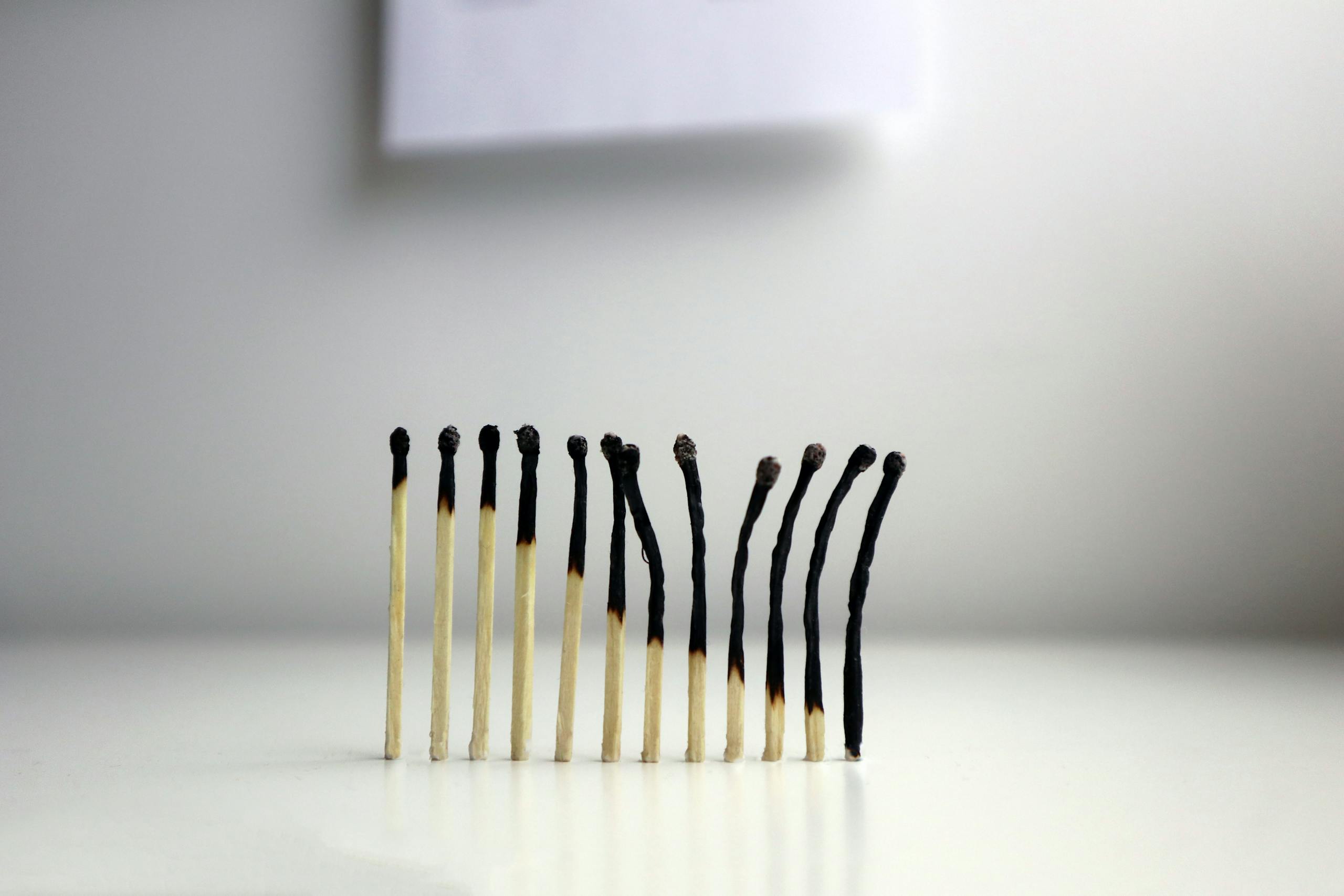
How Do Career Expectations Shift During This Phase?
By your late thirties, the career path that once seemed promising might start feeling hollow. This isn’t failure, it’s your INFJ nature demanding more meaningful work. The challenge lies in making this transition without completely destabilizing your life, especially if you have family responsibilities or financial obligations.
I spent three years in my early forties slowly transitioning from traditional advertising to work that felt more aligned with my values. The process was messy and uncertain, but it taught me that INFJs often need to create their own career paths rather than following conventional routes. Your tertiary Introverted Thinking (Ti) function, which develops more fully during this stage, helps you analyze what’s truly working versus what you’ve been told should work.
Many INFJs in this life stage find themselves drawn to roles that combine their natural empathy with their need for intellectual stimulation. This might mean shifting from corporate roles to consulting, from management to mentoring, or from broad responsibilities to specialized expertise. The key is recognizing that your career needs are evolving, not that you’re becoming difficult or unrealistic.
Studies from the American Psychological Association indicate that career satisfaction often dips in the late thirties before rebounding in the mid-forties, particularly for individuals with strong values-based orientations. For INFJs, this pattern is especially pronounced because your work must align with your sense of purpose to feel sustainable.
The financial reality of this transition can be daunting. Unlike your twenties, when you might have been more willing to take risks, your late thirties often come with mortgages, family responsibilities, and the pressure to maintain a certain lifestyle. This creates tension between your growing need for authentic work and practical constraints that feel non-negotiable.
Why Do Relationships Feel More Complex Now?
The relationships that sustained you through your twenties and early thirties might start feeling insufficient during this phase. It’s not that you’re becoming antisocial, it’s that your need for depth and authenticity in connections becomes more pressing. Surface-level friendships that once felt adequate now leave you feeling drained and misunderstood.
If you’re married or in a long-term partnership, this stage can bring both challenges and opportunities for deeper connection. Your partner might not understand why you’re suddenly questioning everything or why you need more space for introspection. The hidden dimensions of your personality that you’ve kept private might start demanding expression, which can feel threatening to relationships built on your more accommodating Fe function.

Parenting as an INFJ during this stage brings its own complexities. You want to be present and nurturing for your children while also honoring your own need for solitude and reflection. The constant demands of family life can feel overwhelming when you’re already struggling with your own identity questions. I learned to frame this not as selfishness but as modeling authenticity for my children.
Friendships often require renegotiation during this period. You might find yourself naturally pulling back from social commitments that feel obligatory rather than nourishing. This can create guilt, especially if you’ve been the reliable friend who always shows up. Learning to prioritize quality over quantity in relationships becomes essential for your mental health.
Research from the National Institute of Mental Health shows that social connections remain crucial for mental health throughout adulthood, but the nature of those connections can shift significantly. For INFJs, this often means moving from larger social circles to smaller, more intimate groups of people who truly understand and appreciate your depth.
What Internal Changes Are Happening During This Stage?
The internal landscape of an INFJ in their late thirties and early forties is often characterized by what feels like competing forces. Your Ni function is generating increasingly clear visions of what you want your life to become, while your Fe function is still concerned with maintaining harmony and meeting others’ expectations. This tension can create a sense of being pulled in different directions.
Your inferior Extraverted Sensing (Se) function, which governs your relationship with the present moment and physical world, often becomes more prominent during this stage. This might manifest as sudden interests in fitness, travel, or sensory experiences that you previously ignored. Some INFJs interpret this as a midlife crisis, but it’s actually a natural part of personality development.
I remember becoming obsessed with hiking in my early forties after years of being completely sedentary. What felt like random behavior was actually my Se function demanding attention after decades of being suppressed. These impulses aren’t distractions from your “real” personality, they’re integrations that can lead to greater wholeness.
The development of your Ti function during this stage often brings increased criticism of systems and structures you previously accepted. You might find yourself questioning everything from your career industry to your religious beliefs to your political affiliations. This isn’t rebellion for its own sake, it’s your analytical function finally having enough life experience to make independent judgments.
Studies on adult development from Cleveland Clinic indicate that the late thirties often bring what psychologists call “individuation,” the process of becoming more fully yourself rather than who others expect you to be. For INFJs, this process can feel particularly intense because your natural empathy makes you acutely aware of how your changes affect others.

How Can You Navigate This Transition Successfully?
Successfully navigating your late thirties and early forties as an INFJ requires a delicate balance between honoring your evolving needs and maintaining stability in your life. The key is making gradual changes rather than dramatic overhauls, unless circumstances force your hand.
Start by acknowledging that this period of questioning and restlessness is normal and necessary. Your INFJ nature demands periodic reassessment of your life’s direction, and trying to suppress this process will only create more internal tension. Give yourself permission to explore new possibilities without immediately committing to major changes.
Create space for solitude and reflection, even if it means disappointing others occasionally. Your Fe function will resist this, but your overall well-being depends on having time to process the internal changes you’re experiencing. This might mean saying no to social commitments, delegating responsibilities, or simply scheduling regular alone time.
Consider working with a therapist or coach who understands personality development. The complexity of what you’re experiencing often benefits from professional guidance, particularly someone familiar with INFJ patterns. Psychology Today’s therapist directory allows you to filter for providers who specialize in personality-based approaches.
Experiment with small changes before making major life decisions. If you’re questioning your career, try taking on different projects within your current role or volunteering in areas that interest you. If you’re feeling disconnected from friends, initiate deeper conversations rather than immediately withdrawing from all social contact.
Pay attention to your physical health during this transition. The stress of internal change can manifest in physical symptoms, and your developing Se function is calling for better integration with your body. Regular exercise, adequate sleep, and mindful eating aren’t luxuries during this stage, they’re necessities for managing the intensity of your inner experience.
What About the Comparison with INFPs During This Stage?
While INFJs and INFPs share many similarities as Introverted Diplomats, the mid-career experience differs significantly between these types. Understanding these differences can help you avoid misinterpreting your experience or applying advice meant for other personality types.
INFPs often experience their major identity shifts earlier, typically in their late twenties or early thirties, as their dominant Introverted Feeling (Fi) function drives them toward authentic self-expression from a younger age. Recognizing INFP patterns can help you understand why their approach to midlife transitions might look different from yours.
INFJs, with your Ni-Fe combination, often spend your twenties and early thirties successfully adapting to external expectations before the internal pressure for authenticity becomes overwhelming. This delayed timeline means your midlife transition might feel more sudden and dramatic than an INFP’s more gradual evolution.
The unique strengths that INFPs develop during their self-discovery process can offer insights for INFJs going through similar transitions. However, your Fe function means you’ll likely need to consider the impact of your changes on others more carefully than an INFP might.
Where INFPs might embrace radical authenticity during their transitions, INFJs often need to find ways to honor their true selves while maintaining important relationships and responsibilities. This doesn’t make your approach better or worse, just different and equally valid.
The self-discovery insights that transform INFPs can be adapted for INFJ use, but remember that your journey toward authenticity will likely involve more consideration of external factors and relationships than theirs typically does.

How Do You Maintain Relationships While Changing?
One of the biggest challenges for INFJs during this life stage is maintaining important relationships while undergoing significant internal changes. Your Fe function wants to keep everyone happy and comfortable, but your evolving needs might require changes that others find unsettling.
Communication becomes crucial during this period. Rather than suddenly withdrawing or making dramatic announcements, try sharing your process with trusted friends and family members. Explain that you’re going through a period of growth and that some of your needs are shifting. Most people can understand and support change when they’re included in the conversation.
Set boundaries gradually and kindly. If you need more alone time, start by declining some social invitations rather than all of them. If you’re questioning your career direction, share your thoughts with your partner before making any major decisions. The goal is to honor your authentic needs without shocking the people who care about you.
Accept that some relationships might not survive your evolution, and that’s okay. People who only appreciated the accommodating, people-pleasing version of you might struggle with your growing authenticity. This is painful but necessary for your long-term well-being. Focus your energy on relationships with people who can love and support the real you.
Research from the World Health Organization emphasizes the importance of social support during major life transitions. For INFJs, this support needs to be deep and understanding rather than broad and superficial. Quality relationships will sustain you through this challenging but necessary period of growth.
What Career Strategies Work Best During This Phase?
Career transitions during your INFJ mid-life phase require a strategic approach that balances your growing need for meaningful work with practical realities. The key is making intentional moves rather than reactive ones, even when the internal pressure for change feels overwhelming.
Start by identifying what specifically feels unfulfilling about your current work. Is it the industry, the role, the company culture, or something else? Your Ti function can help you analyze these factors objectively rather than making changes based purely on emotional reactions. Sometimes a role change within your current company can address your needs without requiring a complete career overhaul.
Consider developing expertise in areas that align with your values and interests. This might mean pursuing additional training, certifications, or education that can open new career paths. The investment in learning often feels energizing to INFJs because it engages your Ni function’s love of growth and possibility.
Explore consulting or freelance opportunities in your field before making a complete break from traditional employment. This allows you to test new directions while maintaining some financial stability. Many INFJs find that working with multiple clients or projects provides the variety and autonomy they crave without the politics of corporate environments.
Network strategically within your areas of interest rather than broadly. INFJs often hate traditional networking, but building genuine relationships with people who share your values and interests can open unexpected opportunities. Focus on quality connections rather than quantity of contacts.
According to Bureau of Labor Statistics data, career changes in midlife are increasingly common, with many professionals making significant shifts in their late thirties and forties. This trend can be reassuring for INFJs who worry that their desire for change is unusual or unrealistic.
For more career guidance tailored to introverts, visit our MBTI Introverted Diplomats hub.
About the Author
Keith Lacy is an introvert who’s learned to embrace his true self later in life. After spending over 20 years running advertising agencies and working with Fortune 500 brands, he now helps other introverts understand their personality and build careers that energize rather than drain them. As an INTJ, Keith understands the challenges of navigating professional environments that seem designed for extroverts. His insights come from both personal experience and extensive research into personality psychology and introvert strengths.
Frequently Asked Questions
Is it normal for INFJs to question everything in their late thirties?
Yes, this is extremely normal and actually healthy for INFJ development. Your dominant Ni function naturally drives periodic reassessment of your life’s direction, and the late thirties often bring the first major questioning period since your early twenties. This isn’t a crisis, it’s growth.
How long does this midlife transition typically last for INFJs?
The intense questioning phase usually lasts 2-4 years, though the timeline varies based on individual circumstances and how much change is needed. The key is allowing the process to unfold naturally rather than rushing to resolve all questions immediately.
Should I make major life changes during this phase?
Approach major changes thoughtfully rather than impulsively. Start with smaller adjustments and see how they feel before making dramatic life overhauls. Your internal pressure for change is valid, but sustainable transformation usually happens gradually.
How do I explain my need for more solitude to my family?
Frame it as self-care that benefits everyone rather than withdrawal from them. Explain that you need processing time to be your best self in relationships. Most family members can understand this when it’s presented as taking care of yourself rather than avoiding them.
What if my partner doesn’t understand my need to change?
Include them in your process by sharing your thoughts and feelings openly. Help them understand that your growth doesn’t threaten your relationship but can actually strengthen it by making you more authentic and fulfilled. Consider couples counseling if communication becomes difficult.