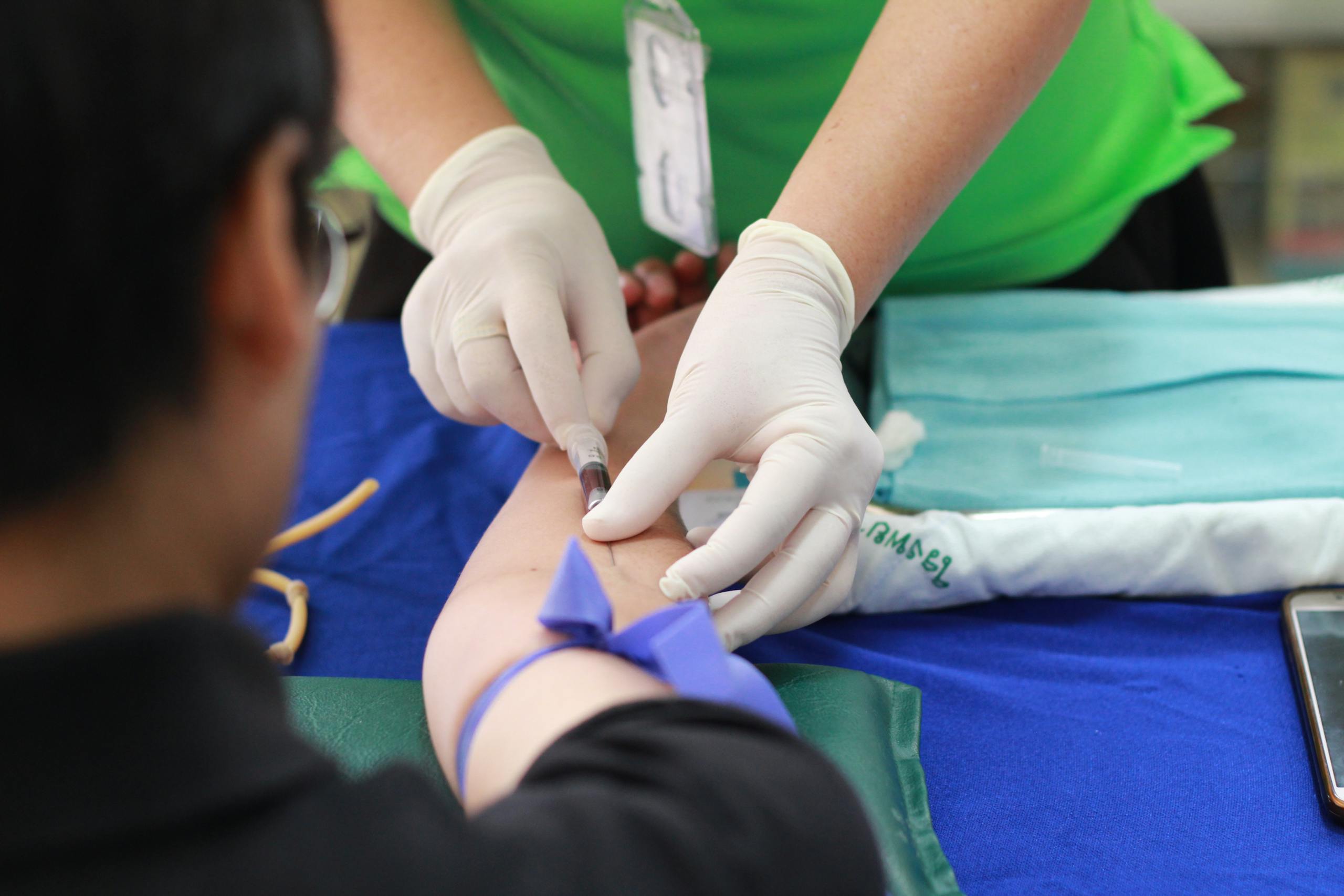
INFP nurses bring something to patient care that no clinical protocol can fully capture: a genuine, deeply personal investment in the human being in the bed. Certain nursing specialties align naturally with the INFP’s dominant Introverted Feeling (Fi) and auxiliary Extraverted Intuition (Ne), creating environments where their emotional depth, creativity, and value-driven care become genuine professional strengths rather than liabilities.
Not every nursing environment suits an INFP equally well. High-volume trauma units and fast-paced emergency settings can overwhelm a personality type that processes deeply and needs time to connect meaningfully with patients. fortunately that nursing is broad enough to offer real options, and knowing which specialties align with how you’re wired can change everything about how you experience your career.
If you haven’t confirmed your type yet, our free MBTI personality test is a solid starting point before you read further.
Our INFP Personality Type hub covers the full picture of what makes this type tick, but the question of career fit deserves its own close examination, especially in a field as emotionally demanding as nursing.

What Makes an INFP Different in a Clinical Setting?
Nursing attracts a wide range of personality types, and most of them can succeed with the right training and experience. But INFPs bring a specific combination of traits that shapes how they experience clinical work at a fundamental level.
Dominant Fi means INFPs filter every patient interaction through a deeply internalized value system. They aren’t performing empathy. They feel the weight of a patient’s situation in a way that’s personal and immediate. This is both a strength and a source of vulnerability, because the same sensitivity that makes them exceptional caregivers can make it harder to leave work at the door.
Auxiliary Ne gives INFPs a natural ability to see possibilities and patterns. In nursing, this shows up as creative problem-solving, the ability to notice something slightly off about a patient’s presentation before the numbers confirm it, and a genuine curiosity about what’s happening beneath the surface of a diagnosis. They’re often the nurse who asks the question no one else thought to ask.
Tertiary Si means INFPs can develop strong procedural competence over time, particularly in specialties they care about deeply. They build internal reference points from past experience and use those comparisons to inform present decisions. This isn’t the rigid rule-following of an SJ type, but it’s a real and useful kind of pattern recognition grounded in personal history.
Inferior Te is worth acknowledging honestly. INFPs can struggle with the administrative, efficiency-driven, and highly systematized aspects of nursing. Documentation-heavy environments, rigid hierarchies, and settings that prioritize throughput over patient connection can feel genuinely draining. Choosing a specialty that minimizes these friction points isn’t avoiding difficulty, it’s strategic self-awareness.
I spent over two decades in advertising, and one thing I learned slowly and sometimes painfully is that working against your wiring costs you. Not just energy, but quality. When I finally stopped trying to run meetings the way extroverted leaders ran them and started doing things my way, the work got better. The same principle applies to nursing specialties. You don’t become a better nurse by forcing yourself into a mold that wasn’t made for you.
Which Nursing Specialties Suit an INFP Best?
Several nursing specialties stand out as strong fits for the INFP profile. These aren’t the only options, but they share common features: meaningful one-on-one patient relationships, work that aligns with personal values, some degree of autonomy, and environments that reward depth of care over speed of throughput.
Psychiatric and Mental Health Nursing
Mental health nursing is one of the most natural fits for an INFP. The work centers on human connection, listening, and understanding the interior life of patients in ways that most medical specialties never require. INFPs don’t just tolerate this kind of depth, they seek it.
Psychiatric nursing demands exactly the kind of non-judgmental presence that Fi naturally produces. INFPs tend to hold space for people without projecting their own assumptions, which is a clinical skill in mental health settings. Patients dealing with depression, anxiety, trauma, or psychosis often respond to nurses who feel genuinely present rather than procedurally engaged.
The challenges are real. Psychiatric nursing involves difficult conversations, boundary management, and exposure to significant human suffering. INFPs who want to thrive here benefit from developing clear emotional boundaries, not as a way of shutting off their natural sensitivity, but as a way of protecting it long-term. Our piece on how INFPs can handle hard talks without losing themselves is worth reading if you’re considering this path.
Hospice and Palliative Care Nursing
Palliative and hospice care is where many INFPs find their most meaningful professional home. The work is about accompanying people through the most profound experience of their lives, not fixing, not curing, but being genuinely present with patients and families during dying and grief.
This specialty asks nurses to sit with discomfort rather than resolve it, to value presence over procedure, and to measure success in terms of dignity and peace rather than clinical outcomes. Those are INFP values translated directly into professional practice.
Hospice nursing also tends to involve smaller caseloads and deeper, longer-term relationships with patients and families. That kind of sustained connection is exactly what INFPs are built for. The work is emotionally heavy, no question about it, but INFPs who develop healthy processing habits often report that palliative care feels more sustaining than draining because the meaning is so clear.

Pediatric Nursing
INFPs often feel a natural pull toward working with children. Pediatric nursing rewards creativity, warmth, and the ability to communicate on multiple levels simultaneously, with the child, with anxious parents, and with the care team. INFPs tend to be genuinely playful in a way that puts pediatric patients at ease.
The emotional weight here is significant. Caring for sick children and supporting families through frightening diagnoses is hard work for anyone. For INFPs, the challenge is managing the emotional load without becoming overwhelmed by it. The same depth that makes them exceptional pediatric nurses can make certain cases stay with them long after the shift ends.
Pediatric oncology is a subspecialty some INFPs are drawn to specifically because of its intensity and meaning. It’s not for everyone, but for INFPs who want their work to matter in the most visceral sense, it can be profoundly fulfilling.
School Nursing
School nursing suits INFPs who want to work with younger populations in a setting that’s less clinically intense and more relationship-centered. School nurses often serve as a trusted adult figure for students who have no one else to talk to about health concerns, mental health struggles, or difficult home situations.
The role involves a lot of listening, advocacy, and creative problem-solving with limited resources. INFPs are naturally good at all three. The environment also offers more predictability than hospital nursing, which can help with the energy management that introverted types often need.
One thing worth noting: school nursing involves handling institutional dynamics, parent relationships, and sometimes bureaucratic friction. INFPs who struggle with conflict may find certain aspects of the role challenging. Understanding how you handle conflict as an INFP before stepping into a role with those pressures is genuinely useful preparation.
Oncology Nursing
Oncology nursing attracts INFPs who want sustained, meaningful relationships with patients over the course of treatment. Unlike emergency or acute care settings where patients cycle through quickly, oncology nurses often develop long-term bonds with patients going through chemotherapy, radiation, and the emotional arc of a cancer diagnosis.
INFPs thrive in environments where they can know patients as full human beings rather than presenting symptoms. Oncology provides that. It also demands emotional resilience and the ability to hold hope alongside hard realities, which is something INFPs can do naturally when they’ve developed their own internal stability.
The clinical complexity of oncology also engages auxiliary Ne. INFPs in this specialty often become highly attuned to the subtle shifts in a patient’s condition, noticing changes in mood, energy, or appearance that signal something worth investigating. That pattern recognition, grounded in genuine care, is a real clinical asset.
Community Health and Public Health Nursing
Community health nursing appeals to INFPs who want to address the systemic roots of health problems rather than just treating symptoms. This specialty connects directly to the INFP’s broader idealism and their desire to make a meaningful difference at a scale larger than a single patient.
Public health nurses work in clinics, schools, community centers, and homes. The work is varied, relationship-centered, and often involves advocating for vulnerable populations. INFPs who feel called to social justice or health equity often find this specialty aligns with their values more completely than hospital-based care.
The tradeoff is that public health nursing can involve significant bureaucratic navigation and institutional friction. INFPs who want to work in this space benefit from developing the kind of quiet influence that doesn’t require authority to be effective. The way quiet intensity actually works as a form of influence is something INFPs in advocacy roles often need to understand, even though that piece is written with INFJs in mind. The underlying principle translates.

What Nursing Environments Feel Wrong for an INFP?
Knowing where you fit is only half the picture. Knowing where you don’t fit saves you from years of unnecessary friction.
High-volume emergency departments are often a poor match for INFPs. The pace is relentless, patient relationships are brief and often incomplete, and the environment rewards fast decisive action over reflective care. INFPs can perform in these settings, especially with experience, but many report feeling chronically depleted rather than energized by the work.
Intensive care units present a similar challenge. ICU nursing demands rapid decision-making, technical precision under pressure, and emotional detachment that can feel fundamentally at odds with how INFPs are wired. Some INFPs do find meaning in ICU work, particularly when they can form connections with families, but the environment doesn’t naturally play to their strengths.
Administrative nursing roles or heavily documentation-focused positions tend to frustrate INFPs whose inferior Te makes systematic, efficiency-driven work feel hollow. These roles can be important stepping stones or necessary parts of a career, but they rarely represent where an INFP does their best work.
In my agency years, I watched talented people burn out not because the work was too hard but because it was the wrong kind of hard. There’s a difference between being challenged in ways that develop you and being worn down by friction that comes from working against your nature. That distinction matters enormously when you’re choosing a specialty you’ll spend decades in.
How Does an INFP Handle the Emotional Weight of Nursing?
This is the question most INFPs considering nursing or already working in it need to sit with honestly. The emotional demands of nursing are significant for everyone. For INFPs, they’re amplified by a natural tendency to absorb and internalize the experiences of the people they care for.
What Psychology Today describes as empathy involves both cognitive and affective components. INFPs tend to experience the affective dimension strongly, meaning they don’t just understand a patient’s distress intellectually, they feel something themselves. That’s not a flaw. It’s part of what makes them effective. But it requires active management.
Compassion fatigue is a real occupational risk in nursing, and INFPs may be more susceptible than some other types because of how deeply they engage. Research published in PubMed Central has examined the relationship between personality traits and burnout in healthcare workers, noting that emotional processing style plays a meaningful role in long-term sustainability. INFPs who want long careers in nursing need to treat their emotional recovery as a professional priority, not an afterthought.
Practically, this means building genuine decompression routines. Not just rest, but active processing. Writing, creative work, time in nature, or quiet conversation with trusted people. INFPs don’t process by talking through everything with anyone available. They process internally, and they need protected space to do it.
It also means developing the ability to hold difficult conversations without either avoiding them or being consumed by them. The tendency to take conflict personally is something many INFPs recognize in themselves, and nursing involves conflict, with patients, families, colleagues, and institutional systems. Building that skill intentionally is part of sustaining a nursing career long-term.
What Communication Challenges Do INFPs Face in Clinical Settings?
INFPs are often excellent communicators in one-on-one settings. They listen deeply, respond thoughtfully, and make people feel genuinely heard. In clinical environments, those strengths show up clearly.
The challenges tend to emerge in more structured or hierarchical communication contexts. INFPs can struggle to assert themselves clearly when they disagree with a clinical decision, particularly when the disagreement involves someone with more authority. The desire to preserve harmony can override the need to speak up, and in nursing, not speaking up can have real consequences for patients.
There’s also a tendency to over-explain or soften critical information in ways that reduce its impact. When a patient needs to hear something difficult, or when a family needs clear guidance about prognosis or treatment options, the INFP’s natural instinct to protect people from pain can sometimes get in the way of delivering necessary clarity.
Some of the communication blind spots that show up in INFJs have parallels in INFPs, particularly around avoiding directness in high-stakes moments. The piece on INFJ communication blind spots touches on patterns that feeling-dominant introverts often share, worth reading even if your type is different. Similarly, understanding the hidden cost of keeping peace that INFJs often pay resonates for INFPs who default to harmony over honesty in clinical settings.
The antidote isn’t becoming someone who’s blunt or detached. It’s developing the capacity to be both warm and clear at the same time. INFPs who master that combination become some of the most trusted communicators in any clinical environment.

How Can INFPs Build Sustainable Nursing Careers?
Sustainability in nursing for an INFP isn’t just about choosing the right specialty, though that matters enormously. It’s also about building the professional habits and self-awareness that allow you to stay in the work long-term without burning out or becoming someone you don’t recognize.
One of the most important things an INFP nurse can do is develop a clear understanding of their own conflict style. INFPs who encounter friction with colleagues, supervisors, or institutional systems often either withdraw entirely or internalize the conflict in ways that fester. Neither response serves them or their patients. Understanding why feeling-dominant introverts sometimes door-slam and what healthier alternatives look like offers a useful framework, even for INFPs approaching this from their own type’s angle.
Mentorship matters more for INFPs than they often realize. Because INFPs process internally and tend to be private about their struggles, they can go a long time without getting support that would genuinely help them. Finding a mentor or supervisor who understands depth-oriented care and can help an INFP develop clinical confidence without flattening their natural style is genuinely valuable.
Continuing education in areas that align with INFP values, whether that’s trauma-informed care, narrative medicine, integrative health approaches, or patient advocacy, tends to reinvigorate INFPs who are feeling stagnant. Their auxiliary Ne needs intellectual stimulation and the sense that they’re growing toward something meaningful.
The connection between psychological well-being and professional performance in healthcare workers is well-documented. INFPs who invest in their own emotional and psychological health aren’t being self-indulgent. They’re protecting their capacity to give the kind of care that drew them to nursing in the first place.
One pattern I noticed in my agency years was that the people who lasted longest and did the best work were rarely the ones who were toughest or most detached. They were the ones who had figured out how to care deeply without losing themselves in it. That balance is something INFPs in nursing are specifically positioned to model, if they can develop it.
What Does the Research Say About Personality and Nursing Fit?
The relationship between personality type and nursing specialty satisfaction is an area of genuine interest in healthcare research. A study published in Frontiers in Psychology examined how personality dimensions relate to professional outcomes in healthcare, finding that emotional sensitivity and value alignment with one’s work environment are meaningful predictors of long-term satisfaction and performance.
The MBTI framework itself, as 16Personalities describes in their theoretical overview, is built on the idea that type reflects genuine cognitive preferences rather than surface-level personality traits. For INFPs, this means the fit between specialty and type isn’t superficial. It reflects how they actually process information, make decisions, and relate to the people they serve.
What the research consistently suggests, without overstating any specific finding, is that healthcare workers who feel their work aligns with their values and allows them to use their natural strengths report higher satisfaction, lower burnout rates, and better patient outcomes. For INFPs, that alignment is most reliably found in the specialties described above.
It’s also worth noting that the clinical literature on compassion fatigue and burnout in nursing consistently identifies emotional engagement style as a key variable. INFPs who understand their own engagement style and manage it proactively are better positioned than those who simply push through without reflection.

Can an INFP Thrive in Leadership Roles Within Nursing?
Leadership in nursing doesn’t always look like charge nurse roles or unit management. INFPs often lead through influence, mentorship, and the kind of quiet advocacy that shifts culture without demanding credit. That’s a real form of leadership, and it’s one that INFPs are often better at than they realize.
Formal leadership roles can work for INFPs, particularly in specialties where the culture values relational depth and patient-centered care. Hospice directors, school nurse coordinators, and community health program managers are examples of leadership positions that tend to suit INFP strengths. These roles involve vision-setting, relationship management, and advocacy, all areas where INFPs can genuinely excel.
The friction points in nursing leadership for INFPs tend to involve administrative demands, budget management, and handling institutional politics. Inferior Te means these tasks are possible but effortful. INFPs in leadership roles often benefit from strong administrative support or collaborative partnerships with colleagues who balance their profile.
When I ran agencies, I learned to build teams that compensated for my own gaps rather than trying to develop every skill to the same level. An INFP nurse leader who pairs their relational depth with a detail-oriented administrator or a systems-minded colleague creates something more effective than either could alone. That’s not weakness. That’s self-aware leadership.
The kind of influence that doesn’t require a title or formal authority is something INFPs often exercise naturally in clinical settings. They become the person other nurses consult when something feels off about a patient, or the one families ask for when they need someone who will really listen. That informal authority is worth recognizing and building on, even without a leadership title.
If you want to explore more about what shapes INFP professional life and personal development, our complete INFP Personality Type hub brings together the full range of resources we’ve developed for this type.
About the Author
Keith Lacy is an introvert who’s learned to embrace his true self later in life. After 20 years in advertising and marketing leadership, including running agencies and managing Fortune 500 accounts, Keith now channels his experience into helping fellow introverts understand their strengths and build fulfilling careers. As an INTJ, he brings analytical depth and authentic perspective to every article, drawing from both professional expertise and personal growth.
Frequently Asked Questions
What is the best nursing specialty for an INFP?
Hospice and palliative care, psychiatric nursing, and oncology nursing tend to be the strongest fits for INFPs. These specialties reward sustained patient relationships, emotional depth, and value-driven care. Community health nursing and pediatric nursing are also strong options depending on the INFP’s specific interests and energy management style.
Are INFPs emotionally suited for nursing?
INFPs are deeply emotionally suited for nursing in terms of genuine care and connection with patients. The challenge lies in managing the emotional weight of the work over time. INFPs who develop clear boundaries and active recovery routines can sustain long, meaningful nursing careers. Those who don’t may experience compassion fatigue more acutely than other types.
Can an INFP handle the fast pace of emergency nursing?
Some INFPs do work in emergency settings, particularly after developing clinical experience and confidence. That said, emergency nursing is generally a poor structural fit for the INFP profile. The brief patient interactions, high volume, and pressure to make rapid decisions without time for reflection tend to work against INFP strengths rather than with them.
How does the INFP’s dominant Fi function affect their nursing practice?
Dominant Introverted Feeling (Fi) means INFPs evaluate every patient situation through a deeply personal value system. In nursing, this produces genuine investment in patient dignity and individualized care. It also means INFPs may struggle with clinical decisions that feel ethically misaligned, and they may need to develop strategies for expressing those concerns constructively rather than withdrawing or internalizing them.
What should an INFP nurse do to avoid burnout?
Choosing a specialty that aligns with INFP values and allows for meaningful patient relationships is the most important structural protection against burnout. Beyond specialty choice, INFPs benefit from building consistent emotional recovery routines, seeking mentorship, pursuing continuing education in areas they find genuinely interesting, and developing the ability to engage in necessary conflict without avoiding it or being overwhelmed by it.