

An INFP workspace setup works best when it reflects personal meaning, supports deep creative focus, and protects the emotional energy that fuels this personality type’s best thinking. The right physical and digital environment isn’t a luxury for INFPs, it’s a functional necessity.
INFPs process the world through feeling and intuition. Their workspace needs to honor that. Harsh lighting, cluttered surfaces, and sterile environments don’t just feel uncomfortable, they actively interfere with the kind of reflective, imaginative work this type does at their best.
Over my years running advertising agencies, I watched creative people of all personality types struggle to produce their best work in environments that weren’t built for them. The open-plan offices we inherited from 1990s corporate culture looked collaborative on paper. In practice, they drained the introverted creatives who needed stillness to think. INFPs, in particular, seemed to wilt in those spaces. What they needed, and what this guide covers, is an environment designed around how they actually function.
Our MBTI Introverted Diplomats (INFJ and INFP) hub covers the full range of what makes these two types so distinct within the introvert world. This article zooms in on something practical: the specific products, tools, and environmental choices that help INFPs create a workspace that feels genuinely theirs.

Why Does the Physical Environment Matter So Much to INFPs?
Most personality types can adapt to a range of work environments without significant performance loss. INFPs are not most personality types. Their dominant cognitive function, introverted feeling, means they experience the world through a constant internal filter of values, meaning, and emotional resonance. What surrounds them doesn’t stay outside. It comes in.
What’s your personality type?
Take our free 40-question assessment and get a detailed personality profile with dimension breakdowns, context analysis, and personalised insights.
Discover Your Type8-12 minutes · 40 questions · Free
A 2021 study published in PubMed Central found that environmental stressors, including noise, visual clutter, and poor lighting, significantly affect cognitive performance and emotional regulation. For people whose primary mode of processing is internal and feeling-oriented, those effects are amplified. An INFP sitting under fluorescent lights in a chaotic room isn’t just mildly uncomfortable. They’re working against their own neurology.
Contrast that with an INFP who has warm lamp light, a few meaningful objects on their desk, and a quiet corner that feels like theirs. That person accesses a different level of focus and creativity entirely. I’ve seen this play out in my own work, even as an INTJ. The environments I do my best writing in share qualities with what INFPs need: low sensory noise, personal meaning, and enough visual calm to let my mind do its actual work.
If you’re still figuring out whether INFP fits your wiring, our free MBTI personality test can help you identify your type with more confidence before you invest in building a workspace around it.
Understanding how to recognize an INFP goes beyond the surface traits most people cite. The sensitivity to environment is one of those deeper markers that often gets overlooked in casual descriptions of this type.
What Lighting Products Actually Work for INFP Focus?
Lighting is the single most impactful environmental variable you can change in a workspace, and it’s one of the most underestimated. Overhead fluorescent or cool-white LED lighting creates a clinical, high-alert atmosphere. That might work for someone who needs to stay sharp during repetitive tasks. For an INFP doing creative or emotionally resonant work, it creates low-grade tension that compounds over hours.
Warm-toned desk lamps in the 2700K to 3000K color temperature range are the foundation. The BenQ e-Reading LED Desk Lamp is worth the investment for INFPs who spend long hours at a desk. It has adjustable color temperature, high color rendering (which reduces eye strain significantly), and a wide, even light spread that eliminates harsh shadows. It’s not cheap, but eye fatigue is a real productivity drain.
For ambient lighting, smart bulbs like the Philips Hue White Ambiance line let you shift the room’s mood throughout the day. Many INFPs find that cooler light in the morning supports initial focus, while warmer tones in the afternoon create the contemplative atmosphere where their deeper creative work happens. Having that control matters. It’s one more way the workspace responds to the person rather than demanding the person adapt to the space.
Salt lamps and Edison-style filament bulbs work well as secondary light sources. They’re not bright enough to work by alone, but layered with a good desk lamp, they add warmth and a sense of enclosure that many INFPs find grounding. One of my former creative directors, someone I now recognize as a likely INFP, kept a salt lamp on her desk for years. I thought it was purely aesthetic. She told me once it helped her feel like the space was hers. That’s not a small thing.
Which Sound Tools Help INFPs Protect Their Concentration?
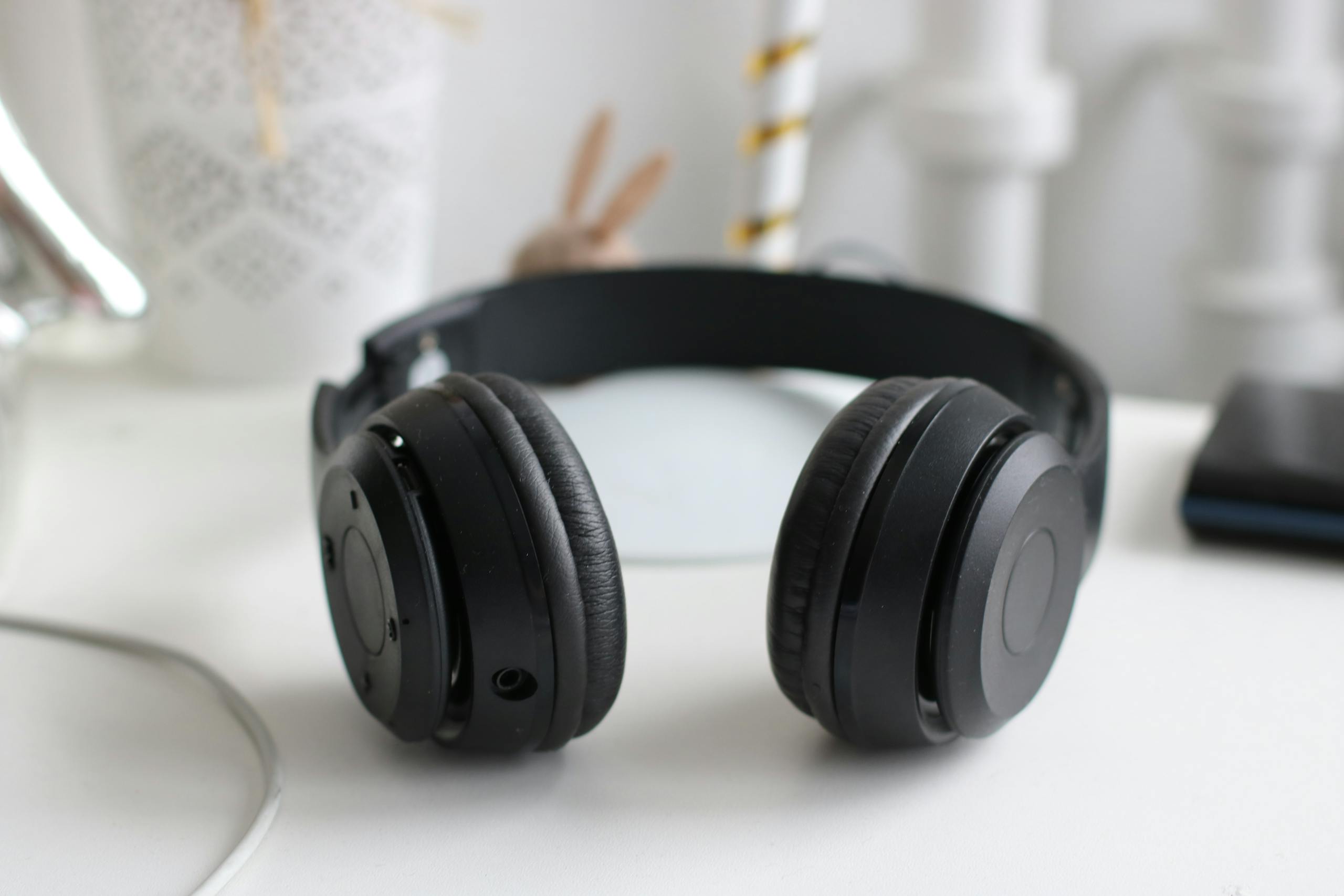
Sound management is non-negotiable for INFPs working in shared spaces or homes with unpredictable noise. Unlike some introverted types who can mentally filter background sound, INFPs tend to absorb ambient emotional energy from their environment. Voices in particular, even ones they can’t fully hear, create a low-level distraction that interrupts the internal processing this type depends on.
Active noise-canceling headphones are the most effective tool in this category. The Sony WH-1000XM5 and Bose QuietComfort 45 are consistently the top performers. Both offer excellent noise cancellation, comfortable over-ear designs for long sessions, and good audio quality for music or ambient sound. The Sony edges ahead for those who want more control over noise cancellation levels. The Bose is slightly more comfortable for extended wear.
What you play through those headphones matters too. Many INFPs find that lyric-free music supports focus better than silence. Brain.fm uses AI-generated functional music specifically designed to support concentration, and a number of introverted creatives I know swear by it. Alternatively, lo-fi playlists, ambient nature sounds, and film scores (Hans Zimmer’s catalog gets mentioned constantly in INFP creative communities) provide the gentle sonic backdrop that keeps the mind engaged without pulling focus.
For open offices or co-working spaces, a white noise machine like the LectroFan or the Marpac Dohm adds a layer of acoustic privacy without requiring headphones all day. Placing one near your workspace creates a subtle sound buffer that reduces how much ambient conversation bleeds into your thinking.
The Psychology Today overview on empathy notes that highly empathic people, a category that includes most INFPs, are more attuned to emotional cues in their environment, including auditory ones. Managing sound isn’t sensitivity management, it’s cognitive resource management.
What Desk and Storage Choices Support INFP Creative Flow?
INFPs tend to have complicated relationships with physical organization. They’re often drawn to beauty and meaning in objects, which means their desks collect things that matter to them. At the same time, visual clutter competes with the mental clarity they need for deep work. The goal isn’t a minimalist, sterile surface. It’s intentional curation.
A desk with some surface area is important. INFPs often spread materials out when they’re working through ideas, and a cramped workspace creates a cramped thinking space. Solid wood desks or desks with wood-grain finishes tend to photograph well in INFP workspace inspiration posts for a reason: the warmth of natural materials is genuinely soothing for this type. The Flexispot E7 standing desk with a bamboo top is a practical choice that covers both the ergonomic and aesthetic bases.
Storage should keep meaningful objects visible and functional clutter hidden. A combination of closed storage (drawers or small cabinets for supplies) and open shelving for books, plants, and personal items works well. The open shelving gives INFPs somewhere to display the things that make the space feel like theirs without those things taking over the working surface.
A corkboard or magnetic board near the desk serves a dual purpose. It’s a practical place to pin notes, reference materials, and deadlines. It’s also a canvas for the kind of visual inspiration that feeds INFP creativity: quotes, images, color swatches, small drawings. I’ve kept something like this at every desk I’ve worked from seriously, even as an INTJ who’s more systems-oriented than visually motivated. There’s something about having your thinking made visible that helps.
The National Institutes of Health research on cognitive function and environment supports the idea that personalized workspaces increase psychological ownership, which in turn improves motivation and sustained attention. For INFPs, this isn’t decoration. It’s function.

How Should INFPs Choose Their Writing and Analog Tools?
INFPs and handwriting have a long history together. There’s something about the physical act of writing, the slight friction of pen on paper, the permanence of ink, that connects this type to their own thoughts in a way that typing often doesn’t. If you’re an INFP who’s never kept a paper journal or worked through ideas longhand, it’s worth trying before dismissing.
For journals, the Leuchtturm1917 and Moleskine are the most consistently recommended among reflective, creatively-oriented types. The Leuchtturm has page numbers and an index, which appeals to INFPs who want to be able to find their thoughts later. The Moleskine is slightly more minimalist. Both come in dotted-grid versions, which give enough structure to keep writing organized without the rigidity of lines.
Pens matter more than people expect. A pen that writes smoothly and feels good in the hand reduces the friction between thought and page. The Pilot G2 is the reliable everyday choice. For something with more weight and pleasure to it, the LAMY Safari or the Pilot Metropolitan fountain pen changes the writing experience meaningfully. Many INFPs find that a pen they genuinely enjoy using makes them more likely to actually write.
Sticky notes, index cards, and colored markers serve the INFP’s need to externalize ideas during the thinking phase. The act of writing a thought on a card and moving it around physically is often more useful for this type than any digital equivalent. A set of Staedtler fineliner pens in multiple colors, combined with a stack of index cards, costs almost nothing and supports a kind of intuitive brainstorming that apps rarely replicate.
The deeper dimension of why analog tools resonate with INFPs connects to something explored in the INFP self-discovery insights article on this site. The physical act of writing is often how INFPs access their own inner world, not just record it.
What Digital Tools Fit the INFP Way of Thinking?
INFPs are not natural systems-builders. They tend to resist rigid structures and often abandon productivity apps that feel more like compliance tools than thinking aids. The digital tools that work for this type share certain qualities: they’re flexible, they allow for nonlinear thinking, and they don’t punish the INFP for working in bursts rather than steady, scheduled blocks.
Notion is the most versatile option for INFPs who want a single digital home for their projects, notes, and ideas. Its flexibility is both its strength and its risk. INFPs can spend hours designing their Notion workspace and call it productivity. The solution is to start with a simple template and resist the urge to over-engineer. A basic setup with a daily notes page, a project tracker, and an ideas inbox is enough to start.
Obsidian appeals to INFPs who think in connections rather than hierarchies. Its linked-note system mirrors the way this type naturally makes meaning, by finding relationships between ideas rather than filing them into categories. The learning curve is steeper than Notion, but INFPs who stick with it often describe it as the first note-taking tool that felt like it matched their mind.
For writing specifically, iA Writer and Ulysses both offer distraction-free environments that strip away everything except the words. No notifications, no sidebar clutter, no formatting menus. Just text. That kind of focused container is valuable for a type that can be pulled in multiple directions by their own imagination.
Task management is where many INFPs struggle most with digital tools. Todoist’s natural language input and flexible project structure works better for this type than rigid systems like Asana. Todoist lets you capture tasks quickly without forcing you to categorize them immediately, which respects the INFP tendency to have ideas at unpredictable moments.
One pattern I noticed across the creative teams I managed: the people who did their best work weren’t using the most sophisticated tools. They were using tools that got out of the way. A junior copywriter I worked with on a major automotive account produced some of the most compelling work I’d seen from someone at her level. Her system was a single Google Doc and a yellow legal pad. The simplicity wasn’t a limitation. It was a feature.
How Can INFPs Use Nature and Sensory Elements in Their Workspace?
Plants are not optional for most INFPs. They’re functional. A 2022 study from PubMed Central found that indoor plants reduce psychological stress and improve attention restoration. For INFPs, who are particularly attuned to their sensory and emotional environment, the presence of living things in a workspace has a measurable calming effect.
Low-maintenance options work best for people who lose track of time in their work. Pothos, snake plants, and ZZ plants are nearly indestructible and still provide the visual softness and organic texture that INFPs respond to. A small succulent collection on the windowsill or a trailing pothos on a shelf adds life to a space without demanding much attention in return.
Scent is another underused environmental lever. Essential oil diffusers with lavender, eucalyptus, or cedarwood create a sensory cue that signals “this is my space, this is where I think.” The ritual of starting a diffuser at the beginning of a work session can serve as a transition anchor, helping the INFP shift from scattered morning energy into focused creative mode. URPOWER and InnoGear make reliable, quiet diffusers at accessible price points.
Texture matters too. A soft desk mat, a comfortable chair cushion, or a throw blanket nearby gives the INFP’s tactile sensitivity something pleasant to register rather than something irritating. These aren’t indulgences. They’re the difference between a workspace that drains and one that sustains.
What Ergonomic Investments Make the Biggest Difference for INFP Deep Work?
INFPs can lose hours in a single focused session when the conditions are right. That’s a gift, and it comes with a physical cost if the workspace isn’t set up to support extended concentration. Ergonomics isn’t a separate category from the INFP workspace conversation. Physical discomfort breaks focus and creates the kind of low-grade distress that this type finds particularly difficult to ignore.
A good chair is the highest-impact ergonomic investment. The Herman Miller Aeron and the Steelcase Leap are the gold standards, but they’re significant investments. The Branch Ergonomic Chair and the Autonomous ErgoChair Pro offer solid ergonomic support at roughly half the price. Whatever the budget, the chair needs lumbar support, adjustable armrests, and enough seat depth to sit with your hips fully back. Sitting in a chair that doesn’t fit your body for six hours is a creativity tax.
Monitor placement matters more than most people realize. A screen at eye level, roughly an arm’s length away, prevents the neck tension that accumulates over long sessions. A monitor arm like the Ergotron LX is one of the best value-to-impact purchases for a desk setup. It frees up surface space and makes height and angle adjustment effortless.
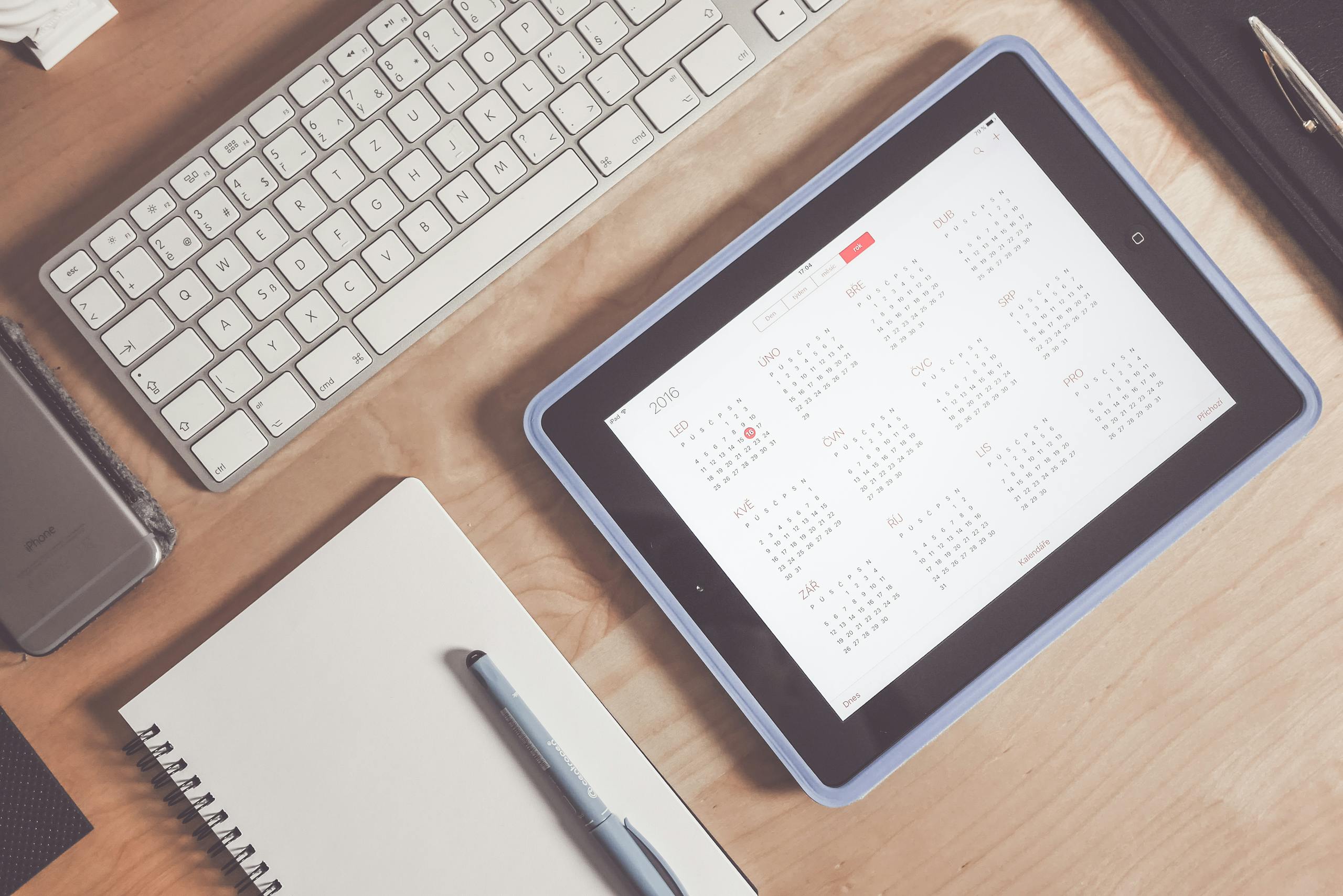
For INFPs who do a lot of typing, a mechanical keyboard with a tactile switch (Cherry MX Brown or similar) provides satisfying physical feedback that many find helps them stay present in the act of writing. The Keychron K2 or K6 are popular choices that balance quality, portability, and price. A wrist rest alongside the keyboard reduces the repetitive strain that builds during long creative sessions.
Standing desk converters or full standing desks are worth considering for INFPs who find that movement helps them think through problems. The option to shift posture during a long session, rather than being fixed in one position, can extend productive focus time meaningfully. Harvard’s workplace health resources consistently support the value of postural variety for sustained cognitive performance.
How Does the INFP Workspace Connect to Broader Personality Patterns?
There’s a reason workspace setup feels like a deeper conversation when you’re talking about INFPs specifically. For this type, the environment isn’t backdrop. It’s part of how they access themselves.
INFPs carry a rich inner world that needs the right external conditions to express itself. When the workspace is wrong, that inner world stays locked up. When it’s right, the work that comes out of it can be genuinely remarkable. That connection between outer environment and inner access is something worth taking seriously, not as personality indulgence, but as practical creative strategy.
Comparing this to adjacent types is instructive. The differences between ENFPs and INFPs in how they make decisions and process information help explain why the INFP workspace needs to be so personally calibrated. ENFPs draw energy from variety and external stimulation. INFPs need a space that feels safe enough to go inward. Those are fundamentally different environmental requirements.
There’s also something worth noting about the INFP’s relationship to meaning and narrative. A 2019 analysis on creative personality types found that people who score high on openness and feeling-orientation, traits central to the INFP profile, show stronger performance in environments they’ve personally shaped. The workspace becomes part of the identity, and that psychological ownership translates into sustained engagement with the work itself.
Even the INFJ, a type that shares significant overlap with the INFP, has different workspace needs. The complete guide to the INFJ personality type on this site shows how INFJs tend toward more systematic environmental organization, while INFPs lean toward personal meaning and emotional resonance as their organizing principles. Neither approach is wrong. They’re just different.
There’s also an interesting tension in how INFPs relate to structure that connects to what I’d call the paradox problem. The INFJ paradoxes article explores how introverted diplomats often hold contradictory traits simultaneously. INFPs experience their own version of this: they want order but resist systems, they crave depth but get distracted by beauty, they value consistency but follow inspiration wherever it leads. A good workspace setup holds space for all of that without forcing resolution.
What I’ve come to appreciate, both through my own work and through watching creative people across two decades of agency life, is that the people who do the most meaningful work are usually the ones who’ve stopped apologizing for what they need. An INFP who builds a workspace that genuinely supports them isn’t being precious. They’re being strategic.

What Budget Approach Makes Sense for Building an INFP Workspace?
Not every recommendation in this article needs to happen at once. A phased approach makes more sense for most people, and it also gives INFPs time to discover what they actually need rather than buying a complete setup based on someone else’s preferences.
Start with the highest-impact, lowest-cost changes: lighting, sound management, and one or two meaningful personal objects. A warm desk lamp, a pair of noise-canceling headphones, and a journal can transform the working experience for well under $200. Those three things address the sensory and emotional environment before you spend anything on furniture or technology.
The second tier, once you’ve established the basics, includes ergonomic improvements. A better chair or a monitor arm makes a real difference for anyone spending serious hours at a desk. This is where the investment starts to feel significant, but the return in sustained focus and reduced physical discomfort is concrete.
Plants and sensory elements can be added gradually. A single pothos from a garden center costs almost nothing and makes an immediate visual difference. An essential oil diffuser can be found for $20 to $30. These small additions compound over time into a workspace that feels genuinely personal.
Digital tools should be chosen last, after the physical environment is in place. The temptation is to start with apps and systems, but for INFPs, the physical space shapes the mental state that determines whether any digital tool gets used consistently. Get the room right first.
The National Institute of Mental Health notes that environmental factors play a meaningful role in mood regulation and cognitive function. For a type as environmentally sensitive as INFPs, this isn’t abstract. It’s a direct argument for taking workspace design seriously as an investment in mental health and creative capacity.
There’s one more dimension worth naming. The INFP who builds a workspace they love isn’t just creating better conditions for productivity. They’re creating a place where their particular kind of imagination, the kind that produces writing, art, counseling, teaching, and the other work INFPs tend toward, can actually breathe. That matters in ways that go beyond any productivity metric.
The literary and creative world’s complicated relationship with the INFP type is worth a moment’s reflection here. The psychology behind why INFP characters are often written as tragic reveals something true about how this type is perceived from the outside: as too sensitive, too idealistic, too internal to survive in a hard world. A well-designed workspace is, in a small but real way, a refusal of that narrative. It’s the INFP saying: my way of being in the world is worth building around.
Explore more personality insights and resources in our complete MBTI Introverted Diplomats (INFJ and INFP) Hub.
About the Author
Keith Lacy is an introvert who’s learned to embrace his true self later in life. After 20 years in advertising and marketing leadership, including running agencies and managing Fortune 500 accounts, Keith now channels his experience into helping fellow introverts understand their strengths and build fulfilling careers. As an INTJ, he brings analytical depth and authentic perspective to every article, drawing from both professional expertise and personal growth.
Frequently Asked Questions
What is the most important element of an INFP workspace setup?
Lighting and sound management are the two highest-impact elements for most INFPs. Warm-toned lighting reduces the clinical tension of cool fluorescent environments, and noise-canceling headphones protect the mental quiet INFPs need for deep, feeling-oriented work. These two changes alone, before any furniture or technology investment, can significantly shift the working experience for this personality type.
Do INFPs work better at home or in an office?
Most INFPs perform better in environments they can control and personalize, which typically means home or private office settings. Open-plan offices with high ambient noise and social visibility tend to drain the emotional and creative energy INFPs depend on. That said, some INFPs find that a quiet corner of a coffee shop or library provides enough ambient presence without the interpersonal demands of a traditional office. Personal control over the environment is the consistent factor, not the specific location.
What digital tools work best for INFPs?
INFPs tend to work best with flexible, non-hierarchical digital tools that allow for nonlinear thinking. Notion and Obsidian are strong choices for note-taking and project organization. iA Writer or Ulysses work well for distraction-free writing. Todoist handles task management without forcing rigid categorization. The common thread is flexibility: tools that adapt to the INFP’s way of thinking rather than demanding the INFP adapt to the tool’s structure.
How can INFPs manage distractions in a shared living space?
Active noise-canceling headphones are the most effective single tool for managing auditory distractions in shared spaces. Beyond that, establishing a consistent physical location for work, even a specific chair or corner of a room, helps create a psychological boundary that signals focus time to both the INFP and the people they share space with. A white noise machine adds a layer of acoustic privacy without requiring headphones all day. Visual privacy, such as positioning a desk to face a wall rather than a high-traffic area, also reduces the ambient social awareness that can pull INFPs out of concentration.
Are plants actually useful in an INFP workspace or just decorative?
Plants serve a functional purpose in INFP workspaces, not just an aesthetic one. Research published in PubMed Central has found that indoor plants measurably reduce psychological stress and support attention restoration. For INFPs, who are particularly attuned to their emotional and sensory environment, the presence of living things creates a calming effect that supports sustained focus. Low-maintenance varieties like pothos, snake plants, and ZZ plants provide these benefits without demanding significant care, making them practical additions rather than burdens.